By Jason Davis | Digital Editor
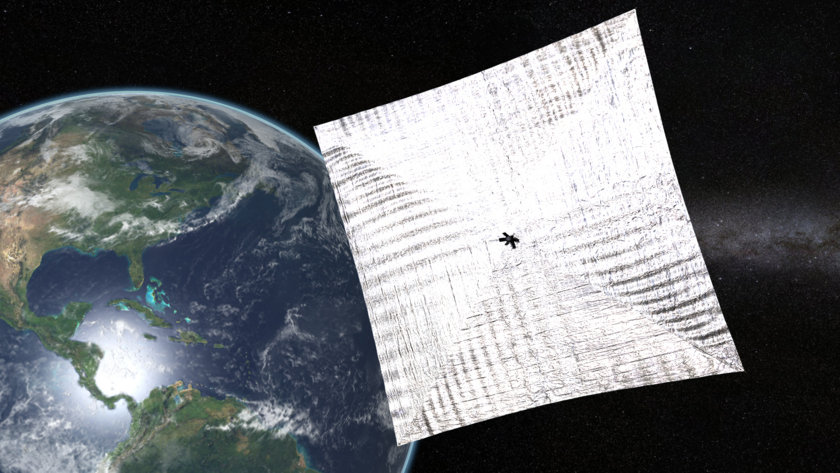
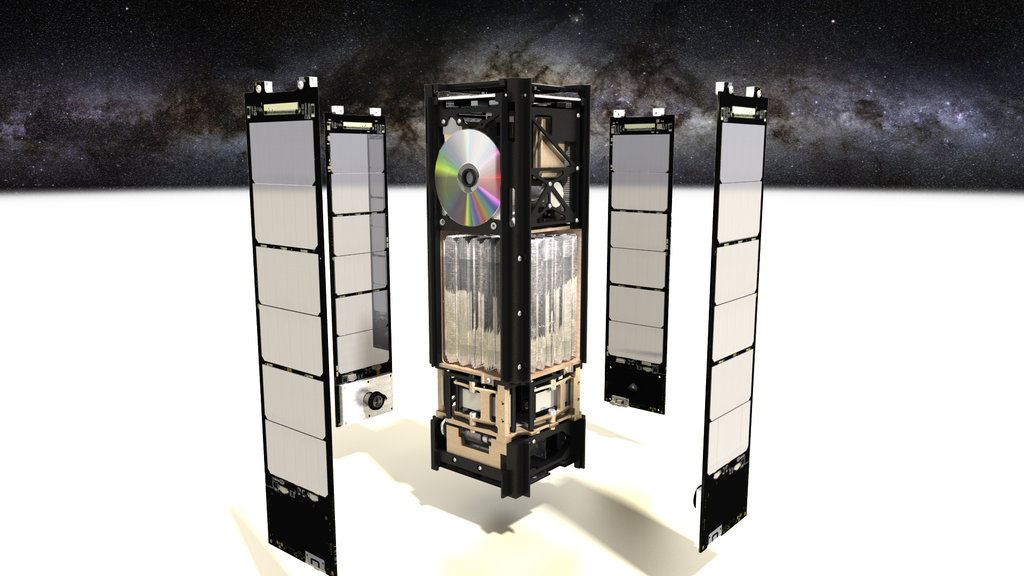
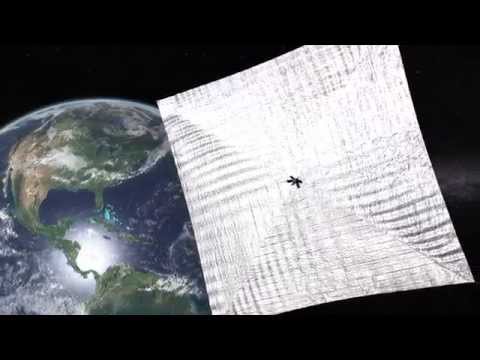
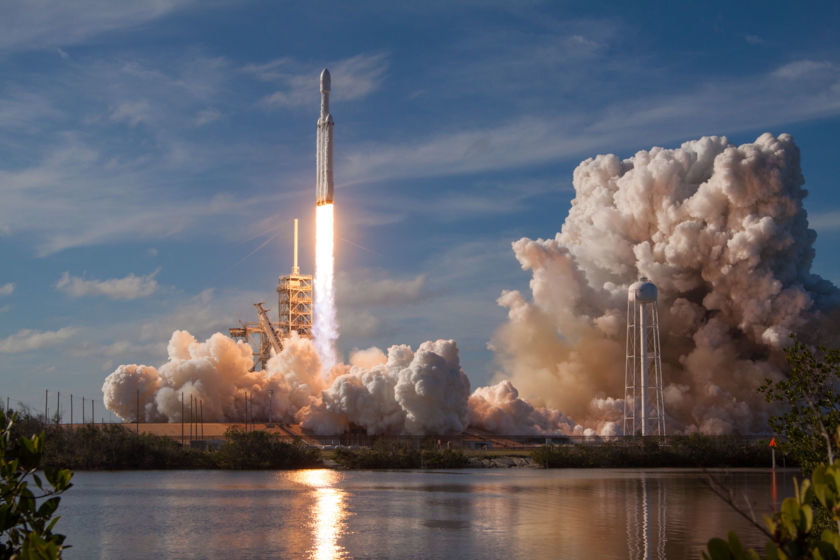
The loaf-of-bread-sized satellite, which will unfurl a 32-square-meter solar sail to harness sunlight for propulsion, was previously scheduled to hitch a ride to orbit aboard a SpaceX Falcon Heavy rocket no earlier than Nov. 30. An Air Force official now tells The Planetary Society a new "initial launch capability" is being assessed and is expected to fall in early 2019.
LightSail 2 is one of 25 spacecraft aboard a Falcon Heavy rideshare mission called STP-2 — the 'STP' stands for the Air Force’s Space Test Program. The primary payloads are six weather and climate satellites called COSMIC-2 and a space radiation experiment named DSX. The Falcon Heavy's upper stage engine will re-light multiple times to deliver all 25 spacecraft into three different orbits.
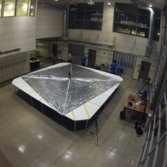
Once in space, LightSail 2 will attempt to demonstrate solar sailing as a method of propulsion for small, standardized satellites known as CubeSats. The spacecraft will do this by turning its reflective solar sail against the sun's rays each orbit. Solar photons have no mass, but they have momentum, and will give LightSail 2 a gentle push as they bounce off the sail.
The push is no stronger than the weight of a paperclip, but it is continuous and will raise the spacecraft’s orbit by up to several hundred meters each day.
LightSail 2 was installed in Prox-1 back in March at the Air Force Research Laboratory in Albuquerque, New Mexico. The vehicles underwent vibration testing in August, but a post-test inspection showed LightSail's batteries had drained more than was desired. Because of uncertainties in the launch date, engineers opted not to re-integrate LightSail in Prox-1 so LightSail’s batteries could be periodically charged.
As a result of the latest mission delay, mission managers opted to fly LightSail 2 back to Cal Poly San Luis Obispo, where it can be accessed more easily. The spacecraft's batteries will continue to get topped off between now and launch.
By Jason Davis | Digital Editor
By Jason Davis | Digital Editor
Project reports on GlobalGiving are posted directly to globalgiving.org by Project Leaders as they are completed, generally every 3-4 months. To protect the integrity of these documents, GlobalGiving does not alter them; therefore you may find some language or formatting issues.
If you donate to this project or have donated to this project, you can receive an email when this project posts a report. You can also subscribe for reports without donating.