By Robin Young | Donor Relations Coordinator
Hello all:
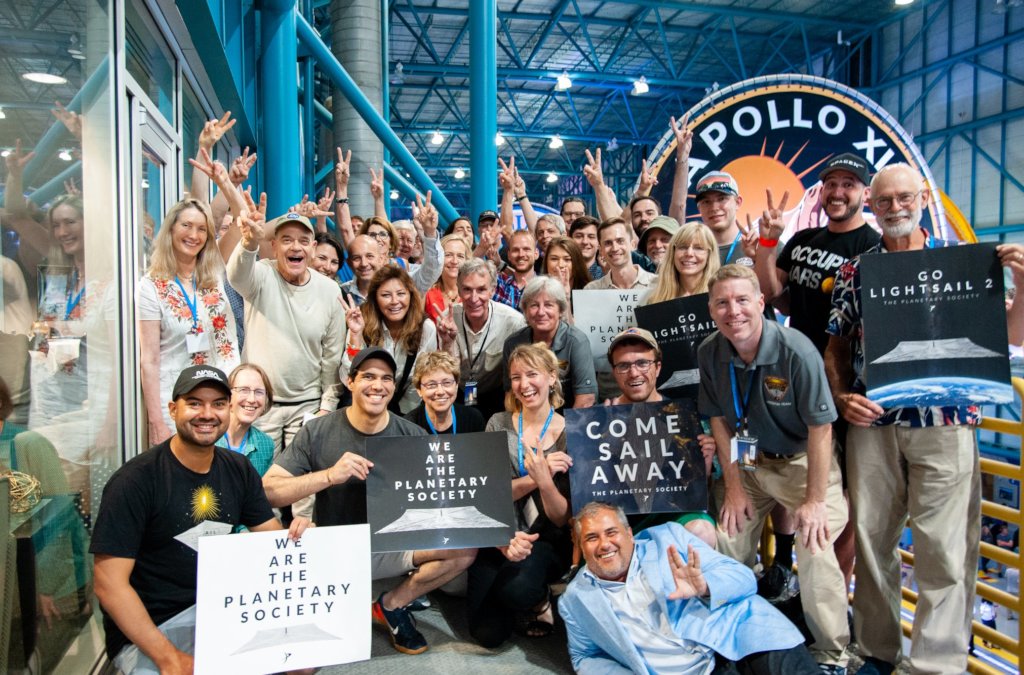
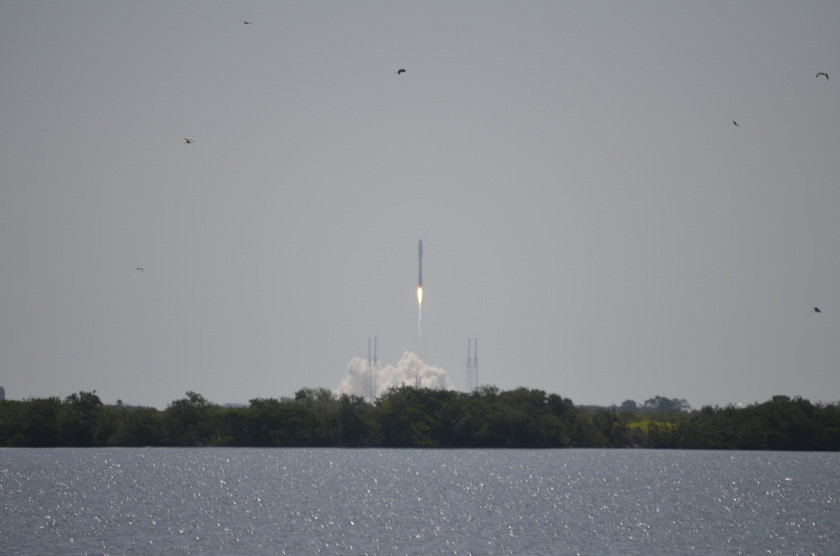
Launch of the United Launch Alliance Atlas V occurred Wednesday, May 20, under a cloudless, pale blue sky. The countdown proceeded smoothly without any major issues. Five and a half-miles away at the Kennedy Space Center Apollo/Saturn V Center, a group of about 50 Planetary Society staff members and invited guests were on hand to send the spacecraft on its way.
The rocket's primary payload is the U.S. Air Force’s Orbital Test Vehicle, otherwise known as the Boeing X-37B spaceplane. Powered by a single RD-180 engine without the aid of solid rocket boosters, the Atlas V 501 rose slowly into the sky, taking several seconds to clear the lightning towers surrounding the pad. Boeing fact sheets list the vehicle’s weight at five metric tons, roughly 1,000 times heavier than LightSail.
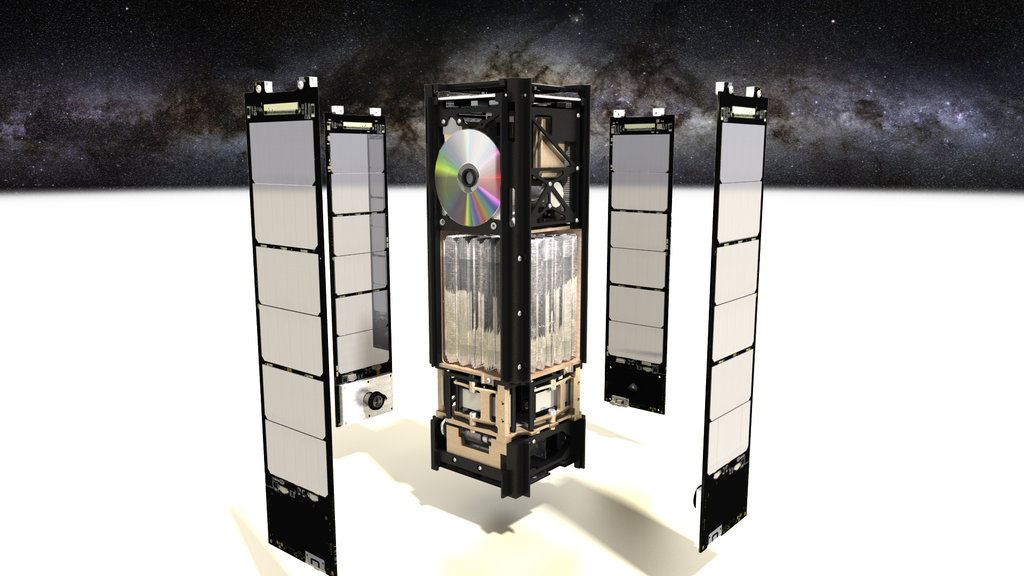
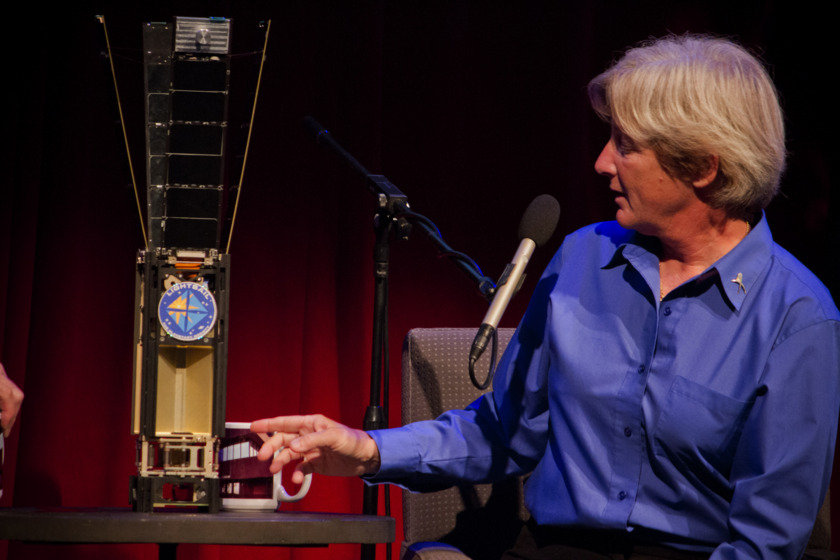
After LightSail deploys from Centaur, its autonomous flight sequence will boot, commanding the antenna to deploy 55 minutes later. First possible contact occurs at 2:19 p.m. EDT (18:19 UTC) when the spacecraft is in range of its Cal Poly San Luis Obispo ground station. However, since LightSail will initially be bunched together with nine other chirping CubeSats, it may take additional passes over both the Cal Poly and Georgia Tech ground stations before LightSail’s signal can be conclusively heard.
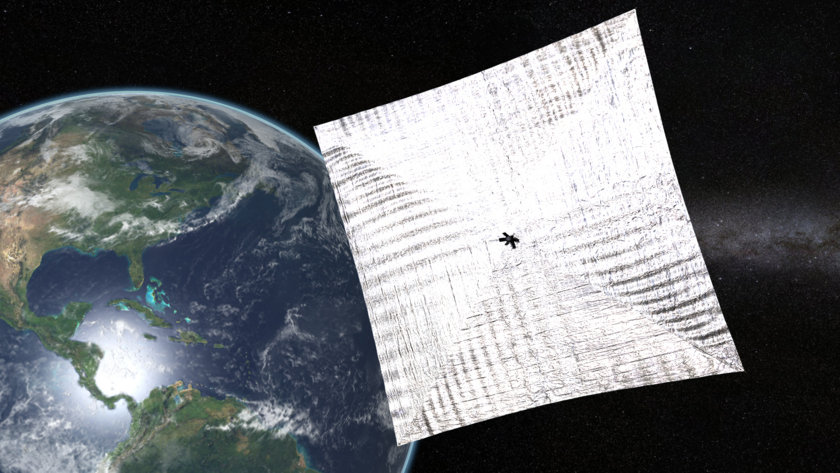
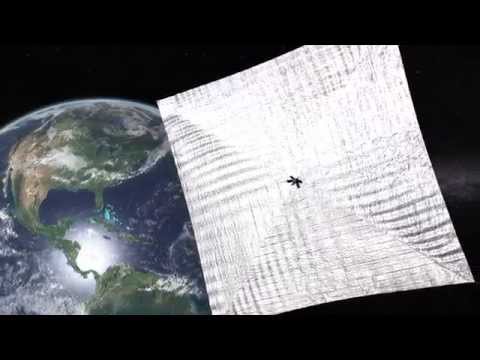
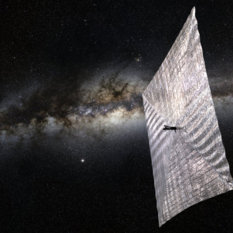
The first LightSail flight is a shakedown cruise designed to pave the way for a full-fledged solar sailing demonstration in 2016. For the second mission, a nearly identical LightSail craft will ride to orbit with Prox-1, an automated rendezvous demonstration vehicle built by students at Georgia Tech. Both LightSail and Prox-1 will hitch a ride to orbit courtesy of SpaceX’s Falcon Heavy rocket.
This is a very exciting time for The Planetary Society, as this launch marks the culmination of a six-year effort to send a solar sail CubeSat to space. Come along for the ride - you can follow LightSail's progress via our dashboard here: Mission Control Center. Stay tuned as we monitor sail deployment!
Links:
By Robin Young | Membership Development
Project reports on GlobalGiving are posted directly to globalgiving.org by Project Leaders as they are completed, generally every 3-4 months. To protect the integrity of these documents, GlobalGiving does not alter them; therefore you may find some language or formatting issues.
If you donate to this project or have donated to this project, you can receive an email when this project posts a report. You can also subscribe for reports without donating.