By Norah Owaraga | Project Leader and Managing Director
It has been a good year for us at CPAR Uganda, during which we and the disadvantaged communities that we serve are experiencing the power of love, hope and goodwill.
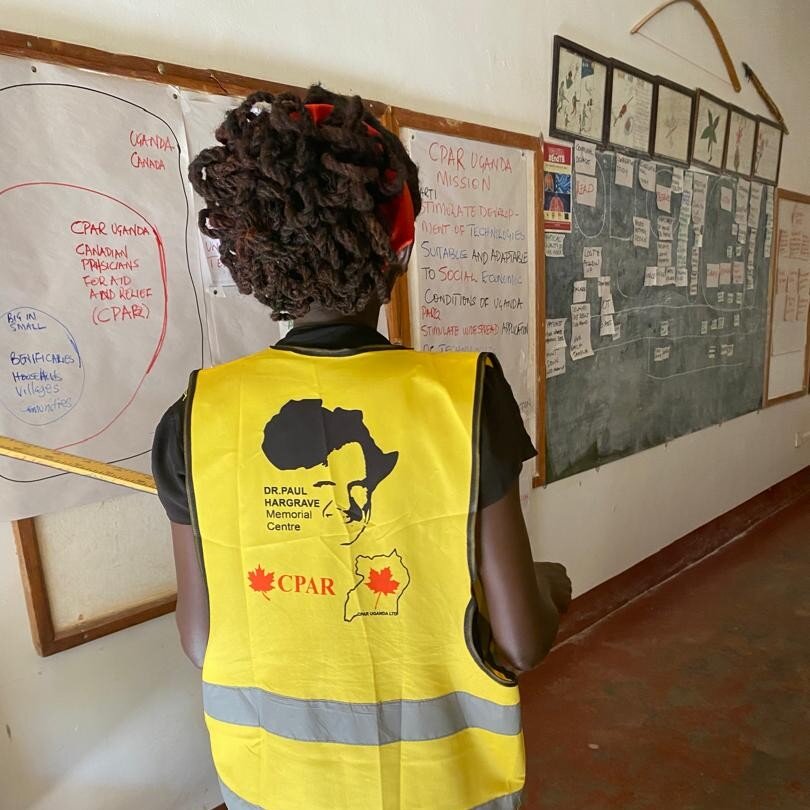
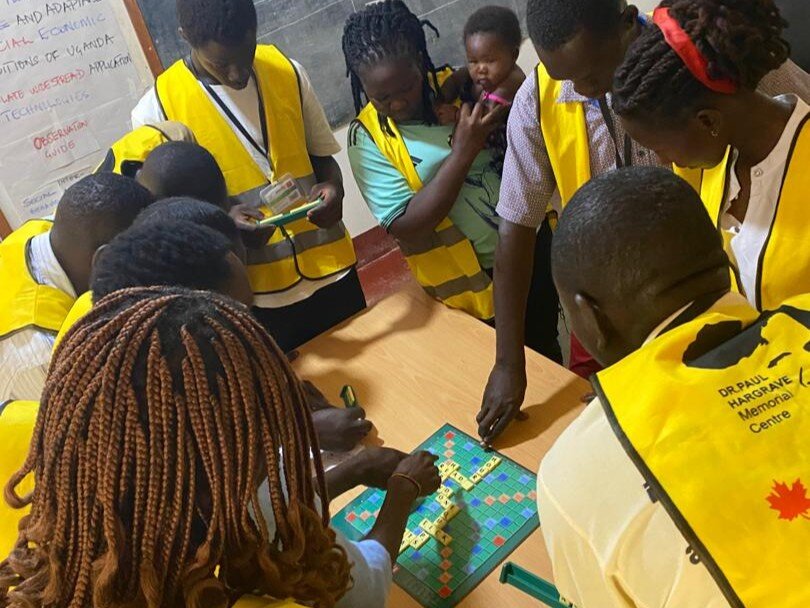
Our Dr. Paul Hargrave Memorial Centre Human Development Project, which we are jointly implementing with Canadian Physicians for Aid and Relief, is off the ground, with the intention to ultimately benefit hundreds of households in greater northern Uganda.
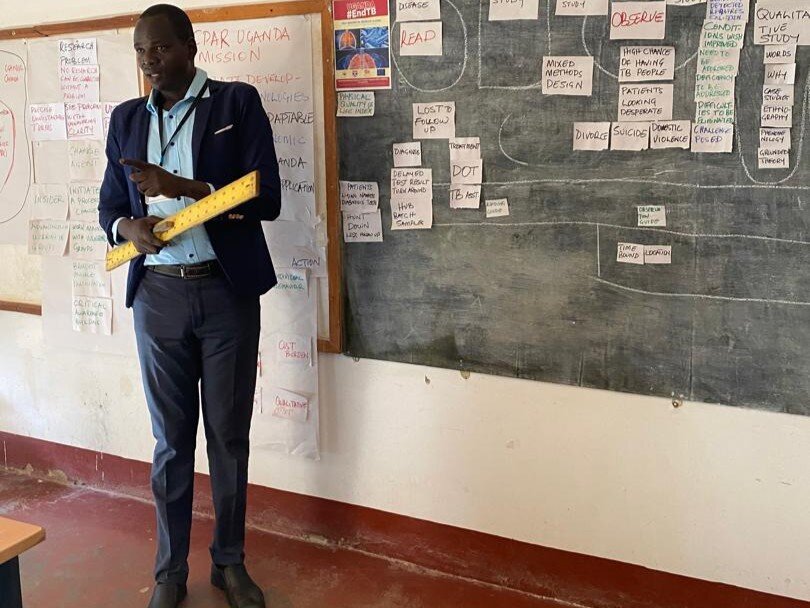
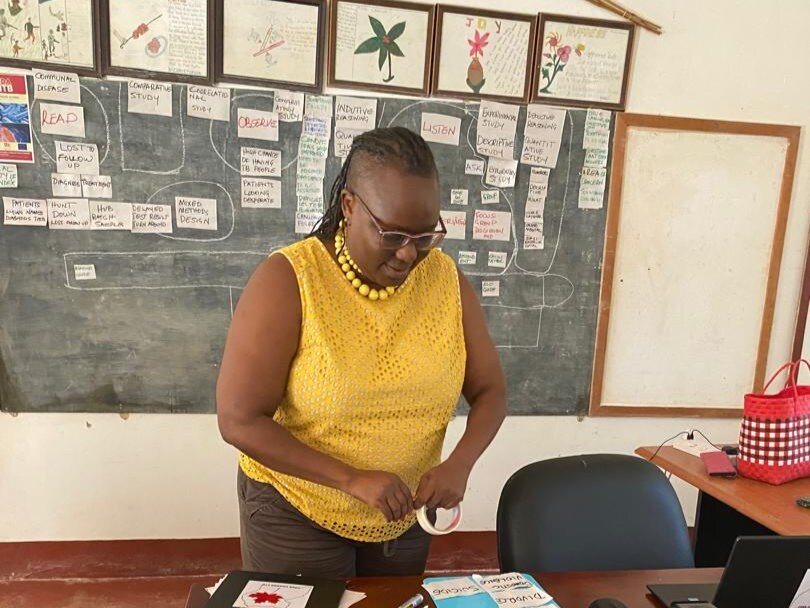
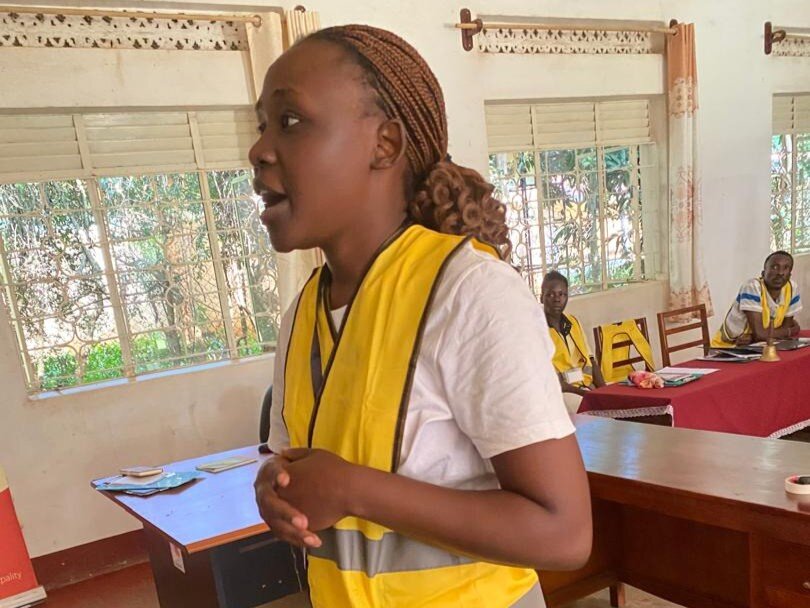
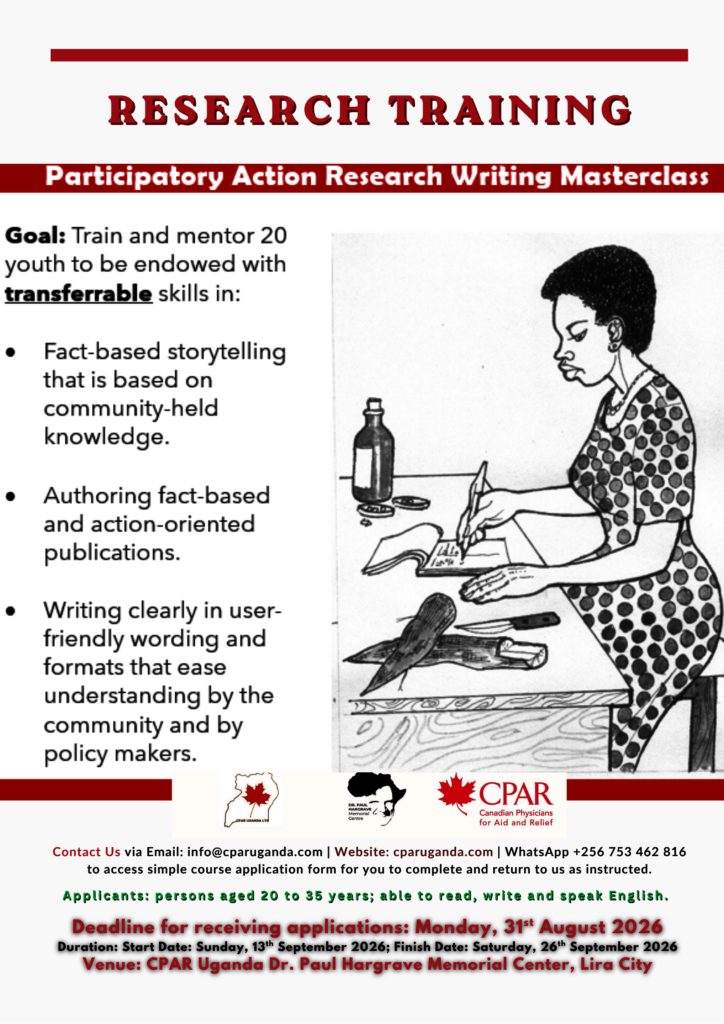
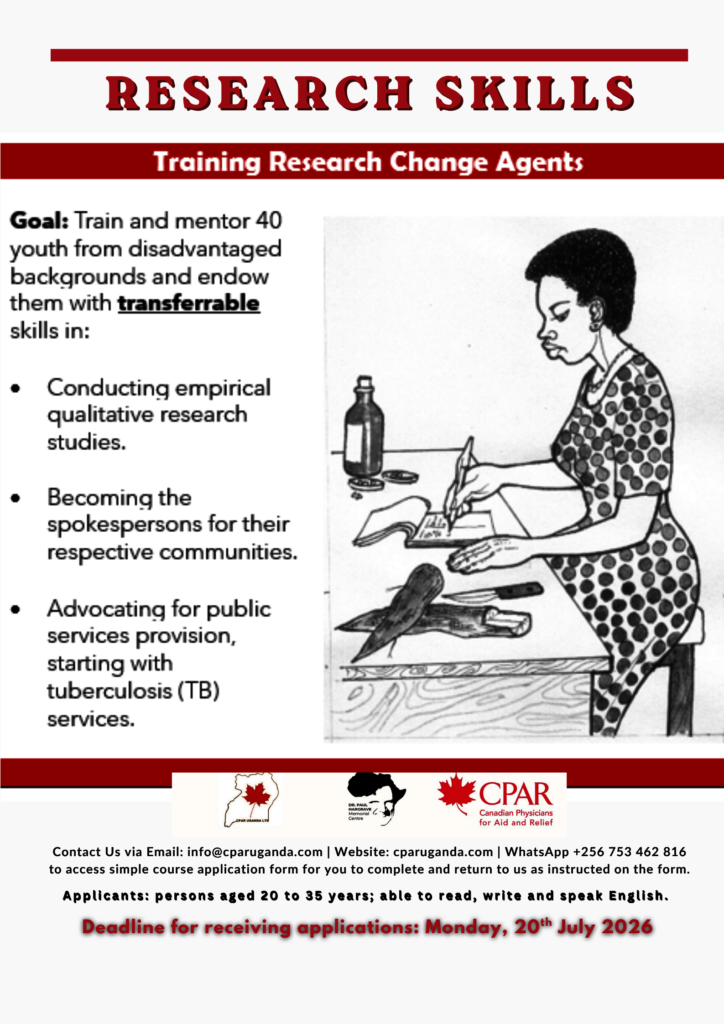
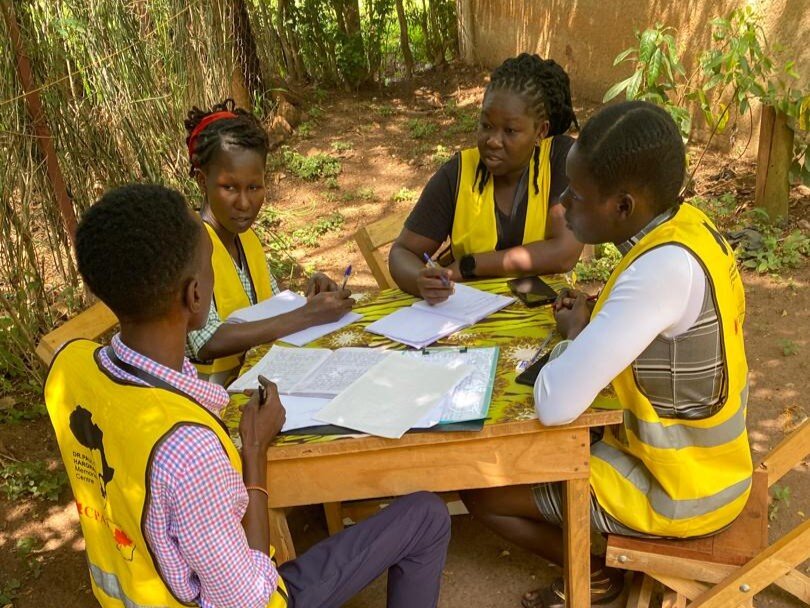
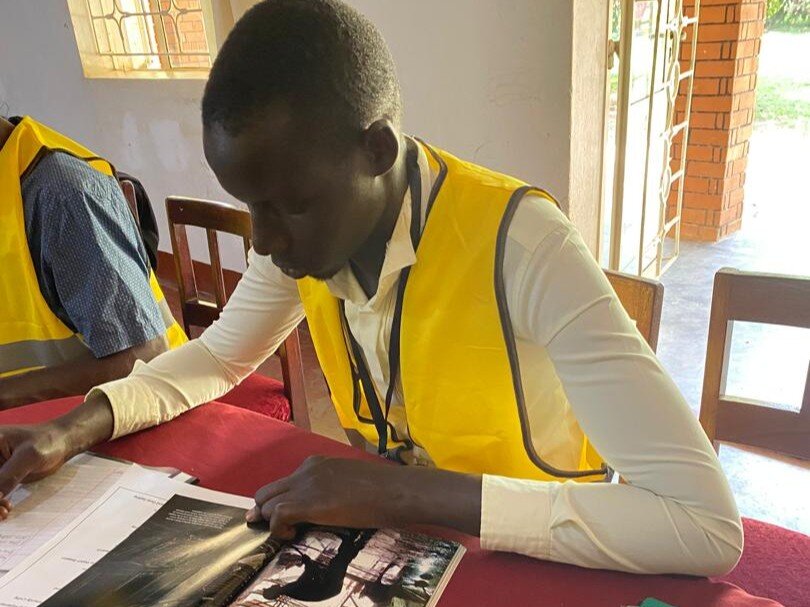
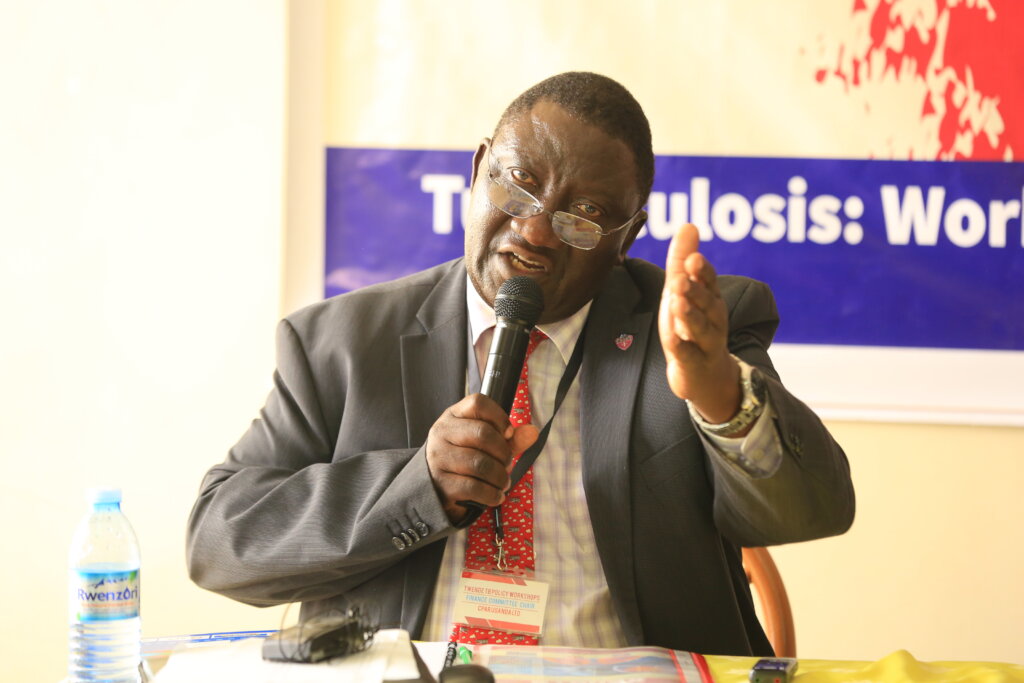
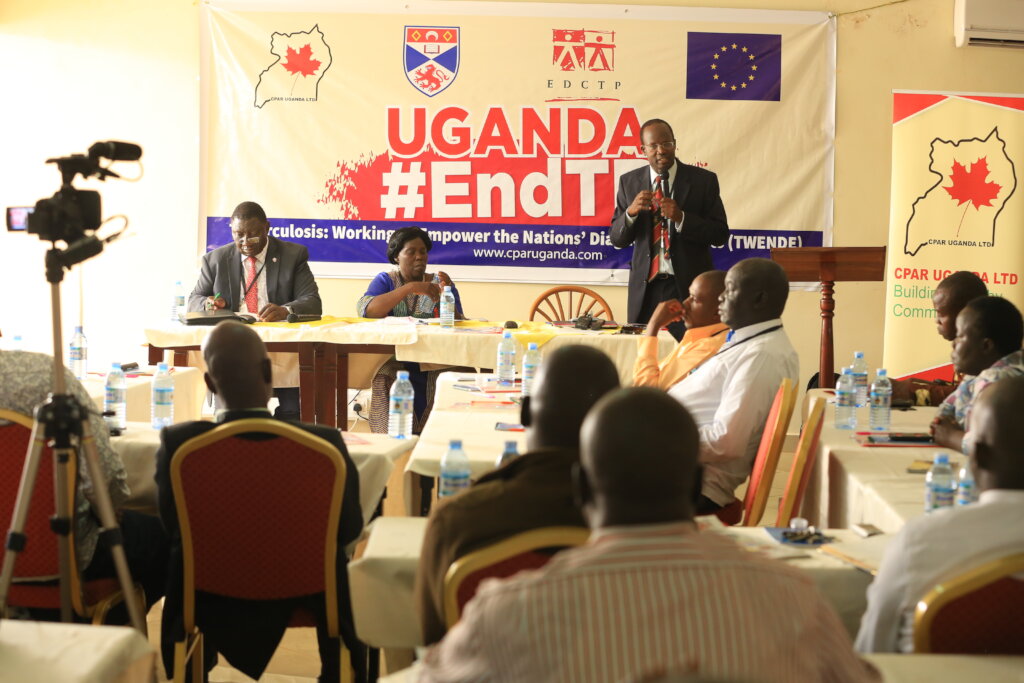
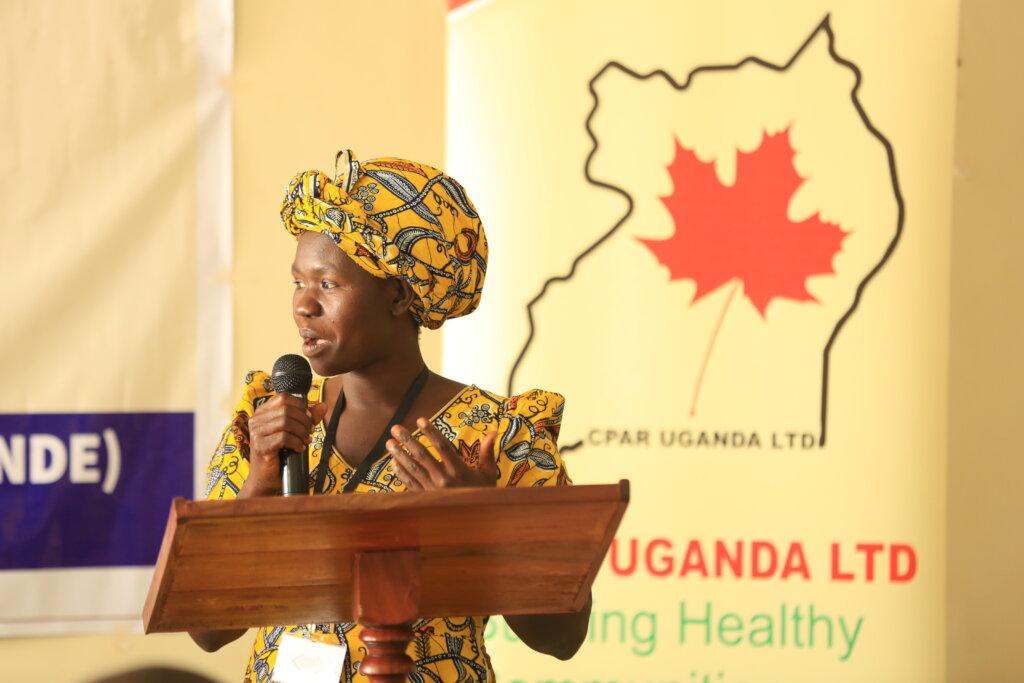
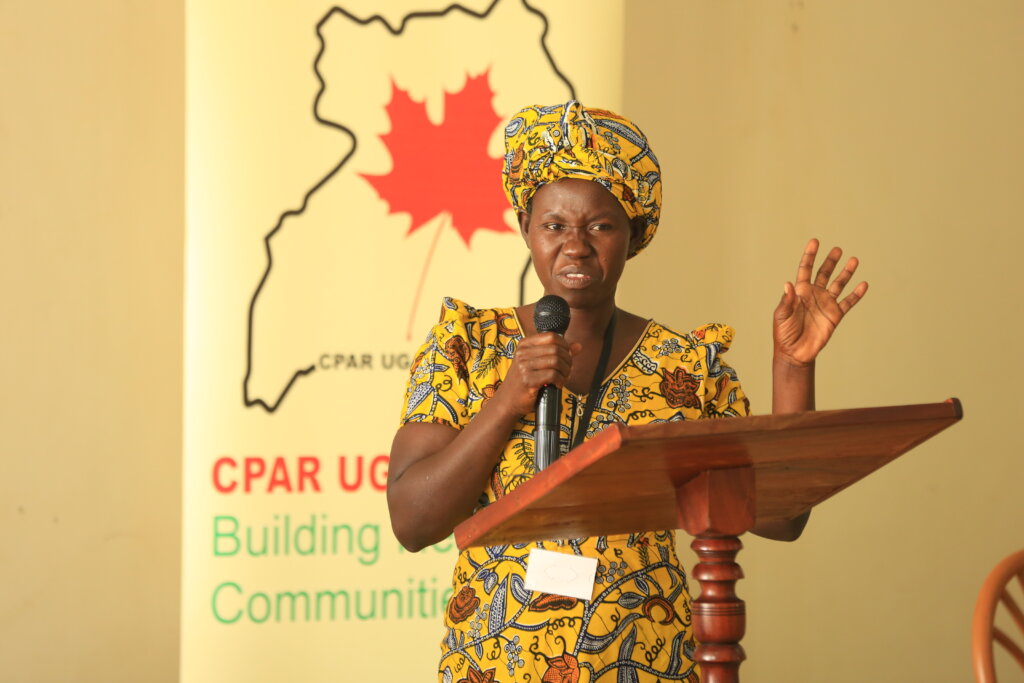
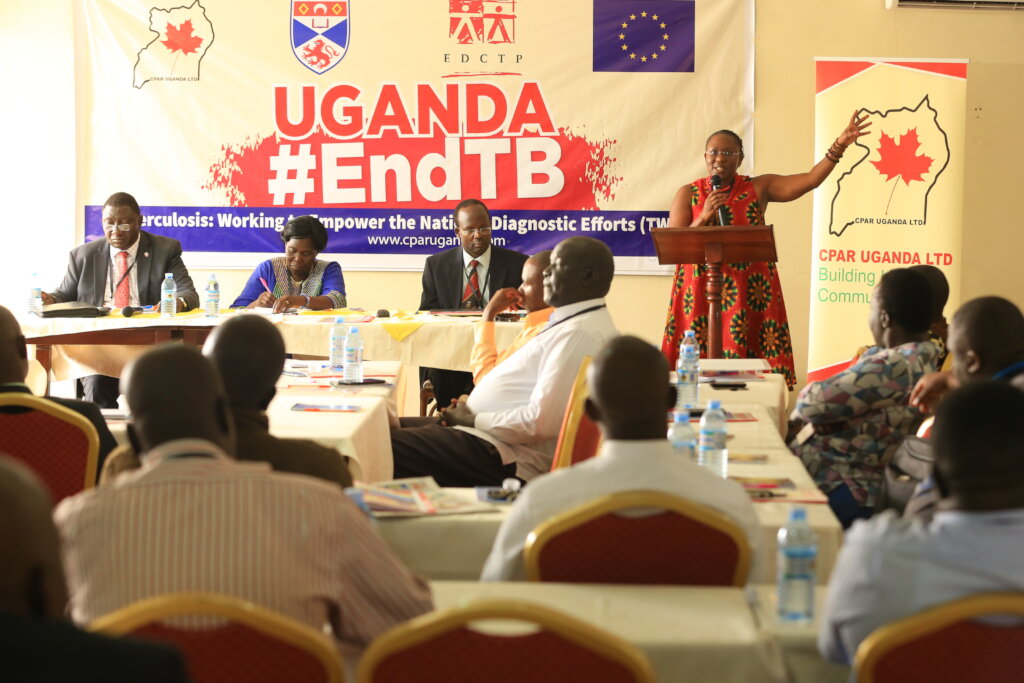
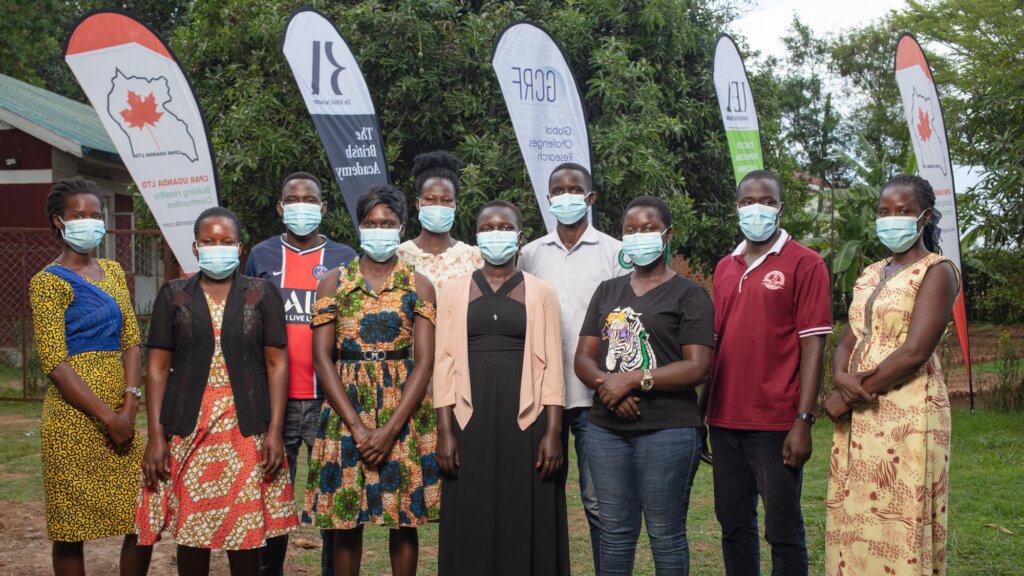
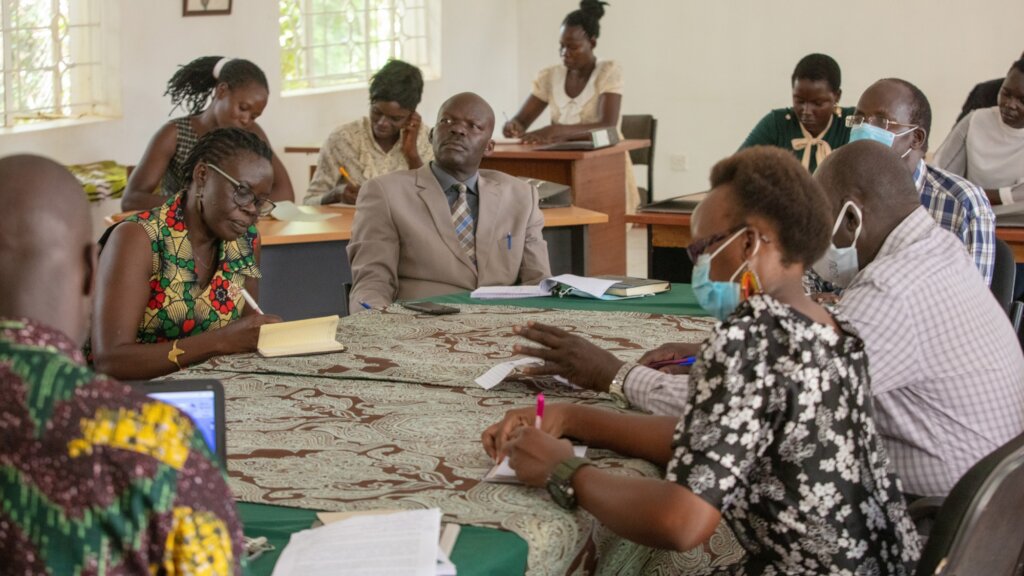
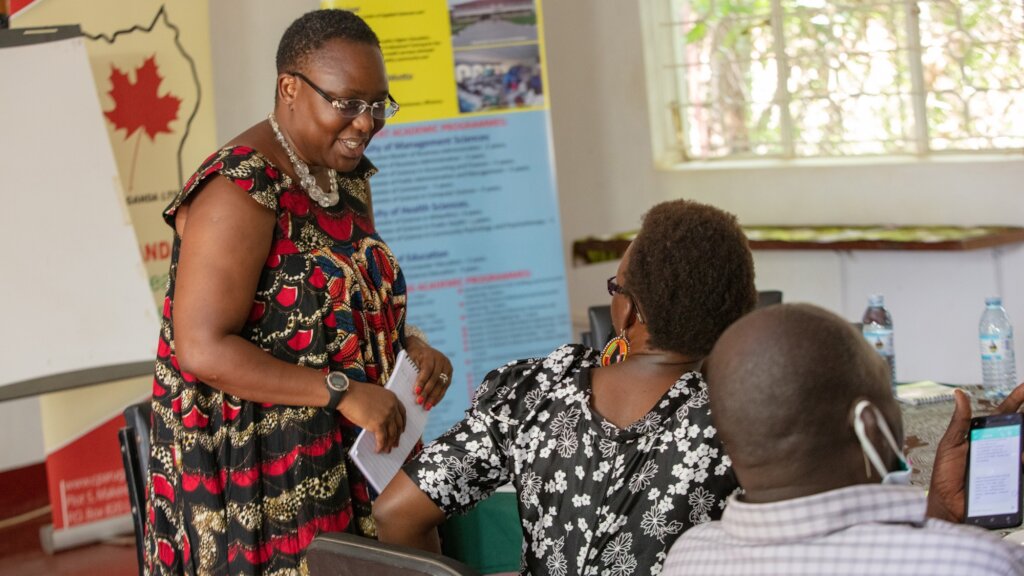
Within our Dr. Paul Hargrave Memorial Centre Human Development Report is a component for training Research Change Agents, enabling us to kick start our quest to stimulate conduct of vital life-saving tuberculosis research in Uganda.
Indeed, through our partnership with GlobalGiving, we are similarly experiencing love, hope and goodwill, through financial and in-kind support, including invaluable access to knowledge and skills that are enabling us to better serve in fulfilment of our mission.
We are grateful to all our partners, without whose support we would not be able to stimulate the development, dissemination and widespread application of technologies suitable and adaptable to the social, cultural and economic conditions of Uganda.
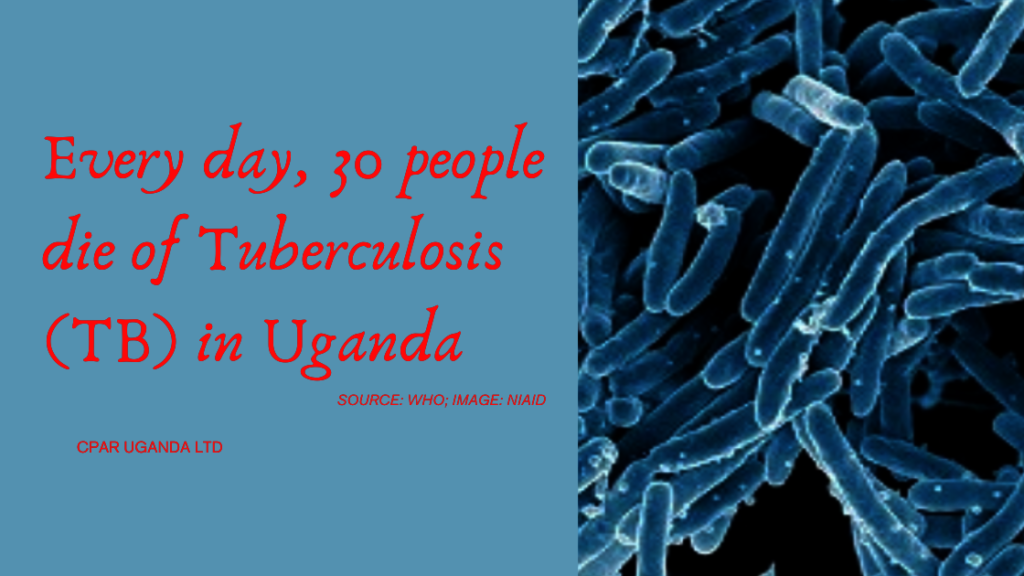
We continue to need your support. We ask you please to help us spread the word and encourage others to make a donation in support of our work to contribute to ending tuberculosis in Uganda.
We wish the commemoration of the birth of Jesus Christ, on 25th December 2025, marks a rebirth of love, hope and goodwill in you, for you, for your family and for your wider community.
We wish you joy and happiness. Merry Christmas.
Links:
By Norah Owaraga | Project Leader and Managing Director
By Norah Owaraga | Project Team Leader
Project reports on GlobalGiving are posted directly to globalgiving.org by Project Leaders as they are completed, generally every 3-4 months. To protect the integrity of these documents, GlobalGiving does not alter them; therefore you may find some language or formatting issues.
If you donate to this project or have donated to this project, you can receive an email when this project posts a report. You can also subscribe for reports without donating.



Support this important cause by creating a personalized fundraising page.
Start a Fundraiser