By Norah Owaraga | Project Leader and Managing Director
Sometimes back, on a field visit to Karamoja, I was thrilled to unlearn factoids about Karamoja, popularized by the State and even civil society organisations (CSOs).
“The dominant perception of Karamoja within government, the civil service and among development partners, (including CSOs) that the population of Karamoja is a) extremely poor, b) their livelihoods are very vulnerable to frequent droughts and c) pastoral livelihoods are not viable in the long term. Empirical evidence shows that these three perceptions are not true. Detailed quantitative research clearly showed that even in a year with almost complete crop failure, the majority of households in the agro-pastoral and pastoral areas of Karamoja were able to cope without external assistance (Simon Levine, 2010).”
The observations I made during my field visit to Karamoja make me inclined to believe empirical evidence and to surmise that the majority of households in Karamoja have coped and will continue to cope without external assistance, including highly publicized food aid.
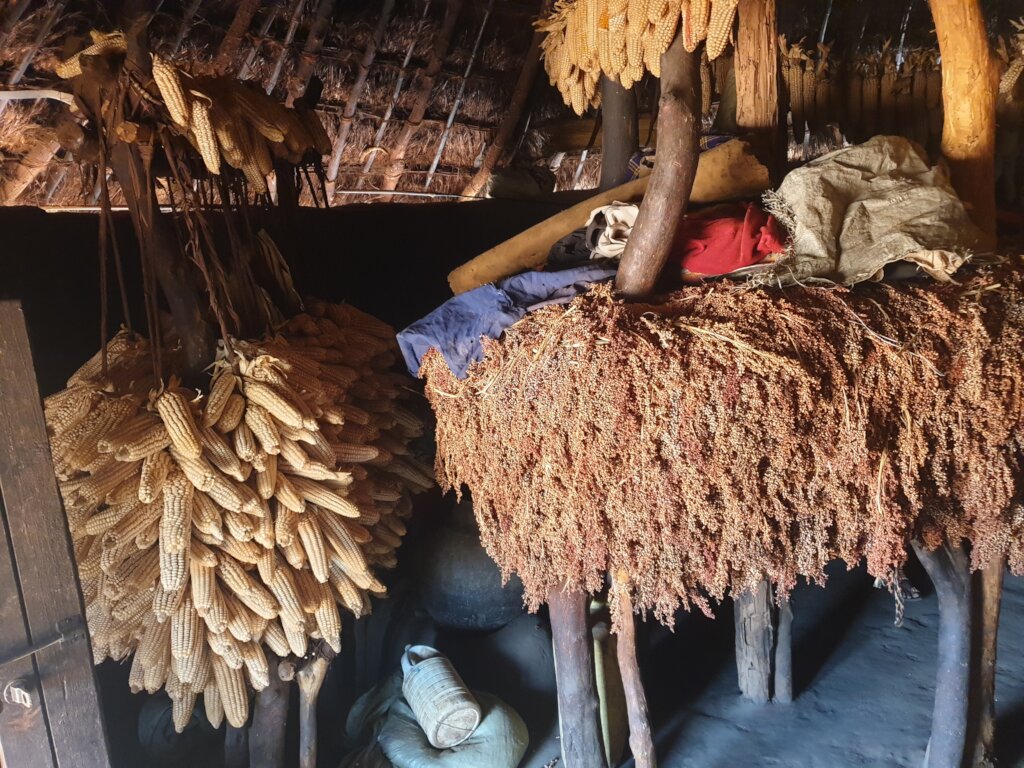
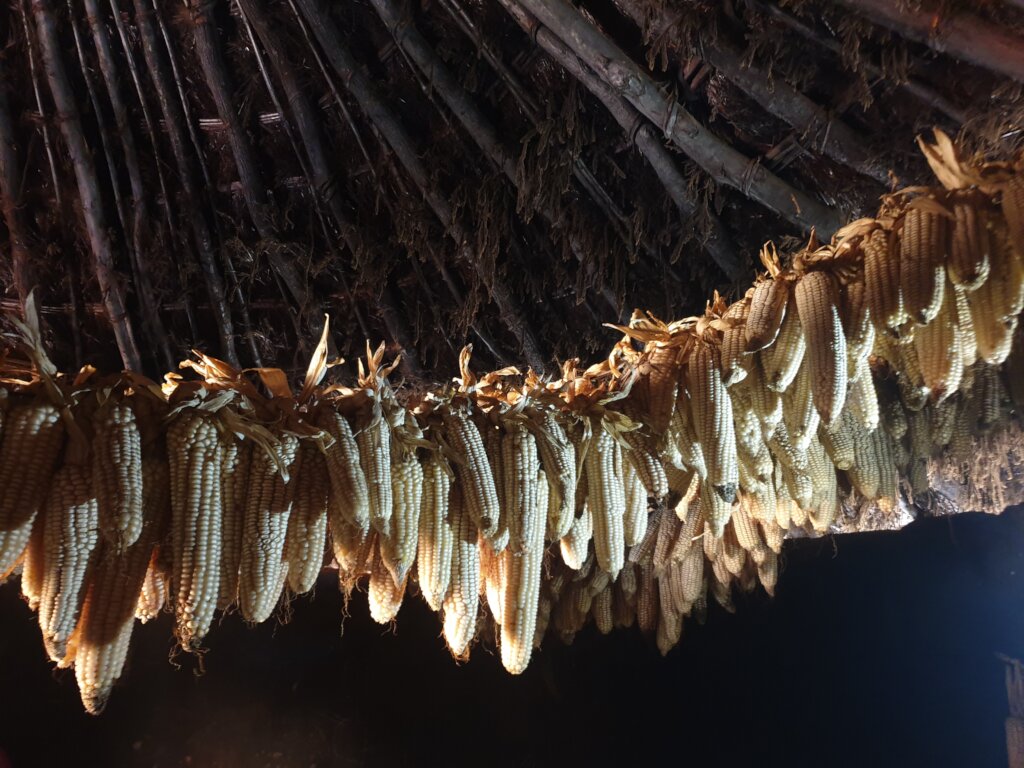
This is because I did observe that Karimojong have a robust food system, that is based on organic value addition, preservation and storage methods that are nature based – sun drying, indoor drying in the kitchen, smoking, granaries, etc.
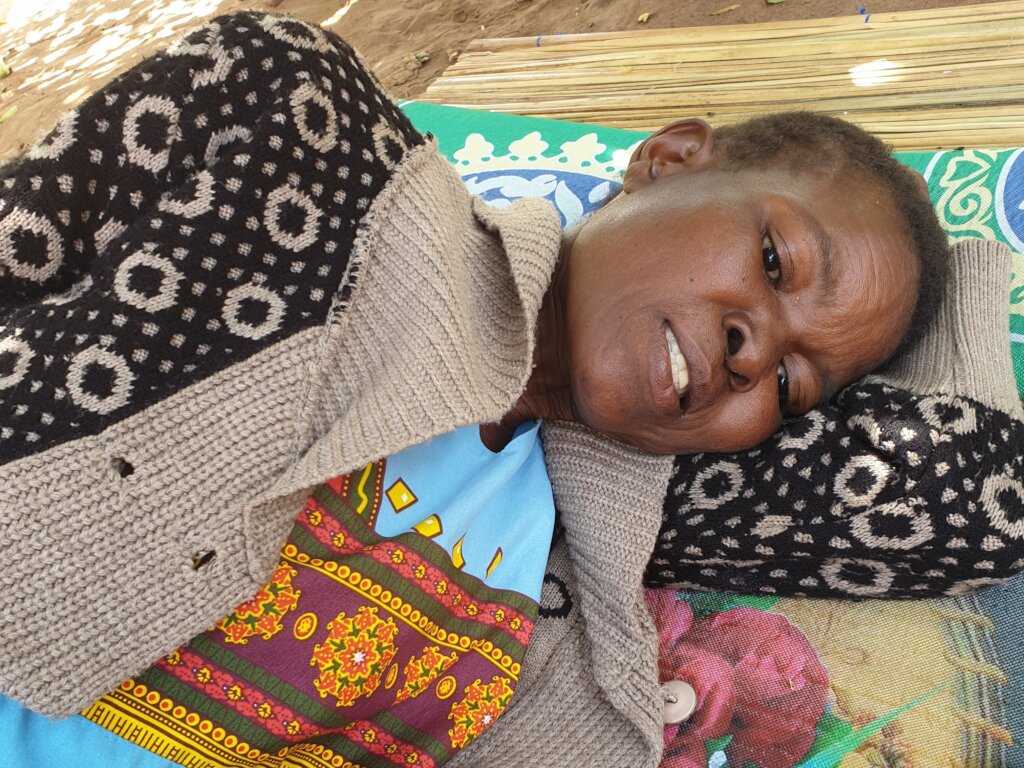
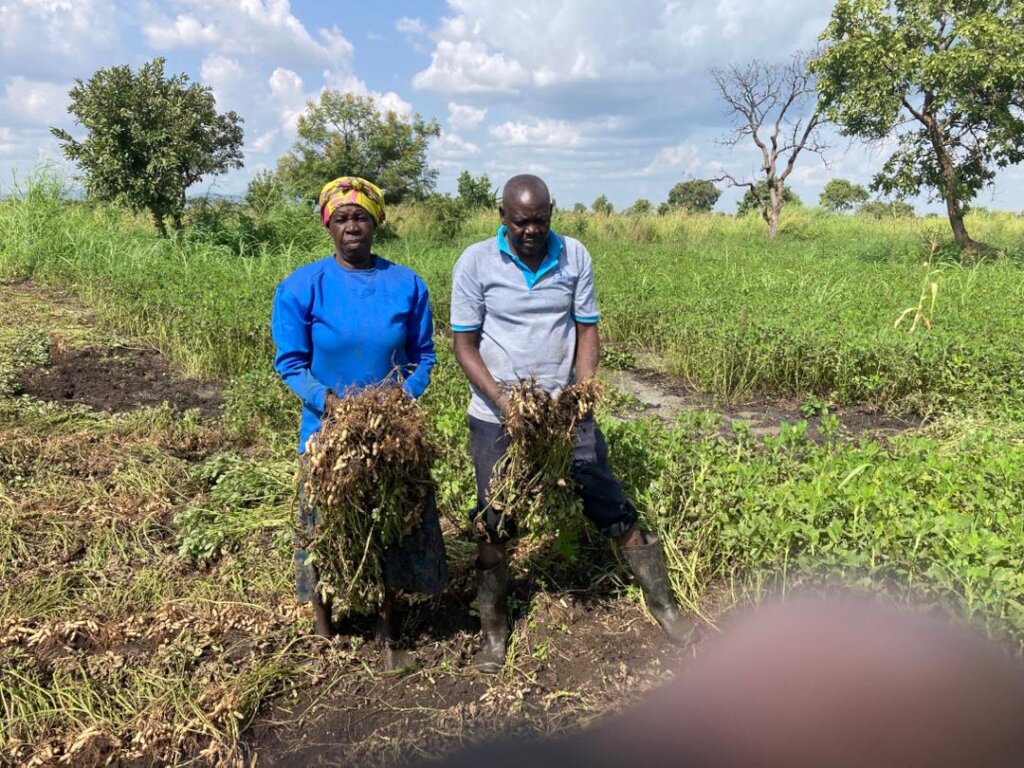
Majority of households in Karamoja are able to have food all year round – consuming mostly preserved harvest:
Like all communities of Uganda, in particular, and the world in general, Karamoja needs the State to intervene on significant determinants of food production.
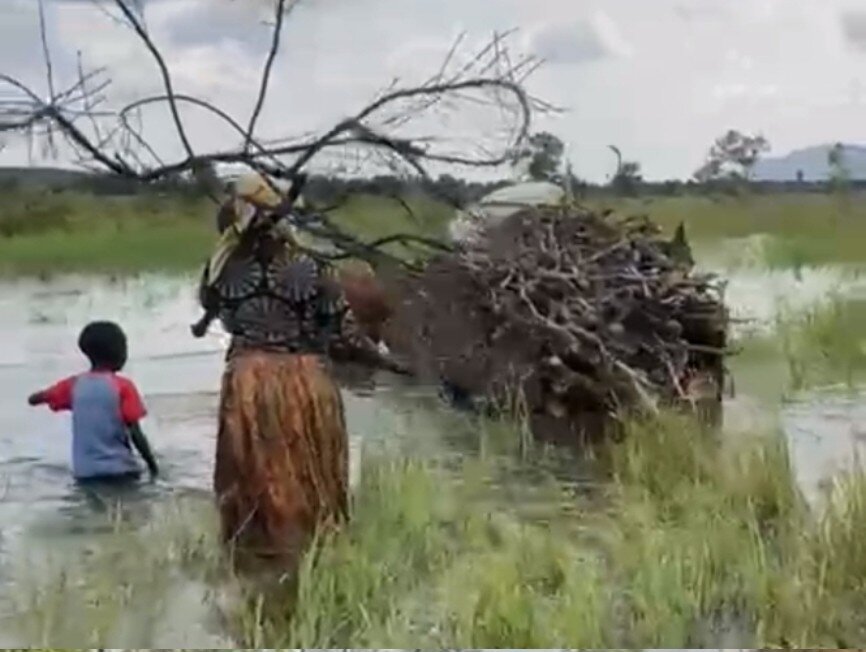
No community should be expected to cope on its own, case in point, with the effects of climate change, such as Karamoja is experiencing right now with flooding. Homes overrun and inhabitable, food gardens flooded and damaged, roads covered with water and are impassable.
With the right kind of help, that the State is duty bound to provide, households in Karamoja, through their own self-reliant participatory development efforts, can be food secure all year round.
Granted, the most recent 2024 national population and household census results indicate Karamoja as the least food secure sub-region, but there is every indication that there is need to triangulate such findings with more detailed qualitative investigations.
How is it, for example, that Karamoja, the poorest sub-region in the country, with only 18.2% of households that are food secure, has a higher life expectancy of 69 years; as compared to Ankole where 70.4% of households are food secure, but has the lowest life expectancy in the whole country of 60 years?
Furthermore, empirical research concluded that “household food insecurity at tuberculosis (TB) treatment initiation was significantly associated with death or treatment failure.” As in “food security is vital for successful TB treatment.”
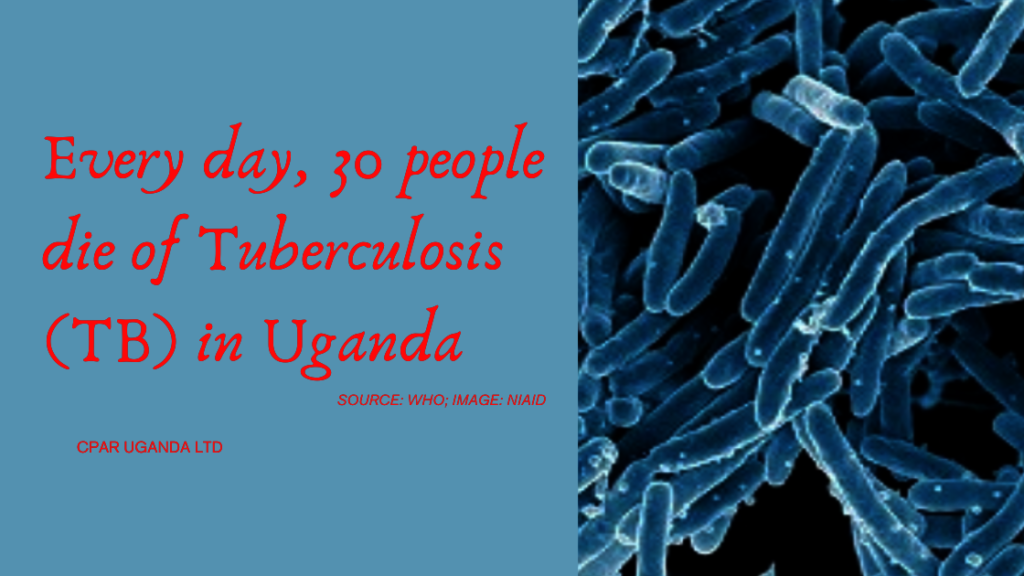
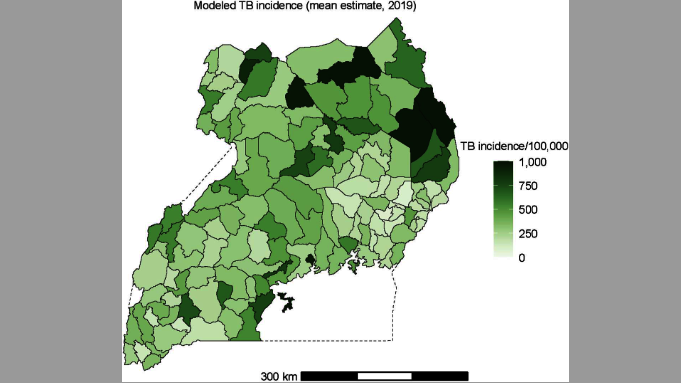
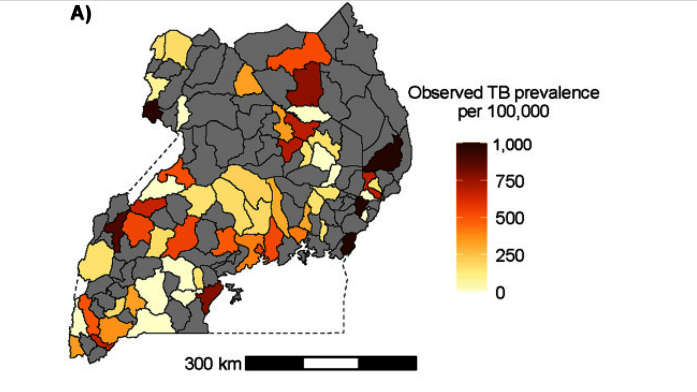
Karamoja has the highest TB incidence in Uganda of over 3,500 new cases reported annually in Karamoja. To what extent is the on-going climate crisis in Karamoja – flooding and destruction of food gardens going to impact on Karamoja, Uganda and the world’s quest for a world with zero TB?
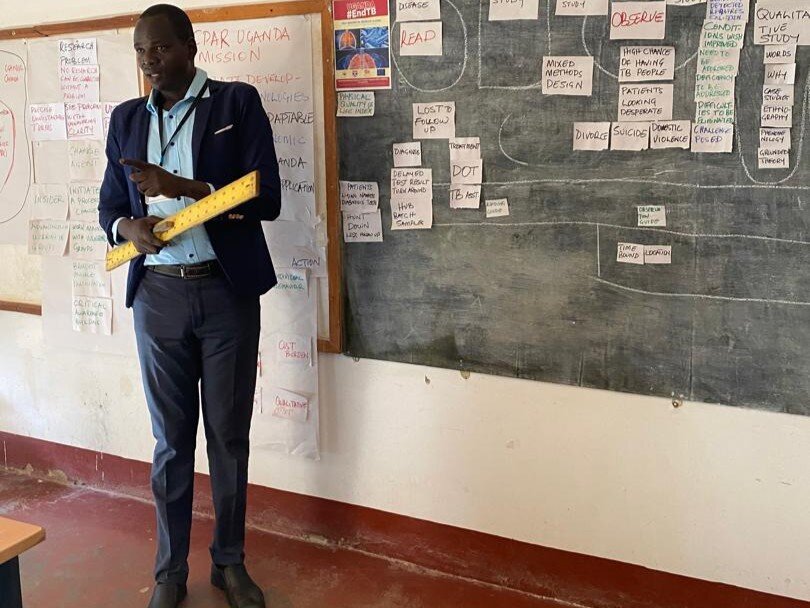
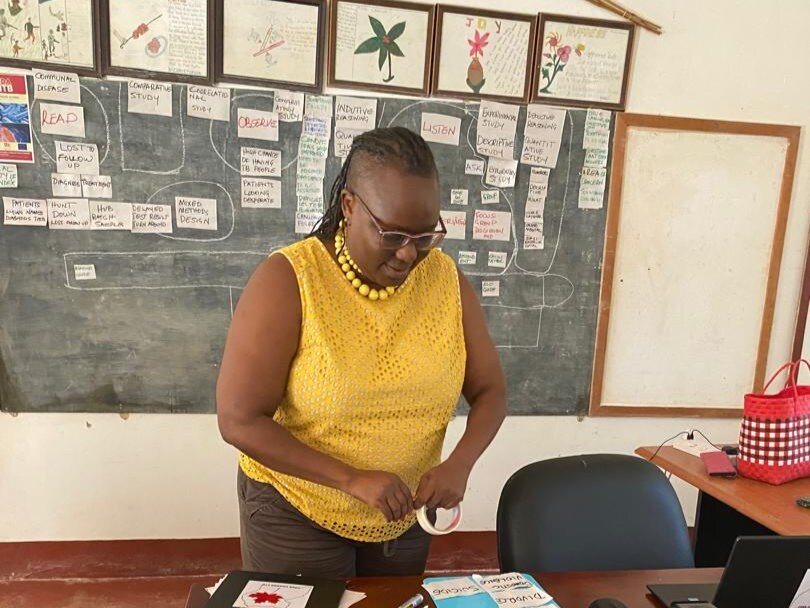
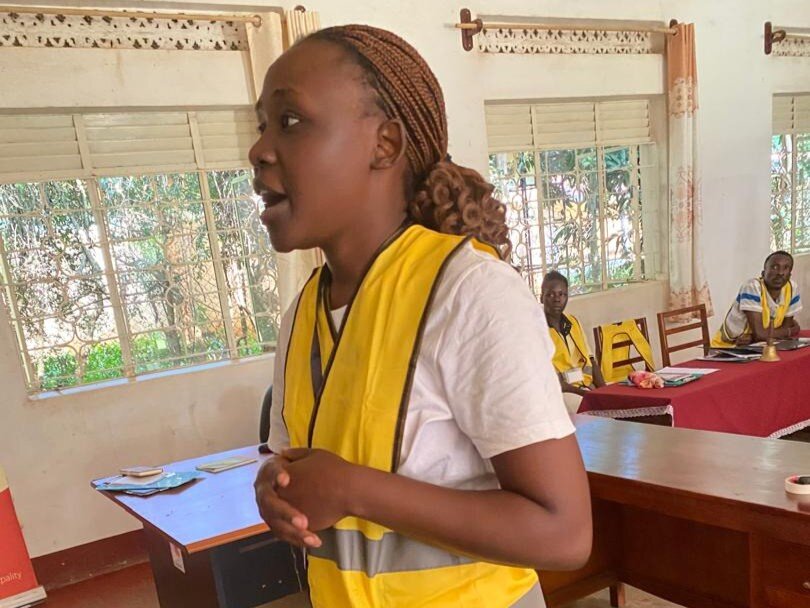
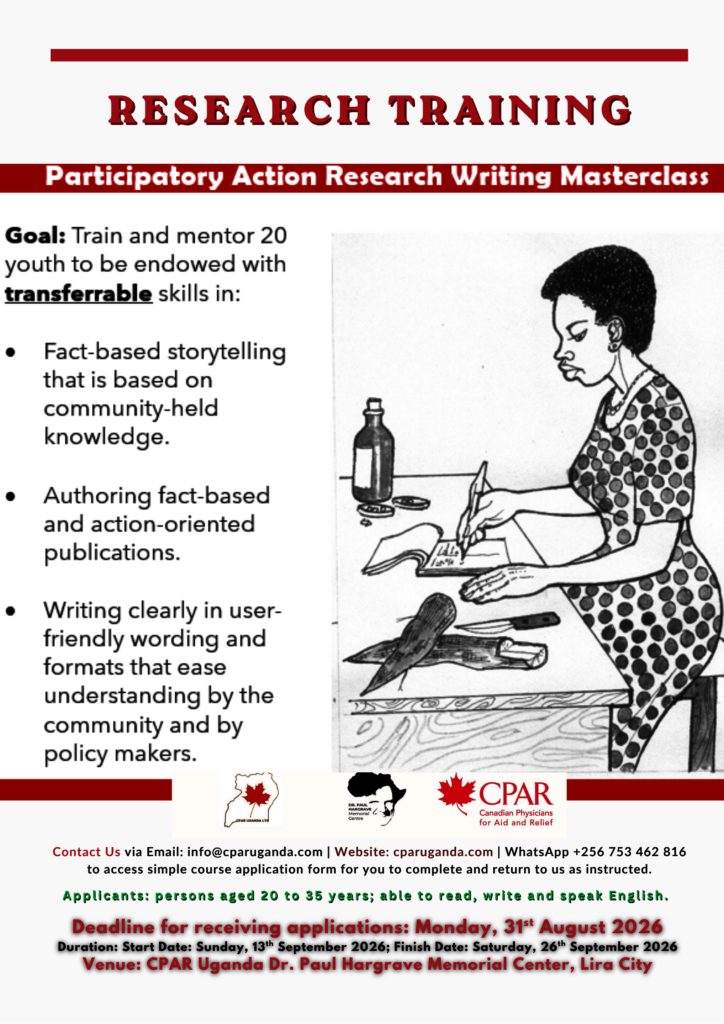
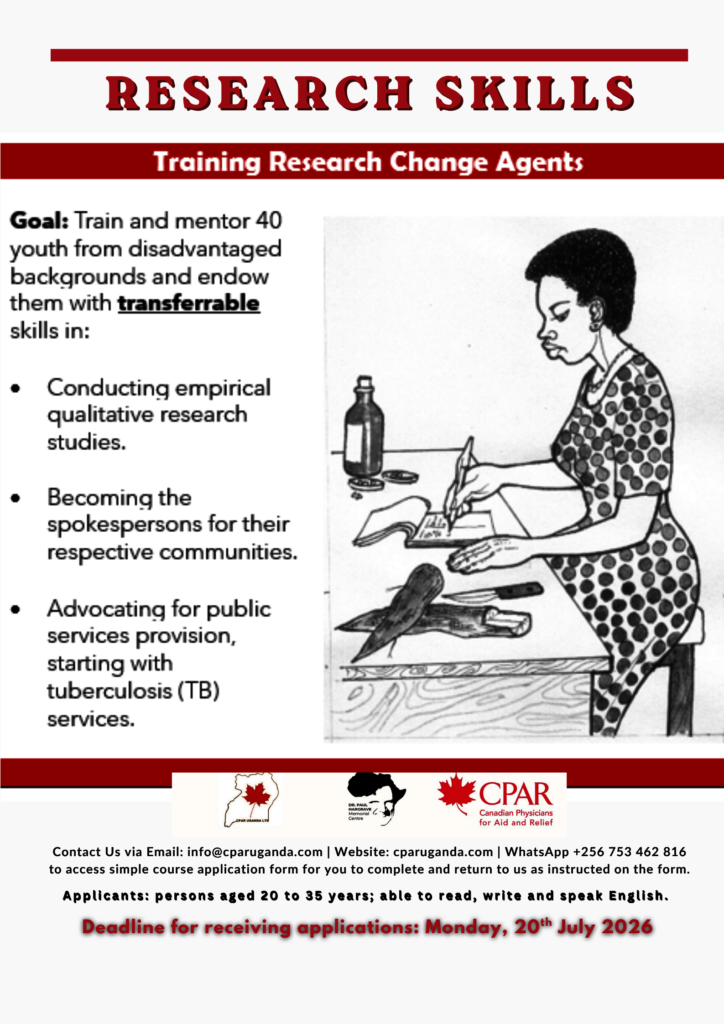
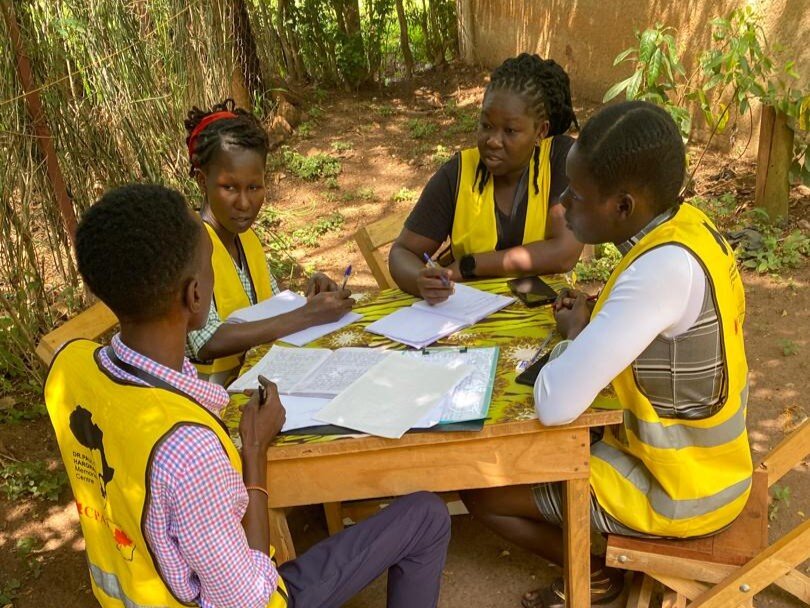
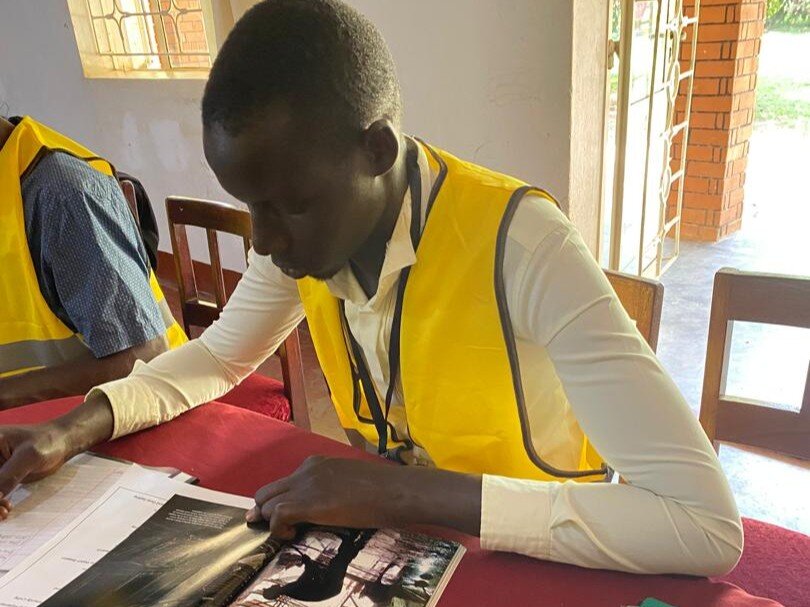
Questions such as these need to be asked, researched and answered. It is against this background that we ask your help to support the training of community-based TB research change agents.
Cancellation of USAID has left a huge gap in TB research and delivery of TB services in Karamoja, in particular and Uganda as a whole. Your much needed donation will help to reduce this gap for the benefit of indigent TB households. THANK YOU!
Links:
Project reports on GlobalGiving are posted directly to globalgiving.org by Project Leaders as they are completed, generally every 3-4 months. To protect the integrity of these documents, GlobalGiving does not alter them; therefore you may find some language or formatting issues.
If you donate to this project or have donated to this project, you can receive an email when this project posts a report. You can also subscribe for reports without donating.



Support this important cause by creating a personalized fundraising page.
Start a Fundraiser