By Akiko Kasagi | Communication Officer
Dear Supporters,
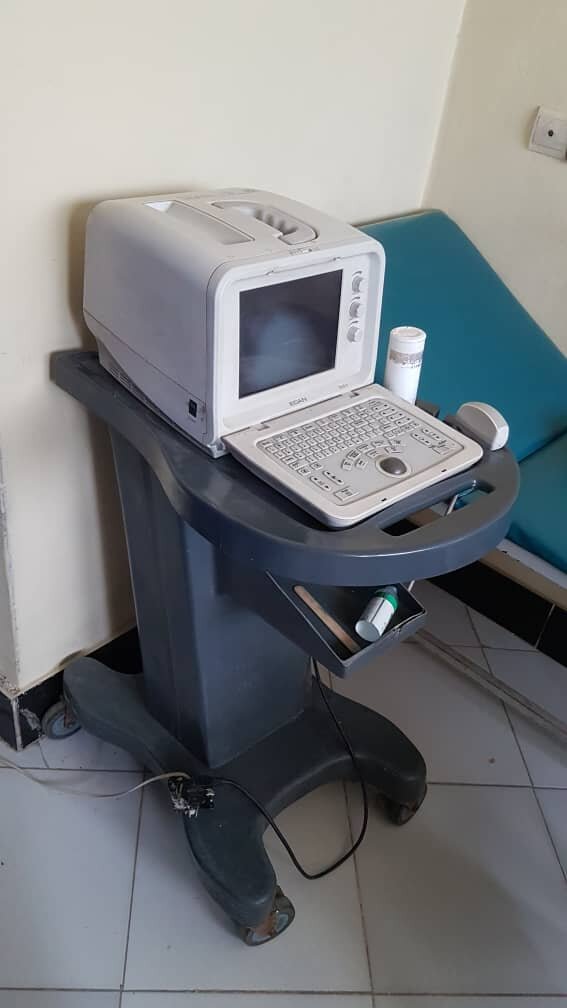
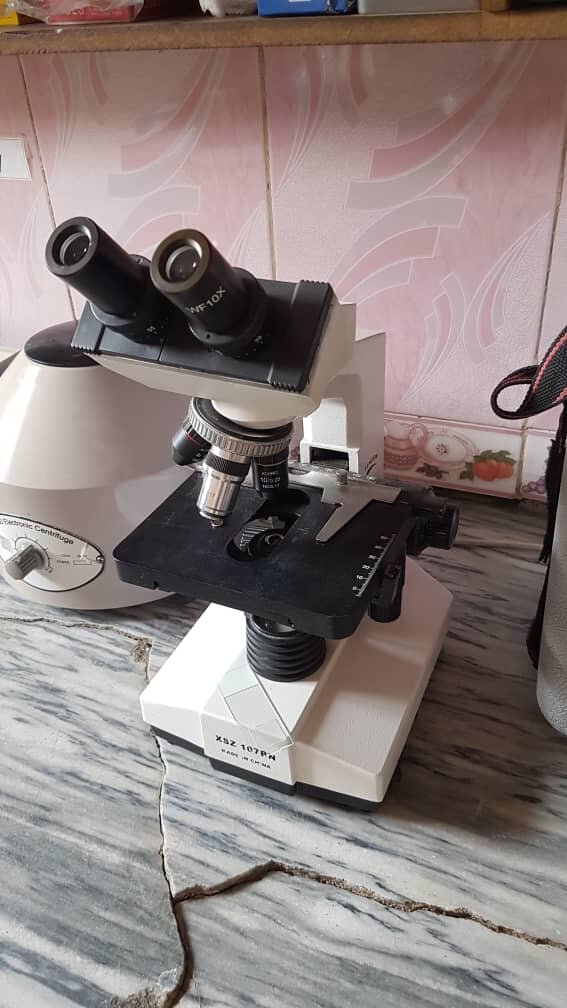
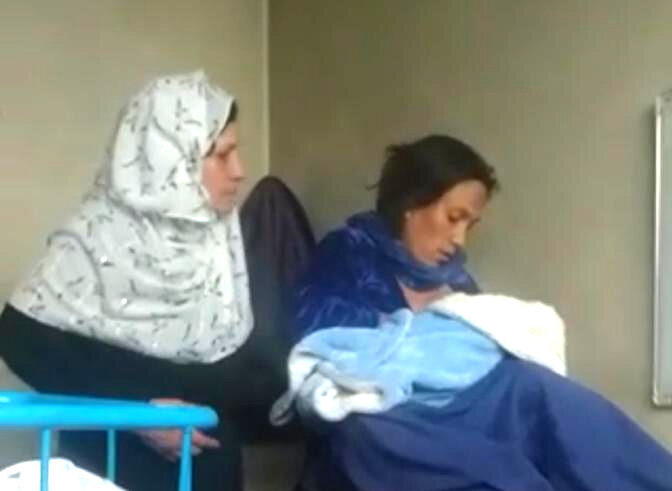
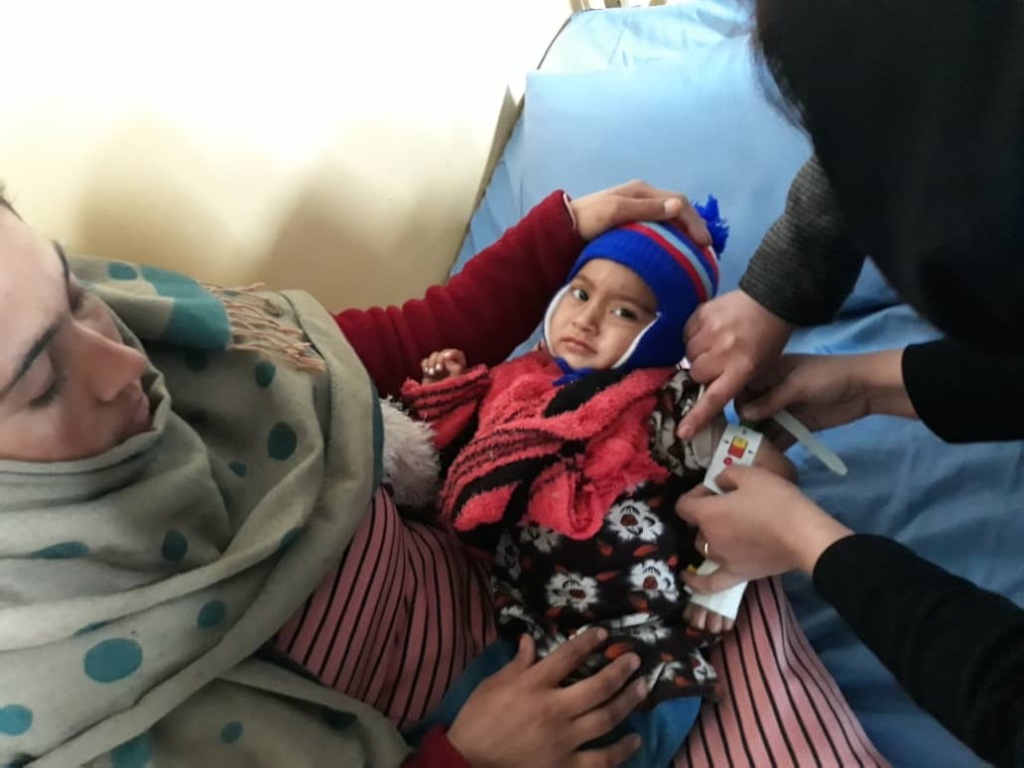
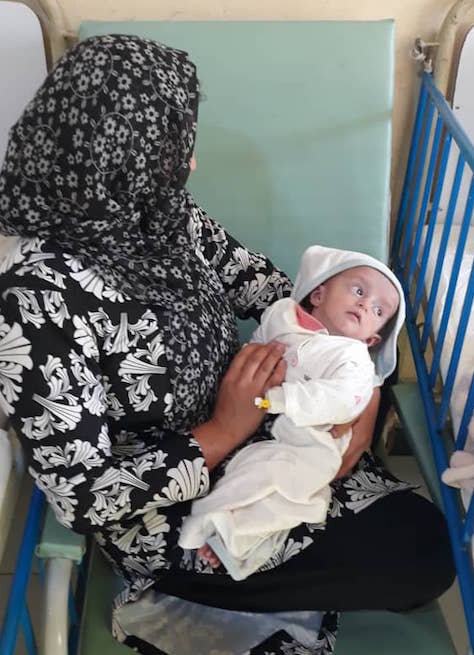
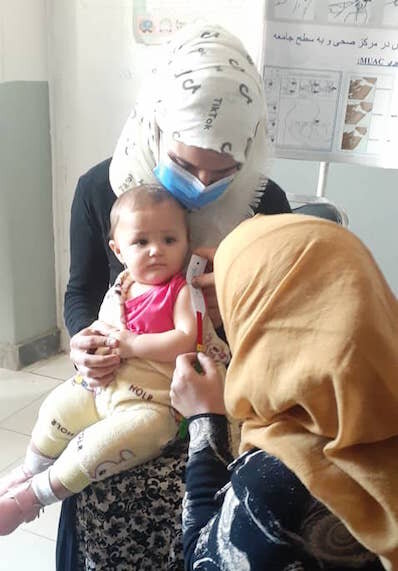
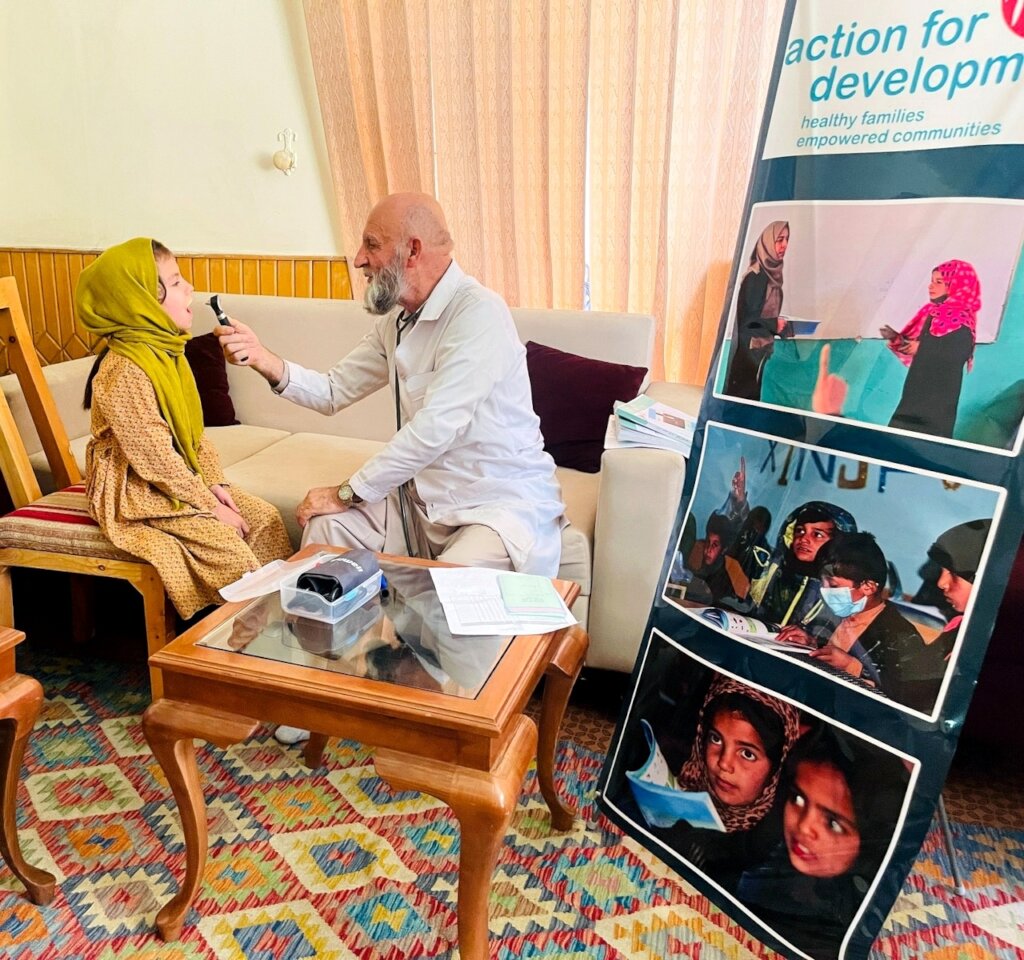
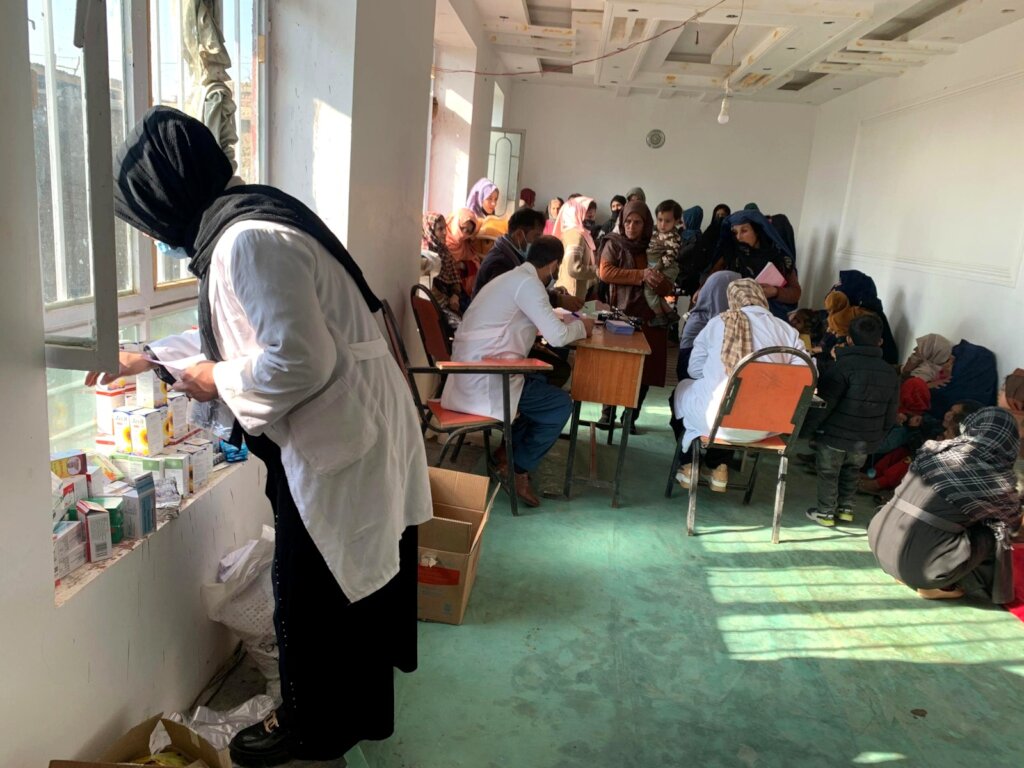
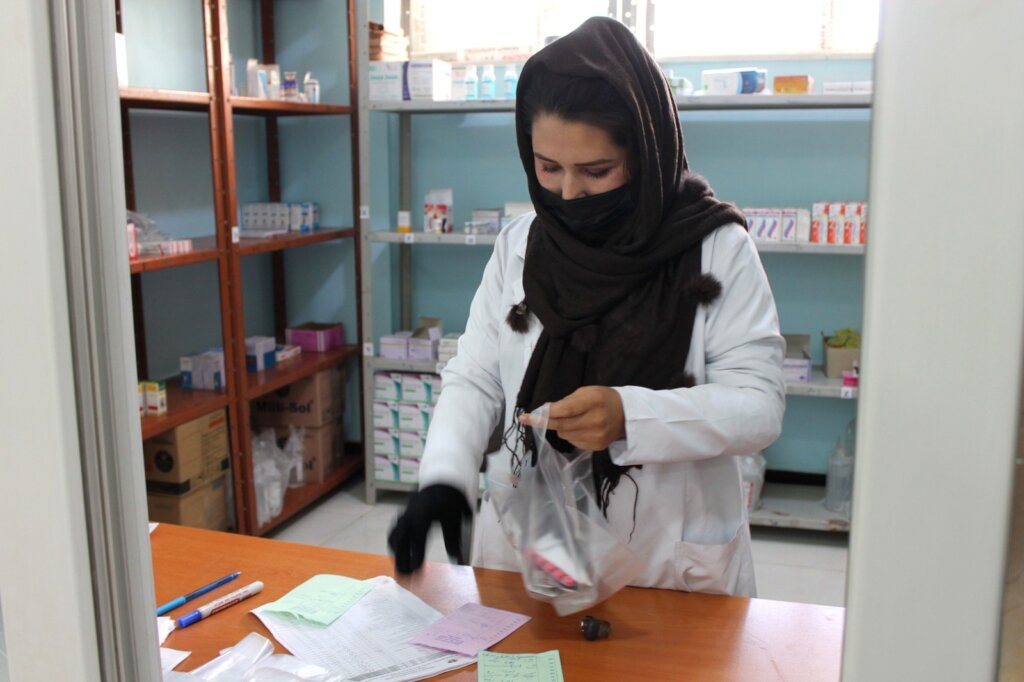
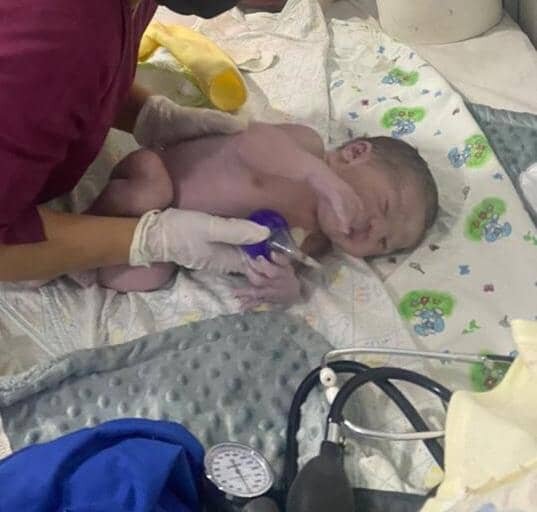
Saving the lives of mothers and newborns requires more than access to medical equipment. It also depends on skilled health workers who can recognise complications early, provide appropriate care, and respond quickly when emergencies arise.
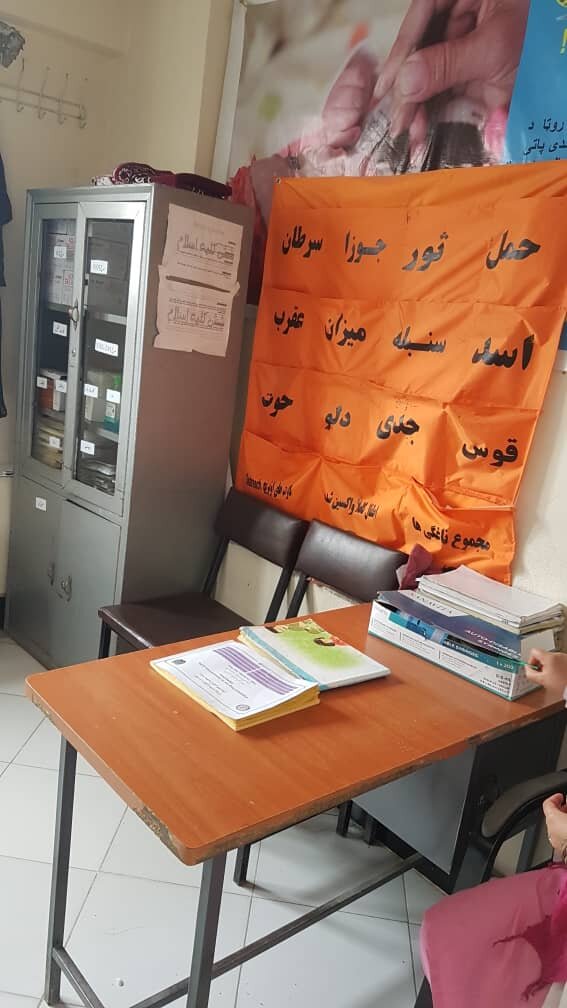
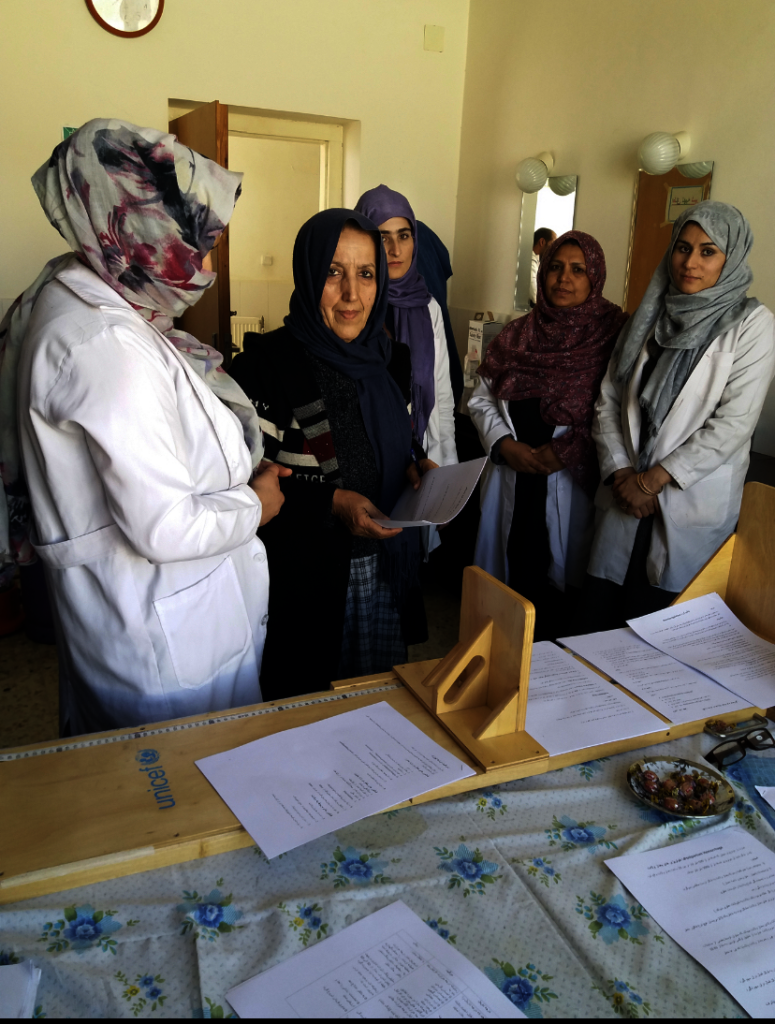
Alongside Action for Development’s efforts to strengthen maternal and newborn health services in Afghanistan, we continue to support the professional development of frontline health workers. A recent midwifery training programme in Parwan focused on practical maternal and newborn health topics, including antenatal and postnatal care, normal childbirth, newborn care, maternal nutrition, family planning, infection prevention, and the prevention and management of postpartum haemorrhage.
At the end of the programme, 21 participants completed a post-training questionnaire. Of the 18 participants who provided an overall rating, 17—94%—rated the training as “Excellent,” while one participant rated it “Good.”
Participants reported the highest levels of confidence in several core areas of midwifery practice, including normal childbirth, maternal nutrition, retained placenta management, postnatal care, and antenatal care. Across all 13 clinical areas assessed, the overall average self-reported confidence score was approximately 3.58 out of 5, with 62% of all ratings at 4 or 5.
At the same time, the evaluation highlighted important areas where additional support is still needed. Participants reported lower confidence in shock and haemorrhage, pre-eclampsia, breech delivery, and fistula—all areas where rapid recognition and appropriate clinical management can be critical for maternal and newborn survival.
This feedback is especially valuable because it helps Action for Development identify where future training should place greater emphasis. Participants consistently requested more frequent training, longer courses, more seminars, and more practical learning opportunities, particularly in emergency obstetric and newborn care.
The evaluation also showed that participants valued a broad range of topics, including antenatal and postnatal care, newborn care, normal childbirth, nutrition, breastfeeding, family planning, infection prevention, and postpartum haemorrhage.
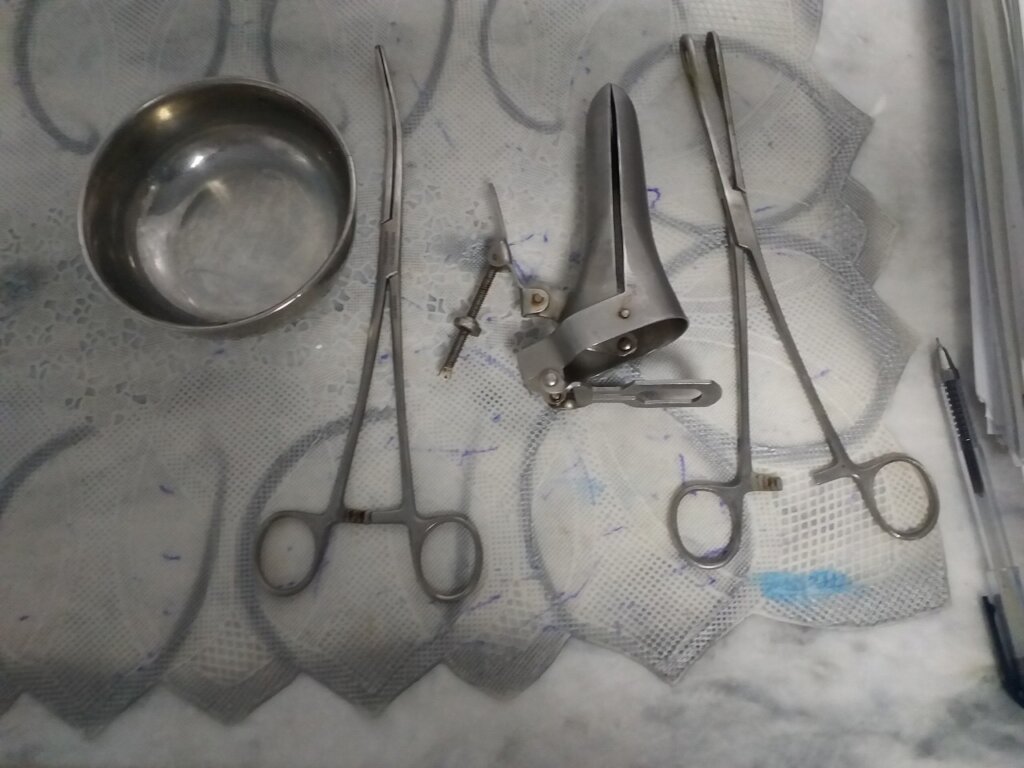
These findings reinforce an important lesson: strong maternal and newborn health services depend on both the right equipment and the right skills. Medical tools can save lives only when trained health workers are able to use them effectively, recognise danger signs, and respond appropriately when complications arise.
Looking ahead, Action for Development aims to strengthen follow-up learning through refresher sessions, practical demonstrations, simulation-based training, and focused support in emergency and complicated obstetric care. The evaluation specifically identified pre-eclampsia and eclampsia, haemorrhage, breech delivery, and other high-risk complications as priority areas for future capacity building.
Your support helps us continue strengthening maternal and newborn health services in Afghanistan—through essential equipment, skilled care, and stronger capacity among frontline health workers.
Thank you for standing with mothers, newborns, and the health professionals who care for them.
With gratitude,
Action for Development
By Zuhra Shafiq | Program Director
By S. N. | Program Officer
Project reports on GlobalGiving are posted directly to globalgiving.org by Project Leaders as they are completed, generally every 3-4 months. To protect the integrity of these documents, GlobalGiving does not alter them; therefore you may find some language or formatting issues.
If you donate to this project or have donated to this project, you can receive an email when this project posts a report. You can also subscribe for reports without donating.



Support this important cause by creating a personalized fundraising page.
Start a Fundraiser