By Andres Sanchez | Pedagogical Leader
Las Chicharras: Creating to See, Listen to, and Narrate the City
Period: July – September 2026
Program: Las Chicharras – Youth Communication Agency
Participants: 108 adolescents and young people
Creating to Find a Voice
For many adolescents, finding spaces where they can express what they think, ask about what concerns them, and feel heard is not something that happens every day.
During the third quarter of 2026, Las Chicharras – Youth Communication Agency continued creating these spaces across four areas of Medellín. Through photography, sound, zines, and posters, 108 participants explored a question that runs throughout this year's process: How do we live in, imagine, and narrate the city we inhabit?Rather than simply learning communication tools, the process seeks to enable young people to use creative practices to observe their surroundings, develop questions about their lived experiences, and find their own ways of telling their stories.
Seeing the City Through the Eyes of Those Who Inhabit It
During this cycle, the program has explored the right to the city, approaching the topic through the everyday experiences of adolescents and young people: the places they move through, the relationships they build, and the situations they encounter in their communities.To explore these questions, Las Chicharras works with different forms of communication and creative expression. Each one offers a different way of observing, interpreting, and telling what is happening around them.
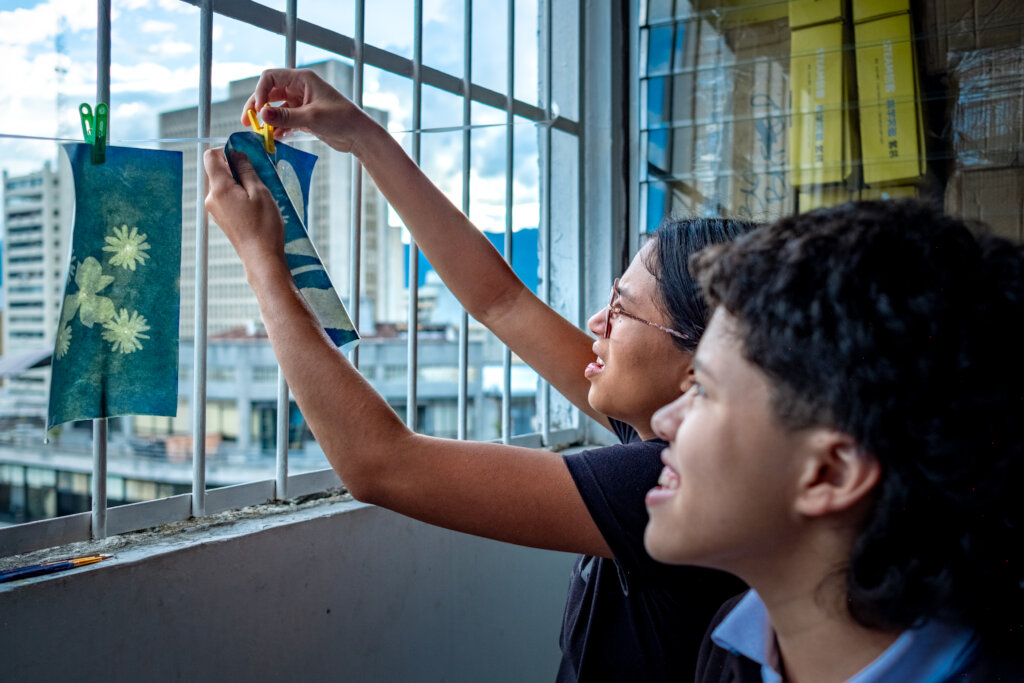
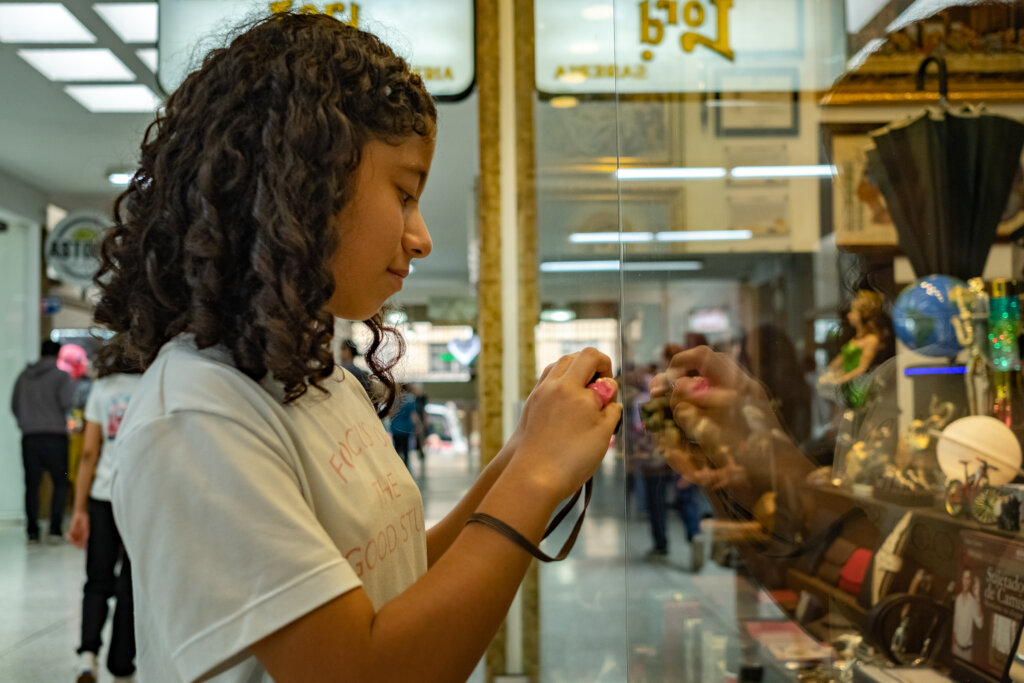
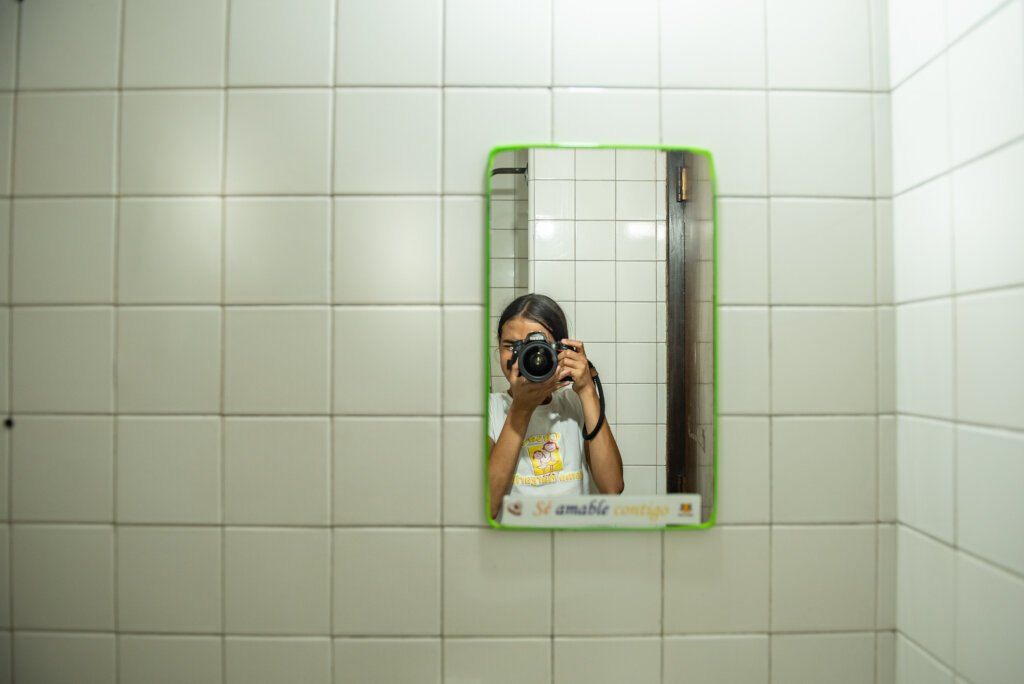
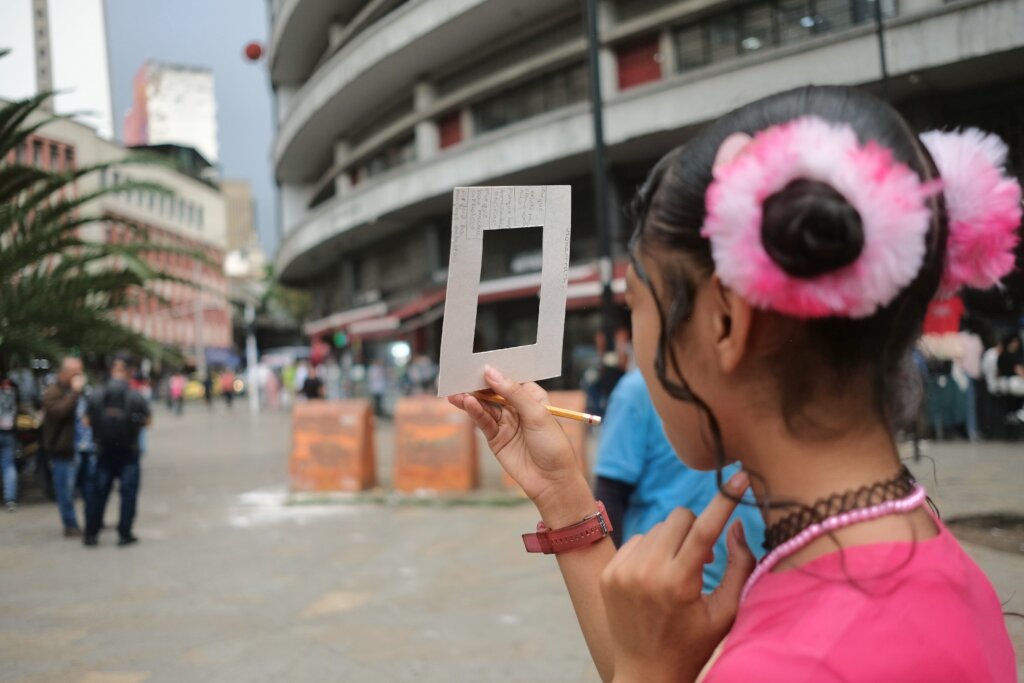
Street photography invites participants to move through their everyday surroundings and look at them with greater attention. They explore what they want to photograph, from which perspective, and what stories an image can contain. The exercise involves learning to notice things that often become invisible because they are part of everyday life: a street corner, a person, a way of inhabiting a space, a situation, or a detail that speaks about the territory.
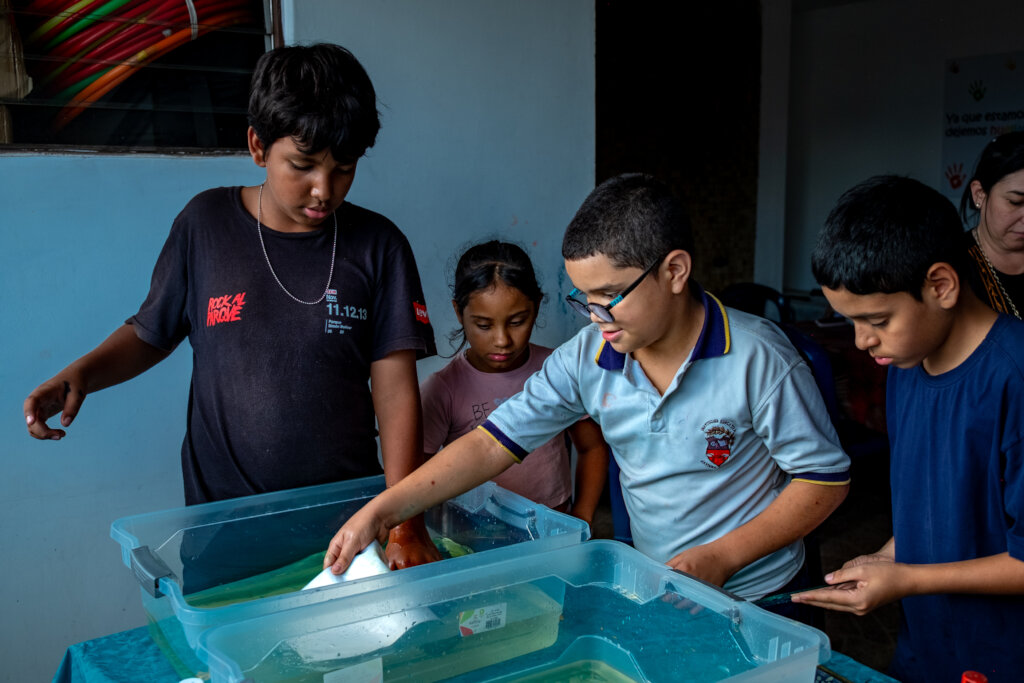
Through zines, young people combine images, texts, drawings, cut-outs, and different graphic resources to create their own publications. This format allows them to select what they consider important to communicate and decide how they want to present it. The process engages writing, visual composition, and the ability to transform ideas and experiences into a collective narrative.
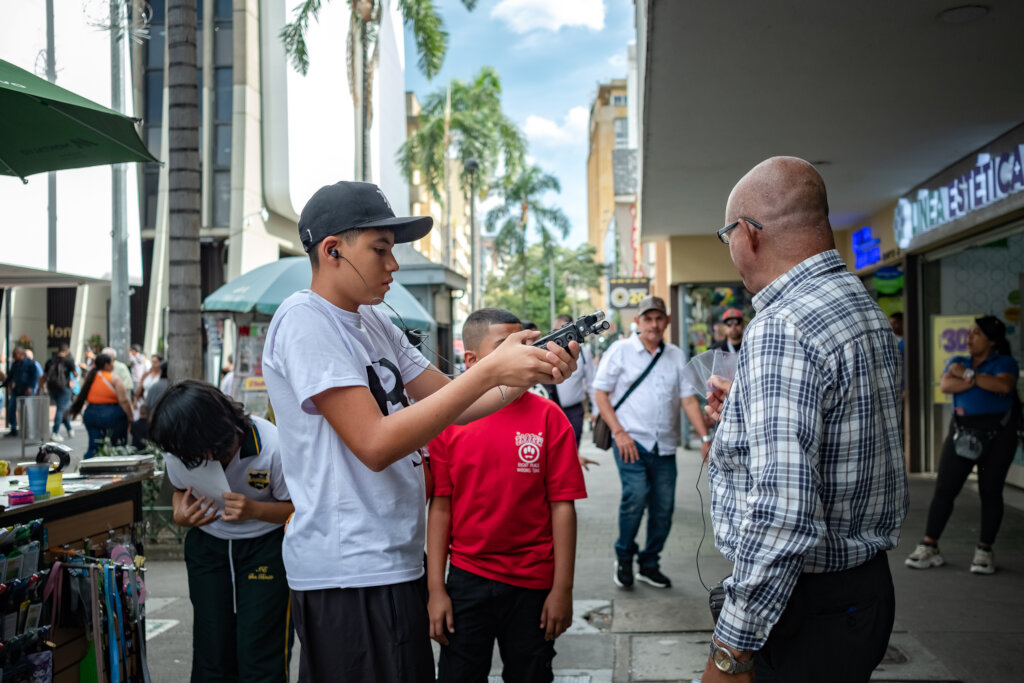
Radio and sound creation open up another possibility: narrating the city through voice and listening. Participants explore how to create audio content, what they want to ask, whose voices they want to include, and how to organize a story for others to hear. Interviews, conversations, sounds from the environment, and other resources allow them to approach their territory from a perspective different from that of the image.
Posters and graphic pieces extend this exploration into public communication. Through these works, participants consider the relationship between message, image, and audience, asking themselves what they want to say and how they can communicate it in ways that generate interest, conversation, or reflection among others.
Although each medium has its own tools, they are all part of the same process: observing, asking questions, creating, and communicating. In this way, communication goes beyond learning technical skills. It becomes a way of investigating experience, making meaning from the territory, and finding personal ways to express what young people consider significant.During this period, these creative processes have allowed participants to explore the question of the right to the city from the perspectives of those who live it. The city is no longer simply the setting where activities take place; it becomes a question in itself: Which places do we feel belong to us? What do we want to change? Which stories deserve to be heard? How do we tell the story of the way we experience our territory?
When Communication Also Means Coming Together
The growth of the process can be seen not only in the work produced. Over the weeks, the groups have begun to become more established and organized, developing a stronger sense of ownership of the spaces. We have also observed greater care for remaining engaged in the process and for the relationships built within it.
From Corporación Hogar, Gloria Cardona, a member of its leadership team, notes that Las Chicharras has contributed to participants expressing their ideas more effectively and communicating their concerns with greater clarity. She also highlights that these spaces have become opportunities for connection that contribute to the adolescents' emotional and social well-being.“Las Chicharras has contributed to participants expressing themselves better and communicating their concerns more clearly.”
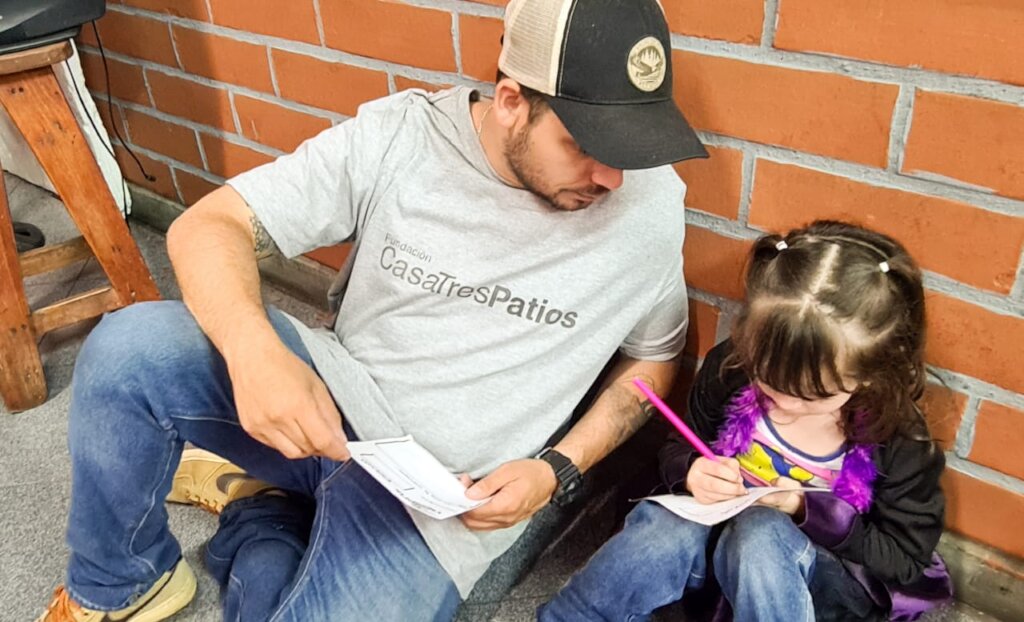
At Corporación Pueblo de los Niños, Carolina Quintero, Psychology Lead, particularly highlights the program's continuity. In contexts where different programs and opportunities come and go, she considers it meaningful that Las Chicharras has remained in the community and has fostered a sense of ownership among participants, as well as a positive response from families.This continuity has also allowed the process to expand to caregivers through the Ma/Pas School, a space designed to strengthen communication skills between adolescents and their mothers, fathers, and caregivers.
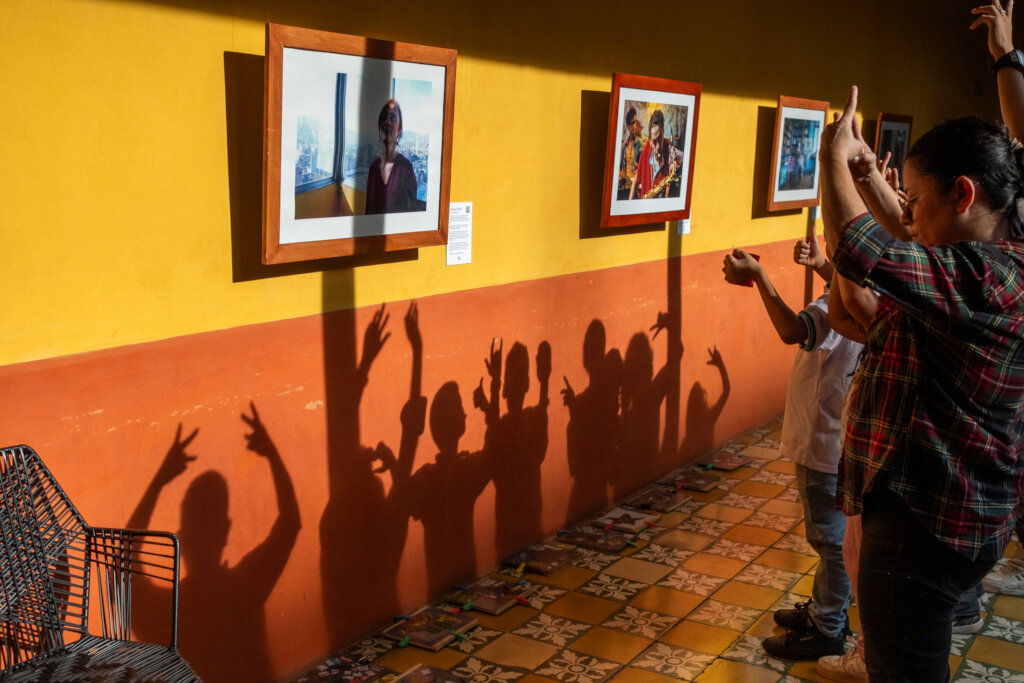
In August, a Ma/Pas School session was held at Pueblo de los Niños, with 11 mothers, fathers, and caregivers participating. The activities focused on reflecting on communication and listening within family relationships. Although some hesitation to participate was observed at the beginning, dialogue increased when participants worked in small groups, creating an atmosphere of greater trust.
A Process That Remains Rooted in the Communities
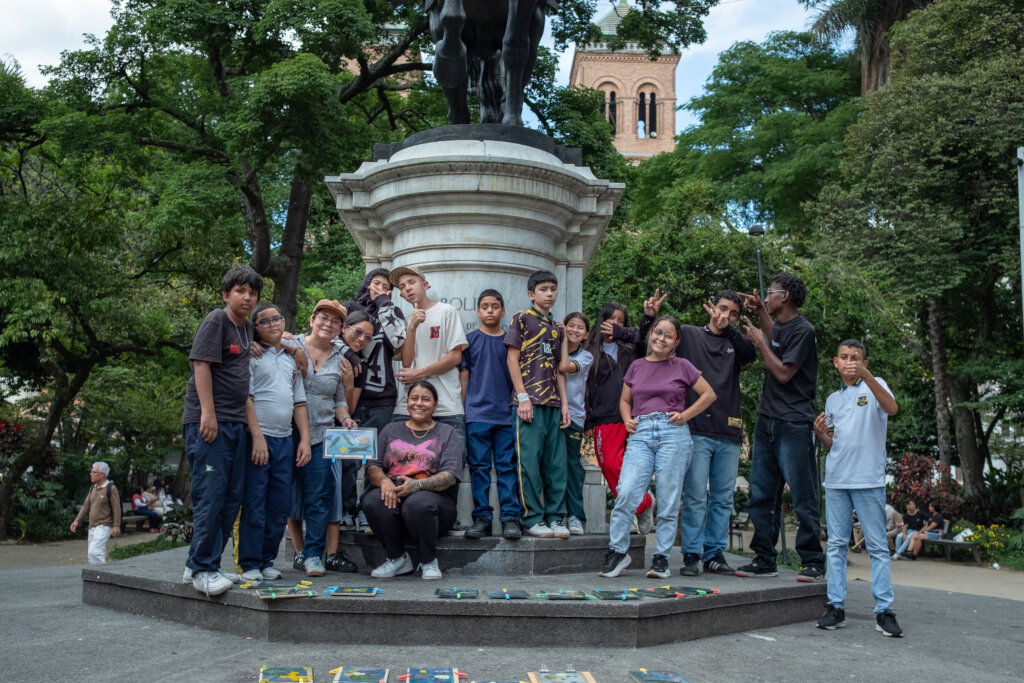
During this period, Las Chicharras continued its work in four spaces that bring the program into contact with different youth experiences across the city:
The continuity of the program has also been possible thanks to the support of partners such as Fundación Rodrigo Arroyave and Fundación MUV, whose support helps sustain these spaces for learning and creative expression. Each community has different experiences, but they share one important element: young people have a space where they can create, talk, question, and build narratives from their own experiences.
What Comes Next: Sharing Their Narratives
The final quarter of the process will focus on completing the projects developed by the groups and preparing an artistic exhibition and public presentation.This will be an opportunity for the creations to move beyond the workshop space and be shared with others. The photographs, sound pieces, zines, and posters will become not only products of a learning process, but also ways of communicating how these young people observe and experience the city.
Las Chicharras continues to embrace a simple but powerful idea: creating is also a way to make oneself heard, interpret the world, and imagine other possibilities for inhabiting it.We are grateful to our partner organizations, families, facilitators, and, above all, the young people who make it possible for this process to continue growing within their communities.
Project reports on GlobalGiving are posted directly to globalgiving.org by Project Leaders as they are completed, generally every 3-4 months. To protect the integrity of these documents, GlobalGiving does not alter them; therefore you may find some language or formatting issues.
If you donate to this project or have donated to this project, you can receive an email when this project posts a report. You can also subscribe for reports without donating.



Support this important cause by creating a personalized fundraising page.
Start a Fundraiser