Landscape Resilience Program
Healing our land and strengthening species recovery after fire and flood through native vegetation and local action.
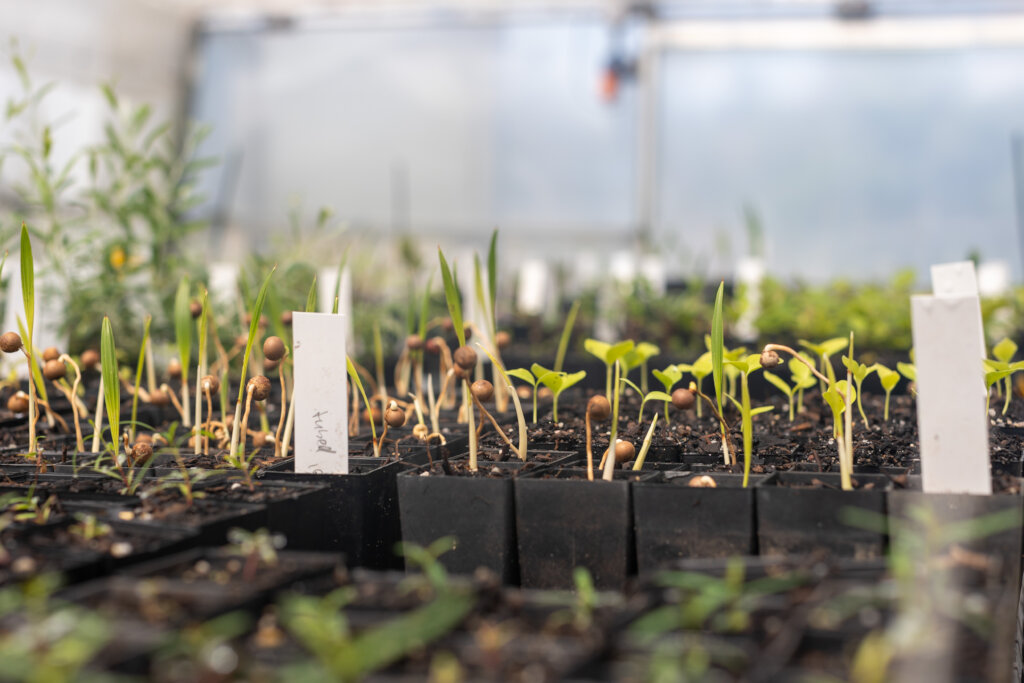
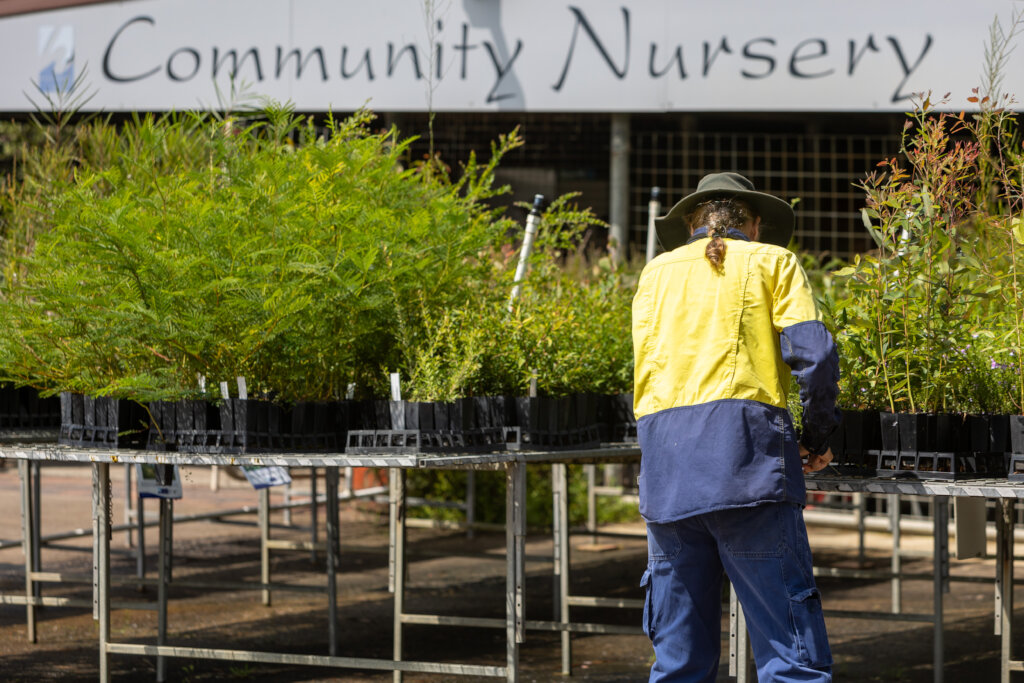
The nurseries and seedbanks feeding our Landscape Resilience Program are tackling one of Australia’s most urgent environmental challenges: the critical shortage of local native seeds and plants for ecological restoration. Through Australia’s largest community-based nursery network, we’re encouraging a steady, sustainable supply of native seeds to restore degraded landscapes, rebuild habitats and drive large-scale post-bushfire recovery.
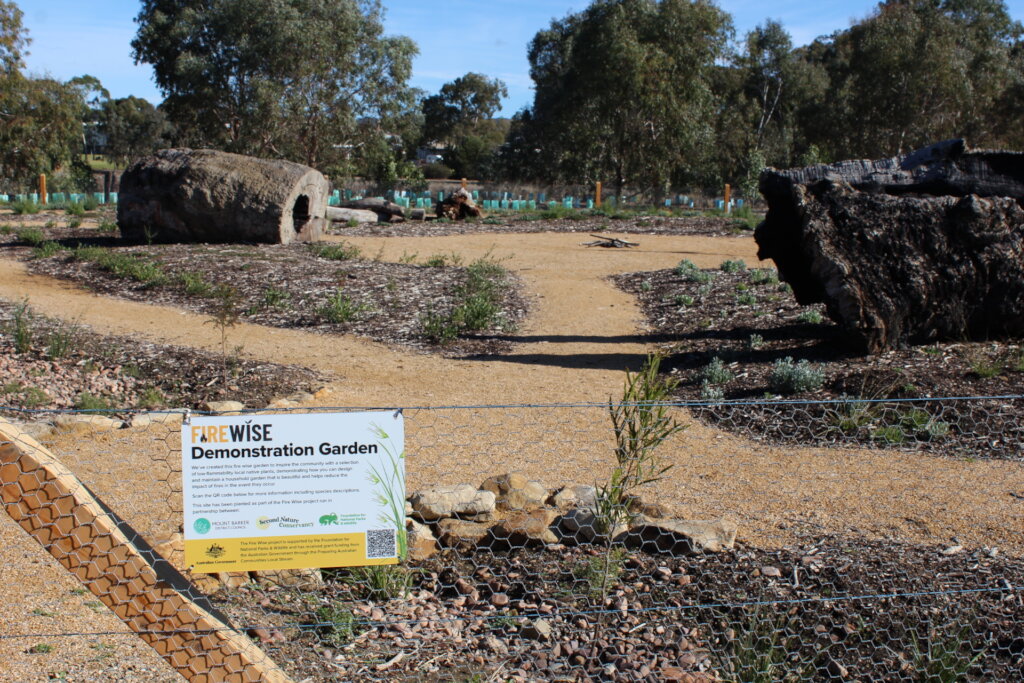
Through this program, we’re doing more than just planting trees - we’re reversing biodiversity decline, enhancing climate resilience, and creating fire-wise landscapes by strategically planting fire-resistant species around urban areas and critical infrastructure. Our seedbanks, which power Australia’s largest community-led restoration network, collect and store native seeds that are then used to restore degraded areas.
The Impact
- 30+ Nurseries in our network
- 1M trees, shrubs and seedlings planted
- 2,500 hectares restored
- 58 community groups engaged
- 12 nurseries growing Fire Wise plant species for bushfire risk reduction and increased landscape resilience.
One Million Trees and Counting
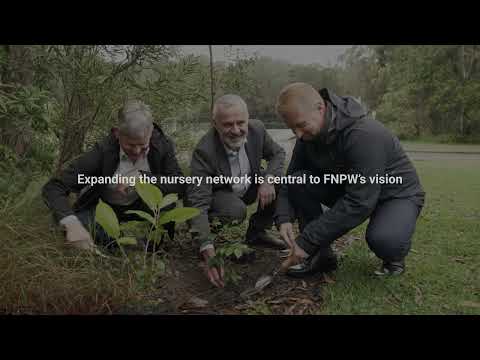
In October 2024, we celebrated a remarkable milestone: planting the one-millionth tree as part of a large-scale restoration effort launched after the devastating 2019–2020 bushfires.
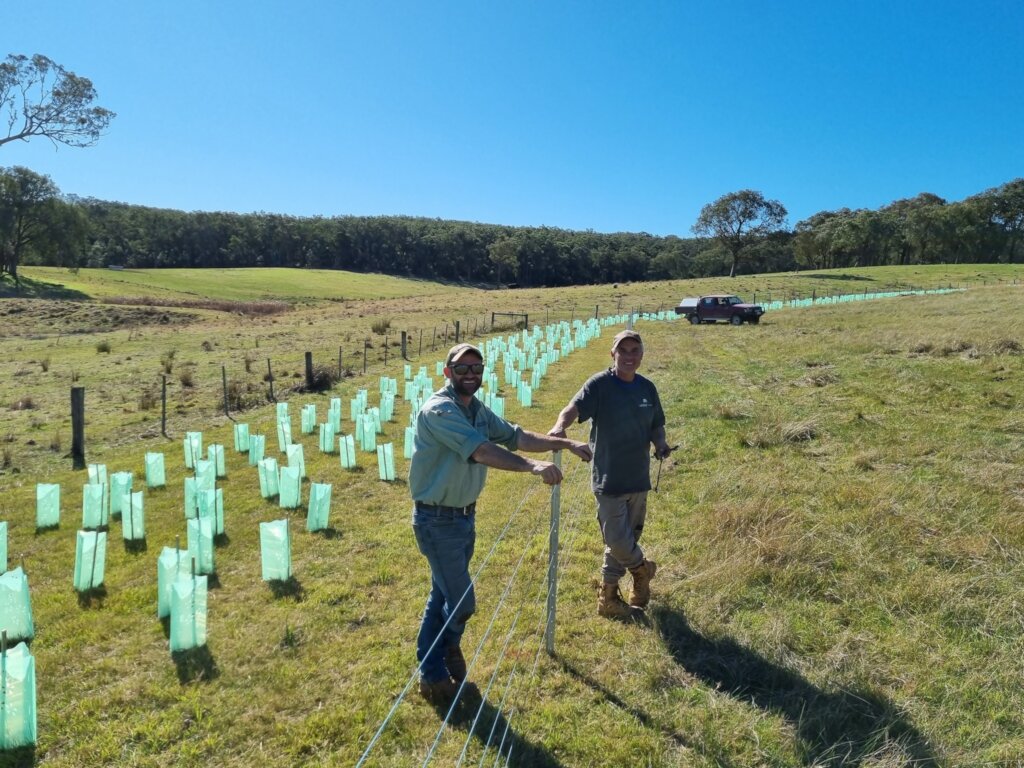
This initiative, supported by key partners One Tree Planted and L’Occitane Australia, has not only restored over 2,500 hectares of critical habitat across New South Wales, Victoria, Queensland, South Australia, and the Australian Capital Territory but also reignited a sense of hope and stewardship within local communities.
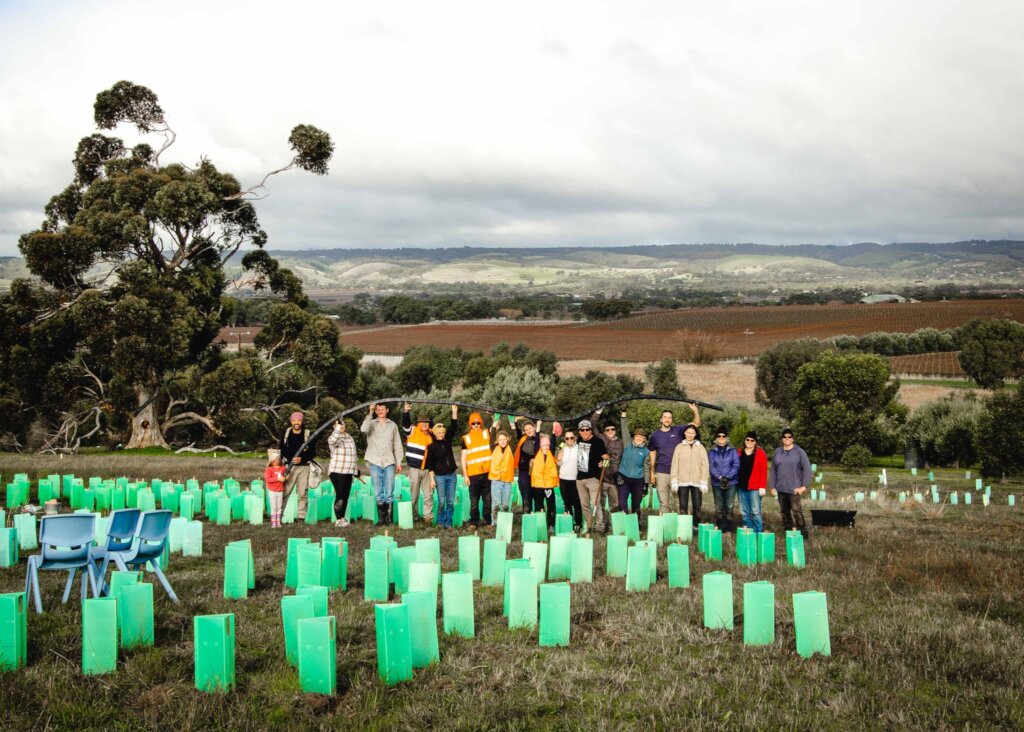
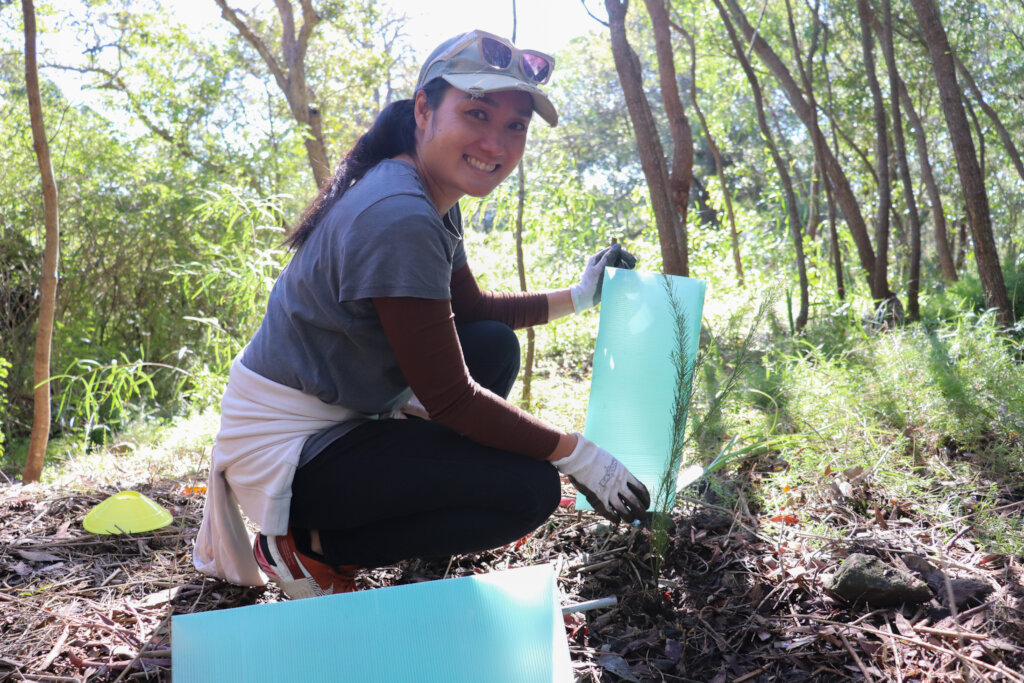
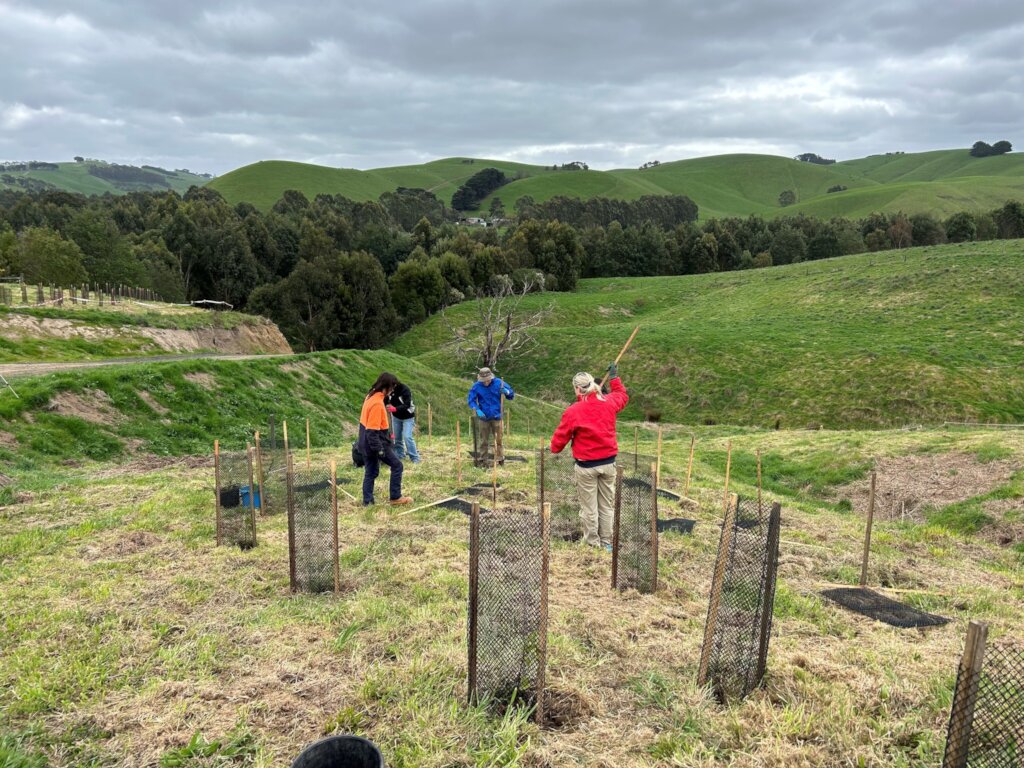
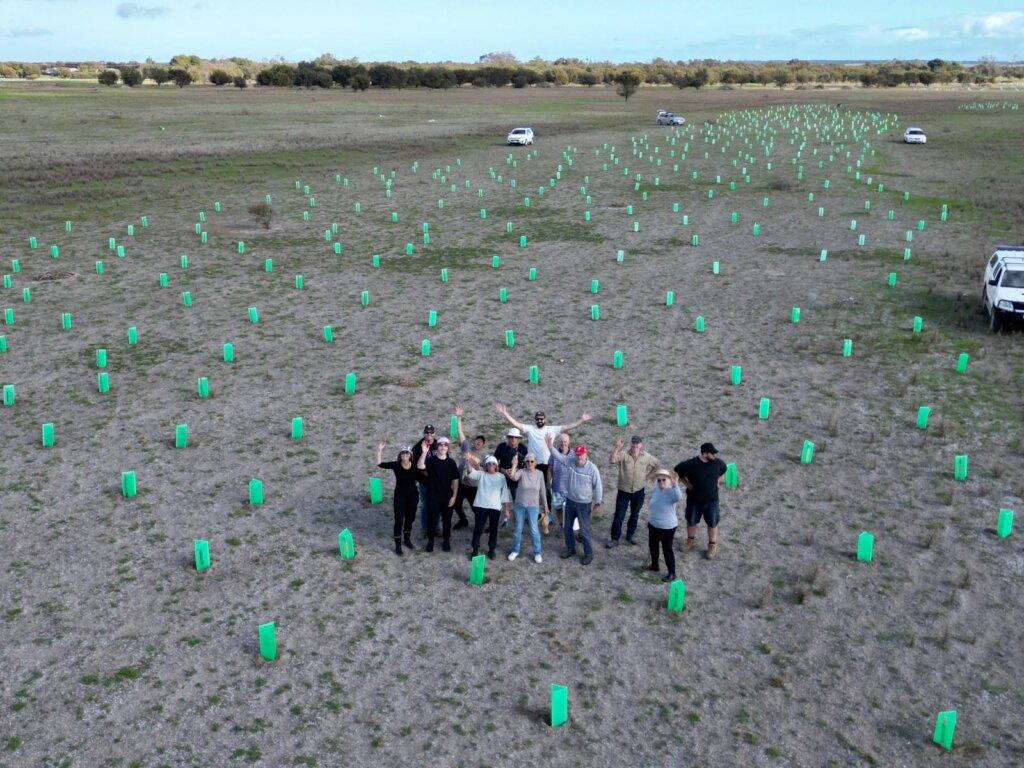
Degraded landscapes have been transformed into a thriving green corridor thanks to the dedication of local volunteers. Equipped with knowledge and skills from educational workshops, community members participated in mass planting days that not only restored native vegetation but also deepened their connection to the land.
As Ian Darbyshire, CEO of FNPW, reflected: “Planting our millionth tree was more than a milestone - it was a catalyst for change in our community. We witnessed firsthand how reforesting our land can renew both nature and community spirit.”
By restoring habitats, boosting biodiversity, and reducing carbon emissions, the project has laid the groundwork for healthier, more resilient landscapes. But perhaps most importantly, it has empowered local communities to become long-term guardians of these revitalised environments, ensuring that the benefits extend far beyond the initial planting.
Looking Ahead
This program blends science and community action to drive restoration. Moving forward, we aim to scale efforts, deepen First Nations and broader community involvement, and adapt to climate challenges - with a goal to restore 10,000 ha and plant 9 million trees by 2030.
Links:
Attachments:
![Share on Twitter]()
![Share on Facebook]()