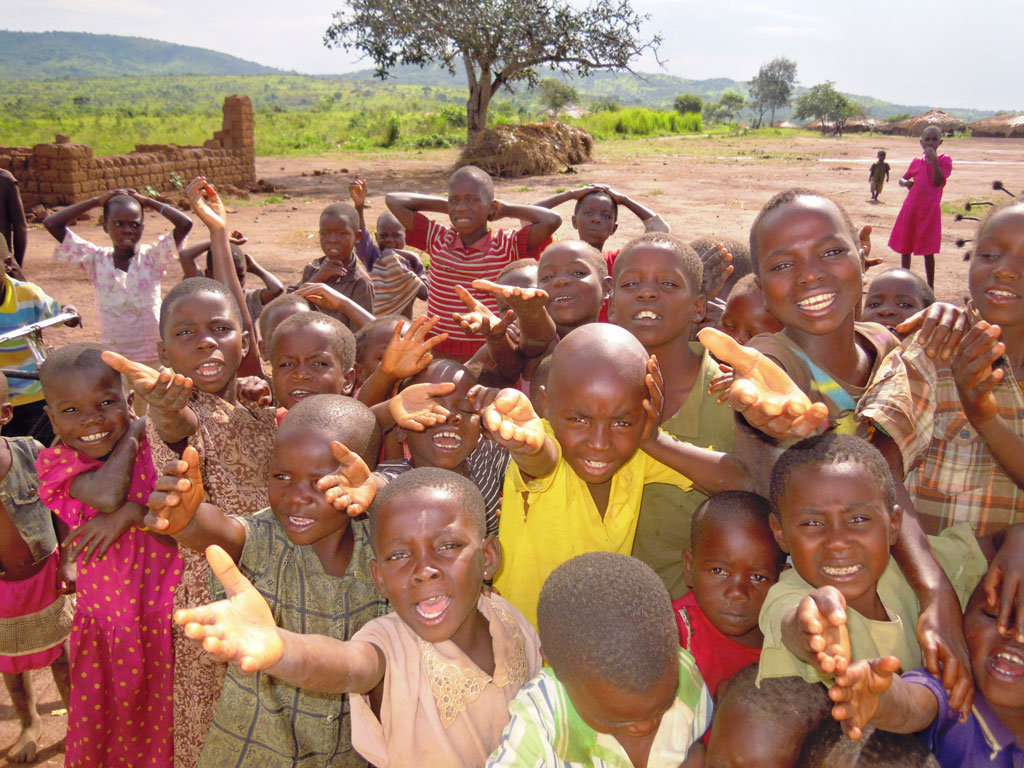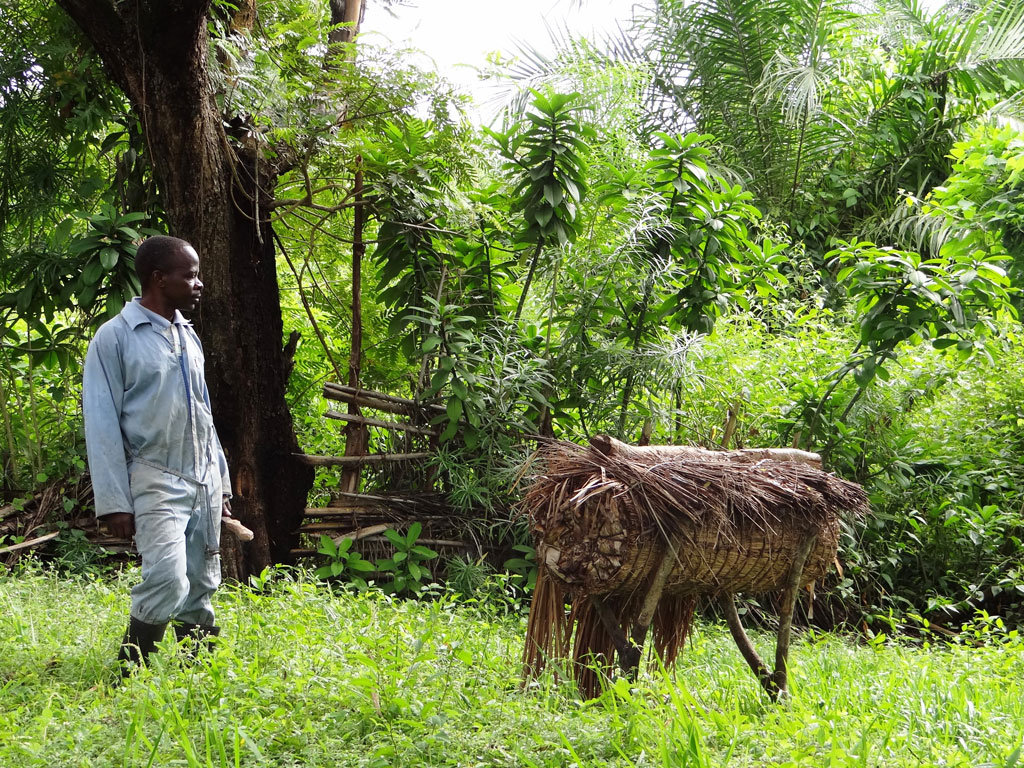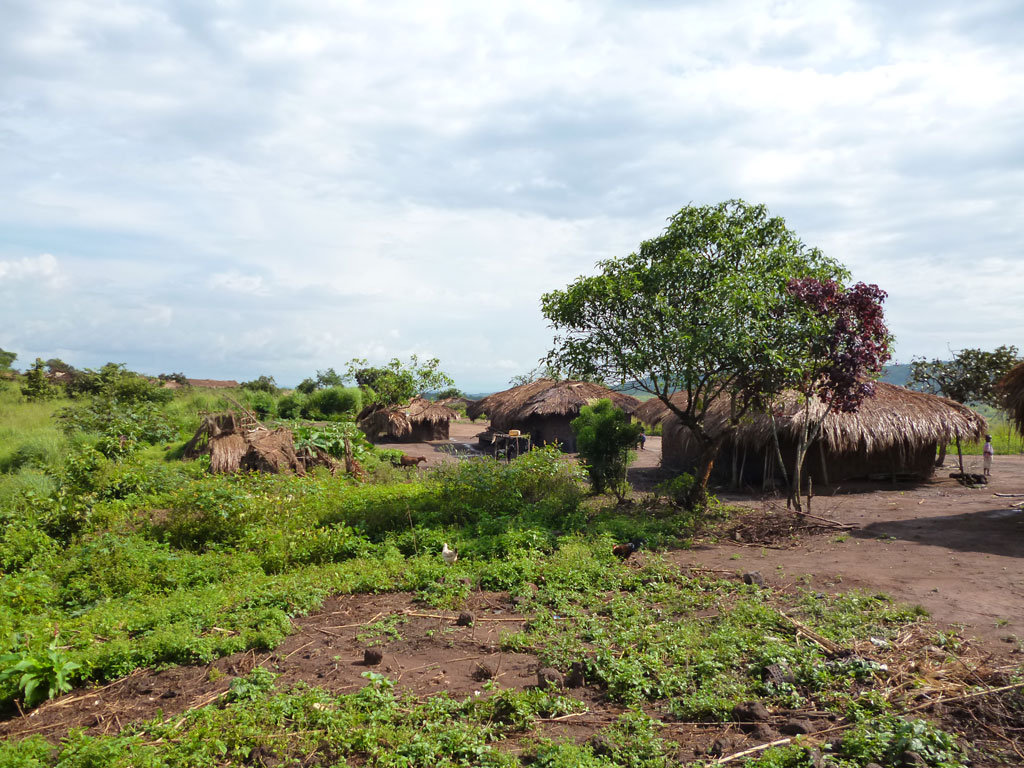
In the Democratic Republic of Congo, beekeeping for honey and wax production is one of the income generating activities of the Kubunina program, created to improve childhood conditions in one of the poorest countries in the world. The products of the apiary will generate the revenues able to guarantee free access to school to at least 40 children from the poorest families.
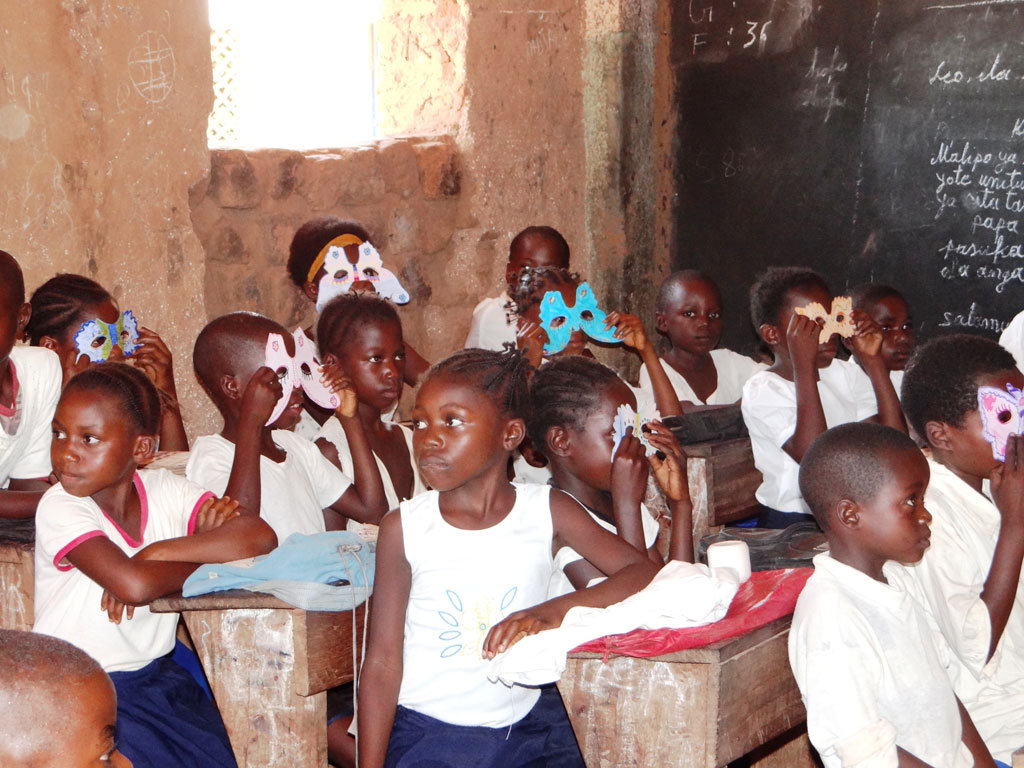
Officially, in the Democratic Republic of Congo, education is free, but the salary of a teacher is well below the threshold of survival. In order for schools to operate, families must contribute financially, but for many children this is an insurmountable obstacle. Widespread poverty and instability prevent 1.4 million from completing their studies.
The creation of income-generating activities will contribute to improve children's school conditions. Our priority is the funding of schools, to eliminate the contribution that families are obliged to make, to ensure free access to education for all children. The activities are managed by the committee of parents, who are dedicating part of their time for free. Hives and beekeepers kit will be provided to local associations, along with training sessions to improve technical and managerial skills
The Kubunina program is promoting self-organizing capabilities in Congo, thanks to the technical and managerial competencies transferred by the Italian Kubunina team. The program model was conceived as a sustainable one, easy to replicate in other villages. Furthermore, the training in apiculture promotes the transition from the activity of "honey hunters", who procure honey in the jungle exterminating the bees, to a beekeeping activity, far more sustainable.
This project has provided additional documentation in a PDF file (projdoc.pdf).