By steven Rugigana | Project leader
*1. EXECUTIVE SUMMARY*
The KCVA Community Conservation Project aims to protect the environment around Mgahinga and Bwindi buffer zones while improving livelihoods. Through tree planting, sensitization, and alternative livelihoods like rabbit farming and briquette making, we reduce pressure on the national parks. This report covers 6 months of implementation.
*2. PROJECT GOAL & OBJECTIVES*
*Goal:* To conserve biodiversity and promote sustainable livelihoods in Kisoro communities bordering protected areas.
*Objectives:*
a) To reduce deforestation and encroachment on park boundaries.
b) To plant 5,000 indigenous trees in community lands.
c) To sensitize 200 households on conservation and human-wildlife conflict.
d) To provide alternative income sources to poaching.
*3. ACTIVITIES DONE*
Activity Location Date People Reached
Community sensitization meetings on conservation Murora, Nyarusiza March 120 people
Tree Nursery establishment (Grevillea, Eucalyptus, Avocado) KCVA Center April 1 nursery, 6,000 seedlings
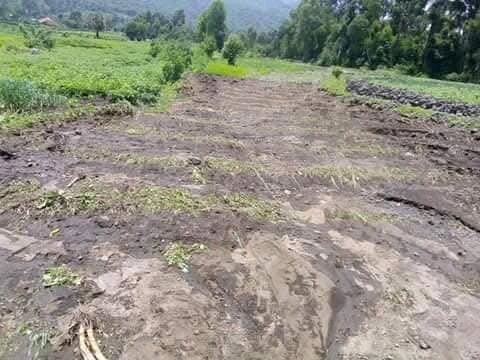
Tree Planting Exercise 45 Households & 3 Schools May-June 4,200 trees planted
Training on Energy-saving briquettes from banana peelings Nyakabande July 30 women
Distribution of Rabbits as alternative to bushmeat Kisoro Municipality July-Aug 20 families (60 rabbits)
Radio Talk Show on Voice of Muhabura - Conservation Radio Aug 12th ~10,000 listeners
*4. ACHIEVEMENTS*
1. 4,200 trees planted - 84% of our target (5,000).
2. 6,000 seedlings still in nursery for next season.
3. 180 households sensitized on importance of gorilla conservation and park laws.
4. 20 families started rabbit farming, reducing dependence on forest resources.
5. 3 primary schools established school environment clubs.
6. Reduced firewood collection - 30 women now use briquettes.
*5. CHALLENGES*
1. Long dry season affected seedling survival - 15% died.
2. Human-wildlife conflict still reported in Murora - crops destroyed by monkeys.
3. Limited funds for transport to remote villages.
4. Some community members still cut bamboo from Mgahinga for construction.
*6. LESSONS LEARNED*
- Combining conservation with livelihood (rabbits, fruit trees) makes community participate more.
- Schools are powerful agents for conservation message.
- Women groups are more committed to briquette making and tree care.
*7. FINANCIAL SUMMARY*
Donor / KCVA Contribution: UGX 8,500,000
Expenses: Seedlings UGX 1.5M, Transport UGX 1.2M, Trainings UGX 2M, Rabbits UGX 1.8M, Radio & Admin UGX 1.5M
*8. WAY FORWARD / RECOMMENDATIONS*
1. Replace dead seedlings in next rainy season (September).
2. Train park-edge communities in non-violent crop guarding methods.
3. Scale rabbit project to 50 more families.
4. Request UWA to support joint community patrols.
5. Next quarter focus on plastic waste collection around Kisoro town.
*9. CONCLUSION*
The project has shown that community-based conservation works when people get benefits. KCVA appreciates all community members and partners who supported this woth cause
Project reports on GlobalGiving are posted directly to globalgiving.org by Project Leaders as they are completed, generally every 3-4 months. To protect the integrity of these documents, GlobalGiving does not alter them; therefore you may find some language or formatting issues.
If you donate to this project or have donated to this project, you can receive an email when this project posts a report. You can also subscribe for reports without donating.



Support this important cause by creating a personalized fundraising page.
Start a Fundraiser