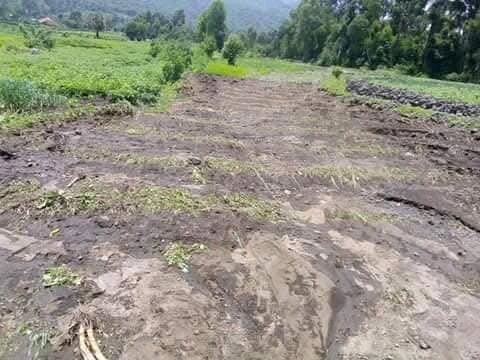
- Deforestation: Promoting reforestation and sustainable forest management. - Soil erosion: Implementing measures to protect soil and water resources. - Wildlife conservation* Protecting biodiversity in Kisoro's ecosystems. - Community engagement: Educating and involving locals in conservation efforts.
- *Environmental degradation*: Deforestation, soil erosion, and loss of biodiversity. - *Limited community awareness*: Locals may not fully understand conservation importance. - *Unsustainable practices*: Activities like charcoal burning or poor farming methods harm the environment. By tackling these issues, the project aims to protect Kisoro's natural resources.
- *Community engagement*: Educating locals on sustainable practices and conservation importance. - *Reforestation efforts*: Planting trees and restoring degraded areas. - *Sustainable livelihoods*: Promoting eco-friendly income sources (e.g., eco-tourism, sustainable farming). - *Collaboration*: Working with local leaders and stakeholders to implement solutions. This approach tackles environmental degradation and empowers the community.
- *Restored ecosystems*: Improved biodiversity, soil health, and water resources. - *Sustainable livelihoods*: Communities benefit from eco-tourism, sustainable farming, and other green income sources. - *Climate resilience*: Reduced vulnerability to climate-related disasters. - *Empowered community*: Locals take ownership of conservation efforts. This leads to a healthier environment and improved livelihoods.



Support this important cause by creating a personalized fundraising page.
Start a Fundraiser