By Fiona Beckerlegge | Clinical Director
Accessibility is something we take very seriously at Kyaninga Child Development Centre.
Imagine that your 7-year-old child is unwell, with a severe fever and you suspect it is malaria. You know that they need healthcare and medication urgently, that right now, every second counts. Since the last time they had malaria, when you delayed getting to the health centre, they lost their ability to sit independently, to speak and can no longer attend school. You know that further delays in seeking healthcare will probably make your childs disability worse.
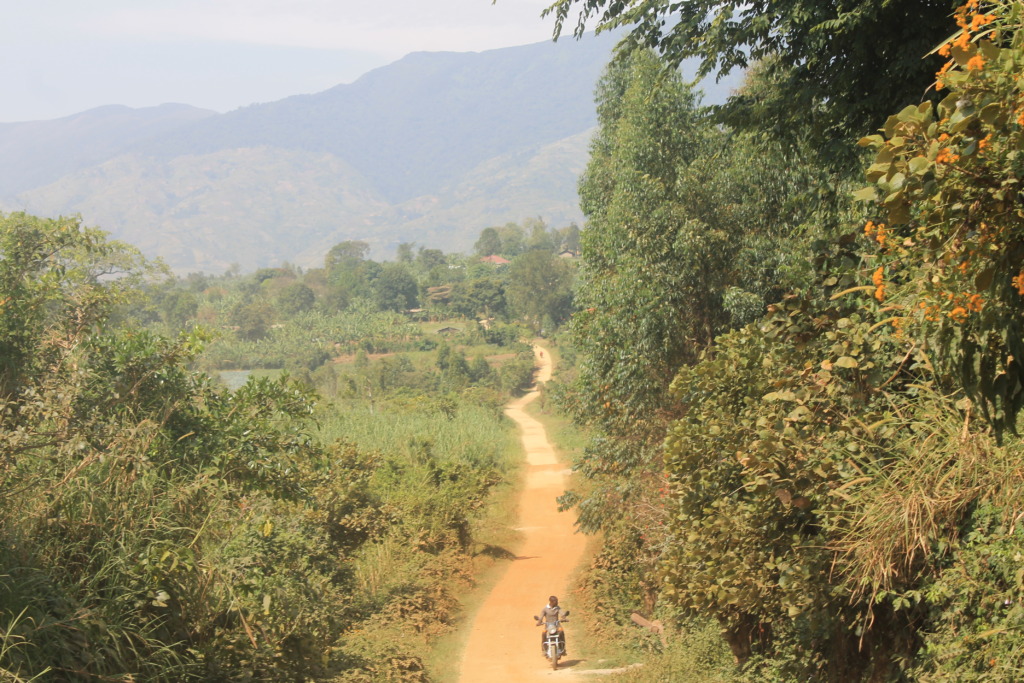
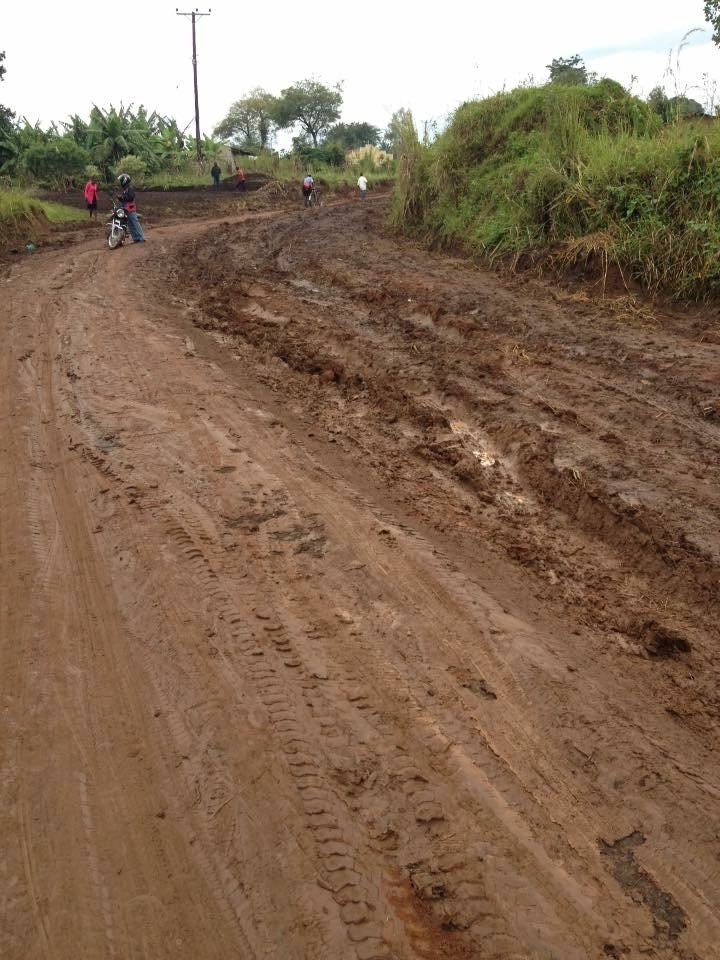
But you are a peasant farmer, growing just enough food to feed your family, and maybe sell a little after a good harvest. But there is no spare money for life’s luxuries, such as local transport, new clothes or a mobile phone. Because of this poverty, you live very deep in the village, 30 kilometres from town and about 8 kilometres from the main road: 8 kilometres down a steep, rutted, bumpy, dirt road. In the rainy seasons the road is frequently impassable, and often quite unsafe for use by vehicles. You will need to walk this road, carrying your child, to reach the health centre and that medical attention that you desperately need.
What would you do?
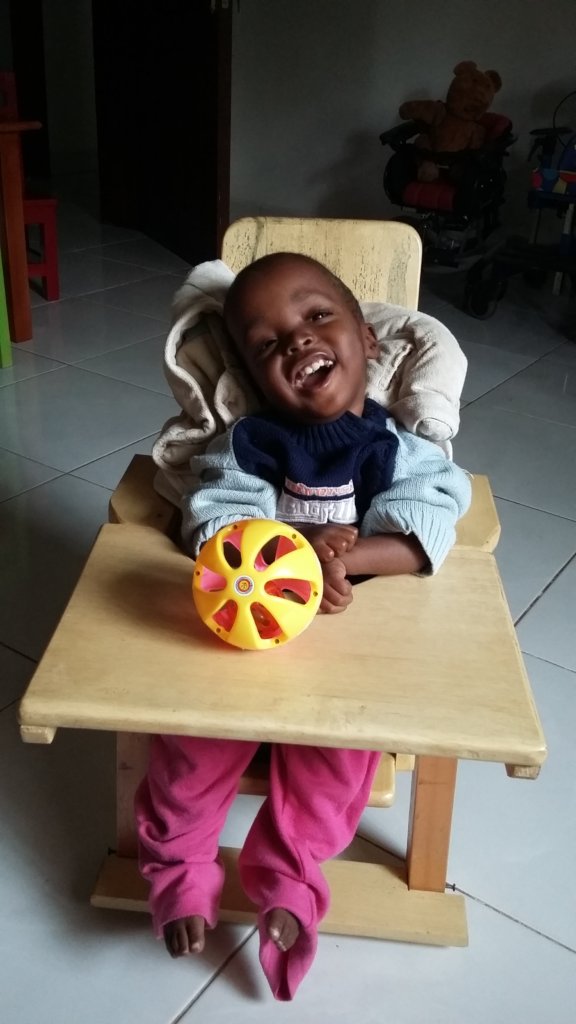
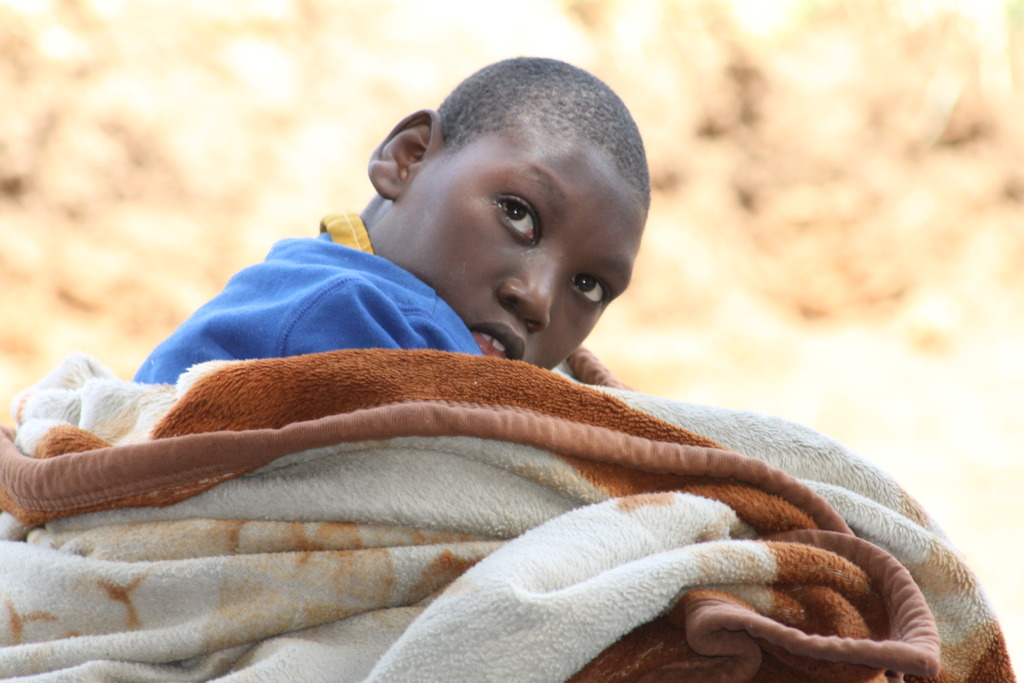
This is a scenario faced by so many families that Kyaninga Child Development Centre works with, living in the mountains and rural villages across the western region of Uganda. Families like Peluce and her 5 children. Her 7-year-old son is Peter, and at the age of 4 he had severe malaria that left him disabled because she was unable to reach the health centre, and she has been struggling to get any help or therapy for him - the government physiotherapists are based in town, 30km away.
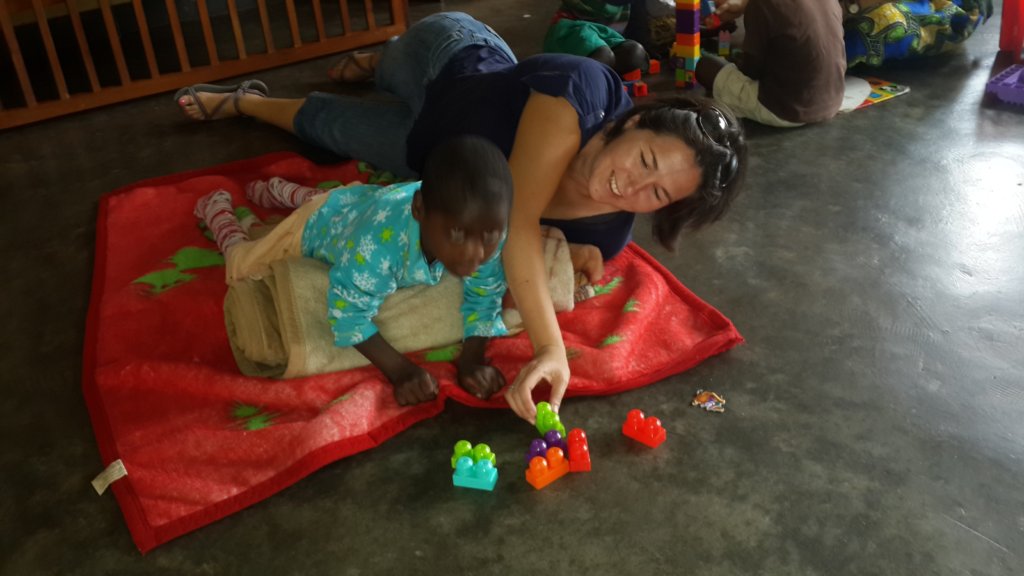
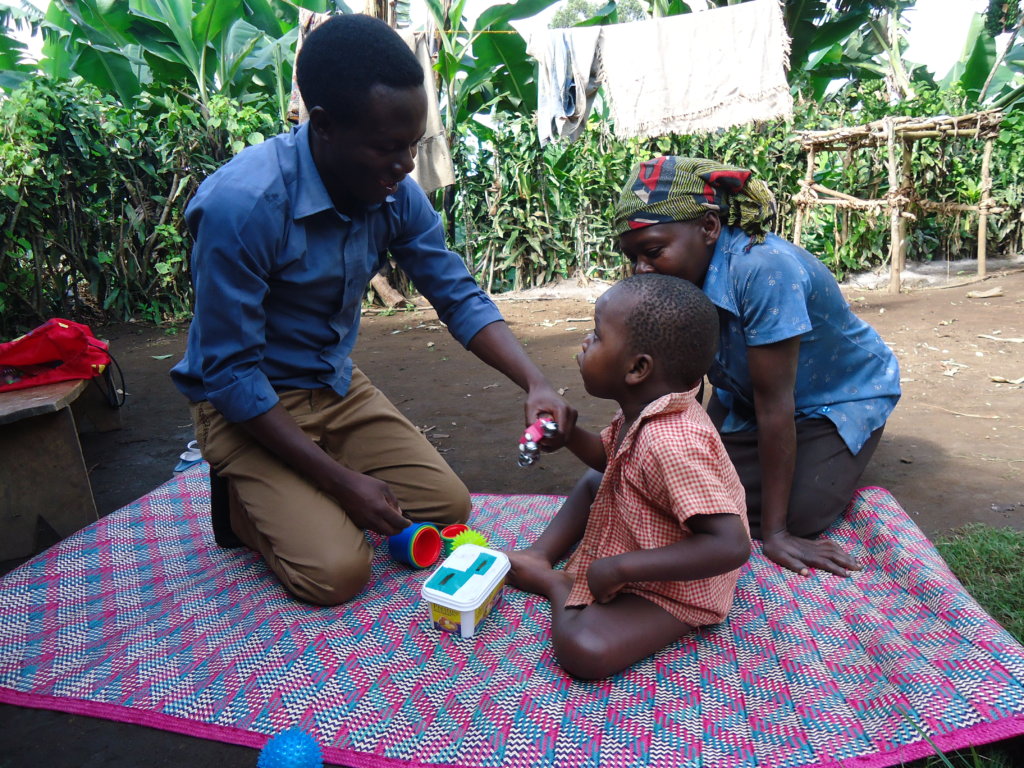
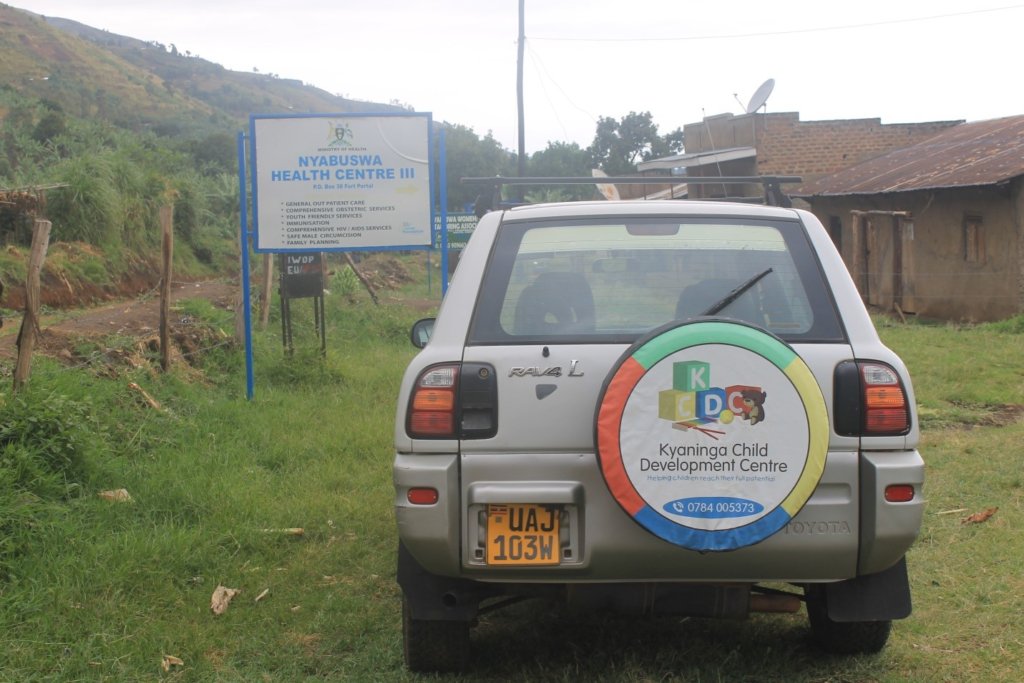
That was until she heard about Kyaninga Child Development Centre, who provide free physio, occupational and speech therapy services, at her home, so she doesn’t have to walk those 8km, leaving her children home alone for hours. KCDC uses their 4-wheel drive vehicle to carry the therapists, medical and therapy equipment to reach those who need us most, but have no access. Now, after regular visits by the KCDC team, Peter is able to sit independently again, is starting to move around and pull himself to standing and is learning to communicate through gestures and pictures as he learns to speak again. We will continue to visit Peluce and Peter and work with them to help regain his abilities and skills so that he can return to school and participate in family and village life again.
Our extensive outreach services are an innovative and unique feature of our rehabilitation/ therapy services. The majority (57%) of our children and their families are visited either in their homes or at local health centres. This reduces on the transport costs for families living deep in the village and already facing financial hardship and makes our services more easily accessible to a larger number of families.
Our community outreach services mean that we are able to support more children with disabilities to reach their full potential and have a positive impact on more families and communities.
Our vehicles are essential in enabling us to provide these services. We currently have 1 car (and driver) and 1 motorbike. We are currently in urgent need of a second car and driver; this would enable us to expand our services and further increase our accessibility and impact by 60%.
This year 32% of our children have been seen as part of our health centre outreach programme. That is 1130 children seen on outreach visits so far this year! We currently visit 11 local health centres across the district. Outreaches enable us to see many children who live local to the health centre and makes for an effective use of our time and resources. We work hard to maximise our impact during our outreaches; we take a several members of our therapy team (physiotherapists, occupational Therapists, speech therapists and our orthopaedic officer) to ensure we meet the diverse needs of the children we see. During our outreaches, the families also get to meet and share experiences which gives rise to peer support and a sense of growing hope and optimism.
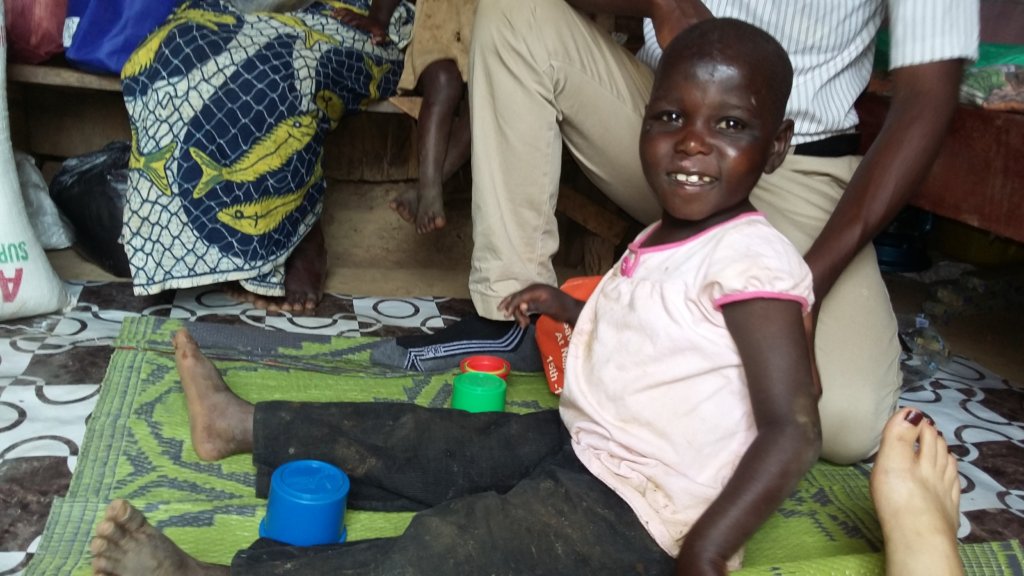
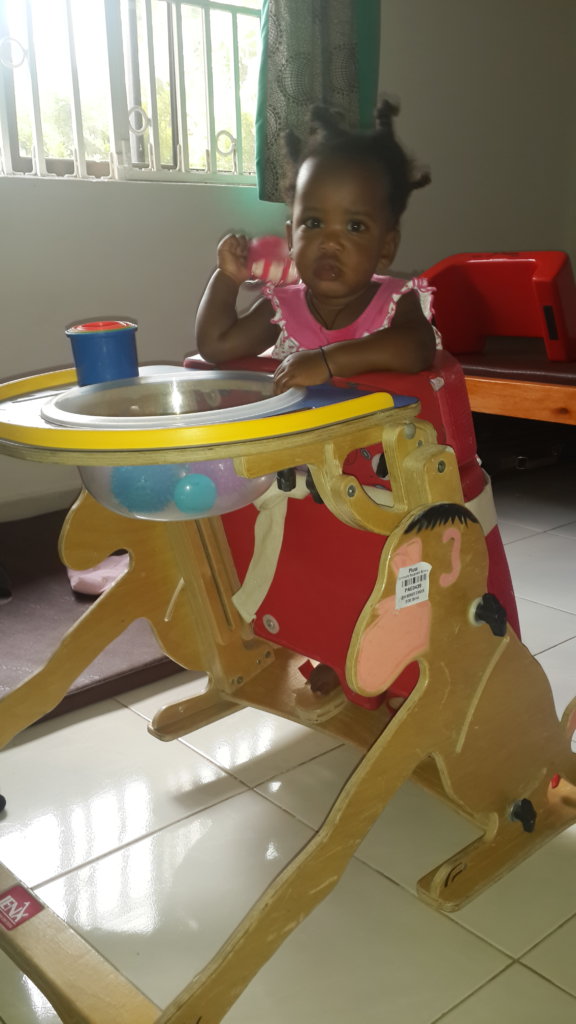
A further 25% of children and families have been seen at home as part of our home visit programme. This is 880 home visits conducted this year to date! We group our children for home visits into clusters, so we go out for a whole morning or afternoon and see several children who live in 1 geographical area. Home visits enable us to meet more of the family and educate them about the child’s condition and how to support their development. Our physiotherapists can work on positioning in the home environment and where appropriate building parallel cars to help develop standing and walking. Our occupational therapists can practically work on developing independence in personal care, feeding and other activities at home. Our speech therapists can develop custom made communication boards using photos of items used at home.
Currently we limit the frequency of home visits and outreaches are every 2-4 weeks because of how busy our vehicles are! A second car would mean that we could reach more health centres as part of our outreach programme and also visit the existing health centres more regularly. It would also enable us to see more children on home visits and do more regular home visits to those we already see. Increasing the frequency of the services we offer will enable us to have a greater impact on the children’s development.
The area we cover is large and very rural. The average distance to our outreaches is 61 kilometres and the average distance for home visits is 38 kilometres. As you can imagine our vehicles are in constant use, often with discussion and debates in the office about where the car is going to and who needs it most! Our staff team has expanded greatly in the last year; meaning we can see many more children but are often limited by the availability of a suitable vehicle. The majority of our journeys are on dirt roads, which during the 2 long rainy seasons (each lasting 2-3 months) can become very muddy, slippy and difficult to pass and make journeys on the motorcycle difficult due to the risk of getting a very cold and wet.
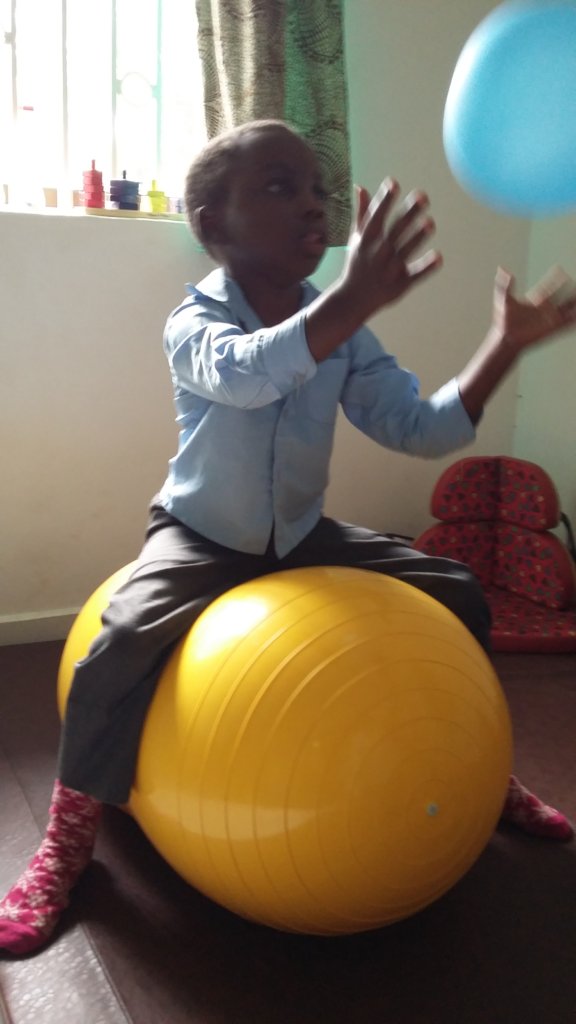
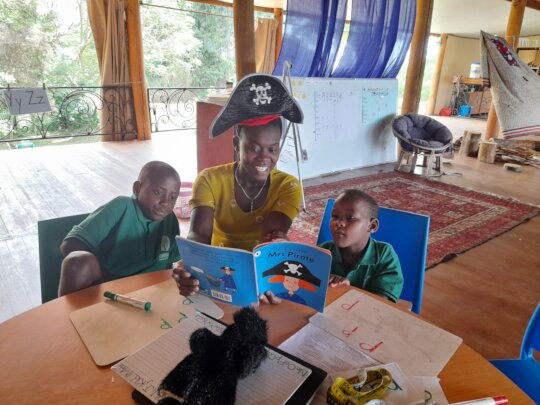
Another wonderful opportunity that a second car would give us is to enable us to pick up children from their homes and bring them in to access the centre and our new hydrotherapy pool and give options for more intensive therapy sessions at the centre with access to a wider range of therapeutic equipment and toys.
Links:
Project reports on GlobalGiving are posted directly to globalgiving.org by Project Leaders as they are completed, generally every 3-4 months. To protect the integrity of these documents, GlobalGiving does not alter them; therefore you may find some language or formatting issues.
If you donate to this project or have donated to this project, you can receive an email when this project posts a report. You can also subscribe for reports without donating.