By Fiona Beckerlegge | Clinical Director
February 6th 2017 is the first day of the new school year here in Uganda, and just like families across the world, parents are proudly escorting their young sons and daughters to their first class, at the start of their educational journey. Unless they have a disability. Then there is no school, no opportunity to learn, to integrate with their peers and work towards a bright future. Recent data reports that 93% of children enrol into primary school, 64% complete primary school and only 24% go onto secondary school. In contrast, only 9% of children with disabilities are able to access education within an inclusive setting or special school, and there is no data on primary completion or secondary enrolment (2015 Unicef Situation Analysis of Uganda).
The reasons given for not attending school are wide-ranging, and include a lack of money for fees, uniforms and books, limited access for those with physical disabilities (classrooms or latrines), a lack of special educational needs trained teachers and discrimination from schools and communities, with the belief that children with disabilities are incapable of learning and should be excluded.
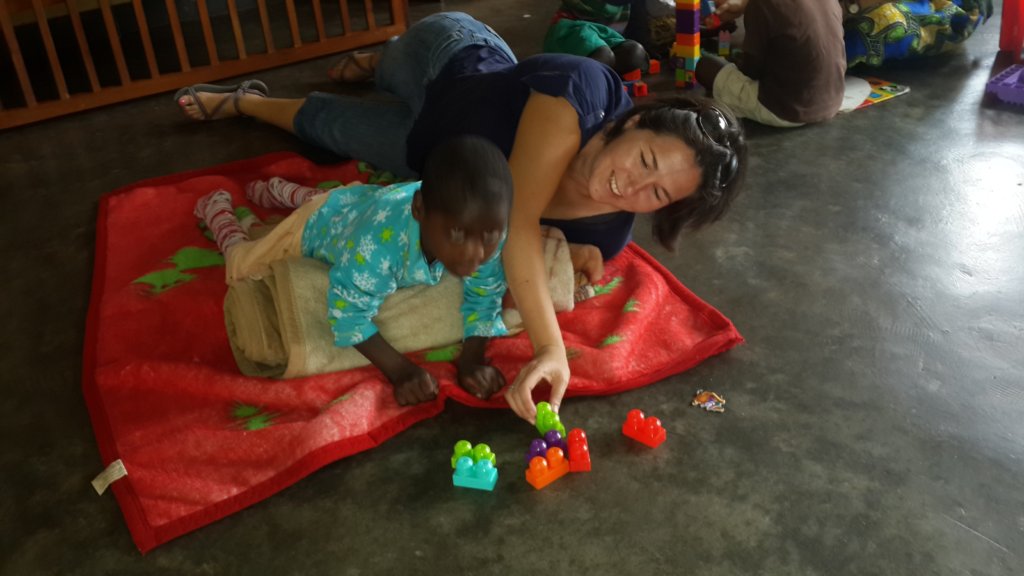
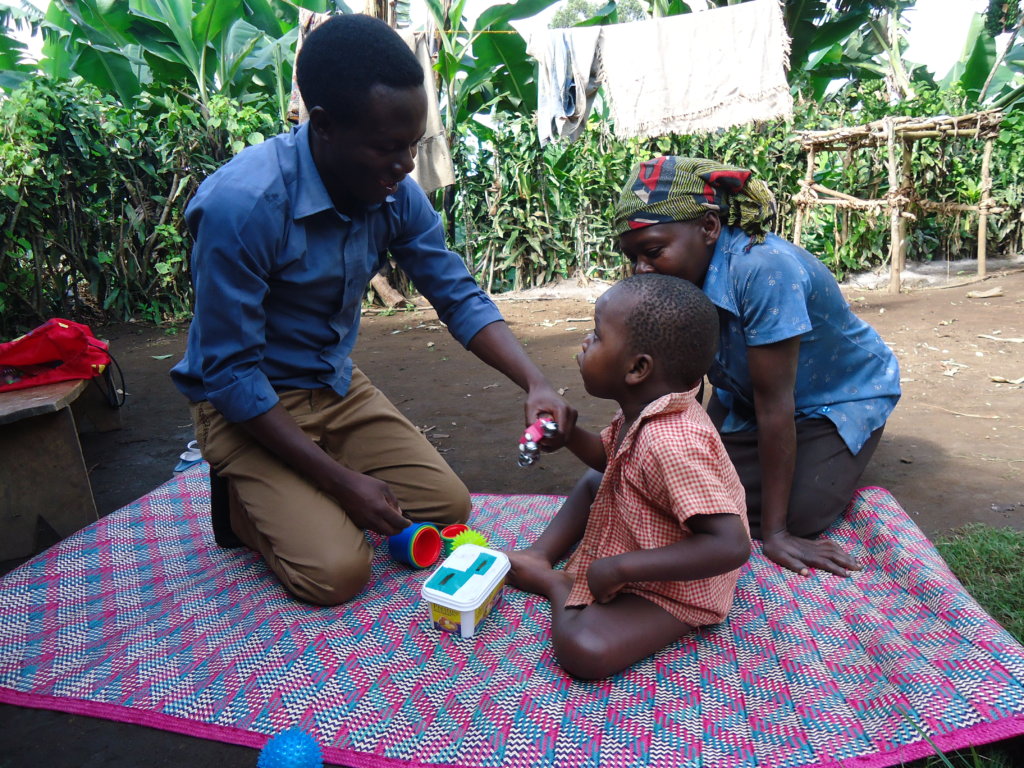
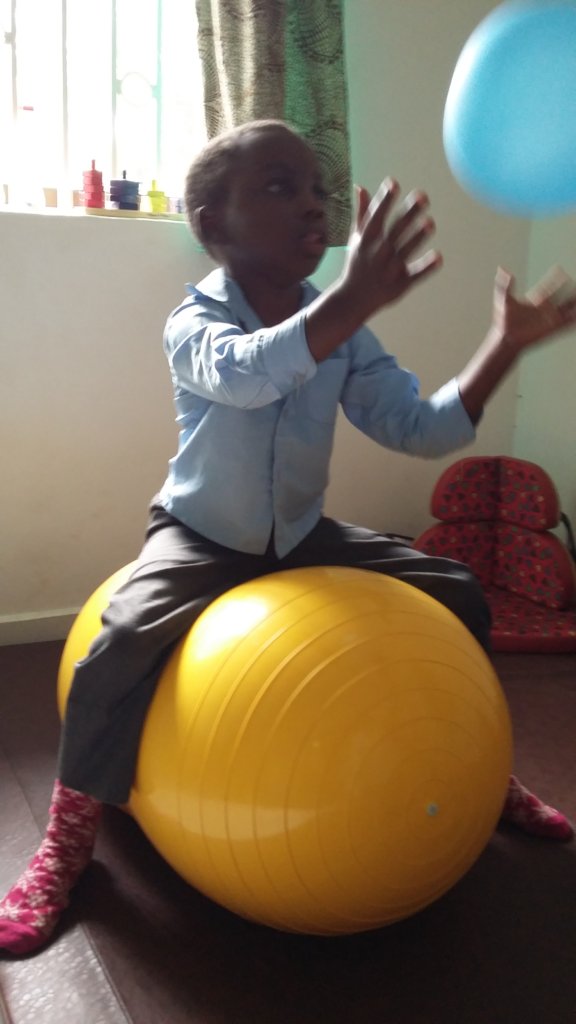
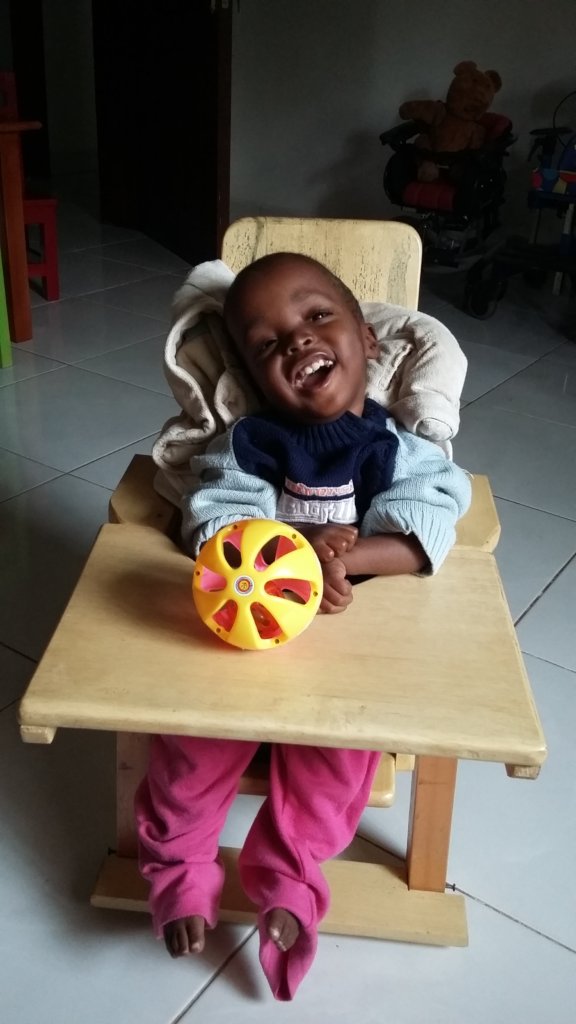
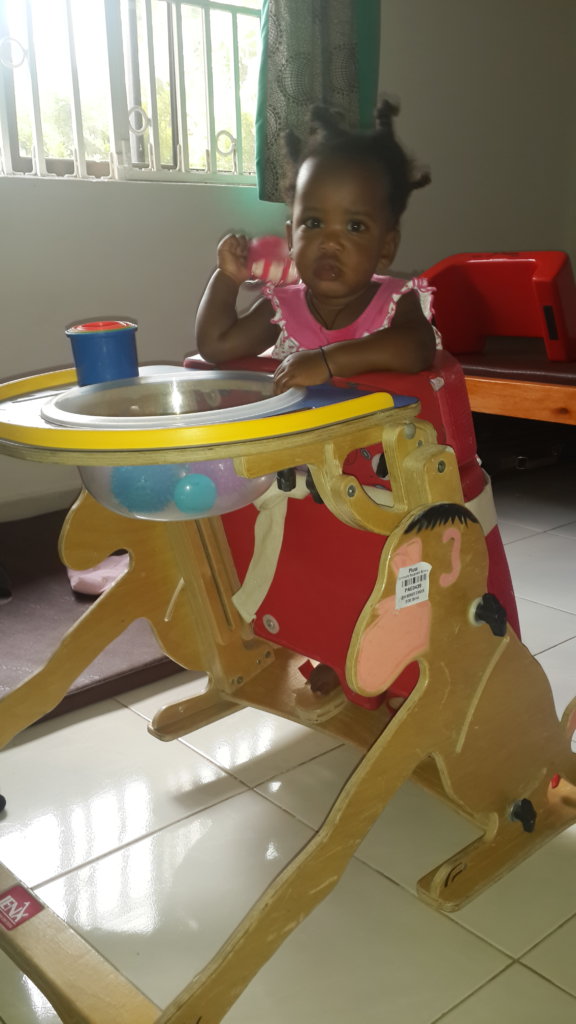
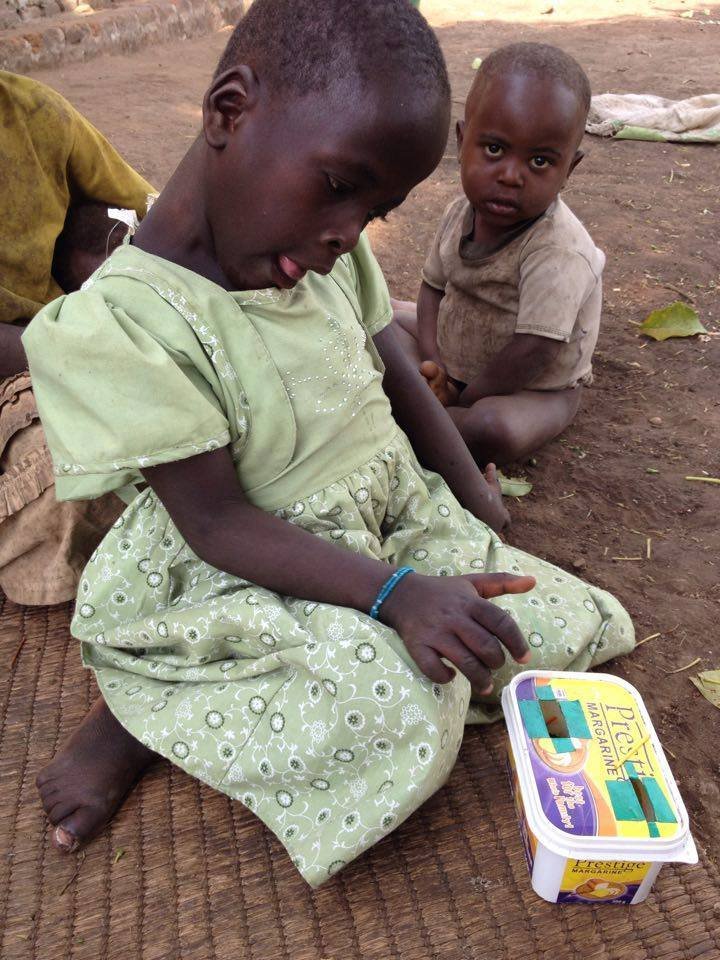
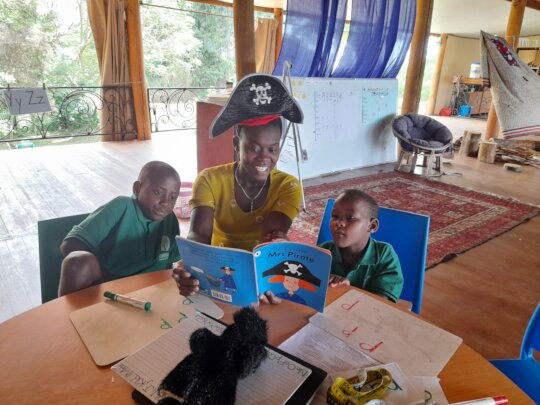
Kyaninga Child Development Centre has a strong belief that all children have a right to education and that disability should not prevent them from going to school. Consequently, KCDC has partnered with two government and one private school that are identified to integrate students with special needs, as well as regular visits to other local schools across the district where children with disabilities are attending. We work with both students and teachers to provide an optimal learning environment, adapted to each individual need.
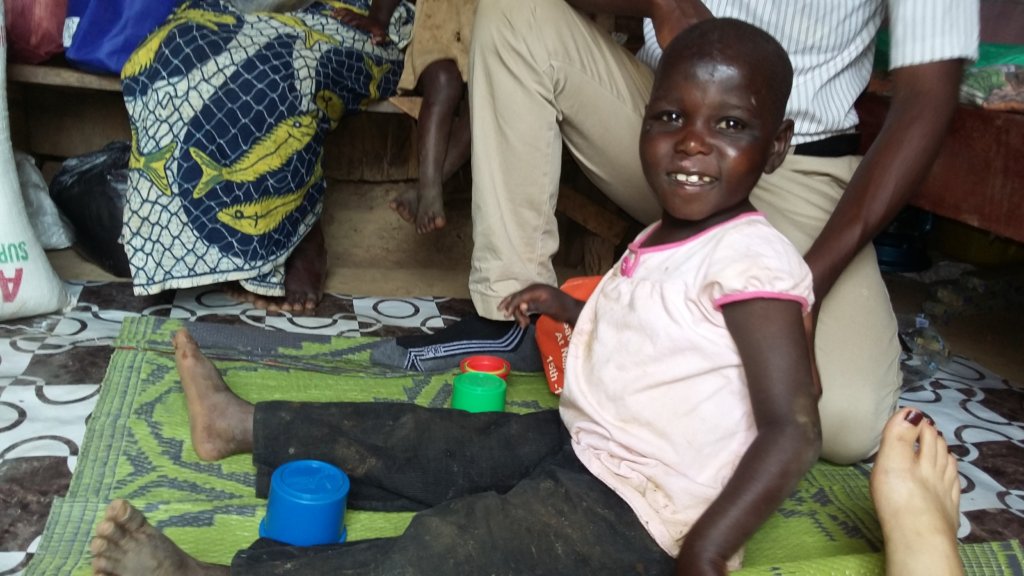
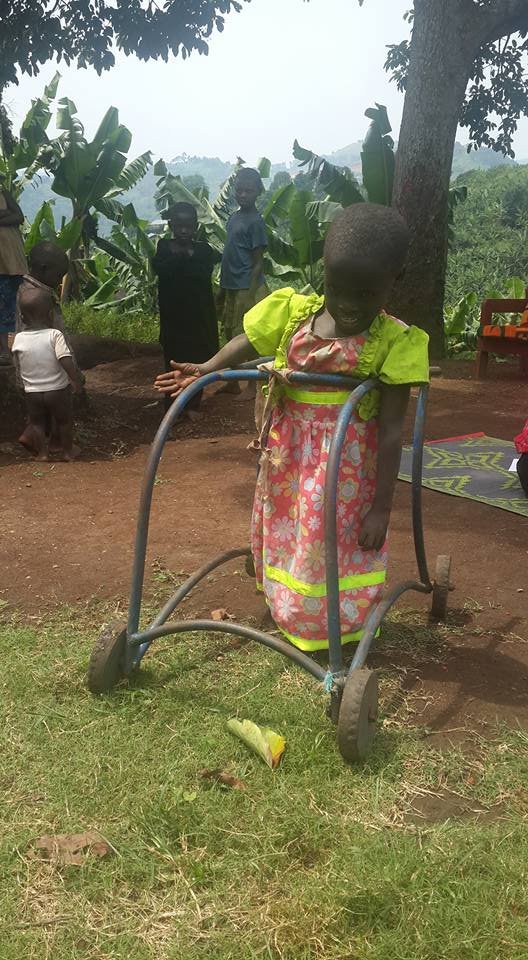
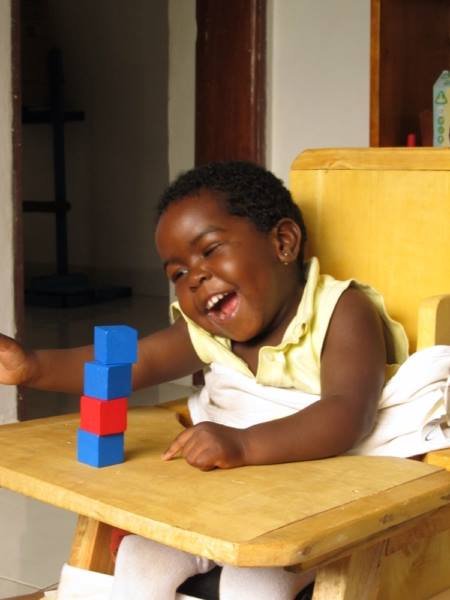
One such example is 8-year-old Tabisha. She is the 8th born in her family and has cerebral palsy from complications at birth. She has difficulty controlling all the muscles in her body, making walking, talking and writing a challenge, but she is extremely clever and has no intellectual disability. Her parents are strong advocates for her and enrolled her into the local nursery school, alongside her younger siblings. She has to be carried up and down the steep slope from her home, by her 11-year-old brother as the ground is too rough for her to be safe in the wheelchair. Her first-year school report, before KCDC became involved read ‘Would do better if she was normal’ and she had scored 15% in her tests – for shading and writing letters and numbers.
KCDC’s occupational therapist, Rachel, and speech therapy assistant Rehema, have been working closely with Tabisha, her family and the school teachers over the past year, to ensure that she stays in school and receives the support that she needs. This includes a workshop with the teachers to increase awareness about disability, and specifically her abilities and challenges and creating a communication picture board for use at school and home so that her needs are understood when her speech is unclear.
Working with the teachers to understand her level of functional ability in writing, and finding alternative ways to participate in the classroom has allowed Tabisha to improve her grades and be accepted by her teachers and classmates. Simple suggestions such as reducing the amount she has to write, limiting it to the most important points, means that she is able to keep up with the lesson and doesn’t tire too quickly. Using the communication board means that she can participate in class, and make her needs known quickly. Regular therapy has also improved her walking and writing ability: she is now able to walk short distances without support and can write all her letters and numbers legibly, using a weighted pencil for better control.
Tabisha is lucky that she has a family who believe in and value her future, but many children are not so fortunate – in the past year, of the 143 children referred to KCDC in 2016 of school-going age, only 42 (29%) are attending school, while 82 (58%) are not in school but could be and are capable of learning. When questioned, the families tell us that these children are excluded due to their disability, mobility limitations, family financial constraints or the schools’ unwillingness to accept a child with a disability.
In total, we have 111 children that we work with in school, but 141 not in school that should be. KCDC hopes to employ a special needs teacher to specifically work with schools across the district, to promote education, identify individual learning needs and provide support to both student and teacher and increase the number of children with disabilities not only enrolling into school but completing school and reaching their full potential.
Links:
Project reports on GlobalGiving are posted directly to globalgiving.org by Project Leaders as they are completed, generally every 3-4 months. To protect the integrity of these documents, GlobalGiving does not alter them; therefore you may find some language or formatting issues.
If you donate to this project or have donated to this project, you can receive an email when this project posts a report. You can also subscribe for reports without donating.