By Fiona Beckerlegge | Clinical Director
In July 2016, in partnership with Rwenzori Special Needs Foundation, Kyaninga Child Development Centre conducted a 2-day disability awareness and assessment campaign in 2 rural communities in Western Uganda. Families were informed of this activity through their churches, community leaders and radio announcement. The objectives of the 2 days were:
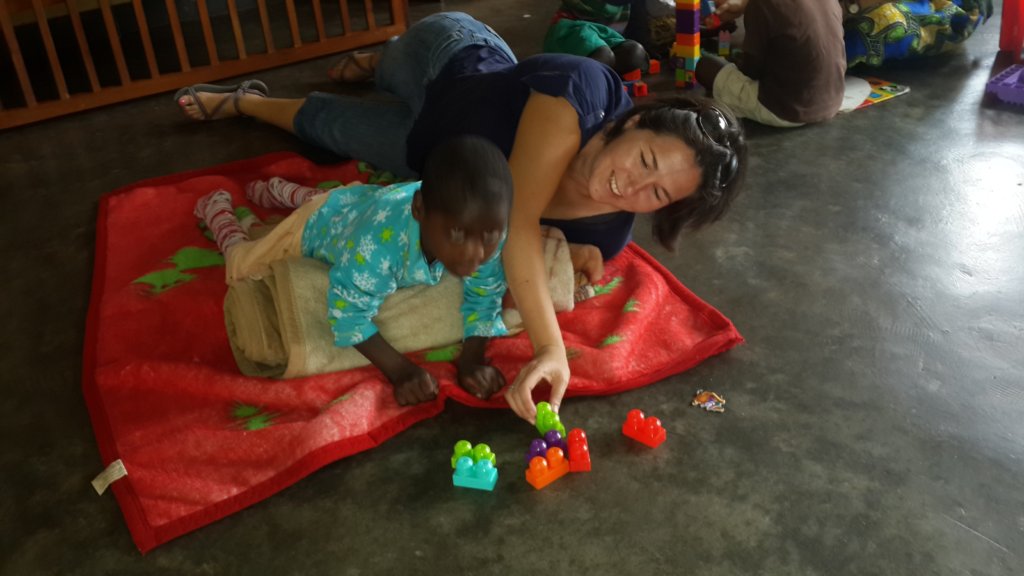
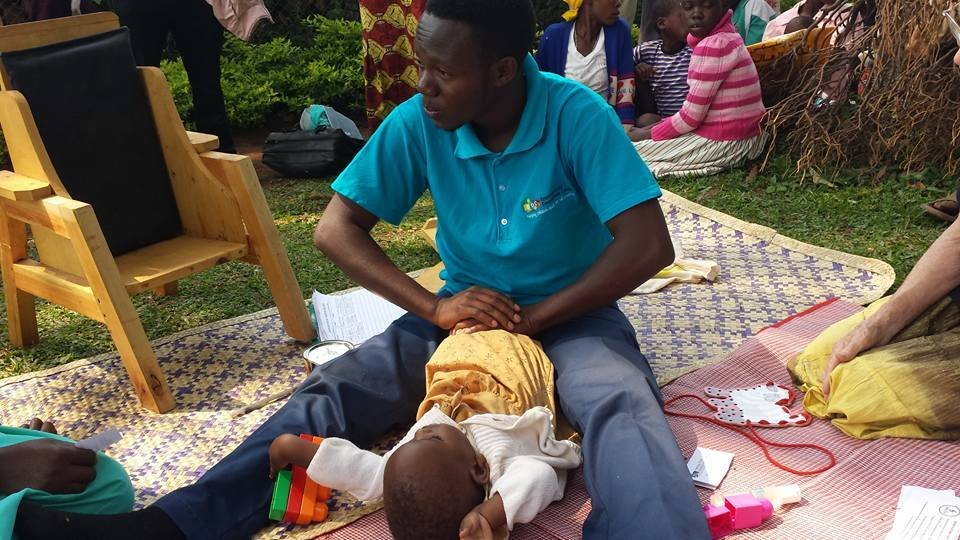
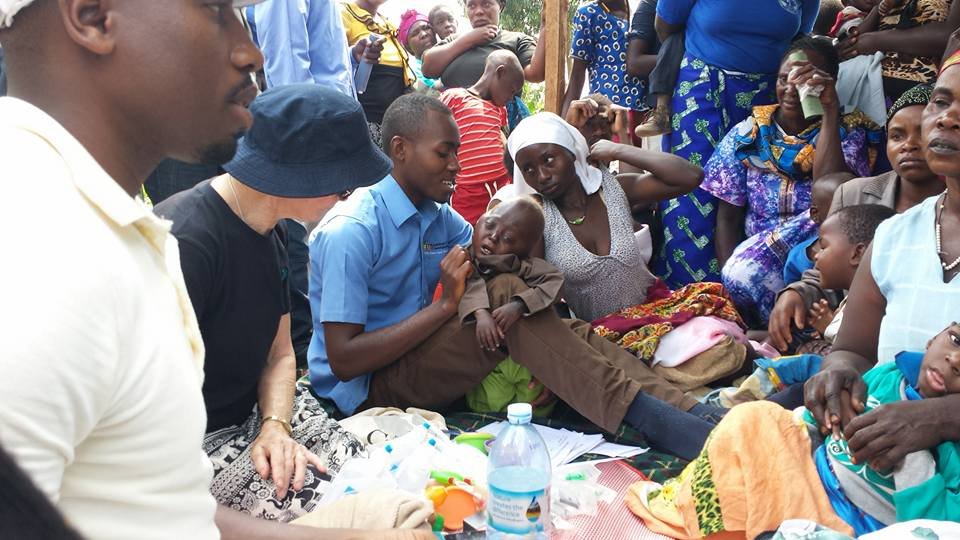
The first day was held at Katarasa trading centre, in the grounds of the primary school. This is a community at the foothills of the Rwenzori Mountains that relies on subsistence farming for survival. In total, 140 children were assessed by the team of physiotherapists, occupational therapists and orthopaedic technicians. The second day was held at Kiko trading centre, a small community surrounded by tea plantations, and where the majority of families depend on subsistence farming, and the low wages as a tea picker. A total of 113 children were seen by the same professionals on this day.
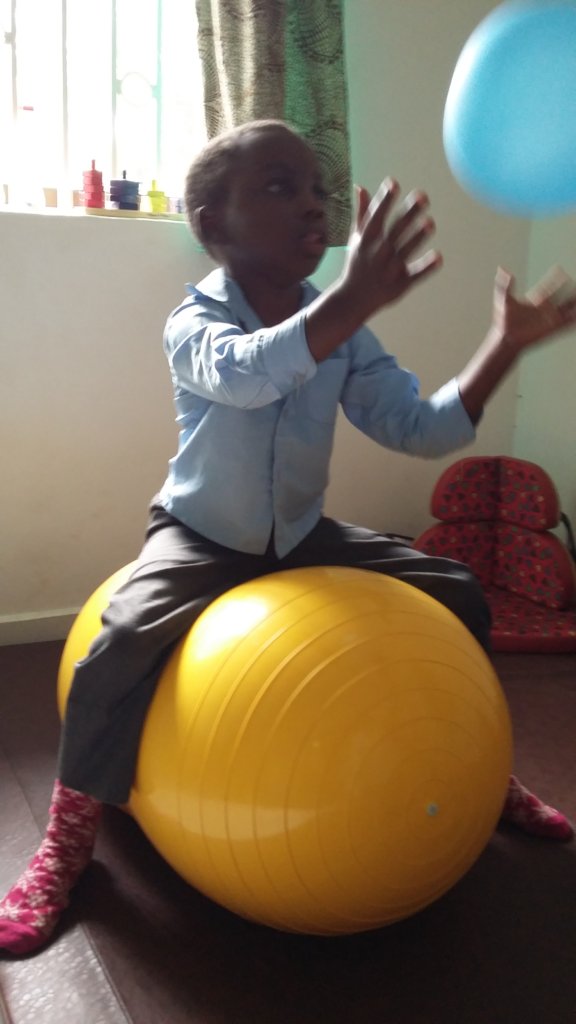
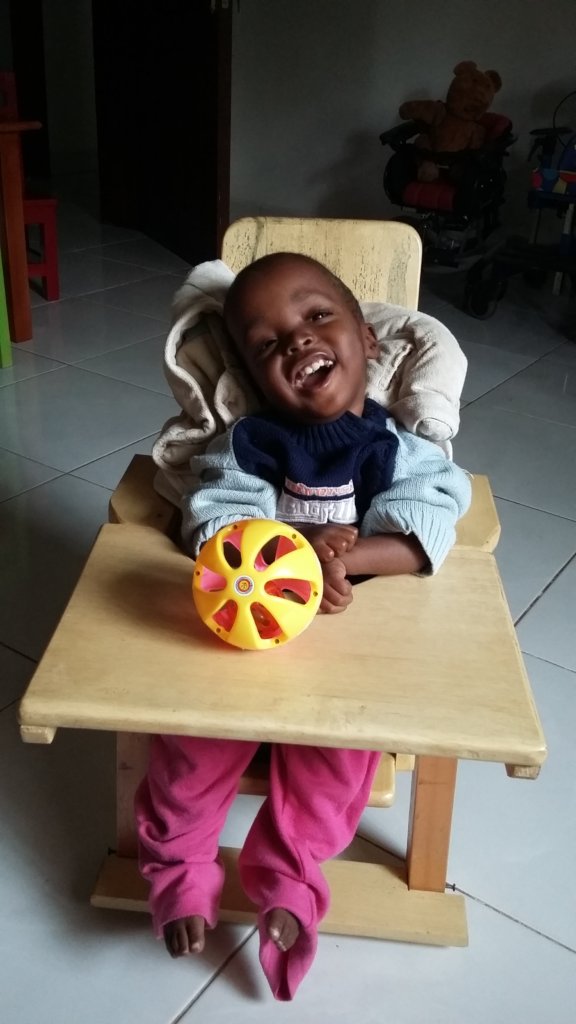
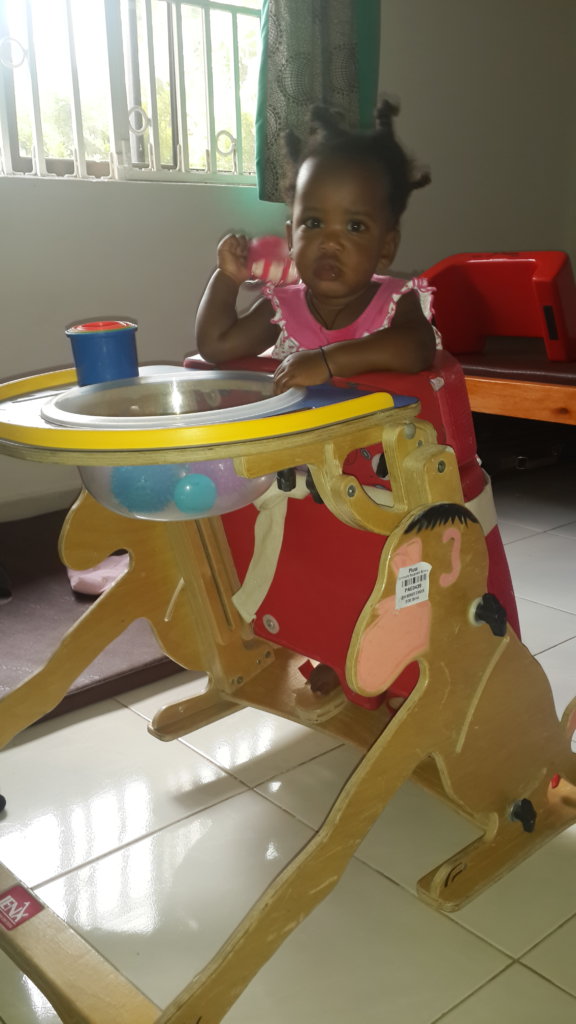
Children of all ages were seen and with a wide range of conditions and diagnoses, including cerebral palsy, developmental delay, quinine injection paralysis from the treatment of malaria, club foot and other congenital deformities, medical conditions and many more. More than 50% of these families had never sought medical intervention for their children’s illnesses and disabilities before these awareness days. Some of these children were referred on to hospitals for management of medical and surgical problems, but over 100 require further assessment and rehabilitation from Kyaninga Child Development Centre.
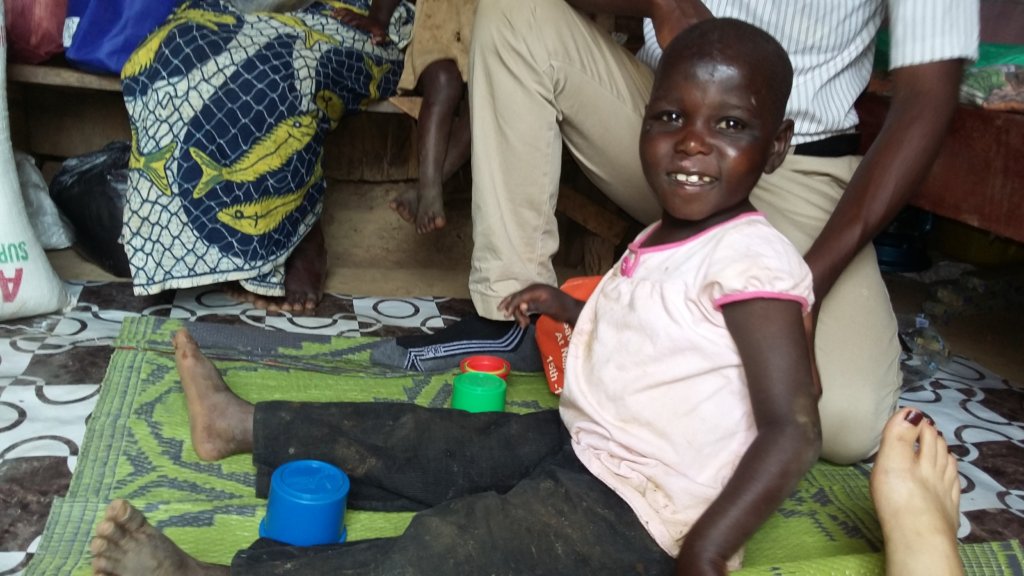
Children such as 9-year-old Lucy, who lives with her mother, and is unable to stand or walk, and doesn’t talk, but appears to understand things said to her and is interested in her surroundings, she was watching what everyone else was doing. Her mother reported that she leaves her lying on a mat in the house every day while she goes out to work in the garden or try and earn a little money for food for them both. Lucy was very malnourished but was able to feed herself while lying down or supported in sitting.
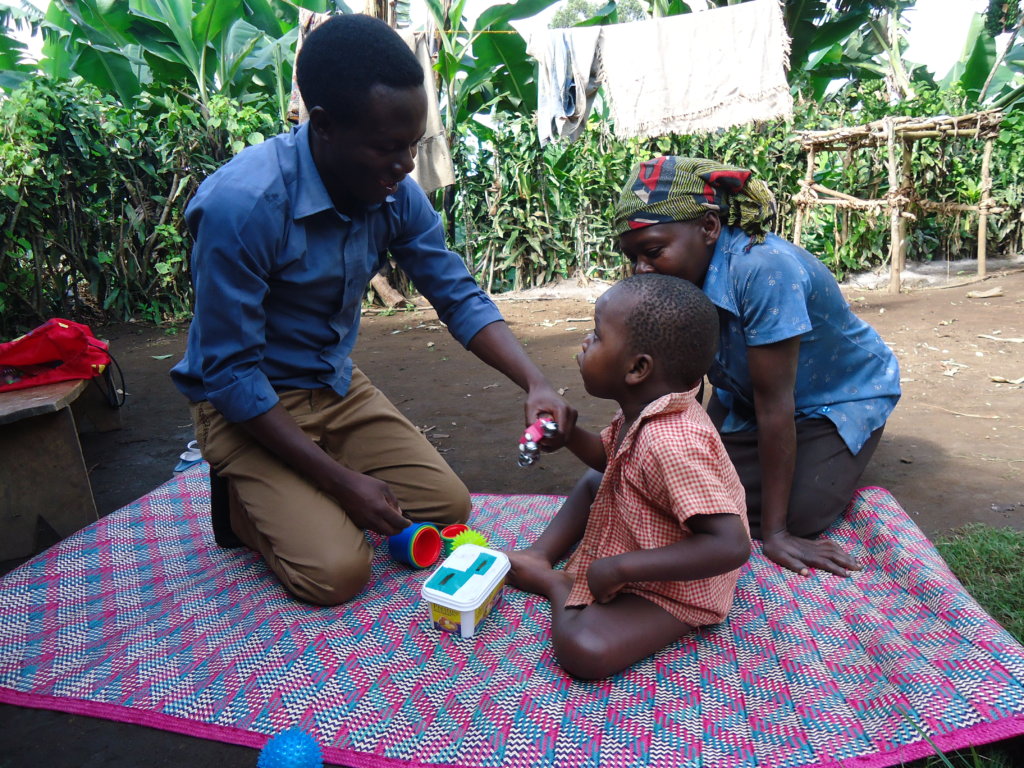
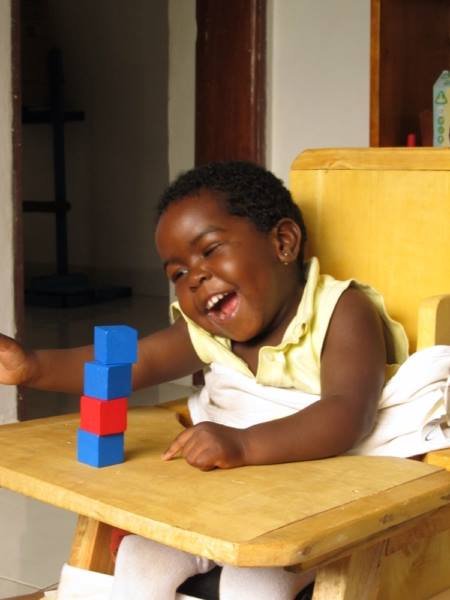
When our Physiotherapist, David, assessed her, he found that she was actually able to sit independently for a few minutes and try to play with some blocks, which shocked her mother; she had no idea her daughter was able to sit alone. She was even more surprised when Lucy was able to stand with support and even attempted to take a few steps holding on to wooden bars for assistance. When questioned the mother told us that Lucy had been unwell as a young child, but as she was a single mother with no help for childcare she was forced to leave Lucy at home during the day while she worked, and she had never learnt to sit or stand, and as she didn’t have enough money to pay for transport to the hospital or to pay for the necessary investigations she just cared for her as best she could.
This sad story has a happy ending, because Kyaninga Child Development Centres community outreach programme already visits children in a nearby village and can now also visit Lucy on a regular basis and work on building up her strength and stamina so that she is able to participate in household activities, play with other children in the village, help her mother work in the garden and maybe even attend school.
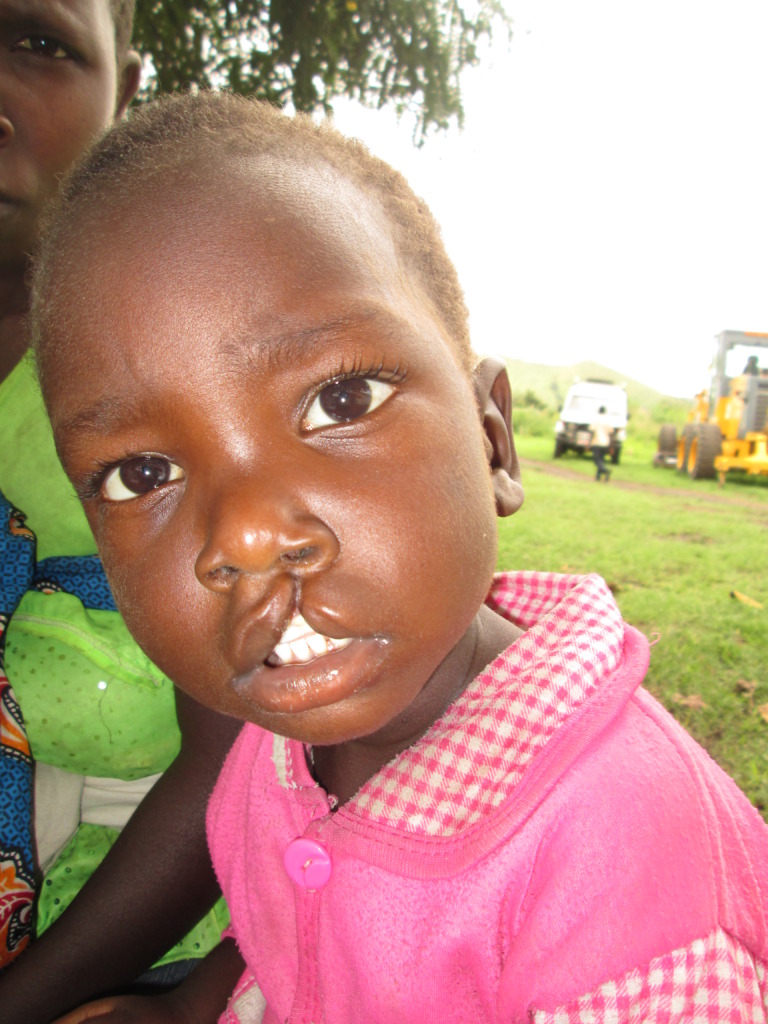
Another child, Prossy, was brought for assessment by her grandmother. Her mother had left when she was very young and her grandmother is now her main carer. Prossy is 4 years old and was born with a cleft lip. Local belief is that this is caused by swallowing an insect during pregnancy that then eats the childs lip within the womb. The grandmother told us this story, and that the mother had left to find work to support all her children. They didn't know that any treatment or correction was available and so had not sought a medical review. Because of this community awareness programme, Prossy will now be able to have free surgery to correct her lip, and no longer be teased by the children in her village.
These stories will give you some insight into the lives of children that we meet daily during our outreach programmes to rural communities in Western Uganda, and demonstrates why we are trying to raise the funds to extend our programmes to reach many more children in urgent need of help
Links:
Project reports on GlobalGiving are posted directly to globalgiving.org by Project Leaders as they are completed, generally every 3-4 months. To protect the integrity of these documents, GlobalGiving does not alter them; therefore you may find some language or formatting issues.
If you donate to this project or have donated to this project, you can receive an email when this project posts a report. You can also subscribe for reports without donating.