By Fiona Beckerlegge | Clinical Director
With Sign Language, everyone is included!
Last week was International Week of the Deaf, and includes the UN sanctioned International Day of Sign Language on September 23rd. Despite so many advances in technology and disability awareness, children and adults with hearing impairments are still so underserved and live in an isolated and mis-understood world.
Children with hearing impairments are one of the most vulnerable groups of children with disabilities in Uganda, as they are unable to hear and understand the world around them, and have difficulty accessing education, despite no cognitive impairments. Deaf children are undoubtedly targets and victims of abuse and neglect given that community members take advantage of their disabilities and their inability to report abuse (2002 Ugandan Census Report). It is estimated that 13% of children in Uganda are living with a disability, of which 3.5% are hearing/communication related.
Here in Western Uganda, access to hearing services is extremely limited; there are no doctors able to assess hearing, provide treatment or prescribe hearing aids. Overall, 40% of deafness is a result of infections and diseases, 30% is due to damages and diseases during pregnancy, 15% is due to genetic reasons, 10% is the result of an accident or a physical mistreatment and 15% is due to unknown causes (Uganda National Association of the Deaf, 2011).
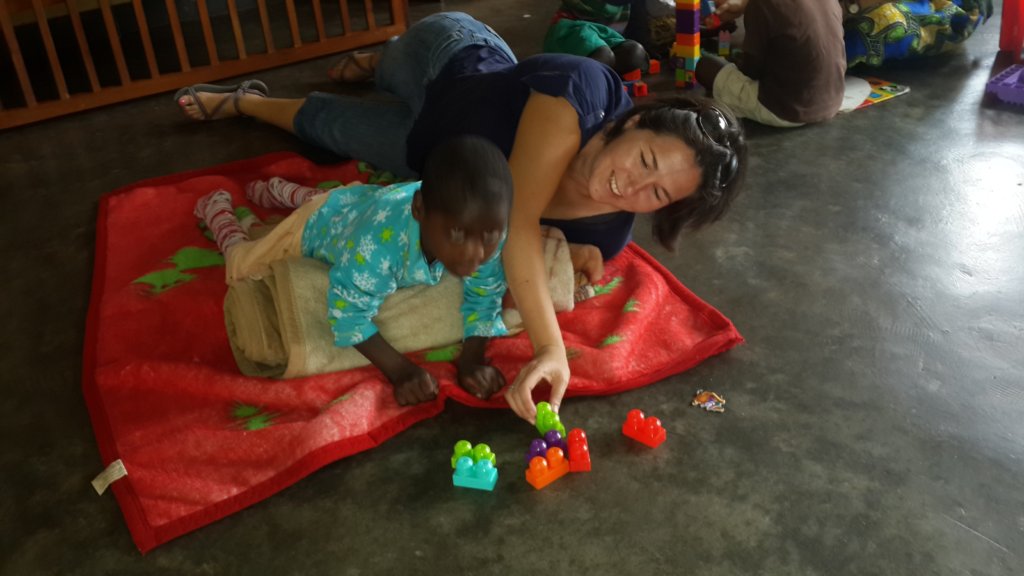
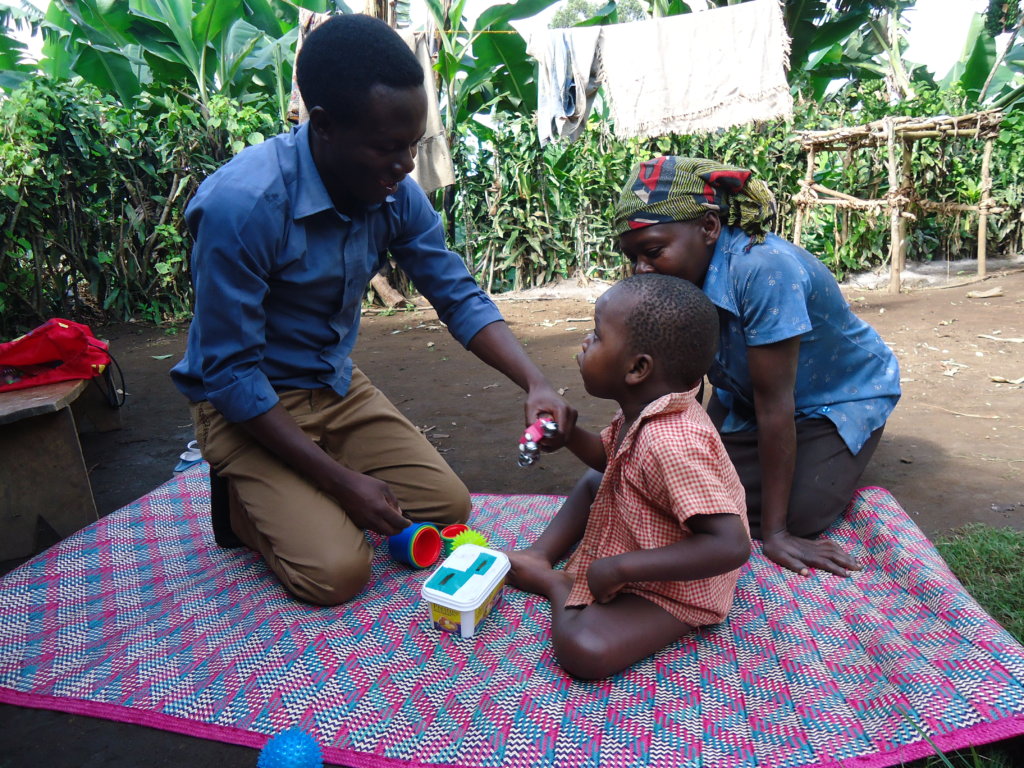
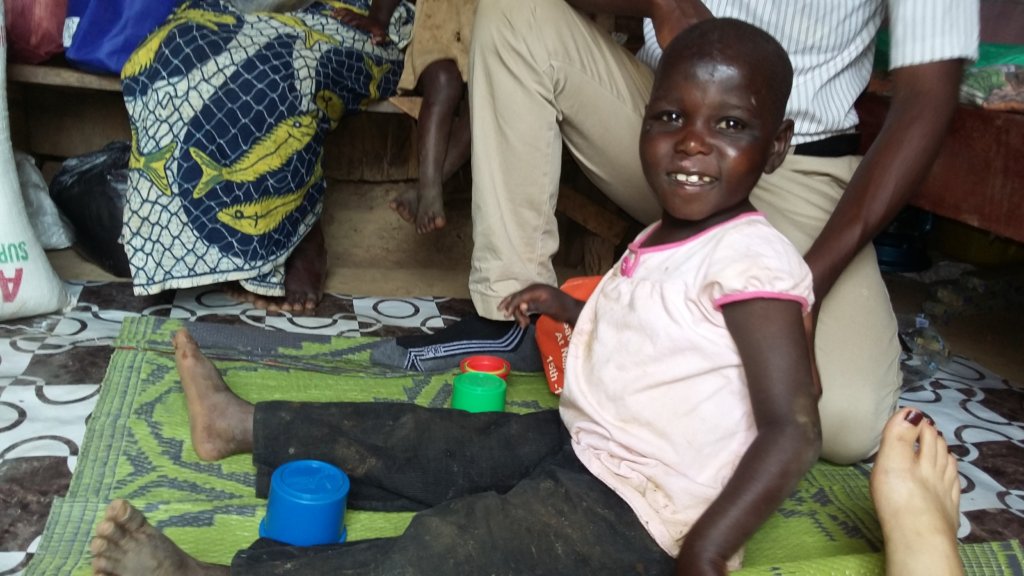
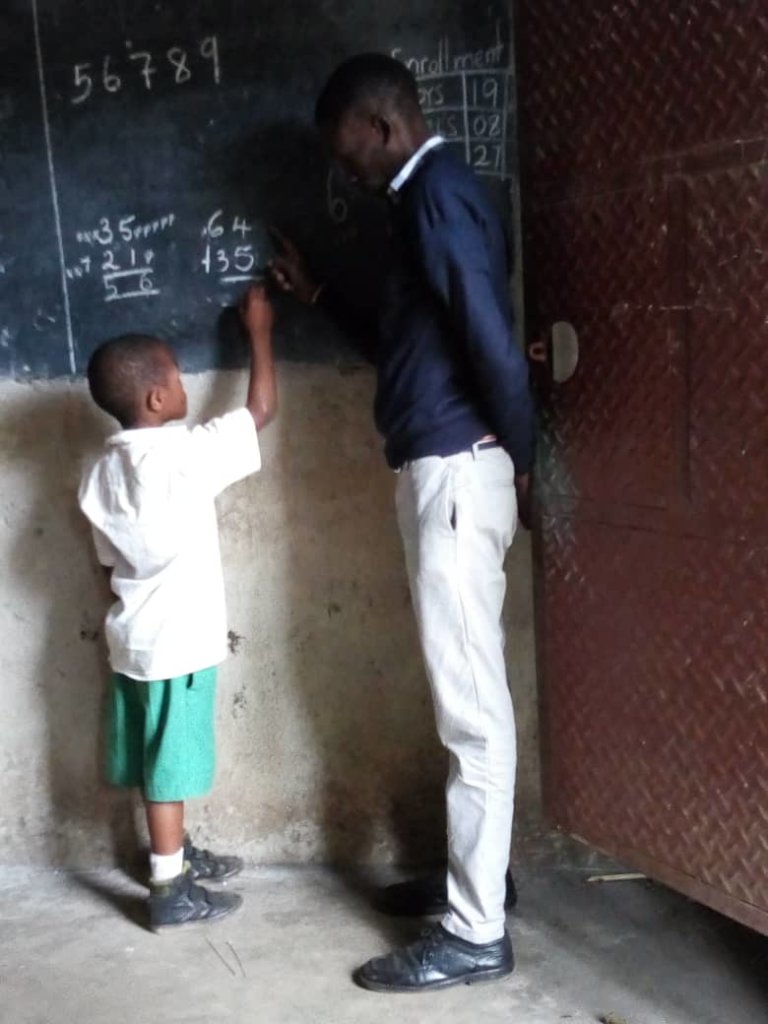
Kyaninga Child Development Centre (KCDC) is at the forefront of changing lives for children with a wide range of disabilities, including deafness and hard of hearing. We are fortunate to have Swaib, a disability support worker on our team who is himself partially deaf and fluent in sign language. He works in homes and schools across the district, teaching sign language to children, parents and teachers so that everyone can communicate and be included.
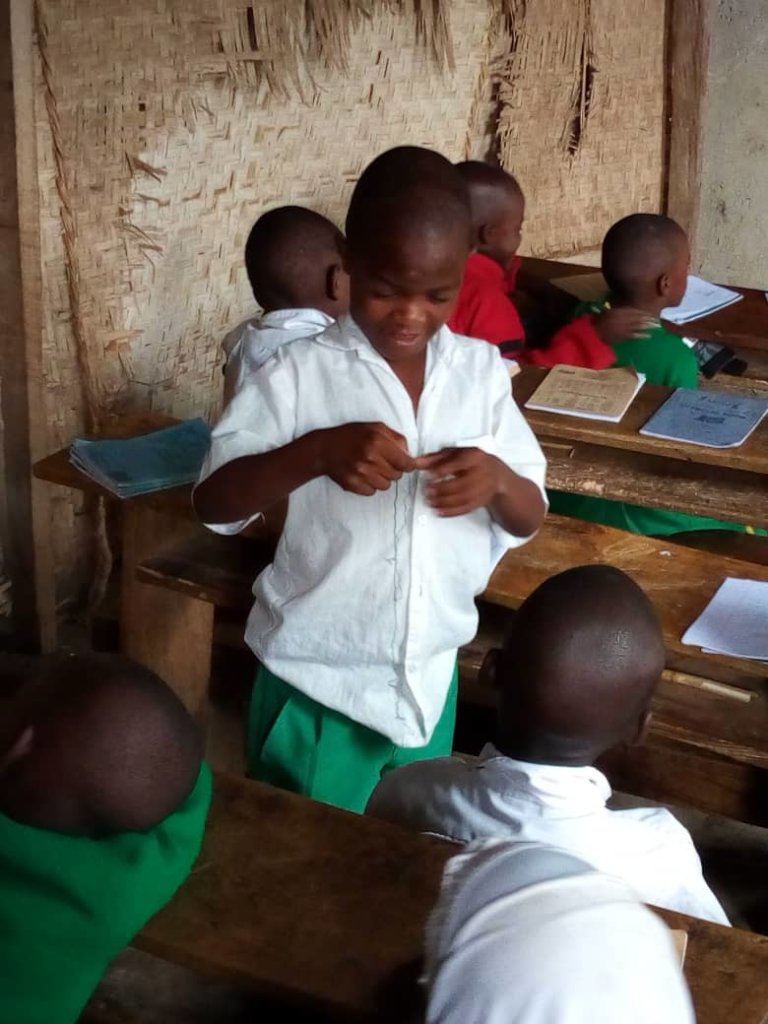
Children like 10-year-old Aziz have greatly benefitted from this service, and it has changed their lives for the better. Aziz has had a hearing impairment for 9 years, since he contracted Malaria at 11 months and had an adverse reaction to the Quinine treatment he received. After that he changed, no longer reacting to sounds and voices around him, his mother Zaifun tells us. He learnt to communicate by pointing and gestures with his family, but the rest of the community are unable to understand him, and the local nursery school was very reluctant to let him enrol.
KCDC speech and language therapists began by teaching Aziz and his family Makaton sign language, simple signs that can be used by the family to communicate more effectively and extensively. His nursery school teachers were also willing to start learning Makaton at the same time, so that they would also be able to communicate with him more effectively. Aziz moved to a local primary school which has good support for children with disabilities and he met other children with hearing impairment, he had never understood that other children were like him too. With the recruitment of Swaib, KCDC was able to start teaching sign language to Aziz, his family and friends. He quickly learnt to sign the alphabet and numbers, and so did his peers. The teachers at his new school also know a little sign language so between them they are all learning to communicate.
Aziz has gained so much self confidence since starting to learn sign language and meeting friends like him. His family report that he is happier at home, and much more willing to engage with the family and the local community. But until sign language is learnt by the wider community, simple tasks such as buying food at the market, interacting with people or even successfully getting employed will remain a great challenge to those with hearing impairments.
Links:
Project reports on GlobalGiving are posted directly to globalgiving.org by Project Leaders as they are completed, generally every 3-4 months. To protect the integrity of these documents, GlobalGiving does not alter them; therefore you may find some language or formatting issues.
If you donate to this project or have donated to this project, you can receive an email when this project posts a report. You can also subscribe for reports without donating.