By khulud khamis | development and outreach coordinator
Project Summary
Kayan helps to mobilize Arab women as social change agents and community leaders and activists through long-term investment in the development of women’s leadership at the grassroots. Support of grassroots community organizing in Arab villages has emerged as a cornerstone of Kayan’s work, a tool that empowers women to overcome imbalances and to improve their lives in tangible ways. Working through bottoms up approach, the program begins with intensive personal empowerment, working up to political empowerment, which leads to community engagement and local leadership. Becoming local leaders will pave the path for program participants to integrate into decision-making processes first on the local level and, ultimately, on the national level. The program also connects women from isolated villages through our Jusur Women Leaders Forum, enabling networking, exchange of experiences, learning from one another, leading joint actions, and consolidating common national agenda and goals.
Vision: Kayan envisions a secure and just society free of gender-based discrimination, in which Arab Palestinian women in Israel enjoy full and equitable opportunities for self-actualization, and take a leading and active part in society through realizing their individual and collective rights.
Mission: Kayan strives towards consolidating an active, systematic, nationwide Arab Palestinian feminist movement that actively effects social change through contesting the root causes of gender-based discrimination, defending and promoting the rights of women, and ensuring their integration in decision-making positions in general.
Jusur (Bridges) – National Forum of Arab Women Leaders
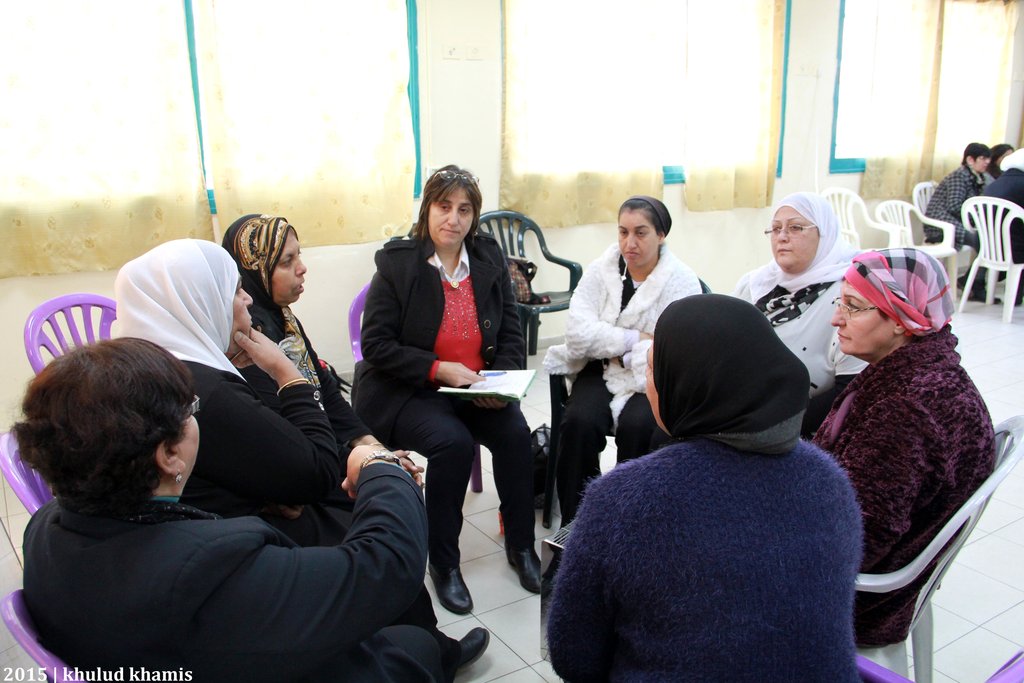
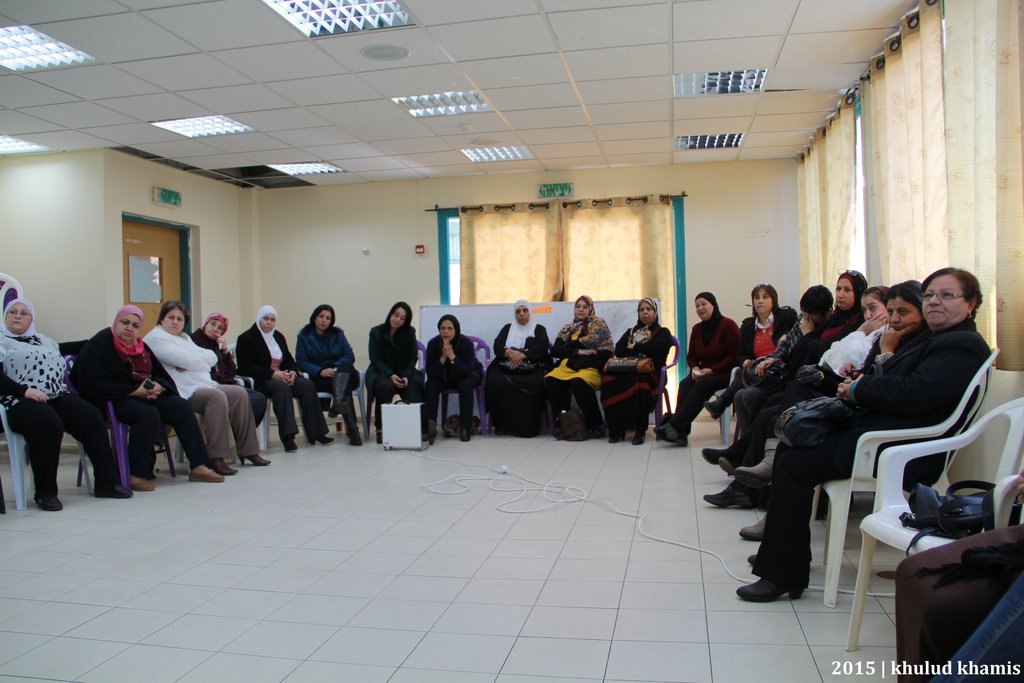
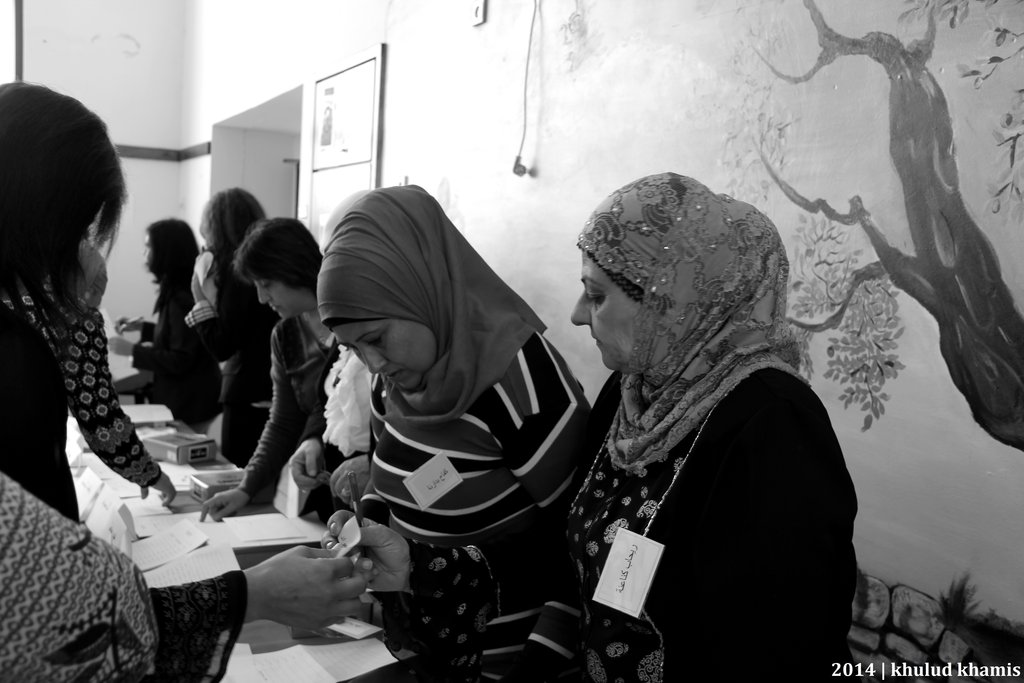
Grassroots community activism is integral to Kayan’s vision of social change, empowering women to overcome imbalances and improve their lives in tangible ways. Our core methodology, Jusur (Bridges) – National Forum of Arab Women Leaders, provides a crucial framework that ensures the sustainability of community-based initiatives for social change. This national forum consists of about 45 women community leaders from approximately 20 villages where Kayan works. Jusur members meet on a quarterly basis, and once a year participate in a two-day retreat. During these meetings, the women exchange experiences about critical issues pertaining to their lives, discuss priorities of their activism, tools and methods, working relationships, barriers to success and effective partnerships with other non-governmental organizations and public authorities. In 2015, the thematic focus of the Forum’s work is violence against women, gender-based killing of women, and participation of women in local politics. Kayan has invested considerable efforts in expanding the forum in order to ensure a sustainable framework that creates long-term, tangible results. It is important to note that this model is unique and it is the only forum of such scope in Israel, bringing together women from marginalized and disenfranchised villages, where they remain isolated from other groups of women and from the public sphere, giving them the sense of belonging, solidarity, and strength.
Activity progress report
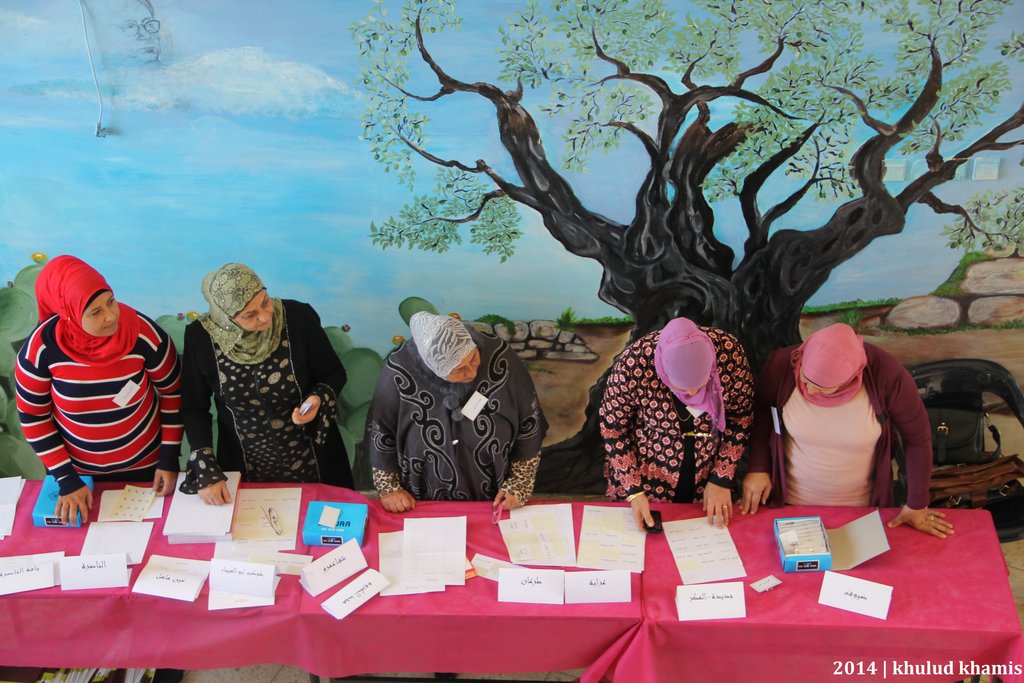
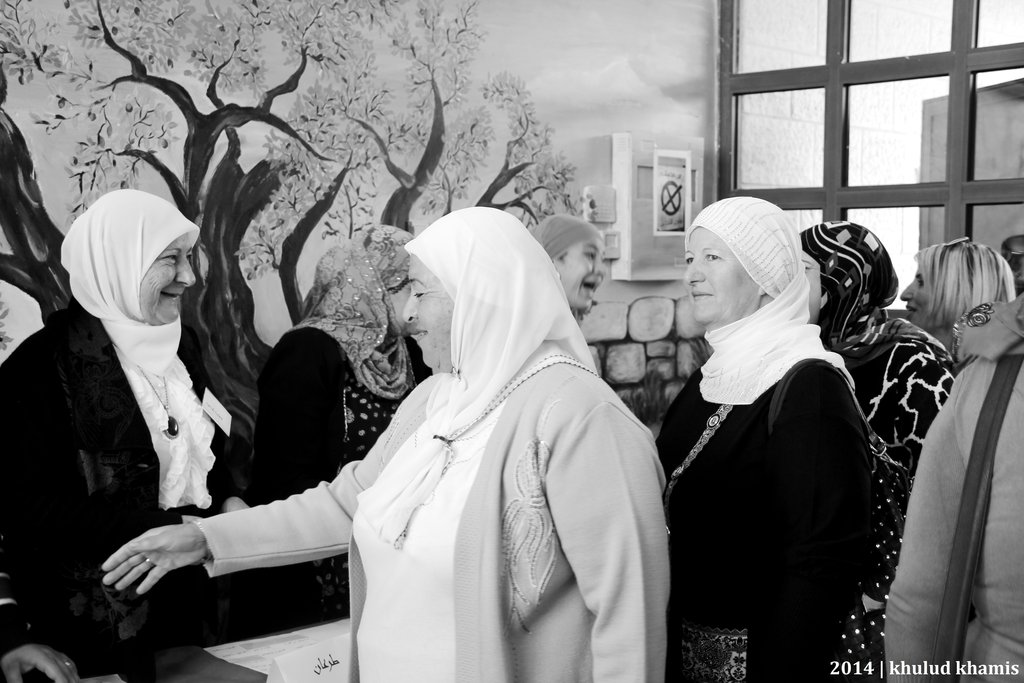
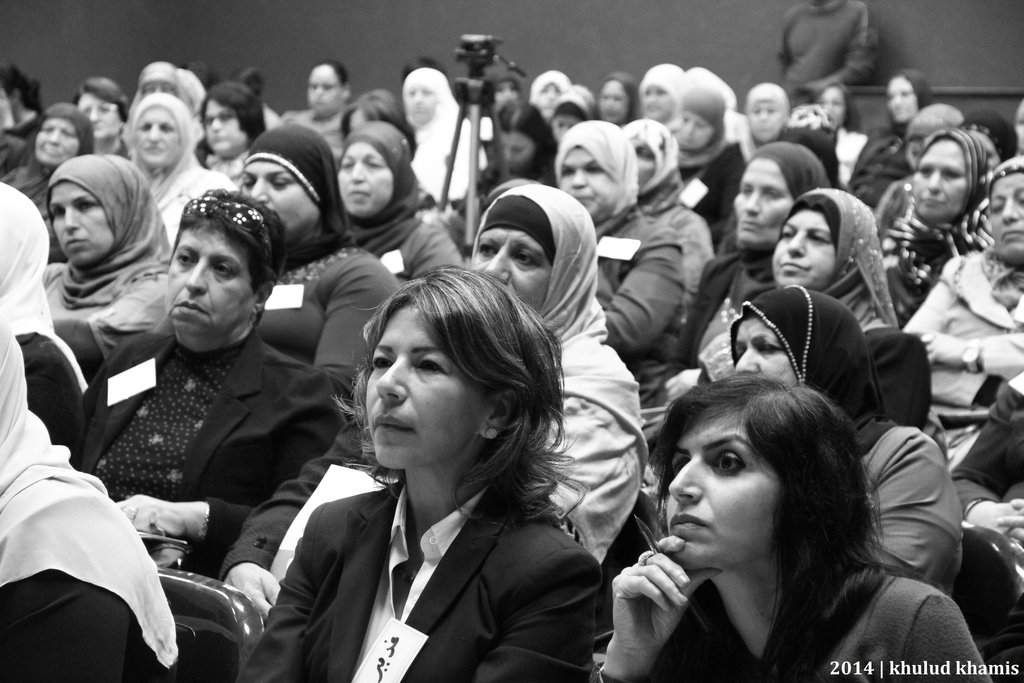
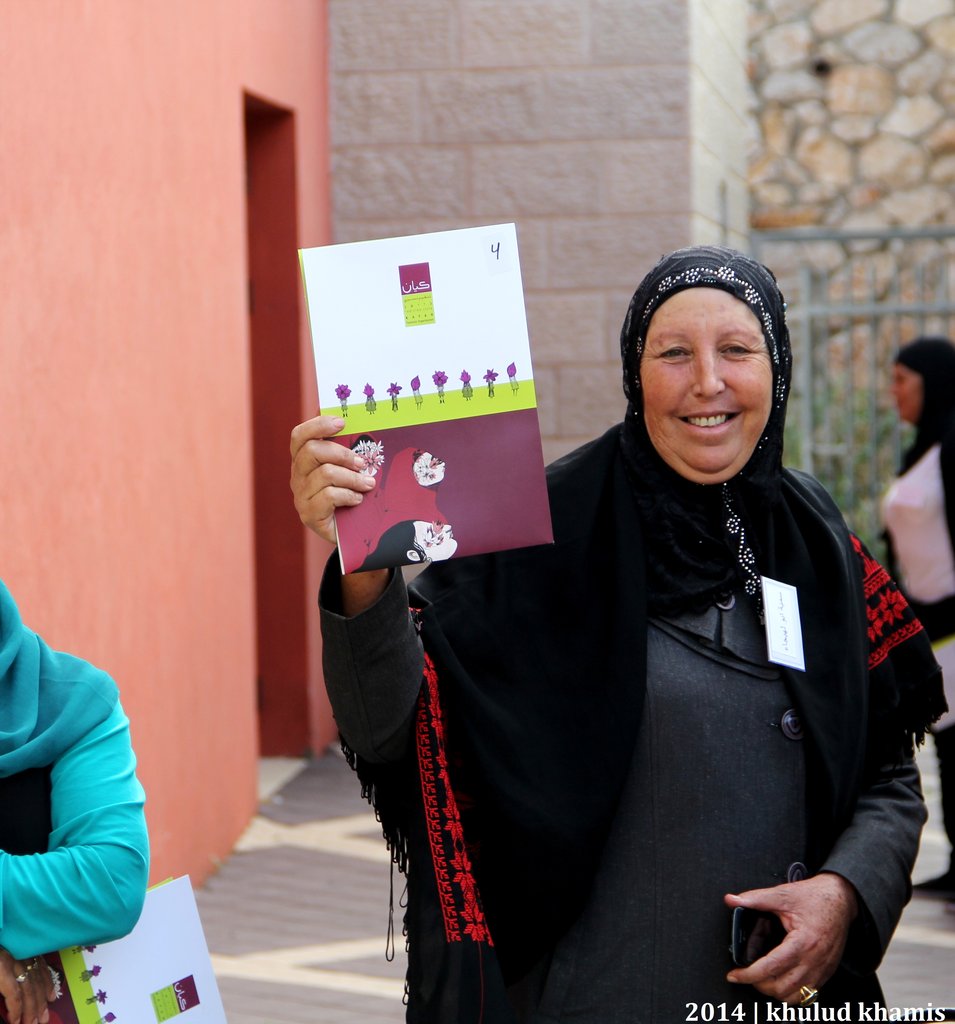
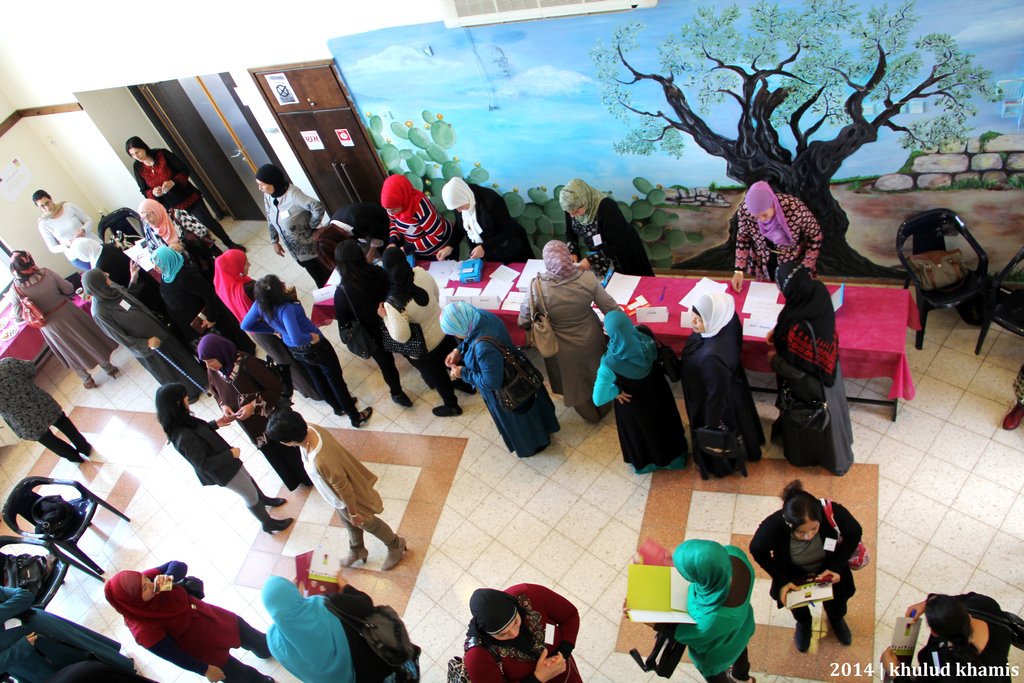
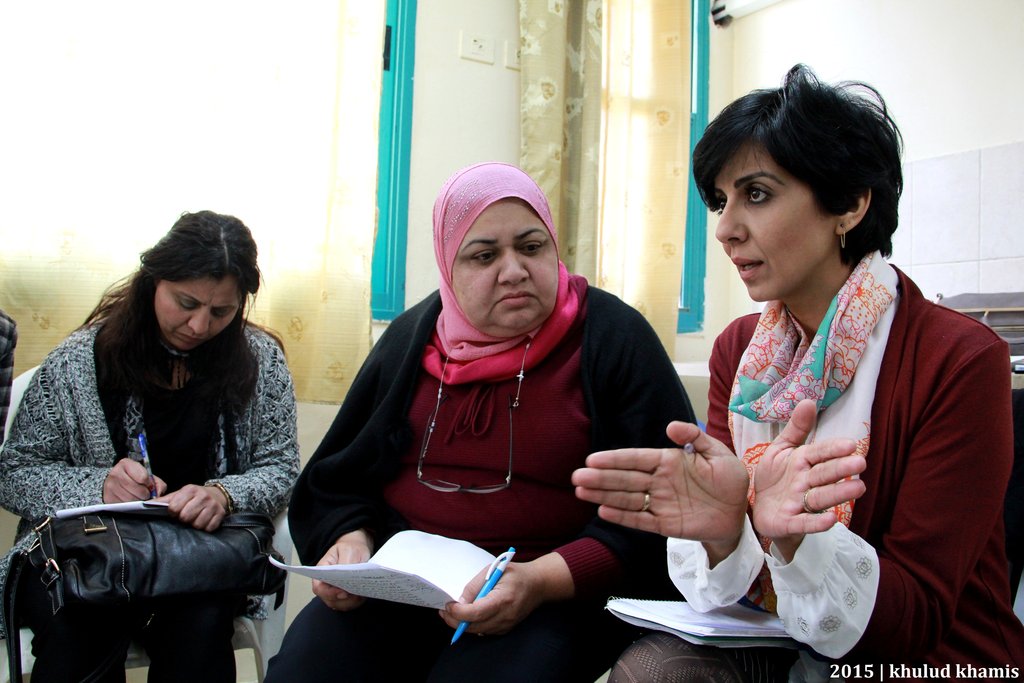
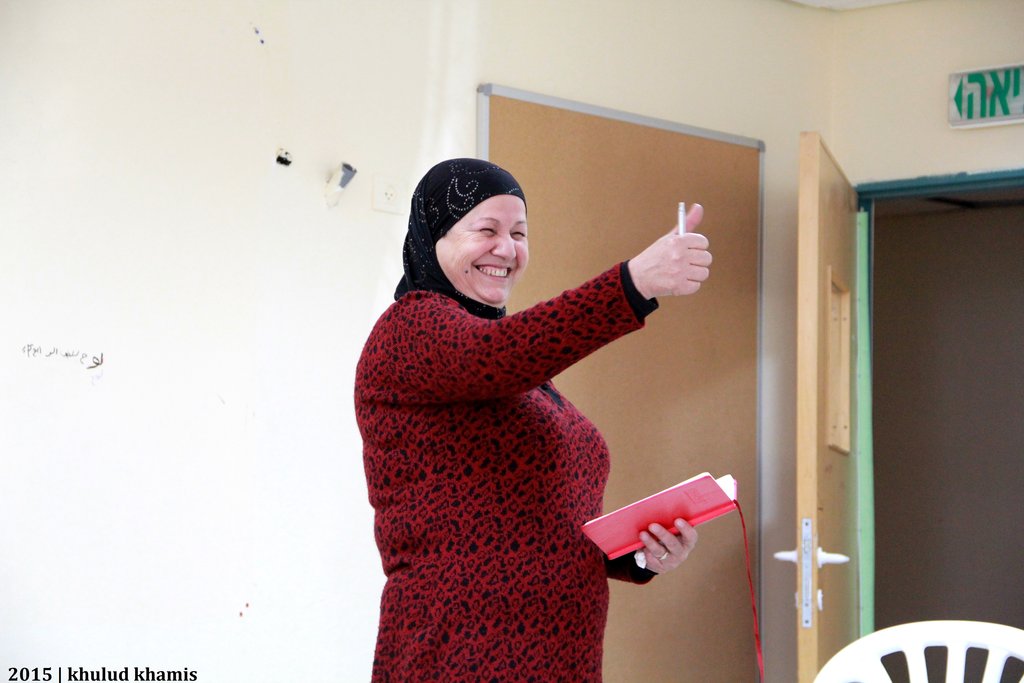
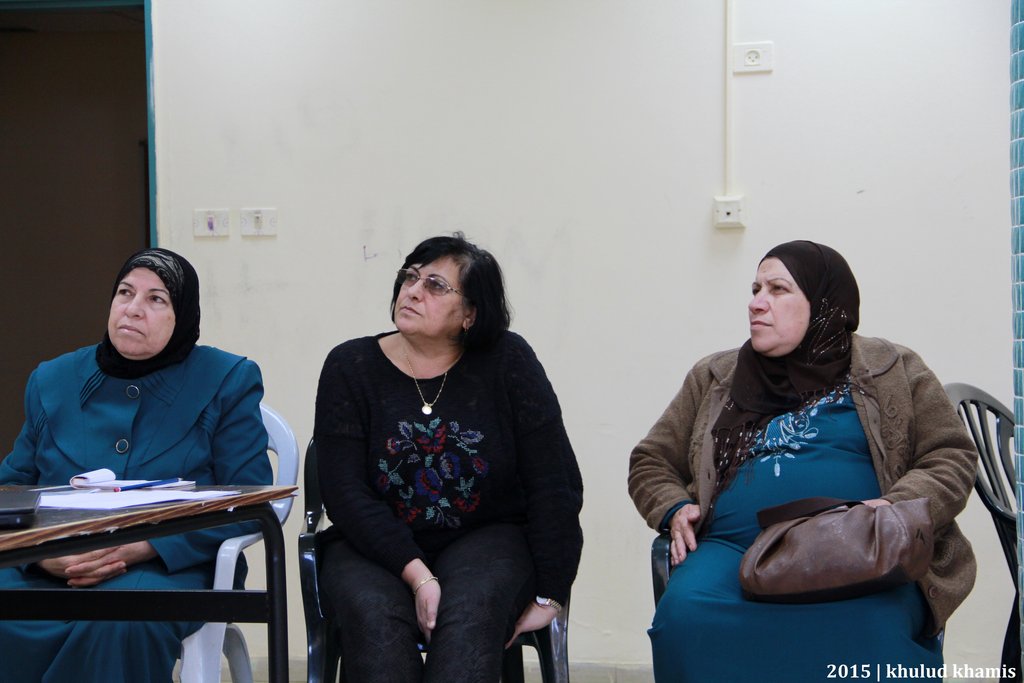
We began 2015 with a network meeting, held at the village of Kaukab Abu El Heja in the North of Israel on 26 January. This meeting focused on two main themes: women’s health and violence against women.
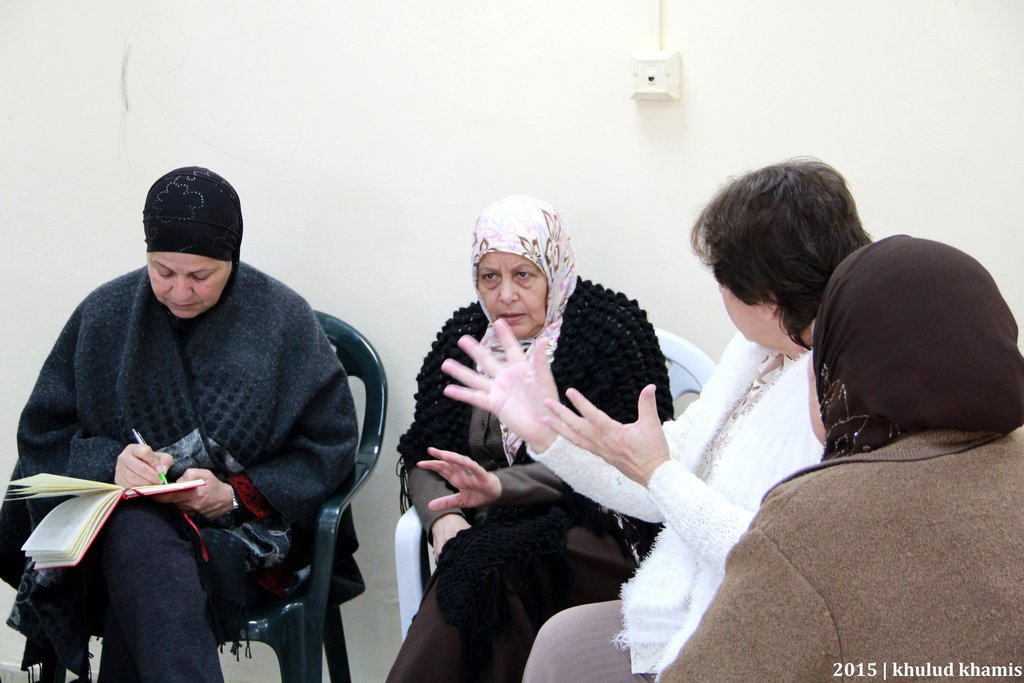
The first part of the network meeting was titled "The Sustainable Leadership for Women’s Health” Program. Kayan’s community organizer opened with a short presentation of the program, the issues it deals with, and some of the recent achievements. Representatives of three local women’s groups from the villages of Deir Hanna, Sulam, and Yaffit Al-Nasrah then each shared their group’s work and achievements on the local level. Group work on the topic of health followed in the form of workshops. The workshops focused on the following: suggestions for expanding the health program to additional villages; what are the health needs in different villages and how can the health program be expanded so that additional villages can benefit from the experiences of the villages that are already working on the issue and, what is the role of the Jusur Forum in contributing to the development and expansion of the Health Program. Within each of these workshops women brought up issues, and proposed solutions and ideas relating to the topics of the workshops. Some ideas proposed by the women included organizing national health conferences, planning a public health day in the villages in which all families can undergo specific preventative exams on the same day and in coordination with local HMOs, and recruiting Knesset members and health ministry officials to promote health programs.
The second part of the network meeting was on the theme of battling violence against women. The workshop in this section was titled What Can I do and Where Can I go? Our Role as Women Leaders in the Jusur Forum. The workshop included definitions of violence, and participants gave their own interpretations of the term. Then, under the guidance of Kayan’s Community Organizers, the women brainstormed on the topic of violence. They examined the varied manifestations of violence. They did a simulation of a specific case of a battered woman that lead to a discussion of how they would respond if approached by the battered woman for assistance. Some conclusions generated by the women included: violence does not cease at a certain age or in certain generations, and it is critical to deal with abusers and not only focus on victims since this can perpetuate abuse. This part of the network meeting concluded with the decision to hold a national event on violence against women,
These two themes are among the central themes the Jusur Forum has been focusing on in 2014, and they will expand their work on them in 2015. Together, Kayan and Jusur are planning national activities on both these issues this year in order to put them on the public agenda and promote the health status of Palestinian women in Israel and eradicate the phenomenon of women’s murder.
Links:
By Khulud Khamis | Development and Outreach Coordinator
Project reports on GlobalGiving are posted directly to globalgiving.org by Project Leaders as they are completed, generally every 3-4 months. To protect the integrity of these documents, GlobalGiving does not alter them; therefore you may find some language or formatting issues.
If you donate to this project or have donated to this project, you can receive an email when this project posts a report. You can also subscribe for reports without donating.