By Judy Frater | Project Director
KALA RAKSHA MUSEUM
REACHES OUT, FROM LOCAL TO GLOBAL
KALA RAKSHA MUSEUM
PROJECT REPORT 25 JANUARY -15 JUNE 2013
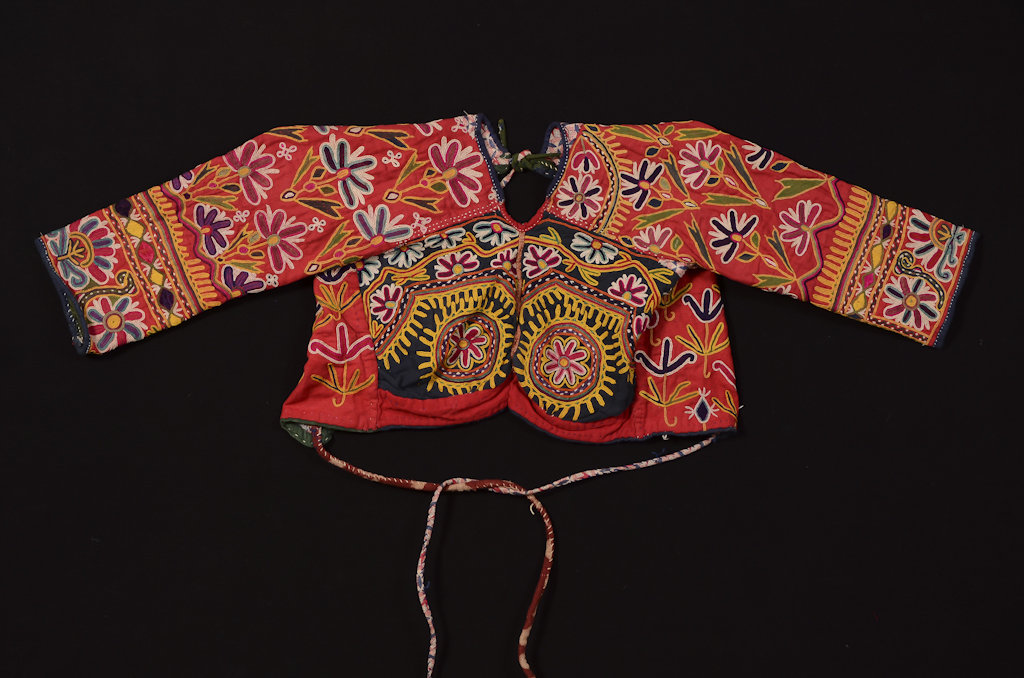
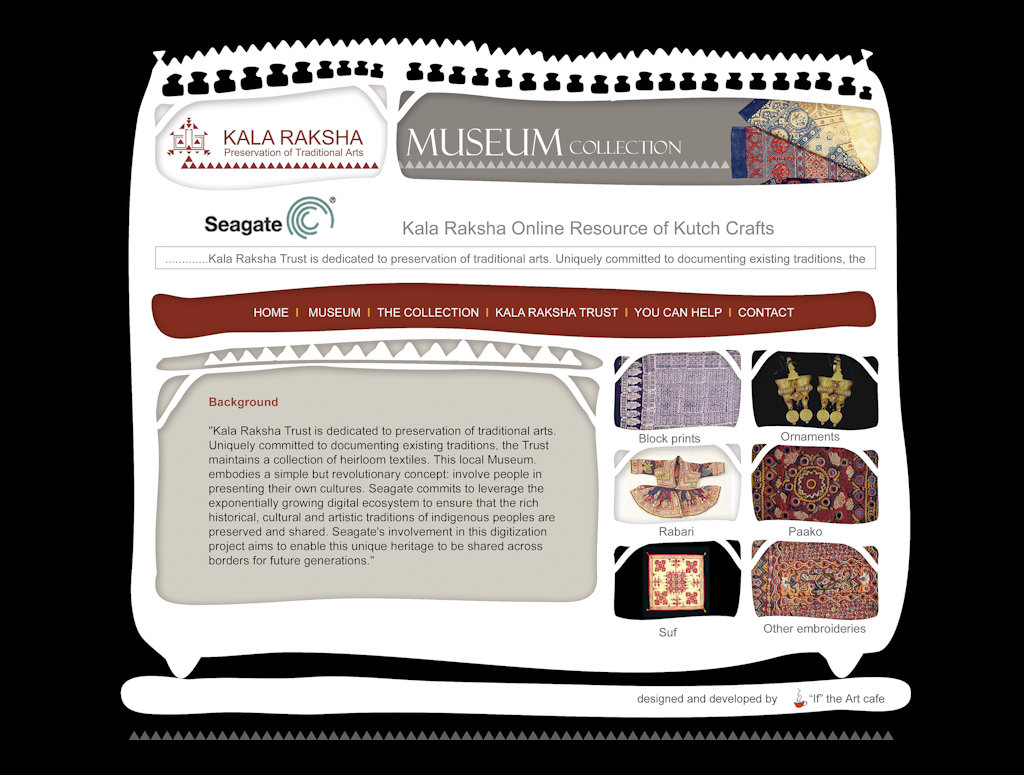
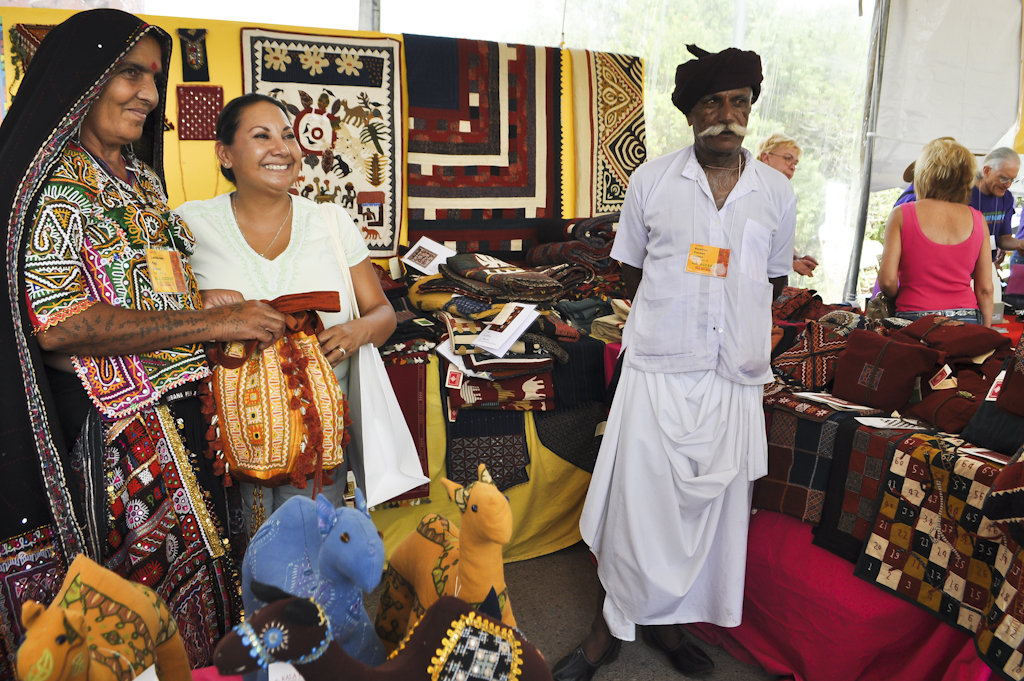
Since its inception, Kala Raksha has dovetailed the collection and preservation of traditional pieces with income generation. The Trust established an international quality Museum of textiles and related materials in 1997. Two features of this Museum make it unique. First, the Museum is based in the village itself. Artisans have access to and responsibility for it. Second, artisans were involved in all phases of the development of the Museum. They assisted in collection, were engaged in documentation, and consulted in the permanent exhibition. The Kala Raksha Museum successfully proves the mutual benefits of involving communities in presenting and utilizing their own cultures.
The Museum is intended as a resource base for artisans, designers and researchers. Traditions embody the identity and heritage of a people. Increased appropriation of design intellectual property across cultures has resulted in a generic commercial ethnic look, as well as loss of knowledge of textile traditions. Kala Raksha's challenge increasingly is to innovate within traditions, and to tell the story that makes cultural integrity more valuable.
The strength of the Kala Raksha Museum is its local basis. Yet, much of its support, use and appreciation lies in the world beyond. In this period the Kala Raksha Museum reached out from local to world audiences.
SERVING THE ARTISAN COMMUNITY
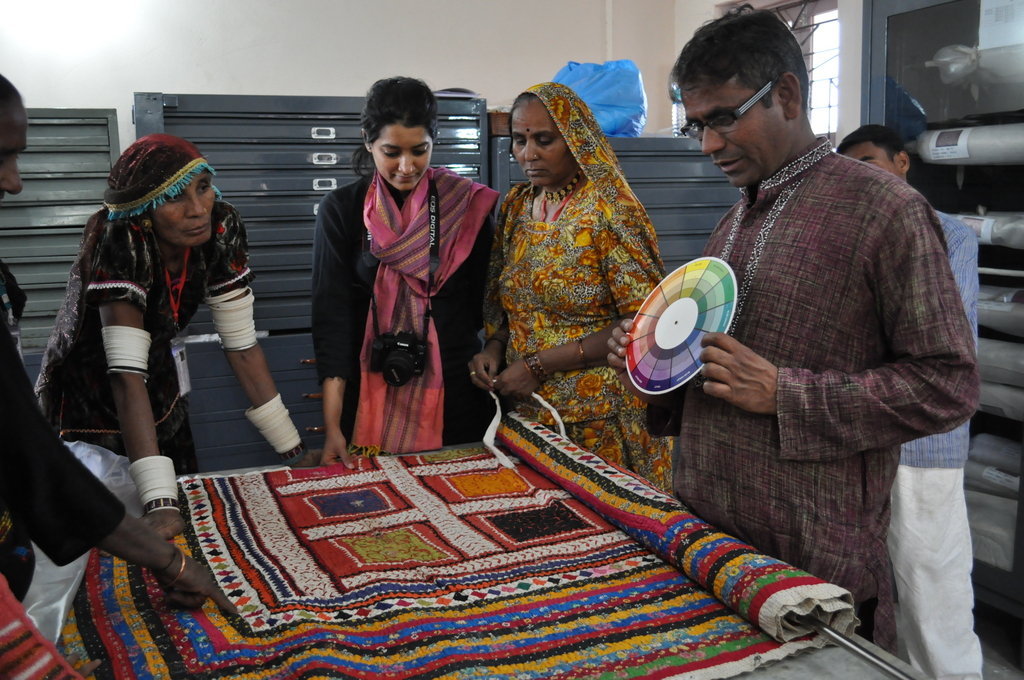
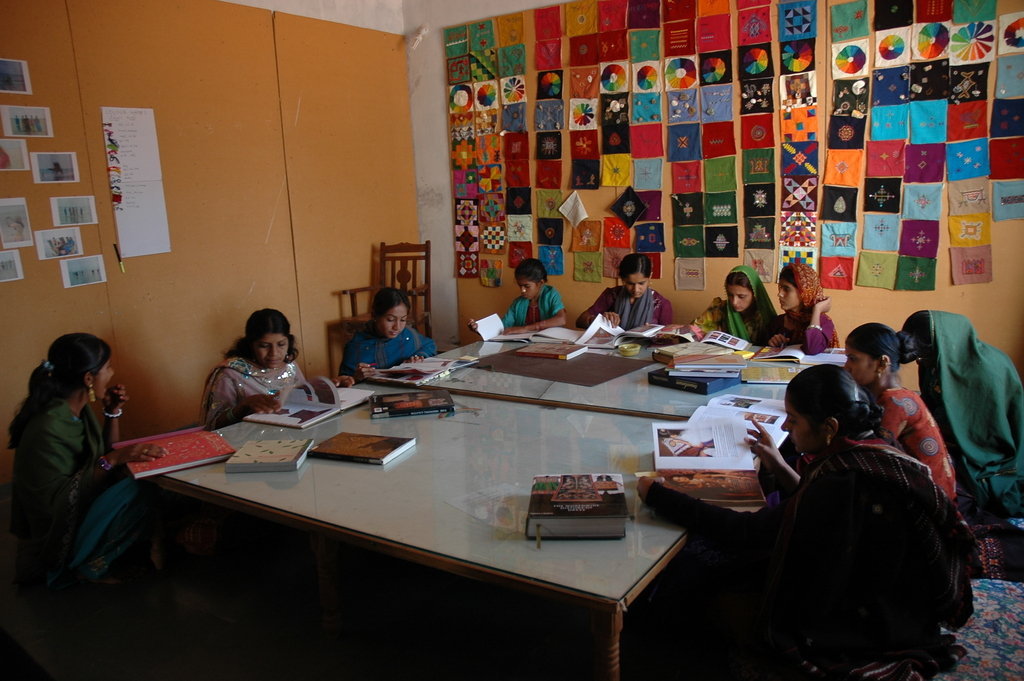
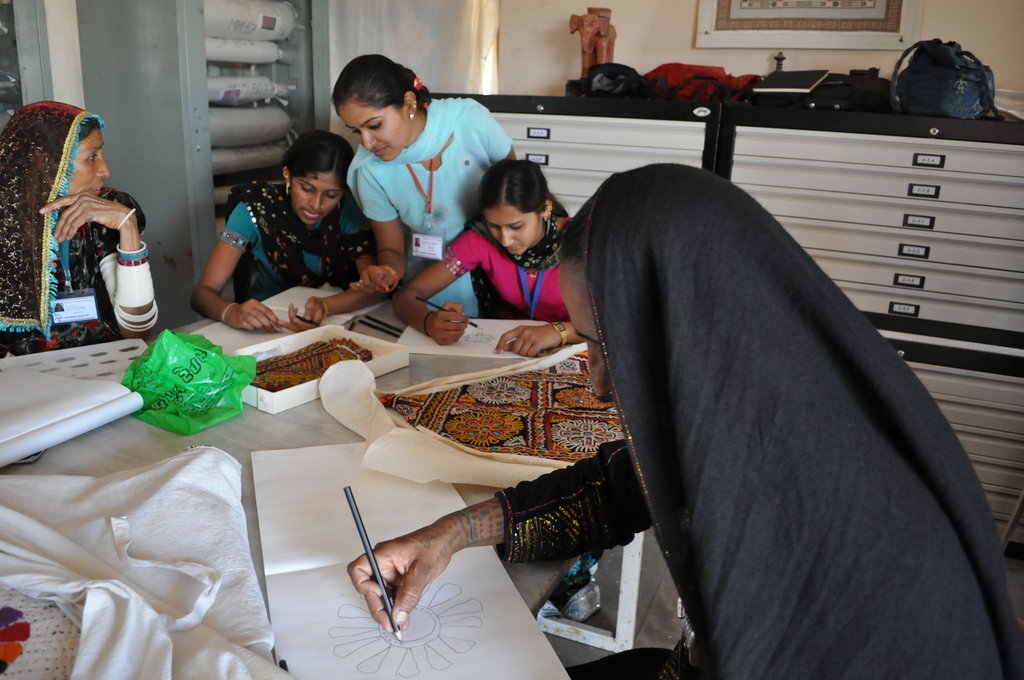
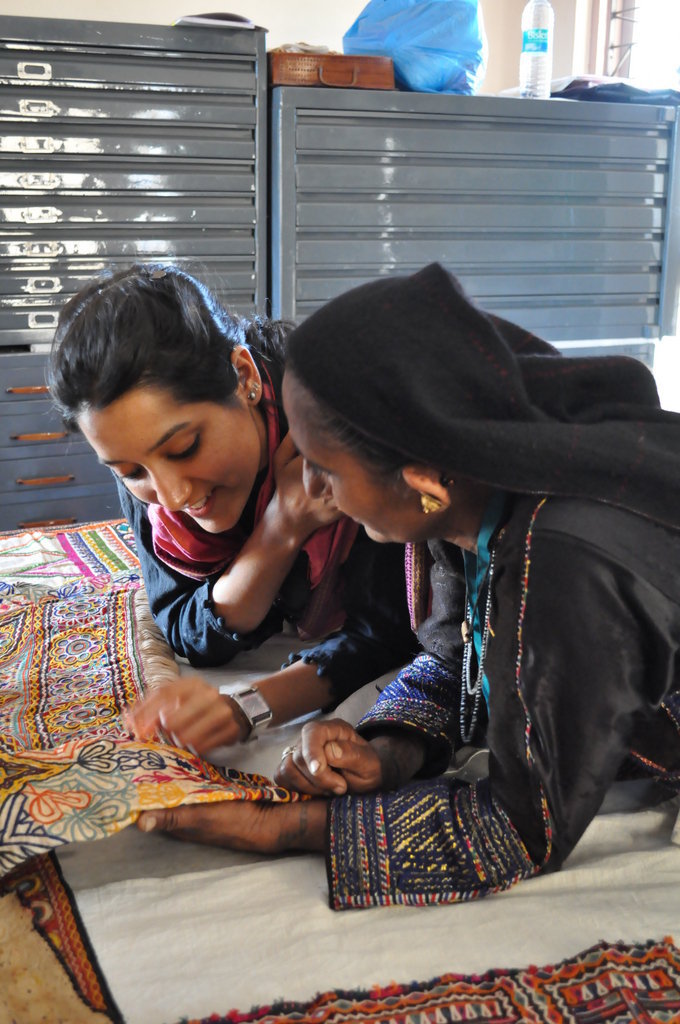
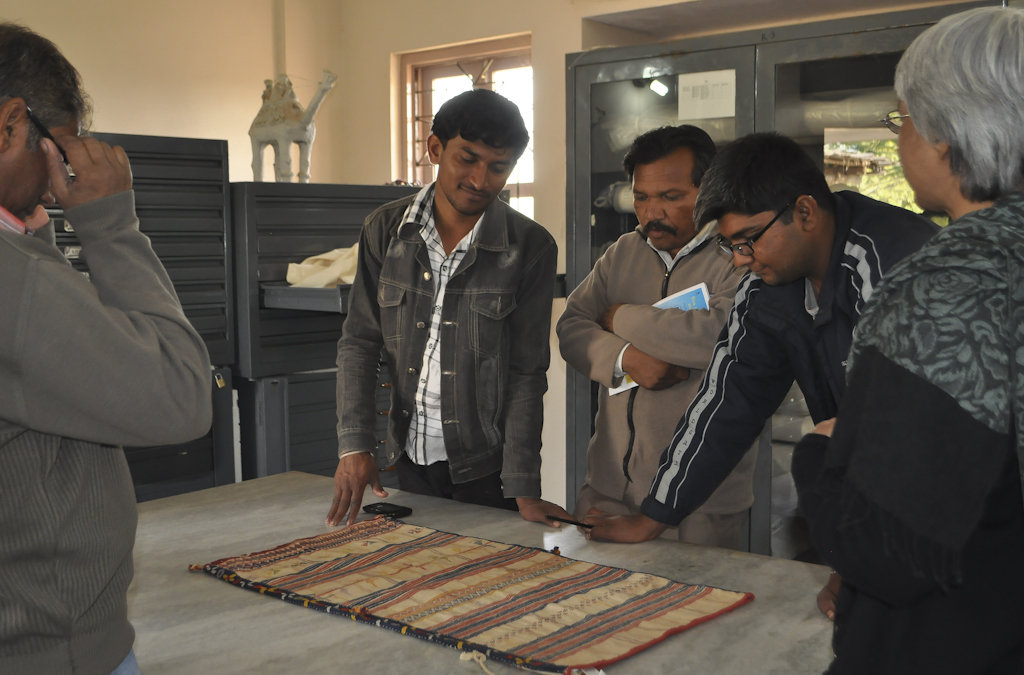
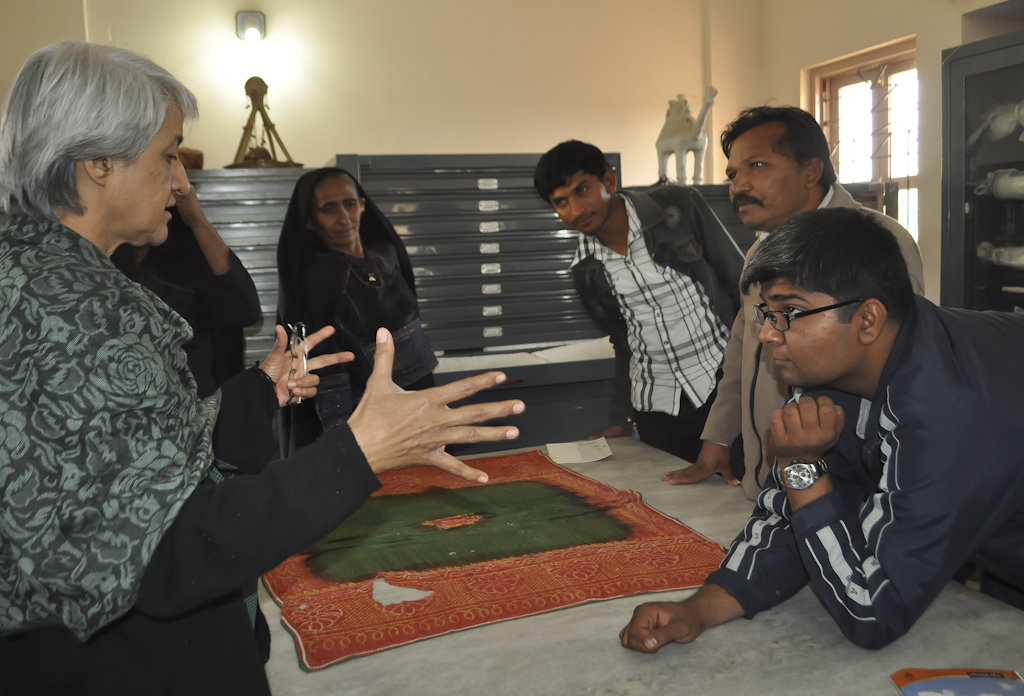
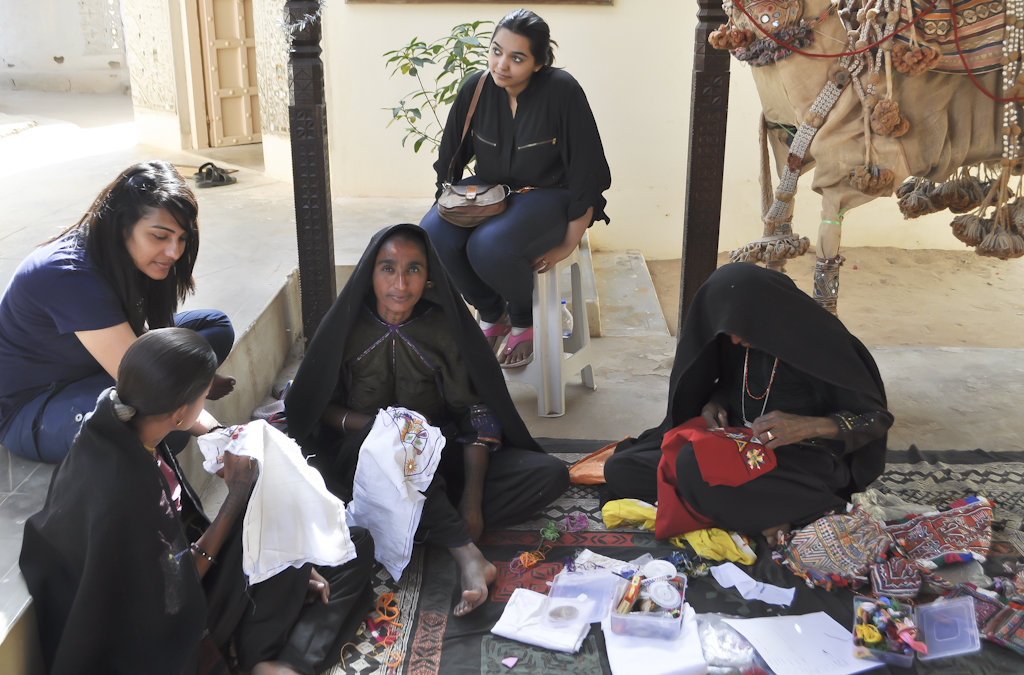
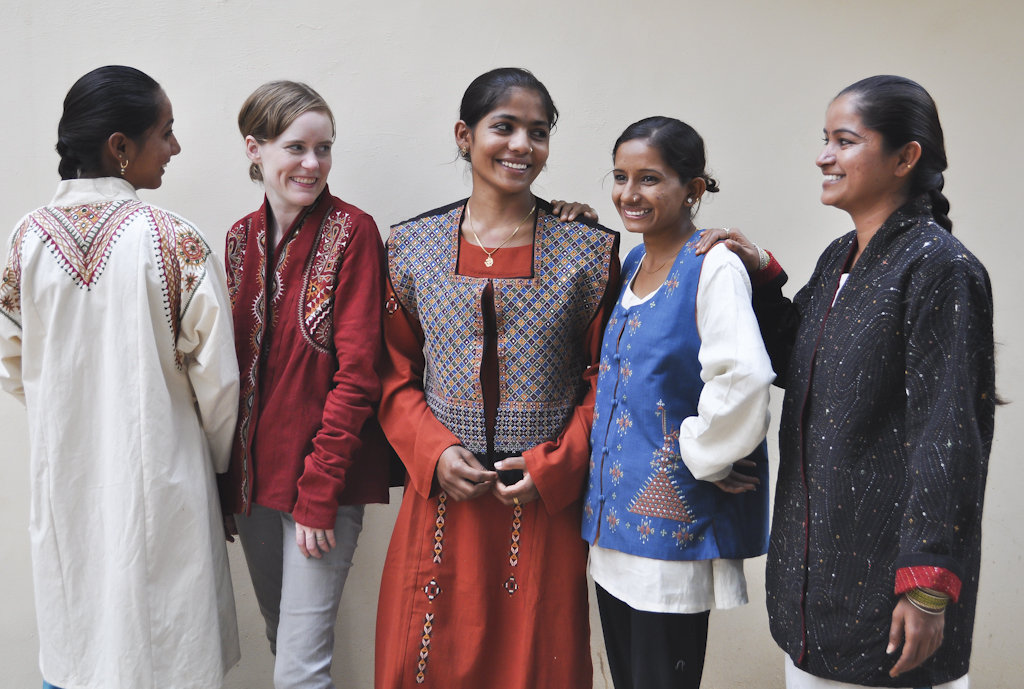
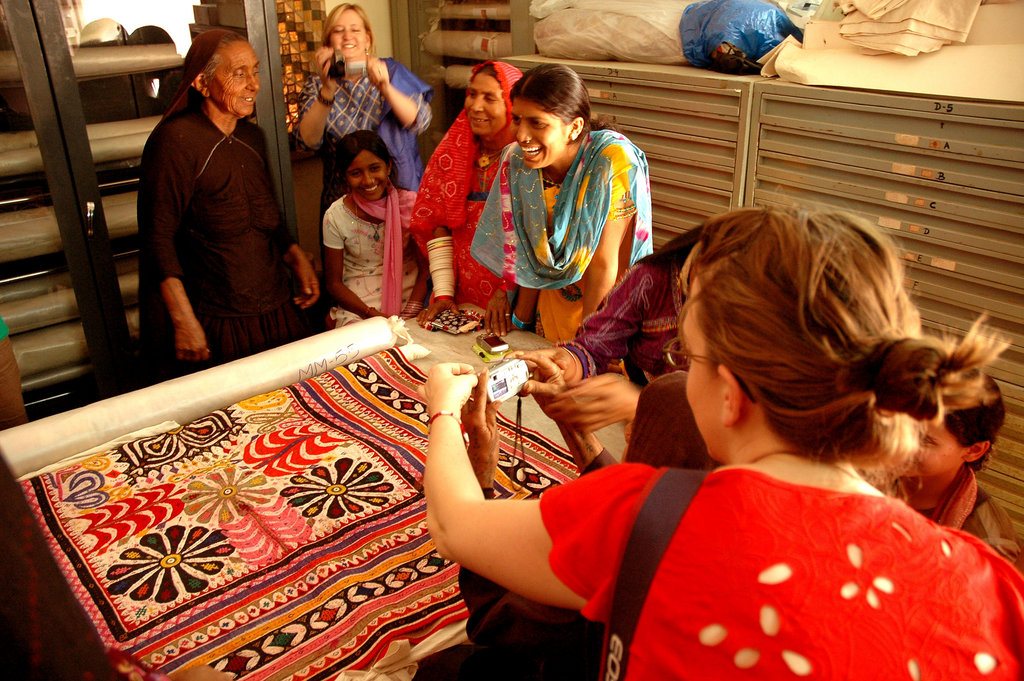
In January 2013, the eighth year of Kala Raksha Vidhyalaya began. Our design education program emphasizes two main sources of inspiration: Nature, and Tradition. Accordingly, we make sure to include a visit to the Kala Raksha Museum in the first classes of the year. It is a pleasure to see how artisans quickly learn to see with new eyes. Just as this year's men students wondered and pondered over examples of the traditions which they had never seen, this year's women studied the colours of embroideries and bandhanis from different regions and eras. With direction from fiber artist Nita Thakore, they joyfully explored the minds of earlier embroidery artists. Someone once said that artists work better with artisans than designers do. In this instance it surely seemed true. By the end of the colour class enthusiasm for traditions had visibly grown.
"We saw all kinds of embroidery in the Museum." Jivaben, Dhebaria Rabari artist.
"I came to take my tradition forward. I saw all kinds of bandhani in the museum and learned that all communities use bandhani for good and sad occasions." Zakiyaben, bandhani artist.
OUTREACH
Enjoying its local location, the KRV students have become the most active and regular users of Kala Raksha's Museum. Yet the collections and documentation have a much greater potential audience. During this period, the online presence of the collections provided an opportunity to students of Swinburne University of Technology, Melbourne. The students were part of the program Designers Meet Artisans 2013 Social Responsibility Studio. This project aims to develop an understanding of socially responsible design through a focus on user- centred design and was developed in collaboration with Dr Kevin Murray (Adjunct Professor RMIT University) and the Sangam Australia India Design Platform (www. sangamproject.net/) The objective of the project was to provide a link between Australian Designers and Indian Artisans, as a way to sustain crafts and to enhance the Artisan’s economic and environmental sustainability.
Socially Responsible Design involves both participatory and human centered design strategies. In this project student designers undertook some of the techniques developed by the Stanford Boot Camp team (dschool.stanford.edu/wp.../03/BootcampBootleg2010v2SLIM.pdf) and the IDEO Human Centered Design Tool kit (http://www.ideo.com/work/human-centered-design-toolkit/)
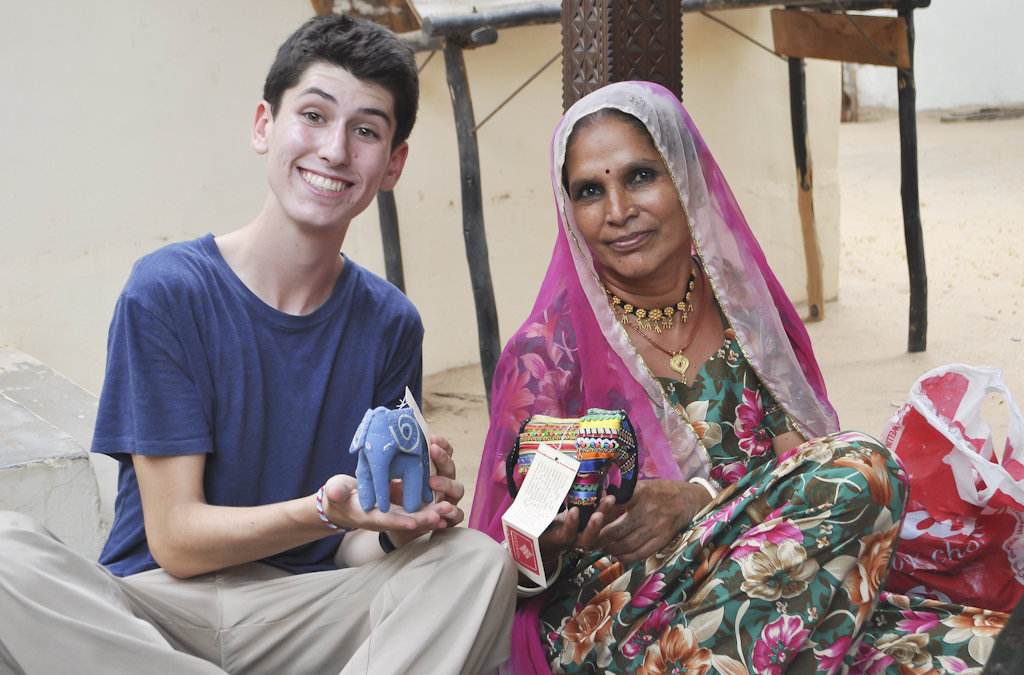
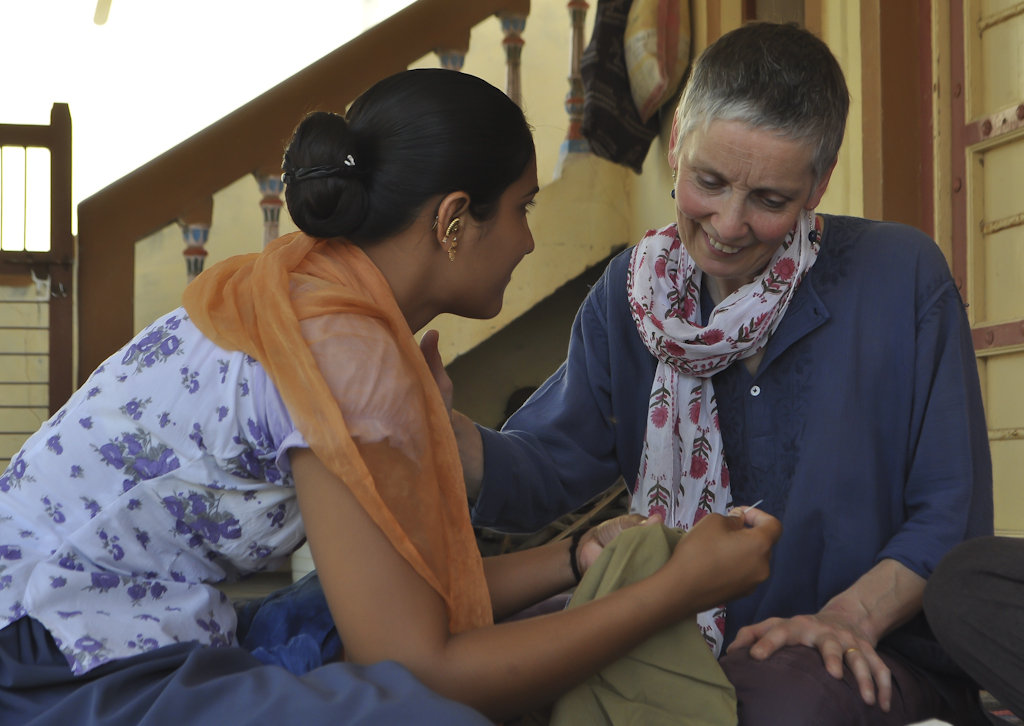
As a means to building in a participatory aspect to the project’s development students had direct contact with Sangam and Kala Raksha. Online research in the Kala Raksha Museum was encouraged in order to insure that the Swinburne students would design appropriate to the artisans' traditions. Serendipitously, Line Jorgensen, a Danish student who had participated in the program last year was doing an internship at Kala Raksha to test out her prototypes in real life. She provided valuable feedback to the Swinburne students and finally guided the prototyping process.
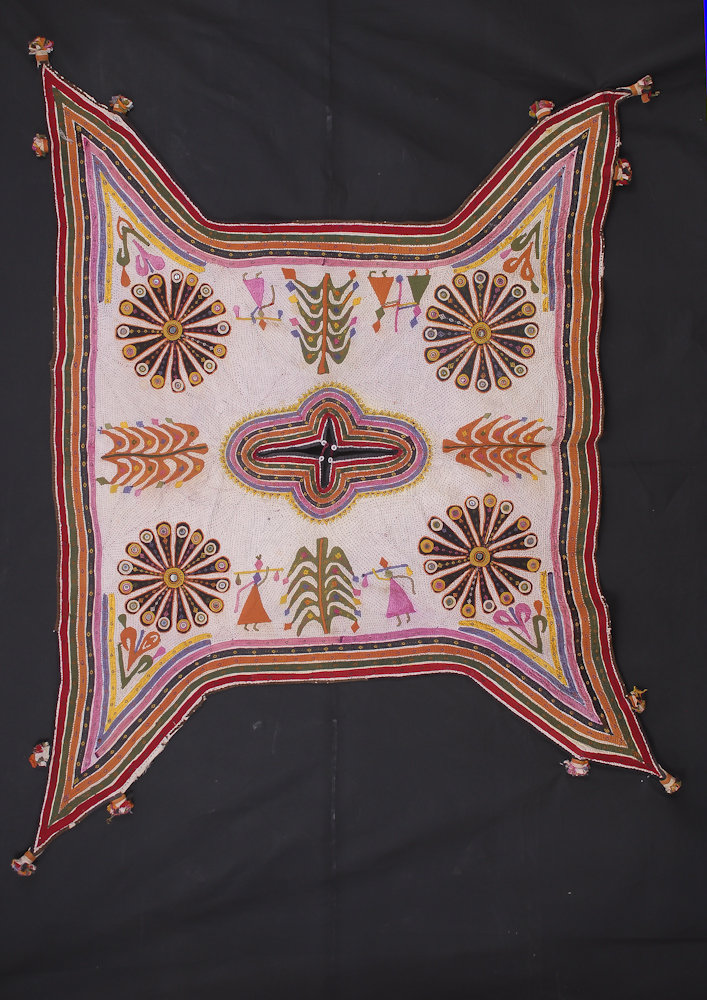
The products designed ranged from an embroidered kite, embroidered men's tie, baby accessories, and embroidered jewelry travel bag and storage containers. Most imaginative of all was an embellished dog coat, based on the Rabari camel trappings in the Kala Raksha Museum. Look for final results in the next report.
In March, KR Museum Curator Judy Frater participated in a UGC Sponsored National Seminar "The Cultural Heritage of Gujarat" organized by the Department of History
Faculty of Arts, The Maharaja Sayajirao University of Baroda. She presented a lecture, "Embroidery: A Woman's History of Kutch," which was illustrated with objects from the Kala Raksha Museum.
As the final step in renovation of the Museum, Kala Raksha is upgrading and reproducing its permanent exhibition catalogue. The catalogue will include the exhibition text and selected illustrations of the objects on display. Since visitors often do not have the time to study the exhibition content, the catalogue will insure that the exhibition text is read at leisure. In this way, both awareness of the museum and the information it holds will be more widely disseminated.
DOCUMENTATION AND COLLECTIONS CARE
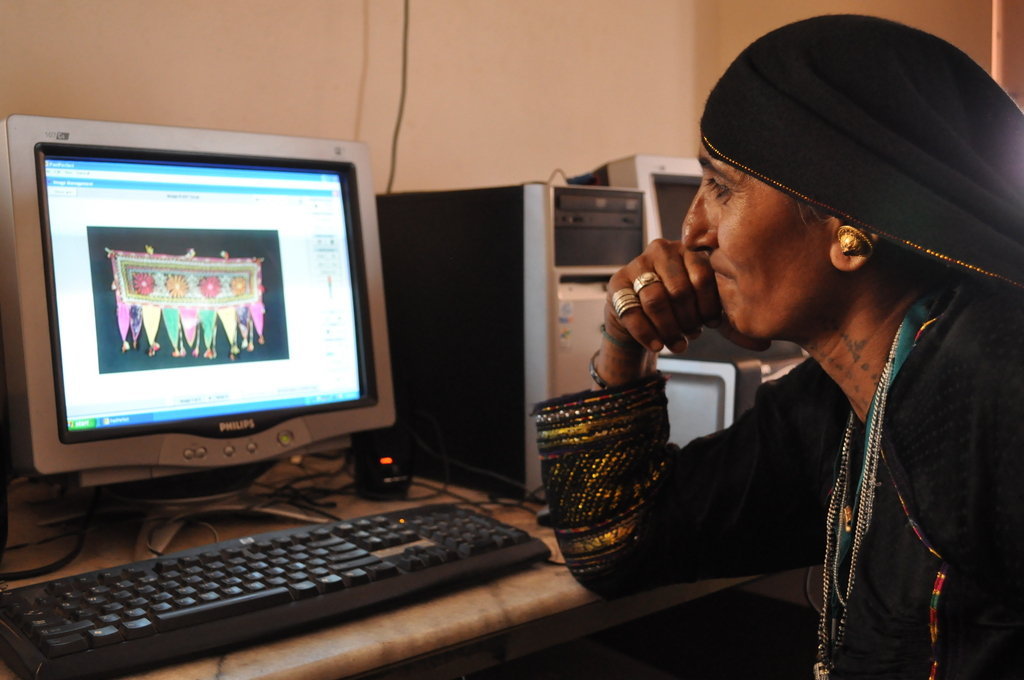
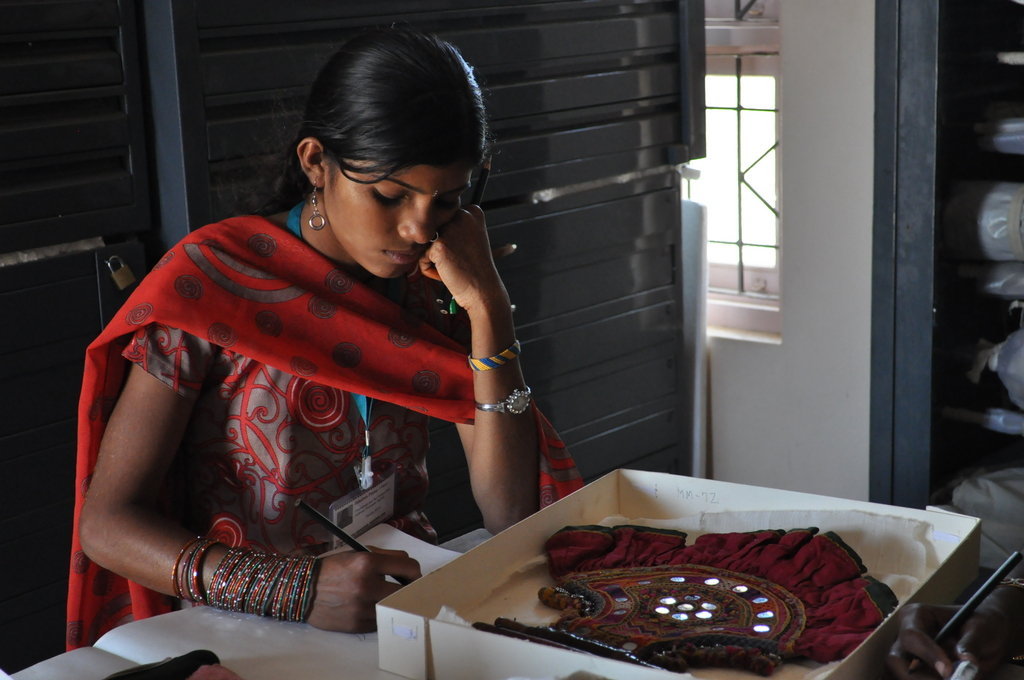
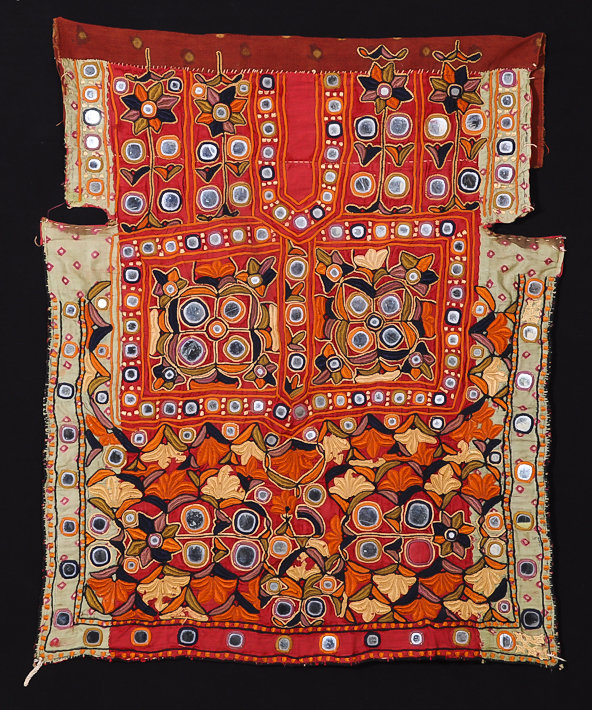
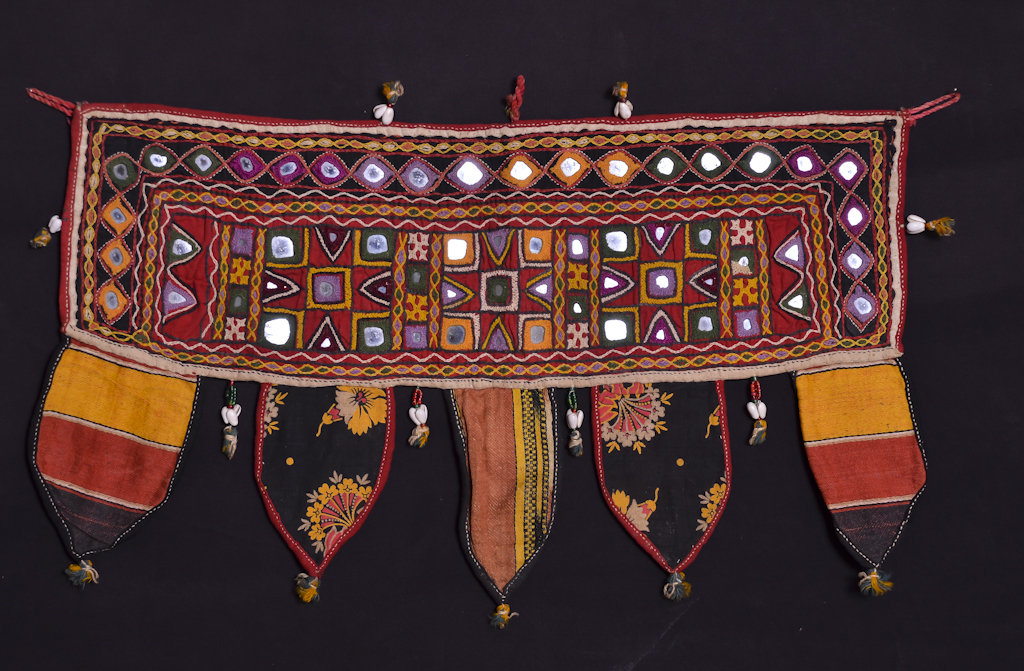
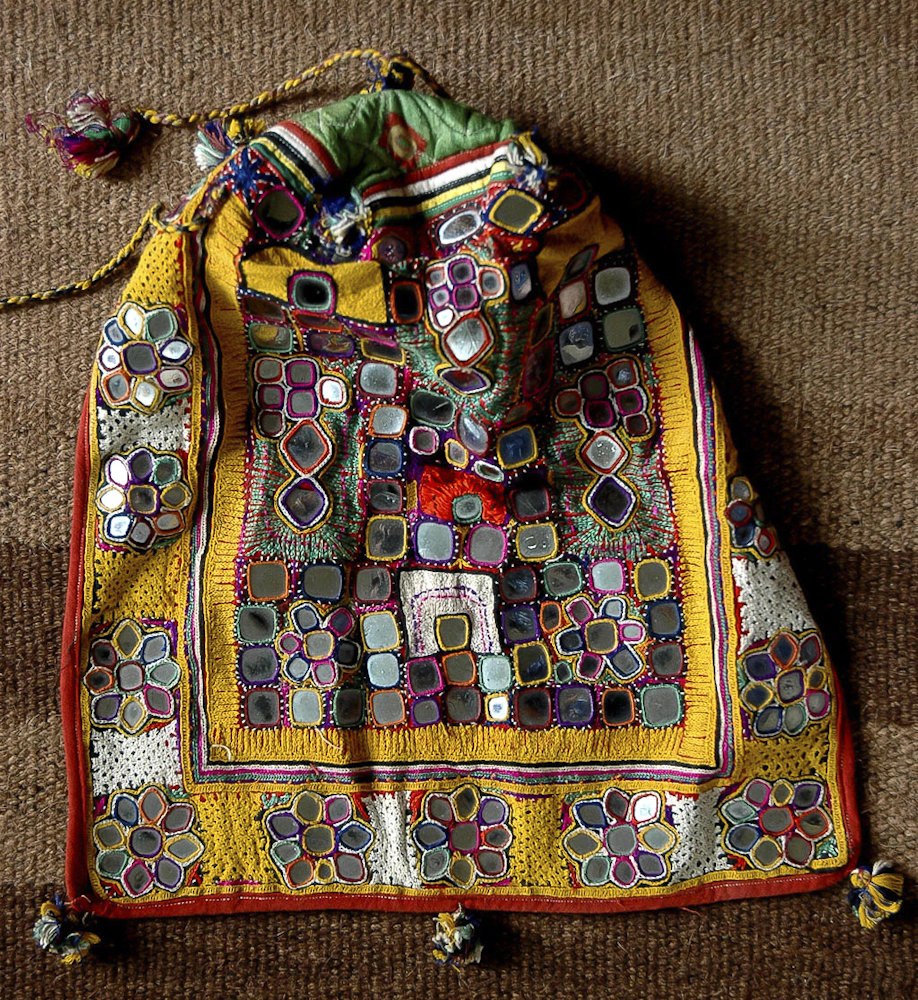
Documentation and collections care are less glamorous than building the collections. But it is the documentation that completes each object housed by the Museum and gives it value. An object is only part of the artifact. Documentation adds context and meaning. During this period, photographs of early accessions were upgraded from negatives to digital format. This will make better quality images available for the online museum, and for eventual publication. Beginning with objects slated for publication in our book on Kutch embroidery, seventy objects were digitally photographed, including multiple details. Good imagery will increase access to museum materials while minimizing the need for handling objects. The photo shoot also provided an opportunity for inventory and improvement of housing of objects. At the same time, a list of forty additional objects to be digitally photographed for inclusion in the museum catalogue was compiled.
BOOK RESEARCH
Research for Kala Raksha's book on Kutch embroideries, which will highlight the Kala Raksha Museum collections, continued. During this period, we enjoyed the sabbatical of Dr. Michele Hardy, Curator of the The Nickle Arts Museum, The University of Calgary, Calgary, AB, Canada. Michele did her PhD on Mutava embroidery and will be writing the chapter on Mutava work. She utilized the Kala Raksha museum during her sabbatical and we hope to have her upgrade documentation as well as contribute to the publication.
VISITORS AND RESEARCHERS
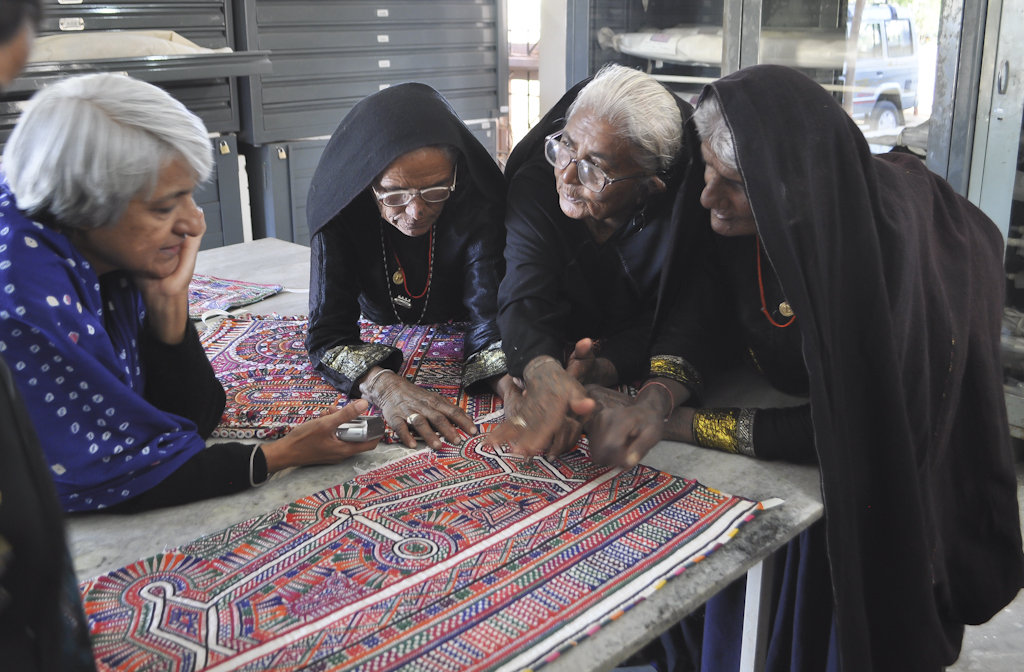
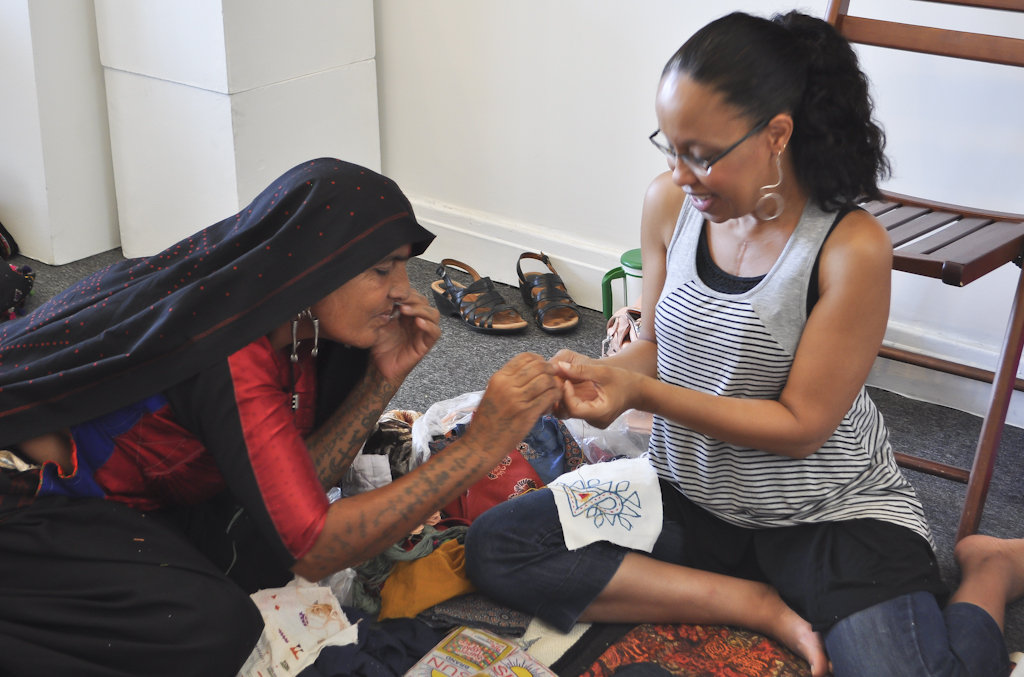
During this period, we enjoyed a variety of visitors to the Kala Raksha Center and Museum. We were honoured to have Dr. Rosemary Crill, Senior Curator, South Asia, at the Victoria and Albert Museum, London, visit the Kala Raksha Museum for the first time. Representatives of the Powerhouse Museum, Sydney also visited. NGOs URMUL of Phalodi and Harappani Gorbanjara Mahila Kala Vikas Mandal of Ambajogai, Maharashtra brought artisans for field trips, Dr. Gabriele Tautscher, Professor at Kultur- und Sozialanthropologin Institut für SA- , Tibet- u. Buddhismuskunde der Univesität Wien brought a study group. Jeni Allison returned on the second visit of the Creative Scotland ReSide program to spend sixteen days of intensive work learning Rabari traditions. And many tourists visited Kala Raksha Center and Museum.
INTERN INSPIRATION AND PRODUCT DEVELOMENT
This year's Nanda design interns began their internship with guidance from several international interns. Lucy Darling and Cadi Mathews, UK exchange students at Pearl Academy, conducted a two-week museum inspiration product development workshop with our artisan interns, sponsored by the Development Commissioner Handicrafts.
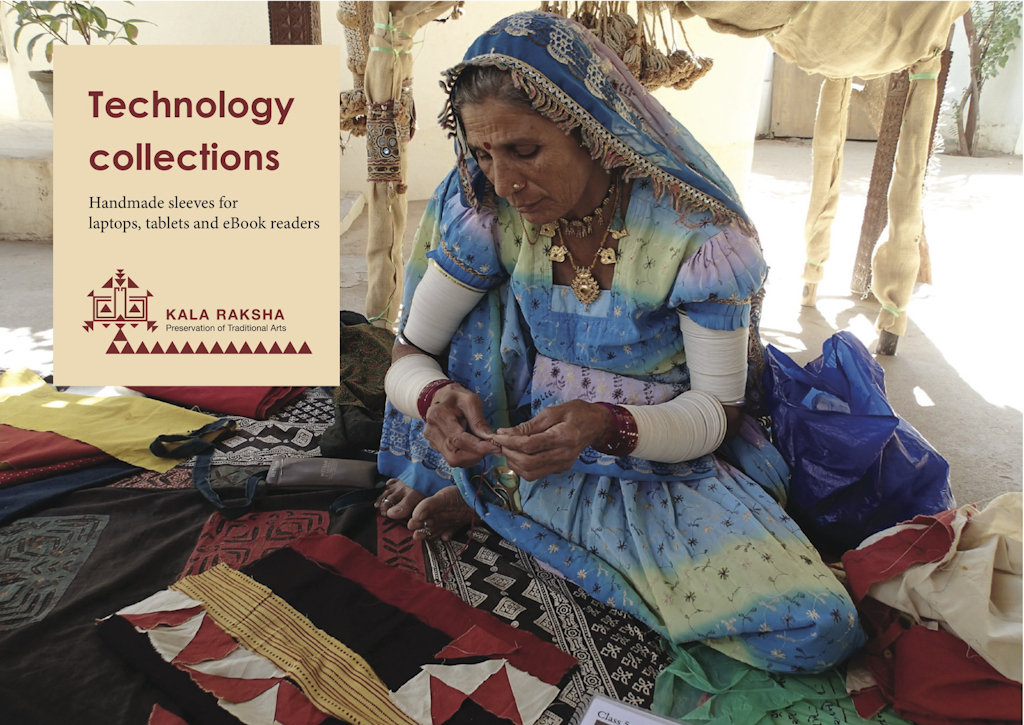
Line Jorgensen, a student from the University of Southern Denmark, worked for four months developing a "Technology Collection of laptop, tablet and e-reader covers. She utilized the museum to understand the traditions with which she worked.
GlobalGiving has enabled us to reactivate our museum work. We thank GlobalGiving donors for your support, and welcome financial contributions as well as ideas for ways to reach out and share our holdings with interested people.
THE NEXT PHASE: UPGRADING and EXPANSION
Kala Raksha has its sights on new collections and also hopes to be able to expand the museum facilities to accommodate them this year. As research progresses, we will be able to make the best selection of new accessions, and we will strive to balance upgrading the documentation and housing of collections with acquisition.
Links:
By Judy Frater | Project Director
By Judy Frater | Project Director
Project reports on GlobalGiving are posted directly to globalgiving.org by Project Leaders as they are completed, generally every 3-4 months. To protect the integrity of these documents, GlobalGiving does not alter them; therefore you may find some language or formatting issues.
If you donate to this project or have donated to this project, you can receive an email when this project posts a report. You can also subscribe for reports without donating.