By Kaori Neki | Project Leader
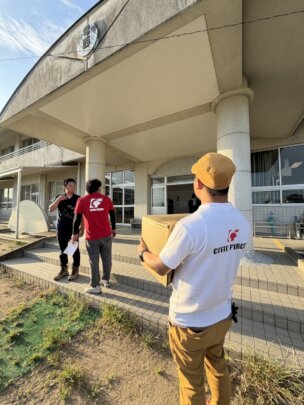
In collaboration with local partners, Civic Force implements NPO Partner Projects across affected regions. These initiatives are designed to facilitate sustainable, medium- to long-term reconstruction within disaster-stricken communities. This report introduces one of the partners we support in Nanao City, Ishikawa Prefecture.
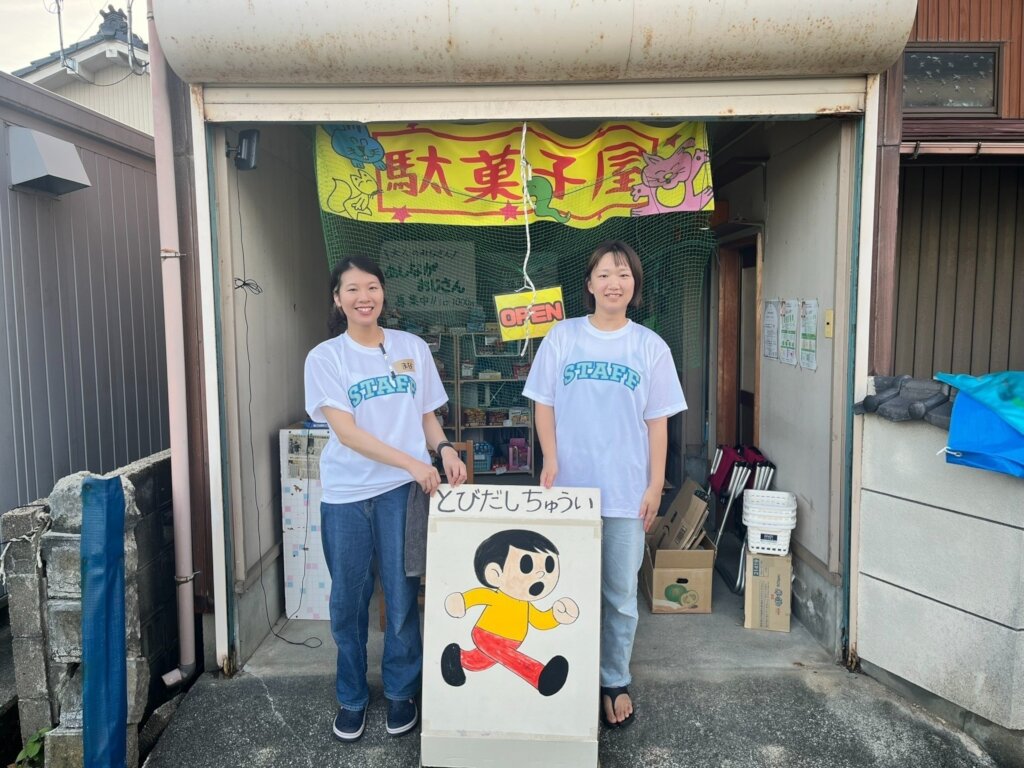
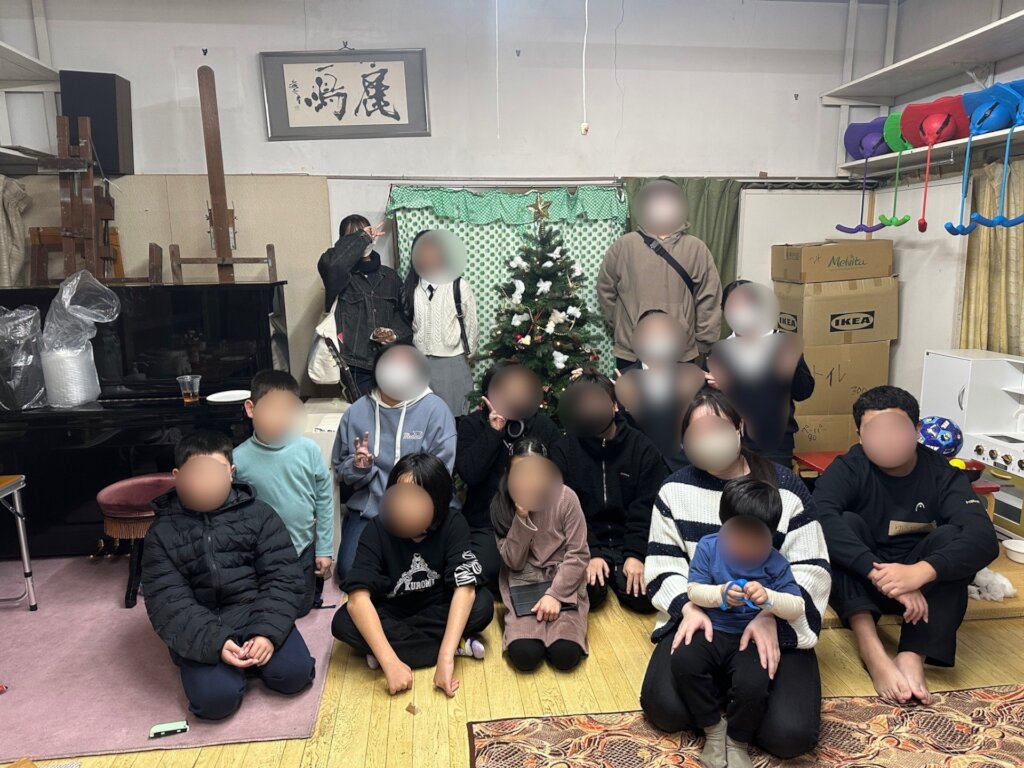
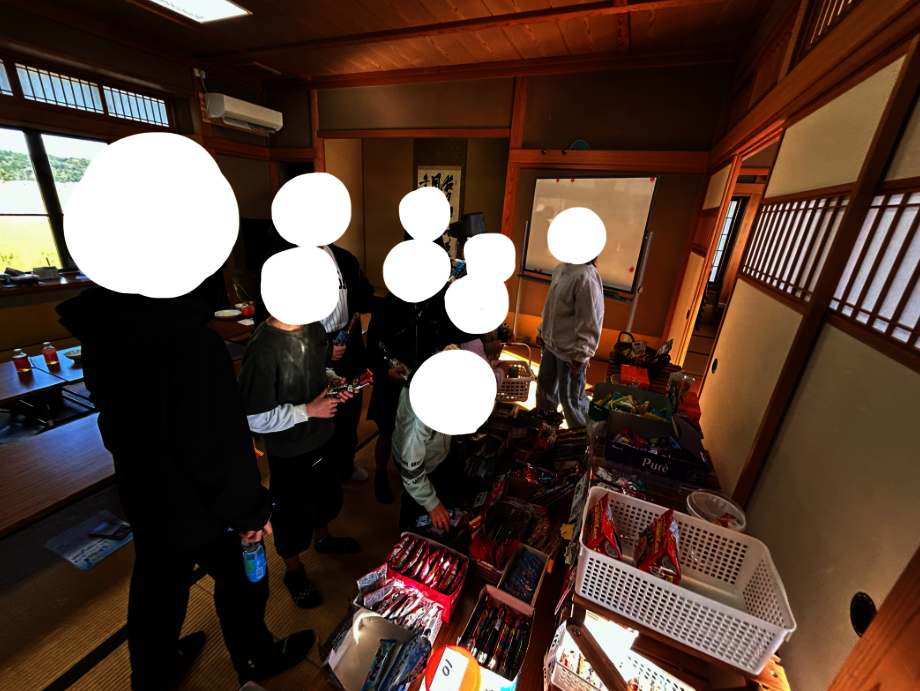
Local organization Tomoe has expanded its long-standing support for vulnerable youth. Before the disaster, Tomoe operated Ibasho Shokudo, a restaurant serving children facing social isolation or not attending school. Tomoe broadened its impact by establishing dedicated spaces for out-of-school youth, providing essential food support for families of young carers, and opening a study room. Additionally, the organization launched a local candy store to foster social interaction among neighborhood children. Civic Force interviewed Ibasho Shokudo staff to evaluate the project’s outcomes and long-term community benefits.
Q. Can you tell us how the project went?
I feel that this project period was a time when Ibasho Shokudo was able to accomplish something that we had always wanted to achieve. In particular, one of the projects, running a candy store, was something we had been considering even before the Noto Peninsula Earthquake, and we were able to get started through the NPO Partner Project.
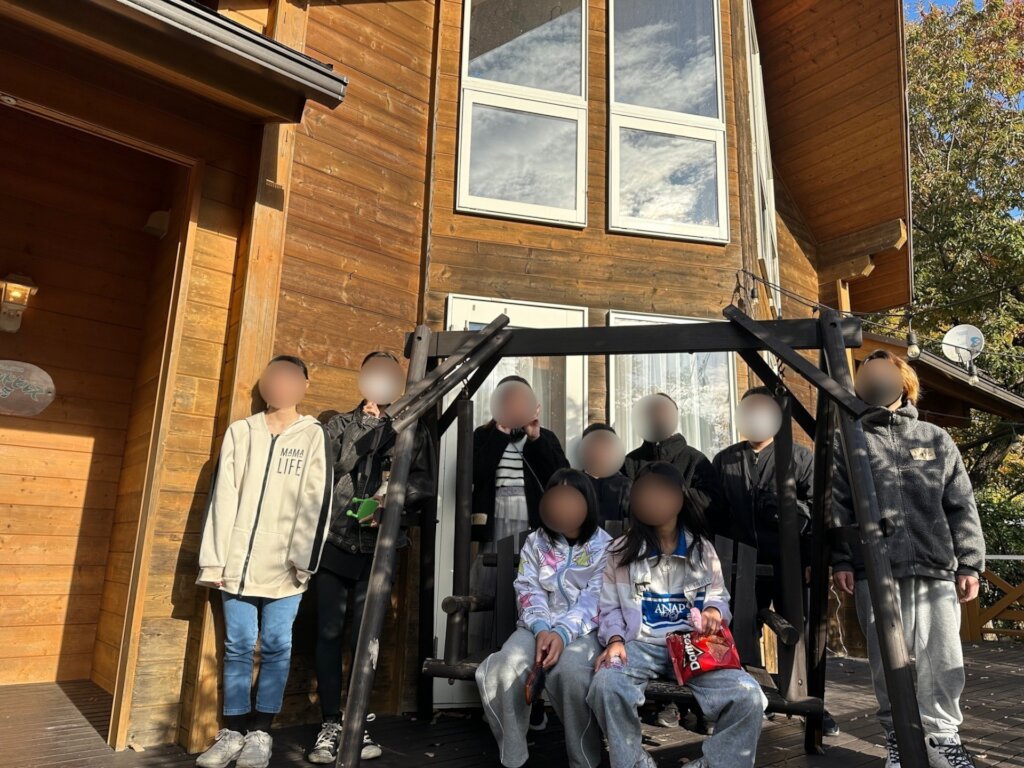
Beyond providing a relaxing space for the children, it also allowed us to hold special events for them. Through these activities, we were able to build connections with local residents and volunteers, and I believe we were able to carry out many positive initiatives not only for the children but also for ourselves.
Q. What are changes brought by the NPO Partner Project?
We have come to feel that Ibasho Shokudo is more accepted by the local community. It seems that our children going out to help with weekday shopping has become a part of everyday life. Even when our children go shopping alone at the local supermarket, they enjoy short chats before coming home. Neighbors have started saying things like, "There are kids this young here too?"
As our activities progressed, we had more opportunities to interact directly with many local people, and we began to see community members who were supportive and tolerant of our children. Through these interactions, we feel that the community’s view of us has changed significantly.
Q. How are the children who visit Ibasho Shokudo?
One girl was withdrawn initially due to her distrust of adults and fear of interacting with others. But while helping out at the candy store, she was able to do things on her own. Also, some of the children who use the study room come to Ibasho Shokudo to talk about their troubles at home.
During the summer holidays when schools are closed, even older elementary school students use Ibasho Shokudo, and we have received positive feedback from parents saying that it has been a great help. I think that not only the children, but also their parents recognize Ibasho Shokudo as an environment where children can feel safe.
In addition, Ibasho Shokudo is also home to children who do not normally attend school. Looking at how the children behave, I think it has become a place for them to learn how to communicate with others.
Q. How are children feeling about earthquakes?
Whenever there is an earthquake with a slightly larger magnitude, they seem to be frightened by the drill broadcasts that talk about earthquakes. I think that fear remains somewhere in their minds due to past experiences.
Q. Please share what you are looking forward to in future activities?
There were many difficult times during the project implementation period, but it was also fun trying new things. There were many challenges every day, but there were also many accomplishments. We were able to gain the know-how of running a business and scale Ibasho Shokudo.
We plan to continue the candy store. Regarding the study room, we've received positive feedback such as, "It can be used by a small group of people" and "It feels like a secret base and is relaxing." We feel that the special environment, distinct from other study rooms, is leading to definite demand. However, as there are free study spaces in the area, we are considering revising our pricing to make them more accessible to students. Furthermore, in addition to adjusting the usage fees, we would also like to work on securing revenue and financial resources other than usage fees.
Although the project period has now ended, Civic Force will continue to follow up on Ibasho Shokudo in the future.
Project reports on GlobalGiving are posted directly to globalgiving.org by Project Leaders as they are completed, generally every 3-4 months. To protect the integrity of these documents, GlobalGiving does not alter them; therefore you may find some language or formatting issues.
If you donate to this project or have donated to this project, you can receive an email when this project posts a report. You can also subscribe for reports without donating.