By Lu Yue | TFT ER Team
What does “quality education” look like when resources are not enough?
Can learning still be engaging without the latest technology?
And what if creativity—not equipment—is what truly shapes a child’s experience?
Rethinking Quality: Making the Most of What We Have
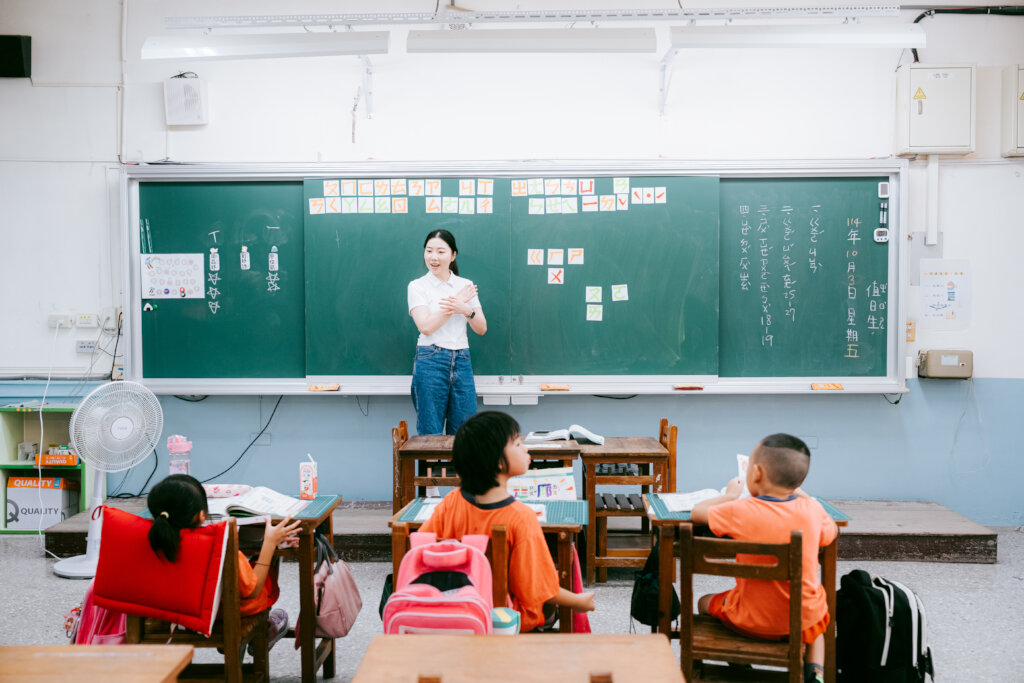
When teachers step into the classroom,
they do so to respond to the needs of their students and schools.
In many communities, resources are limited,
and it is not always possible to provide everything at once.
Yet this raises an important question:
how can we still create a high-quality learning environment?
For one TFT fellow, the answer began with a simple belief:
quality education is not defined by what we lack,
but by how we use what we already have.
Starting From Zero, Opening Infinite Possibilities
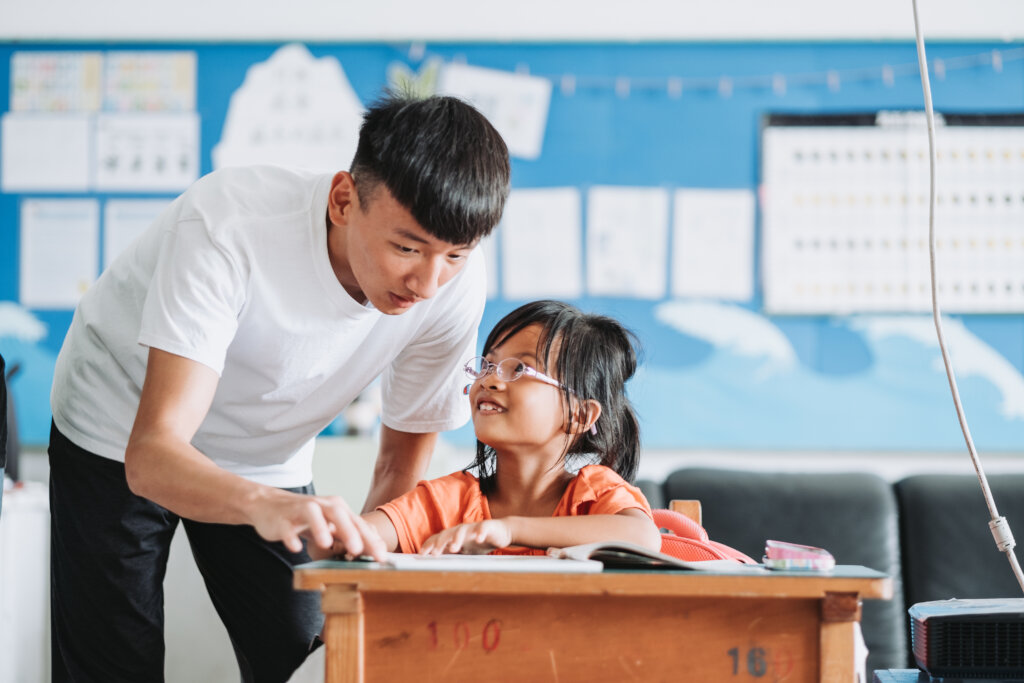
When he first entered the classroom,
everything had to be built from the ground up—
curriculum design, teaching materials, and even the learning environment itself.
It was challenging, but also full of possibility.
Without fixed systems or expectations,
the classroom became a space where creativity could take root—
and where both teacher and students could explore new ways of learning together.
“If We Don’t Have One, Let’s Build One”
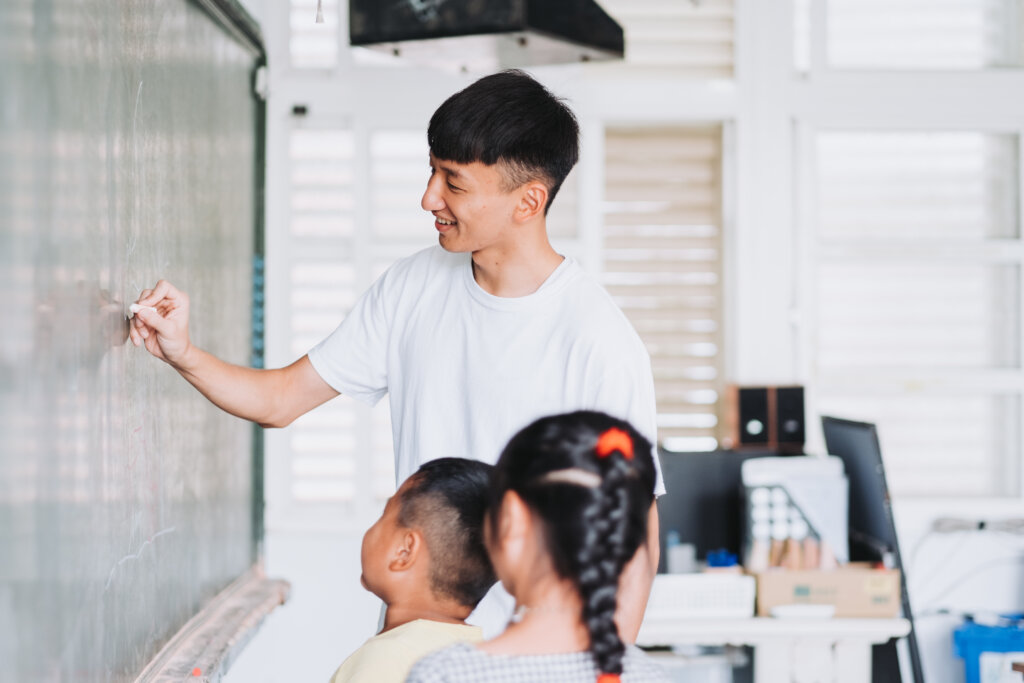
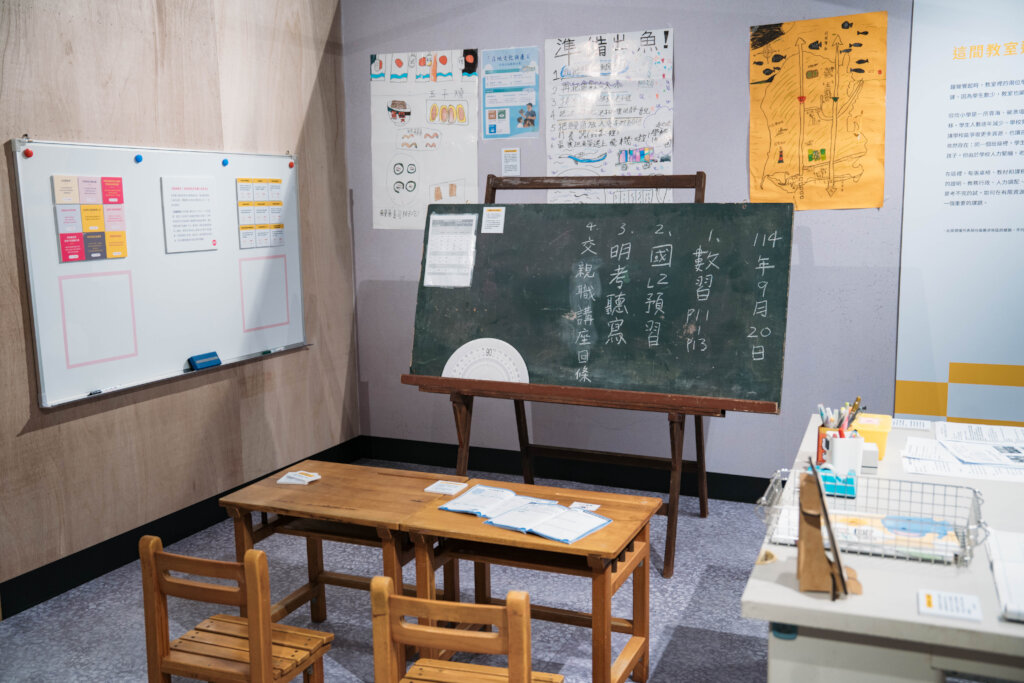
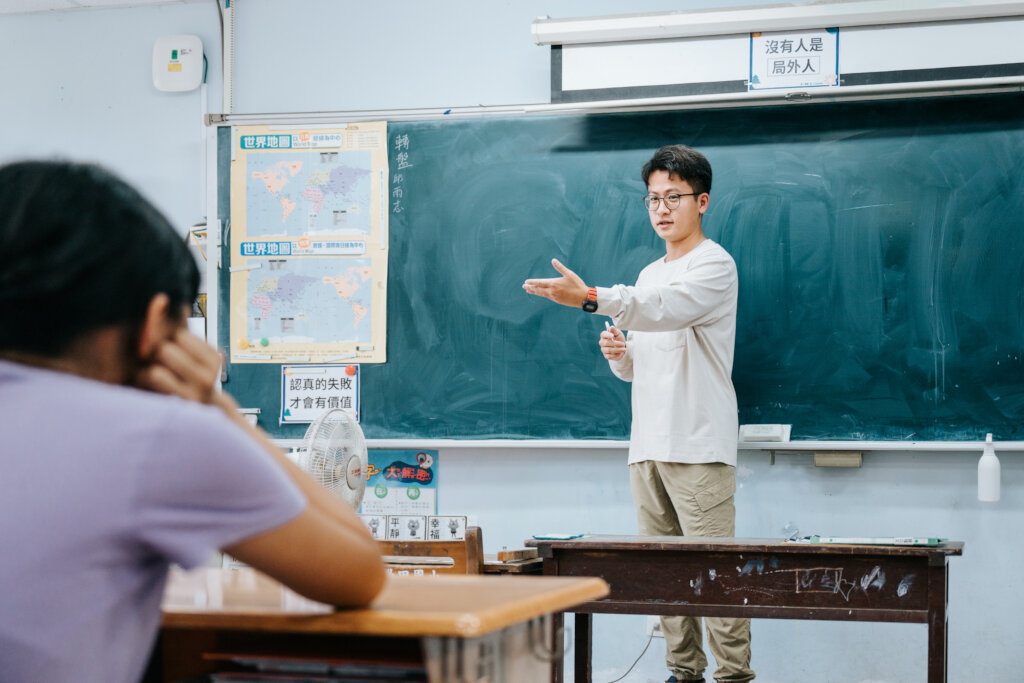
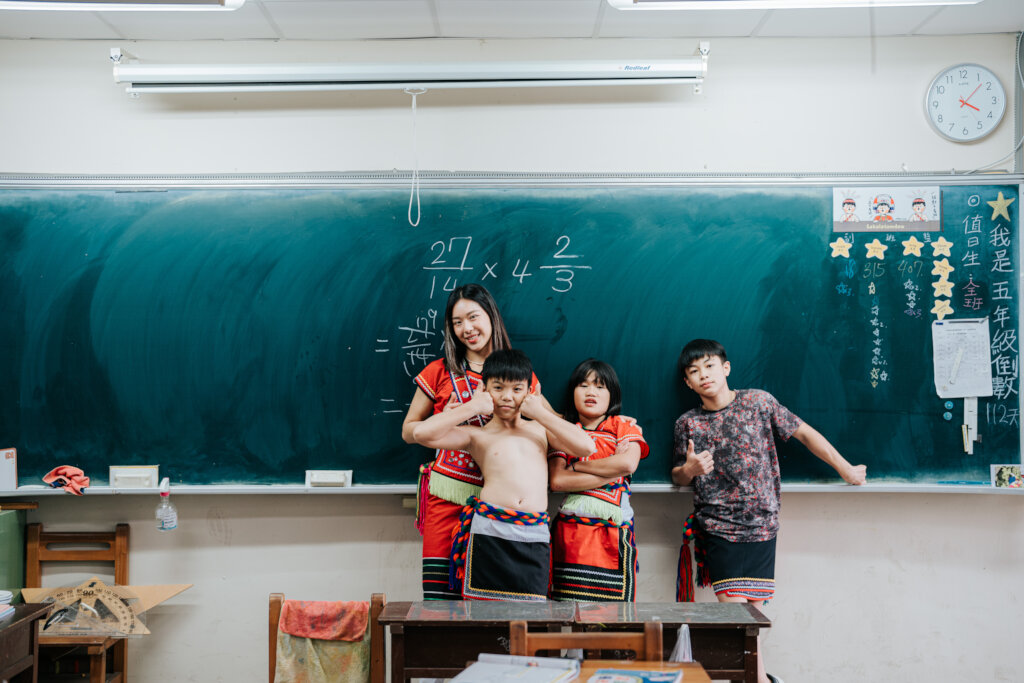
At first, the classroom had no interactive whiteboard—
only a projector and a traditional chalkboard.
For a teacher involved in digital learning initiatives,
this was a significant limitation.
One day, a student shared,
“I wish we could use an interactive whiteboard like the other class.”
Instead of seeing this as a gap,
the teacher turned it into a question:
“What do we actually need it for?”
The students answered eagerly:
“We want to present our solutions.”
“We want to interact with digital content.”
“We want to see clearly how the teacher explains things.”
So he asked again:
“Then can we create our own version—with what we already have?”
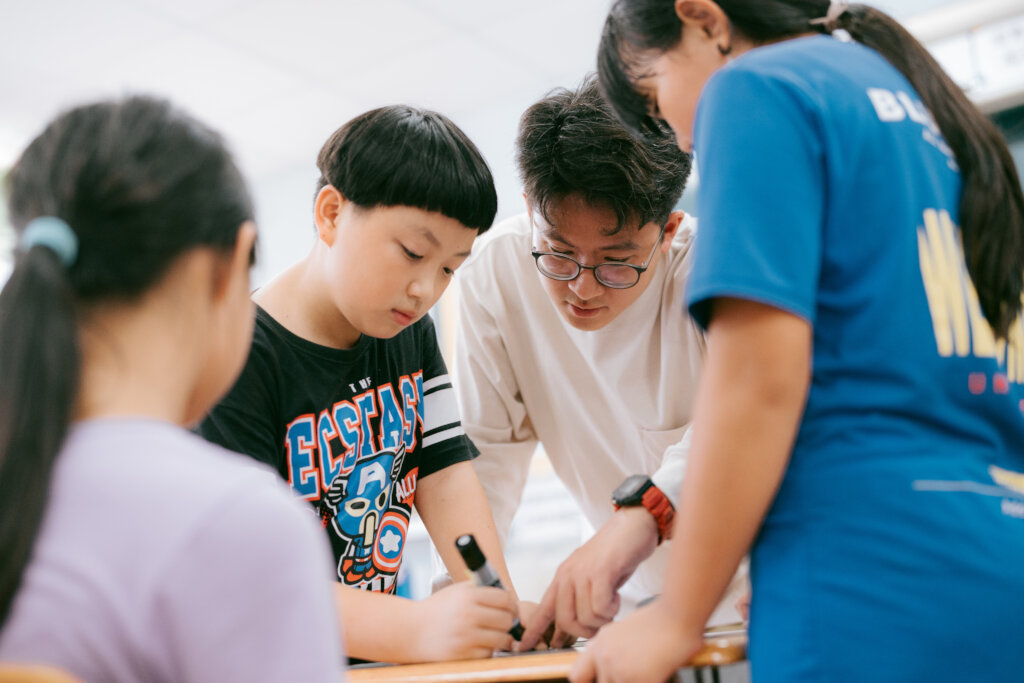
Together, they experimented—
adjusting the projector, aligning it with the board,
and transforming their classroom into a space that worked for them.
Their “interactive whiteboard” was born.
And because they built it themselves,
students became even more engaged—
eager to participate, to share, and to learn.
Learning to Create, Not Just Receive
The pursuit of better resources has no end.
But if we focus only on what is missing,
we may overlook what is already possible.
In that classroom, something more important happened:
students experienced the process of discovering, creating, and solving together.
They learned that challenges are not barriers—
but invitations to think, to try, and to build.
And in doing so,
they began to develop the confidence
to navigate their own paths in the future.
Thank You for Making This Possible
Thank you for being part of this journey.
Your support helps sustain classrooms
where creativity can grow—even when resources are limited,
and where every child has the opportunity to learn, explore, and thrive.
Your recurring support is especially vital.
It provides the stability that allows us to keep showing up—
consistently, long-term—
so that these learning experiences are not one-time moments,
but lasting opportunities for change.
We warmly invite you to stay connected with us
through our website, Instagram, and Facebook,
and continue walking alongside these classrooms with us.
Together, we are making possible
an education that grows—even in the face of limitation.
Links:
By Lu Yue | TFT ER Team
By Lu Yue | TFT ER Team
Project reports on GlobalGiving are posted directly to globalgiving.org by Project Leaders as they are completed, generally every 3-4 months. To protect the integrity of these documents, GlobalGiving does not alter them; therefore you may find some language or formatting issues.
If you donate to this project or have donated to this project, you can receive an email when this project posts a report. You can also subscribe for reports without donating.



Support this important cause by creating a personalized fundraising page.
Start a Fundraiser