By Br. John Cornel Sulle OFMCap | Executive Director
Quarterly Project Report – July 2026
Project: Influencing Land Rights for Women in Karatu District
Project ID: #57643
Organization: The A'ray Justice and Peace Initiative (TAJPI)
From Land Insecurity to Lasting Dignity
Dear Friends and Supporters,
Thank you for standing with women in Karatu District. Your encouragement reminds us that meaningful change begins when people choose justice over indifference.
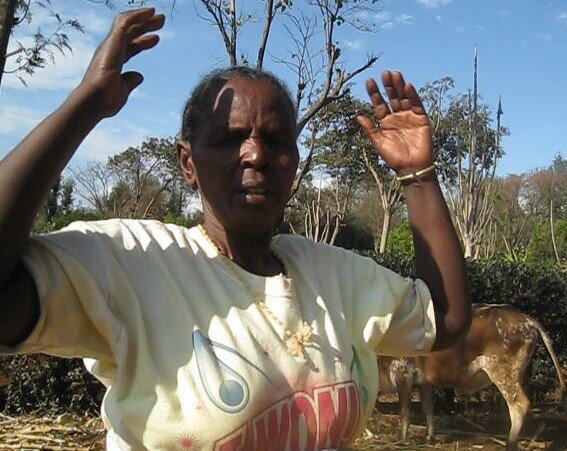
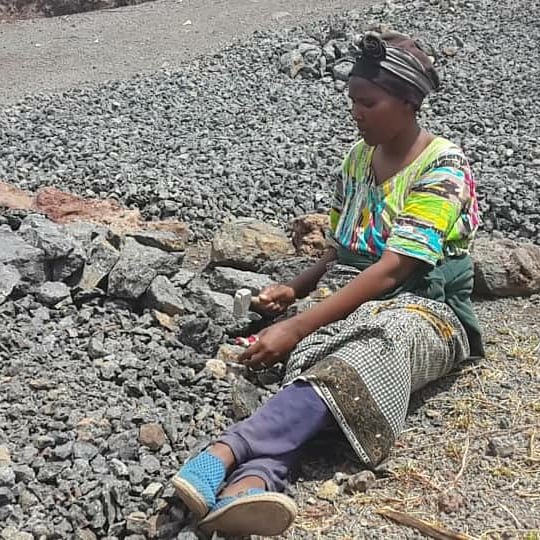
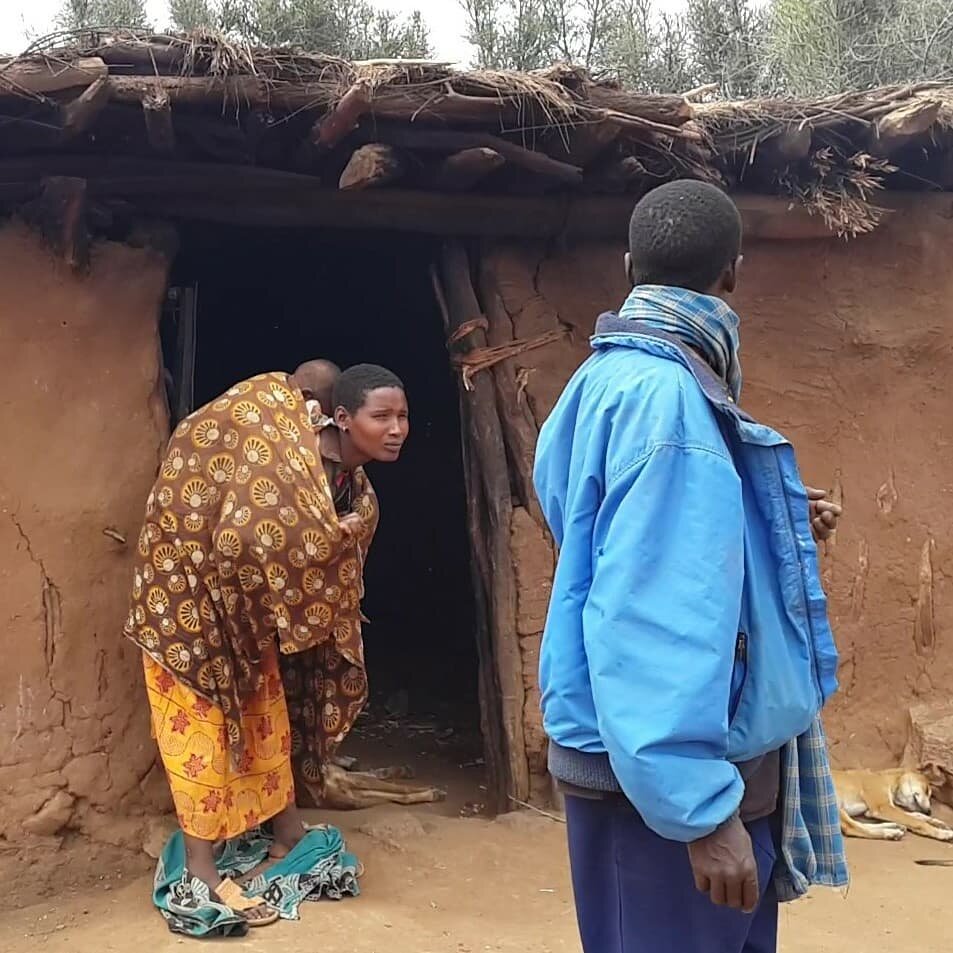
For many women in northern Tanzania, owning or inheriting land remains a distant dream. Land is more than property—it is security, identity, food, dignity, and hope for future generations. Yet many women, particularly among the Maasai pastoralists, the Iraqw farming communities, and the Hadzabe hunter-gatherers, continue to face cultural and institutional barriers that prevent them from owning, managing, or inheriting family land.
Without secure land rights, many women risk losing their homes after the death of a husband, divorce, or family disputes. They are often excluded from decisions about family property and inheritance despite existing legal protections.
This is why TAJPI continues working alongside communities to transform awareness into action.
Building a Movement for Women's Land Rights
This quarter marked an important milestone in our advocacy journey.
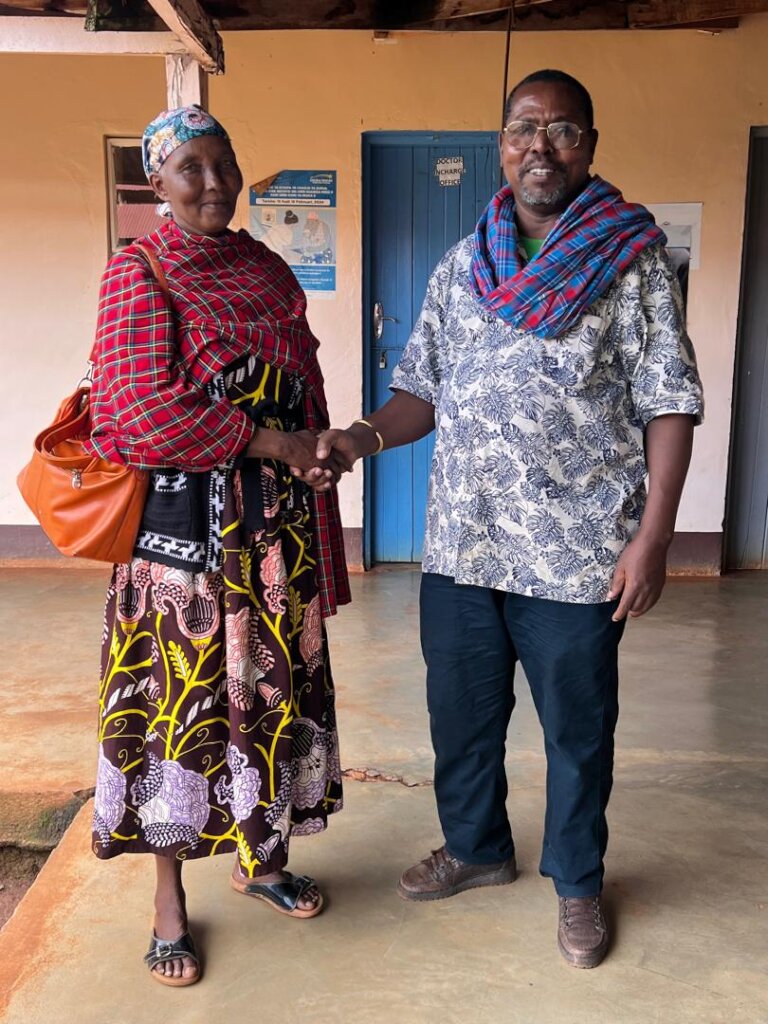
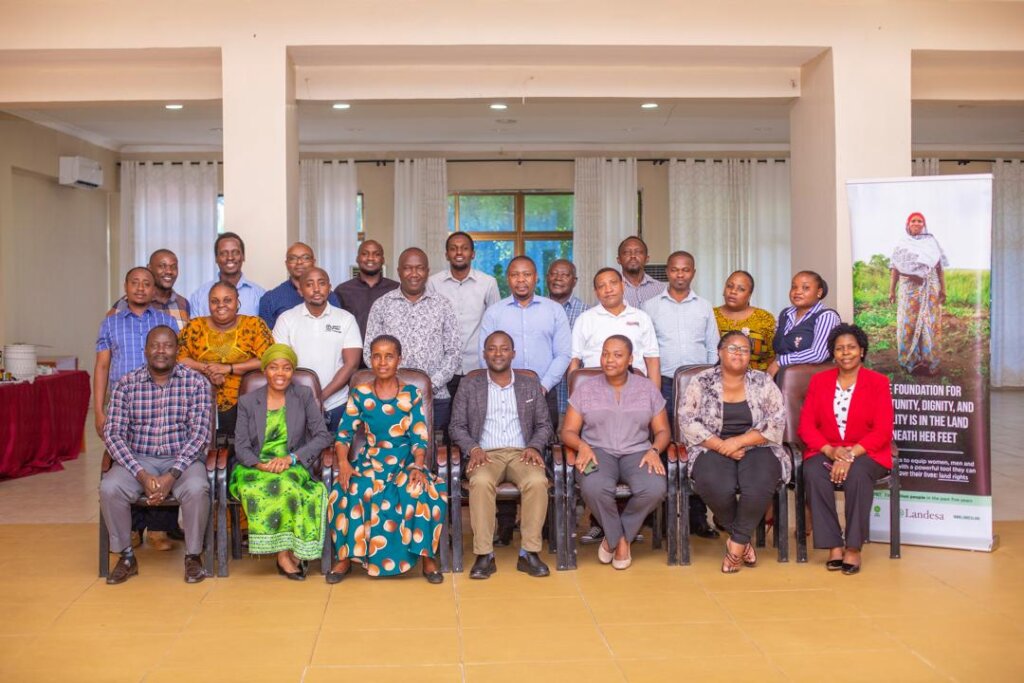
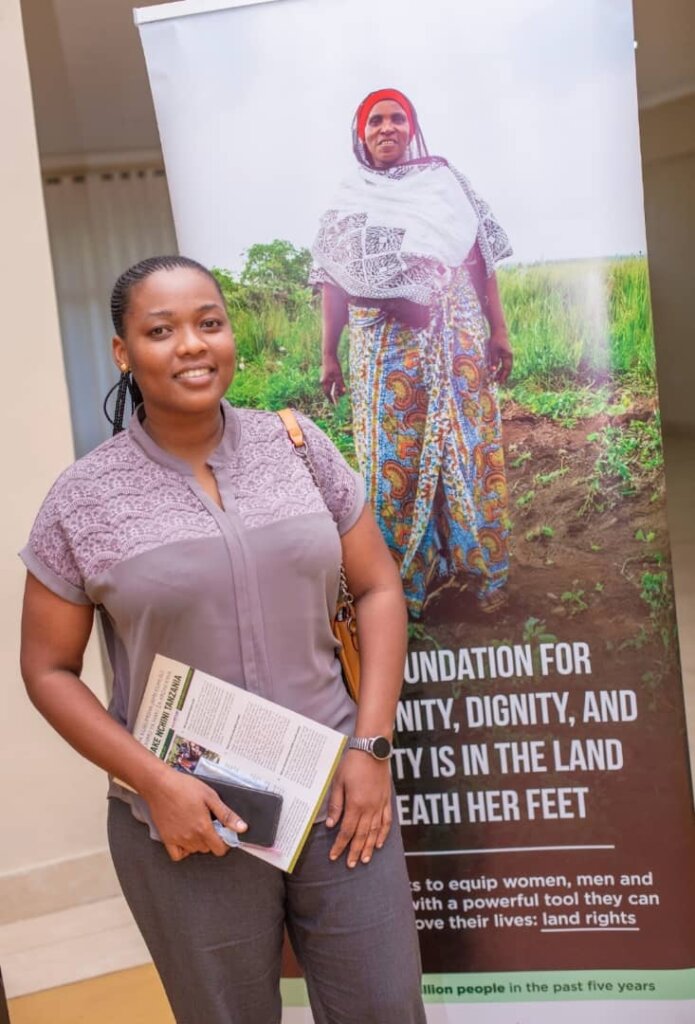
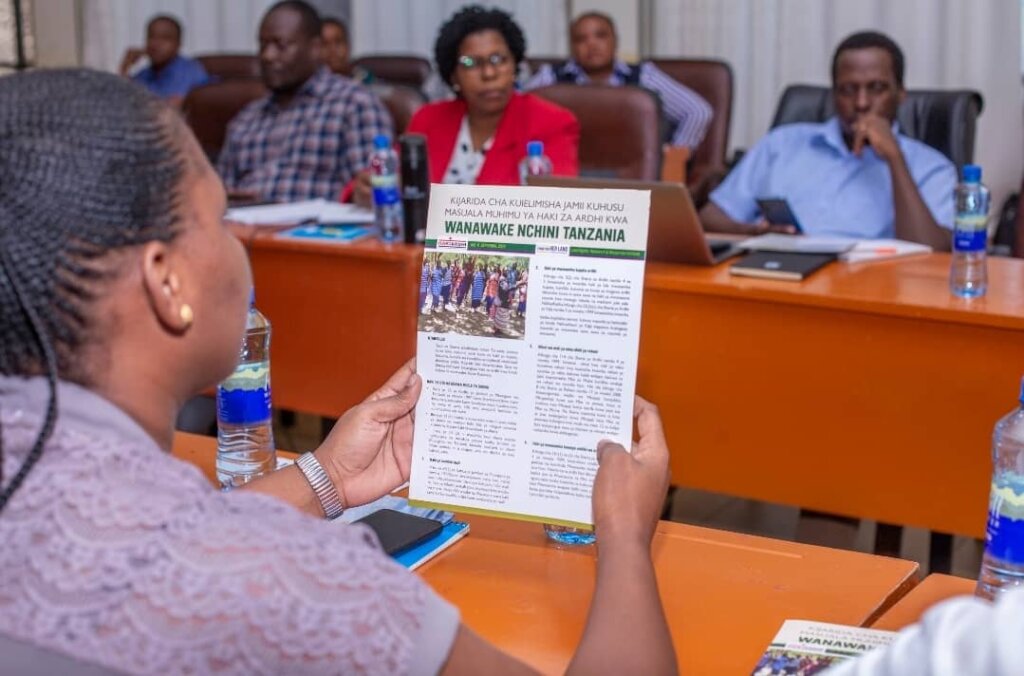
TAJPI strengthened its collaboration with Landesa Tanzania through the Stand for Her Land (S4HL) Campaign while also becoming an Associate Member of the Tanzania Human Rights Defenders Coalition (THRDC). These partnerships amplify the voices of rural women and connect community experiences with national policy dialogue.
Working alongside fellow civil society organizations, TAJPI contributed to the development of Tanzania's National Manifesto on Women's Land Rights, calling for stronger implementation of gender-responsive land laws, increased representation of women in land governance, and easier access to legal documentation.
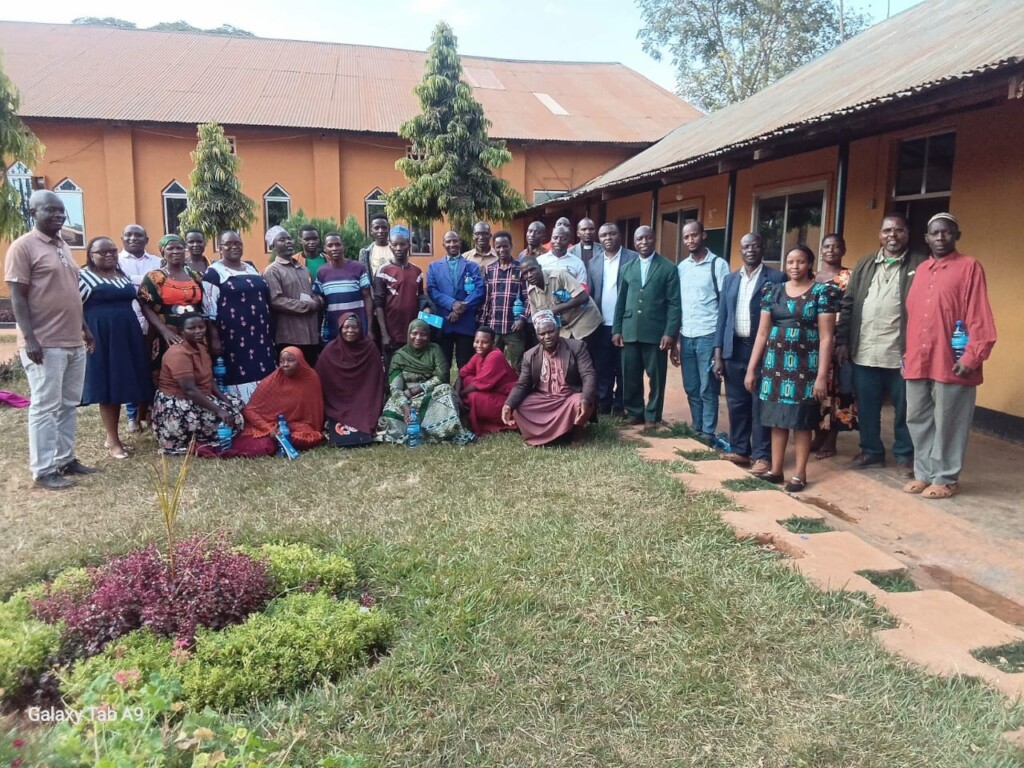
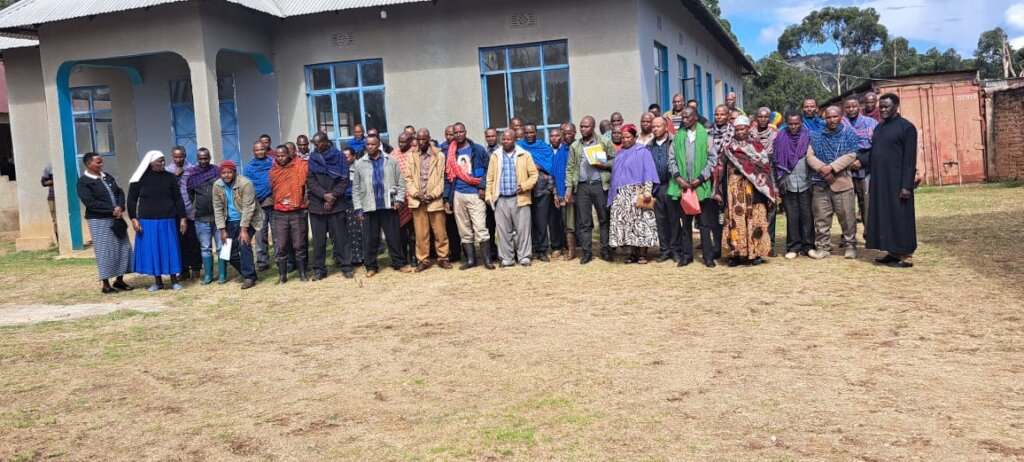
At the local level, our team met with village leaders from twelve villages across Karatu District:
Lositete, Upper Kitete, Kambiyasimba, Kilimamoja, Kilimatembo, Rhotia, Kainam-Rhotia, Ayalabe, Geykrumlambo, Chemchem, Getamo, Endala.
These consultations focused on strengthening local leadership, promoting Certificates of Customary Right of Occupancy (CCROs), and encouraging village institutions to become champions of women's land rights.
Beyond Ownership: Protecting Family Wealth across Generations
Our project goes beyond helping women obtain legal land documents.
We are empowering women to understand their legal rights to own property, jointly manage family assets, prepare lawful inheritance plans, and safeguard family wealth for future generations.
This work is especially significant among pastoralist communities such as the Maasai, where livestock and grazing land are central to livelihoods; among the Iraqw, whose farming traditions depend on secure land tenure; and among the Hadzabe Indigenous hunter-gatherer communities, whose ancestral lands are increasingly under pressure.
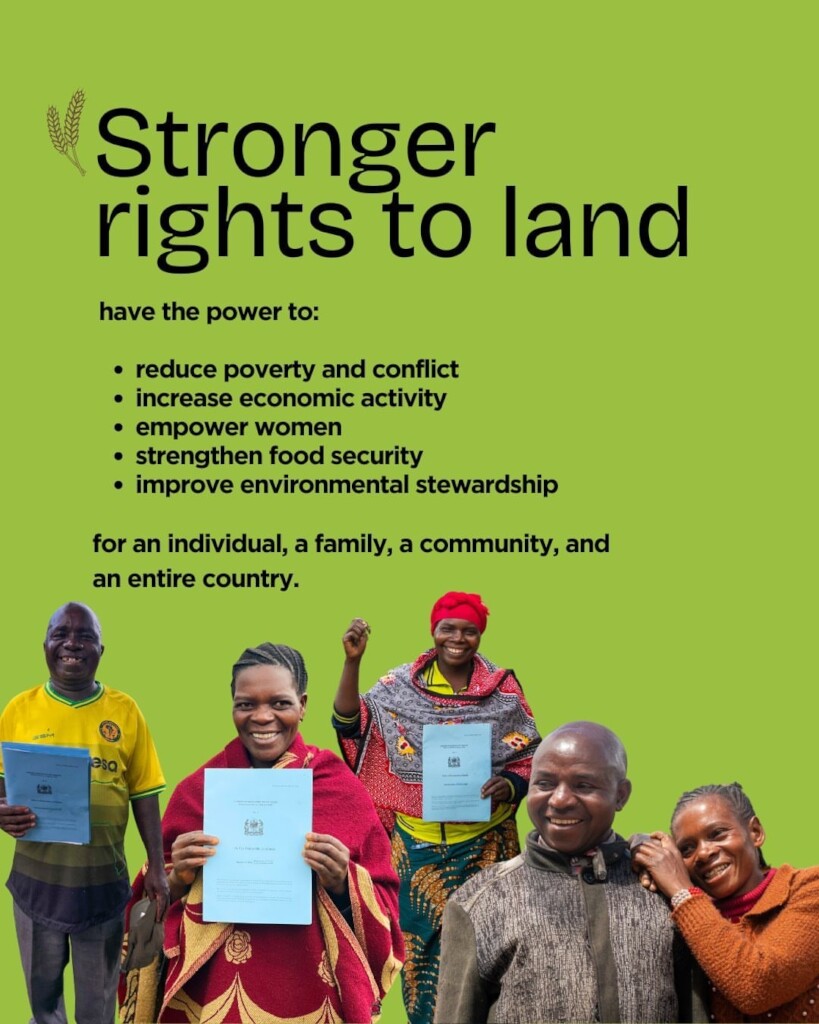
By strengthening women's understanding of inheritance law, estate management, and property rights, families become better equipped to prevent conflicts, reduce poverty, and preserve livelihoods for their children.
When women have secure rights over land and property, entire communities become more resilient.
The Law Already Protects Women—Implementation Must Follow
The greatest challenge today is no longer legislation—it is ensuring these rights become reality within villages and households.
Challenges We Continue to Address
Our field visits revealed several persistent barriers:
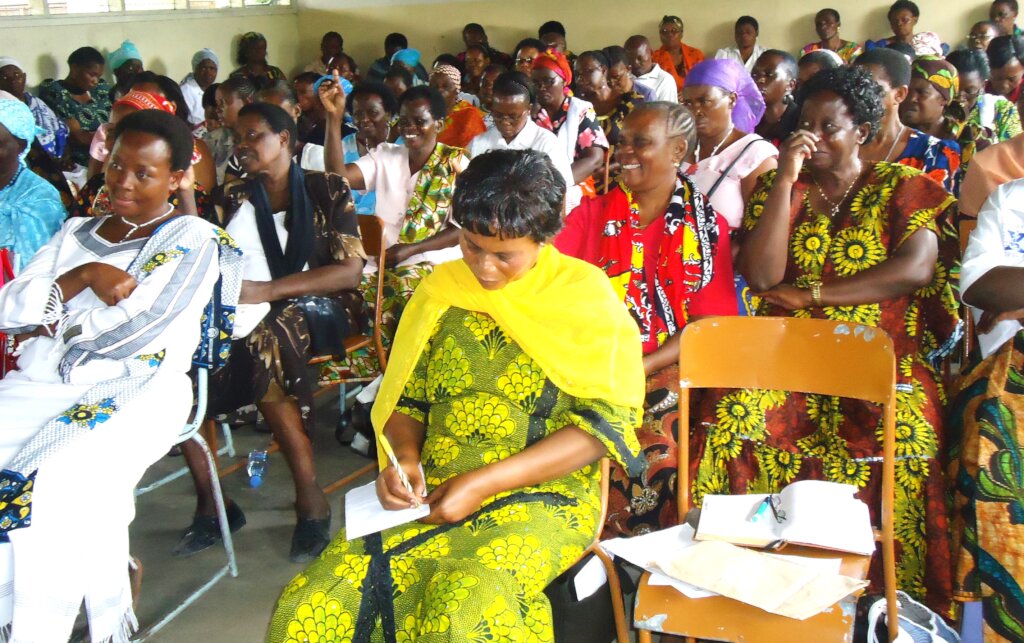
Despite these challenges, community willingness to learn continues to grow.
Stories of Change
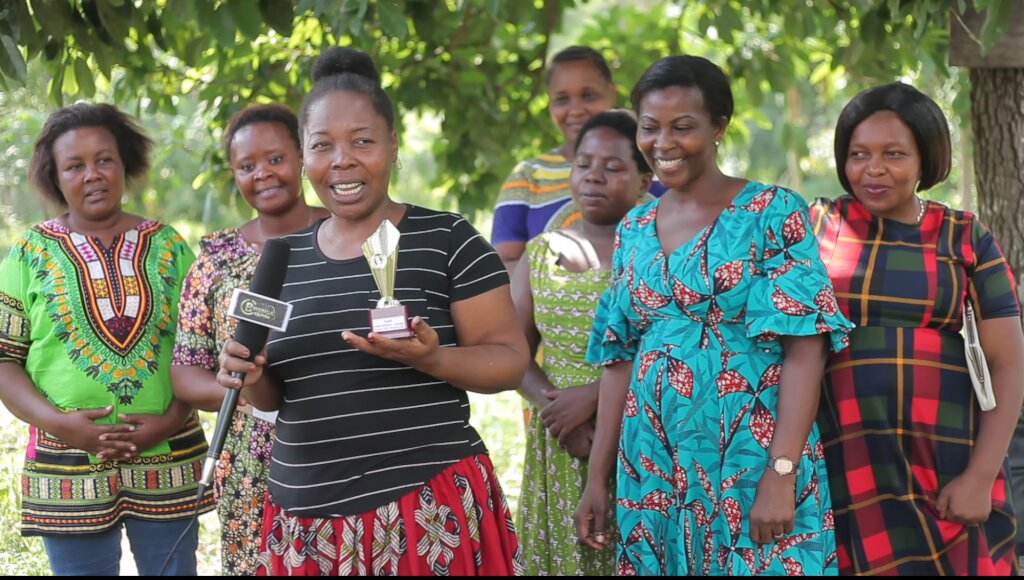
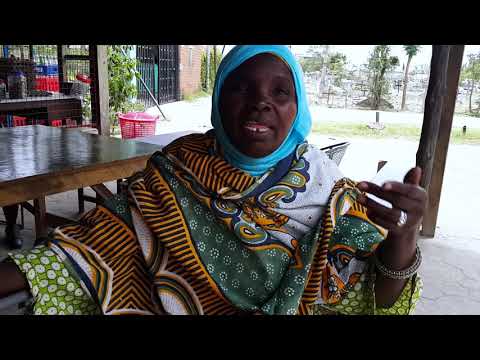
One woman from Kilimamoja Village captured the impact of this project with remarkable simplicity:
"Before, I cultivated the land but did not know if it truly belonged to me. Today I understand my rights and how to protect my family's future."
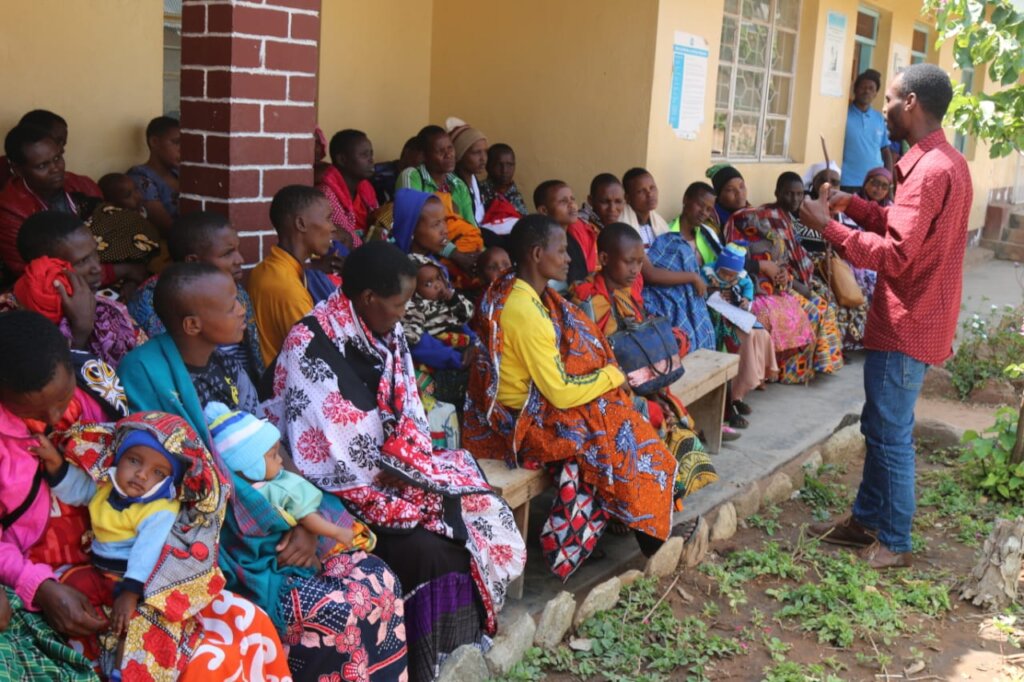
Each awareness session strengthens women's voices within their families, increases participation in village governance, reduces land disputes, and encourages long-term investment in agriculture.
Fundraising Update
Current project contributions include:
Although financial resources remain limited, local communities continue contributing volunteer time, meeting spaces, transportation, and leadership support. Their commitment demonstrates that this project is owned by the community itself.
To achieve our goal of supporting 100 women in obtaining legal land documentation, additional funding remains essential for:
Looking Ahead
During the next quarter, TAJPI will:
How You Can Help
Your support does far more than finance a project.
It helps a widow remain on her land.
It enables a daughter to inherit alongside her brothers.
It gives a mother legal authority to protect her children's future.
It helps communities replace conflict with justice.
A single contribution can help cover legal documentation, land surveys, community training, and legal awareness sessions that permanently change the lives of rural women.
Every donation is an investment in justice, equality, food security, and sustainable development.
Thank You
To every donor, volunteer, partner, and friend of TAJPI:
ü Thank you for believing that justice begins at the grassroots.
ü Because of your solidarity, women in Karatu are gaining not only legal knowledge but also confidence, dignity, and hope. Together, we are helping ensure that future generations inherit not conflict over land, but opportunity, security, and peace.
The journey continues, and we warmly invite you to remain part of it.
Project Slogan
"Land is Life — when Women Own Land, Families Prosper and Communities Flourish."
Submitted by
Br. John Cornel Sulle, OFMCap
Chief Executive Officer (CEO)
The A'ray Justice and Peace Initiative (TAJPI)
Rhotia Village, Karatu District
United Republic of Tanzania
Links:
By Br. John Cornel Sulle OFMCap | Executive Director
By Br. John Cornel Sulle OFMCap | Executive Director
Project reports on GlobalGiving are posted directly to globalgiving.org by Project Leaders as they are completed, generally every 3-4 months. To protect the integrity of these documents, GlobalGiving does not alter them; therefore you may find some language or formatting issues.
If you donate to this project or have donated to this project, you can receive an email when this project posts a report. You can also subscribe for reports without donating.



Support this important cause by creating a personalized fundraising page.
Start a Fundraiser