By Br. John Cornel Sulle OFMCap | Executive Director
Quarterly Project Report – February 2026
Project: Influencing Land Rights for Women in Karatu District
Introduction
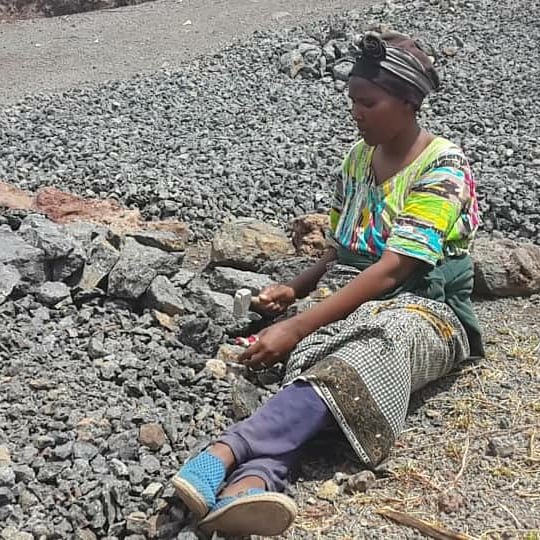
In Karatu District, land is not simply a productive asset; it is the foundation of food security, household income, social status, and intergenerational stability. More than 70% of households depend directly on smallholder agriculture. Yet, for many women, access to land remains informal, undocumented, and insecure. This structural vulnerability limits agricultural investment, weakens bargaining power within households, and increases exposure to dispossession following widowhood, divorce, or family disputes.
TAJPI’s 2019 baseline assessment in Karatu revealed three systemic gaps: limited awareness of statutory land rights among women, persistent customary practices restricting female inheritance, and minimal female representation in village land governance structures. Despite the progressive provisions of Tanzanian law, implementation remains uneven at village level.
In response, TAJPI launched the “Influencing Land Rights for Women in Karatu District” project, with the objective of supporting 100 women to formalize their land ownership and obtain legal documentation, including Title Deeds. Our approach integrates legal literacy, institutional engagement, and policy advocacy. Even under constrained financial resources, the project continues to advance due to strong volunteerism and strategic partnerships.
Strategic Collaboration and National Engagement
During this reporting period, TAJPI strengthened collaboration with LANDESA through the Stand for Her Land (S4HL) campaign in Tanzania. This partnership positioned grassroots realities from Karatu within a national advocacy framework.
Together with other civil society actors, we contributed to the development of a National Manifesto on Women’s Land Rights in Tanzania. The manifesto articulates coordinated demands for improved enforcement of gender-equal land laws, enhanced representation of women in land administration, and simplified access to land documentation.
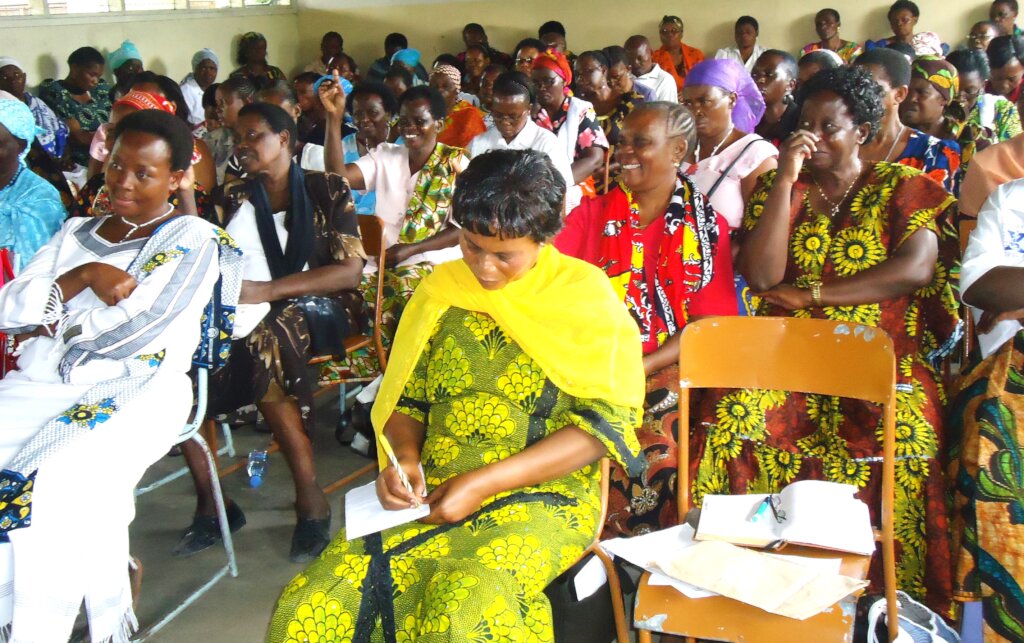
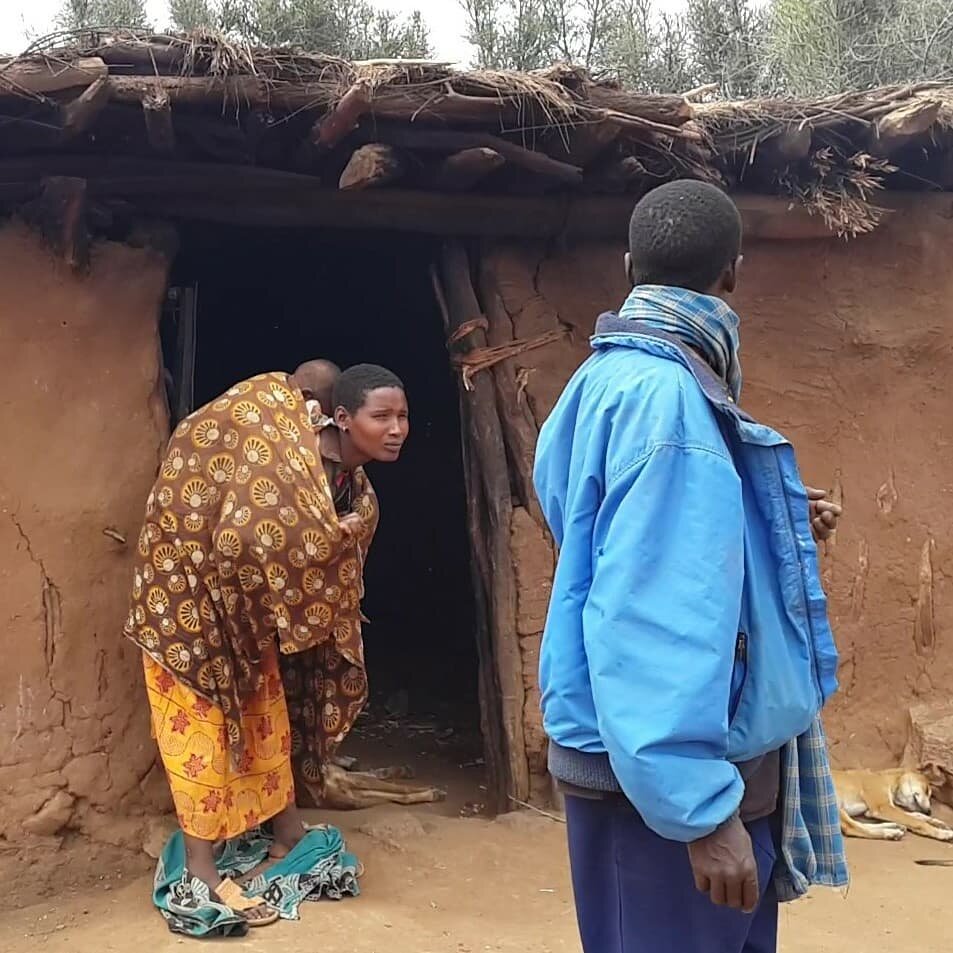
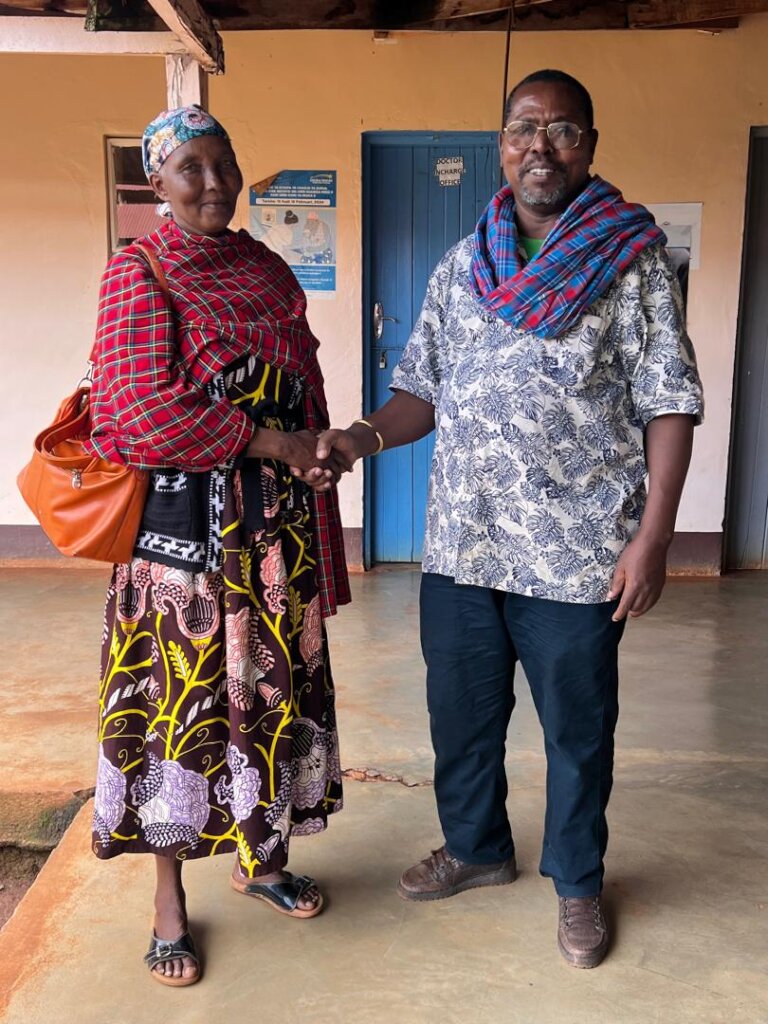
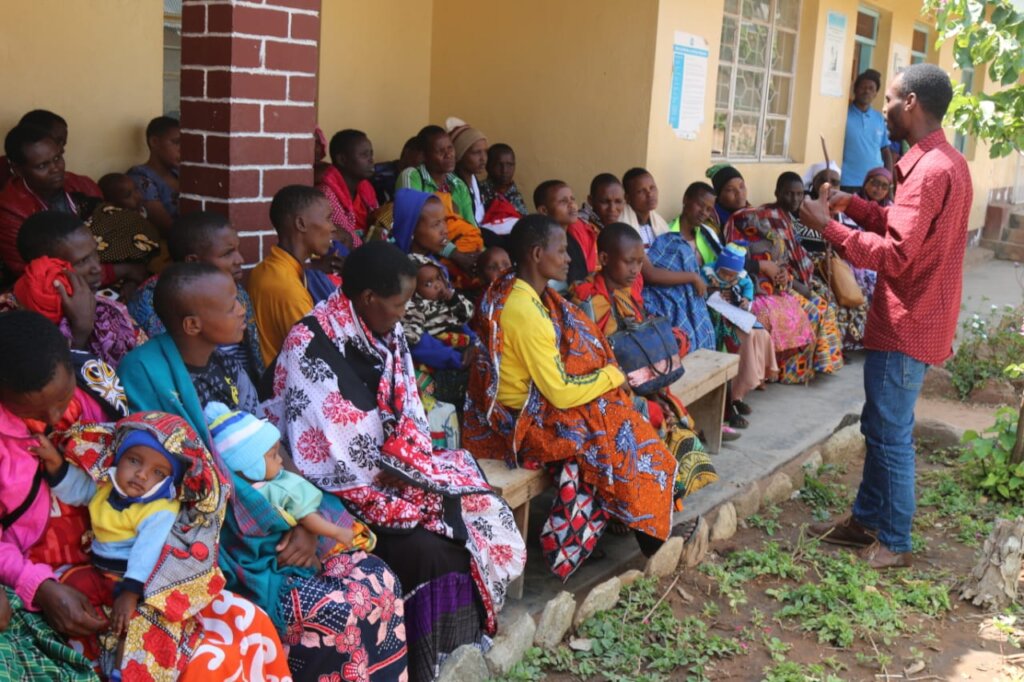
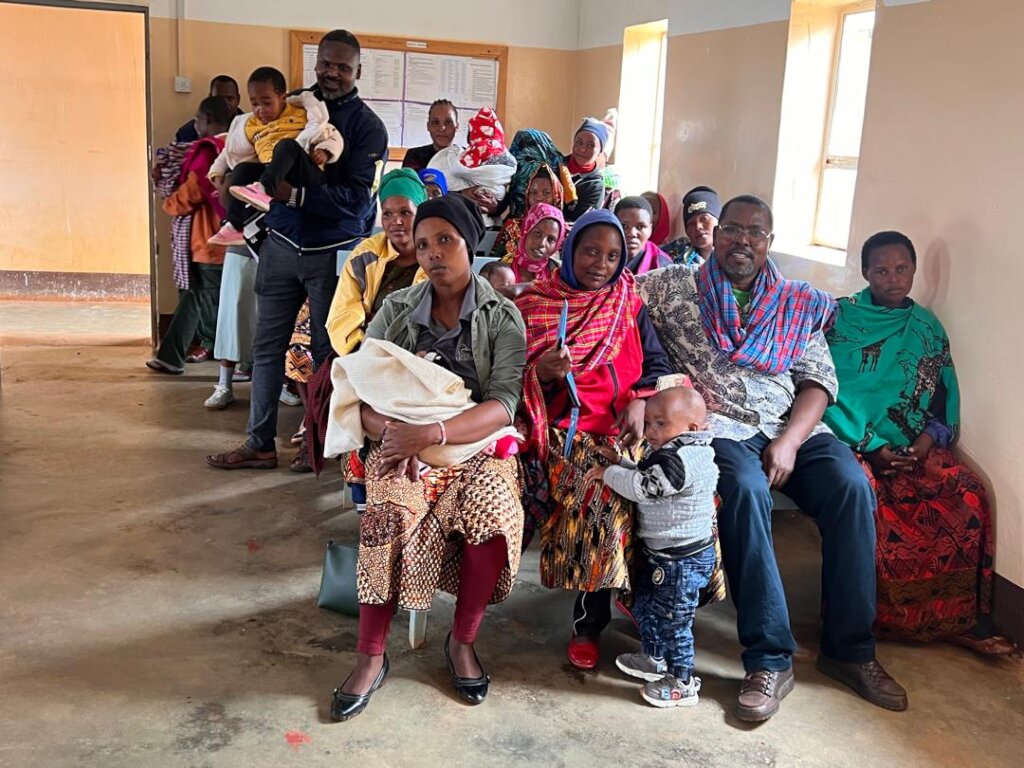
At district level, TAJPI conducted consultative visits with leadership in twelve villages: Lositete, Upper Kitete, Kambiyasimba, Kilimamoja, Kilimatembo, Rhotia, Kainam-Rhotia, Ayalabe, Geykrumlambo, Chemchem, Getamo, and Endala. These engagements focused on strengthening political will, clarifying procedural requirements for Certificates of Customary Right of Occupancy (CCROs), and promoting gender-responsive village land governance.
Legal and Policy Framework
Women’s land rights in Tanzania are not aspirational; they are legally grounded.
Article 13 of the Constitution of the United Republic of Tanzania guarantees equality before the law and prohibits discrimination based on gender.
The Land Act No. 4 and Village Land Act No. 5 of 1999 explicitly recognize equal land rights for women and men, including rights to acquire, hold, use, and transfer land.
Internationally, Tanzania is a signatory to the Convention on the Elimination of All Forms of Discrimination against Women (CEDAW), the Maputo Protocol, and is committed to the Sustainable Development Goals (SDGs), particularly Goal 5 on gender equality and Goal 1.4 on equal rights to economic resources, including land.
The challenge, therefore, is not legislative absence but implementation deficits at local level.
Challenges Identified
Field consultations and village dialogues identified persistent barriers:
These factors collectively reinforce structural inequality, making external technical and financial support indispensable.
Activities and Outcomes This Quarter
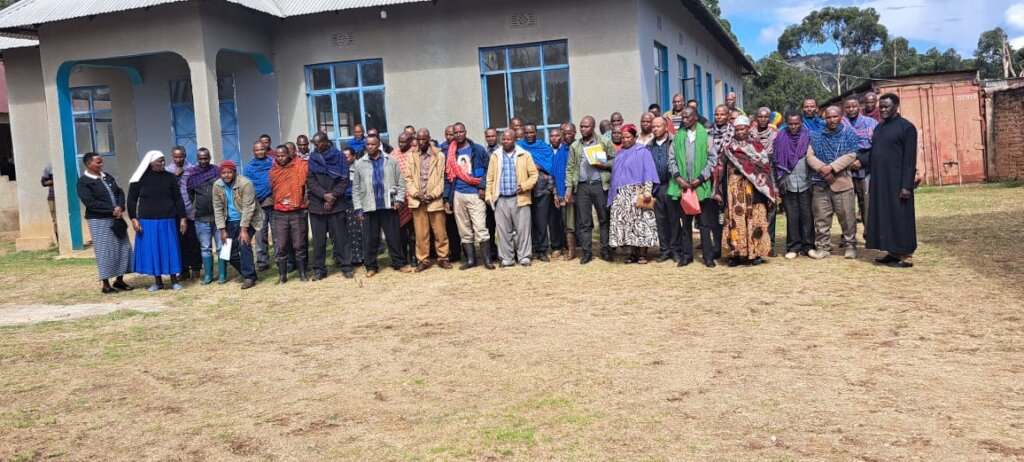
Awareness Sessions with Local Leaders
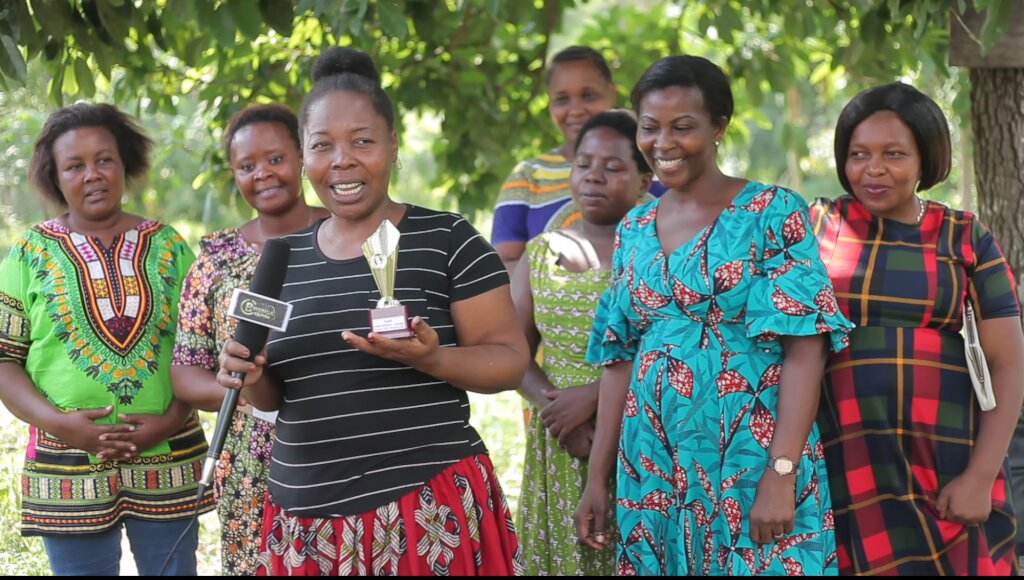
Village leaders reported improved understanding of gender-equal land provisions under national law. In several villages, leaders expressed willingness to include more women in land-related committees and to support joint spousal registration of land.
Participation in Stand for Her Land (S4HL) Campaign
TAJPI co-developed and endorsed a national manifesto advocating for systematic enforcement of women’s land rights. This elevated local concerns from Karatu to national policy discourse and strengthened collective advocacy leverage.
Fundraising Update
To date, TAJPI has mobilized:
Local community members have demonstrated ownership by contributing financially and through volunteer time. However, to reach the target of securing legal documentation for 100 women, additional funding is required for surveying, legal facilitation, administrative processing, and sustained community training.
Impact Narrative: From Vulnerability to Agency
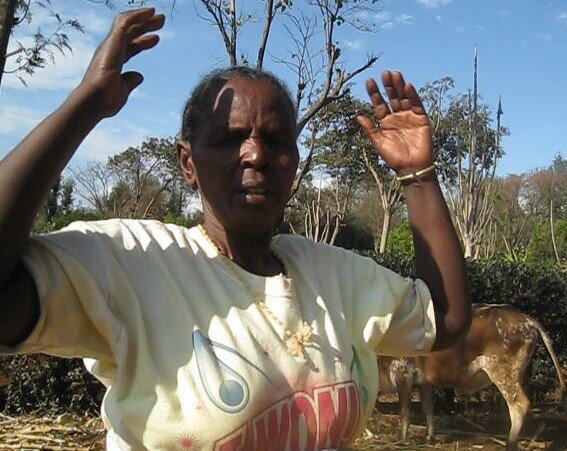
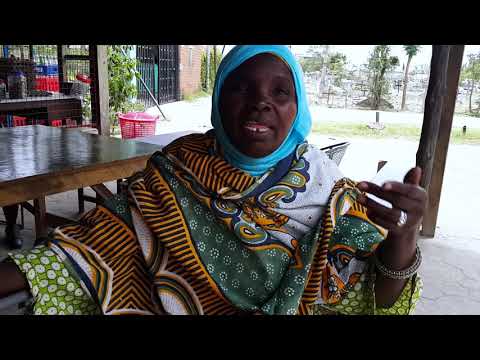
One participant from Rhotia village summarized the transformation succinctly: “Before, I cultivated the land but did not know if it was truly mine. Now I understand the process and my rights.”
Legal awareness shifts power dynamics. When women understand statutory protections, they engage differently in family negotiations, village assemblies, and land dispute resolution. Securing documentation reduces conflict risk, encourages agricultural investment, and strengthens household resilience. Land security is directly correlated with improved food production, children’s education stability, and long-term poverty reduction.
This project is not solely about documentation; it is about institutional accountability and gender-responsive governance.
Next Quarter Plans (March 2026 – May 2026)
Call to Action
For Development Partners and Donors: Invest in scalable models of legal empowerment. A modest contribution directly supports land surveys, documentation processes, and structured legal training for women.
Land tenure security is a high-impact intervention. Empirical studies across Sub-Saharan Africa demonstrate that secure land rights for women increase agricultural productivity, improve household welfare, and reduce gender-based economic vulnerability. Supporting this initiative yields measurable social return on investment.
Appreciation
TAJPI extends sincere gratitude to all supporters. Local contributions have demonstrated community ownership. However, scaling impact requires sustained external partnership.
Empowering women to secure land rights is a structural intervention in poverty reduction, gender equity, and sustainable rural development. When women gain legal control over land, families stabilize, agricultural output improves, and communities become more resilient.
Project Slogan:
“Land is Life — when Women Are Empowered, Society rises”
Submitted by:
The A’ray Justice and Peace Initiative (TAJPI)
Rhotia Village, Karatu District
February 2026
Links:
Project reports on GlobalGiving are posted directly to globalgiving.org by Project Leaders as they are completed, generally every 3-4 months. To protect the integrity of these documents, GlobalGiving does not alter them; therefore you may find some language or formatting issues.
If you donate to this project or have donated to this project, you can receive an email when this project posts a report. You can also subscribe for reports without donating.



Support this important cause by creating a personalized fundraising page.
Start a Fundraiser