By James Calabaza | National Program Coordinator
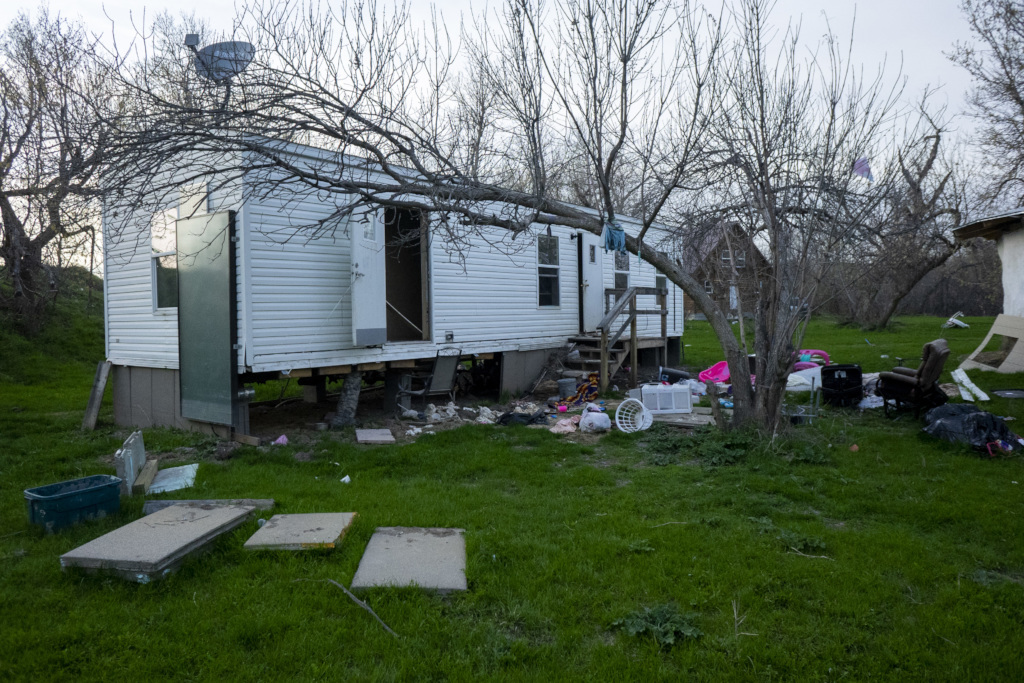
According to meteorologists, the “bomb cyclone” (winter storm with pressure equivalent to a Category 2 hurricane) that hit the U.S. midwest in the early part of March was an unprecedented and historic climate event. For Lakota communities across South Dakota, this storm caused catastrophic flooding that destroyed homes, damaged roads, and left many families stranded.
"I never knew what a "bomb cyclone" was, until it exploded right on top of me and my family.” - Henry Red Cloud
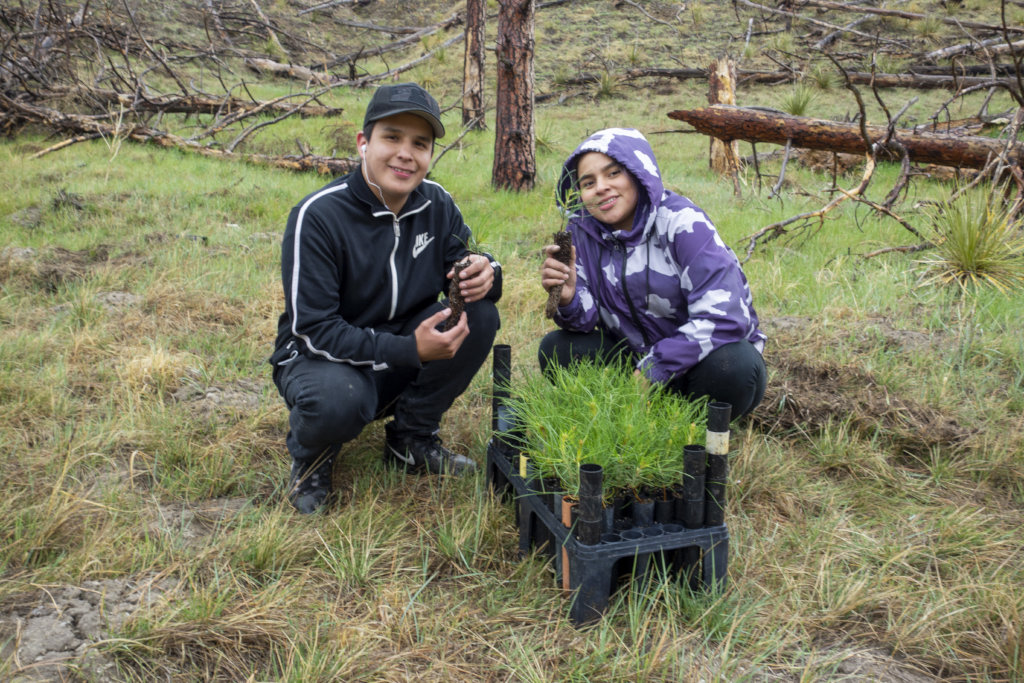
The Red Cloud Renewable Energy Center (RCREC) was under 2 feet of water at certain points of the storms, and the majority of the main level’s furniture and infrastructure was damaged. Nevertheless, last week we had the opportunity to join the hardworking and dedicated crew of tree planters that insisted on continuing our joint reforestation project, even despite cold rains and wind that occurred on the first day of planting. We were not only surprised by this show of resiliency, but also the jovial and passionate energy that everyone brought with them to the project.
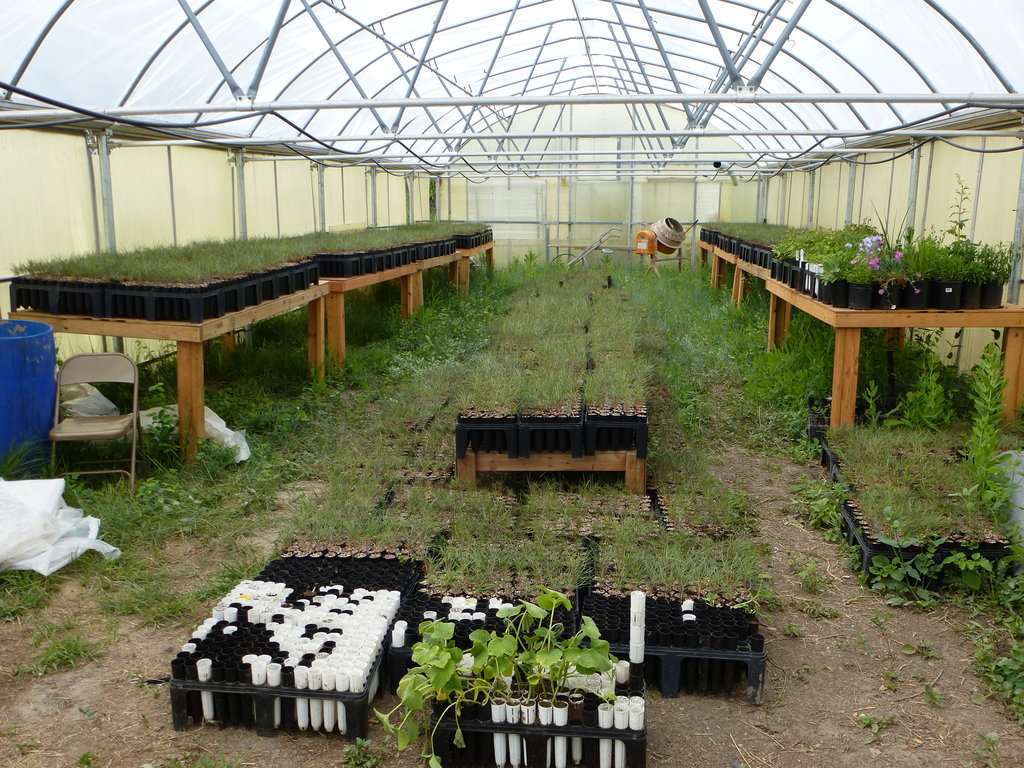
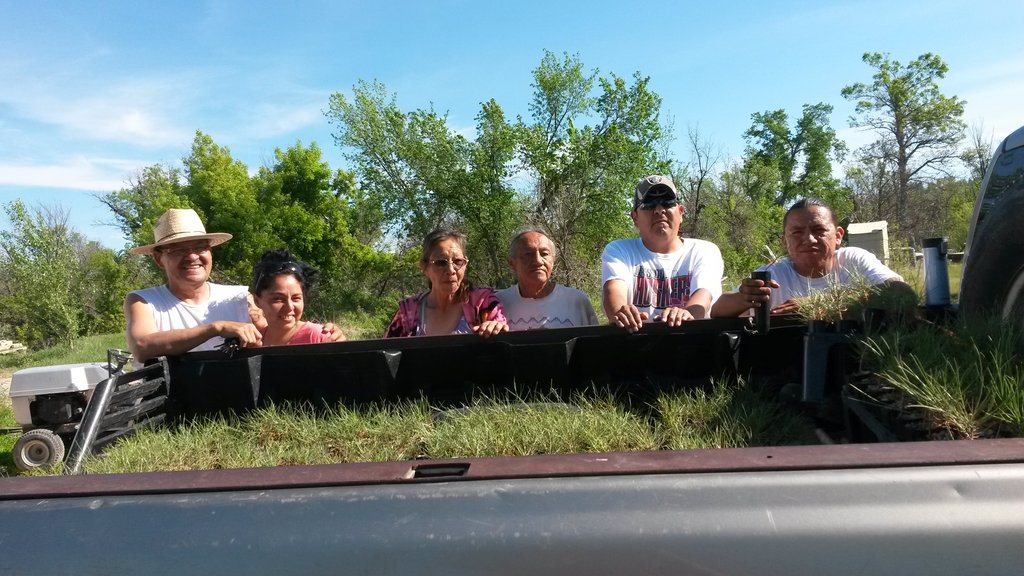
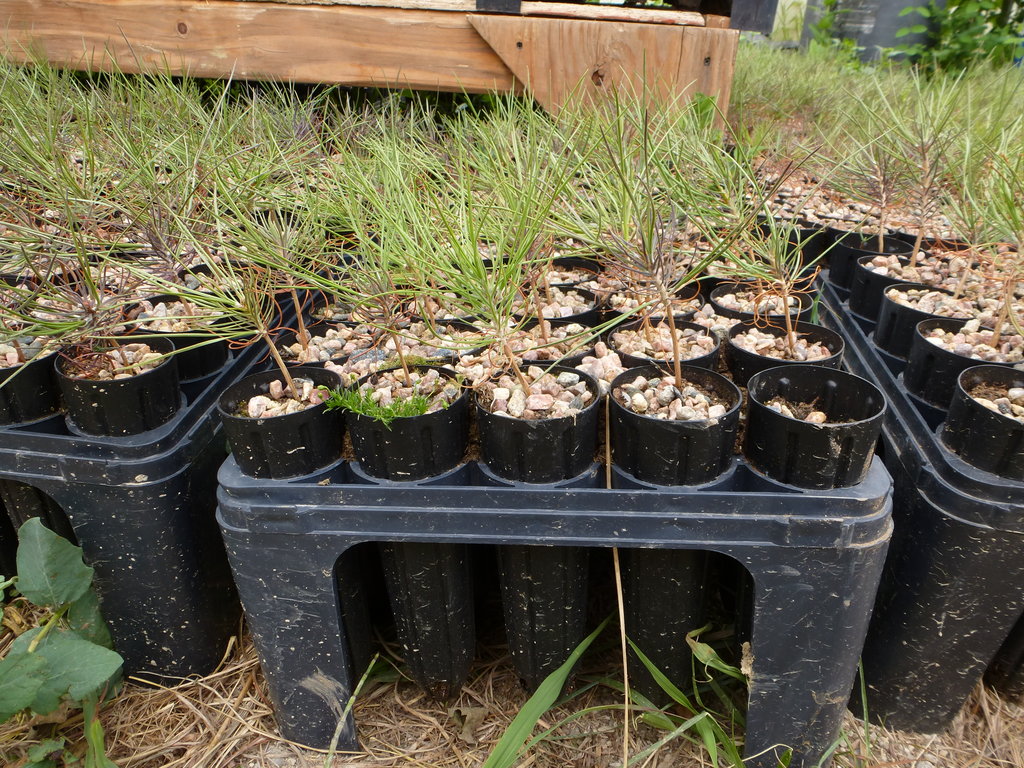
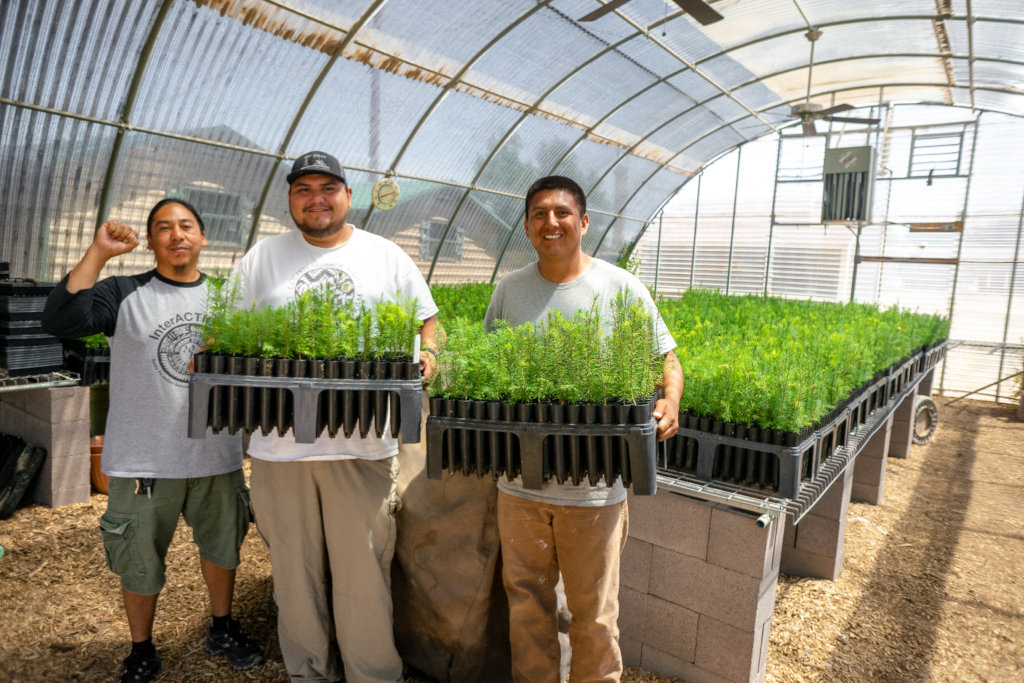
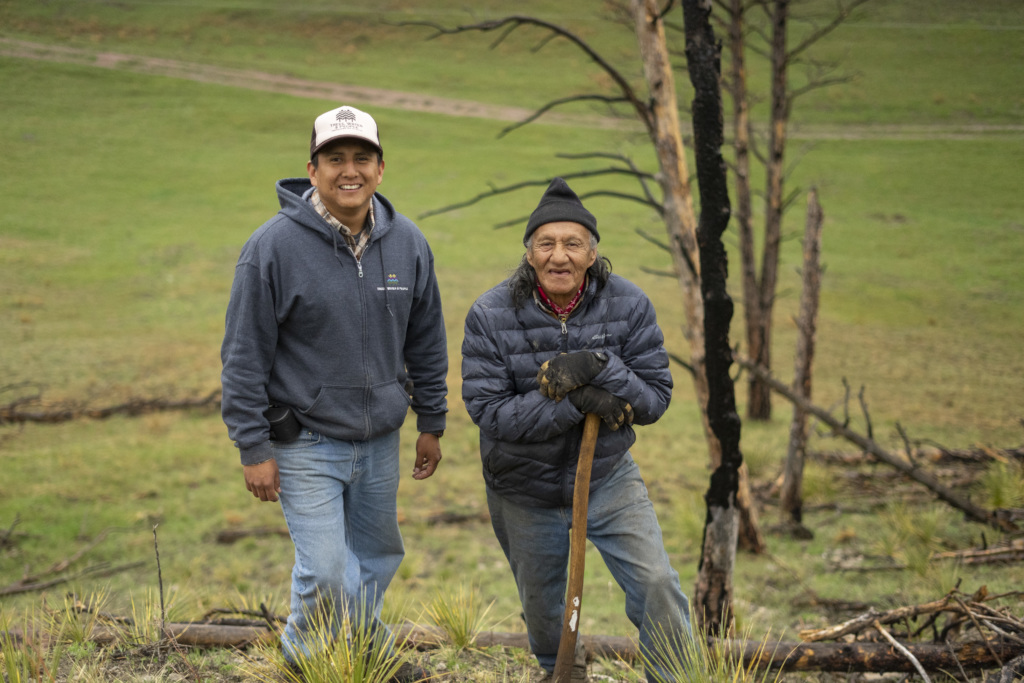
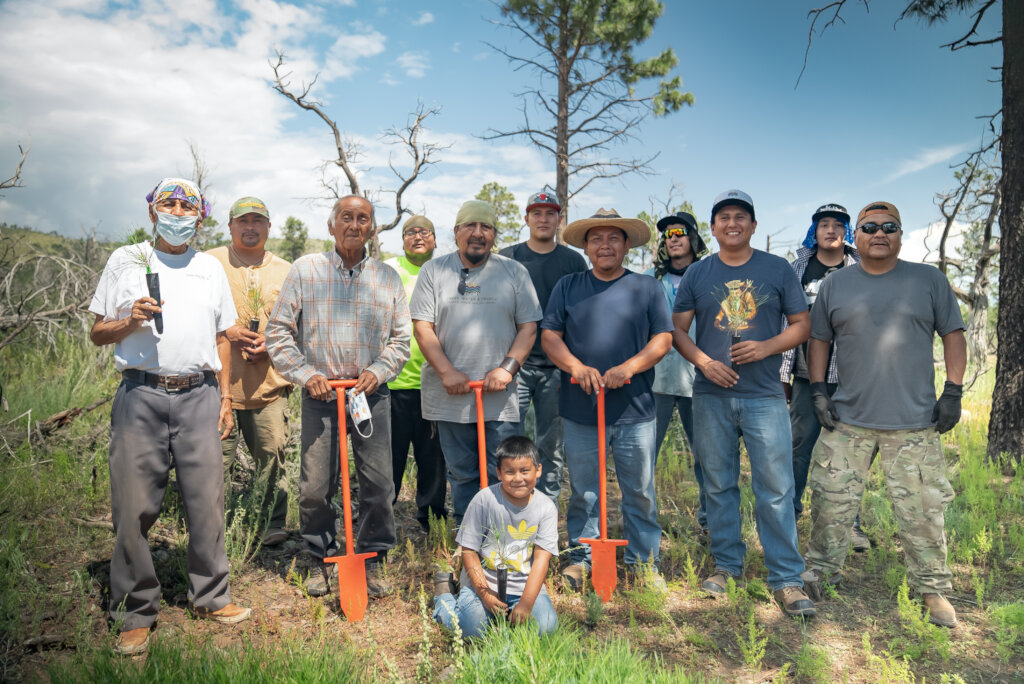
We arrived at the RCREC on a warm Sunday evening with a trailer full of healthy Ponderosa Pine seedlings, our pickup bed carrying hoedads, and cameras in hand. By Monday morning, it seemed questionable whether or not we would begin working in the field. The temperature was cold and a light mist had settled in that carried throughout the rest of the day. There was a crew of about 8 Lakota tree planters, however, they didn’t seem to mind the weather. Some were new to reforestation, others have been part of the project for years.
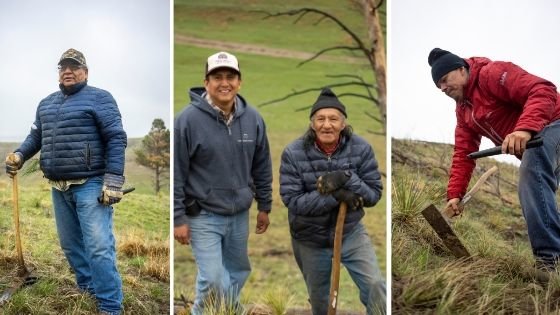
Ivan Lookinghorse, a Lakota spiritual leader from Cheyenne River Sioux Tribe, has come out to tree planting for 2 years now and had this to say:
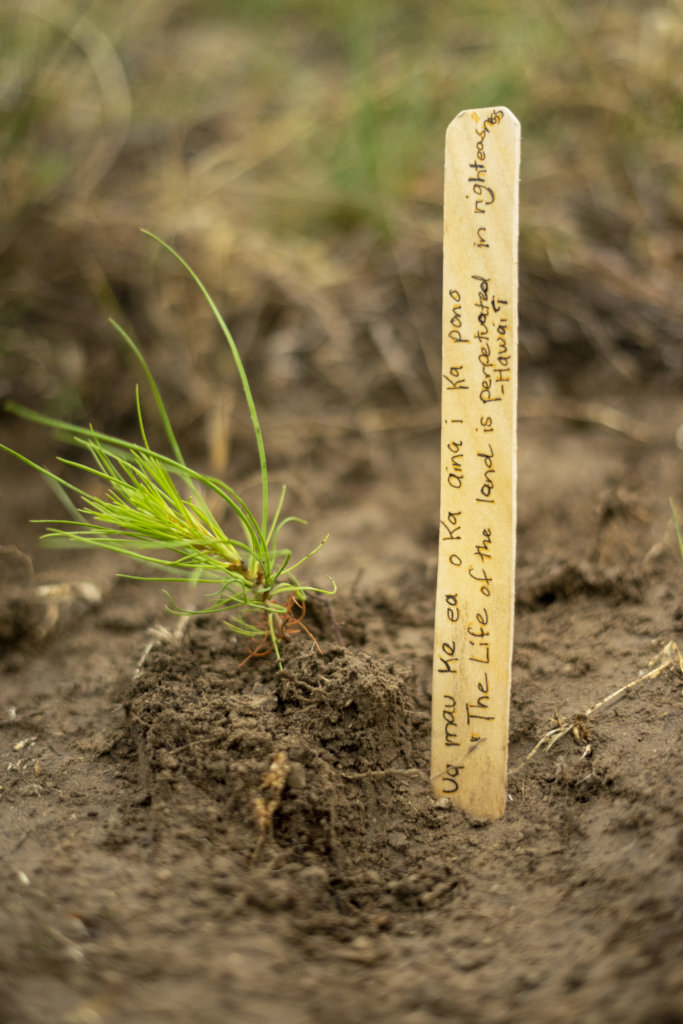
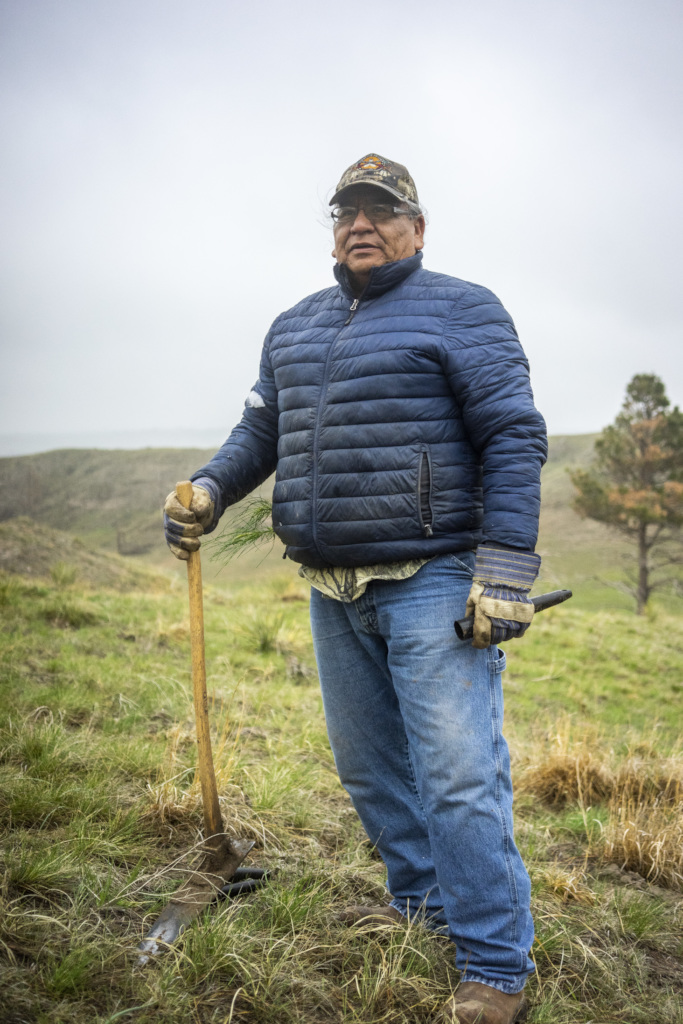
"As Lakota people, we believe trees and Mother Earth have a heartbeat. That heart has been damaged, and it's our job to take care of it. Lena Wazizi Can Waka (These Pine Trees Are Sacred). What we’re doing planting these trees is honoring the sacred hoop of life; we’re not only helping the environment but we’re also focusing on teamwork and community development. We’re becoming relatives with the Earth again" - Ivan Lookinghorse, a spiritual leader from Cheyenne River Indian Reservation pictured in first photo.
Needless to say, these trees are being planted with a degree of spiritual intention that is hard to put into words. Throughout the few days we spent with the Lakota crew, we got to experience everyone’s friendly jokes, witness others lending a helping hand to new crewmembers, and overall were honored to spend time alongside such an extremely dedicated group. And when it came to planting actual trees, the crew was concerted, effective and powerful.
The Lakota crew aimed to plant 13,000 trees over the course of 10 days near the RCREC for ease of transportation and logistics given the recent floods. Tomorrow will mark the 10th day, and we will take the remaining Ponderosa Pines up to Bear Butte near Cheyenne River Tribal Lands next week. We were tremendously happy with last year's 94% survival rate of trees that were planted, and we hope to report the survival rate of these trees as soon as they have time to settle in the ground and spread their roots. Next, we will be planting in New Mexico around late July/early August, but you can stay abreast on most of our reforestation projects by following us on social media as well! Thank you for supporting reforestation on U.S. Tribal Lands.
Project reports on GlobalGiving are posted directly to globalgiving.org by Project Leaders as they are completed, generally every 3-4 months. To protect the integrity of these documents, GlobalGiving does not alter them; therefore you may find some language or formatting issues.
If you donate to this project or have donated to this project, you can receive an email when this project posts a report. You can also subscribe for reports without donating.



Support this important cause by creating a personalized fundraising page.
Start a Fundraiser