By Harriet Babikako | Director
Activity Period: July-September, 30th 2026
Location: Kamuli District, Uganda
Implementing Organisation: Child and Family Foundation Uganda (CFU)
Target Group: Adolescent Girls
1. Introduction
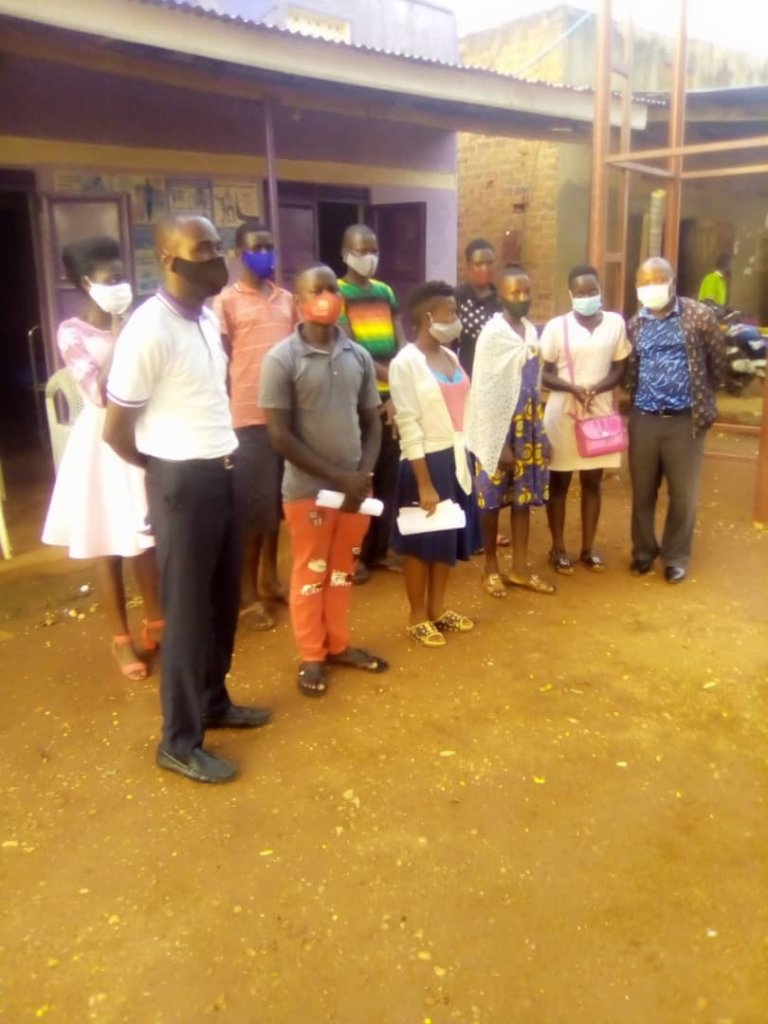
Child and Family Foundation Uganda (CFU) conducted a practical menstrual hygiene activity in Kamuli District during the last quarter of 2026, aimed at equipping adolescent girls with skills to make reusable sanitary pads using locally available and affordable materials.
Limited access to affordable menstrual hygiene products can affect girls' dignity, comfort, school attendance and participation in community activities. The activity therefore combined menstrual health education with practical skills development to promote self-reliance, sustainable menstrual hygiene practices and girls' empowerment.
2. Objectives
The activity aimed to:
Equip girls with practical skills to make reusable sanitary pads using locally available materials; and Increase girls' knowledge and awareness of menstrual hygiene management.
3. Participants
The activity targeted adolescent girls in communities supported by Child and Family Foundation Uganda in Kamuli District. The girls participated in both menstrual health education and hands-on pad-making sessions.
CFU staff and facilitators guided the girls through the practical process while creating a safe environment for discussion and questions about menstruation.
4. Materials Used
The girls were trained to use locally available materials, including:
Clean cotton and absorbent fabrics- Measuring tape, Buttons, press studs or other suitable fasteners, Clean, soft recycled cotton clothing, Towel material for additional absorbency, Thread and needles, Sewing machines where available, Scissors
The importance of using clean, safe and skin-friendly materials was emphasised throughout the activity.
5. Activities Conducted
The session started with menstrual health education, covering menstruation, personal hygiene, safe menstrual practices and common challenges experienced by adolescent girls.
The facilitators then demonstrated how to make reusable sanitary pads. The girls actively participated by:
The girls were also taught how to properly wash, dry and store reusable pads to maintain hygiene and prolong their useful life.
6. Key Achievements
The activity achieved the following:
7. Challenges
Some challenges identified during the activity included limited access to sewing equipment, differences in participants' sewing experience, availability of suitable absorbent materials and limited time for practical training. Some participants were also initially shy about discussing menstruation. This was addressed by creating a supportive and confidential environment for questions and discussion.
8. Lessons Learned
The activity demonstrated that combining menstrual health education with practical skills development makes learning more engaging for adolescent girls. The hands-on approach enabled participants to immediately apply what they had learned.
The activity also showed the potential for reusable pad-making to become more than a menstrual hygiene intervention by providing girls with a practical skill that could potentially contribute to self-reliance and income generation.
9. Recommendations
CFU recommends that:
10. Conclusion
The menstrual hygiene activity conducted by Child and Family Foundation Uganda in Kamuli District during the last quarter of 2026 successfully provided adolescent girls with practical skills for making reusable sanitary pads from locally available materials.
The activity contributed to improved menstrual health knowledge, confidence and self-reliance among participating girls.
By Nakalembe Ruth | Program Officer
By Ruth Nakalembe | Program Officer
Project reports on GlobalGiving are posted directly to globalgiving.org by Project Leaders as they are completed, generally every 3-4 months. To protect the integrity of these documents, GlobalGiving does not alter them; therefore you may find some language or formatting issues.
If you donate to this project or have donated to this project, you can receive an email when this project posts a report. You can also subscribe for reports without donating.



Support this important cause by creating a personalized fundraising page.
Start a Fundraiser