By Tejaswani | Mental Health Counselor
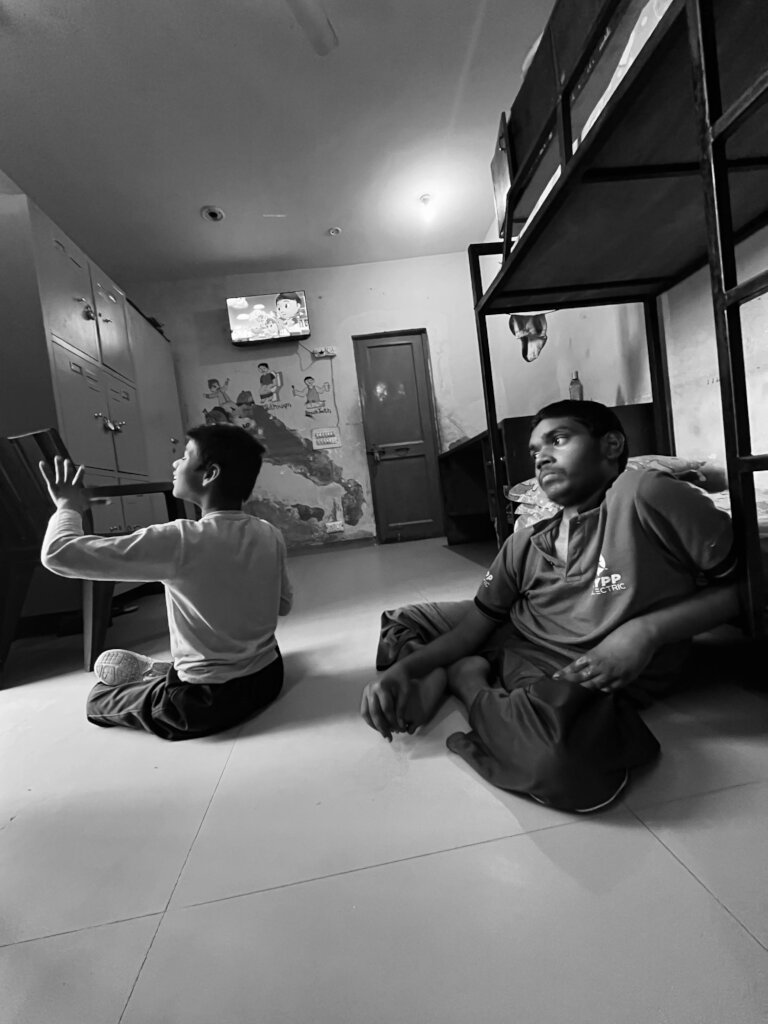
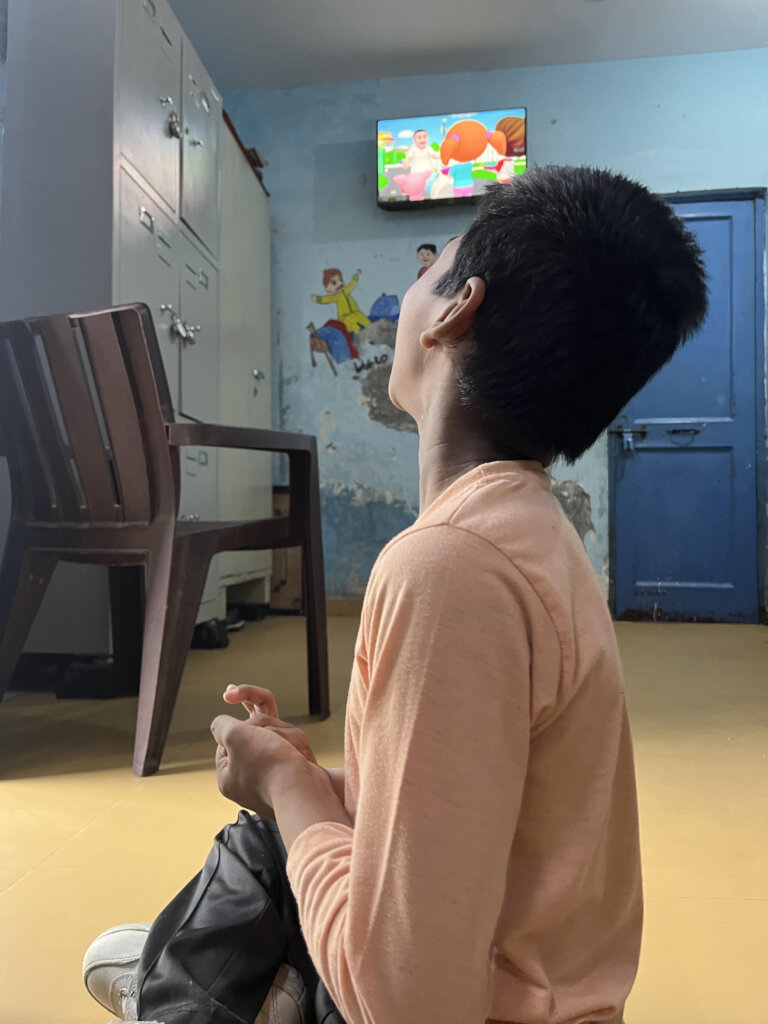
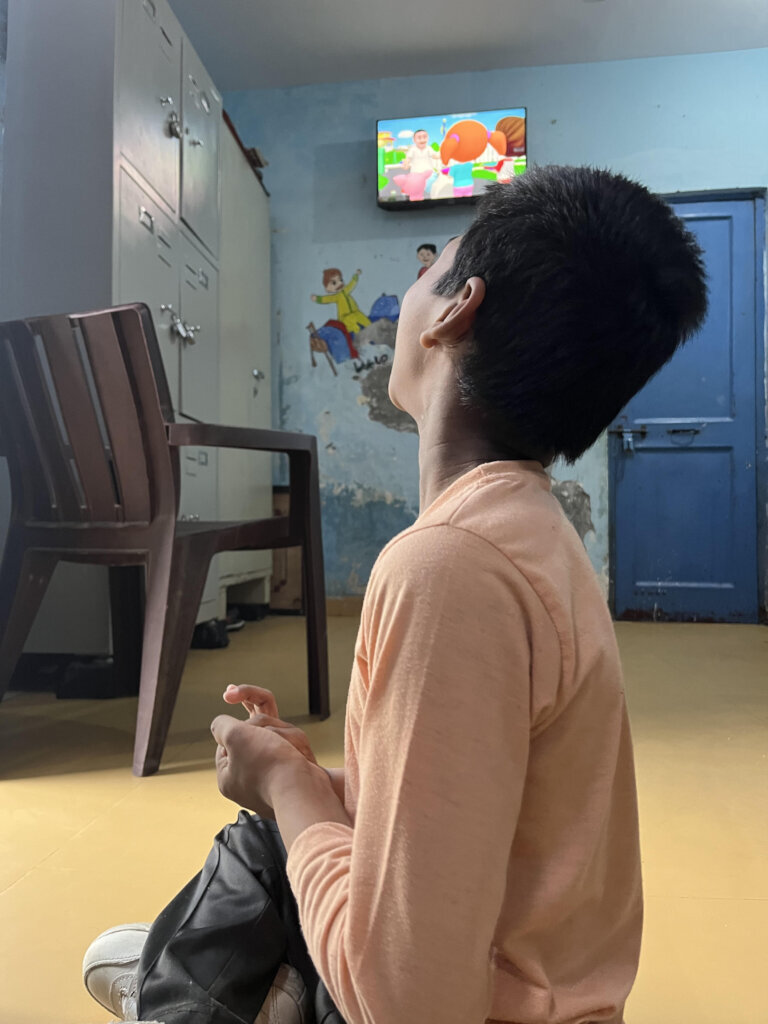
Established in 2018, the Child Development Unit (CDU) at Aasra Home for Boys was created when the Salaam Baalak Trust (SBT) recognized that several rescued children had unique, specialized needs that differed significantly from those of neurotypical children. Driven by a deep commitment to care for every child, SBT established this dedicated space to ensure children with diverse abilities are never left behind.
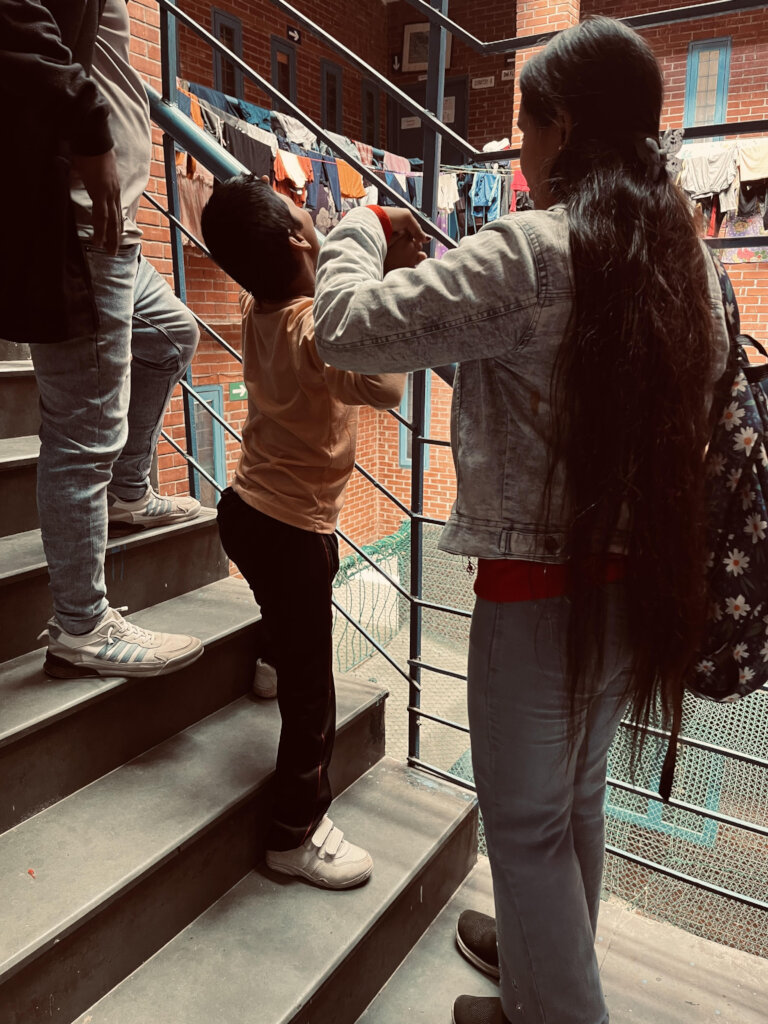
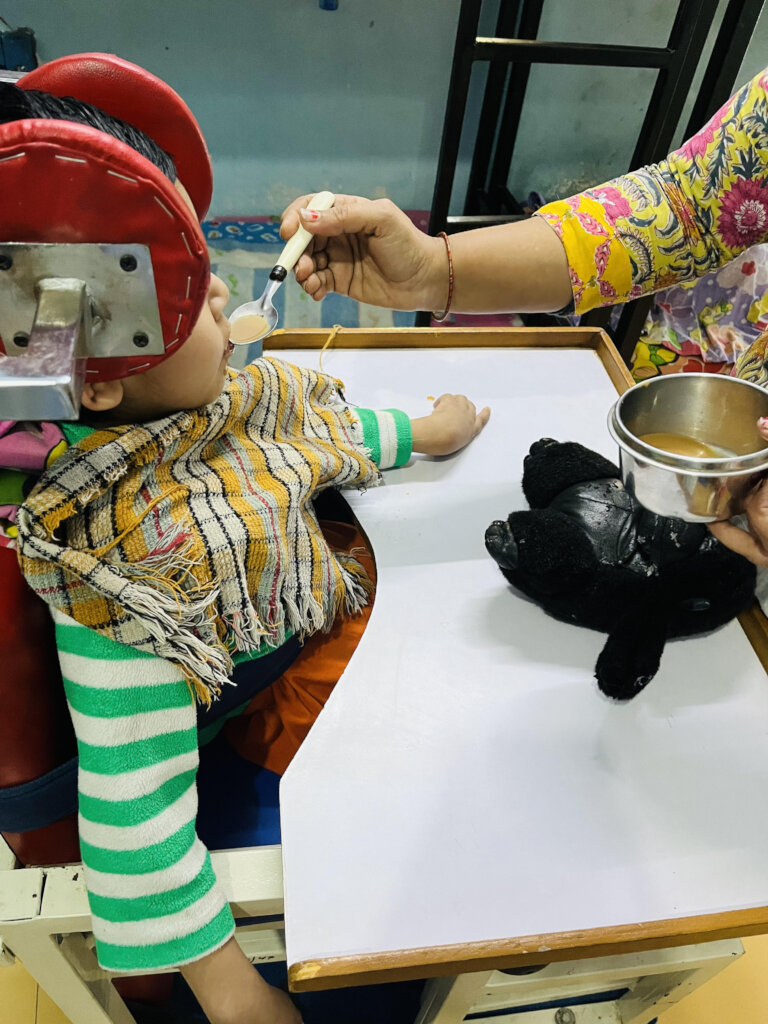
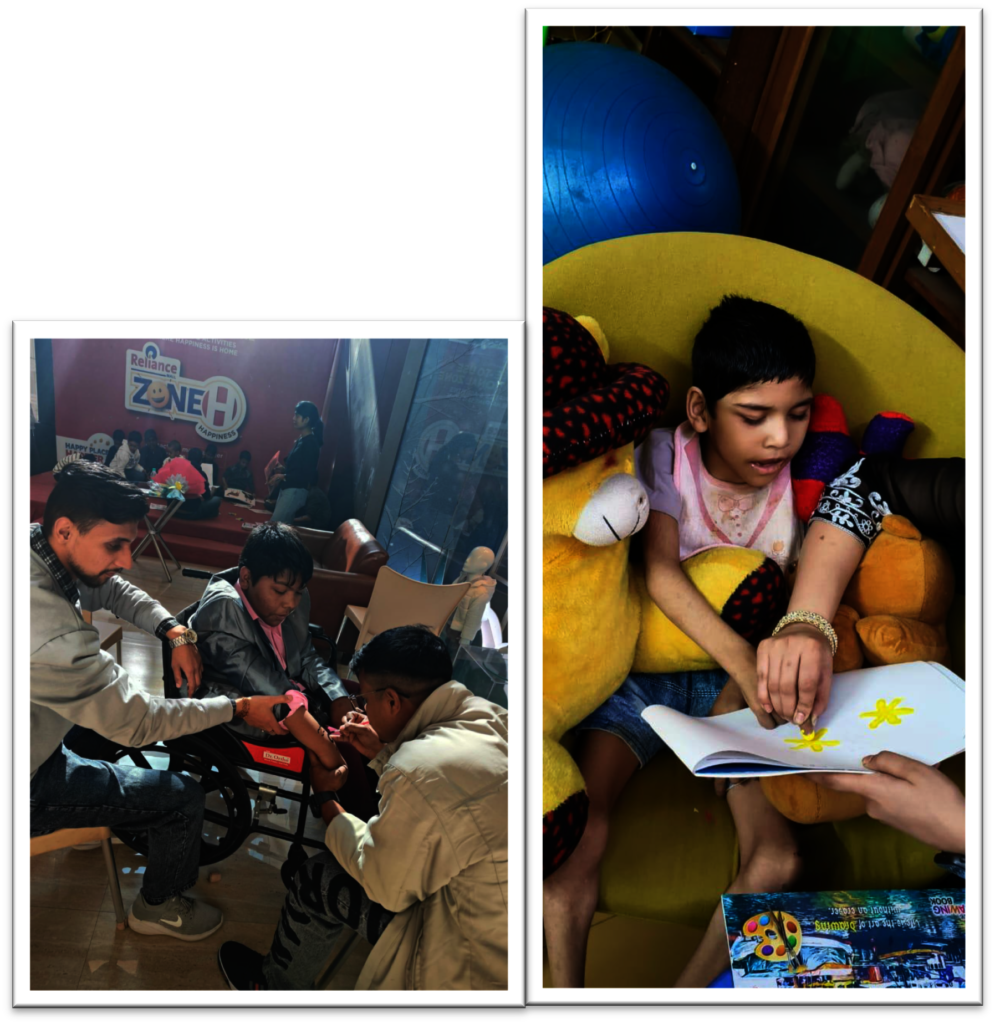
The CDU provides round-the-clock (24/7) care, which includes continuous supervision, tailored nutrition, and comprehensive medical support. Caregivers attend to the children's daily hygiene, toilet training, and timely clothing changes, all while maintaining a pristine, healthy environment. Beyond basic care, the unit focuses on teaching children essential activities of daily living (ADLs) to foster personal independence and self-care. Specialized meals are also carefully curated and served according to each child's specific dietary and medical requirements.
The unit supports children facing a wide range of physical, intellectual, and neurodivergent challenges. These include, but are not limited to:
Locomotor disabilities and Cerebral Palsy
Speech, hearing, and visual impairments
Muscular dystrophy
Mild, moderate, and severe intellectual deficits
Autism, ADHD, and Down Syndrome
To address these diverse needs, the CDU team is led by an Unit In-Charge who oversees daily operations. The multidisciplinary team consists of dedicated caregivers, medical workers, a special educator, and a counselor who collaborate closely to guide the children’s cognitive development, emotional well-being, and life skills.
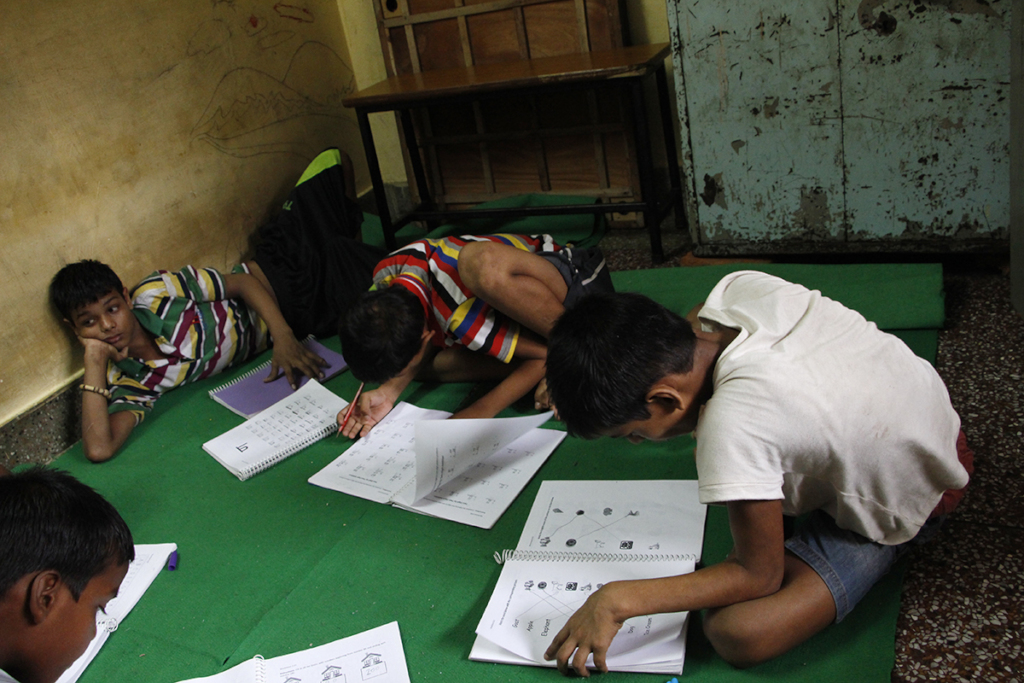
Upon a child's admission, the team conducts detailed observations alongside neurological and psychosocial assessments to map out a personalized intervention plan. These plans address foundational behaviors—such as recognizing hunger levels and eating independently—as well as self-care routines. Because medical conditions like seizures are common among the children, round-the-clock medical monitoring and regular hospital follow-ups are strictly maintained. Additionally, children are enrolled in specialized schools to further enrich their growth. Above all, the CDU enforces strict, vigilant supervision to guarantee that every child is protected from any form of harm or exploitation.
Ultimately, the Child Development Unit offers a safe, nurturing sanctuary where children with special needs can grow at their own pace, receive specialized care, and build the skills necessary to achieve independence and live a life of dignity.
A Journey of Progress: Child R’s StoryChild R arrived at our center a year ago in a highly critical state. Found abandoned near a metro pillar by the police, he was physically frail, malnourished, and bore faint injury marks on his body—painful remnants of past trauma. No family came forward to claim him, and so he found a safe haven at Aasra.
R was born with severe, permanent physical and developmental challenges. He has developmental delays and a deformed rib cage. Both of his legs have double joints, making it impossible for him to stand or walk independently. When he first arrived, he was entirely non-verbal, communicating his fear and distress only through constant screaming and crying.
Our team immediately conducted a comprehensive medical assessment. We initiated physiotherapy to help manage his bone deformities and placed him on targeted medication to control his frequent seizures.
The initial transition was incredibly difficult. Traumatized and in pain, R could not tolerate being touched. Providing essential care—like changing his clothes, assisting with hygiene, spoon-feeding, and toilet training—was an immense challenge for our caregivers, as any interaction triggered intense screaming.
Understanding his deep-seated fear, our caregivers focused entirely on building trust. Through consistent, gentle presence, R gradually began to recognize the faces around him. This newfound stability allowed him to form secure emotional attachments. As we bonded with him, we began to understand his unique language: his cries and screams were no longer constant, but were specific signals indicating hunger, pain, or distress.
Once R felt safe, he began to settle beautifully into his new home. His cries gradually subsided, replaced by laughter. He formed warm bonds not just with the staff, but with the other children as well.
Another major breakthrough involved his relationship with food. Initially, R did not recognize his own satiety (fullness) levels and would overeat to the point of discomfort. By introducing a structured, nutritious diet plan, we helped him adapt to a healthy, predictable eating routine.
Emotionally, R has blossomed. He now openly expresses joy and frustration. While he initially pulled away from contact, he learned to hold hands during his very first positive interaction. Today, shaking hands has become his favorite daily greeting.
To expand his world, caregivers helped him sit in specialized chairs, and the other children joyfully helped carry him outside. This exposure to new sights, sounds, movements, and friendly faces has dramatically widened his social horizon.
Over the course of just one year, R has achieved remarkable milestones. He has shown significant improvement in his physical health, built deep emotional attachments, and gained far greater control over his expressions. His journey is a powerful testament to what consistent, loving, and specialized care can achieve.
By Tanweer Zaki | Mental Health Program Coordinator
By Tanweer Zaki | Mental Health Program Coordinator
Project reports on GlobalGiving are posted directly to globalgiving.org by Project Leaders as they are completed, generally every 3-4 months. To protect the integrity of these documents, GlobalGiving does not alter them; therefore you may find some language or formatting issues.
If you donate to this project or have donated to this project, you can receive an email when this project posts a report. You can also subscribe for reports without donating.



Support this important cause by creating a personalized fundraising page.
Start a Fundraiser