By Imani Mathias | GENERAL MANAGER OF THE ORGANIZATION
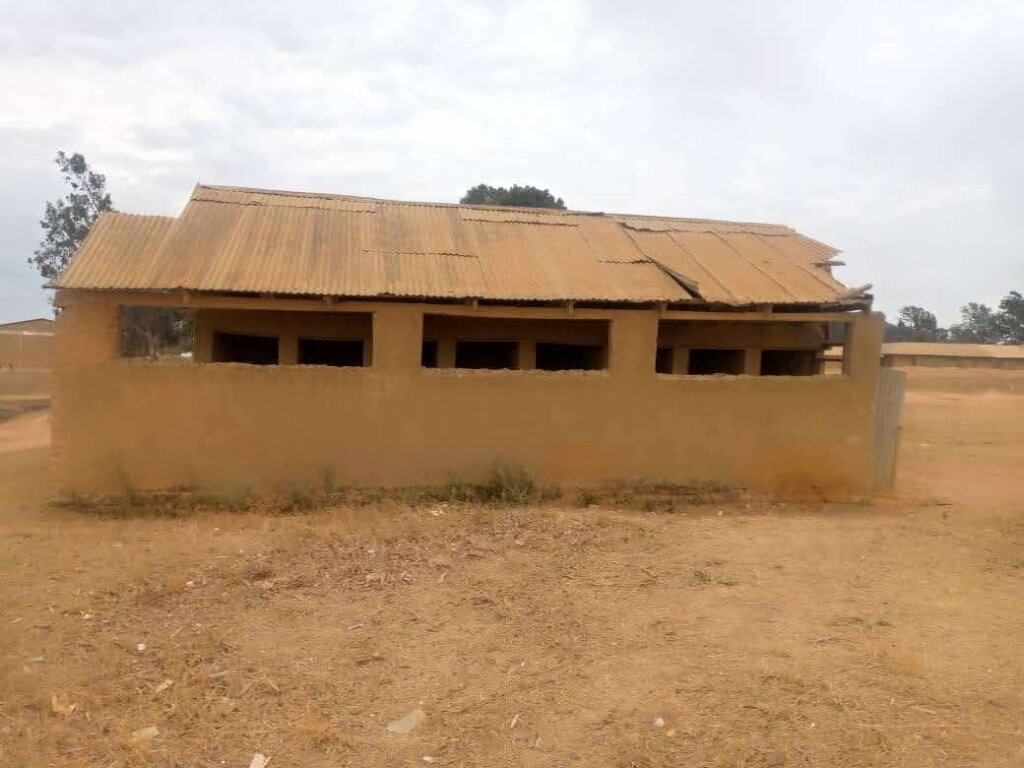
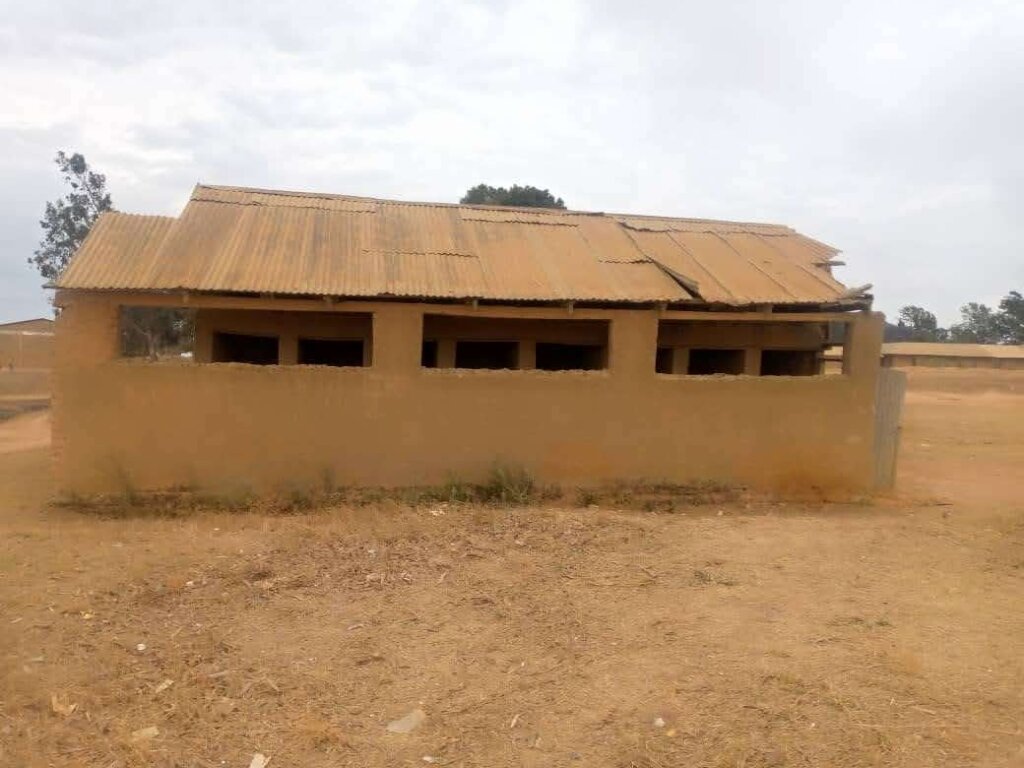
The project titled “Improving Water and Sanitation Facilities at Isalo (Project ID: 61179)” was designed to address critical challenges related to access to safe water and improved sanitation services in the Isalo community. This initiative recognizes that clean water and proper sanitation are not only essential for human health, but also fundamental for social and economic development. Communities without reliable access to these services often face persistent public health risks, reduced productivity, and limited opportunities for growth. In Isalo, these challenges remain prevalent, making the project both timely and necessary. Despite its relevance and strong community support, the project has not yet commenced implementation due to insufficient funding. From the outset, the project aimed to provide sustainable solutions that would significantly improve living conditions in Isalo. The primary objectives included developing reliable water supply systems, constructing improved sanitation facilities, and promoting hygiene awareness among community members. These interventions were expected to reduce waterborne diseases, enhance environmental cleanliness, and empower residents with the knowledge and tools necessary to maintain good hygiene practices. The project also incorporates a strong community-based approach, ensuring that beneficiaries play an active role in both implementation and long-term management. Unfortunately, these anticipated benefits have not yet been realized because the project remains in the pre-implementation stage. In terms of progress, several preparatory steps have been successfully completed. Initial assessments were conducted to determine the most pressing needs and identify suitable locations for interventions. Community consultations were held to ensure local participation and ownership, and technical evaluations were carried out to determine the feasibility of water source development and sanitation infrastructure. These efforts have laid a solid foundation for implementation, including the development of a clear project plan and cost estimates. However, without adequate financial resources, these plans remain on hold, and no physical activities such as construction or installation have been initiated. The primary challenge facing the project is the lack of sufficient funding. While some contributions have been received through GlobalGiving and other supporters, the total amount raised so far is not enough to initiate the core project activities. Infrastructure development, such as drilling boreholes, installing water systems, and constructing sanitation facilities, requires a significant upfront investment. In addition, resources are needed for technical expertise, materials, transportation, and community training. The funding gap has therefore prevented the transition from planning to implementation, delaying the project’s timeline and prolonging the difficulties faced by the community. The continued delay in implementation has had direct and indirect impacts on the Isalo community. Residents still rely on unreliable and often unsafe water sources, which increases their vulnerability to waterborne diseases such as diarrhea and cholera. Women and children, who are typically responsible for fetching water, spend long hours traveling to distant sources, reducing time available for education and economic activities. At the same time, sanitation conditions remain inadequate, with many households lacking access to proper latrines. This situation contributes to environmental contamination and further health risks. Schools and health centers in the area are also affected, as poor sanitation facilities hinder effective service delivery and compromise hygiene standards. Despite these challenges, the level of community engagement and commitment remains strong. Local leaders and residents continue to express their willingness to support the project once funding becomes available. Community members are prepared to contribute through local labor, participate in awareness campaigns, and take responsibility for maintaining the facilities. Plans are already in place to establish water management committees that will ensure sustainability and proper use of resources. This high level of ownership is a positive indicator that the project will be successful once implementation begins, as community participation is a key factor in long-term sustainability. Looking ahead, the project team has outlined clear activities that will be carried out once sufficient funds are secured. These include the development of water infrastructure such as boreholes or protected sources, installation of water storage and distribution systems, and construction of sanitation facilities for households and public institutions. In addition, hygiene promotion campaigns will be conducted to educate residents on best practices related to water handling, sanitation, and personal hygiene. Capacity-building activities will also be implemented to train local committees in managing and maintaining the facilities. Monitoring and evaluation mechanisms have been planned to track progress and measure the impact of interventions over time. To address the current funding gap, the project team is actively working to strengthen fundraising efforts. This includes increasing the visibility of the project on GlobalGiving by sharing regular updates and compelling stories from the community. Efforts are also being made to engage new donors and partners, both locally and internationally. Social media platforms and networking opportunities are being utilized to reach a wider audience and attract additional support. The project team recognizes that sustained communication and transparency are essential for building trust and encouraging donor contributions. By improving outreach strategies, the team aims to mobilize the resources needed to move the project forward. The experience so far has provided valuable lessons for the project team. One of the key lessons is the importance of securing adequate funding before setting ambitious timelines for implementation. It has also highlighted the need for continuous engagement with donors and stakeholders to maintain momentum and interest in the project. Additionally, the situation has underscored the importance of clear and consistent communication about the project’s goals, challenges, and expected impact. These lessons will be applied moving forward to strengthen both this project and future initiatives. In conclusion, the project “Improving Water and Sanitation Facilities at Isalo (61179)” remains a critical intervention that has the potential to significantly improve the quality of life for the Isalo community. While substantial progress has been made in terms of planning and community engagement, the lack of sufficient funding has delayed implementation. The need for clean water and proper sanitation remains urgent, and the community continues to face significant challenges as a result of these unmet needs. The project team remains committed to overcoming these obstacles and is actively seeking support to ensure that implementation can begin as soon as possible. We extend sincere appreciation to GlobalGiving and all donors who have contributed to the project so far. Your support has been instrumental in advancing the planning phase and keeping the vision of this project alive. However, more support is urgently needed to turn these plans into reality. Every contribution, no matter how small, brings the project one step closer to improving health, dignity, and well-being in the Isalo community. The project team remains hopeful that with continued support and collaboration, the necessary funds will be secured and implementation will soon commence, delivering lasting and meaningful change.
By IMANI HAULE MATHIAS | General manager
By IMANI HAULE MATHIAS | GENERAL MANAGER OF THE ORGANIZATION
Project reports on GlobalGiving are posted directly to globalgiving.org by Project Leaders as they are completed, generally every 3-4 months. To protect the integrity of these documents, GlobalGiving does not alter them; therefore you may find some language or formatting issues.
If you donate to this project or have donated to this project, you can receive an email when this project posts a report. You can also subscribe for reports without donating.
Support this important cause by creating a personalized fundraising page.
Start a Fundraiser