By Claudia Vergara | Alliance Coordinator
On August 10, a magnitude 7+ earthquake struck western Colombia. Its epicenter was located in San José del Palmar, in the department of Chocó, and its effects were felt across several municipalities where Fundación Barco works alongside school communities through the ESCALA program.
El Águila, Dagua, and Guadalajara de Buga, in Valle del Cauca, were 3 of those communities. Over the past years, we have worked alongside teachers, school leaders, students, and families to strengthen the conditions that help children and adolescents stay in school. Part of this work has been made possible by people who have supported ESCALA through GlobalGiving.
This time, however, school continuity is facing a challenge no one could have anticipated.
When an emergency reaches school families
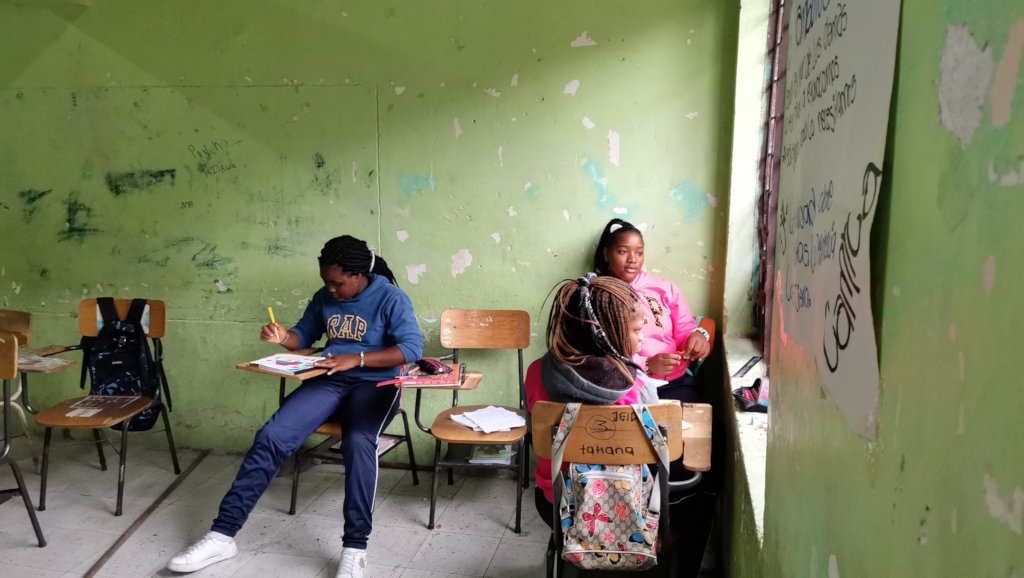
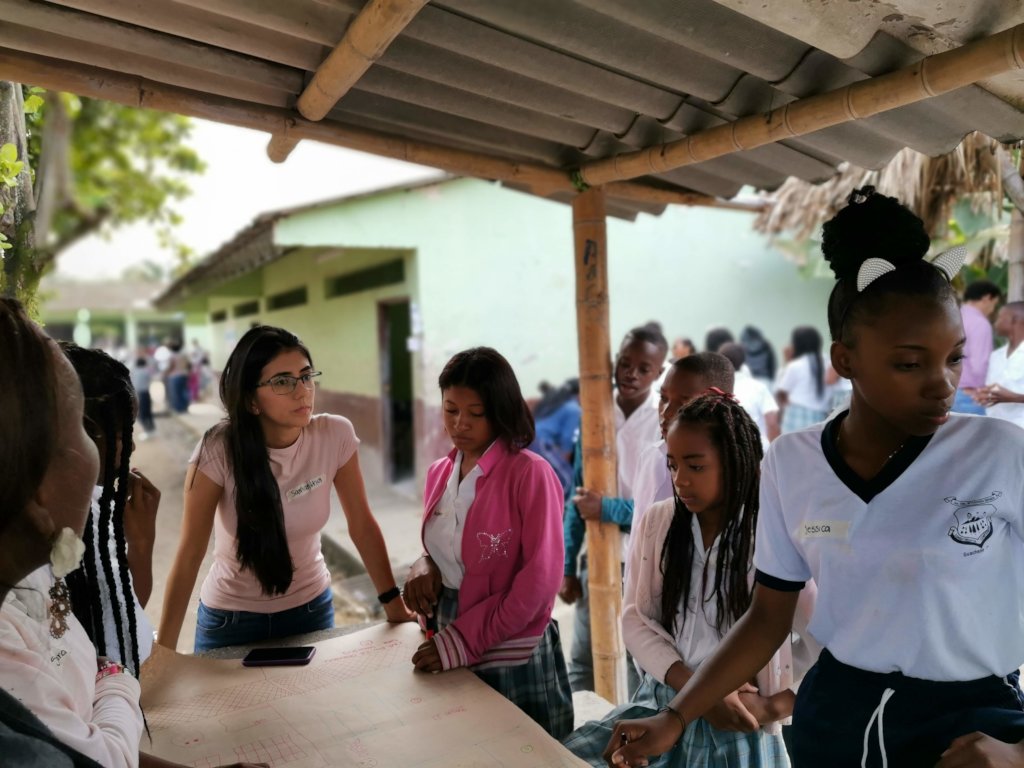
In El Águila, Fundación Barco works with the Justiniano Echavarría Educational Institution, where we have implemented a strategy focused on strengthening students’ life plans as a way to support their continued participation in education.
The municipality was significantly affected by the earthquake. According to information provided by local authorities, approximately 300 rural homes and 100 urban homes were damaged, along with public infrastructure and several school facilities.
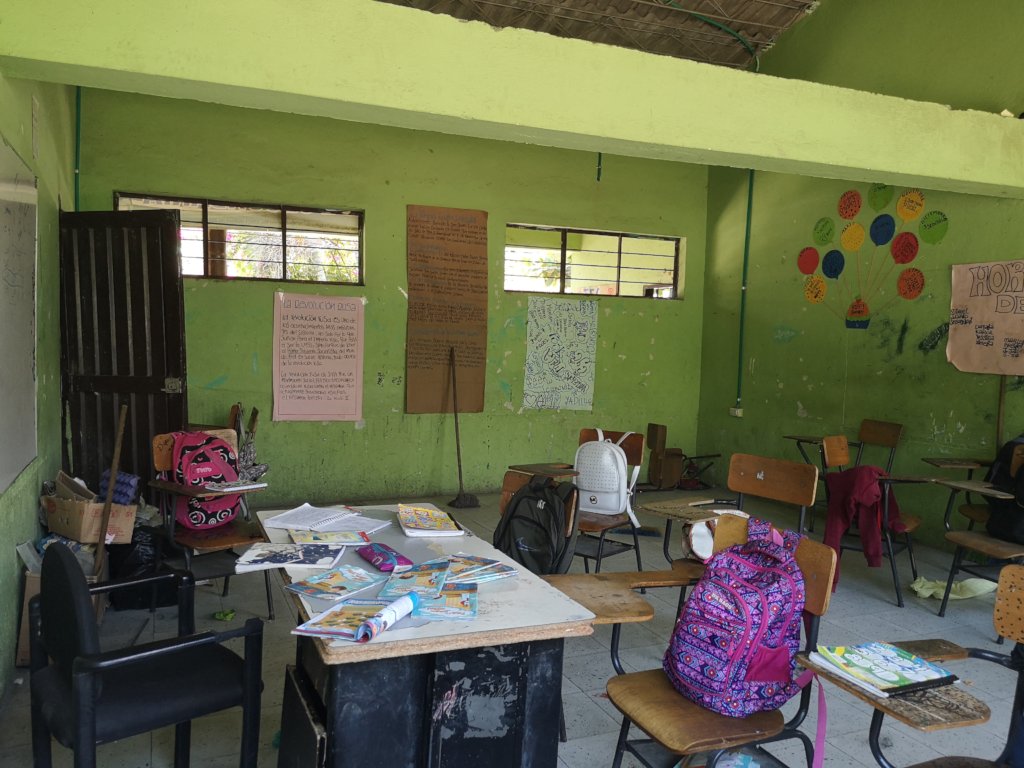
The principal of the Justiniano Echavarría school informed us that the school itself sustained only minor damage. However, one family from the school community lost their home completely.
In Dagua, where ESCALA works with the Cristóbal Colón Educational Institution to strengthen teaching practices that support school retention, the emergency also had serious consequences.
According to information reported by municipal authorities to the media, approximately 400 homes were affected, nearly 40 were destroyed, and four people lost their lives. The school sustained minor damage, but its community, like many families across the municipality, is now coping with the emotional and material consequences of the earthquake.
In Guadalajara de Buga, the school supported by ESCALA also reported damage and losses to masonry elements, although inspections have not identified structural damage. Once again, the most serious consequences have been felt by the people who make up the school community: one family lost its home due to severe damage, and one teacher also reported serious damage to their home.
These are three different communities, but what their school communities are facing today has something important in common: the consequences of the earthquake go far beyond damage to school buildings and reach directly into the everyday lives of students, families, and teachers.
What does it mean to return to school after an emergency?
For a family that has just lost its home, or whose home has been severely damaged, priorities can change overnight. Finding a place to live, recovering belongings, meeting basic needs, and reorganizing family life may suddenly take precedence over activities that, only days earlier, were part of their daily routine.
Added to this are the fear, uncertainty, and emotional reactions that children, adolescents, and adults may experience after an earthquake.
That is why, even when a school is physically able to reopen, returning to the classroom does not necessarily mean that life has returned to normal.
These circumstances can become barriers to continuing education. Some students may struggle to concentrate or may not yet feel ready to return. Some families may have more urgent needs to address. Teachers, who also experienced the emergency themselves, will be expected to support their students while processing their own experiences.
This is precisely why this moment is so closely connected to the purpose that has guided ESCALA’s work for years: helping students remain in school and continue their educational journeys, even when the circumstances around them make doing so more difficult.
Supporting those who will welcome students back
One of our first actions following the earthquake has been to support teachers and school leaders as they prepare for students’ return.
Before welcoming their students back, teachers also need space to acknowledge what they have experienced and tools to respond to the emotions, questions, and fears that may arise when children and adolescents return to the classroom.
Over the past several days, we have held emotional well-being and psychological first aid sessions with teachers. Together, we have worked on tools to identify warning signs, listen to students, provide an initial supportive response, and recognize when a child or adolescent may need to be connected with additional support networks or specialized services.
Our next step will be to accompany schools as they prepare to welcome students back, once the necessary safety conditions are in place.
Returning to school is also part of recovery
The experience of recent years has shown us the consequences that prolonged interruptions to education can have on learning and on students’ educational trajectories. After an emergency, progressively restoring educational routines, whenever it is safe to do so, can also contribute to children’s and adolescents’ well-being and help them continue building their plans for the future.
In El Águila, Dagua, and Guadalajara de Buga, we will continue working closely with school communities to identify the needs that emerge throughout this process.
ESCALA arrived in these communities long before the earthquake with a clear purpose: to help more students stay in school. Today, that same purpose leads us to support them through a challenge we never expected, ensuring that the consequences of this emergency do not become yet another barrier to continuing their education.
The support received through GlobalGiving has helped sustain this work in the communities and build relationships with schools that now allow us to remain close, listen, and respond to their needs during an especially difficult time.
Because after an emergency, returning to school is about more than reopening the doors. It is also about helping students, families, and teachers find the conditions they need to walk through those doors again.
-----------------------------------------------------------------------------------------------------------------------------------------------------------------------
El pasado 10 de agosto, un sismo de magnitud superior a 7 grados sacudió el occidente de Colombia. Su epicentro se ubicó en San José del Palmar, en el departamento del Chocó, y sus efectos alcanzaron varios municipios donde la Fundación Barco acompaña comunidades educativas a través del programa ESCALA.
El Águila, Dagua y Guadalajara de Buga, en el Valle del Cauca, fueron tres de esos territorios. Allí, durante los últimos años, hemos trabajado junto a docentes, directivos, estudiantes y familias para fortalecer las condiciones que favorecen la permanencia escolar. Parte de este trabajo ha sido posible gracias a las personas que han apoyado ESCALA a través de GlobalGiving.
Esta vez, sin embargo, la permanencia escolar enfrenta una situación que nadie podía prever.
Cuando la emergencia llega a las familias de la escuela
En El Águila, la Fundación Barco acompaña a la Institución Educativa Justiniano Echavarría, donde hemos desarrollado una estrategia orientada al fortalecimiento de los proyectos de vida de los estudiantes como una herramienta para favorecer su permanencia en la escuela.
El municipio sufrió afectaciones importantes. De acuerdo con información entregada por las autoridades locales, alrededor de 300 viviendas rurales y 100 urbanas resultaron afectadas, además de registrarse daños en infraestructura pública y algunas sedes educativas.
El rector de la Institución Educativa Justiniano Echavarría nos informó que el colegio presentó averías leves. Sin embargo, una de las familias de la comunidad educativa perdió completamente su vivienda.
En Dagua, donde ESCALA acompaña a la Institución Educativa Cristóbal Colón mediante un proceso de fortalecimiento de las prácticas pedagógicas para la permanencia escolar, la emergencia también tuvo consecuencias importantes.
Según información reportada por las autoridades municipales a medios de comunicación, alrededor de 400 viviendas resultaron afectadas, cerca de 40 fueron destruidas y cuatro personas fallecieron. La institución educativa presentó afectaciones leves, pero su comunidad, al igual que muchas familias del municipio, enfrenta ahora las consecuencias emocionales y materiales del sismo.
En Guadalajara de Buga, la institución educativa acompañada por ESCALA también reportó averías y pérdidas en elementos de mampostería, aunque las revisiones realizadas no han identificado daños estructurales. Allí, las principales afectaciones nuevamente aparecen en las personas que conforman la comunidad educativa: una familia perdió su vivienda debido a daños severos y uno de los docentes también reportó afectaciones graves en su hogar.
Son tres territorios diferentes, pero las situaciones que hoy enfrentan sus comunidades educativas tienen algo en común: los efectos del sismo trascienden los daños en los edificios escolares y llegan directamente a la vida cotidiana de estudiantes, familias y docentes.
¿Qué significa volver a estudiar después de una emergencia?
Para una familia que acaba de perder su vivienda o que enfrenta daños importantes en ella, las prioridades cambian de un momento a otro. Encontrar dónde vivir, recuperar pertenencias, resolver necesidades básicas y reorganizar la vida familiar puede ocupar el lugar que, hasta hace pocos días, tenían las actividades cotidianas.
A esto se suman el miedo, la incertidumbre y las reacciones emocionales que pueden experimentar niños, niñas, adolescentes y adultos después de un sismo.
Por eso, aunque una escuela esté en condiciones de abrir nuevamente sus puertas, regresar a las aulas no significa necesariamente que todo haya vuelto a la normalidad.
Estas condiciones pueden convertirse en barreras para la continuidad educativa. Algunos estudiantes pueden tener dificultades para concentrarse o sentirse preparados para regresar; algunas familias pueden tener otras necesidades inmediatas que atender; y los docentes, que también vivieron la emergencia, tendrán que acompañar a sus estudiantes mientras procesan sus propias experiencias.
Precisamente por eso, para ESCALA este momento está directamente relacionado con el propósito que ha orientado nuestro trabajo durante años: contribuir a que los estudiantes permanezcan en la escuela y puedan continuar sus trayectorias educativas, incluso cuando las circunstancias de su entorno hacen que hacerlo sea más difícil.
Acompañar a quienes recibirán nuevamente a los estudiantes
Una de nuestras primeras acciones después del sismo ha sido acompañar a docentes y directivos docentes en su preparación para el retorno.
Antes de recibir nuevamente a sus estudiantes, los maestros también necesitan reconocer lo que han vivido y contar con herramientas para responder a las emociones, preguntas y temores que pueden aparecer cuando niños, niñas y adolescentes regresen a las aulas.
Durante estos días hemos desarrollado espacios de cuidado emocional y primeros auxilios psicológicos con docentes. Hemos trabajado herramientas para observar señales de alerta, escuchar a los estudiantes, brindar una primera respuesta y reconocer cuándo es necesario conectarlos con otras redes o servicios de apoyo.
El siguiente paso será acompañar a las instituciones en la preparación de la acogida de los estudiantes, una vez existan las condiciones de seguridad necesarias para su retorno.
Volver a la escuela también hace parte de la recuperación
La experiencia de los últimos años nos ha mostrado las consecuencias que pueden tener las interrupciones prolongadas de la educación sobre los aprendizajes y las trayectorias escolares. Por eso, después de una emergencia, recuperar progresivamente las rutinas educativas, siempre que existan condiciones seguras para hacerlo, también puede contribuir al bienestar y a la continuidad de los proyectos de vida de niños, niñas y adolescentes.
En El Águila, Dagua y Guadalajara de Buga continuaremos cerca de las comunidades educativas para identificar las necesidades que surjan durante este proceso.
ESCALA llegó a estos territorios mucho antes del sismo con un propósito claro: contribuir a que más estudiantes puedan permanecer en la escuela. Hoy, ese mismo propósito nos lleva a acompañarlos en un desafío que no estaba previsto: lograr que las consecuencias de esta emergencia no se conviertan en una nueva barrera para continuar estudiando.
El apoyo recibido a través de GlobalGiving ha contribuido a sostener este trabajo en los territorios y a construir relaciones con las comunidades educativas que hoy nos permiten estar cerca, escucharlas y responder a sus necesidades en un momento especialmente difícil.
Porque después de una emergencia, volver a la escuela no consiste únicamente en abrir nuevamente sus puertas. También significa ayudar a que estudiantes, familias y docentes encuentren las condiciones para poder cruzarlas de nuevo.
Links:
By Claudia Vergara | Alliance Coordinator
By Claudia Vergara | Alliance Coordinator
Project reports on GlobalGiving are posted directly to globalgiving.org by Project Leaders as they are completed, generally every 3-4 months. To protect the integrity of these documents, GlobalGiving does not alter them; therefore you may find some language or formatting issues.
If you donate to this project or have donated to this project, you can receive an email when this project posts a report. You can also subscribe for reports without donating.



Support this important cause by creating a personalized fundraising page.
Start a Fundraiser