By Erick Bosire | Project Leader
Activity1.2: Held sessions with new Teacher Champions in the 10 pilot schools using the Two Teacher Model. (3rd March –6th March 2026)
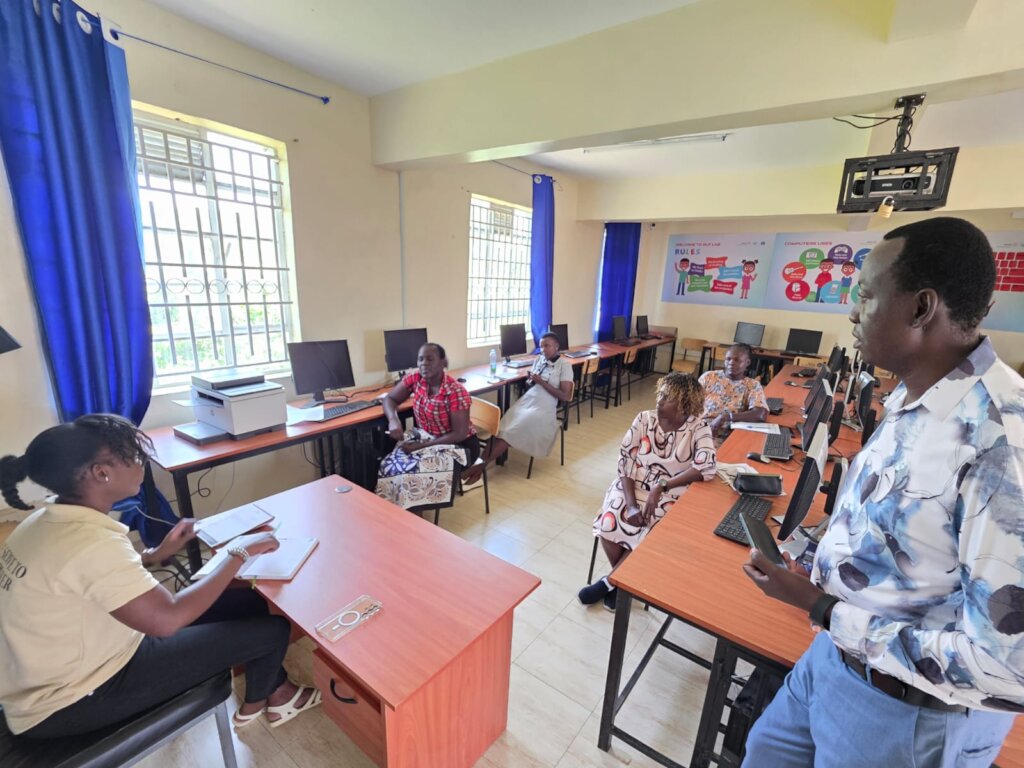
In March 2026 (3rd-6th), WE REACH conducted school-based engagement sessions across 10 pilot schools in Lurambi Sub-County as part of Phase II of the WASH Programme. This activity followed the institutional assessment and focused on restoring program continuity by reintroducing the WASH programme to newly identified Teacher Health Champions and strengthening existing ones through the two-teacher model.
The sessions also included distribution of WASH activity manuals to guide Health Club implementation, alongside discussions with school leadership on reactivating WASH systems and improving sustainability.
Activity 2.1: Trained BoM, Head Teachers, and Assigned Teacher Champions on establishing, managing, and ring-fencing WASH Income Generating Activities (IGA’s) (17th March -20th March 2026)
In March 2026 (17th-20th), WE REACH conducted school-based training sessions across 10 pilot schools in Lurambi Sub-County aimed at introducing and operationalizing school-led Income Generating Activities (IGAs) as a sustainability strategy for WASH.
The sessions engaged key school decision-makers including Head Teachers, BoM representatives, and Teacher Health Champions. The focus was on building capacity for schools to independently generate and manage funds specifically dedicated to WASH needs, in response to declining and inconsistent government capitation.
Schools were guided to develop viable IGA ideas, prepare simple proposals, and draft budgets, with a clear emphasis on ownership, practicality, and sustainability.
Activity 1.2: Held sessions with new Teacher Champions in the 10 pilot schools using the Two Teacher Model. (3rd March –6th March 2026) Approach and Methodology
The activity was conducted through:
Key Findings
a) High Staff Turnover Affecting Program Continuity
b) Weak or Non-Functional Health Clubs
Several schools reported that Health Clubs:
C) Limited Administrative and Financial Support for WASH
Schools reported that:
Example:
d) Inadequate WASH Infrastructure and Facilities
Common issues observed:
e) Knowledge Gaps Among New Teacher Champions
Newly selected Teacher Champions:
Key Interventions Implemented
1. Introduction of the Two-Teacher Champion Model
Each school identified two Teacher Champions:
2. Orientation and Reintroduction of the WASH Programme
Teacher Champions were taken through:
Roles and expectations in:
3. Distribution of WASH Activity Manuals
Each school received a WASH Health Club Manual containing:
4. Health Club Reactivation Planning
Schools committed to:
5. Identification of Capacity Gaps
Schools requested:
LESSONS LEARNT:CHALLENGES:RECOMMENDATIONS:
Program Strengthening
Financial Sustainability
Increase proposed seed funding (KES 20,000–30,000) to:
Institutionalization
Infrastructure Improvement
Advocate for:
Capacity Building
Conduct targeted training for:
CONCLUSION:
The re-establishment of Teacher Health Champions across the 10 pilot schools has provided a critical foundation for revitalizing the WASH programme in 2026. The activity clearly highlighted that while initial gains from Phase I were significant, sustainability has been undermined by staff turnover, weak institutional systems, and financial constraints.
The introduction of the two-teacher model, combined with structured tools such as the WASH Activity Manual, marks a strategic shift towards institutional resilience. However, for long-term success, these efforts must be reinforced through financial autonomy mechanisms, policy integration, and continuous stakeholder engagement.
This activity confirms the urgent need for the Phase II Sustainability Strategy, positioning the pilot schools as a learning ground for scaling a more resilient and self-sustaining WASH programme across all 87 partner schools.
Activity 2.1: Trained BoM, Head Teachers, and Assigned Teacher Champions on establishing, managing, and ring-fencing WASH Income Generating Activities (IGA’s) (17th March -20th March 2026)
Approach and Methodology
The activity was conducted through:
Participatory discussions allowing schools to:
Practical guidance on:
Establishment of a WhatsApp group as a coordination platform for submission, feedback, and follow-up
Key Training Areas Covered
Introduction to Financial Sustainability in WASH
Schools were taken through the importance of reducing reliance on external funding and creating internal funding mechanisms.
Understanding IGAs in the School Context
Emphasis on selecting:
Ring-Fencing WASH Funds
Schools were guided to ensure that:
Proposal Development and Budgeting
Schools developed:
Key Findings and Observations
a) Strong Ownership When Schools Generate Their Own Ideas
Schools actively participated in identifying their own IGAs
This resulted in practical, context-driven ideas such as:
b) Contextual Challenges Influence IGA Selection
A major concern raised across schools was insecurity, limiting options like kitchen gardens, large-scale farming, or livestock projects
c) Financial Constraints Remain a Major Barrier
Schools highlighted that:
d) High Engagement and Immediate Action by Schools
Despite time constraints (end of term), schools:
Schools committed to:
e) Need for Continuous Technical Support
Schools require guidance on:
Key Achievements
All 10 pilot schools:
A structured review process was put in place:
LESSONS LEARNT:CHALLENGES:RECOMMENDATIONS:
1. Increase Seed Funding
Revise startup funding from KES 10,000 to KES 20,000–30,000
to:
2. Provide Ongoing Technical Support
Conduct follow-up support on:
3. Strengthen Accountability Systems
Introduce:
4. Integrate IGAs into School Systems
Support schools to:
Utilize:
CONCLUSION:
The IGA training activity marked a critical step in transitioning the WE REACH WASH Programme from externally supported interventions to school-driven sustainability models. The strong engagement and proactive response from schools demonstrate readiness to embrace financial autonomy.
However, the success of this approach will depend on adequate seed funding, continuous technical support, and strong accountability mechanisms. Addressing these factors will enable schools to sustain WASH services independently, ensuring long-term impact beyond project cycles.
Project reports on GlobalGiving are posted directly to globalgiving.org by Project Leaders as they are completed, generally every 3-4 months. To protect the integrity of these documents, GlobalGiving does not alter them; therefore you may find some language or formatting issues.
If you donate to this project or have donated to this project, you can receive an email when this project posts a report. You can also subscribe for reports without donating.



Support this important cause by creating a personalized fundraising page.
Start a Fundraiser