By Erick Bosire | Project Leader
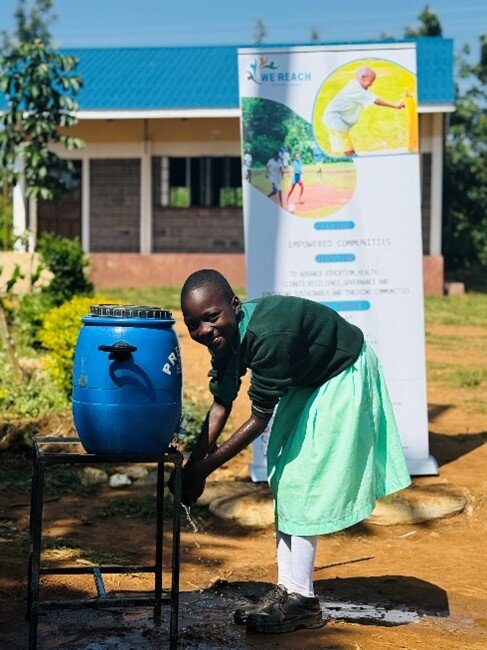
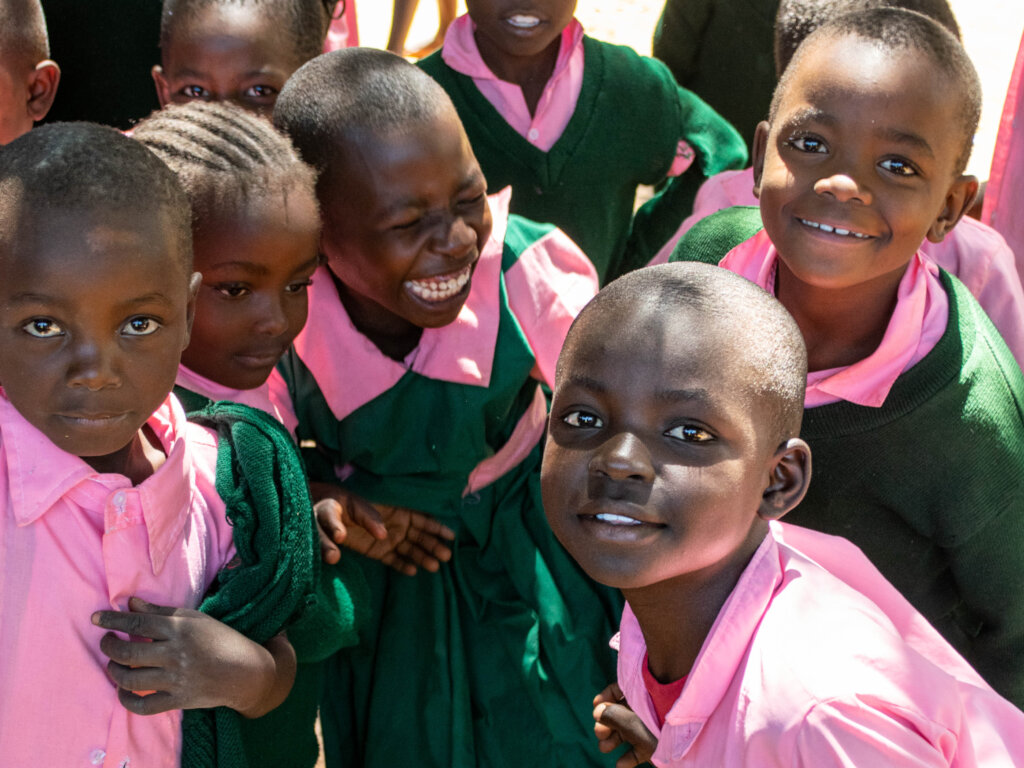
1.0 ACTIVITY PROCEEDINGSDuring the month of July 2025, the WE REACH WASH team undertook a second round of Monitoring, Assessment and Support (MAS) visits to our 10 partner schools in Mumias East Sub County, following the June school visits. These visits aimed to track the progress of the School Health Clubs (SHCs), provide on-the-ground mentorship to Teacher Health Champions, and support schools in strengthening sustainable WASH interventions.The July visits came at a time when the momentum around hygiene, sanitation, and menstrual health had visibly picked up within the schools, with Group 7 School Health Clubs playing a central role in driving the change.Strengthening Peer-Led Health EducationAll 10 schools now have fully functional School Health Clubs, whose membership has grown steadily, each club recording an increase of 2–3 new members since the last visit. The clubs are now highly active, holding weekly or biweekly sessions that use songs, drama, parades, and skits to pass on messages about hygiene, menstruation, sanitation, and disease prevention. These interactive tools have improved understanding and participation, especially among boys, helping to break menstrual taboos and create supportive environments for girls.Class Health Champions: A student in every classroom, have been instrumental in keeping WASH conversations alive. They continue to offer a safe space for students (especially girls) to raise concerns or ask questions, which are then escalated to the Teacher Health Champions for action. This structure has improved the flow of information and made it easier to respond to student needs promptly. Teacher Health Champions: A Backbone of SupportOur Teacher Health Champions, who were trained earlier in March 2025, have been at the forefront of mentoring student leaders and implementing School Health Club work plans. During the visits, they reported consistent peer-learning activities, cleanliness campaigns, and active parent involvement. They also participated in a government-organized training on deworming, held in July for all health teachers in Mumias East Sub County. The Teacher Champions who attended this training shared their insights with the rest of the club members and school staff, and are now actively preparing their schools for the upcoming county-wide deworming campaign, ensuring that children are not only aware but ready to benefit from it.Engaging the School CommunityBeyond the clubs, several schools are integrating WASH practices into the broader school culture. Kitchen gardens are flourishing, with vegetables being sold to fund soap-making projects, thus promoting both handwashing and school-based income generation. In four schools, Eshikufu, Eluche, Mungabira, and Shitoto Annual General Meetings (AGMs) were held where Teacher Health Champions sensitized parents on WASH practices. As a result, more parents are now encouraging children to wear shoes, practice home-based hygiene, and support club-led school cleanliness campaigns leading to a visible reduction in jigger infestations and improvement in student presentation.Local health dispensaries also played a role by conducting community sensitizations and supporting the typhoid vaccination campaign, which saw over 5,000 learners vaccinated in July 2025. This collaborative effort complements school-based hygiene education and disease prevention, especially as schools continue teaching about water treatment methods like boiling and LifeStraw use.Outcomes and Next StepsImproved Health Literacy: Students can now confidently discuss issues around menstruation, hygiene, and sanitation.Disease Reduction: Typhoid, waterborne illnesses, and parasitic infections have reduced due to combined efforts of the Health Clubs and government health interventions.Parental Engagement: Parents are more engaged and contributing to school and home hygiene. Sustainability Models: Kitchen gardens and soap-making projects are helping schools sustain WASH supplies.Remaining Gaps:Despite the gains, a few challenges persist:Poor toilet infrastructure in some schoolsLimited access to clean waterShortage of sanitary padsInconsistent access to soap in lower-income schoolsThese will be addressed in subsequent support visits, with plans to work more closely with school management committees and local government departments. 1. Eluche Comprehensive School
Progress:
Challenges:
2. Mabanga Primary School
Progress:
Challenges:
3. Khwikhondwe Primary School
Progress:
Challenges:
4. Mungabira Comprehensive School
Mungabira Comprehensive School continues to strengthen its 20-member health club, which holds weekly sessions focused on cleanliness, sanitation, and water treatment, in line with earlier training. The school recently held its Annual General Meeting with a renewed emphasis on hygiene practices both at home and in school. Additionally, the headteacher remains committed to resource management by consistently providing tissue paper and supplying soap.
Progress:
Challenges:
5. Eshikufu Comprehensive School
Progress:
Challenges:
6. Shitoto Primary School
Progress:
Challenges:
7. Bumwende Primary School
Progress:
Challenges:
8. Rise and Shine Special School
Progress:
Challenges:
9. Mutono Primary School
Progress:
Challenges:
10. Ebwaliro Comprehensive School
Progress:
Challenges:
Sanitary pad shortages remain a concern
2.0: LESSONS LEARNT:
3.0: CHALLENGES:
4.0: RECOMMENDATIONS:
5.0: CONCLUSION
The WASH program in Mumias East has made significant strides in promoting key hygiene practices and strengthening school health clubs. Community sensitization, regular club meetings, and targeted interventions such as typhoid vaccination and teacher-led water treatment have contributed to improved student hygiene and a reduction in waterborne diseases. However, the program’s full impact is limited by persistent infrastructure challenges, including inadequate water access, poor toilet facilities, and shortages of soap and sanitary pads. For sustained progress, future efforts should focus on improving WASH infrastructure, ensuring reliable supply of essential resources, and deepening engagement at both school and community levels so as to enhance student health and educational outcomes.
By Nancy Itambo | Project Leader
By Erick Bosire | Project Leader
Project reports on GlobalGiving are posted directly to globalgiving.org by Project Leaders as they are completed, generally every 3-4 months. To protect the integrity of these documents, GlobalGiving does not alter them; therefore you may find some language or formatting issues.
If you donate to this project or have donated to this project, you can receive an email when this project posts a report. You can also subscribe for reports without donating.



Support this important cause by creating a personalized fundraising page.
Start a Fundraiser