Project Report
| Feb 16, 2016
End of project report
By Isabelle de Vugt | Project leader
The project 'Rehabilitation for disabled children in Zimbabwe' has ended in December 2015. In the period January-December 2015 the following has been achieved:
Community Based Rehabilitation
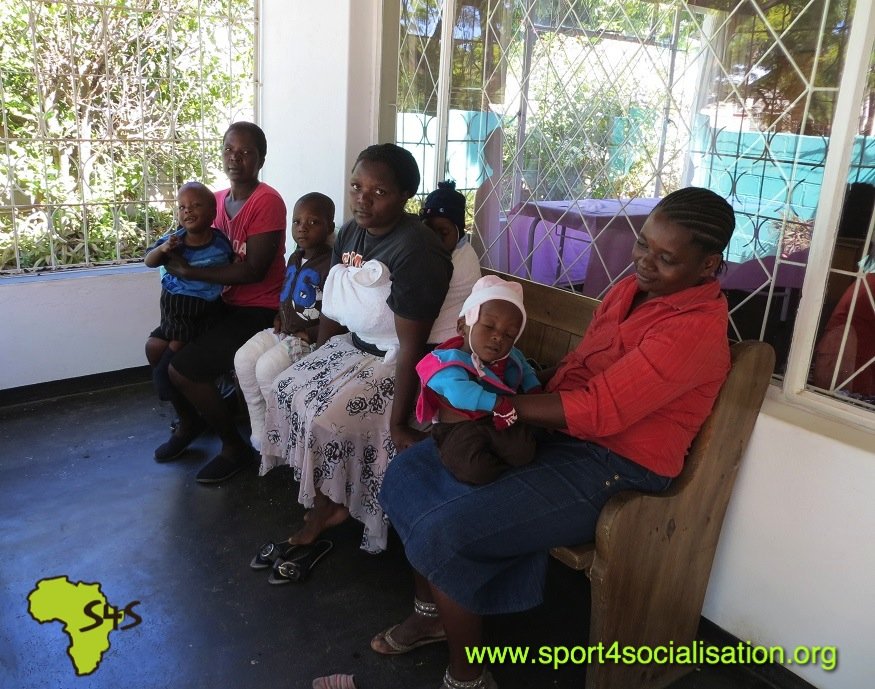
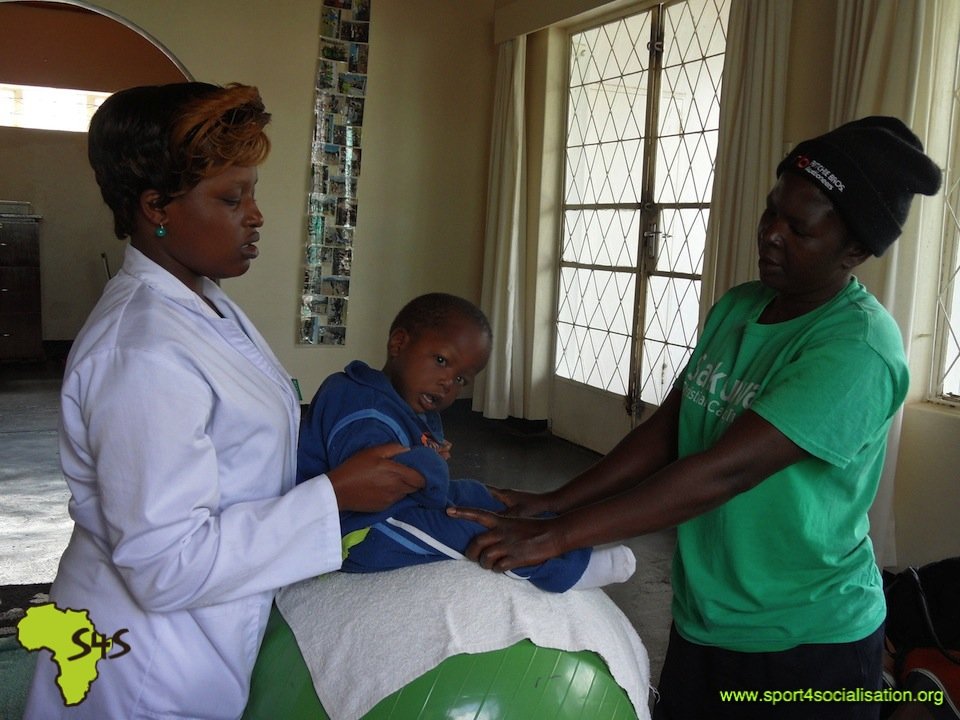
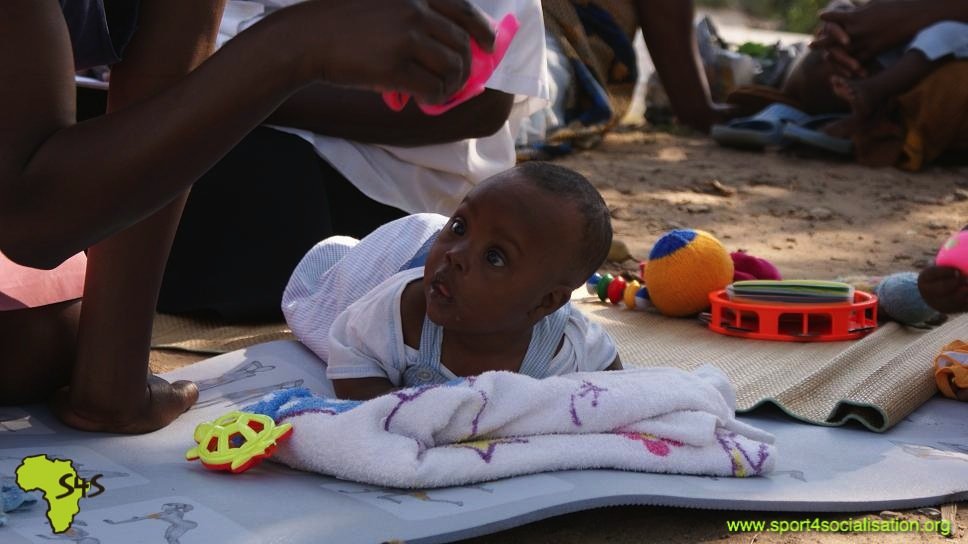
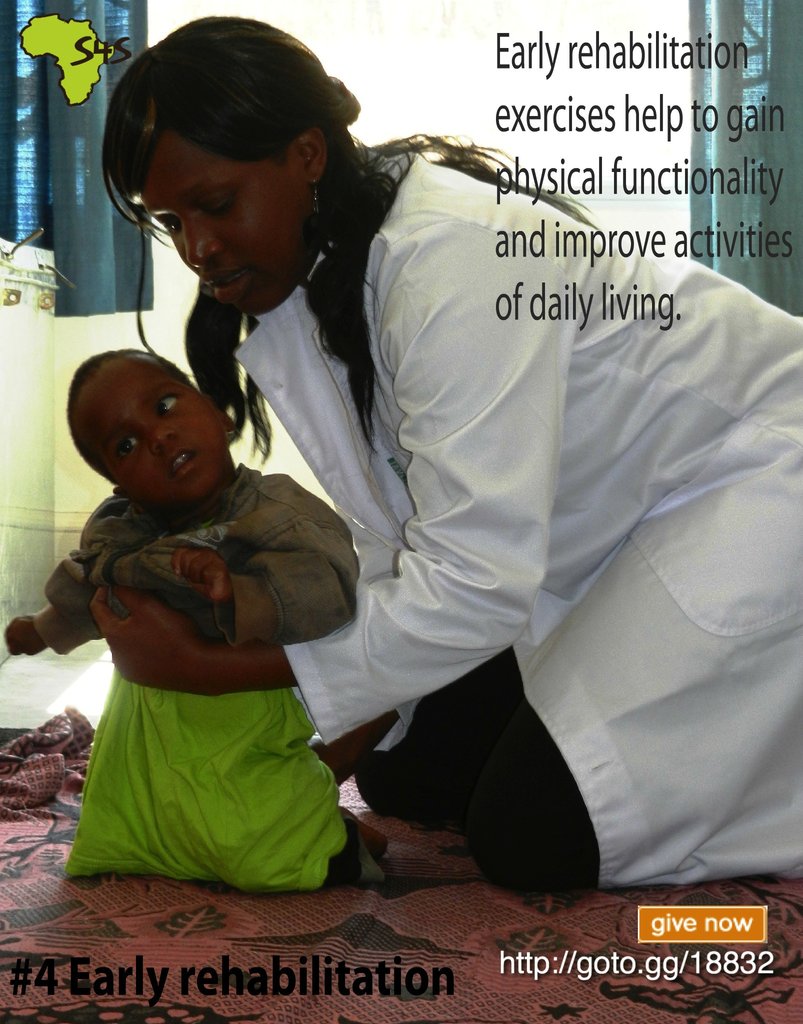
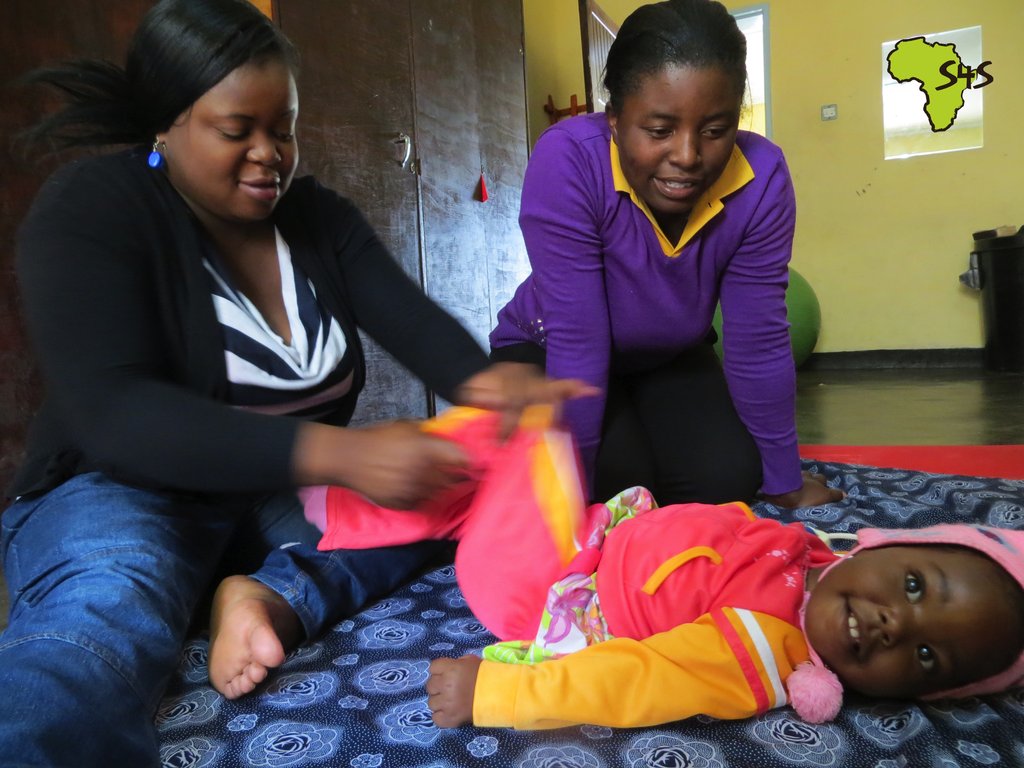
65 Children with disabilities and their caregivers have learned rehabilitation exercises and are now actively working to improve their physical functionality and mobility.
Direct Child Assistance
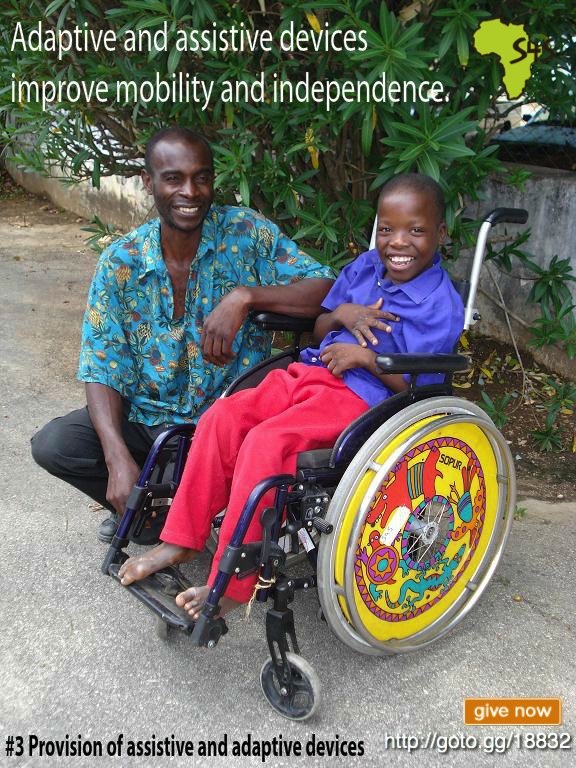
18 Children with disabilities have received assistive devices and/or medication which directly improve their mobility and social participation.
Community Adapted Physical Activity
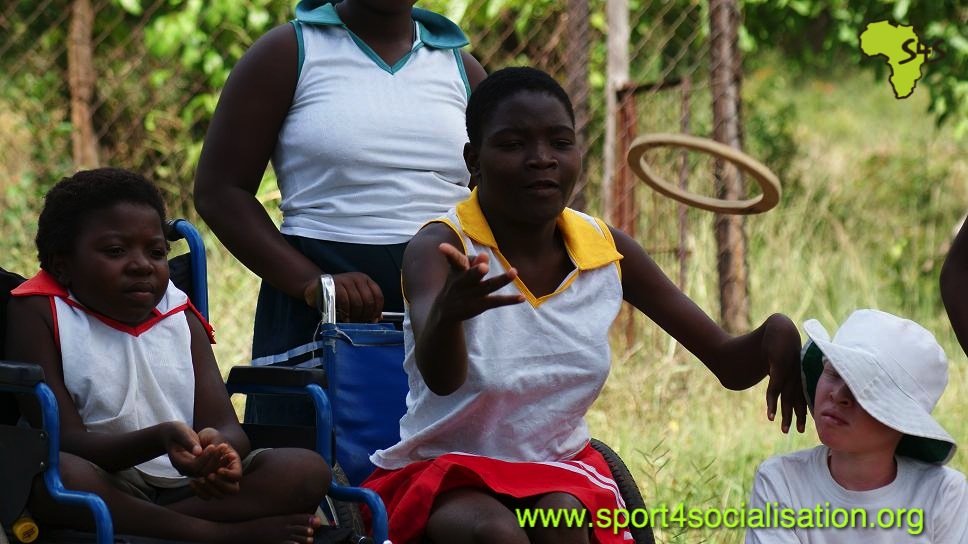
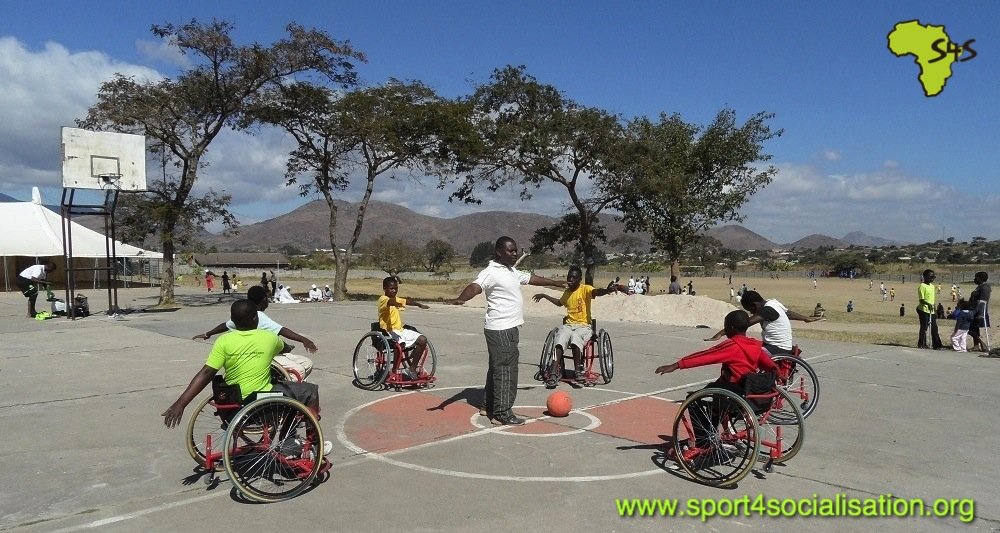
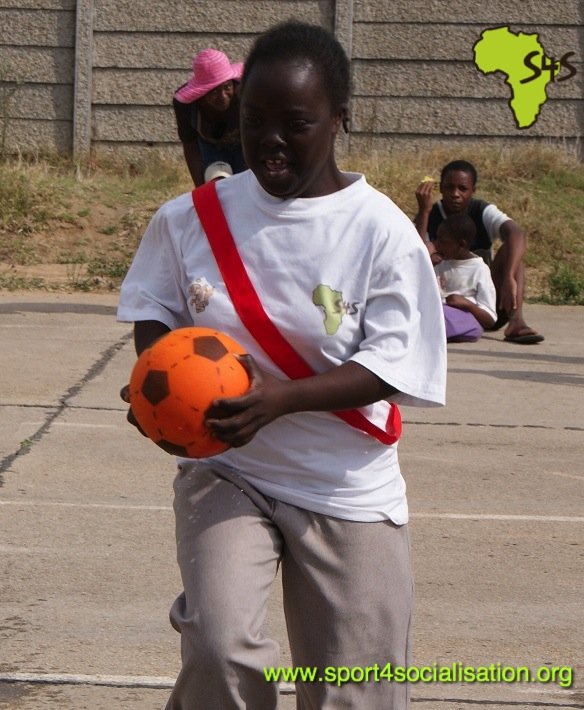
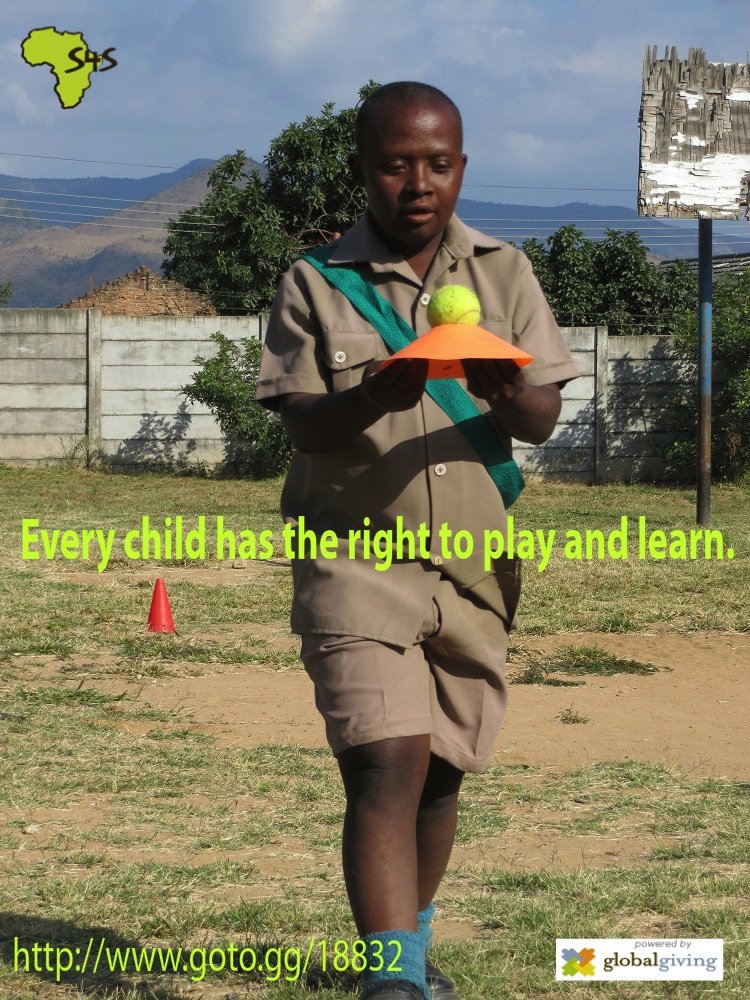
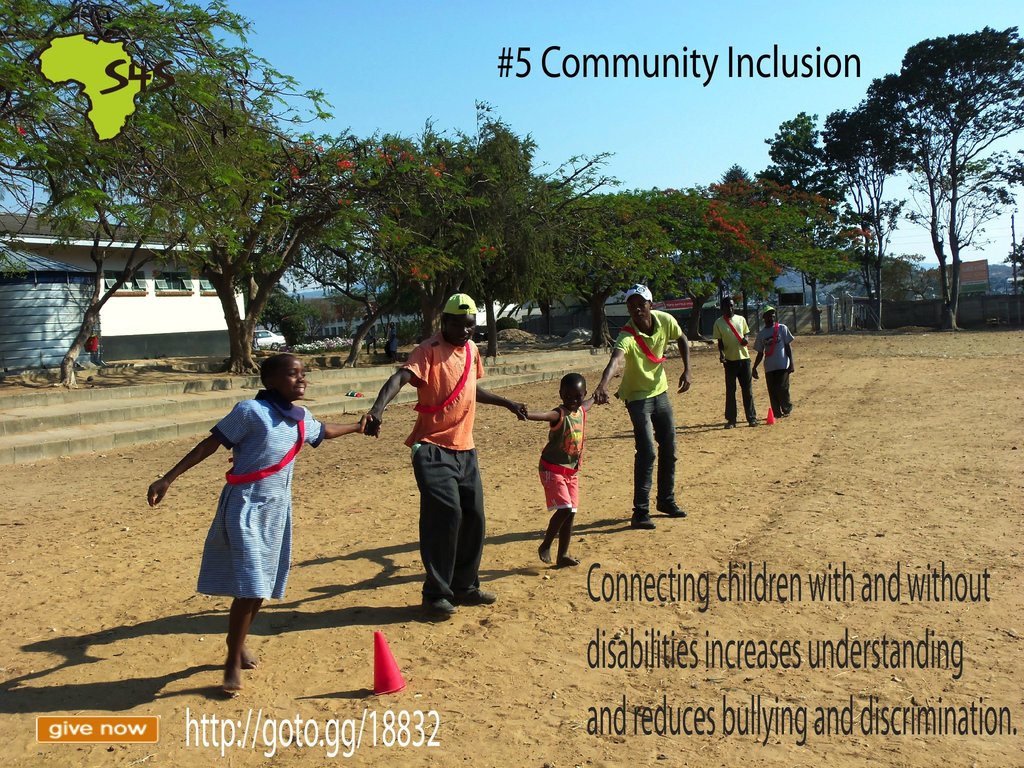
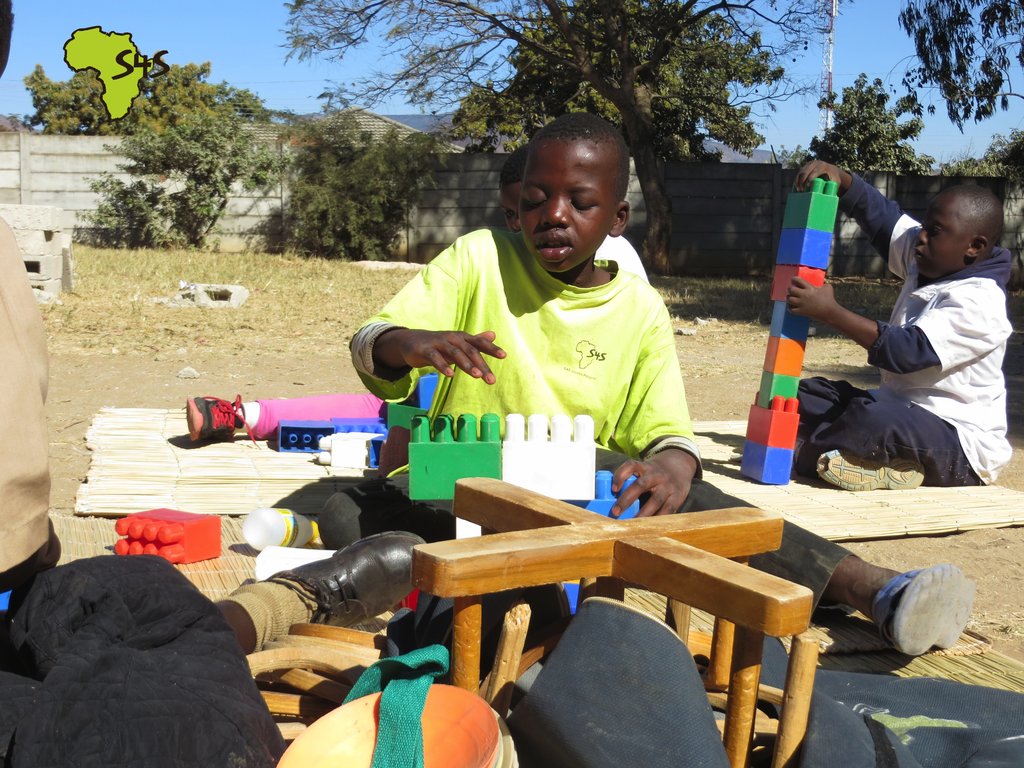
189 young people and children with disabilities participated in weekly adapted physical activities in their community, together with able-bodied peers. They have learned important life skills and improved their physical and social well-being.
We would like to thank all our supporters for their committment and donations to our work with children with disabilities in Mutare, Zimbabwe.
From 2016 there will be no programmes to be supporter for this organisation in Mutare. Instead you can support us under S4S UK which will be registered with GlobalGiving shortly.
Once again, thank you!
Warm regards,
the S4S team
![Share on Twitter]()
![Share on Facebook]()
Dec 4, 2015
Ngoni's story
By Isabelle de Vugt | Founder & Director
![]()
S4S runs a rehabilitation programme for children with disabilities. Within this rehabilitation programme we focus on physical rehabilitation of the child through rehabilitation exercises, provision of medication and assistive devices but we also focus on caregiver engagement and family support. The programme runs in four areas in the Mutare District, Zimbabwe. Since 2015 we implement a community based rehabilitation programme, whereby we meet disabled children and their caregivers in the suburbs they live in, rather than at our centre in the heart of the City of Mutare.
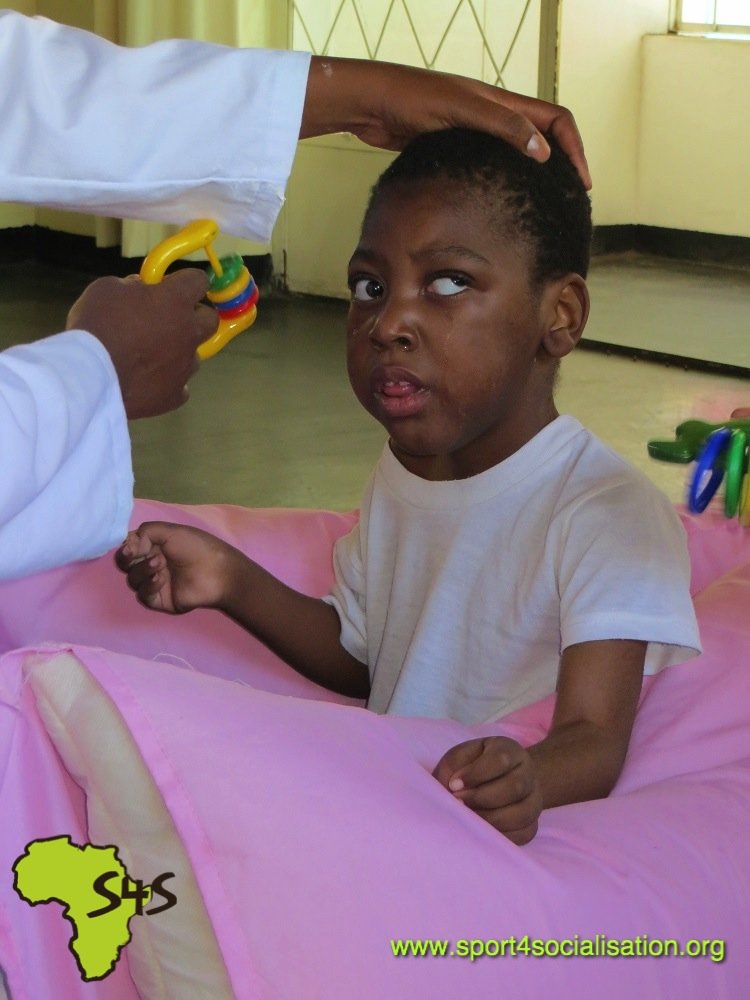
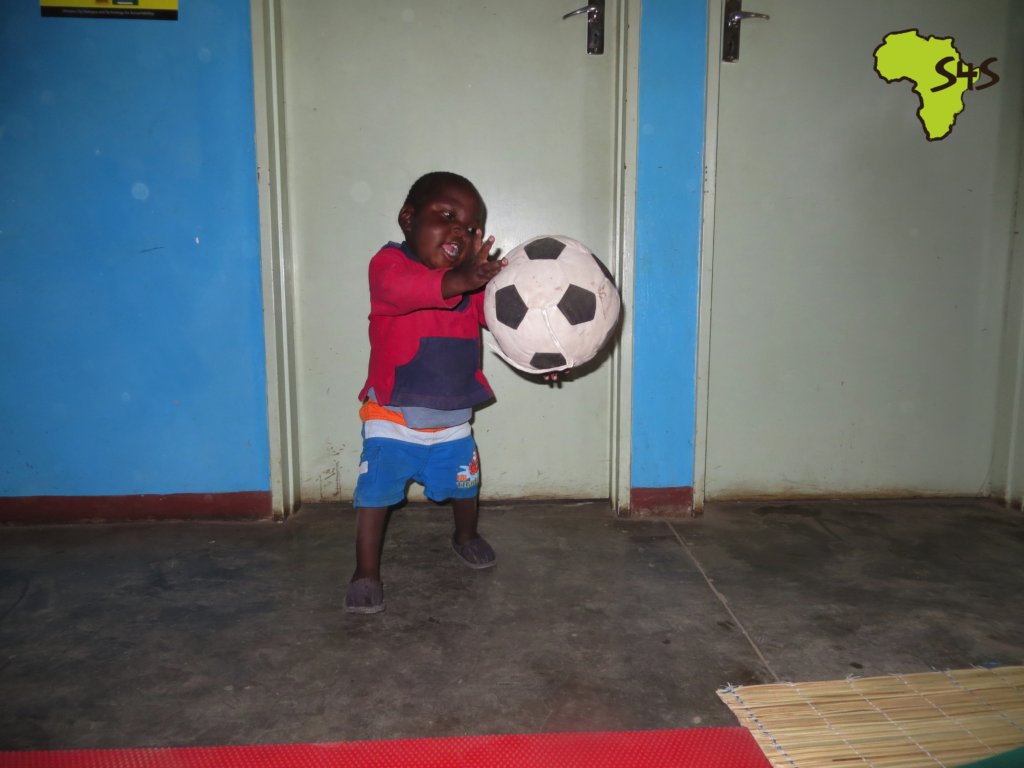
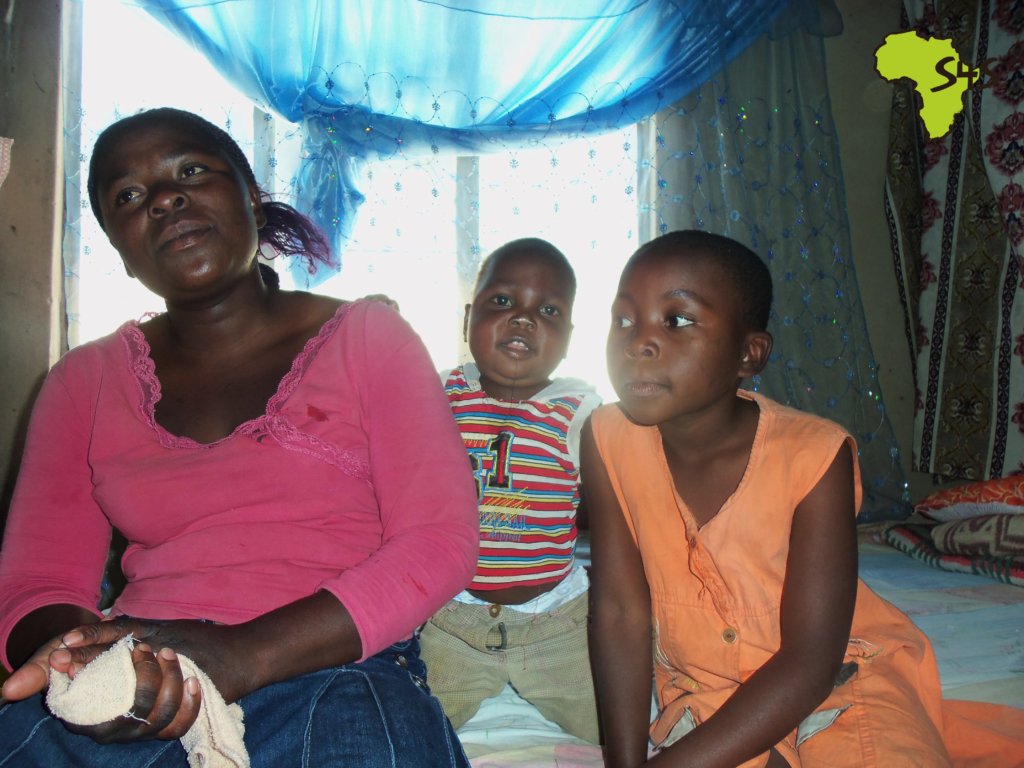
One of the children in this programme is Ngonidzashe, a three-year-old boy from a suburb called Hobhouse. He was identified by our Adapted Activity Coach Brian as they live in the same area. Brian came across Ngoni’s mother Sibongile.She tell us:,,I stay in the same area as coach Brian and he encouraged me to bring Ngoni for exercises.” Ngoni has multiple disabilities, of which one is delayed milestones. This means that he is slow in his development. Ngoni and his mother Sibongile joined the programme in January this year (2015) and since then they have been consistent in attending the rehabilitation activities. Ngoni had limited mobility when he first came to our programme. His mother explains:,,Ngoni could not stand, walk, talk and had poor head control.”
Caregivers of children with disabilities are encouraged to attend our rehabilitation programme consistently so they can actively work towards full development of their child. Ngoni and his mother used to come for rehabilitation exercises at our centre in Mutare City whenever they could, but due to financial constraints this was sometimes difficult. Since the introduction of our community based rehabilitation activities they now attend on a weekly basis in their own suburb. Sibongile:,,It makes a big difference for me that I can now attend rehabilitation exercises in my own suburb and do not need to travel all the way to Town as sometimes I did not have money for transport.”
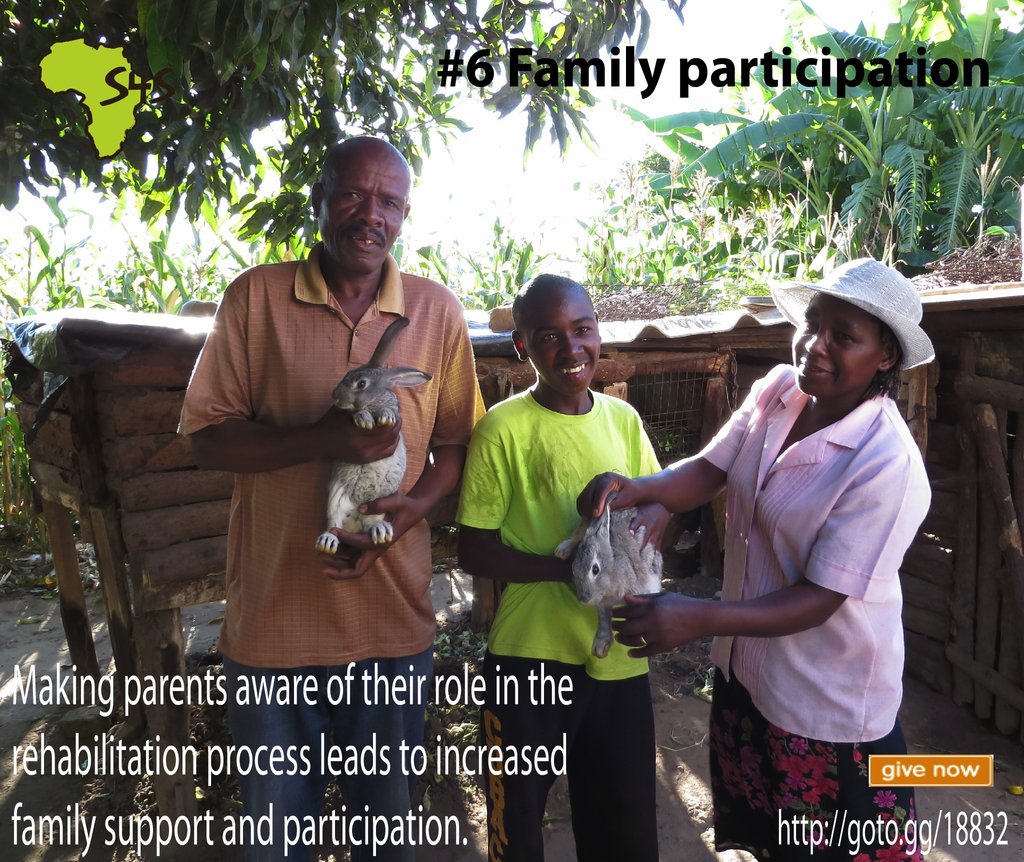
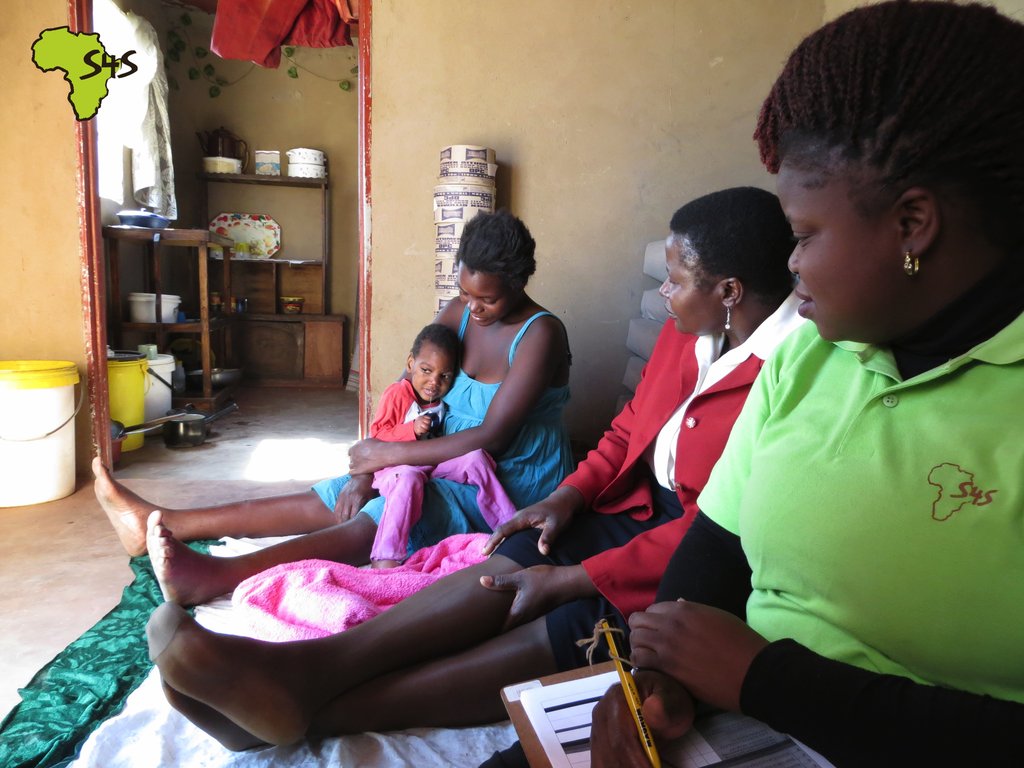
Caregivers play an important role in the rehabilitation process of their child. When actively involved they can directly improve the child’s mobility and level of independence, which ultimately has a positive impact on their own lives as well. Therefore we teach caregivers how to conduct simple rehabilitation exercises with their disabled children. They are encouraged to continue with these exercises at home. We conduct regular home visits to ensure the caregivers adhere to the prescribed exercises and to assess the home environment of the families. It allows caregivers to share important information with our staff in a secure and safe environment. Sibongile: “I continue with exercises at home twice daily and I appreciate the home visits from S4S’ staff.’’
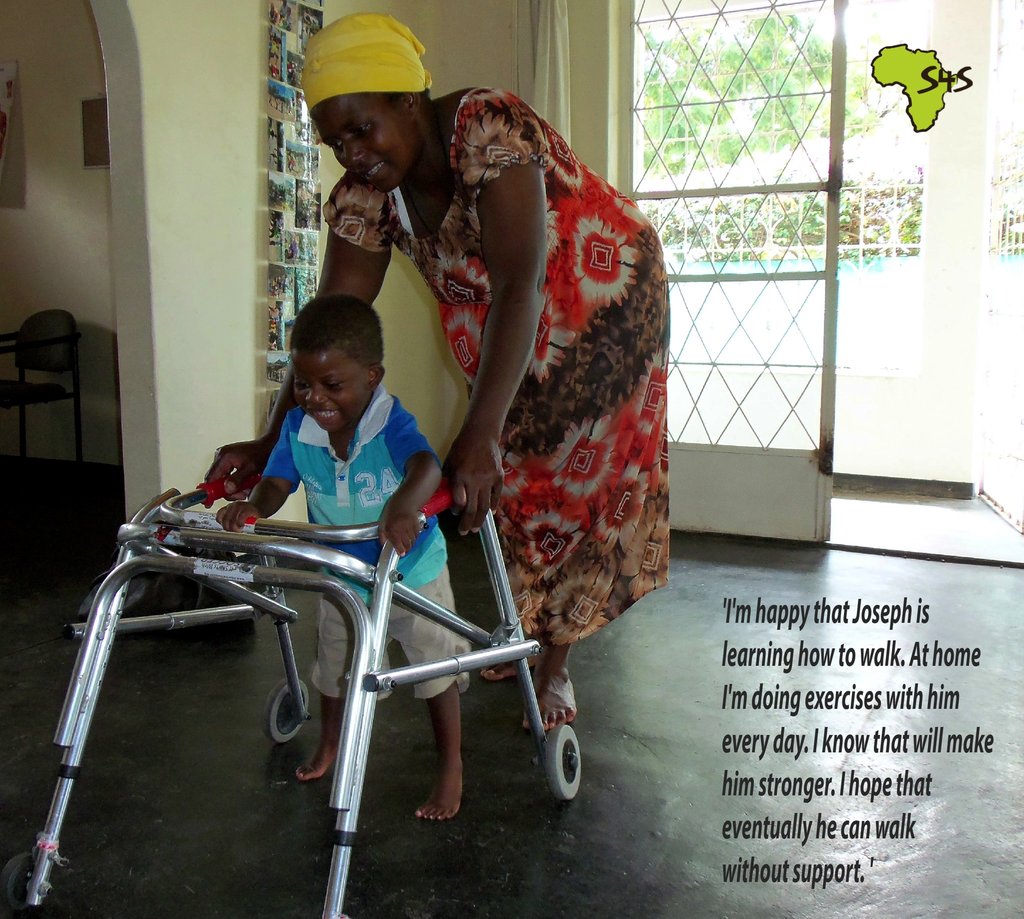
Now almost a year later Ngoni has made some progress; he can now walk although he is not yet confident enough, and he can now speak although not yet clearly. Sibongile explains: “I have learnt that regular exercise is good for strengthening muscles and improving mobility, as I have seen with my child. After only several months of consistent exercises he can now stand on his own and surprisingly can now also walk and talk although he does not produce the words clearly yet. We will continue with the exercises and it is my hope that one day Ngoni can do anything like his brother can. I will never give up on my child no matter what.”
In the period September - November 2015 S4S has assisted 48 children and their caregivers with a total of 214 rehabilitation sessions. In that same period 14 children received medication for epilepsy. 161 Children with disabilities took part in our weekly community based inclusive sport and games programme.
Would you like to help us to reach out to more children like Ngoni? Support our work with a donation.
![]()
![]()
![Share on Twitter]()
![Share on Facebook]()
Aug 21, 2015
Leannah's story
By Chengetai Kurewa and Isabel de Vugt | Evidence and Effectiveness Off. & Project Leader
![Leannah and her mother]()
Leannah and her mother
Many people in Zimbabwe face financial challenges due to the country’s economic status. Most caregivers of children with disabilities find it difficult to travel to the rehabilitation centre at our offices in central Mutare. When we saw that children were dropping out of the programme because of their challenging circumstances, we tackled it by reaching out to families in the communities they live in by providing weekly community based rehabilitation sessions. Our Evidence and Effectiveness Officer Chenge reports:
It is Monday morning and we are in a suburb called Dangamvura where we organise community based rehabilitation sessions at a local church. Like every Monday morning, Leannah and her mother Wadzanai are already waiting in front of the church. As soon as Leannah sees us she breaks a smile and her dimpled face lights up. Leannah’s grandmother provides moral support and also comes for Leannah’s rehabilitatation sessions whenever she can. This support comforts Wadzanai as she feels that she is not alone, whereas often other caregivers are being neglected for having a child with a disability. S4S stimulates family participation during the rehabilitation process. When families are involved, children are supported and likely to develop to their full potential.
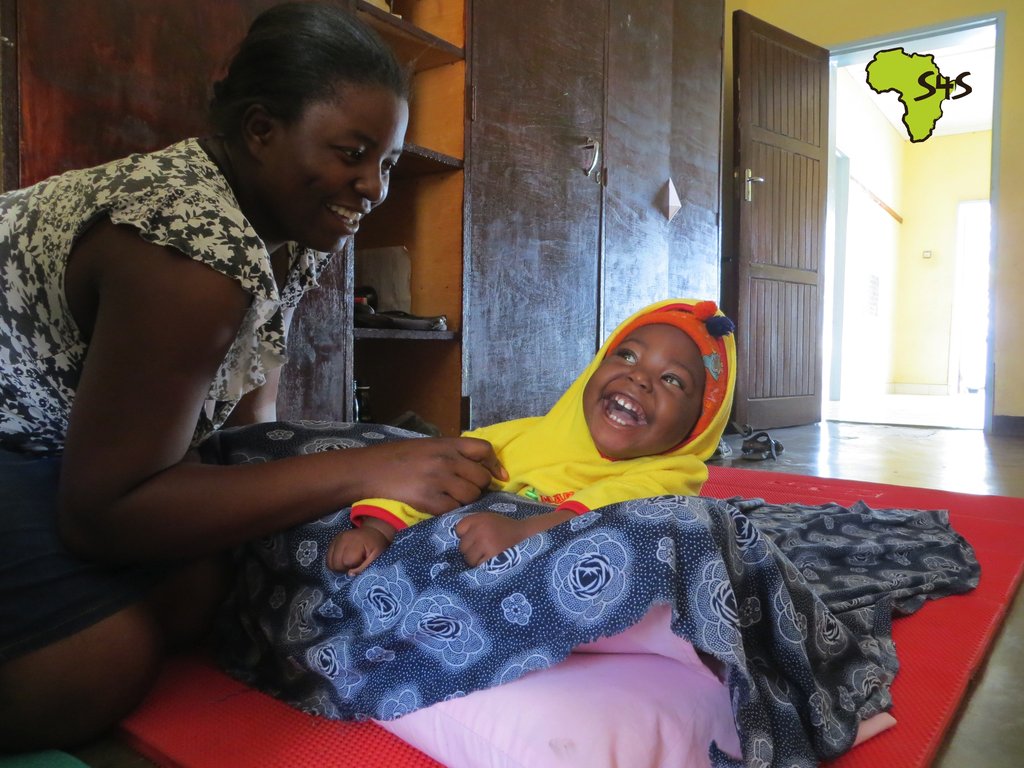
Two year old Leannah has Cerebral Palsy. She cannot sit, walk or crawl due to weakness in her upper and lower limb muscles. They joined the programme when Leannah was just one year old. A caregiver in the S4S programme told them about S4S when they met at the local clinic. Wadzanai is very committed to Leannah’s rehabilitation and they never miss an appointment. The regular exercises have greatly helped Leannah’s development. Wadzanai explaines: “With consistent exercises I believe Leannah will reach a level of independence one day”. And indeed, it is evident that the exercises are helping Leannah’s development as she has improved head control and she can lift and turn her head on her own. She can also move her legs and is now attempting to sit and stand with some support. Wadzanai: “This improvement has shown me that one day my child will walk”.
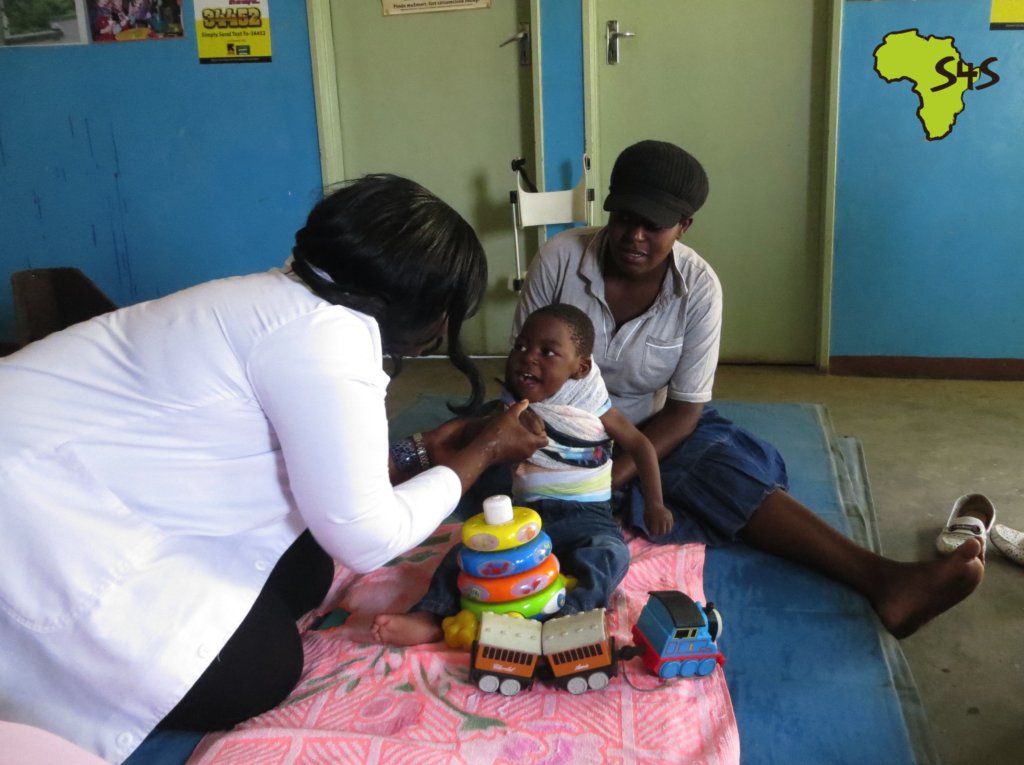
It is exercise time for Leannah. S4S Rehab Tech Rumbi asks Wadzanai to demonstrate the exercises she does at home to see if she is performing them correctly. During these sessions caregivers are taught exercises which suit their child’s condition. They are taught the importance of adhering to these exercises and are encouraged to continue with the exercises when they are at home. Wadzanai: “I do exercises with Leannah at least twice daily, in the morning when she wakes up and in the evening before bed. In the afternoons I usually train her to sit.” Wadzanai demonstrates the exercises to Rehab Tech Rumbi, before Rumbi takes over and shows her new exercises to do at home.
Then slowly more people begin to trickle in and among them are Ndanatsei and her daughter Nokutenda, who are new to S4S. They fellowship at the church we use for this programme and heard about S4S during an announcement at Sunday’s church service. They take a seat and wait for Rumbi to finish her exercises with Leannah so that an intake can be conducted with them an individual rehabilitation plan can be drawn up. At the end of their session Wadzanai tell us the following: “I am grateful that S4S teaches me what exercises to do with Leannah. I can see she is improving. But there are many more children like Leannah who are not getting the support they need. I ask you to assist those children too.” And she is right, as is show by the constant flow of new children joining the programme.
In the period June-August S4S has been able to assist 34 children and their caregivers with weekly rehabilitation sessions. In that same period 11 children received medication for epilepsy. 117 Children with disabilities took part in our weekly community based inclusive sport and games programme. Your help is very welcome and will change the lives of the children and their families. For only US$10 you can provide a child with a 2 month supply of eplipelsy medication, whereas US$50 alllows a caregiver and child to attend weekly rehabilitation sessions, like Wadzanai and Leannah.
Leannah’s session is done, we will see her again next Monday. Rumbi advises them to continue with exercises at home until then. It is time to do the intake with Ndanatsei and
![Home visit]()
Home visit
![Rumbi teaching Leannah's mother exercises]()
Rumbi teaching Leannah's mother exercises
![Community activities]()
Community activities
Links:
![Share on Twitter]()
![Share on Facebook]()