By Isabelle de Vugt | Founder & Director
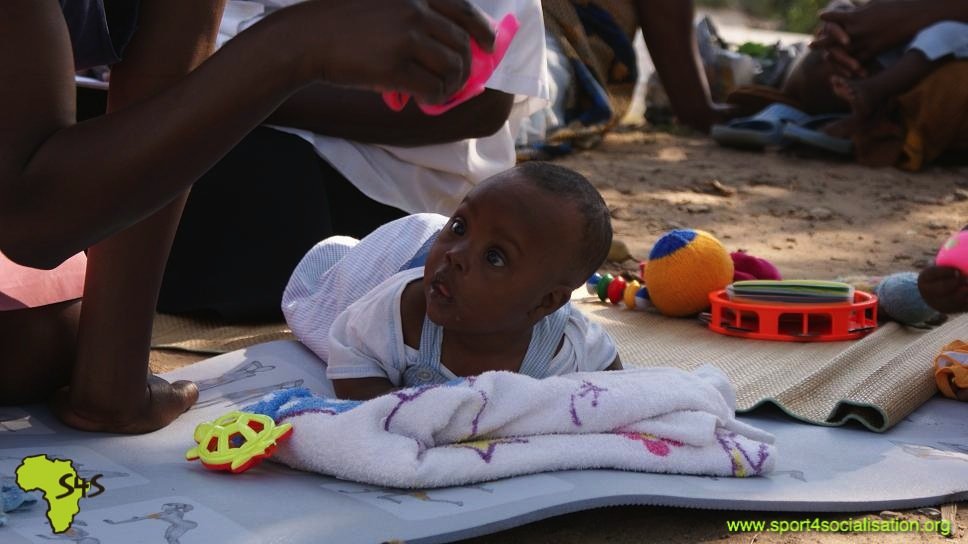
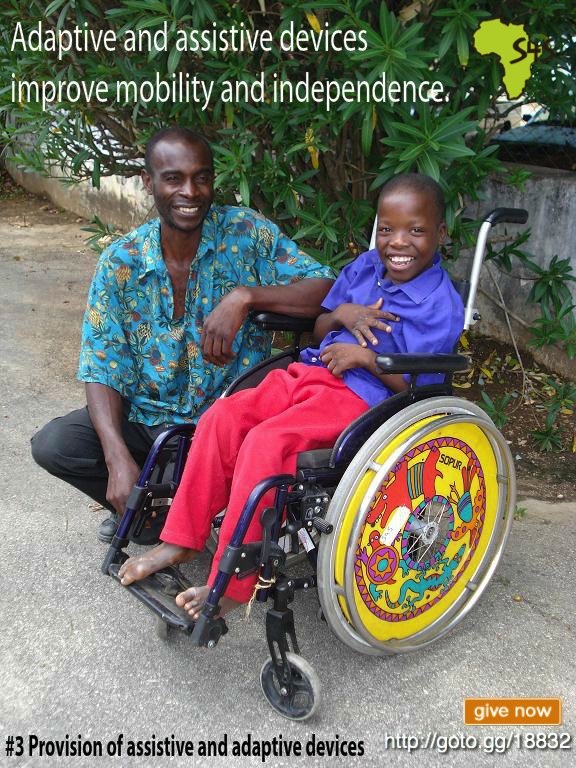
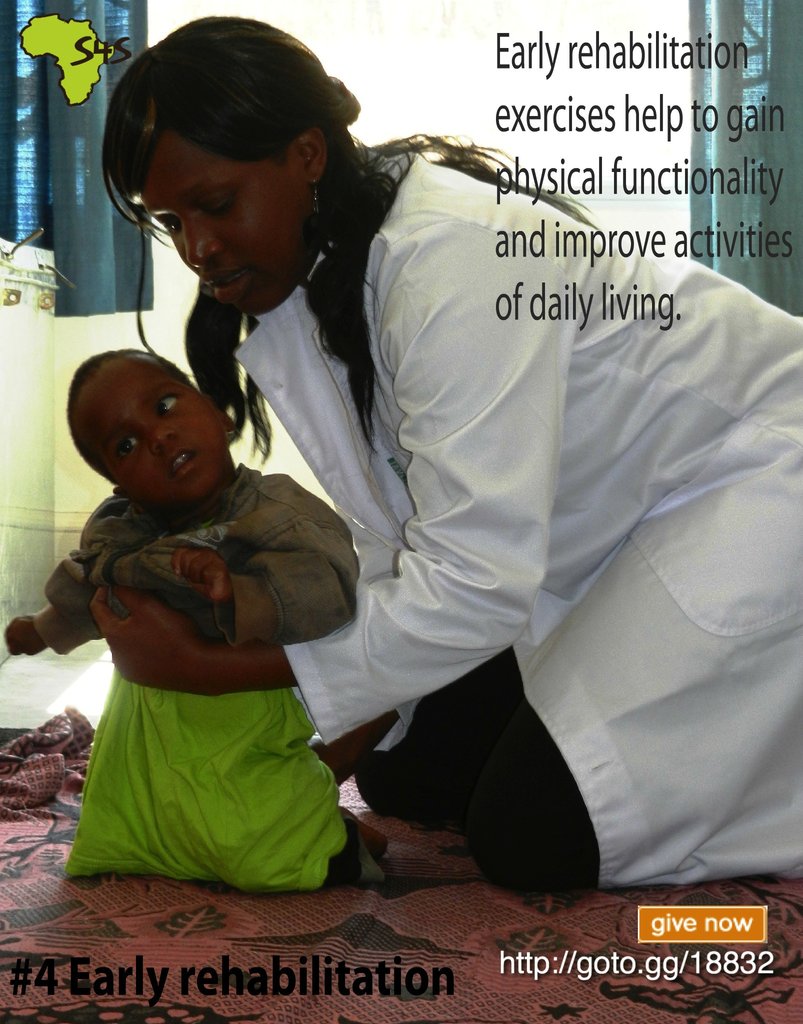
S4S runs a rehabilitation programme for children with disabilities. Within this rehabilitation programme we focus on physical rehabilitation of the child through rehabilitation exercises, provision of medication and assistive devices but we also focus on caregiver engagement and family support. The programme runs in four areas in the Mutare District, Zimbabwe. Since 2015 we implement a community based rehabilitation programme, whereby we meet disabled children and their caregivers in the suburbs they live in, rather than at our centre in the heart of the City of Mutare.
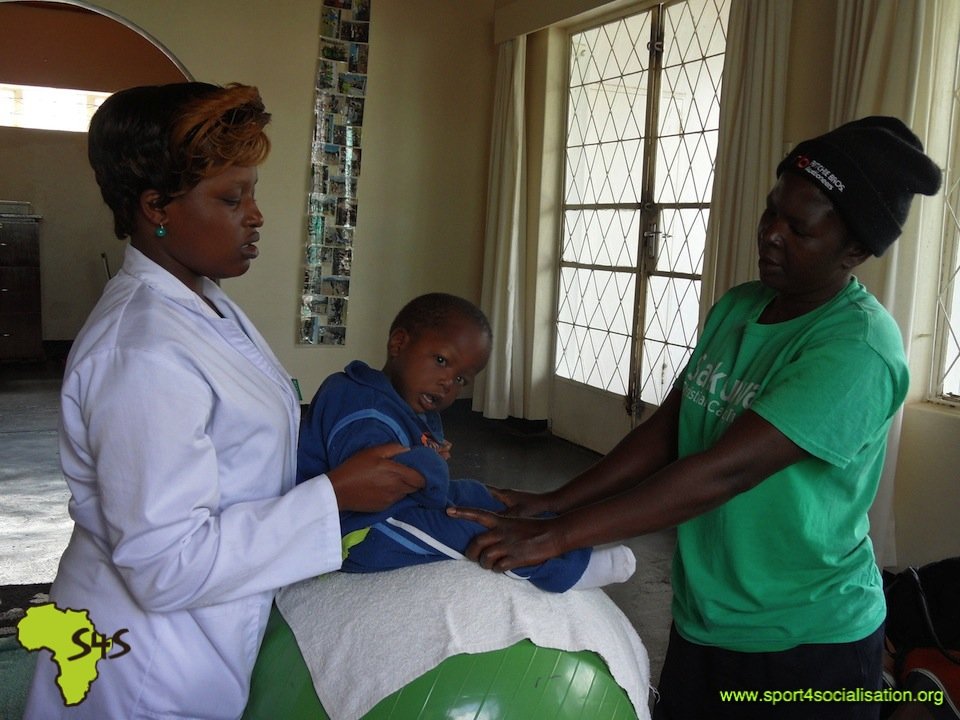
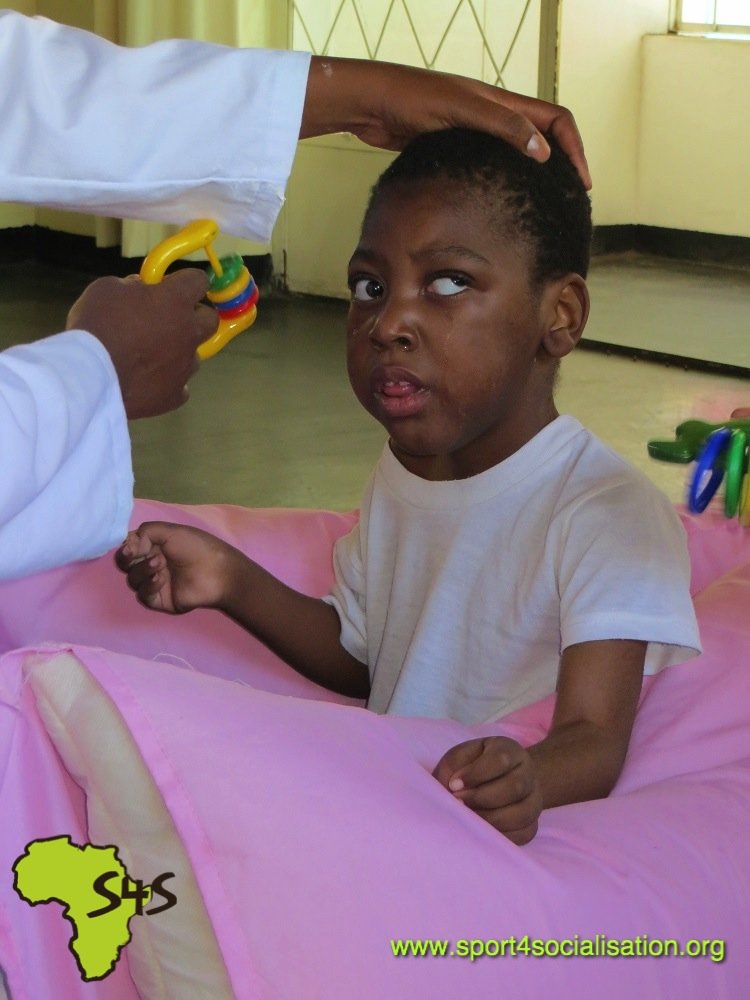
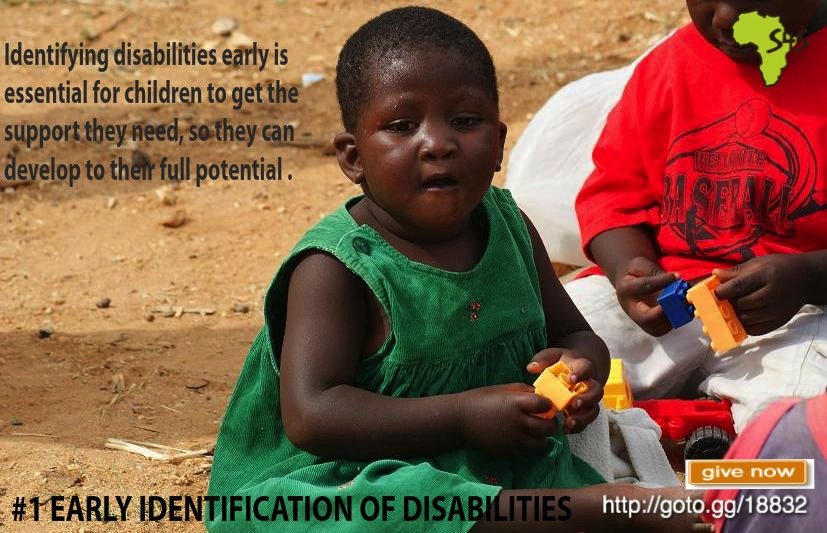
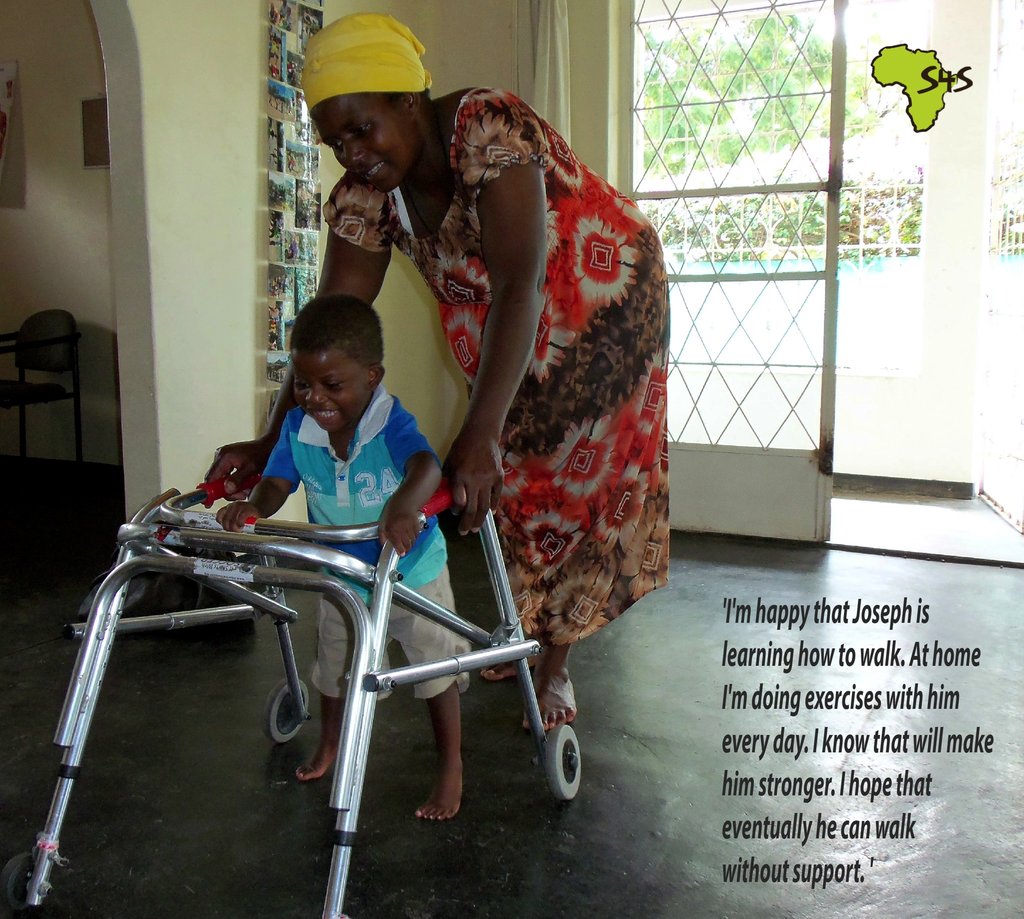
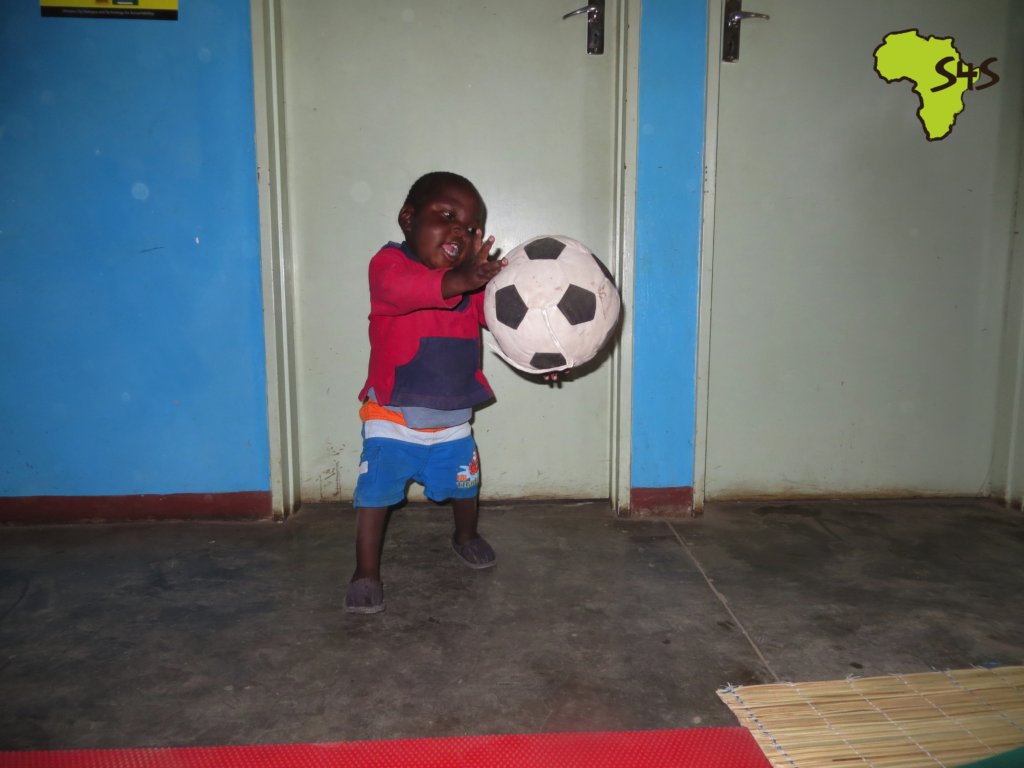
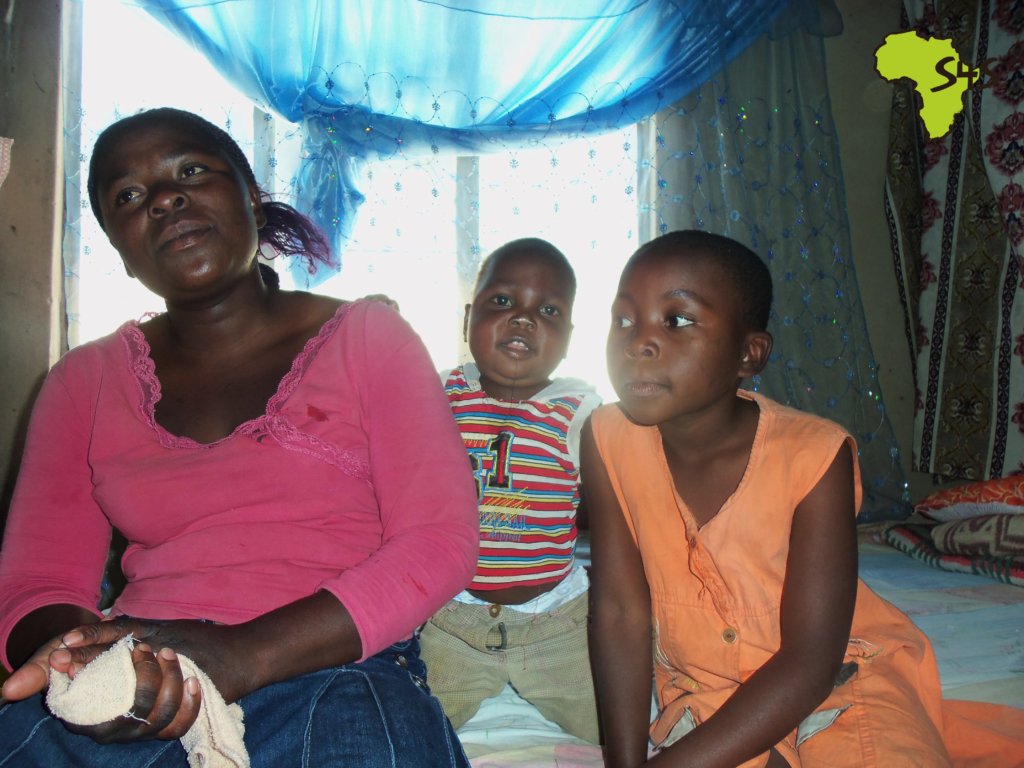
One of the children in this programme is Ngonidzashe, a three-year-old boy from a suburb called Hobhouse. He was identified by our Adapted Activity Coach Brian as they live in the same area. Brian came across Ngoni’s mother Sibongile.She tell us:,,I stay in the same area as coach Brian and he encouraged me to bring Ngoni for exercises.” Ngoni has multiple disabilities, of which one is delayed milestones. This means that he is slow in his development. Ngoni and his mother Sibongile joined the programme in January this year (2015) and since then they have been consistent in attending the rehabilitation activities. Ngoni had limited mobility when he first came to our programme. His mother explains:,,Ngoni could not stand, walk, talk and had poor head control.”
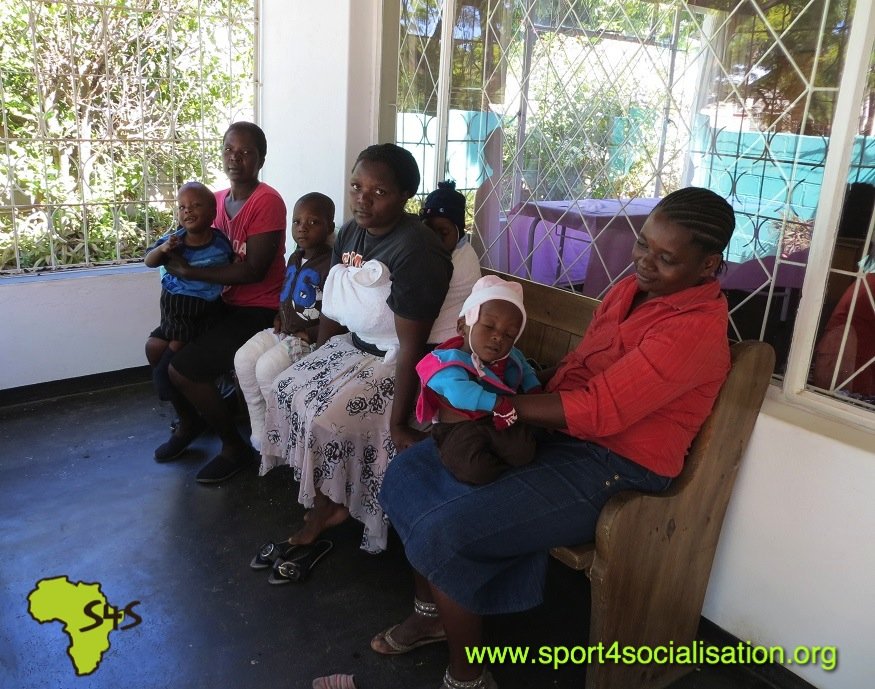
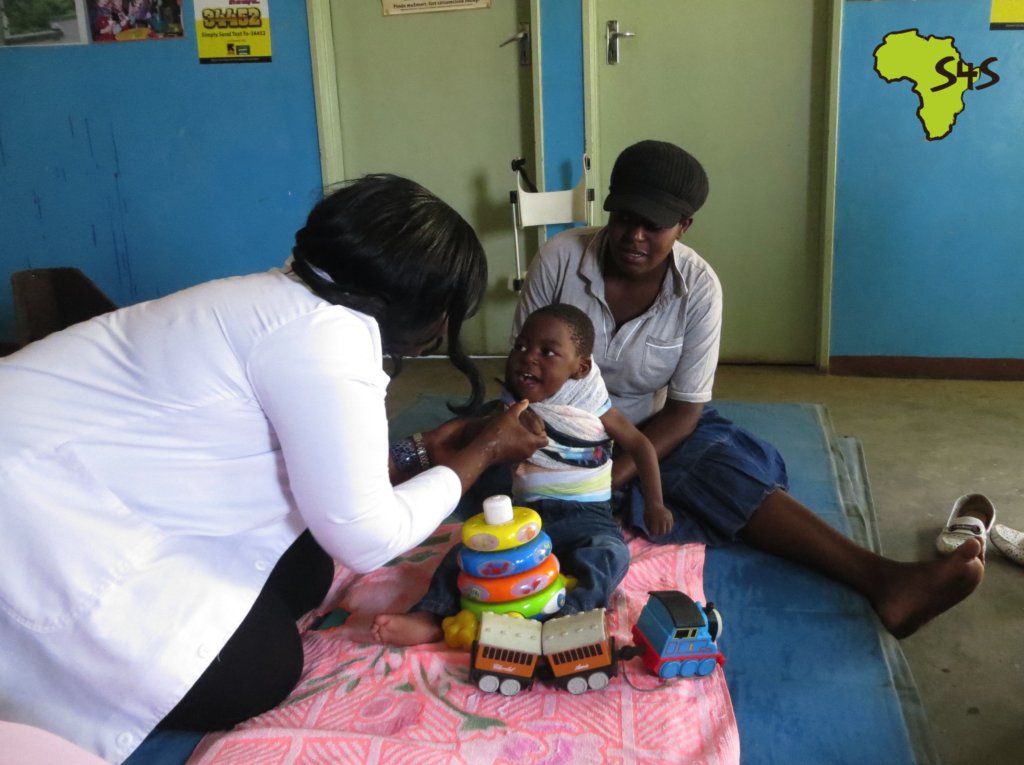
Caregivers of children with disabilities are encouraged to attend our rehabilitation programme consistently so they can actively work towards full development of their child. Ngoni and his mother used to come for rehabilitation exercises at our centre in Mutare City whenever they could, but due to financial constraints this was sometimes difficult. Since the introduction of our community based rehabilitation activities they now attend on a weekly basis in their own suburb. Sibongile:,,It makes a big difference for me that I can now attend rehabilitation exercises in my own suburb and do not need to travel all the way to Town as sometimes I did not have money for transport.”
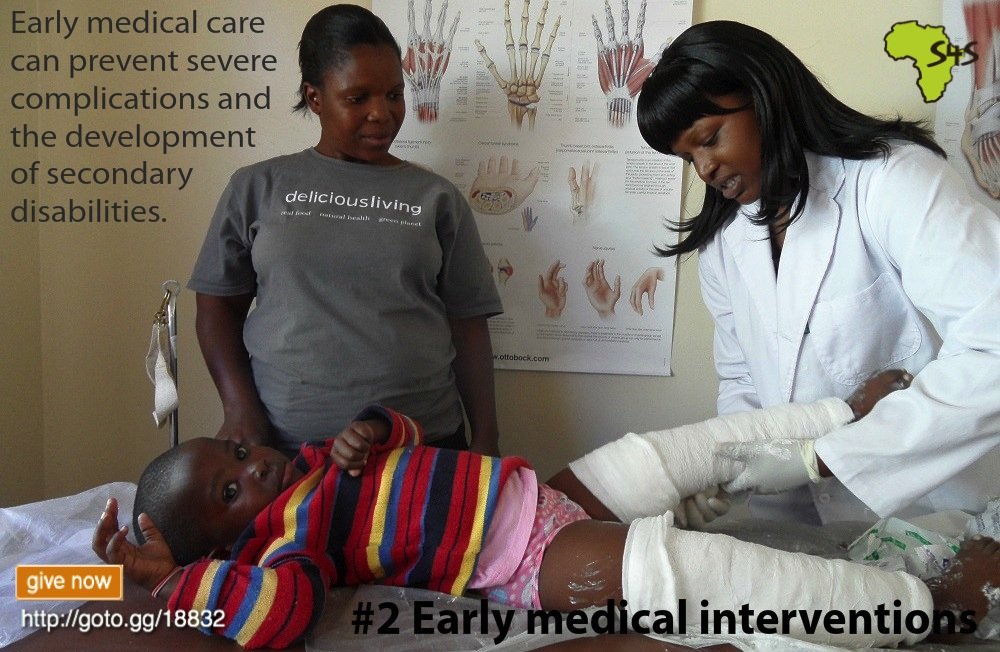
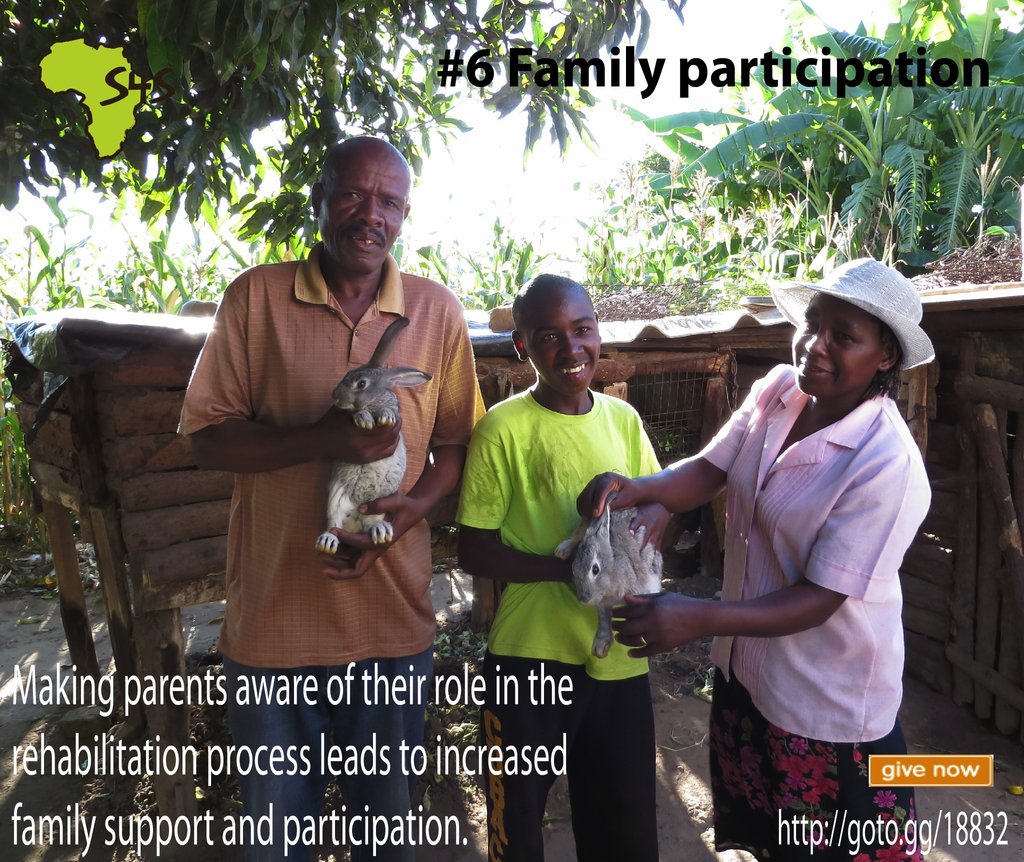
Caregivers play an important role in the rehabilitation process of their child. When actively involved they can directly improve the child’s mobility and level of independence, which ultimately has a positive impact on their own lives as well. Therefore we teach caregivers how to conduct simple rehabilitation exercises with their disabled children. They are encouraged to continue with these exercises at home. We conduct regular home visits to ensure the caregivers adhere to the prescribed exercises and to assess the home environment of the families. It allows caregivers to share important information with our staff in a secure and safe environment. Sibongile: “I continue with exercises at home twice daily and I appreciate the home visits from S4S’ staff.’’
Now almost a year later Ngoni has made some progress; he can now walk although he is not yet confident enough, and he can now speak although not yet clearly. Sibongile explains: “I have learnt that regular exercise is good for strengthening muscles and improving mobility, as I have seen with my child. After only several months of consistent exercises he can now stand on his own and surprisingly can now also walk and talk although he does not produce the words clearly yet. We will continue with the exercises and it is my hope that one day Ngoni can do anything like his brother can. I will never give up on my child no matter what.”
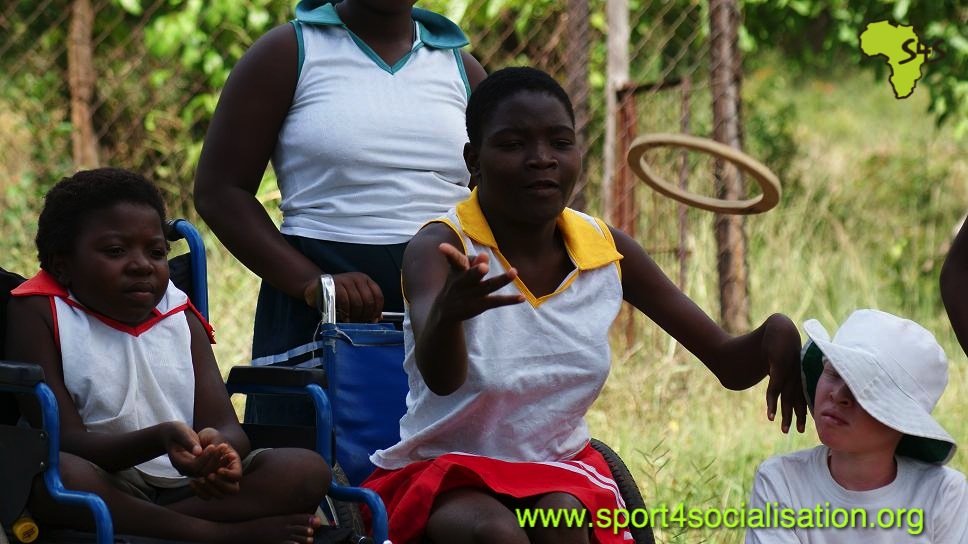
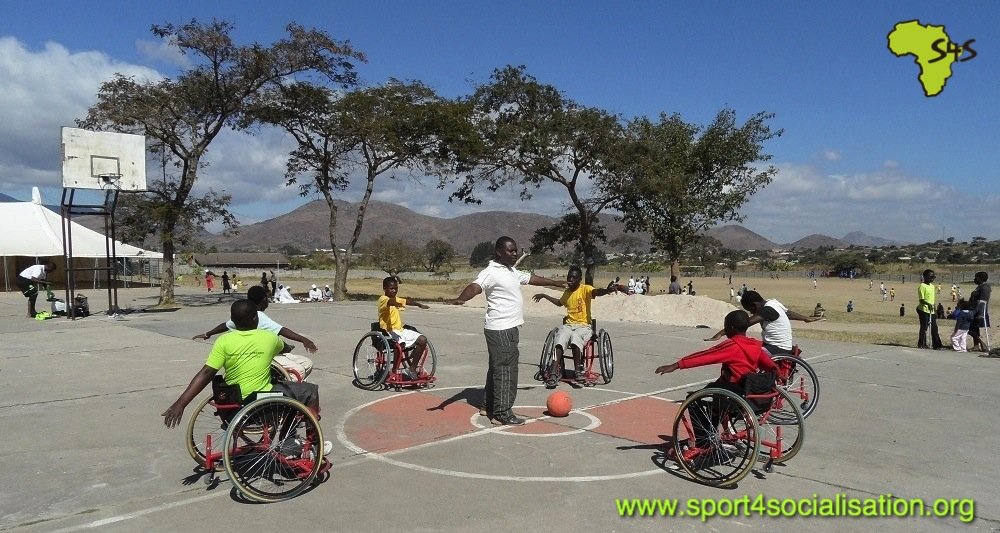
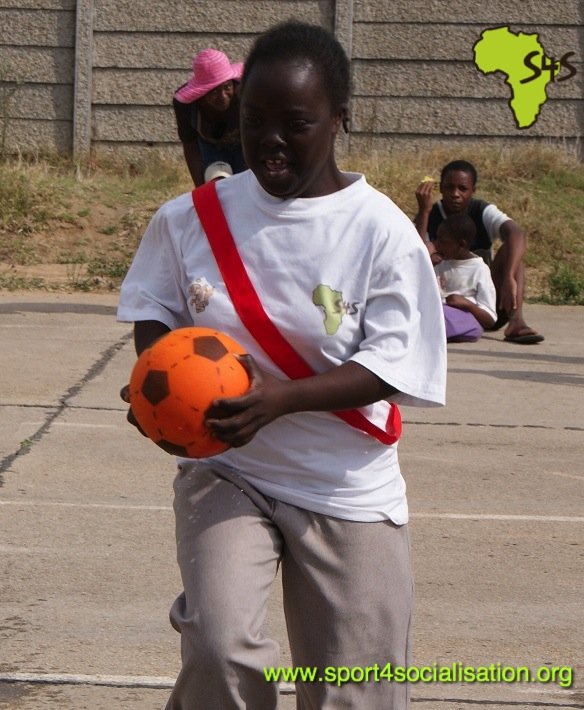
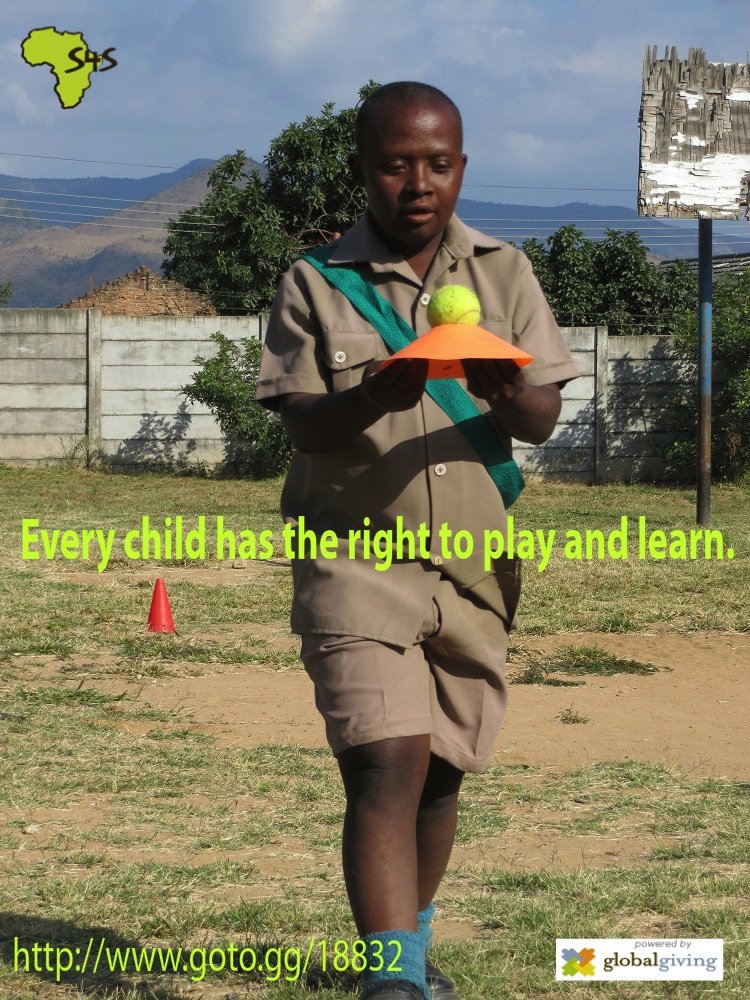
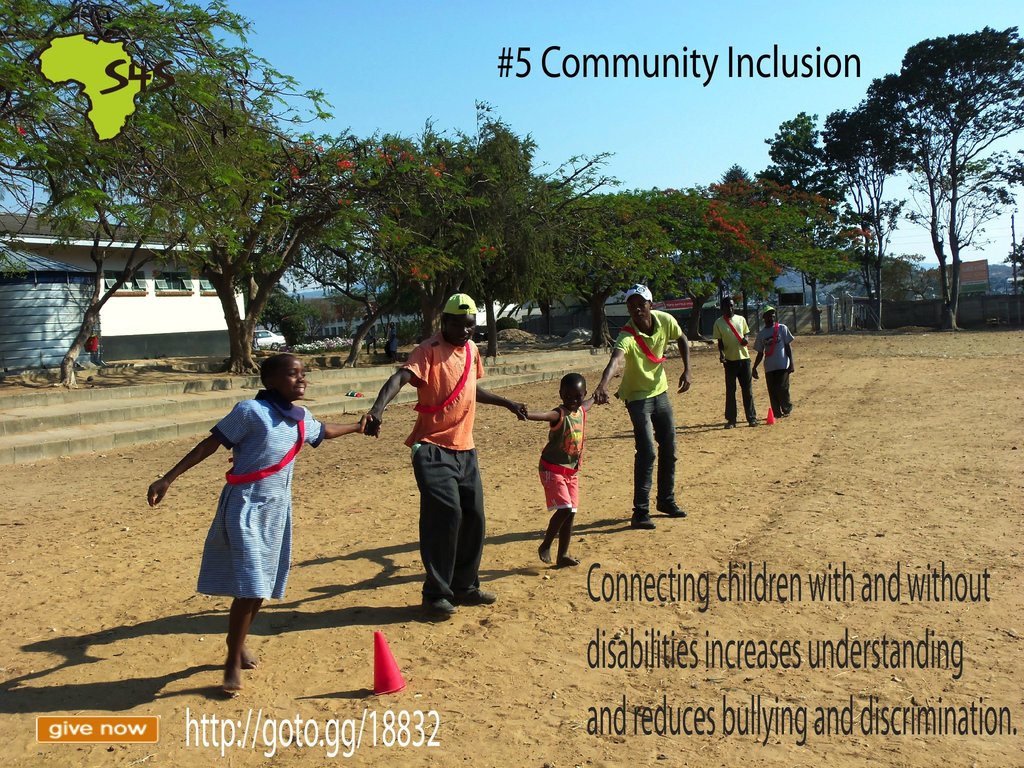
In the period September - November 2015 S4S has assisted 48 children and their caregivers with a total of 214 rehabilitation sessions. In that same period 14 children received medication for epilepsy. 161 Children with disabilities took part in our weekly community based inclusive sport and games programme.
Would you like to help us to reach out to more children like Ngoni? Support our work with a donation.
Project reports on GlobalGiving are posted directly to globalgiving.org by Project Leaders as they are completed, generally every 3-4 months. To protect the integrity of these documents, GlobalGiving does not alter them; therefore you may find some language or formatting issues.
If you donate to this project or have donated to this project, you can receive an email when this project posts a report. You can also subscribe for reports without donating.