By Flavia Nakitende | Communications Assistant
Creating Safe Spaces for Girls’ Dignity and Learning Through Inclusive School Sanitation
Introduction
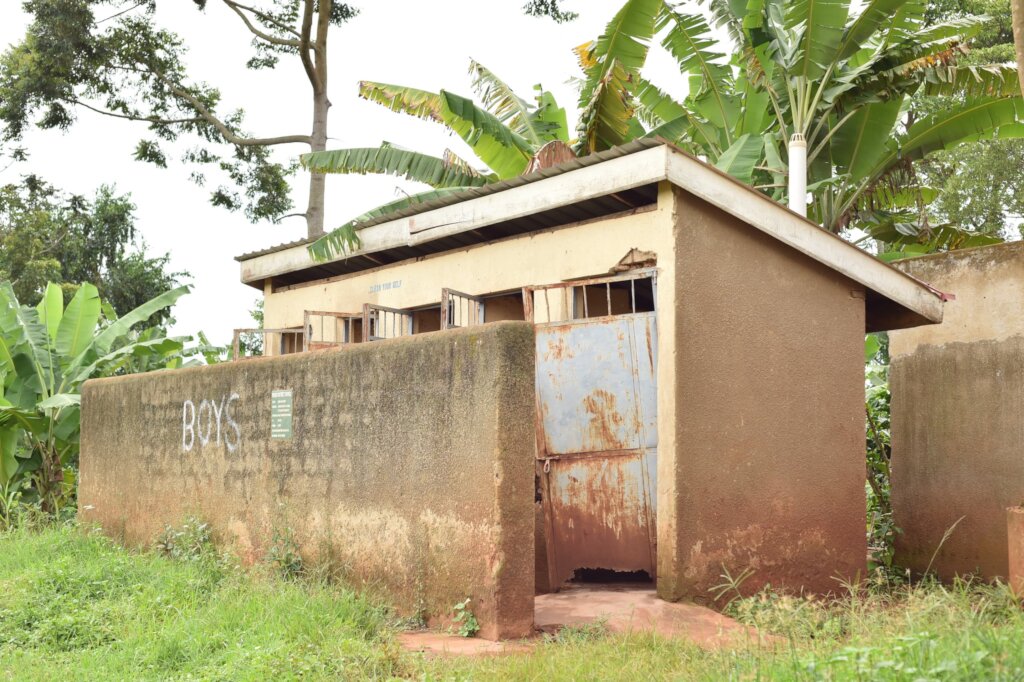
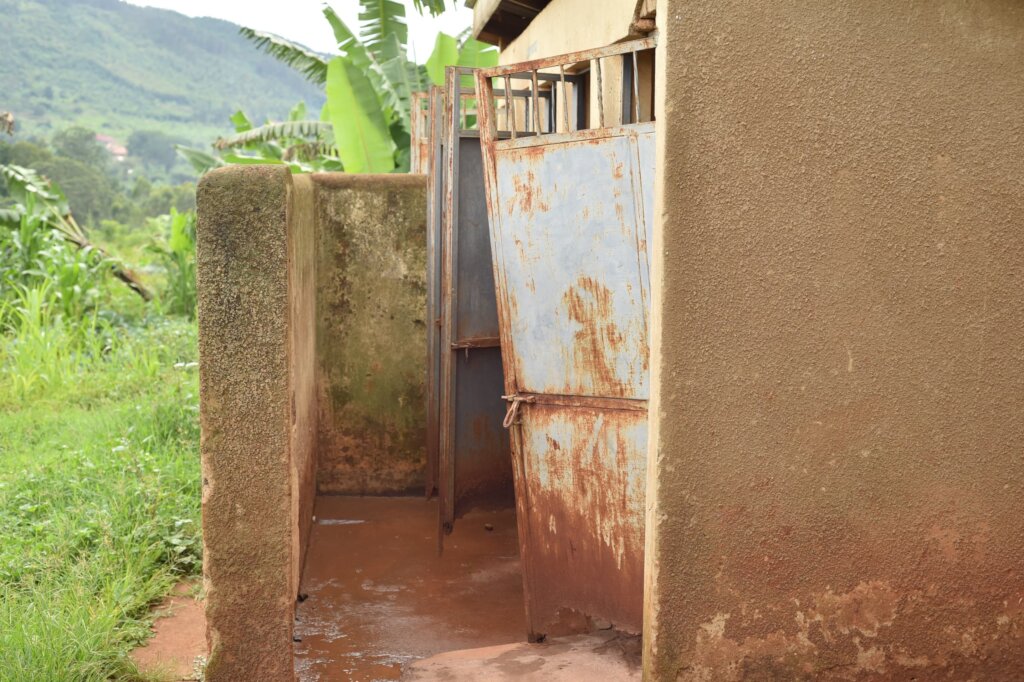
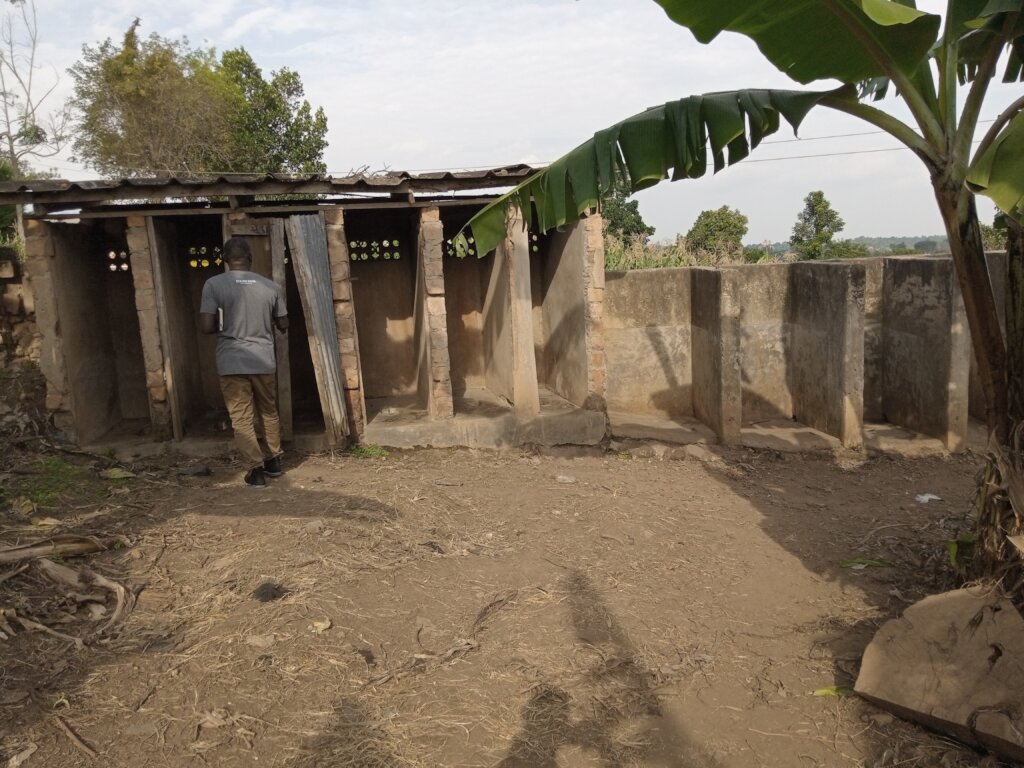
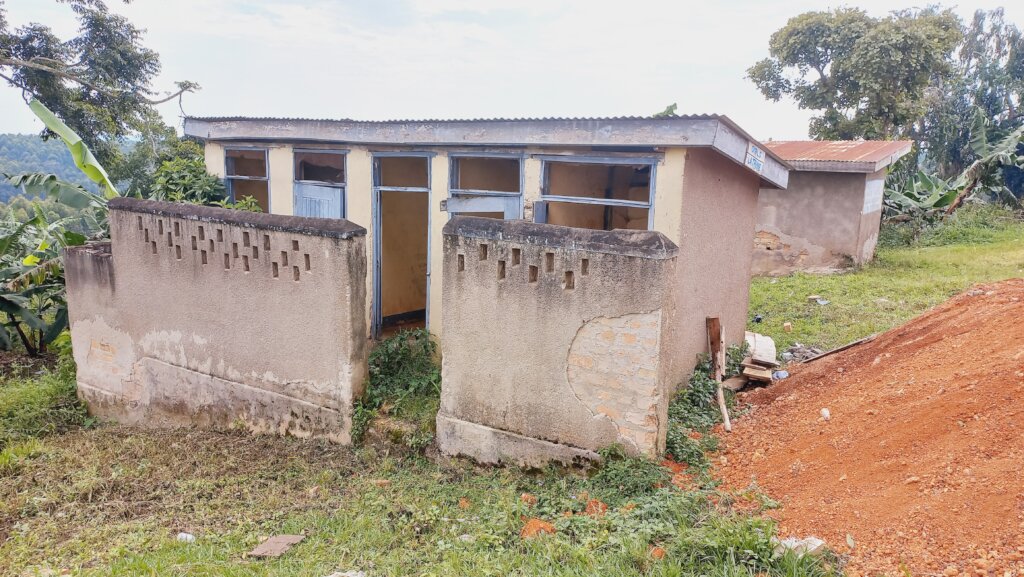
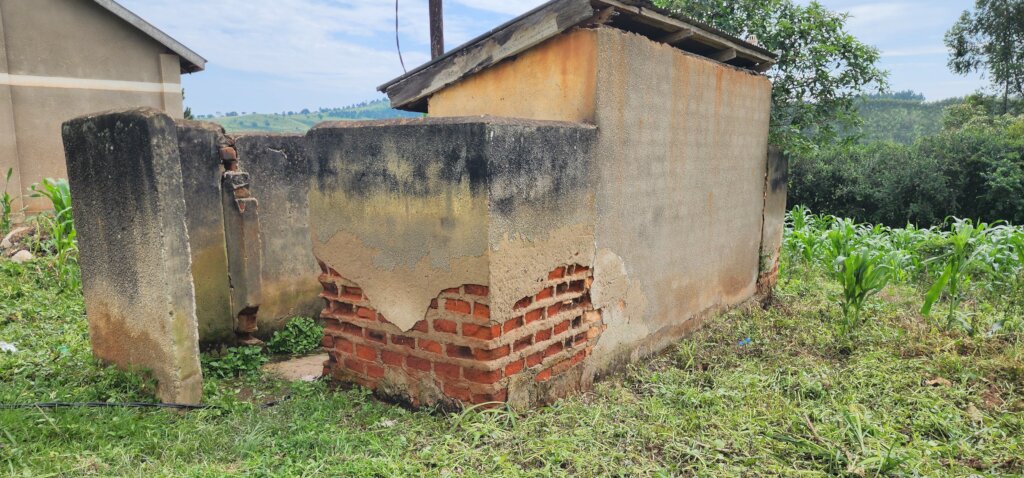
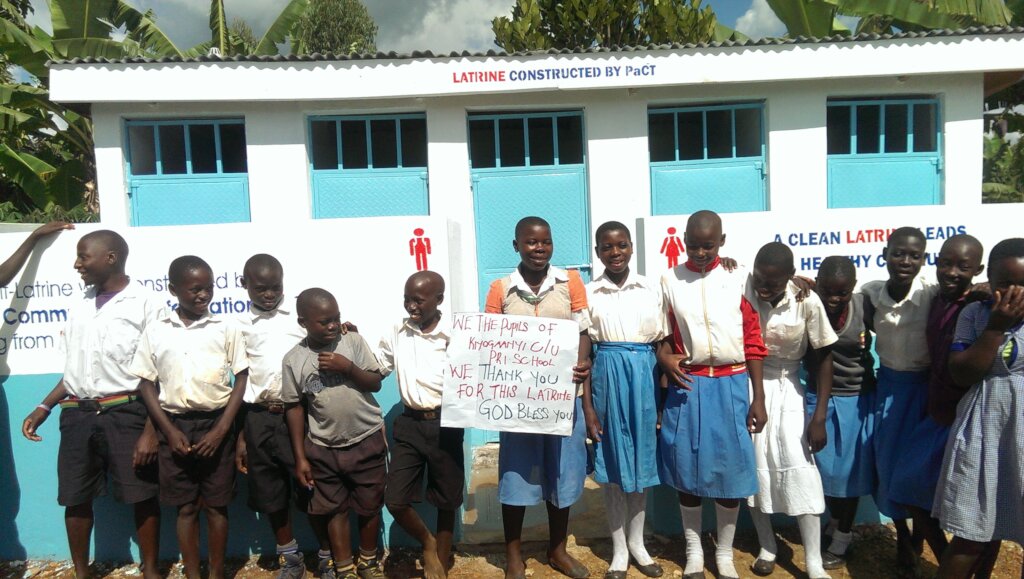
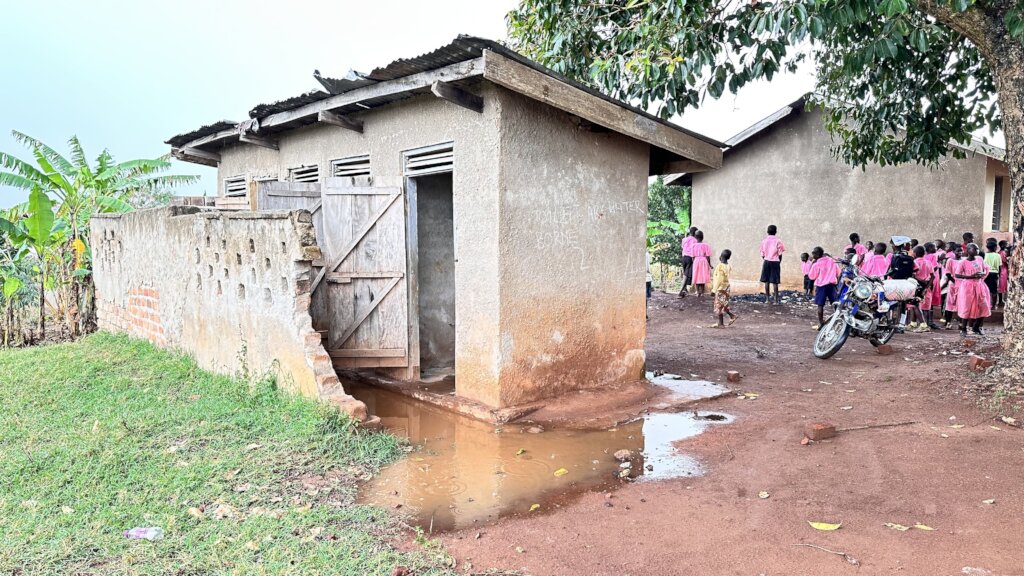
Safe and inclusive sanitation is a fundamental requirement for quality education, yet many girls in rural schools continue to face daily challenges due to inadequate facilities. For adolescent girls, the absence of private, well-equipped sanitation spaces creates barriers that go beyond physical discomfort, affecting their confidence, participation, and overall school experience. Managing menstruation in environments that lack water, privacy, and appropriate infrastructure often forces girls to miss lessons or disengage from school activities altogether.
PaCT’s work during this quarter focused on consolidating and advancing investments in girl-friendly sanitation infrastructure, with particular emphasis on ensuring that completed facilities are fully functional, accessible, and responsive to the needs of learners. The organization recognizes that providing a latrine alone is not sufficient; rather, it is the inclusion of thoughtful features such as changing rooms, water access, and privacy measures that truly transform the school environment for girls.
This reporting period therefore highlights the transition from construction to utilization, demonstrating how improved sanitation facilities are already contributing to better learning conditions, increased confidence, and enhanced well-beingamong girls at Nassanga Primary School and beyond.
Key Achievements
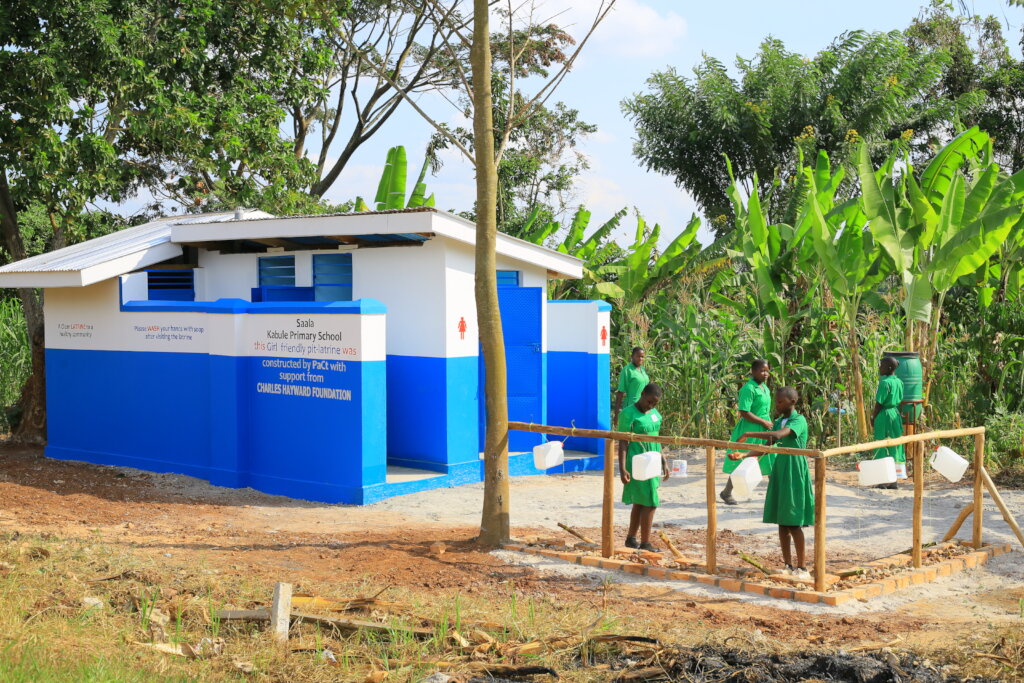
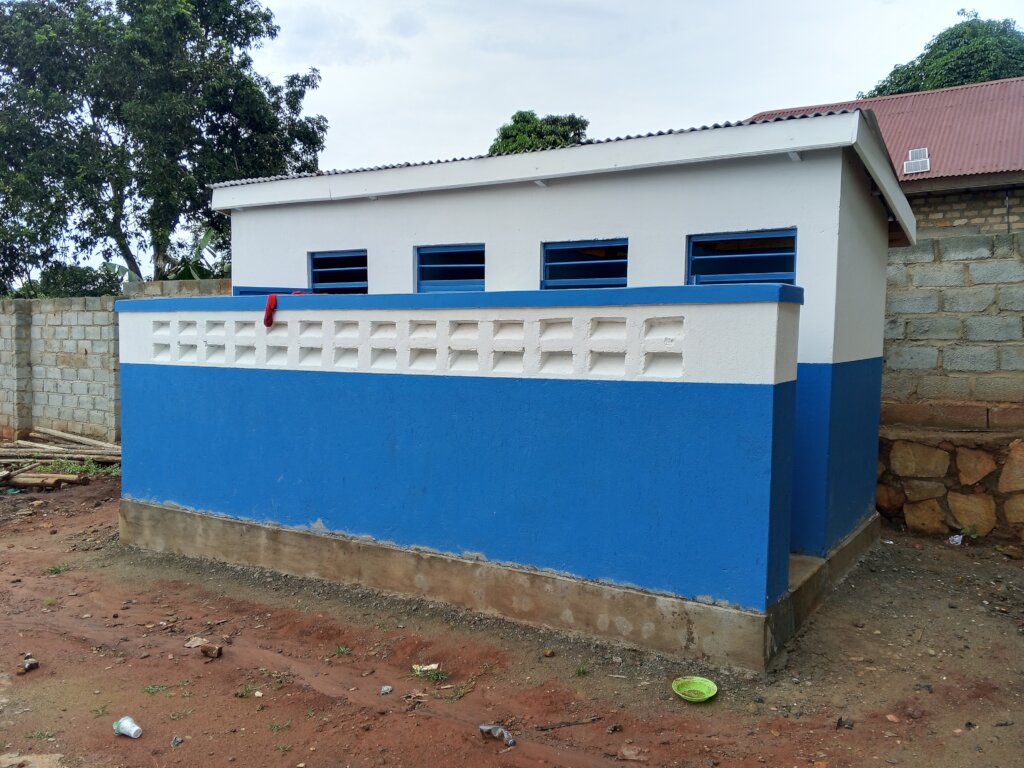
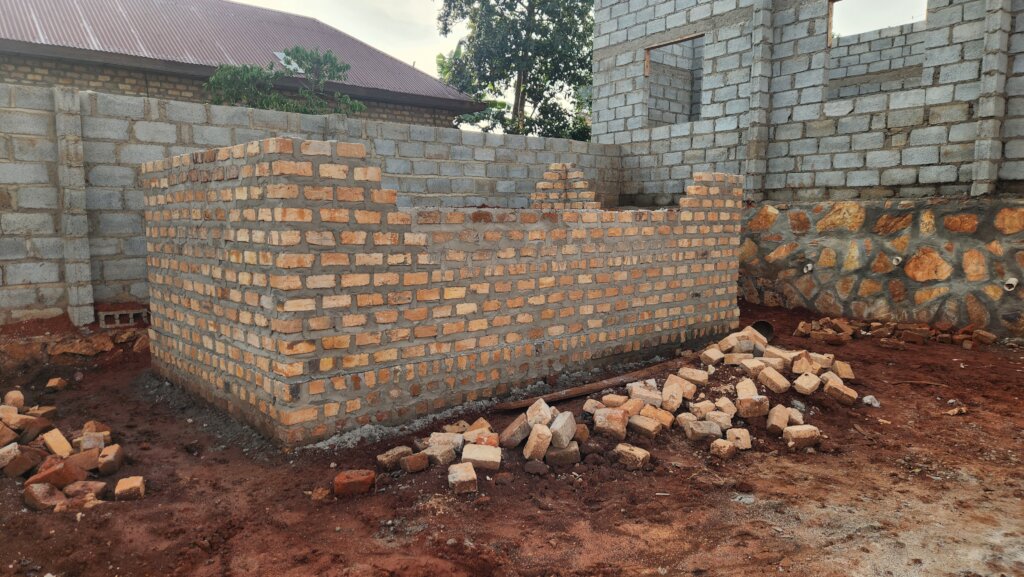
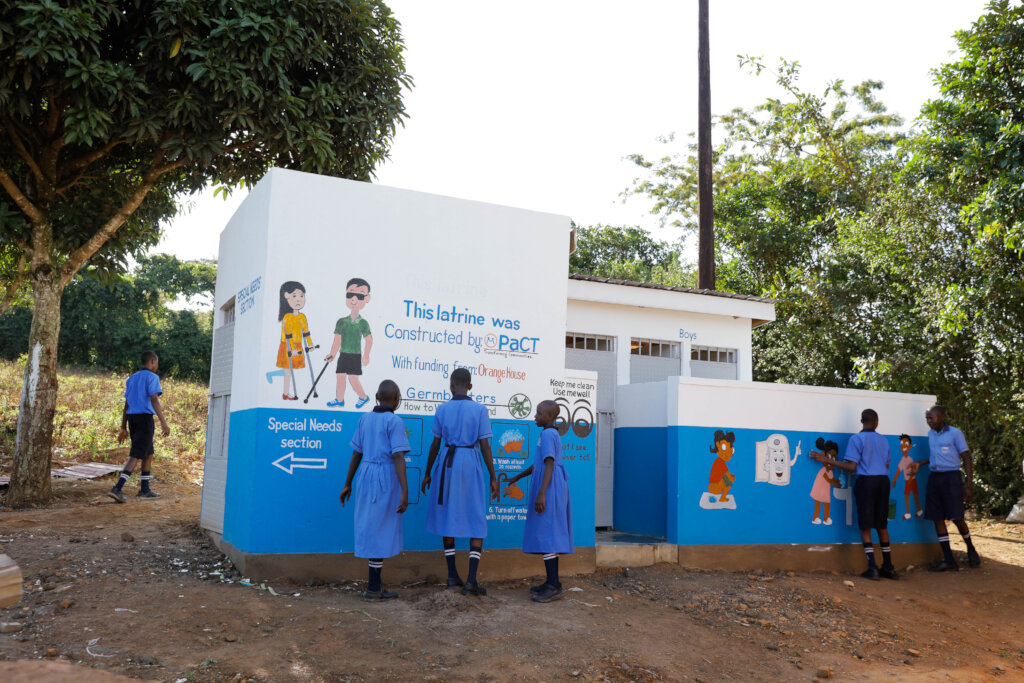
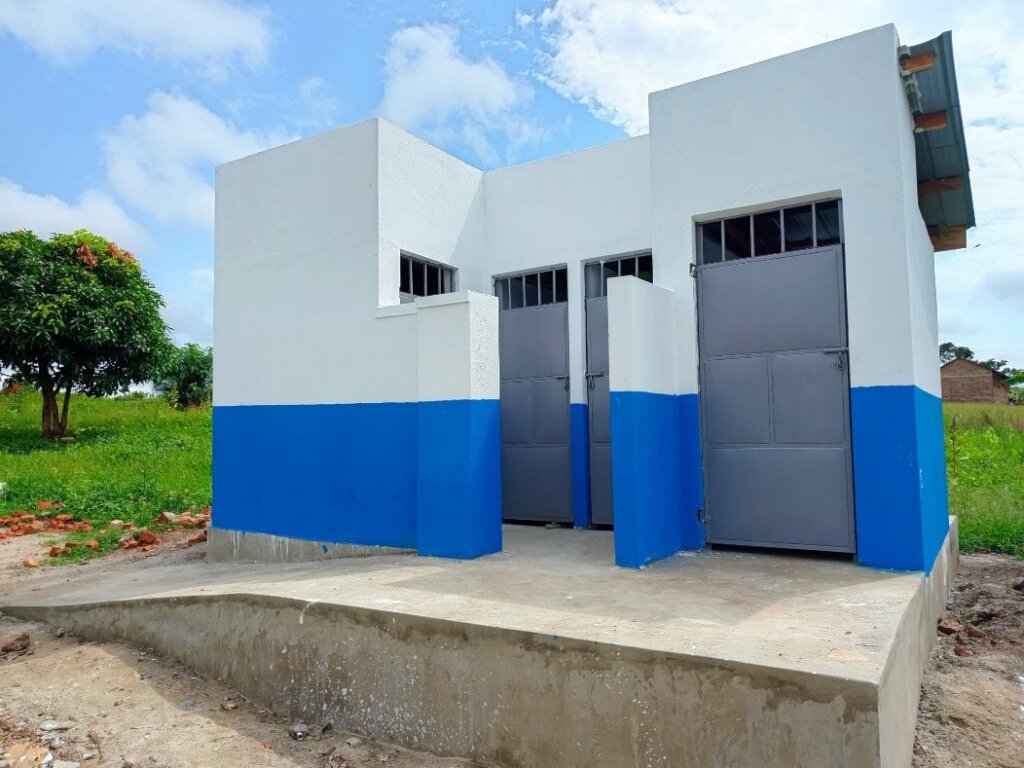
During the period from January to March 2026, PaCT finalized all remaining works on the girls’ sanitation facility at Nassanga Primary School, ensuring that the structure is fully complete, functional, and ready for long-term use. Following the completion of construction in the previous phase, efforts this quarter focused on final finishing, usability improvements, and preparation of the facility for official handover and branding.
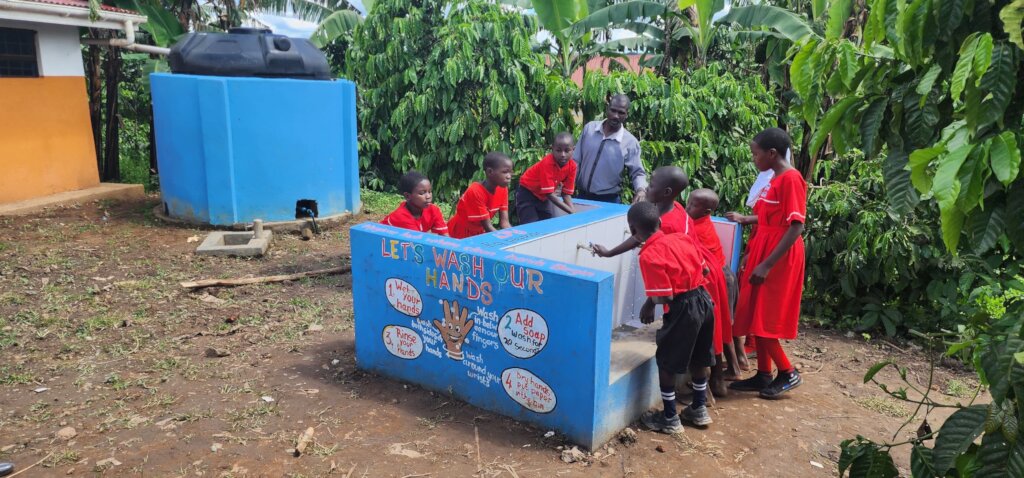
The sanitation block now includes a fully equipped menstrual hygiene management changing room that is actively supporting girls in their day-to-day school life. Water access within the facility has been secured, enabling girls to maintain proper hygiene, clean reusable materials, and manage menstruation comfortably while at school. The changing room provides a secure and private environment, addressing one of the most critical gaps that previously existed within the school.
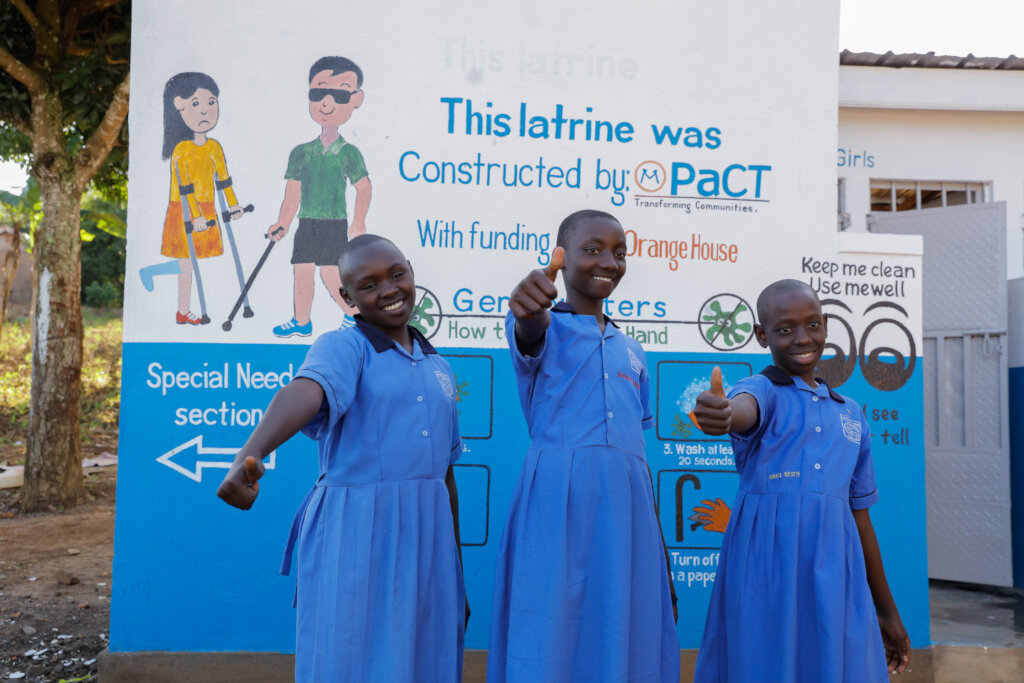
Additional interior features such as storage spaces have been put in place, allowing girls to safely keep personal hygiene items. The overall design ensures that the space is not only functional but also comfortable, with adequate lighting and ventilation that make it suitable for use throughout the school day. Final branding of the facility is underway, enhancing visibility and reinforcing the importance of safe sanitation within the school community.
Beyond infrastructure completion, the facility has already begun to influence behavior and attitudes within the school. Girls are increasingly utilizing the space confidently, and teachers report improved consistency in attendance, particularly among older female pupils. The facility stands as a practical demonstration of how targeted WASH investments can directly address barriers to education.
Beneficiaries and Impact
The completed sanitation facility at Nassanga Primary School is currently serving a population of 197 learners (102M,95F) and 12 staff. The project will serve 95 girls who are the primary beneficiaries of the improved infrastructure. Among these are adolescent girls who previously faced the greatest challenges in managing menstruation within the school environment
School Population
Males - 102
Girls - 95
Teachers - 12
Total - 20
The presence of a dedicated changing room has significantly reduced disruptions to learning. Girls are now able to remain in school throughout their menstrual periods, no longer needing to return home or miss entire days of classes. This has contributed to improved attendance patterns and greater continuity in learning.
Equally important is the impact on girls’ confidence and sense of dignity. Having access to a private and secure space has reduced the fear and embarrassment that often accompanies menstruation in poorly equipped schools. Girls are more comfortable participating in class, engaging with peers, and focusing on their studies without the constant anxiety of managing their personal needs in unsuitable conditions.
The facility has also strengthened hygiene practices within the school. With access to water and a clean environment, girls are better able to maintain personal hygiene, reducing health risks and promoting overall well-being. The normalization of menstrual hygiene management within the school setting is gradually contributing to reduced stigma, creating a more supportive and understanding environment for all learners.
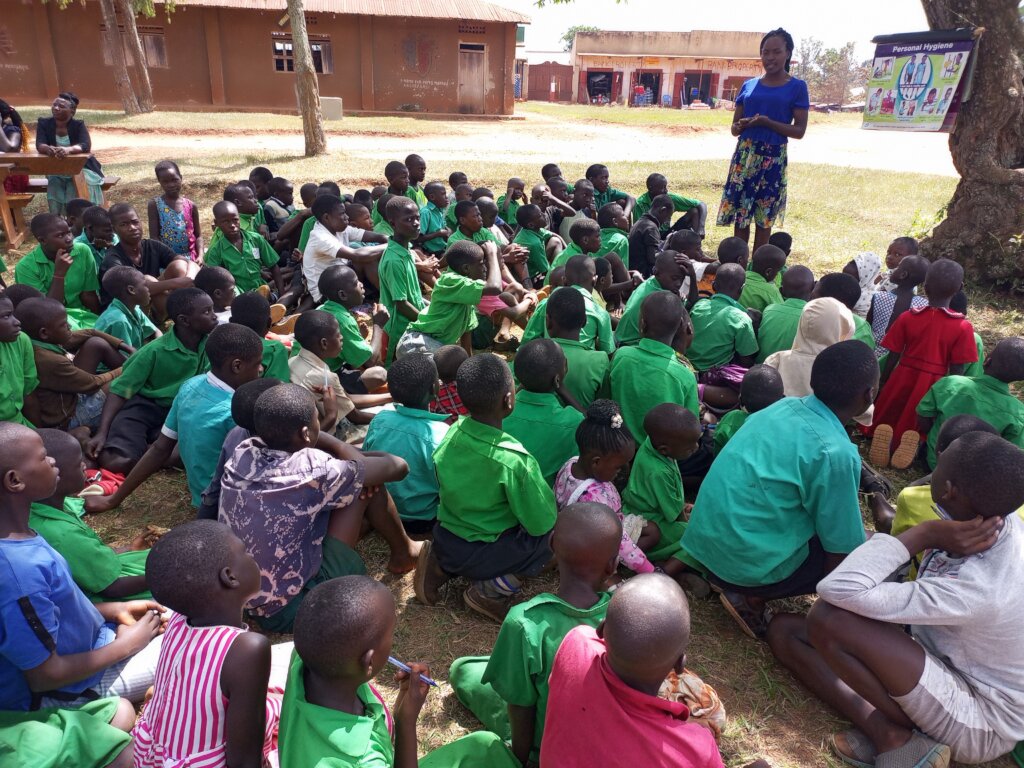
In addition to direct benefits for girls, the wider school community is experiencing positive changes. Teachers are observing improved concentration and participation among learners, while younger pupils are being introduced to proper hygiene practices early in life. These changes are expected to have lasting effects both within the school and in the surrounding community.
Funding Update
In January 2026, PaCT received a contribution of $400.30 through GlobalGiving, which supported the finalization and functionality of the sanitation facility at Nassanga Primary School. This funding played an important role in ensuring that the changing room and associated features were completed to a standard that fully meets the needs of girls.
While the successful completion of this facility marks an important achievement, the demand for similar interventions remains high. Many rural schools continue to operate without adequate, safe, and girl-friendly sanitation infrastructure, leaving a large number of learners at risk of missing out on education due to preventable challenges.
PaCT currently requires $33,864 to expand this initiative to at least four additional schools. Achieving this would make it possible to reach over 1,000 learners, including approximately 500 girls who would directly benefit from improved sanitation facilities designed to support their dignity, health, and education.
Sustained investment is therefore essential to scaling this impact and ensuring that more schools are equipped to provide safe and inclusive learning environments.
Conclusion
The progress made between January and March 2026 demonstrates the tangible impact of investing in girl-centered sanitation solutions. The completion and active use of the Nassanga Primary School facility highlight how thoughtful infrastructure design can remove critical barriers to education and create an environment where girls feel safe, respected, and empowered.
This initiative reinforces the understanding that improving sanitation is not only a matter of infrastructure but also a pathway to advancing gender equality in education. When girls have access to facilities that meet their needs, they are better positioned to attend school consistently, participate fully, and pursue their academic goals with confidence.
PaCT remains committed to building on this progress by extending similar interventions to other underserved schools. With continued support, more girls will gain access to the safe and dignified sanitation facilities they need to thrive, ensuring that no learner is left behind due to preventable challenges.
By Jovanice Arinaitwe | MEL Manager
By Jovanice Arinaitwe | Communications Manager
Project reports on GlobalGiving are posted directly to globalgiving.org by Project Leaders as they are completed, generally every 3-4 months. To protect the integrity of these documents, GlobalGiving does not alter them; therefore you may find some language or formatting issues.
If you donate to this project or have donated to this project, you can receive an email when this project posts a report. You can also subscribe for reports without donating.