Project Report
| Sep 27, 2021
48 More Adolescent Girls gain Informtion on SRHR
By Comfort Ikpeme | Program Coordinator
![]()
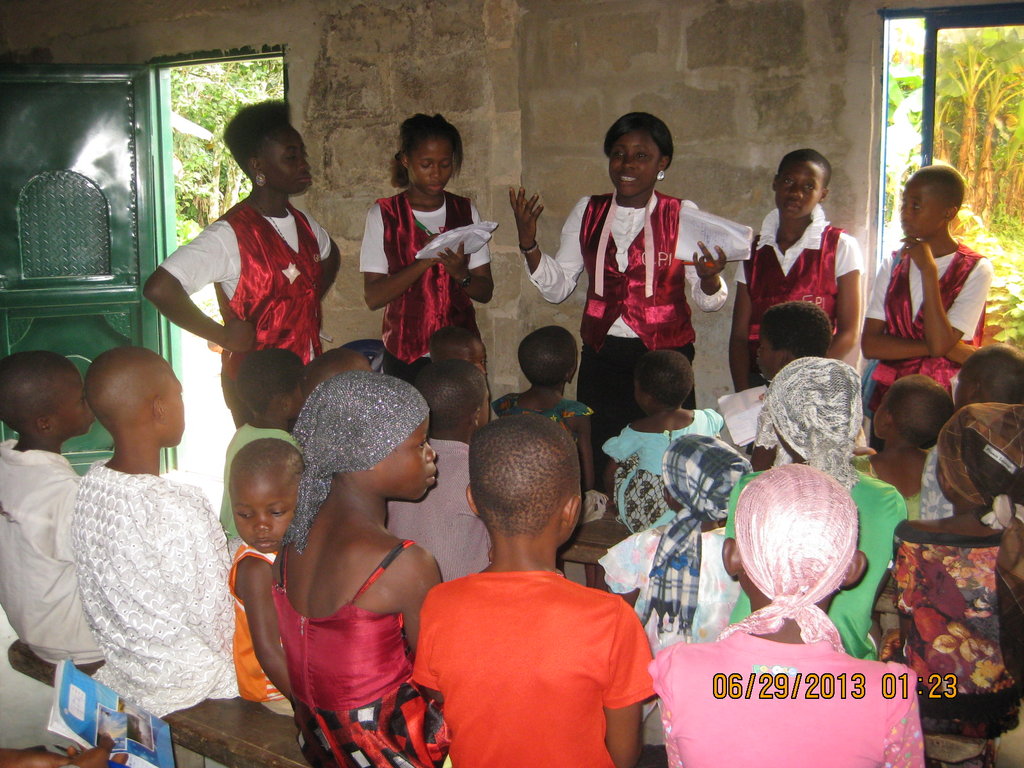
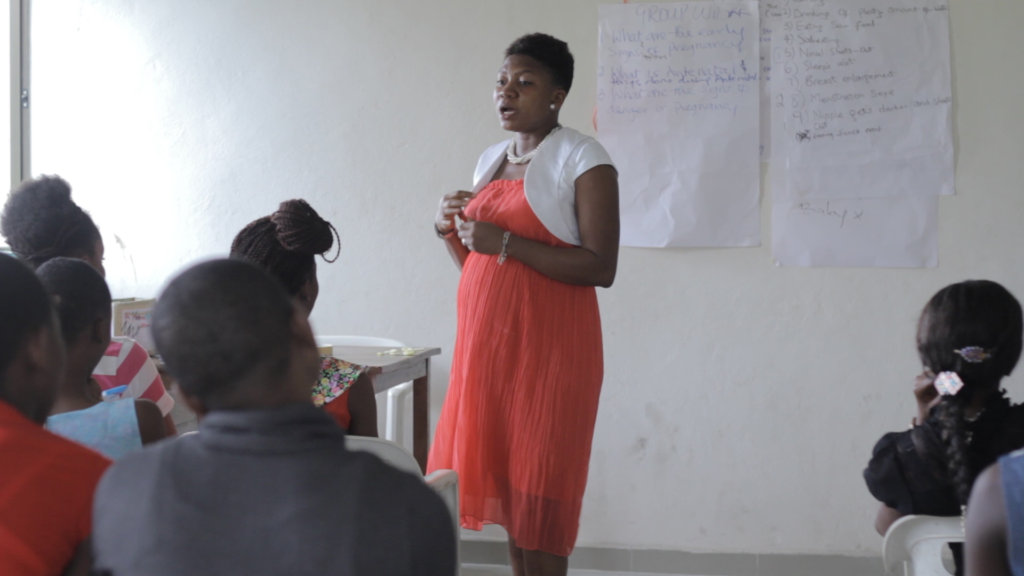
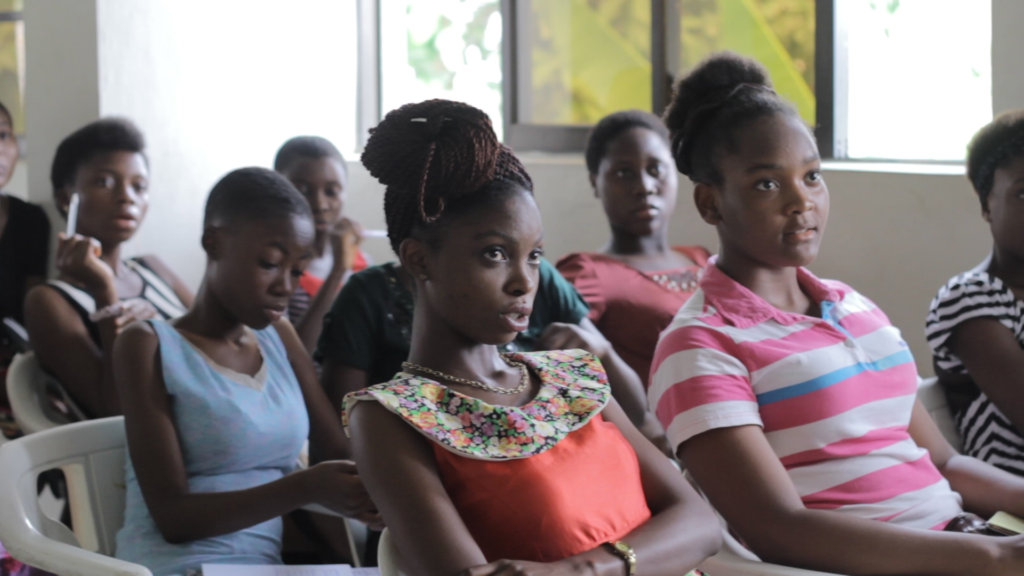
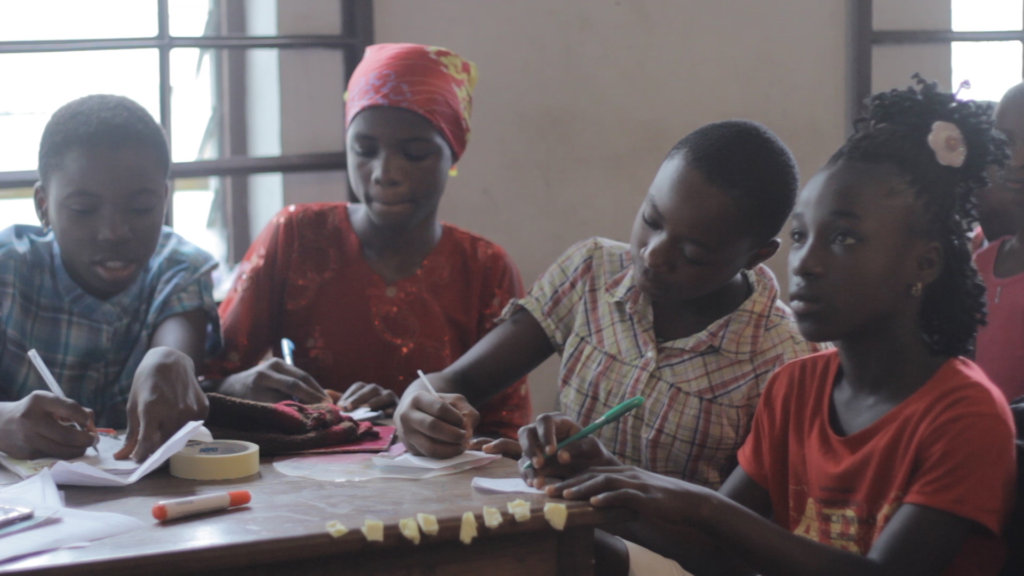
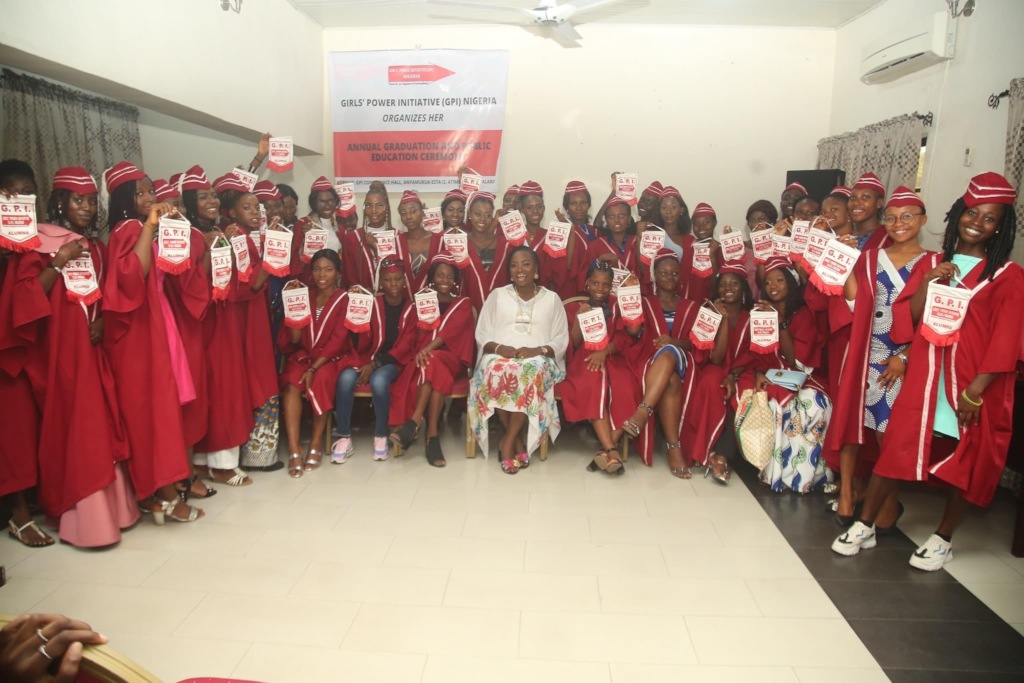
Girls' Power Initiative (GPI) Calabar provide adolescent girls with comprehensive sexuality education programme from a gender and human rights perspective. This is done through the weekly safe space lessons that runs for 3 years. The 24th Graduation ceremony for the 48 newly emerged sexuality peer educators held on August 21, 2021
The event of the day included a public education session on the objectives of GPI, her activities and other work done and had representation from the Government Ministries, Department and Agencies, Media Houses, NGOs, parents and guardians, friends and families of the graduands. The category of persons in attendance is to show the moral and technical supports GPI receives from her environment and endorsement to continue to educate the adolescent girls with the right and age appriopiate sexuality information for their healthy development towards an empowered womanhood.
Quoting the graduands during an interview, they had the following to say:
- "We have been empowered with information and skills to aid making informed decisions and mobilized for social action"
- "With Information and sexual reproductive health services received from GPI, i can face growing up challenges as a female"
- Thanks to GPI for giving us authority and the right information to challenge gender sterotypes and speak up against violence against girls and women"
Links:
![Share on Twitter]()
![Share on Facebook]()
Nov 24, 2020
Celebrating the Girl Child
By Comfort Ikpeme | Project Leader
Girls' Power Initiative (GPI) beneficary (Miss Faith) took out time and participated in a national summit in celebration of the International Day of the Girl Child (October 11) to lend her voice and on behalf of other adolescent girls to speak up and advocate for improved access to sexual reproductive health and services for their healthy development.
The summit discussed critical rights violations issues and other concerns to adolescent girls in Nigeria particularly around the subject matter of Gender-Based Violence (GBV) harmful traditional practices and other issues affecting the girls like the need for girls to access skills that empower them in today's digital world and open up opportunities for girls to champion their advocacy.
The desire to speak up came as a result of the following findings:
- Nigeria is ranked 122 out of 144 countries in the global gender gap which means women are not treated equal to men in our society and also does not have equal access to services and opportunities.
- Nigeria has alarming statistics of child marriage, gender -based violence and poor education. 43% of girls are married before their 18th birthday. 17% are married before they turn 15.
- The COVID-19 pandemic and the consequent lockdown placed a lot of Nigeria's girls in high risk position as they were trapped with perpetrators in the same space with little or no room for demand for justice.
Girls at the summit including Faith, resolved that:
"The Nigerian government must put our laws to work in protecting the rights of the girl child, making the justice system more effective and create a conducive legal environment for girls to report cases safely"
"There is a strong need to increase the availability of safe spaces with trained facilitators working to empower girls and provide them with skills and assets building opportunities. The Nigerian Government must invest in girlss education to produce better empowered girls who can contribute to development of their communities and the nation at large"
![Share on Twitter]()
![Share on Facebook]()
Jul 27, 2020
Girls' Access to SRHR and COVID-19
By Comfort Ikpeme | Project Leader
The outbreak of the pandemic (Corona Virus – COVID 19) has affected and changed all sectors globally. Nigeria is not left out as the virus also affected all the sectors (economic, education, social and otherwise). Nigeria’s confirmed cases as at July 26th 2020 has reached over 40,000 and as development partners, for us to adequately respond to the current Covid-19 pandemic, and still deliver our work, various strategies were deployed to continue the work but differently with our girls (beneficiaries) to ensure learning still takes place and access to information and services.
Girls’ Power Initiative reaches out to beneficiaries with information using the virtual spaces. Girls’ are now engaged with online messages on how to avoid and prevent all forms of violence against girls and women/exploitation and how to avoid and prevent the spread of COVID-19 via
- radio jingles
- short messages on mobile phones
- info graphics using the social media platforms
- online counselling still holds as we have girls who still call to be counselled on SRHR issues as well as referrals for medical and legal services were necessary.
This is adhere to WHO guidelines on preventing the spread of COVID-19
![Share on Twitter]()
![Share on Facebook]()