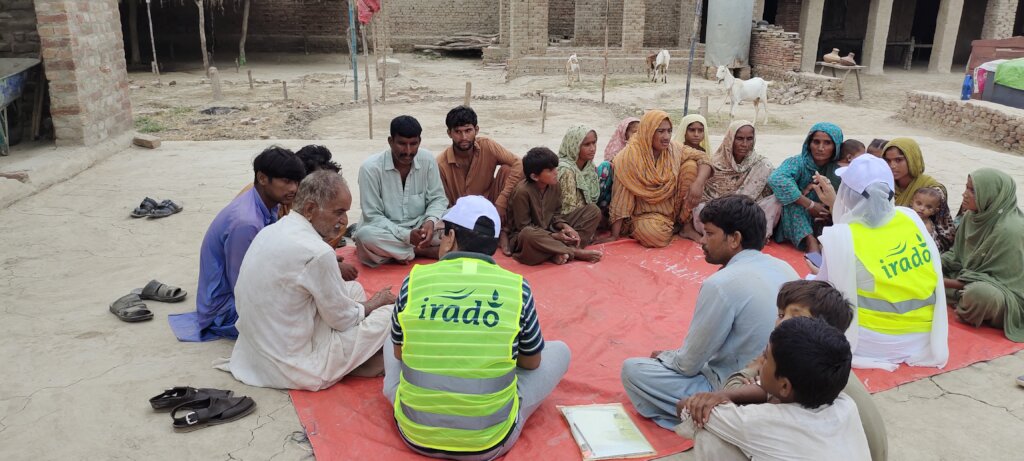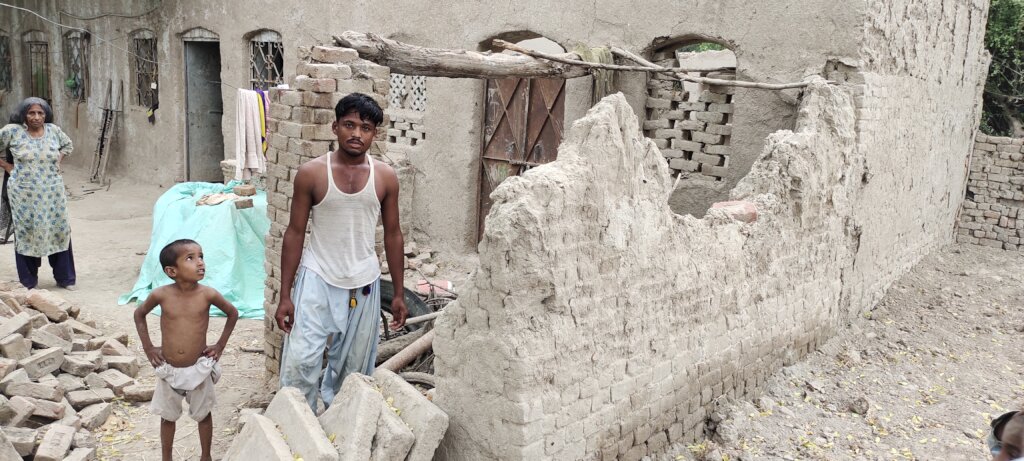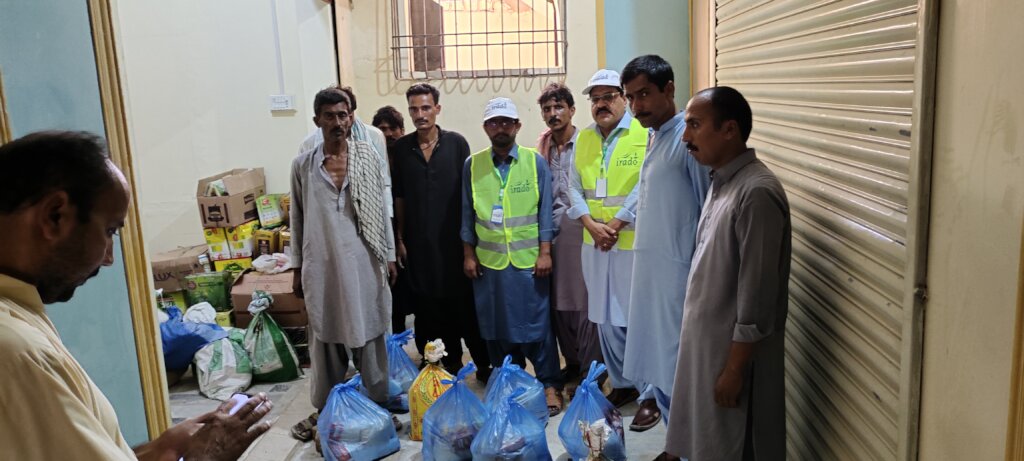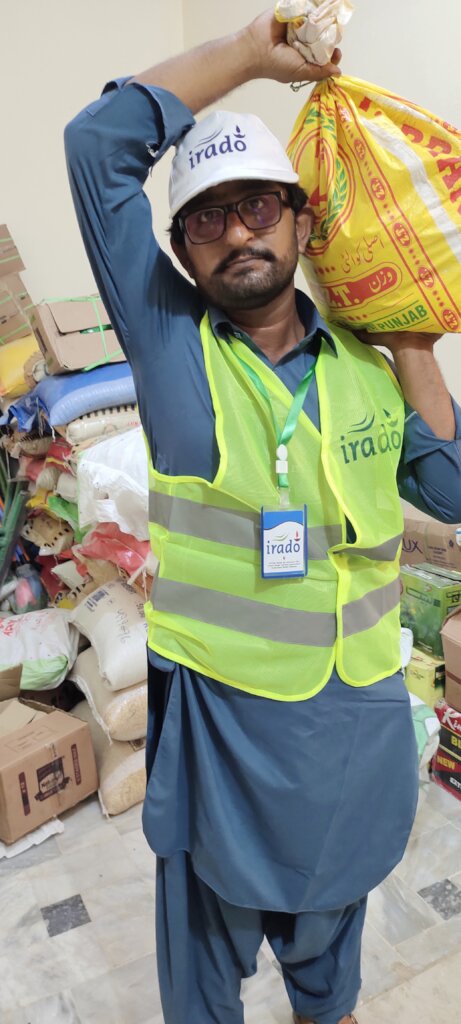
Empowering Flood-Affected Indigenous Communities

by integrated Rural Awareness & Development Organization (IRADO)
Empowering Flood-Affected Indigenous Communities

Project Report | Sep 14, 2026
Traditional Water Conservation

By Sama Rabia | Project Leader

Promoting Traditional Water Conservation

Project Title: “Promoting Traditional Water Conservation and Sustainable Farming Practices in Umerkot, Sindh”

Project Location: District Umerkot, Sindh, Pakistan

Background of the Project

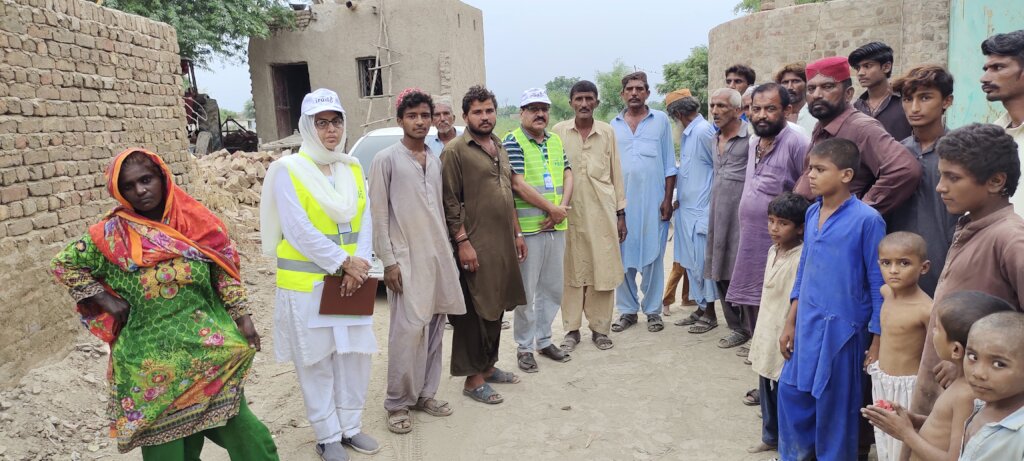
Umerkot is a drought- and climate-vulnerable district where rural communities face increasing water scarcity, irregular rainfall and declining agricultural productivity. Local communities possess valuable traditional knowledge for conserving rainwater, improving soil moisture and managing natural resources. However, many of these indigenous practices are gradually declining due to climate change, water shortages and limited technical support.

IRADO has experience in climate change adaptation, water resource management, sustainable agriculture and rainwater harvesting. Its previous rainwater harvesting initiative in Tharparkar benefited more than 500 households and provides relevant experience for community-based water conservation.

Project Objectives

  1. To revive and promote traditional water conservation practices among rural communities.
  2. To improve rainwater harvesting, water storage and soil moisture conservation.
  3. To promote sustainable and climate-resilient farming practices.
  4. To strengthen the capacity of smallholder farmers and communities in efficient water management.
  5. To improve food security, agricultural productivity and rural livelihoods.

Key Activities

  • Documentation and promotion of indigenous water conservation practices.
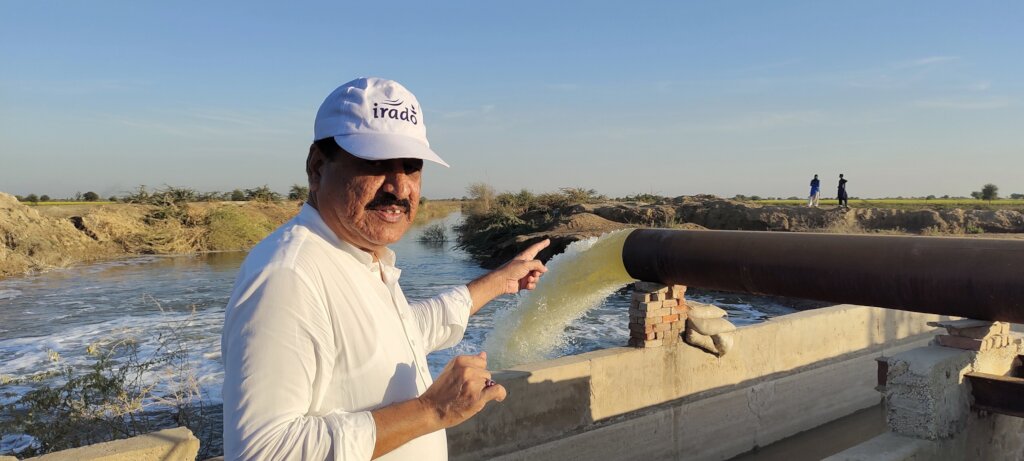
  • Rehabilitation and promotion of traditional ponds and rainwater harvesting structures.
  • Construction/promoting of small earthen bunds for water retention and groundwater recharge.
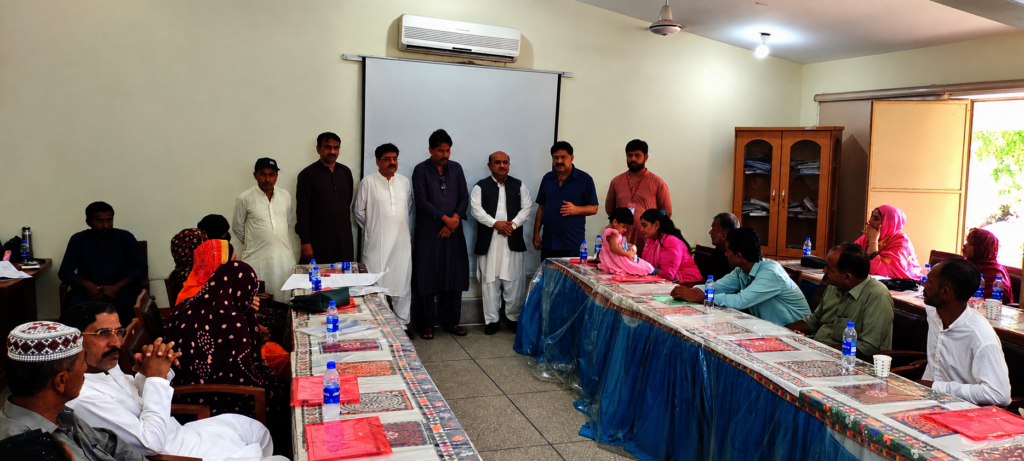
  • Farmer training on sustainable and climate-resilient agriculture.
  • Promotion of drought-tolerant crops, crop diversification and organic soil management.
  • Practical demonstrations on water-efficient farming and soil moisture conservation.
  • Community awareness sessions on sustainable management of water and natural resources.
  • Formation/strengthening of community groups for local water resource management.
  • Improved availability and conservation of rainwater at community level.
  • Increased adoption of sustainable and climate-resilient farming practices.
  • Improved soil moisture and reduced water loss and soil erosion.
  • Increased agricultural productivity and household food security.
  • Strengthened community ownership and management of local water resources.
  • Improved resilience of vulnerable rural households to drought and climate-related shocks.

Expected OutcomesSustainability

The project will build on existing indigenous knowledge and community practices rather than introducing approaches that are difficult or costly to maintain. Local farmers and community groups will be trained to manage water conservation structures and continue sustainable farming practices beyond the project period. Community ownership, local participation and the use of locally available resources will support the long-term sustainability of the intervention.

Conclusion

The project will combine traditional water conservation knowledge with sustainable and climate-smart farming practices to improve water security, food production and livelihoods in vulnerable communities of Umerkot. Through community participation and practical capacity building, the initiative will contribute to long-term climate resilience and sustainable natural resource management.

Share on Twitter Share on Facebook

About Project Reports

Project reports on GlobalGiving are posted directly to globalgiving.org by Project Leaders as they are completed, generally every 3-4 months. To protect the integrity of these documents, GlobalGiving does not alter them; therefore you may find some language or formatting issues.

If you donate to this project or have donated to this project, you can receive an email when this project posts a report. You can also subscribe for reports without donating.

Sign up for updates

Organization Information

integrated Rural Awareness & Development Organization (IRADO)

Location: Hyderabad, Sindh - Pakistan
Facebook: Facebook Page
X / Twitter: Profile
Project Leader:
Sama Rabia
Hyderabad , Sindh Pakistan
$120 raised of $1,000 goal
 
3 donations
$880 to go
Donate Now
lock
Donating through GlobalGiving is safe, secure, and easy with many payment options to choose from. View other ways to donate

integrated Rural Awareness & Development Organization (IRADO) has earned this recognition on GlobalGiving:

Help raise money!

Support this important cause by creating a personalized fundraising page.

Start a Fundraiser

Learn more about GlobalGiving

Teenage Science Students
Vetting +
Due Diligence

Snorkeler
Our
Impact

Woman Holding a Gift Card
Give
Gift Cards

Young Girl with a Bicycle
GlobalGiving
Guarantee

Get incredible stories, promotions, and matching offers in your inbox

WARNING: Javascript is currently disabled or is not available in your browser. GlobalGiving makes extensive use of Javascript and will not function properly with Javascript disabled. Please enable Javascript and refresh this page.