By Bijaya Babu Shiwakoti | Program Director
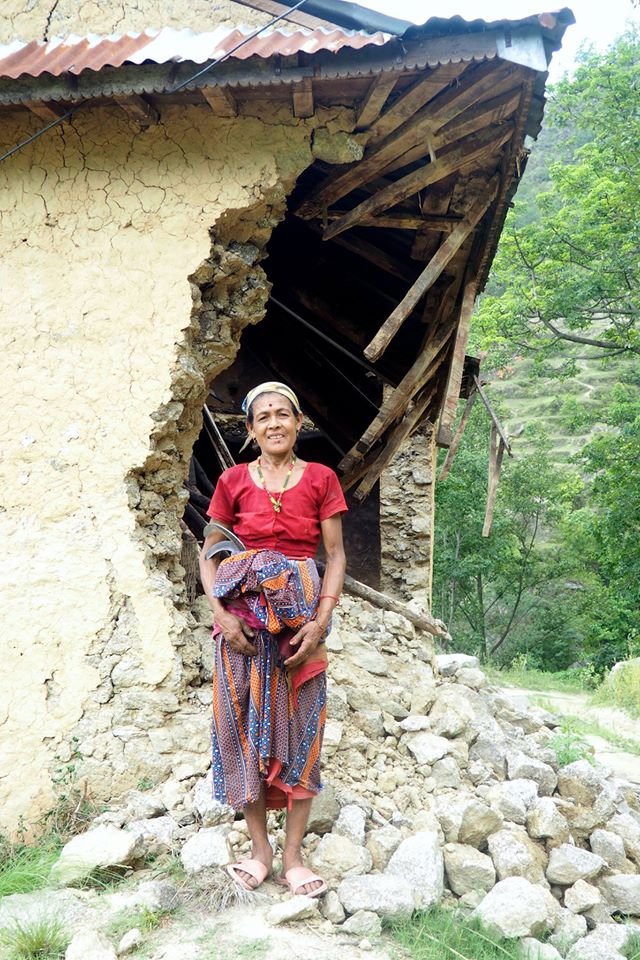
Recently, we’ve been visiting many of our partner schools to assess the damage caused by the earthquakes in April.
Our first activity after the quake was an art and craft program for displaced children at a temporary learning center in Kathmandu. Then we hit the road to see the damage thousands of schools have suffered. Our U.S. board member, Beth Norford, joined us, and we hired a Jeep and embarked on our journey.
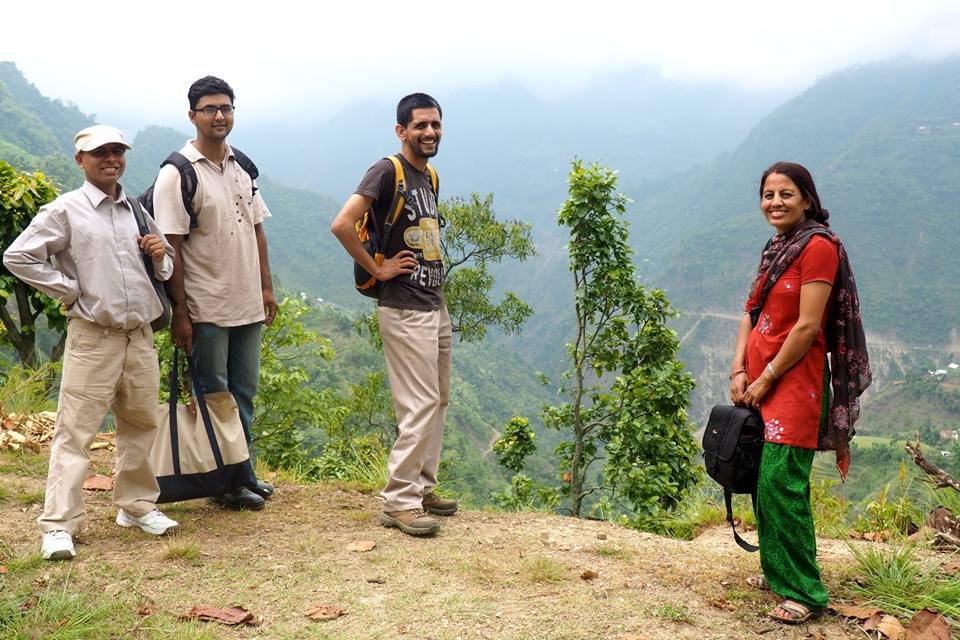
Driving on the bumpy dirt roads in Nepal’s mountains is quite a challenge. A local vehicle broke down on a steep slope along the way, making the road impassable. Our team abandoned the Jeep and walked for about an hour to reach our first destination among three scheduled for that day.
As we walked, we kept our spirits up by admiring the beauty that you are sure to find when you hike any trails in Nepal’s mountains. Along the way, we found some outstandingly generous people, who despite all the loss they have suffered still offered us some cucumbers to stave off the afternoon heat.
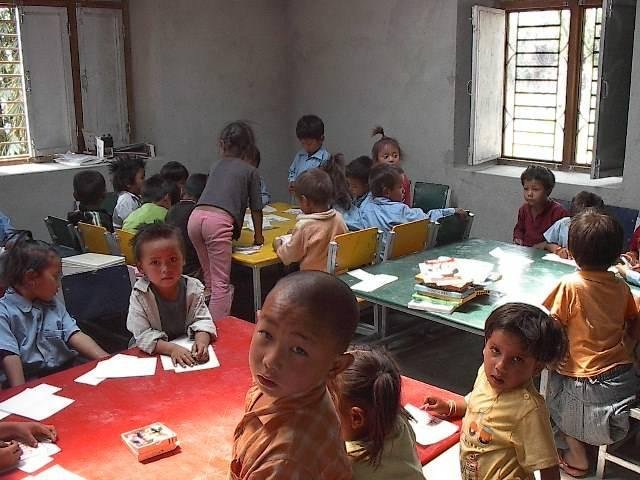
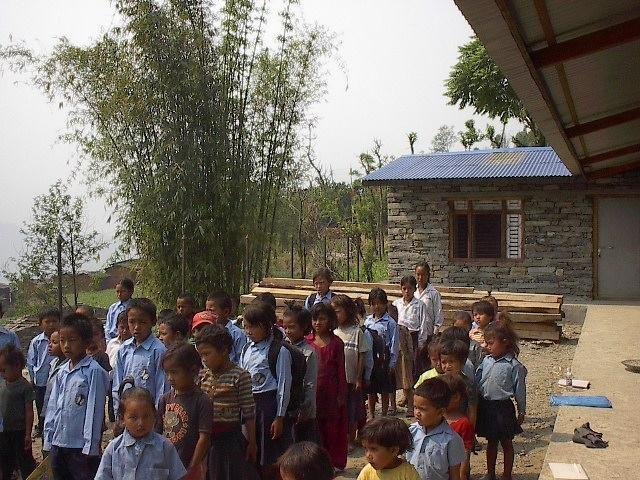
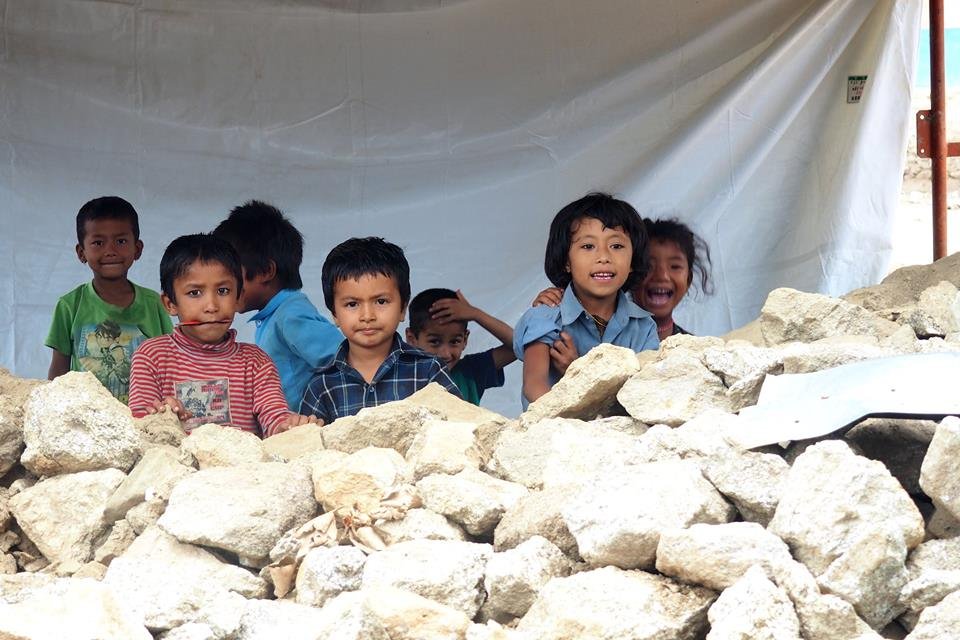
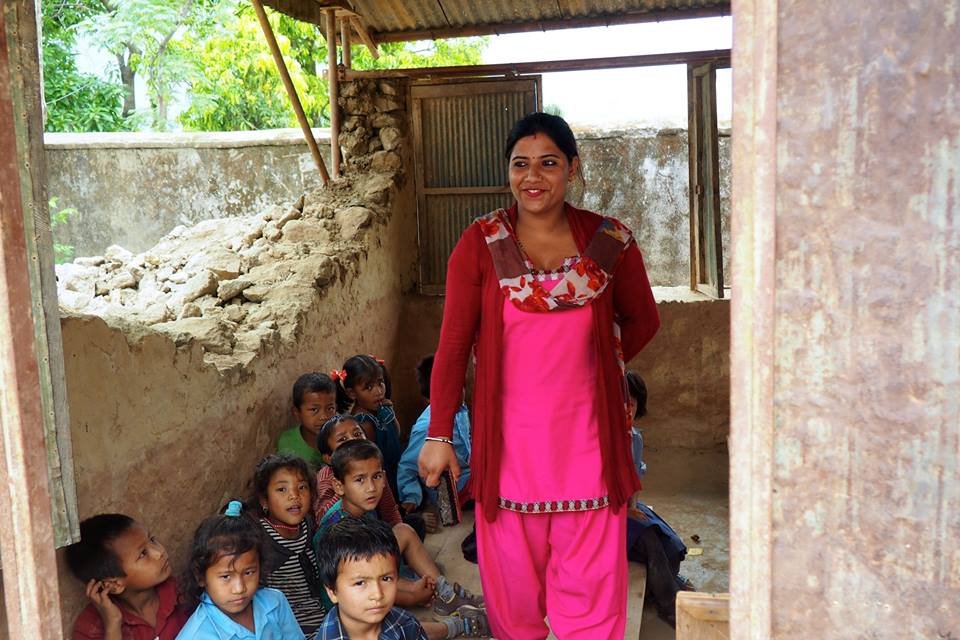
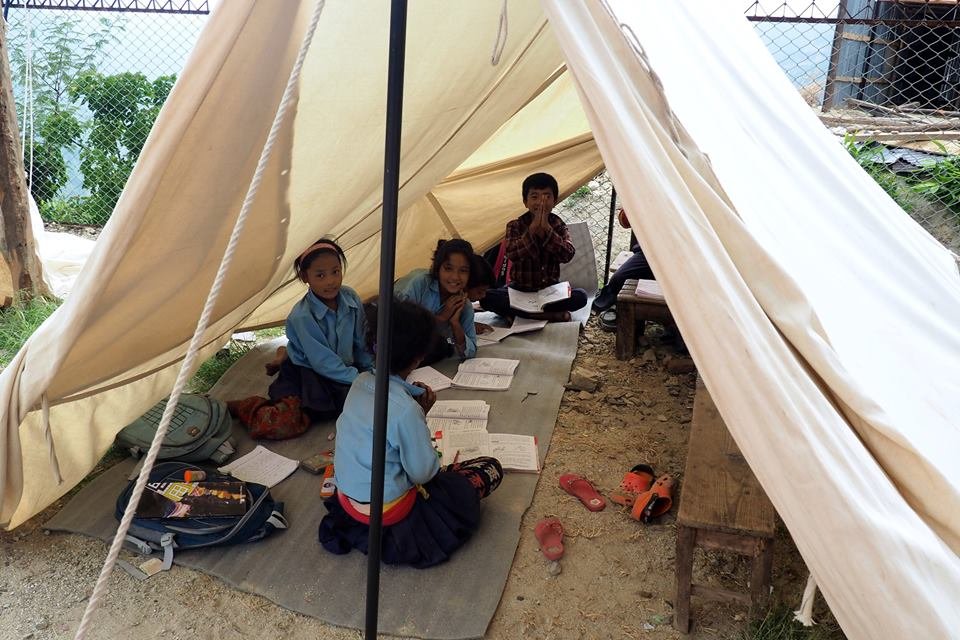
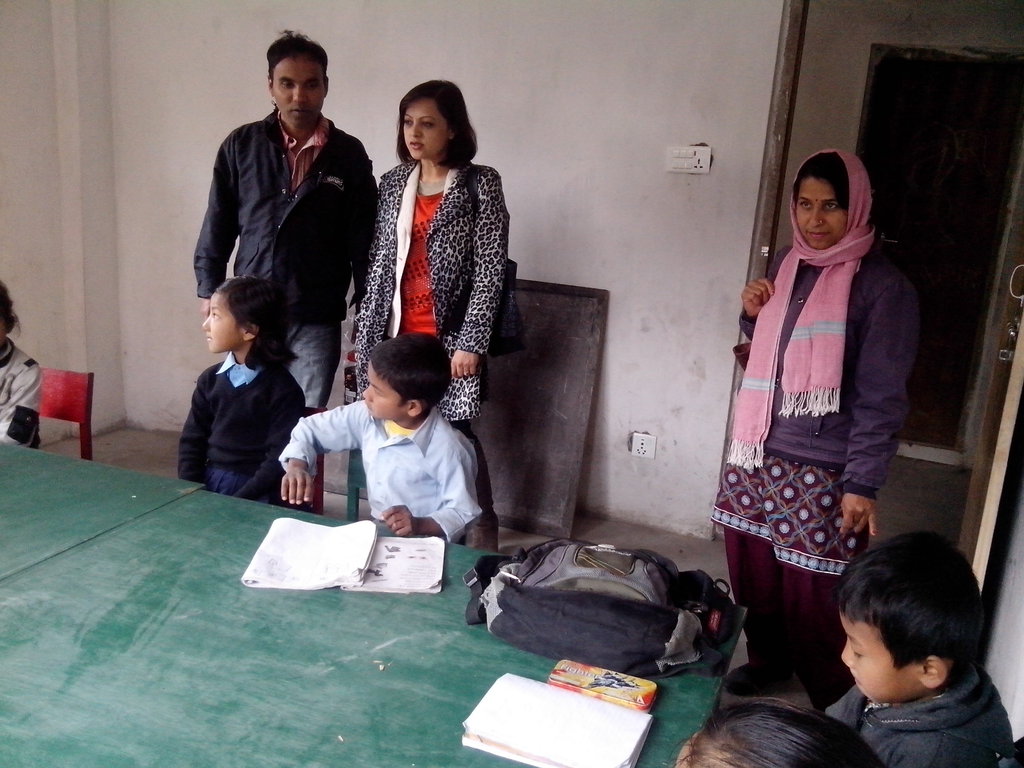
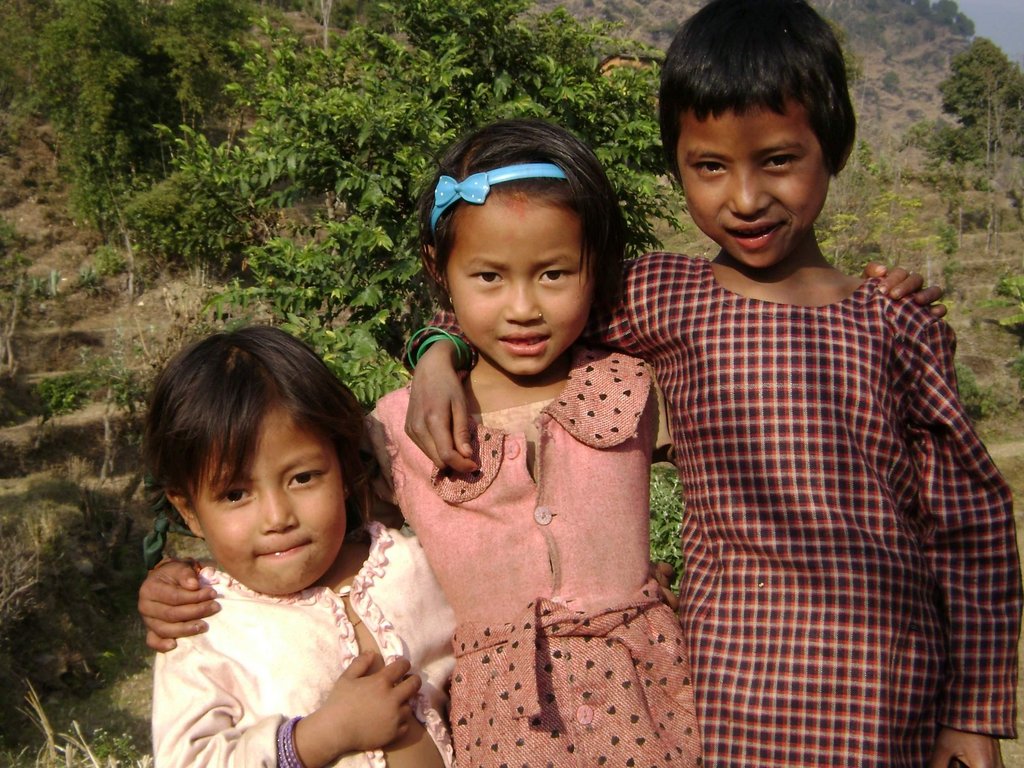
Once we reached the first school, we were greeted by the playful children who were adjusting to life with classrooms that have been partially destroyed. But there were plenty of smiles on their faces and that helped us forget the hardship of our hike.
Afterward, we hiked back to our Jeep and discovered that the other vehicle had been fixed, clearing the road. We were back on our way: there were still two other schools to visit before returning to Kathmandu. It was a long day, but the trip gave us invaluable insights about the situation on the ground.
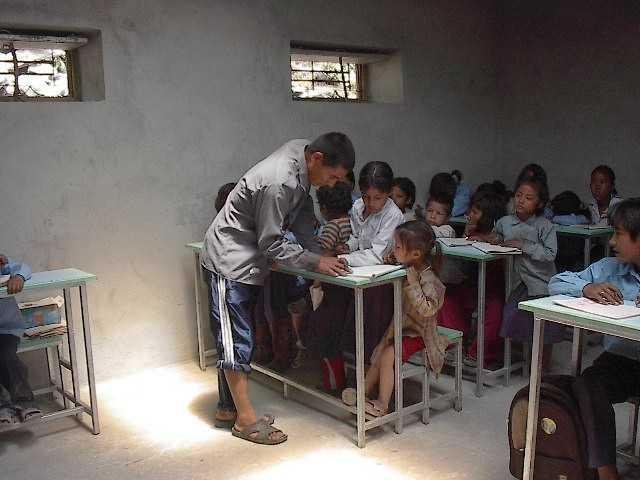
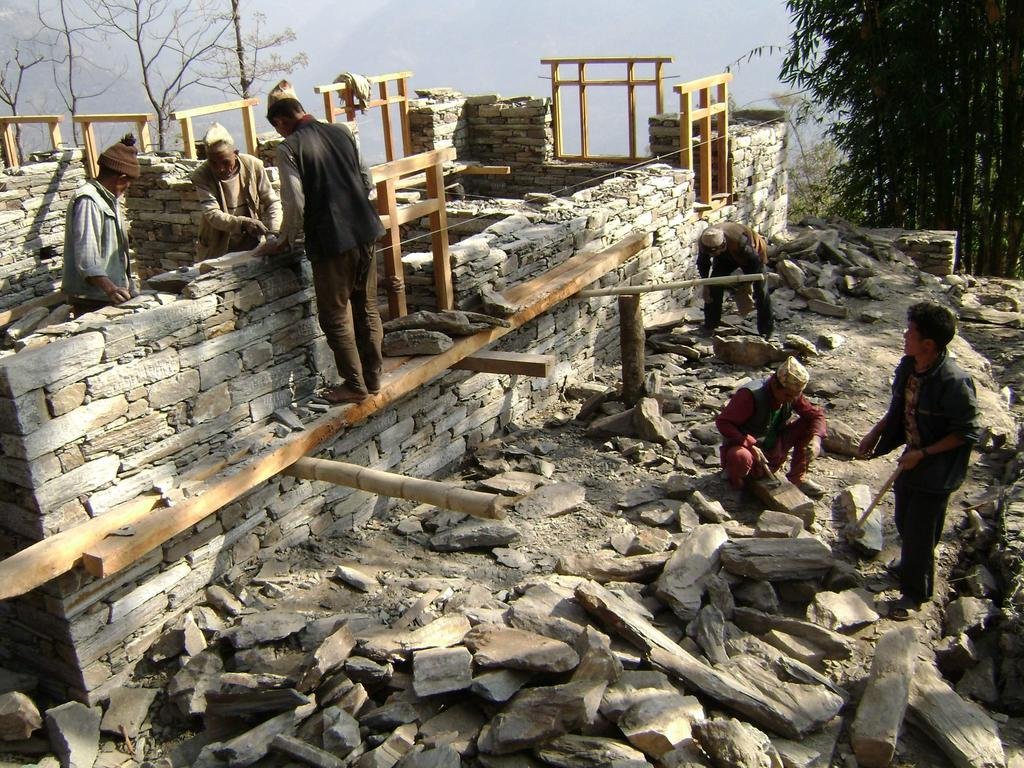
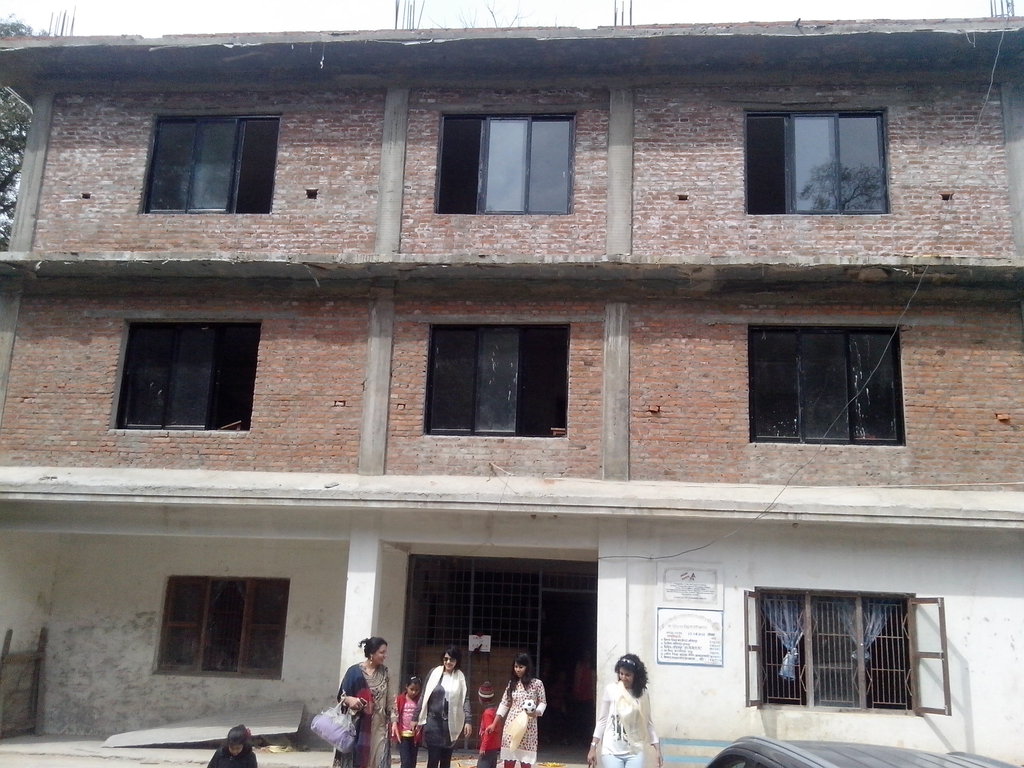
One of the schools we visited was Guru Lower Secondary School of Bukhel Village Development Committee of Lalitpur district.The two-room classroom building that we helped build at Guru in 2013 is the only building still standing in the village, which had about 50 homes. Government inspectors judged this building to be safe to conduct classes, and the school is currently using it. However, the other six classrooms were deemed unsafe and have been demolished.
Here’s a few of the schools in Lalitpur district that we have worked with in the past, have visited recently and plan to help by rebuilding classrooms damaged by the earthquake:
Guru Lower Secondary School, which has 160 students up to grade eight. We plan to complete construction of the first floor of a building with three classrooms.
Baleshwori Higher Secondary School, which has 250 students up to grade 12. The school has asked us to renovate one damaged building, rebuild toilets and install a water distribution system for those toilets.
Kali Devi Higher Secondary School, which has an enrollment of more than 350 students studying from nursery to grade 12. We intend to help the school renovate one building, provide furniture for grade one and two classes and provide mats for the nursery.
At all three schools we also plan to provide books to start classroom libraries for kids at lower grades, to make books accessible to the students and promote a culture of reading.
In addition, we have announced plans to work with two other schools, in Dolakha district:
One project will rebuild eight classrooms for Kshamawati Higher Secondary School in Suspa Kshamawati VDC. It is the oldest government-registered school in Dolakha district, with 450 students from nursery to grade 12. The majority of the students are members of the disadvantaged Thami ethnic minority
The other project is Durga Higher Secondary School in a community called Maga Pauwa VDC. The school was established in 1962 and has more than 500 students studying from nursery to grade 12. Our focus is on the primary level, with about 150 students from nursery to grade 5 benefitting from the carpeting, cushions and classroom furniture as well as early childhood education training for teachers.
By Bijaya Babu Shiwakoti | Program Director
By Christopher Heun | founder and president
Project reports on GlobalGiving are posted directly to globalgiving.org by Project Leaders as they are completed, generally every 3-4 months. To protect the integrity of these documents, GlobalGiving does not alter them; therefore you may find some language or formatting issues.
If you donate to this project or have donated to this project, you can receive an email when this project posts a report. You can also subscribe for reports without donating.