By Robyn DiFalco | Grants Specialist & Volunteer Coordinator
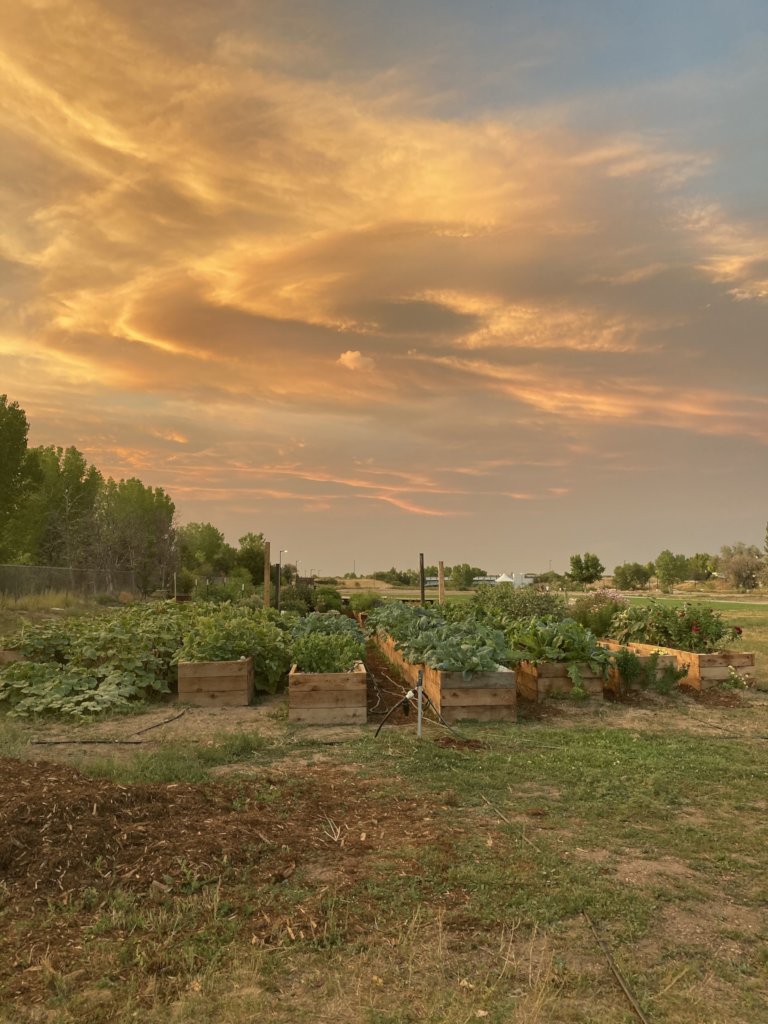
The Village Farm suffered a painful setback this fall with repeated vandalism, not only to the plants themselves, but also the irrigation system. Then in September, a fire destroyed one of our storage sheds full of equipment and partially destroyed a second shed. Whether motivated by malice or simply acts by pranksters, the damage from these incidents was not only an economic setback and a frustration but carried a heavy emotional toll on the refugees and immigrants who pour their energy and passion into the Farm. Many of them have experienced trauma, fleeing violence and war in their home countries, and these assaults felt like a threat to their personal safety and security. The team has been processing their grief over these harmful developments and holding space for the healing that is now needed.
An outpouring of community support following the fire has brightened our spirits and is helping us rebuild. VEC has taken several steps to address security in recent months including hiring a security guard to patrol the area, and installing a fence, security cameras, and flood lights. The toxic debris from the fire has now been removed, clearing the way for building a new shed to store newly donated farm supplies.
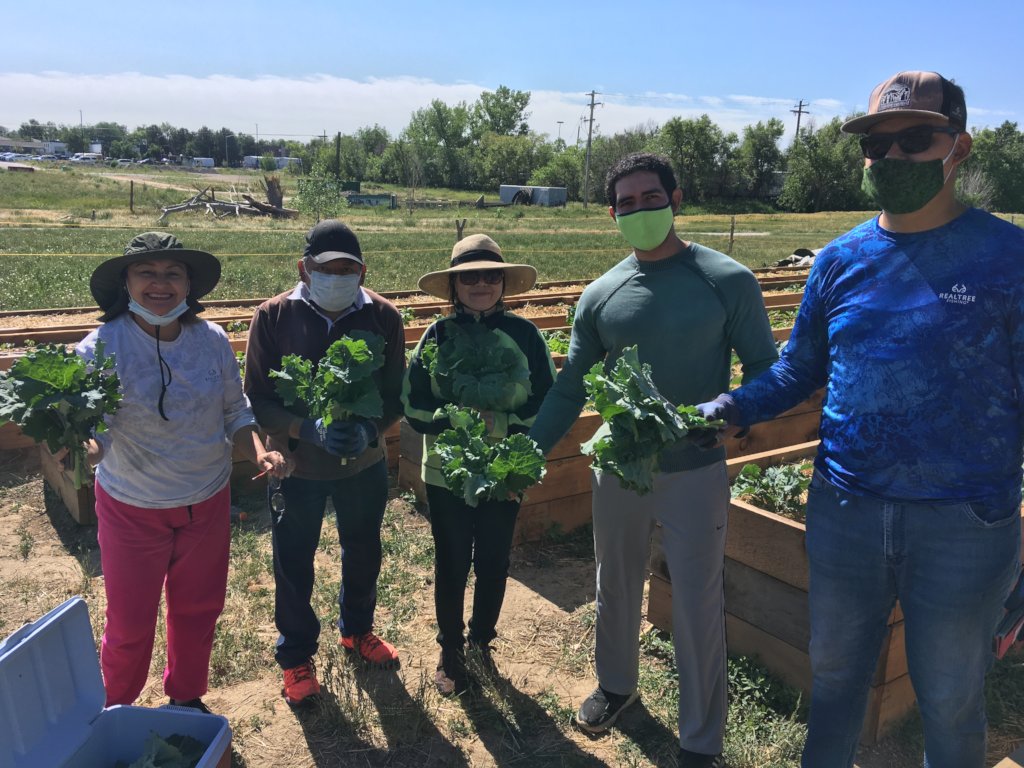
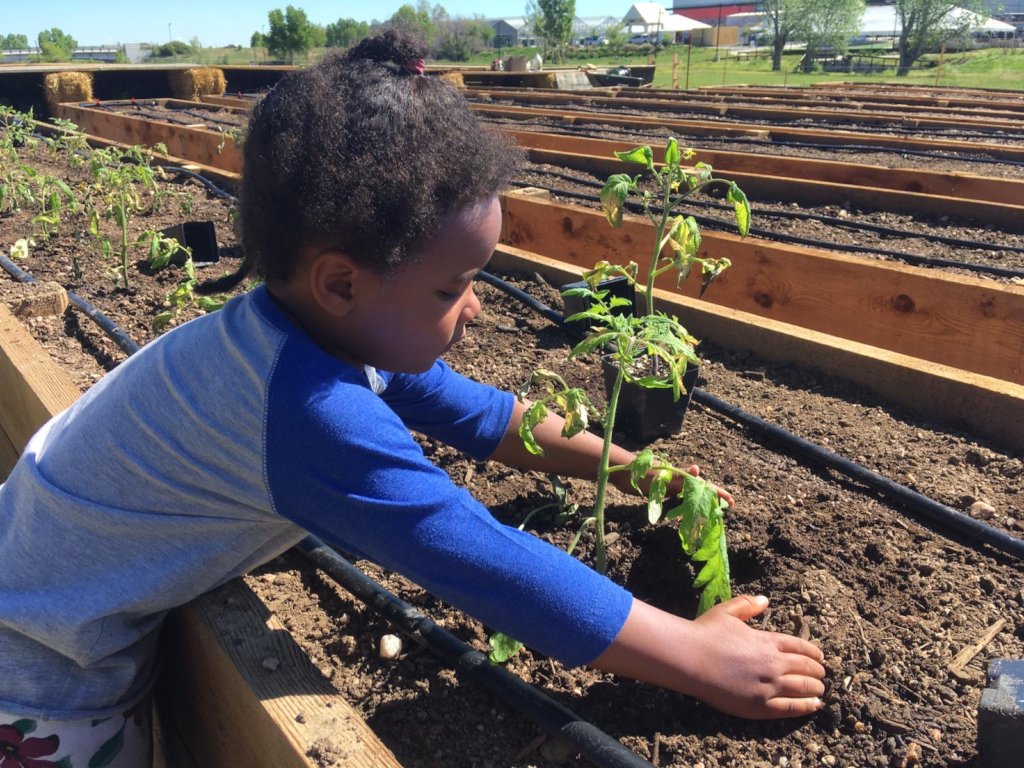
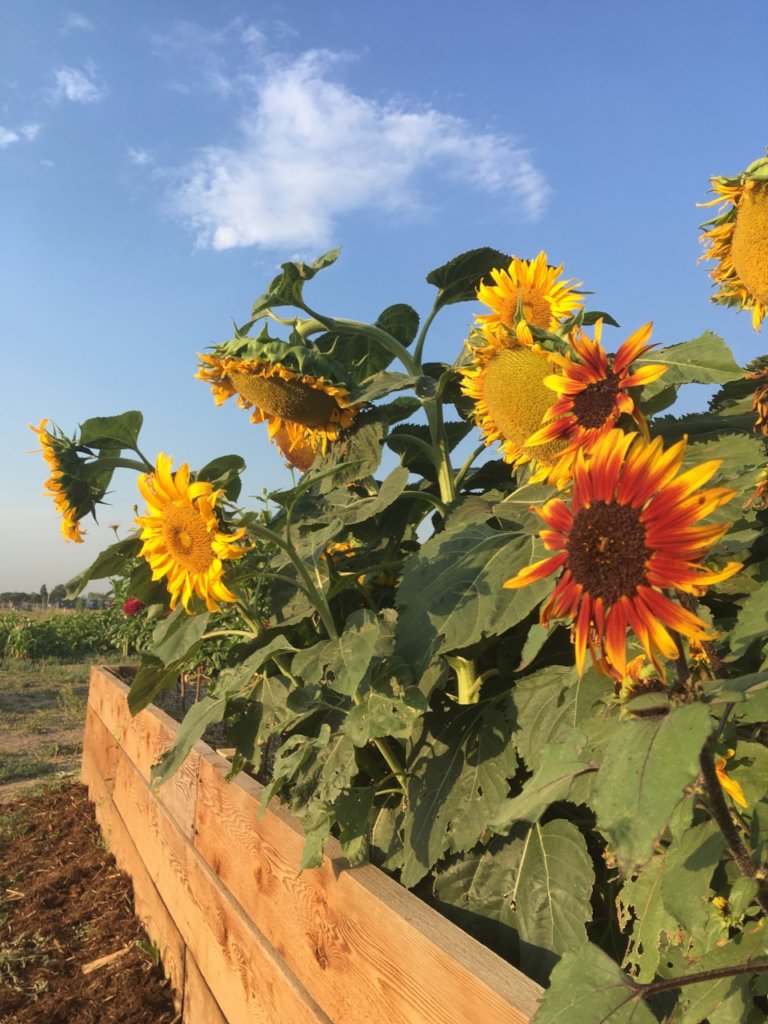
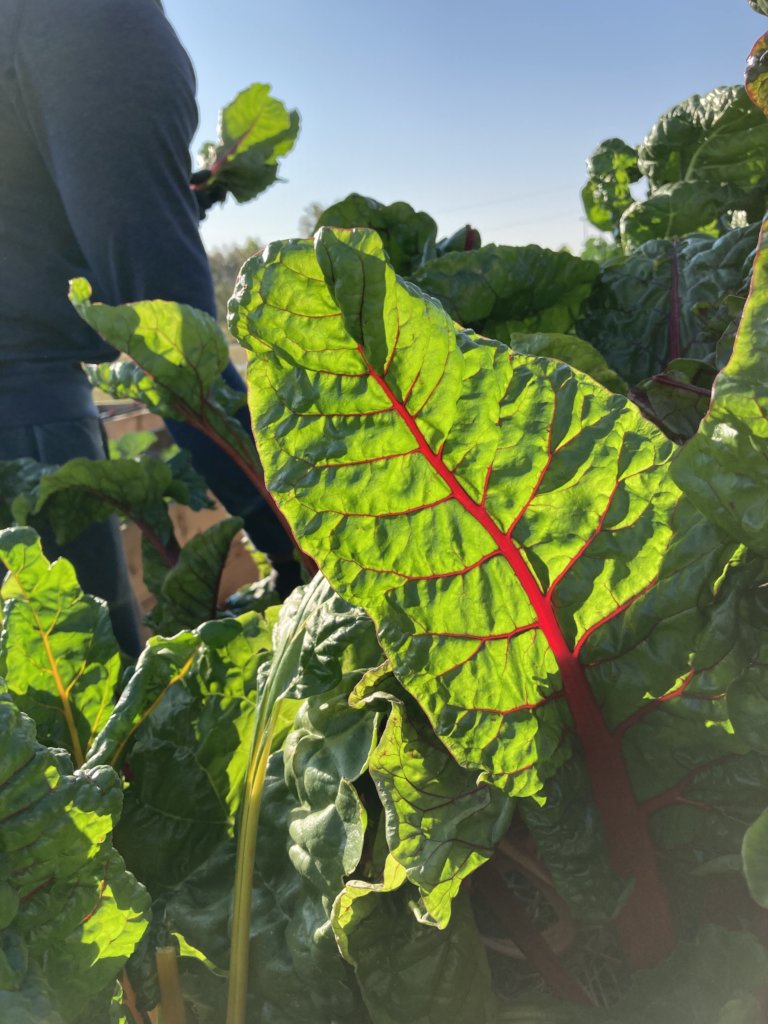
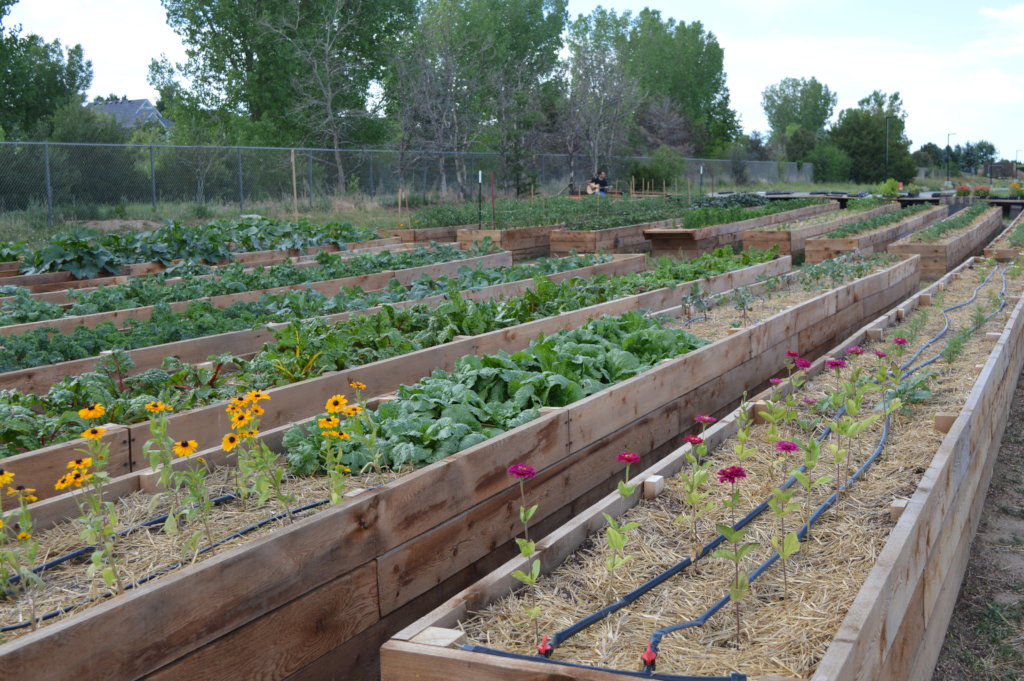
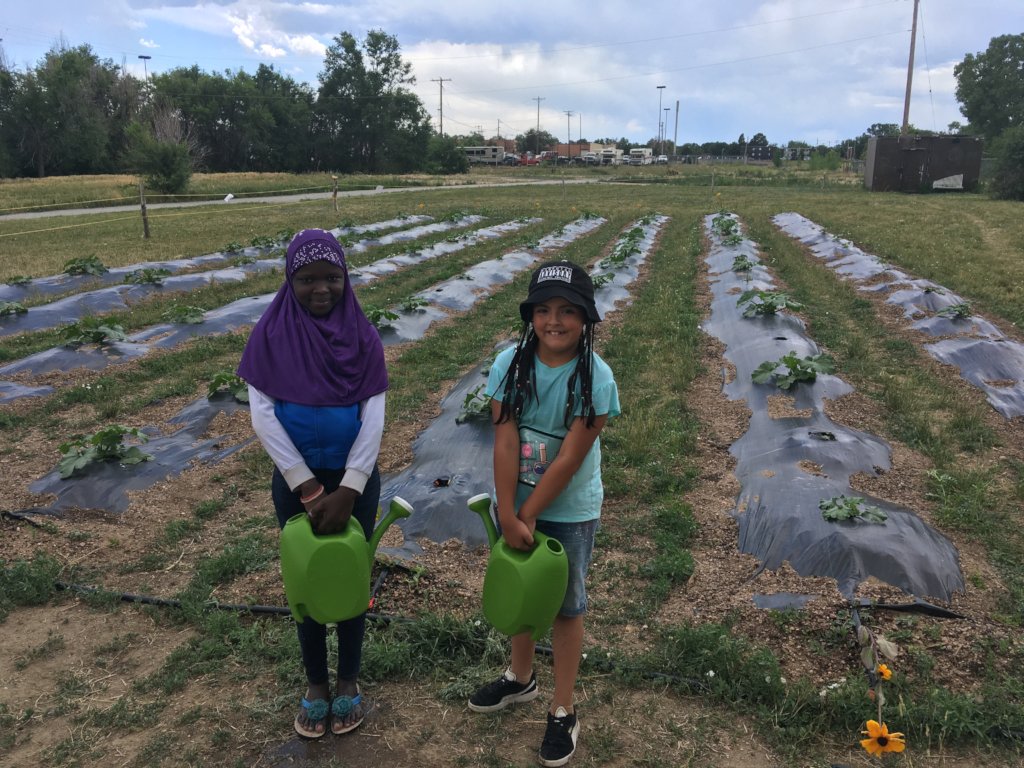
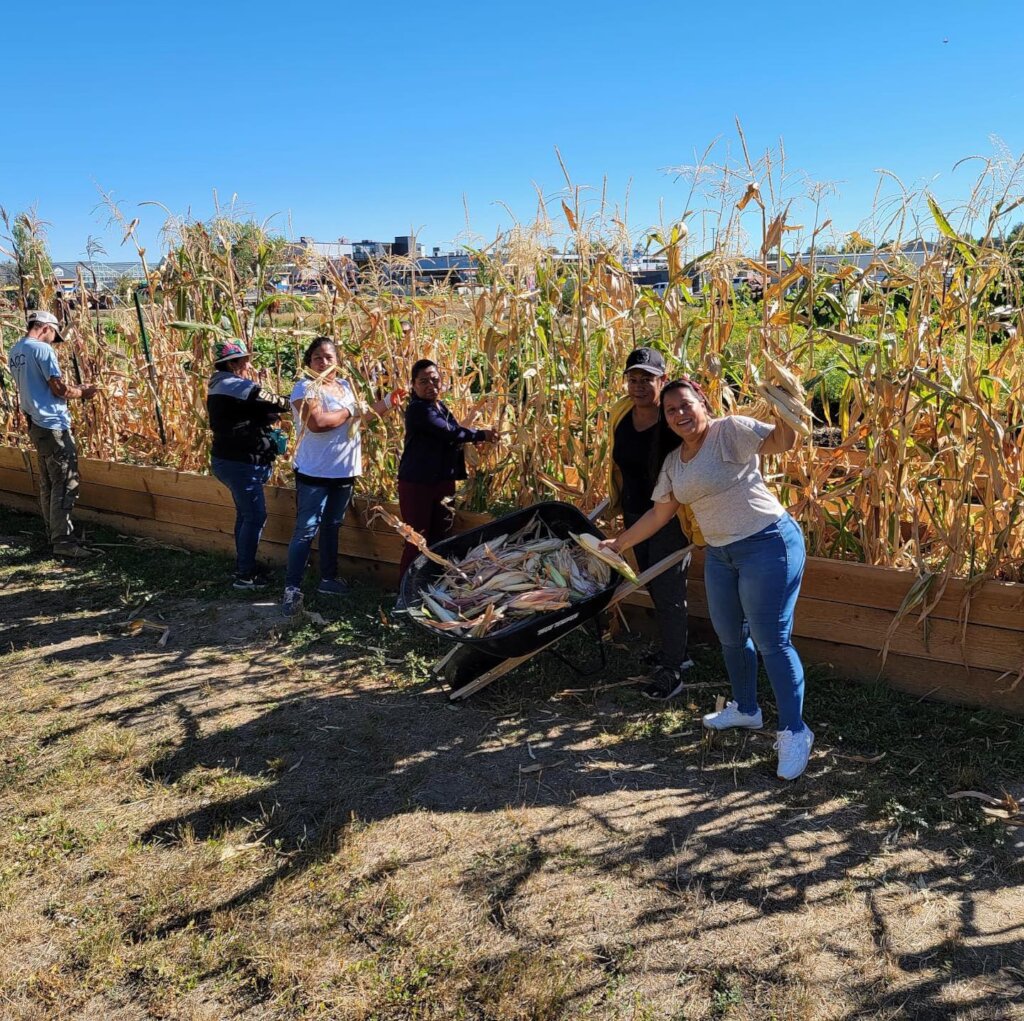
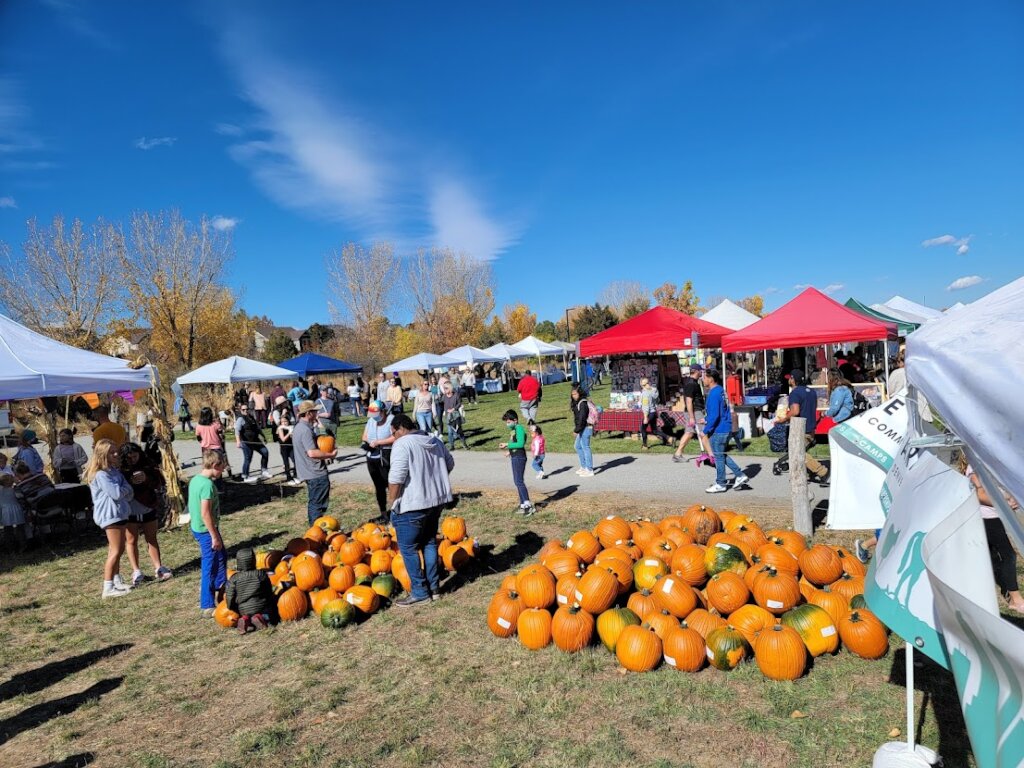
Thankfully, the vandalism and fire did not significantly interrupt the success of our fall harvest. In contrast to last year, the 2021 harvest season was blessed with mild weather and the absence of early snow meant crops continued producing through October. The season concluded with a Harvest Festival, bringing hundreds of families out to enjoy a bright and blustery fall day. We sold over 200 pumpkins just in time for Halloween, and for the first time, we proudly sold jars of Village Farm honey, extracted from our own beehives.
At the tail end of the growing season, we now enter a period of reflection and planning for next year. Two key goals for next year are to establish new vendor relationships with local ethnic grocers, and to expand production of specialty crops tailored to members of the different communities VEC serves.
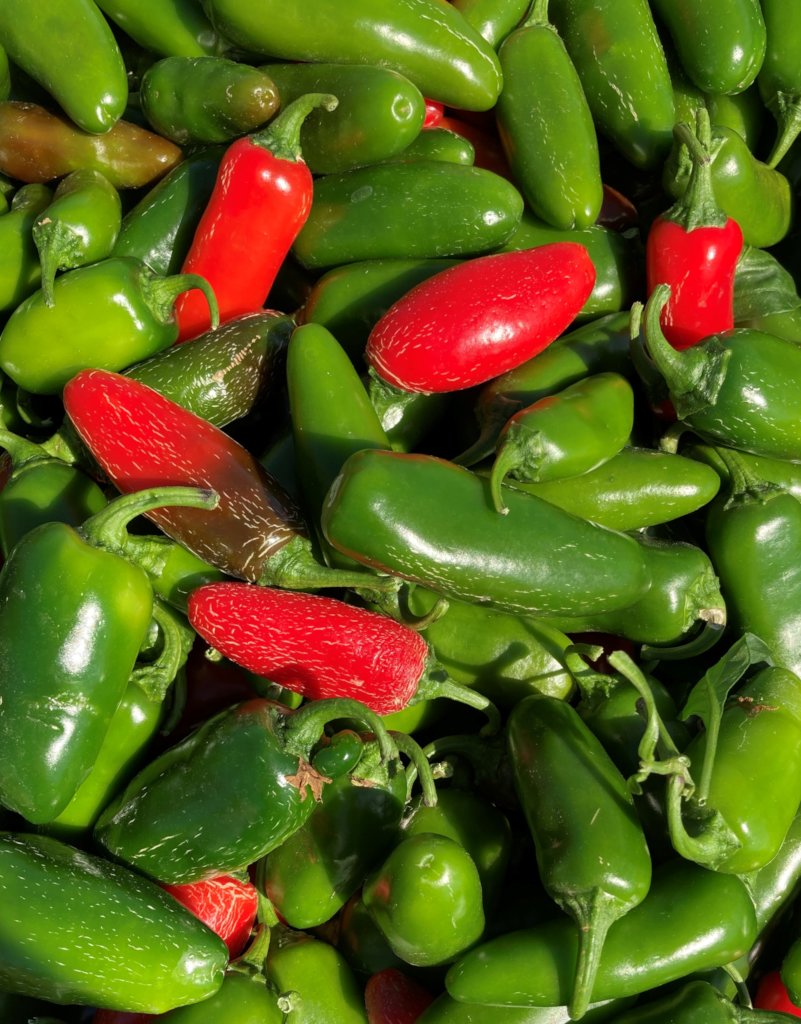
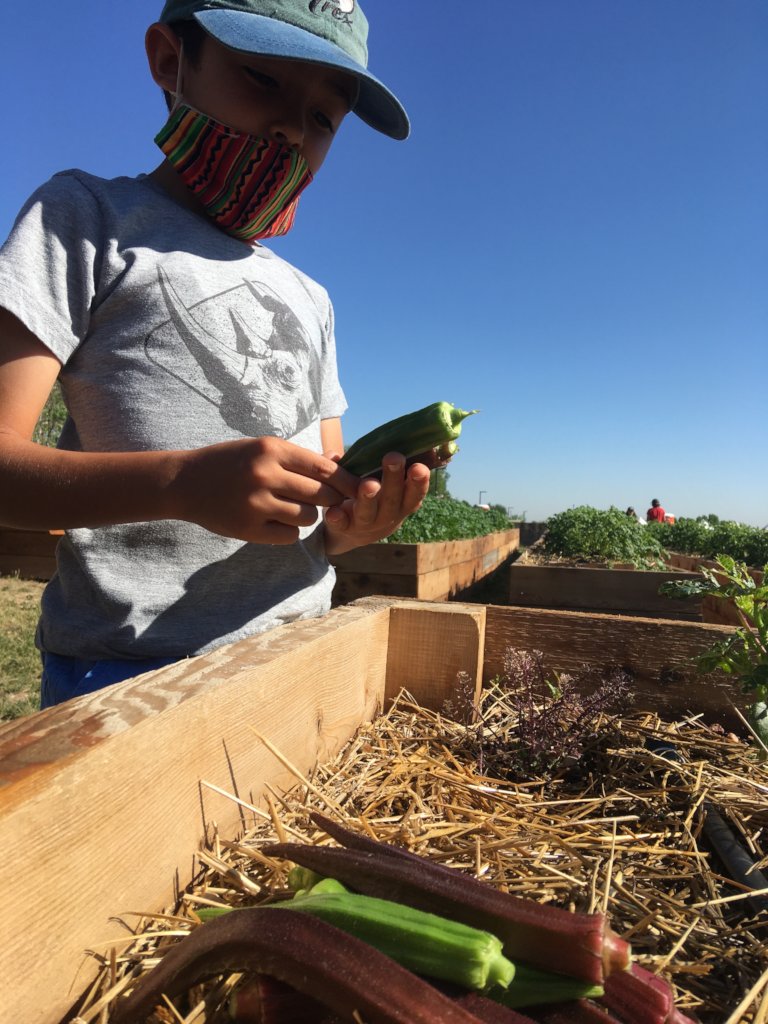
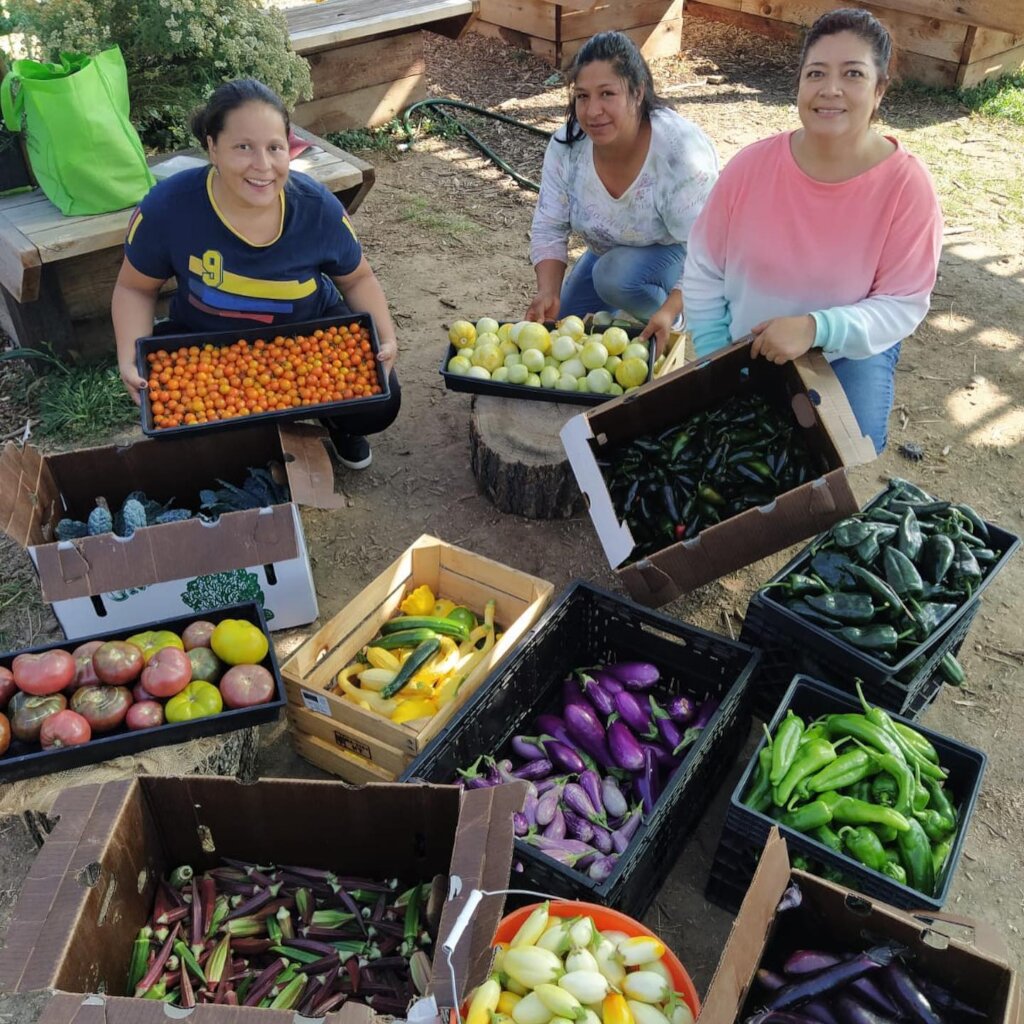
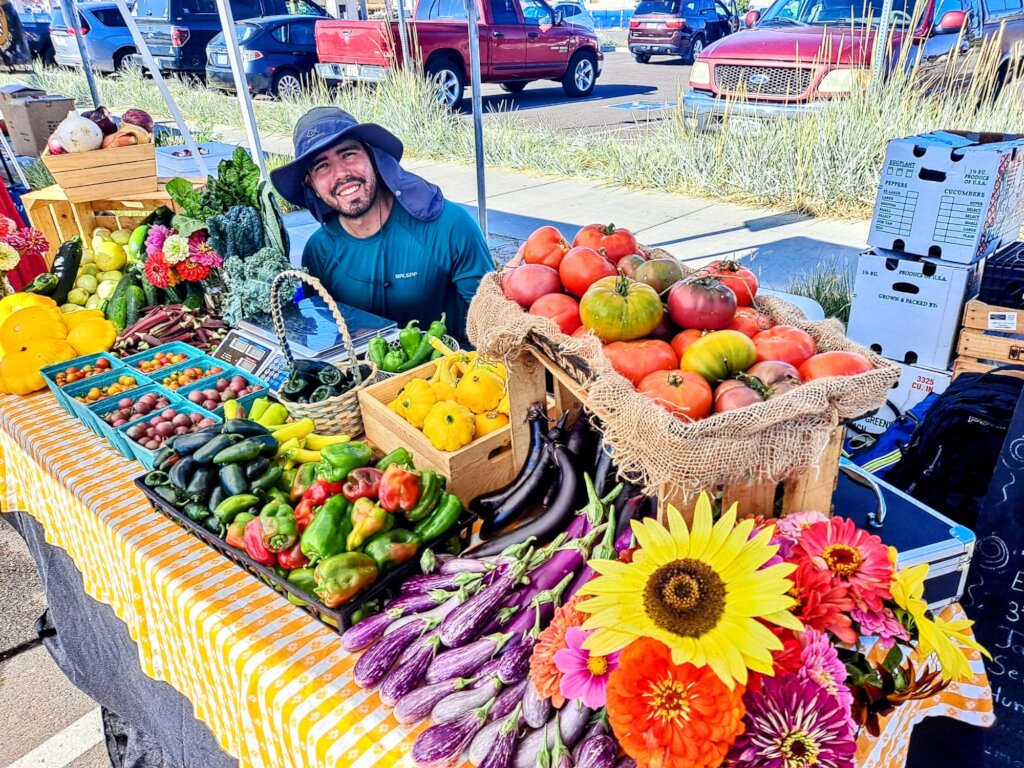
Besides growing food for distribution at the Village Food Pantry, the Farm also strives to be a successful social enterprise, selling its produce to local ethnic grocery stores, principally those owned by immigrants and serving specialty food offerings to their respective communities. This year we established a successful vendor relationship with Makola African Market in the neighborhood, providing freshly harvested okra and a specifically requested variety of eggplant through the summer growing season. We’re also growing a variety of hot peppers for the El Alba cooperative, which supports immigrant and refugee entrepreneurs in launching food businesses. These mutually beneficial relationships not only increase access to these unique food items through local and organic production, but also supports local immigrant entrepreneurs, and ultimately helps the Village Farm in its goal of becoming a self-sustaining social enterprise.
In the coming year, our Farm Manager is working to deepen relationships with some of our Asian community groups, meeting with community leaders and pastors to learn more about preferred produce varieties that could be grown at the farm in the 2022 growing season. We have existing relationships with the Colorado Korean Association, the Bhutanese Nepali community, and the Kachin refugees from Myanmar/Burma, yet these community members had not previously been involved with the Village Farm and the Farm had not previously grown crops that were specifically requested by these community members. Through recent dialog with community leaders, the Farm Manager is now planning to plant and grow more of the foods that these communities have requested including several varieties of “Asian” eggplant, ginger, cabbage, and Korean melons.
In order to increase crop production of specialty foods, we must continue asking, listening, and learning about cultural food traditions. These intentional conversations sometimes reveal both painful and heartwarming stories about holiday memories, family left behind in the homeland, or arduous journeys fleeing war zones. These conversations also tend to conclude with expressions of hope and enthusiasm, delight and gratitude – for the recognition that their cultural food traditions are recognized and valued enough to be priorities in our Village Farm. Through this connection to food, newcomers attest they have come to consider the Village Farm as their second home.
Links:
By Robyn DiFalco | Food Pantry Coordinator
Project reports on GlobalGiving are posted directly to globalgiving.org by Project Leaders as they are completed, generally every 3-4 months. To protect the integrity of these documents, GlobalGiving does not alter them; therefore you may find some language or formatting issues.
If you donate to this project or have donated to this project, you can receive an email when this project posts a report. You can also subscribe for reports without donating.