By Robyn DiFalco | Food Pantry Coordinator
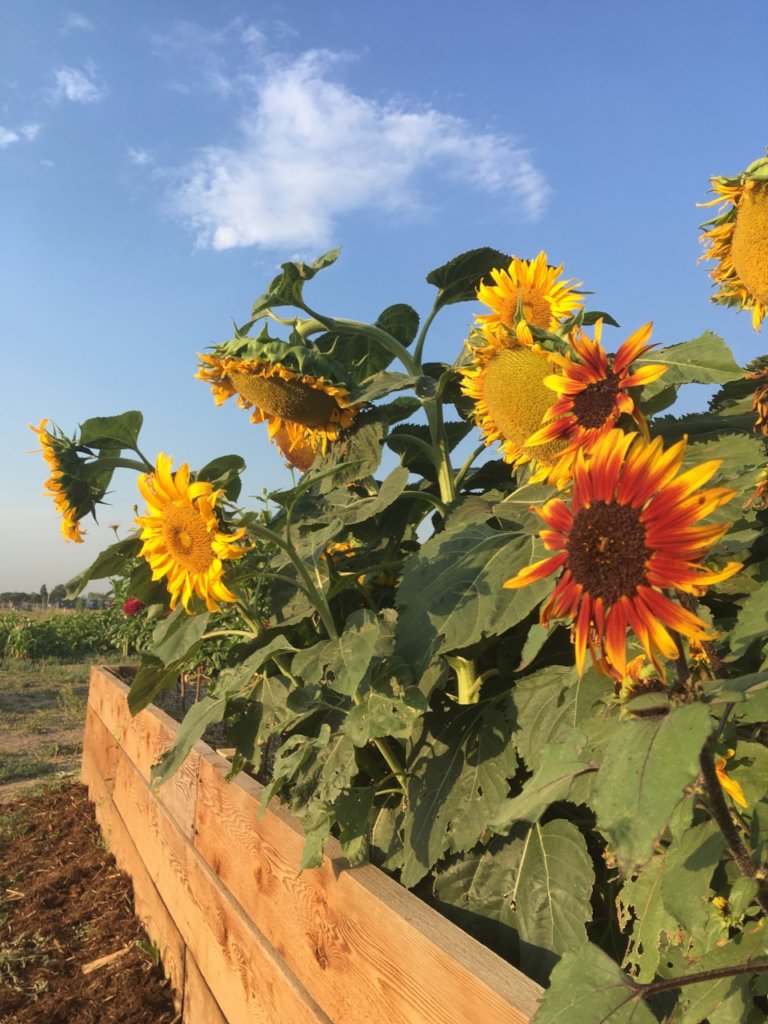
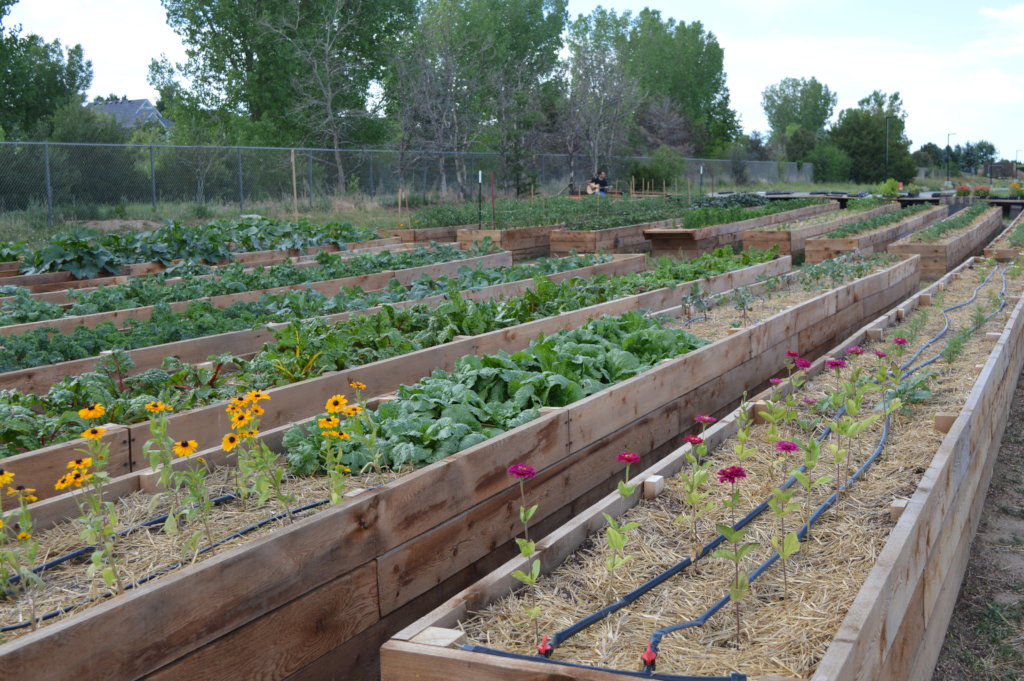
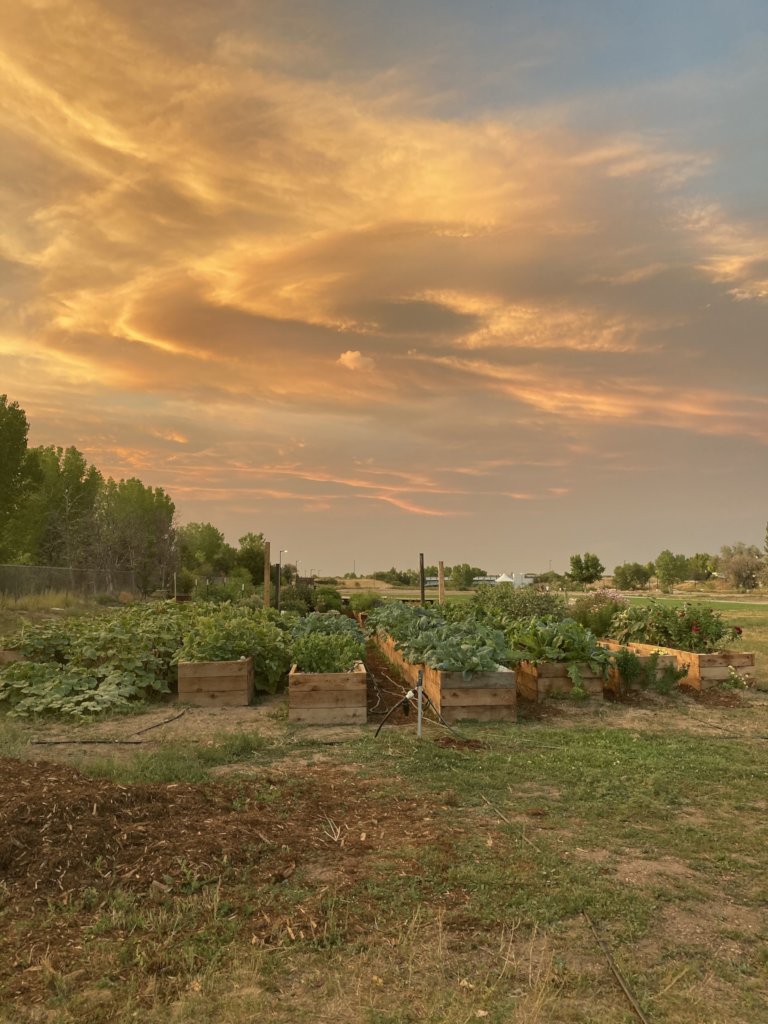
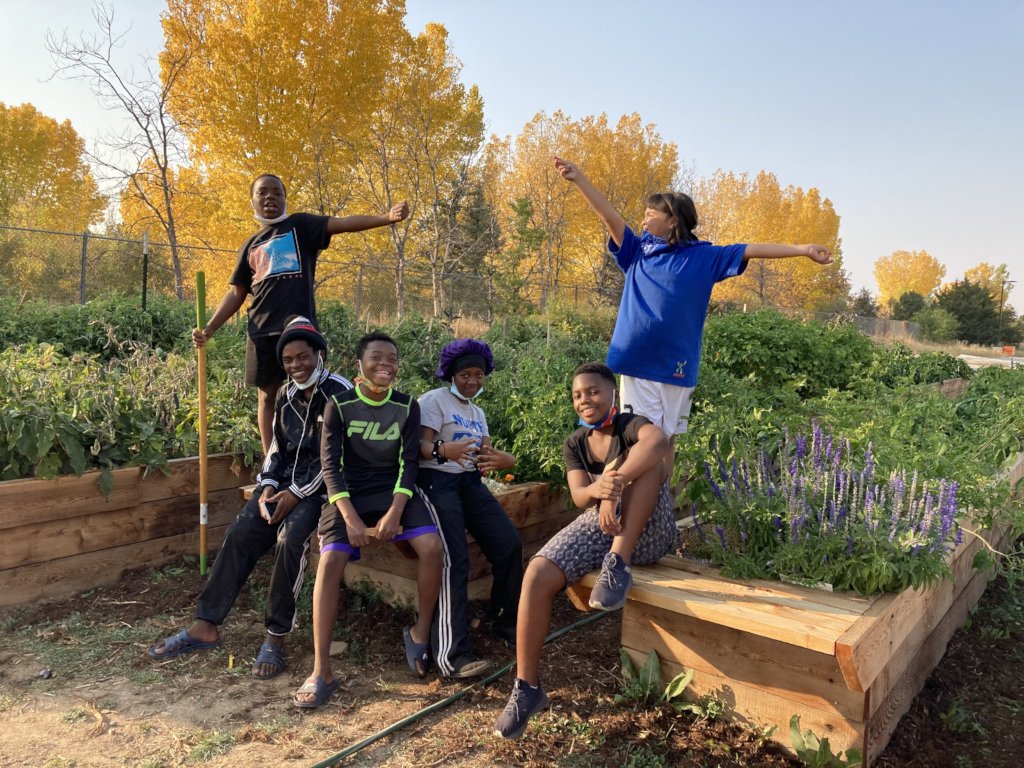
VEC launched the Village Farm during the 2020 pandemic to promote economic development while tackling the problem of food insecurity. Located on a one-acre site a mile from our building, the Farm is a green jewel in urban Aurora. Situated atop a former brownfield, the above-ground garden beds are a site where Aurora’s immigrant and refugee communities can grow food and grow community.
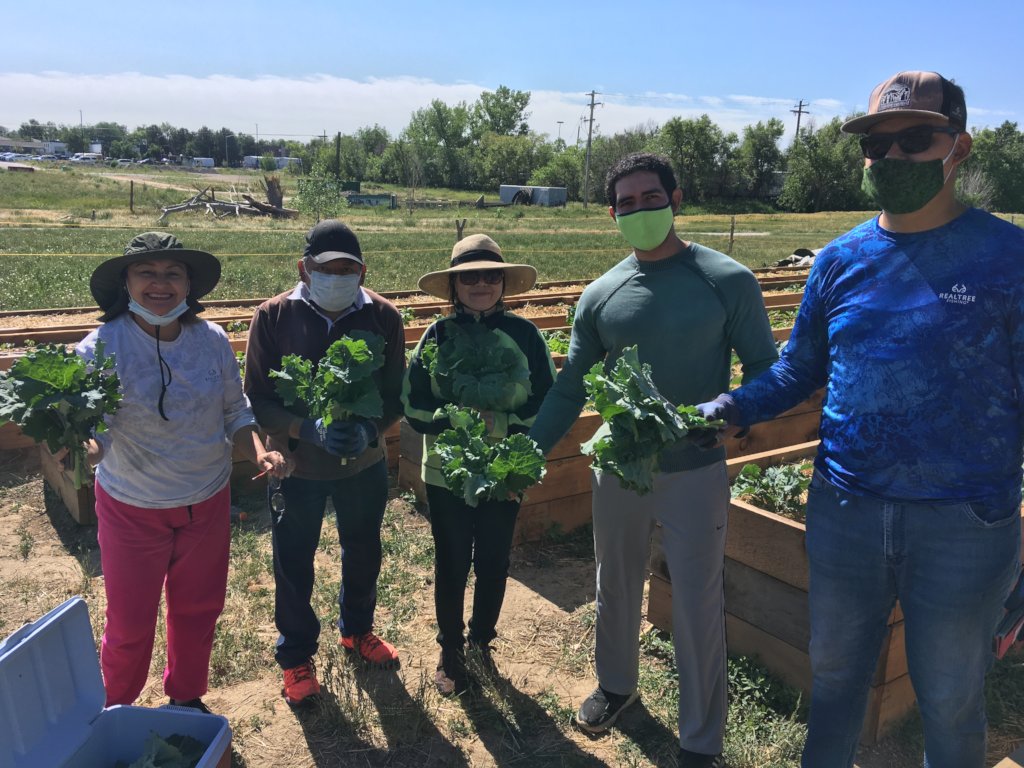
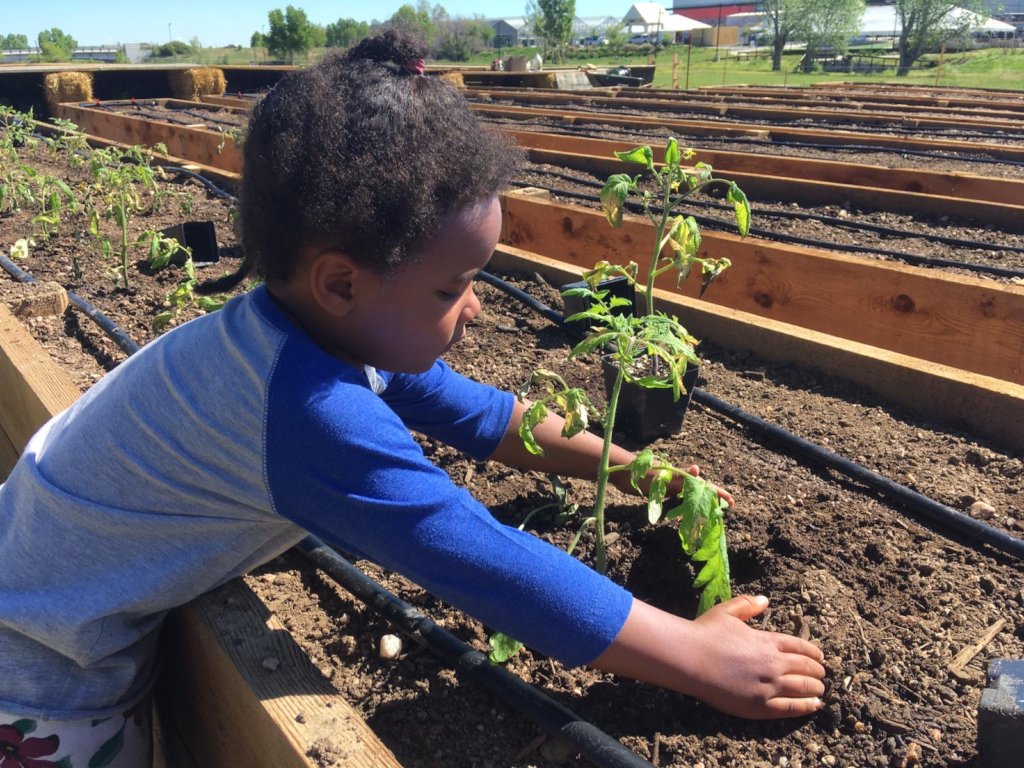
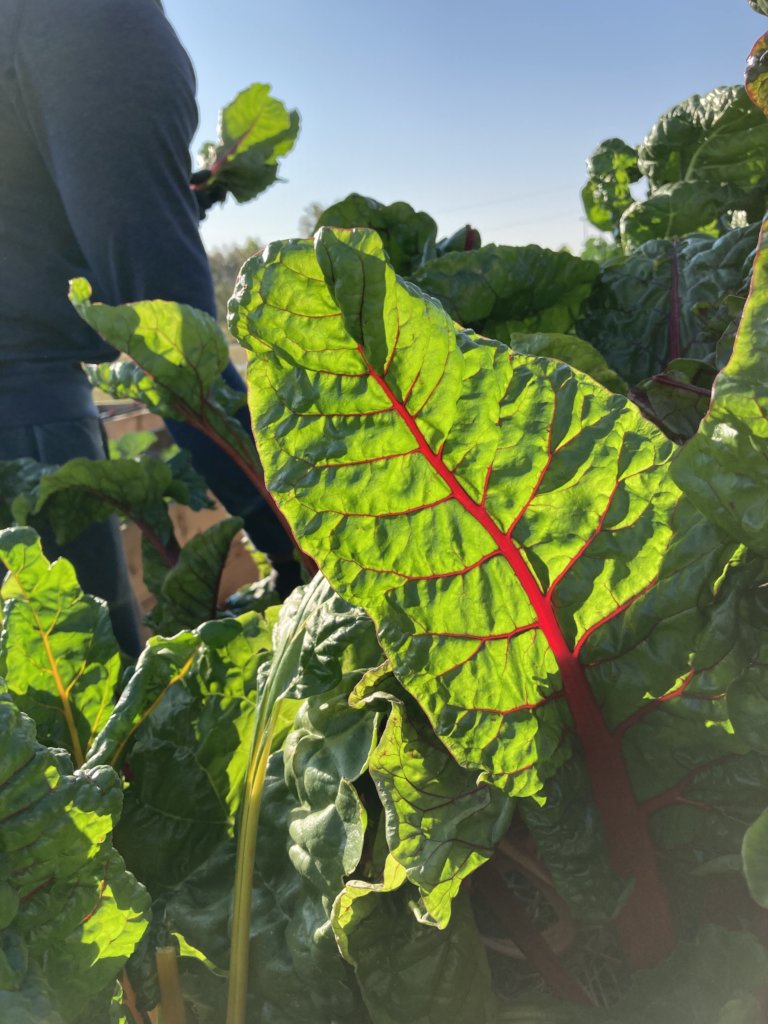
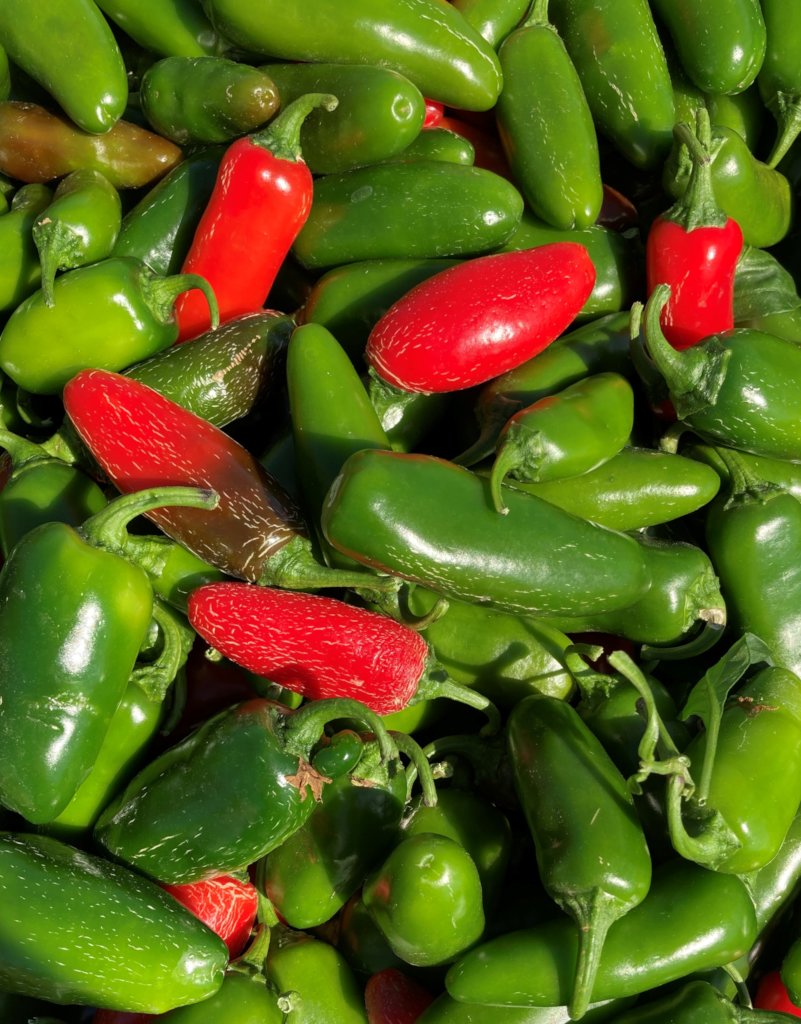
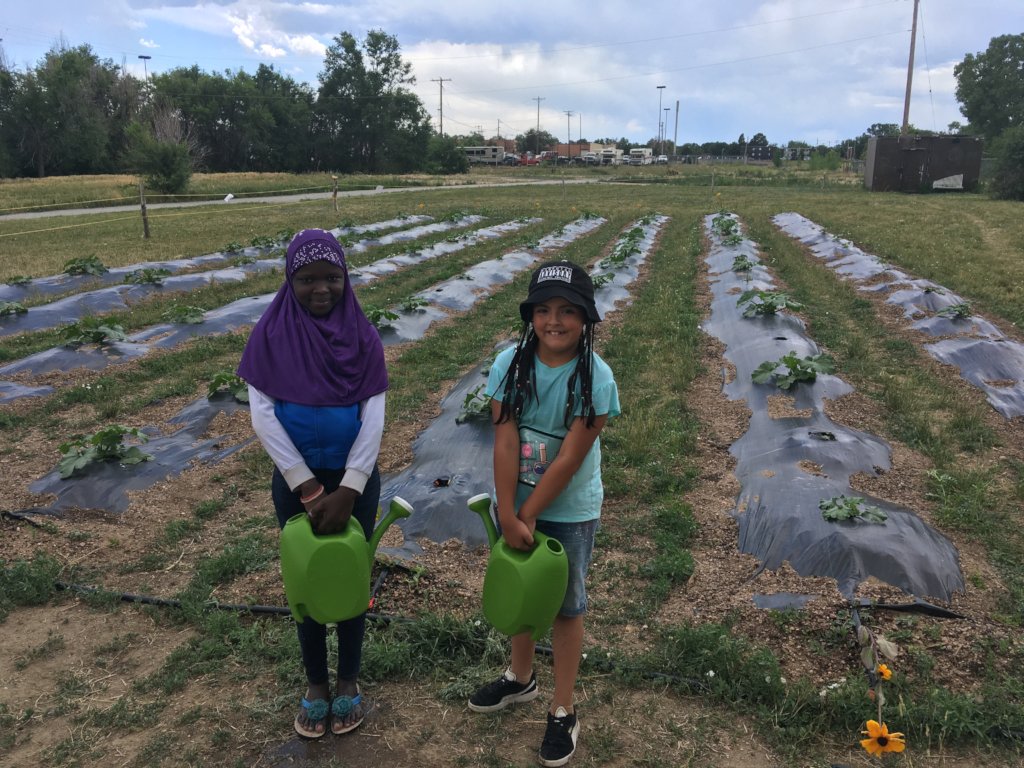
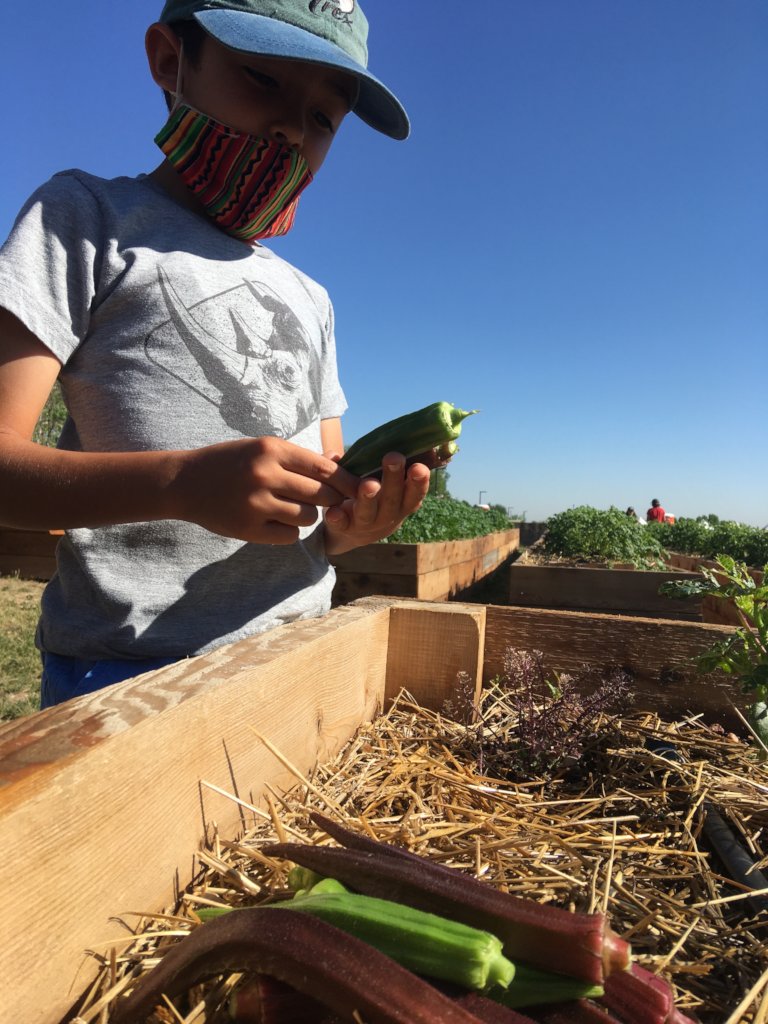
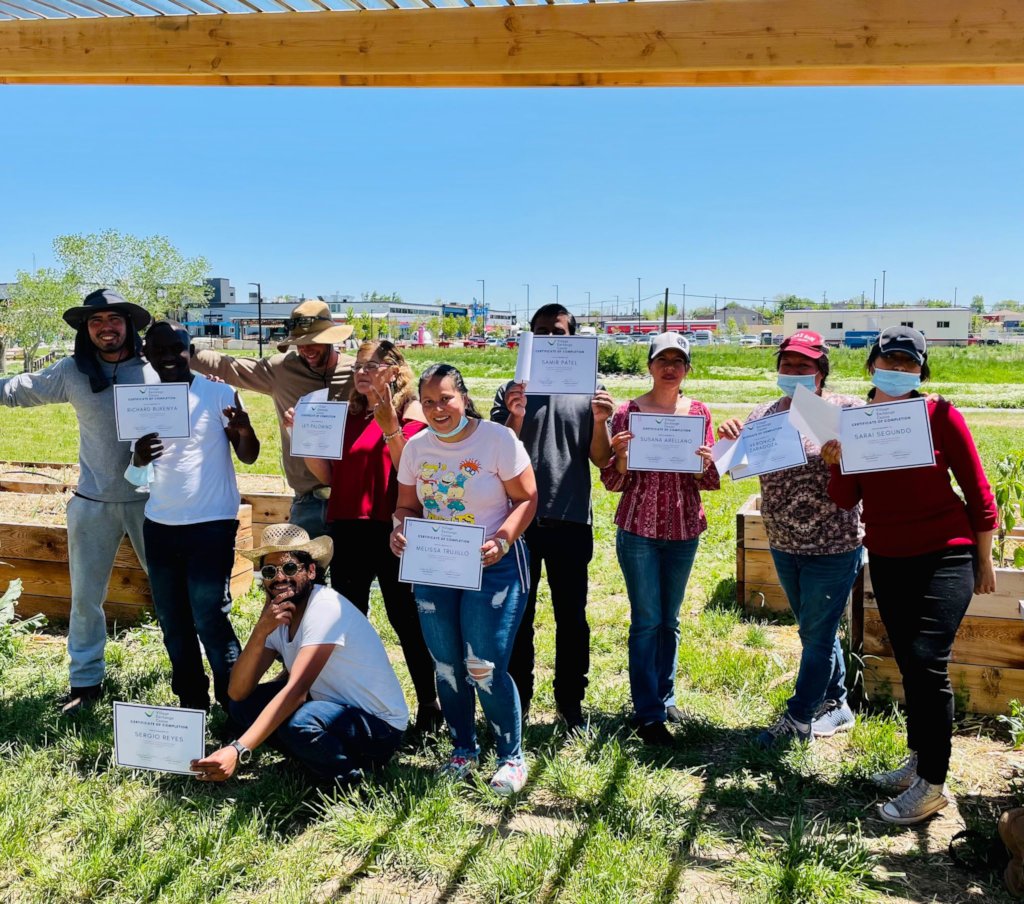
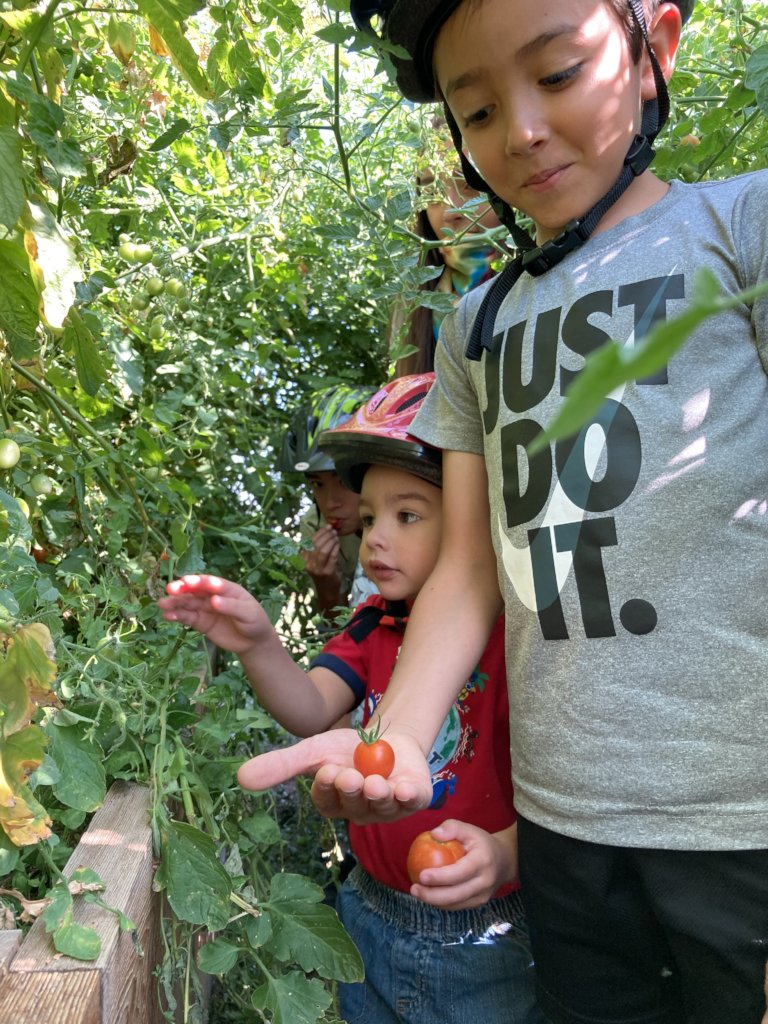
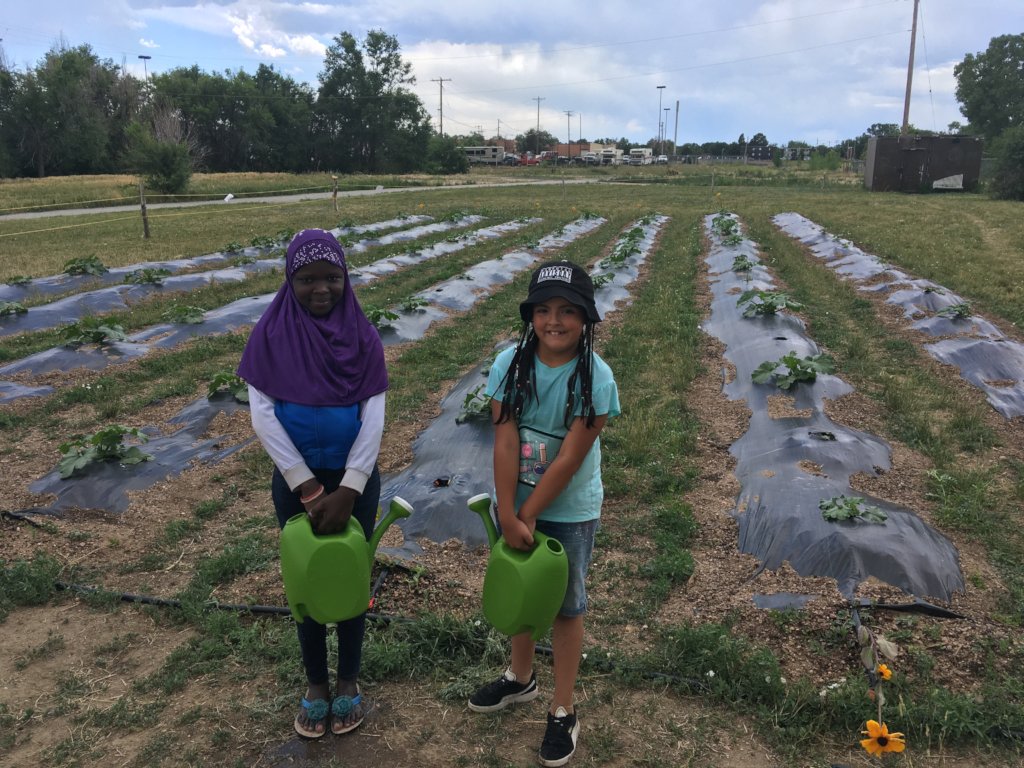
Over the past year, 17 adults completed our Urban Farming Immersion training. These trainees produced over 1,600 pounds of local, organic produce that fed 1,000 households through our Food Pantry, serving at least 4,200 individuals. In addition 22 children had the opportunity to experience the farm through our summer camp program, planting seeds, watering, pulling weeds and witnessing the birds, bees, and other wildlife that also call the farm their home.
It has been inspiring to witness the excitement and buy-in from our community and to see their sense of pride in the work we are doing together. Some examples of the personal impact of the Farm include: A family from Venezuela who left everything behind to come here has called the farm their “second home"; Another participant shared that he felt a sense of “belonging” at the farm; The kids have been naming different plants on the farm and watching them grow throughout the season.
Now in its second year, VEC’s Village Farm has implemented a robust educational curriculum for our learn-as-you-grow trainees in our Urban Farming Immersion Program. From April 2020 to March 2021 we had three cohorts of six to eight immigrant and refugee community members working and learning at the farm.
All but one of our graduates come from immigrant and refugee populations. Our program has helped them with English language skills, business management experience (working at our Farmers Market and servicing our vendors), as well as general life skills as new community members. In addition, we received feedback from each participant about an increased sense of belonging. Participants at the farm often live in apartment complexes and lack opportunities to have a garden, much less spend time in a natural outdoor space that they can call their own.
Working towards food justice is both humbling and inspiring. We are grateful to our partners who helped shape the program and are an integral part of its success. These include the Stanley Marketplace, Tri-County Health Department, Denver Botanic Gardens, Denver Urban Gardens, the Aurora Economic Opportunity Coalition, Emerald Garden’s Microgreens, Focus Points Family Resource Center, and Slow Food Denver.
Now, post-COVID, we can safely gather for events, increasing community participation and our outreach efforts for the farm. Going forward we plan to identify the most culturally relevant crops for our immigrant and refugee community to grow at the farm. We also plan to increase our educational efforts around nutrition and cooking specific vegetables to support community-members with needed resources to effectively use the food grown at the farm.
Project reports on GlobalGiving are posted directly to globalgiving.org by Project Leaders as they are completed, generally every 3-4 months. To protect the integrity of these documents, GlobalGiving does not alter them; therefore you may find some language or formatting issues.
If you donate to this project or have donated to this project, you can receive an email when this project posts a report. You can also subscribe for reports without donating.