By Susan Berta | Project Leader, Whale Sighting Network
In our last report, we talked about the population crash of Southern Resident orcas that triggered their listing as Endangdered under the Endangered Species Act, when their population dropped 20% over a six year period from the mid 1990s to 2001. This occurred after the population had finally somewhat rebounded (to nearly 100 individuals) from the removal of 1/3 to 1/2 of the population in the 1960s and 1970s for the marine park industry.
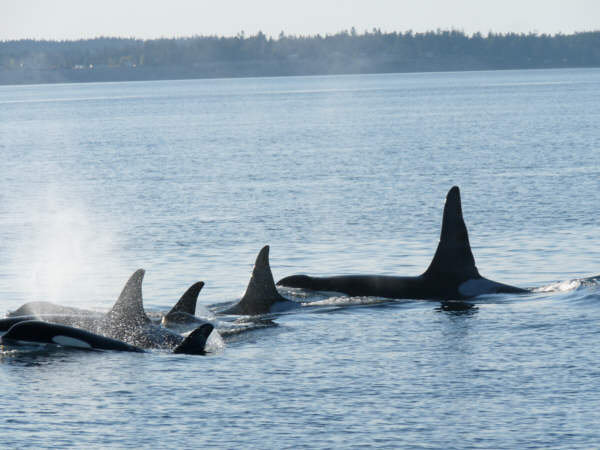
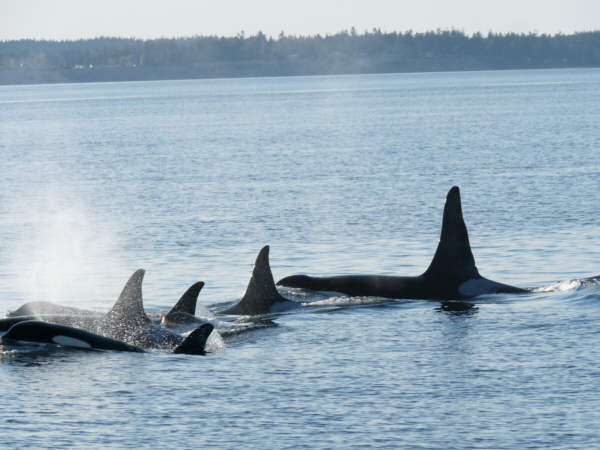
Sadly, this summer we have more bad news to report. For the first time since this population of orcas has been studied (beginning in 1976), we have experienced an eerie absence of their presence in the Salish Sea, where they traditionally have appeared each summer, between May and September, feeding on Chinook salmon.
This summer, the whales have scarcely been seen in the San Juan Islands, and when they do come in, they stay only for a day or two, then leave again, likely heading back out to the ocean in search of Chinook salmon, which aren't being found in numbers large enough to sustain them in their accustomed feeding grounds in the Salish Sea.
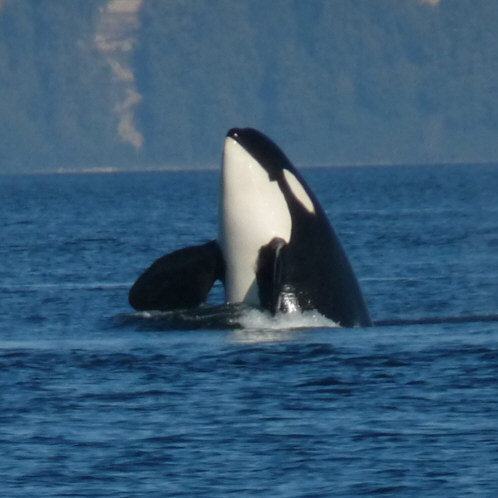
The Center for Whale Research states the current population of Southern Resident orcas is only at 82, and an additional male orca is missing and presumed dead, bringing the number down to 81. Ken Balcomb, director of the Center for Whale Research, stated in an August 28th report in the Journal of the San Juans, "There is no doubt that our beloved local Orcas...are at risk of extinction in this century if things keep going the way they are," and "...the total number of whales in this beleaguered population is not as relevant as the number of breeding age whales and the success rate of their reproduction. It takes twelve to twenty or more years for a baby whale to grow up and become a member of the breeding population....There are only 24 females and 8 males currently in their prime breeding years, and offspring survival has not been very good in recent years due to a variety of causes...."
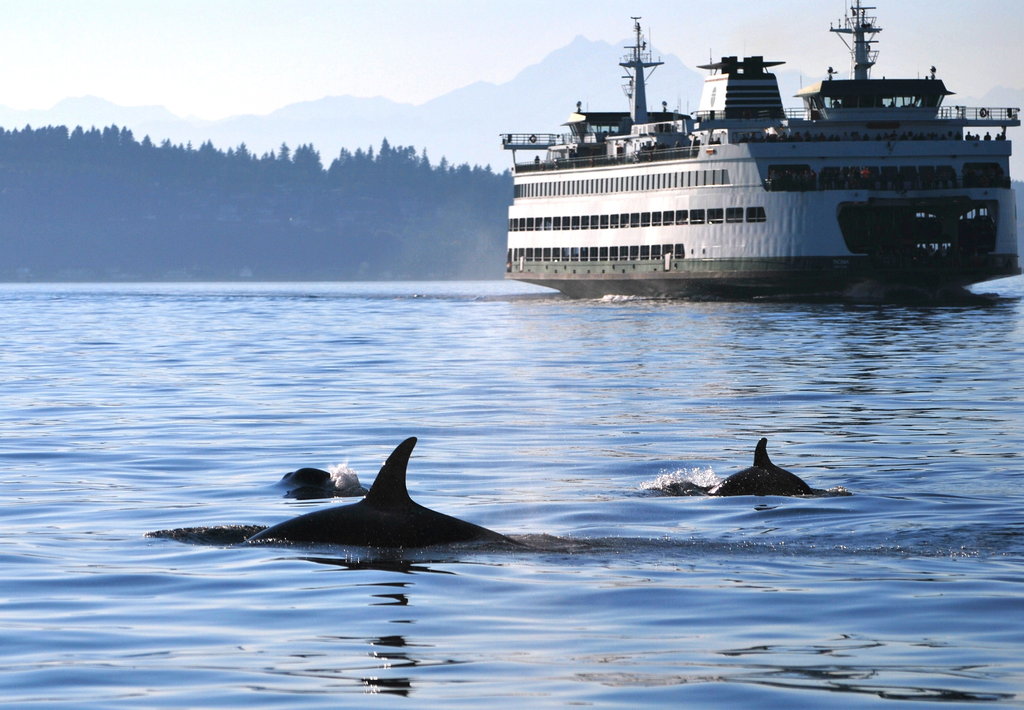
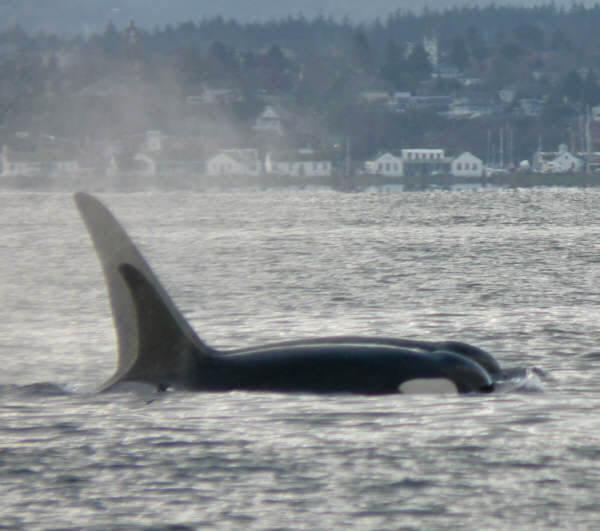
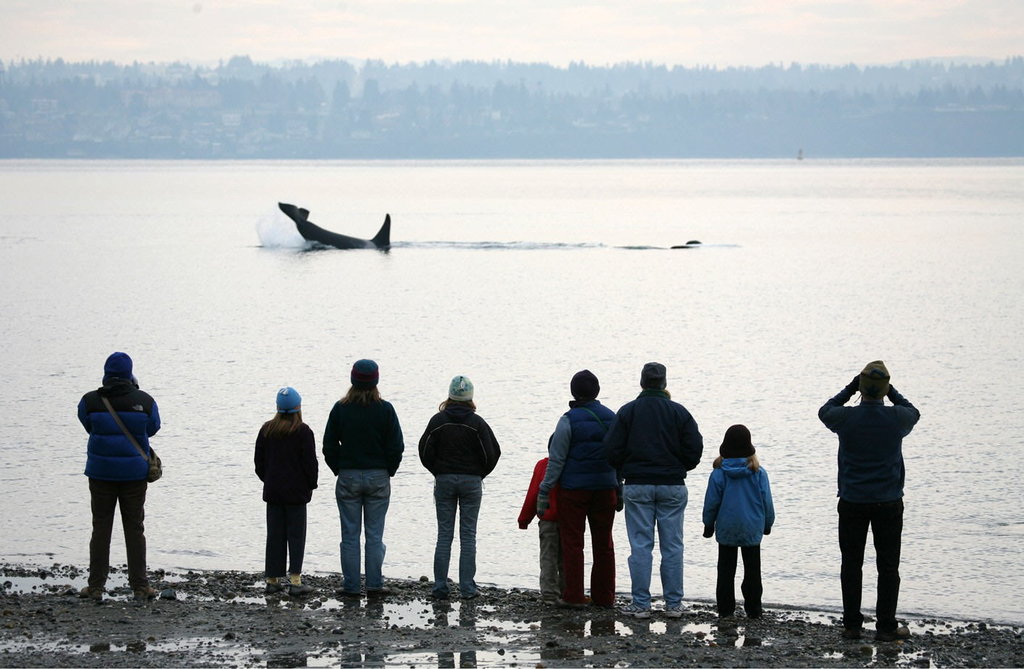
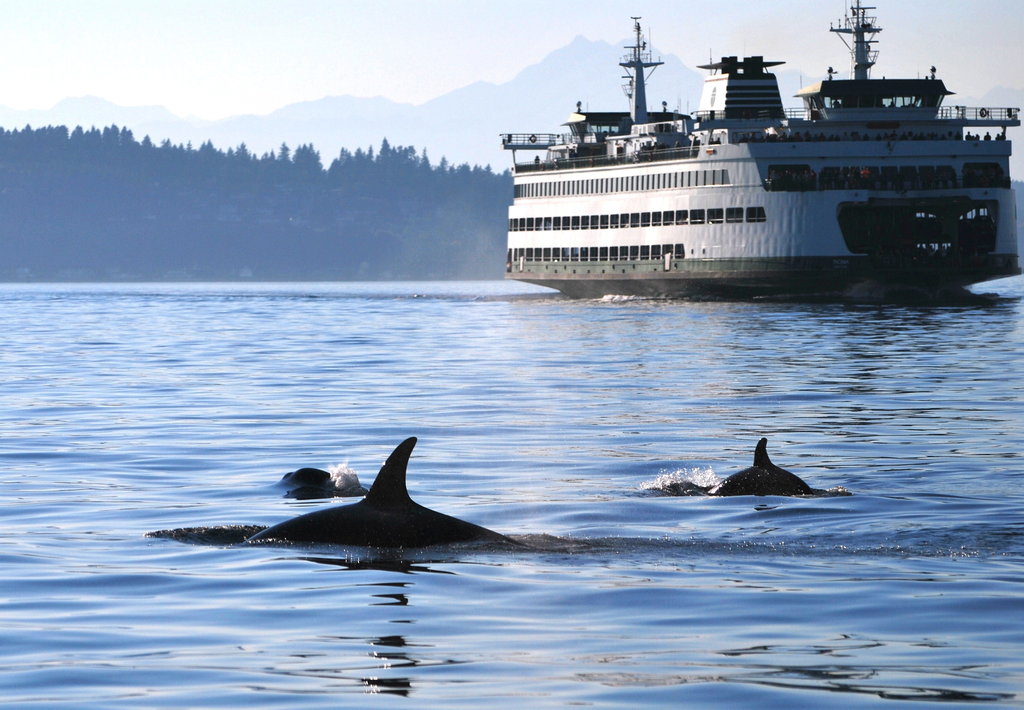
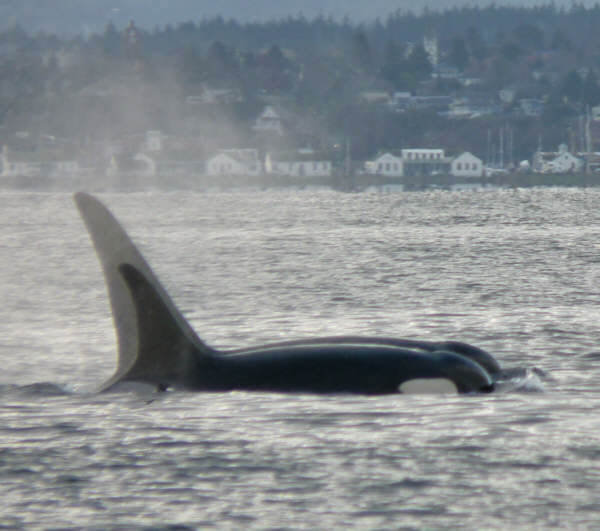
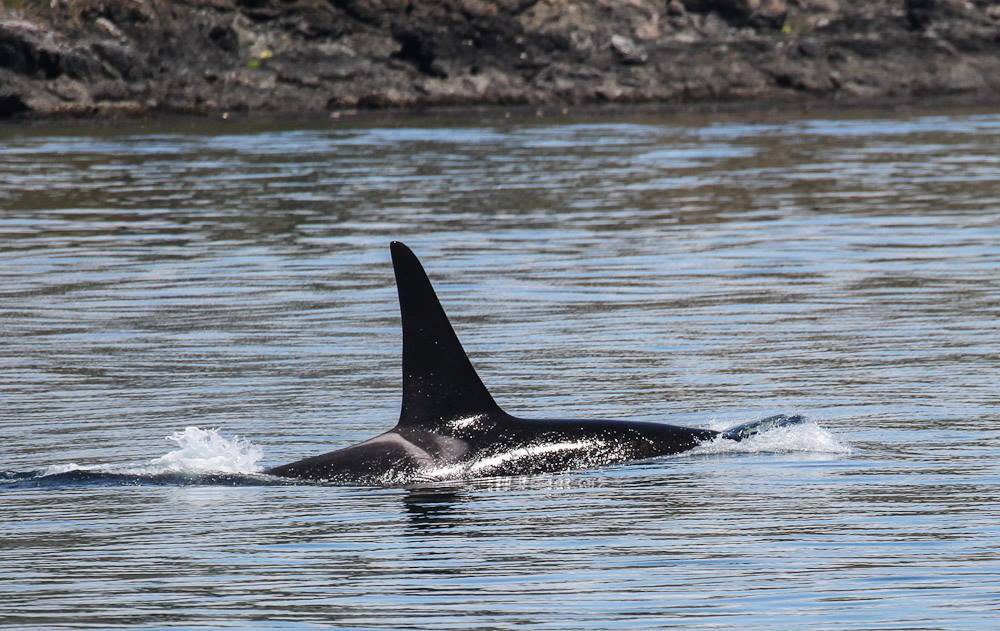
One of our Whale Sighting Network's most critical functions is to track the Southern Resident orcas during the fall and early winter months, when they tend to switch to eating chum salmon, which enter Puget Sound inland waters in large numbers during this time. Orca Network is located on Whidbey Island, where the whales pass by chasing the chum salmon runs into Puget Sound. Beginning October 1st we excitedly watch the waters off Whidbey looking for fins and spouts, so we can report on the travels of the Southern Resident orcas to researchers and agencies working on recovering this fragile population, and to citizens who are excited to watch this annual foray of the whales into Puget Sound waters, where they can be observed along hundreds of miles of shoreline, including the urban Seattle area.
But this year we are wondering if the Southern Resident orcas will come back into the Salish Sea and Puget Sound this fall and winter, or if they will remain offshore where they have spent the majority of the summer. Since it is believed they are after chum salmon when in Puget Sound, and chum salmon runs are much healthier than Chinook salmon runs, we are hoping it will mean we have an increased number of visits from the Southern Residents this fall. But if they are having to travel further away to find Chinook salmon when they aren't in the inland waters, it is also possible we may experience an absence of them in the inland waters this fall and winter as well.
This season is an important one for our Whale Sighting Network, as the data we collect through sightings of the Southern Resident orcas in the inland waters this fall and winter will provide valuable information for researchers who are working to help the whales. Given the unprecedented absence of Southern Residents in the Salish Sea this summer, we want to make sure we collect the best data possible on their use of the inland waters of Puget Sound this fall and winter, as well as keep track of any new births or further deaths to this endangered community of orcas.
As Ken Balcomb states, "This summer should serve as a "wake-up" that our "resident" whales will simply take up residence elsewhere, or keep moving from here to elsewhere in search of a suitable food supply.....but the "resident" Orca provide the indicator of the health of the local ecosystem that we all depend upon. Lets keep them around."
Your support is needed now more than ever. As the population of the Southern Resident orcas continues to decline, unfortunately, the funding for programs such as ours, working to find answers to help this fragile population survive, is also in decline. Our Sighting Network DEPENDS on contributions from people like you, who care about the whales, and want to see this community of orcas survive for future generations.
Thank you for your support, and we hope our next report will have cheerier news to relay to you, hopefully news of a new calf or two to increase the numbers of the Southern Resident community of orcas ~
Links:
By Howard Garrett | Orca Network President
Project reports on GlobalGiving are posted directly to globalgiving.org by Project Leaders as they are completed, generally every 3-4 months. To protect the integrity of these documents, GlobalGiving does not alter them; therefore you may find some language or formatting issues.
If you donate to this project or have donated to this project, you can receive an email when this project posts a report. You can also subscribe for reports without donating.