By Howard Garrett | Orca Network President
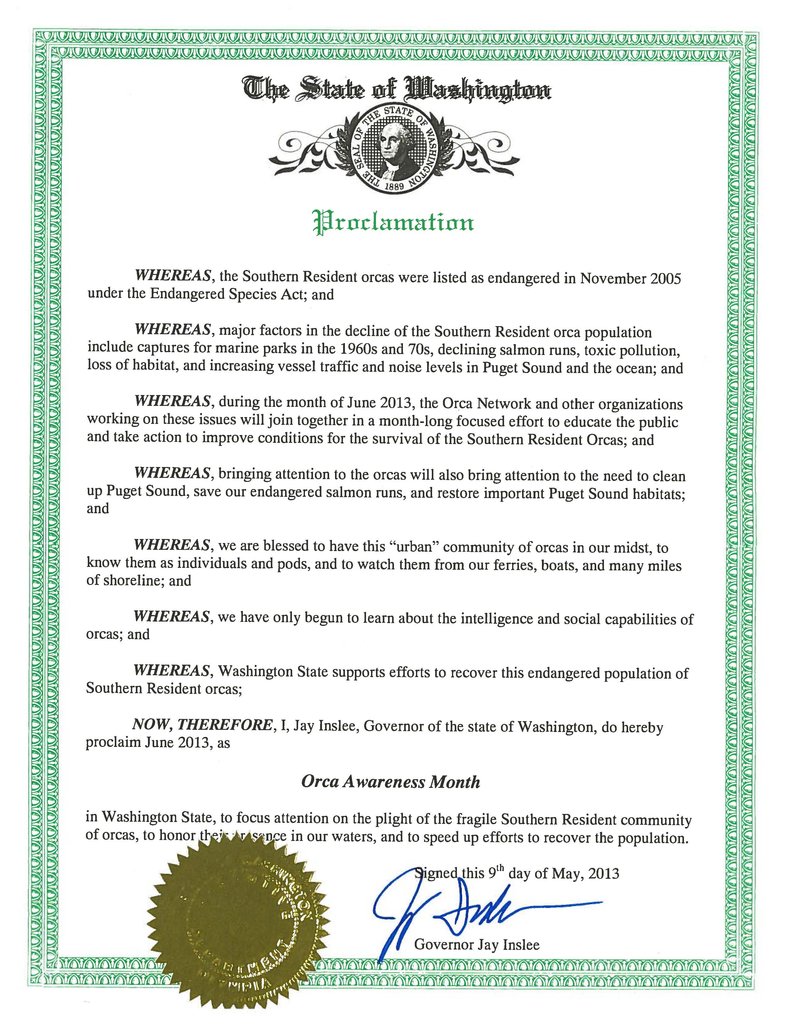
Governor Inslee has officially proclaimed June 2013 as Orca Awareness Month
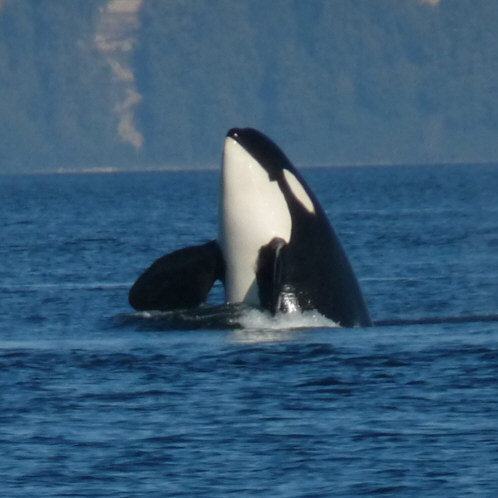
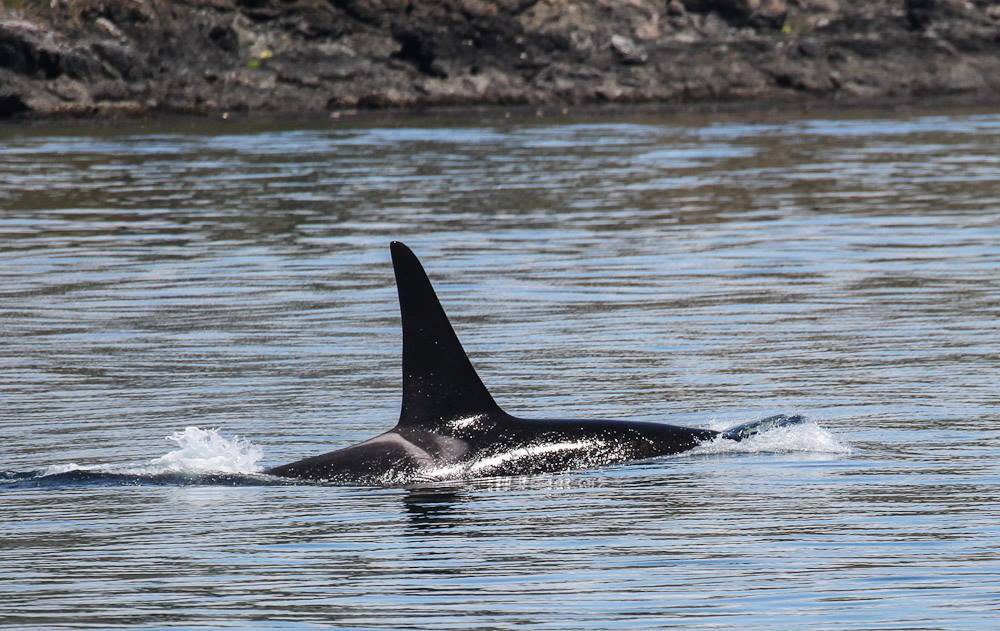
The Southern Resident orcas (J, K, and L pods) were listed as Endangered in November 2005 under the Endangered Species Act, yet we have only begun to learn about these whales' intelligence and social systems.
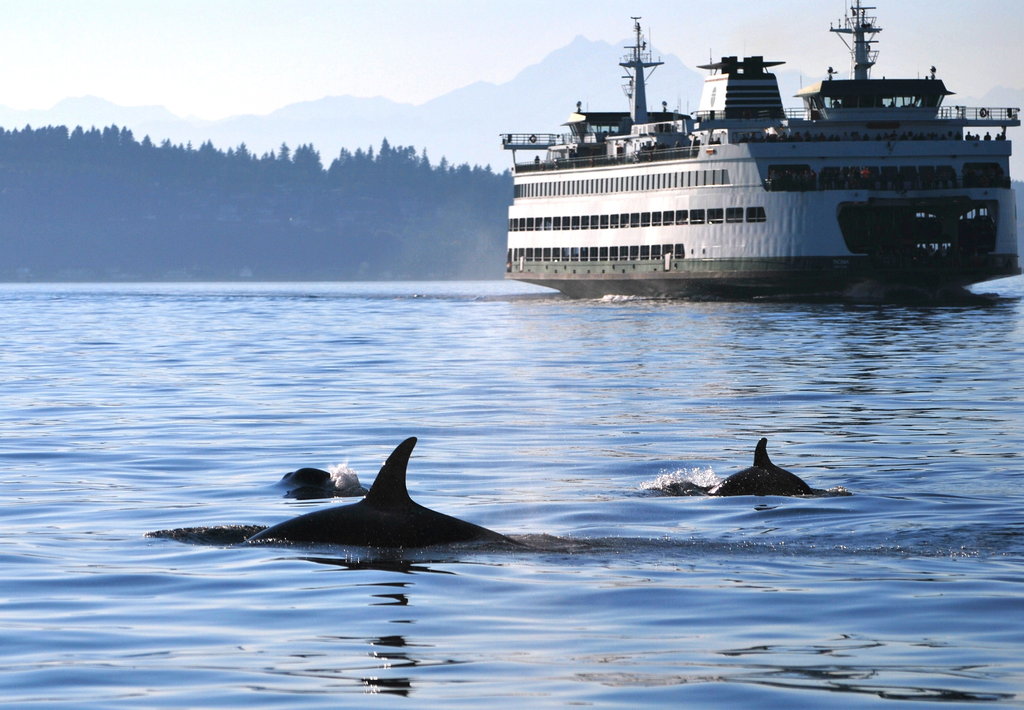
Major factors in the decline of their population include dwindling salmon runs, captures for marine theme parks in the 1960s and 70s, toxic pollution, loss of habitat, military training exercises, and increasing vessel traffic and noise levels in the Salish Sea and throughout their critical habitat.
During the month of June, Orca Network and other organizations, businesses and individuals will join together to educate the public and focus attention on the plight of the fragile Southern Resident orcas, to honor their presence in our waters, take action to improve conditions for their survival, and hasten efforts to recover their population.
Contact Orca Network to learn how you can participate in Orca Month!
Visit our Orca Month webpage for a list of Orca Month events and more.
We will be posting "Orca Tid-bits" on our Orca Network Facebook page every day during Orca Month - here is our first post:
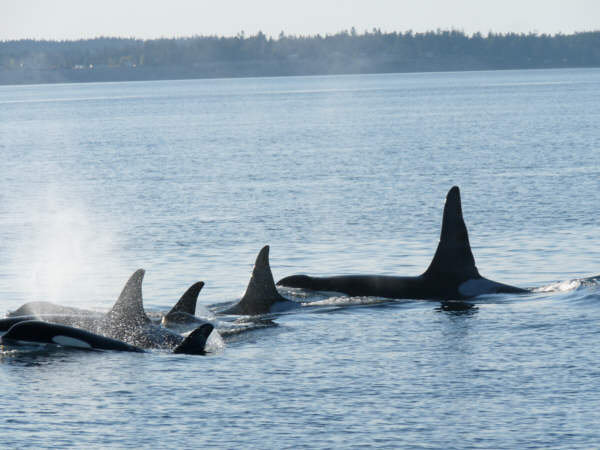
J pod and the L12s foraged and socialized all the way up Haro Strait to Boundary Pass today. They have their own schedule unbeknownst to us, but this is June 1, the first day of Orca Awareness Month for 2013, so here's your Orca tidbit of the day.
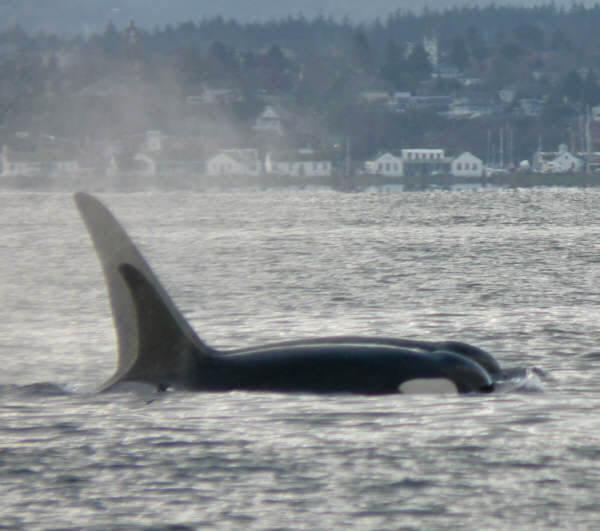
In the realm of demographics, field studies over the past 40 years have shown that orcas have lifespans, reproductive years, post-reproductive years (for females), birth rates, and other parameters very similar to humans' demographic profile. The greatest difference may be in male mortality rates. Orca males seem to die decades earlier than females, at around 30 on average (although J1 Ruffles lived to about 60), leaving far more females than males in the overall population.
It should be noted however, that these numbers are based almost entirely on the 4 decades of continuous photo-ID field studies on the Southern and Northern Resident communities in WA and BC. These populations, especially the Southern Residents, have been seriously perturbed for decades, starting with random shootings probably since hunting with guns began, followed by a decade of unlimited captures, followed by an influx of persistent organochlorine toxins into the food chain, and all accompanied by periodic, but gradually decreasing runs of Chinook salmon, now known to be the mainstay of the Southern Residents' traditional diet. Between 1995 and 2001, extreme el nino years when Chinook runs were all drastically reduced, the Southern Residents lost almost 20% of their small number. They seem to rely almost exclusively on Chinook, although in the fall months they often subsist partly on chum salmon. All this is to say that the population data from the No. and So. Residents may or may not apply to other orca populations worldwide.
Links:
Project reports on GlobalGiving are posted directly to globalgiving.org by Project Leaders as they are completed, generally every 3-4 months. To protect the integrity of these documents, GlobalGiving does not alter them; therefore you may find some language or formatting issues.
If you donate to this project or have donated to this project, you can receive an email when this project posts a report. You can also subscribe for reports without donating.