By Alisa Lemire Brooks | Whale Sighting Network Coordinator
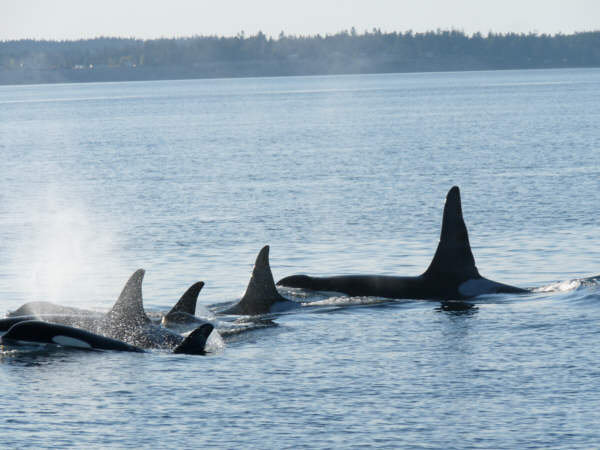
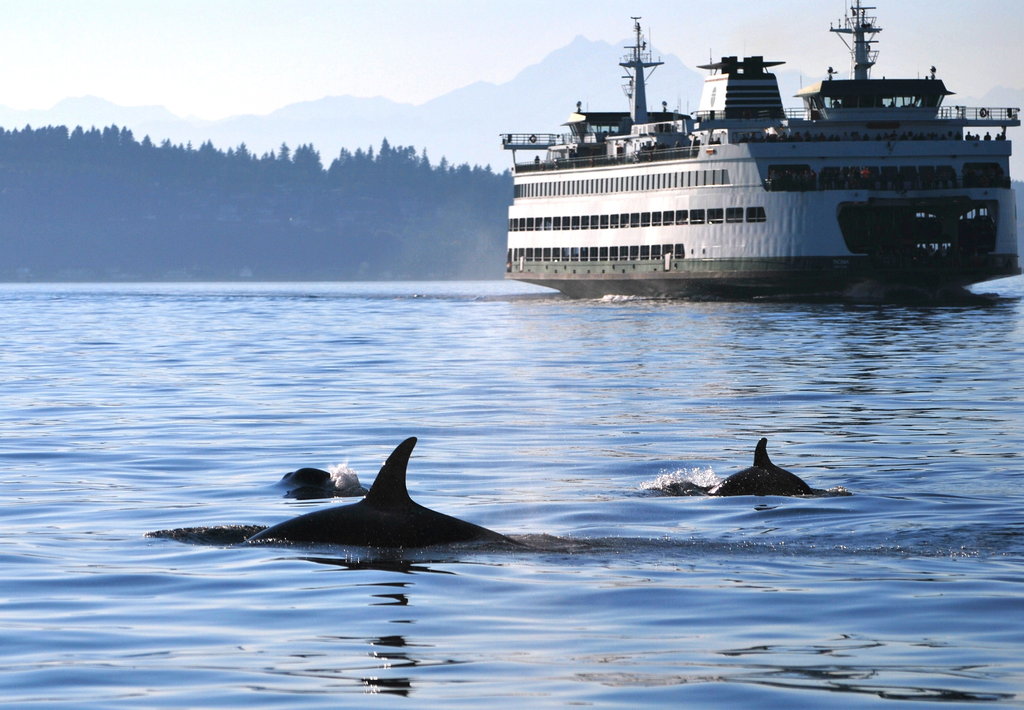
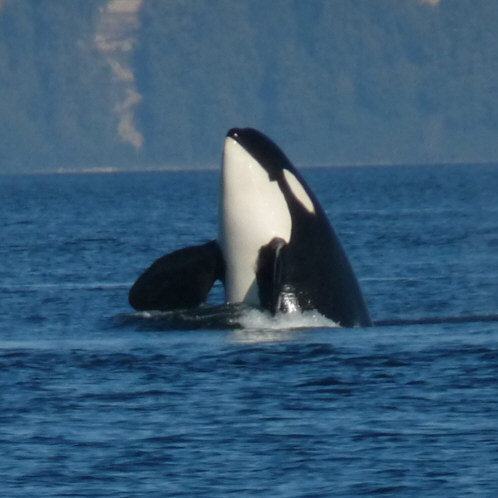
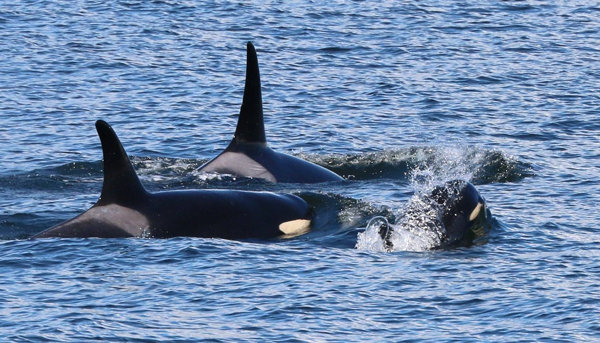
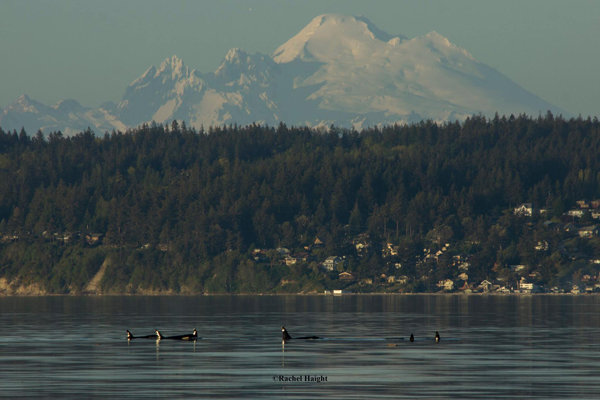
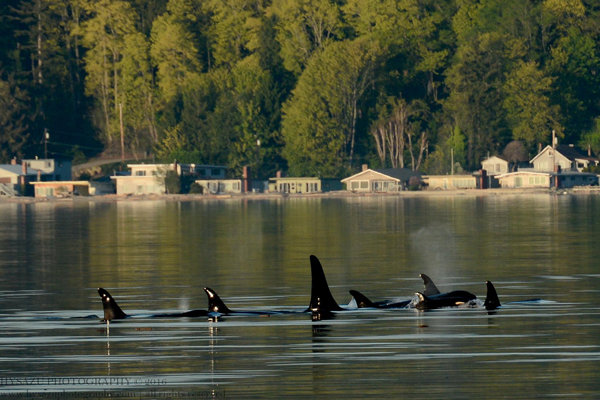
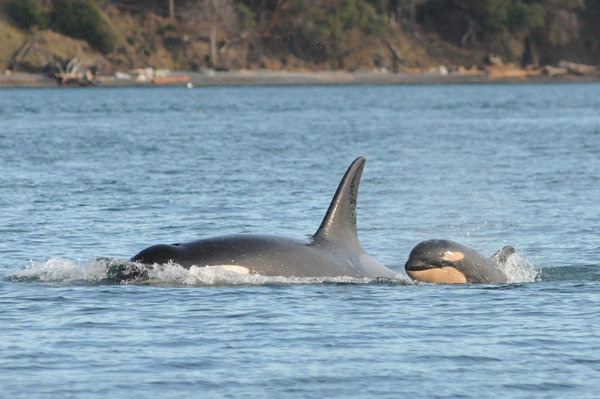
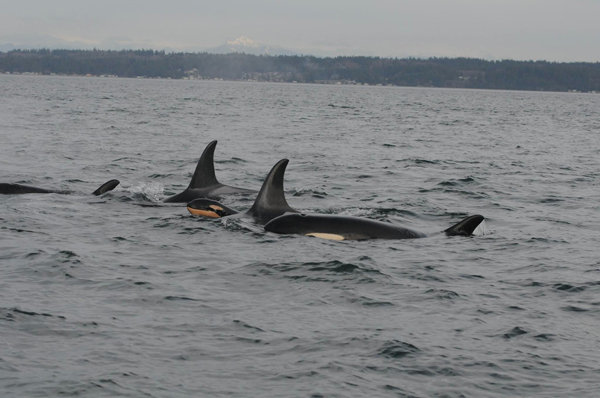
This summer for the Southern Resident orcas has been anything but usual. Residents have yet to find enough food in their customary summer feeding areas of the inland waters of the Salish Sea, primarily around the San Juan Islands, Georgia Strait and places between, to dine on Fraser River Chinook. The most glaring absence is that of K pod who had not been seen inland since June 9th until we received word today (August 8th) from volunteers of the presence of at least some of K pod off of San Juan Island this morning. J and L pods in various subgroups have been coming and going, but not with the same frequency, regularity or cohesive large groupings as in most all summers past. Lack of their main prey, Chinook salmon, is of course the real concern. In happier news, to date all of the calves have survived the winter. L123 still remains the only new calf whose gender is unknown.
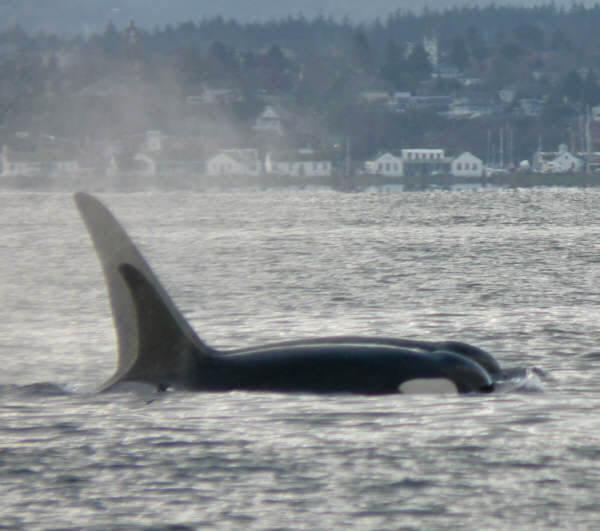
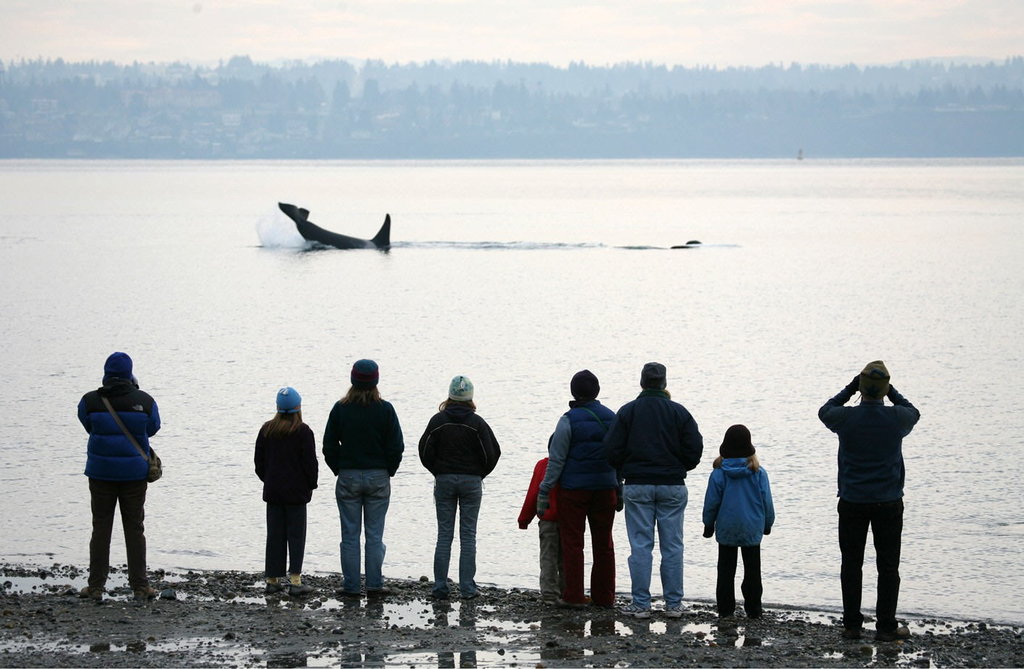
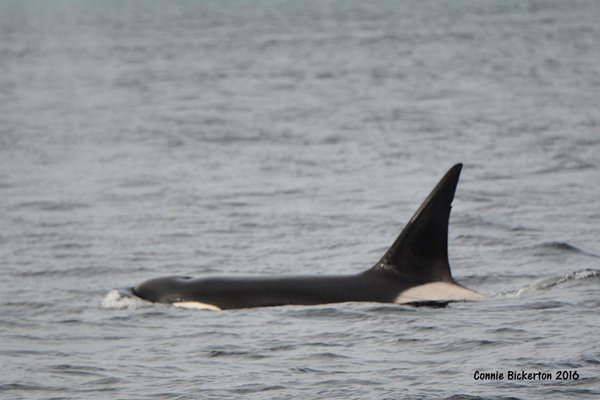
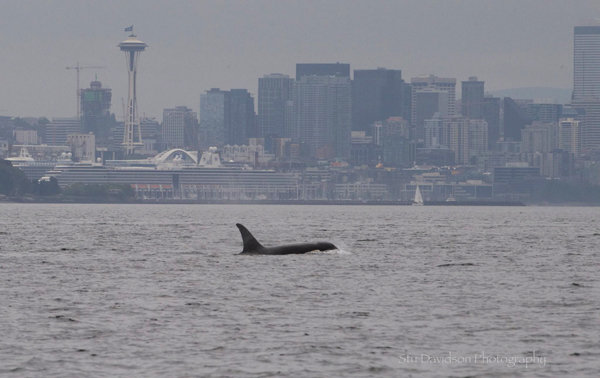
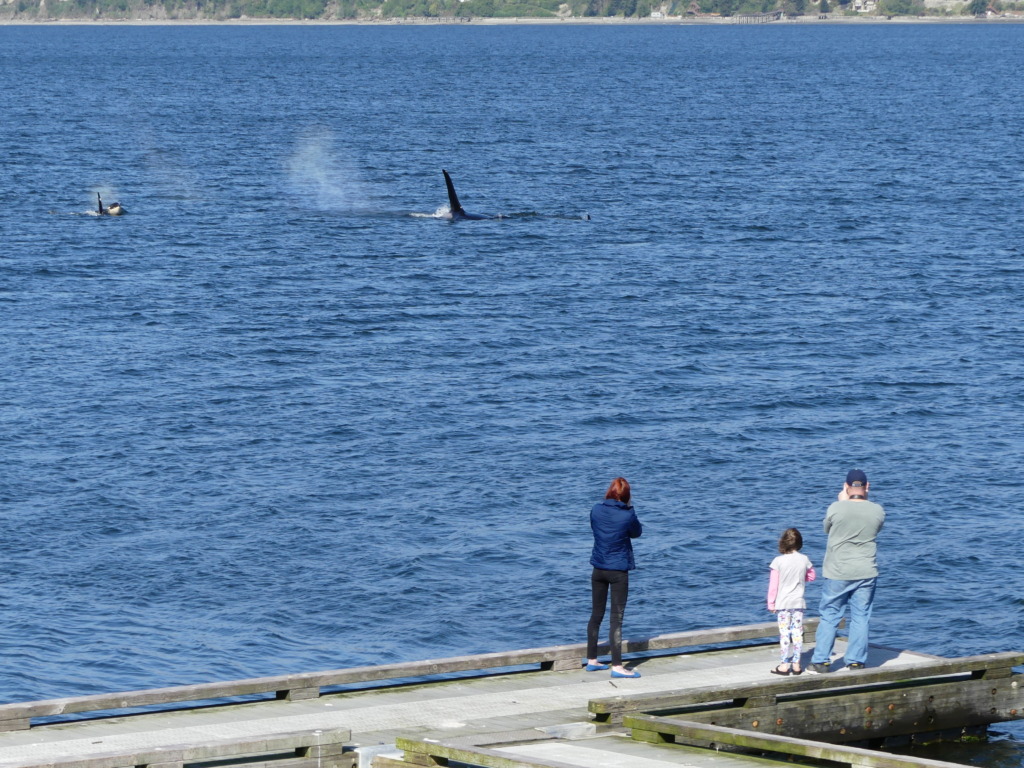
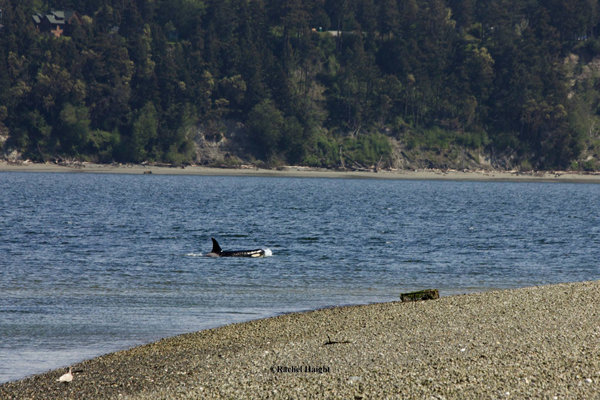
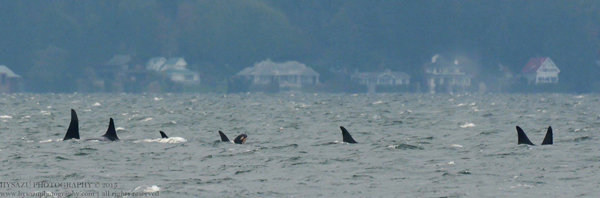
Bigg’s/Transient orcas (mammal eaters) are taking advantage of the abundant seals, sea lions, and porpoise in the inland waters, and have spent many Spring and Summer days in the urban areas of Puget Sound. Our Sightings Network volunteers go into full swing taking to the shores when the orcas come in, tracking and documenting their travels and behaviors.
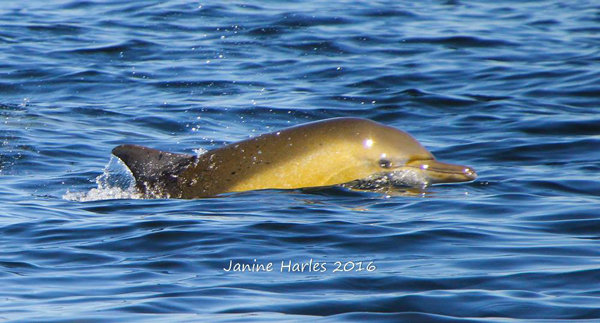
June brought with it a pod of Common dolphins (long-beaked) who typically keep to warmer waters than Puget Sound offers, in general they are not found any further north than California. After a few days in the Strait of Juan de Fuca the dolphins found their way into Puget Sound and split into two groups; one who primarily keeps to south Puget Sound, the other to central/north Puget Sound.
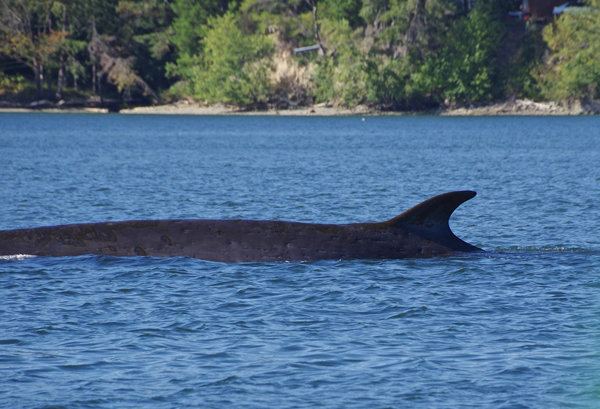
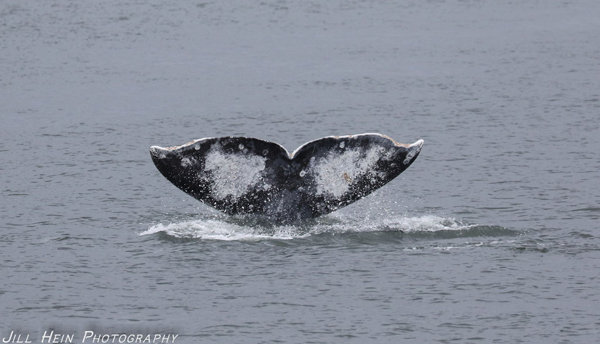
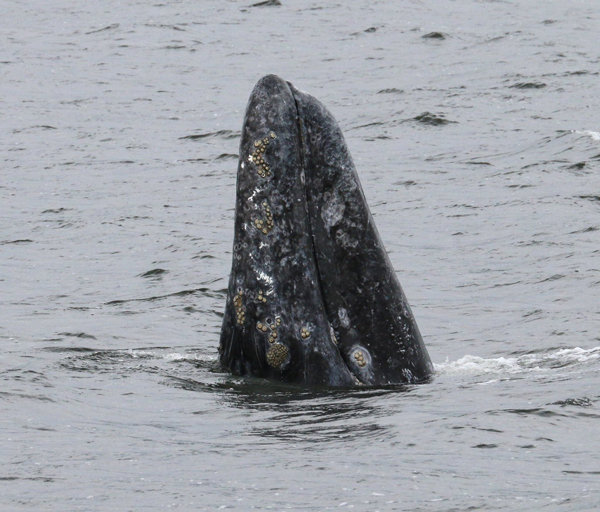
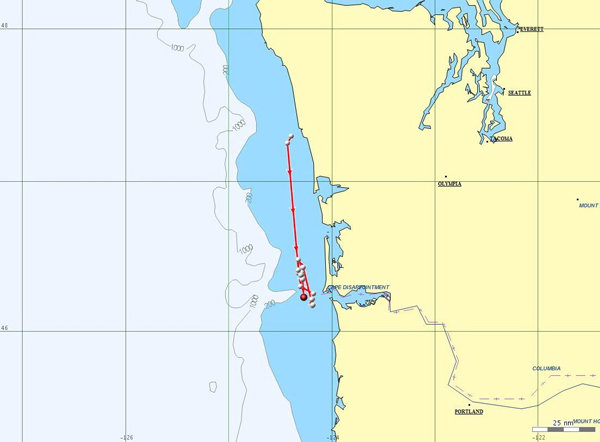
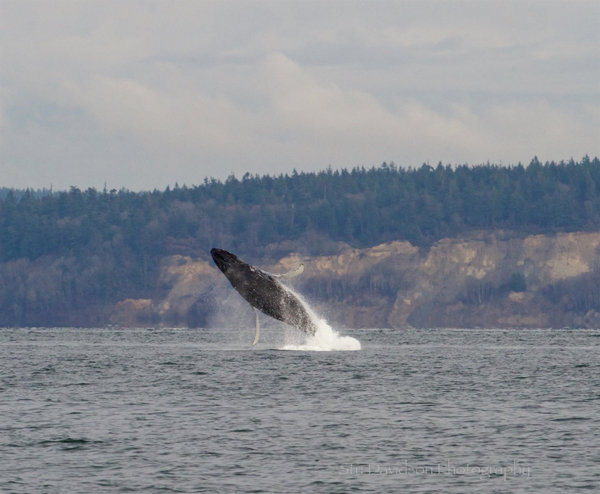
We’ve also had the surprise of a Fin whale (2nd largest mammal on earth). S/he was first seen in Juan de Fuca Strait among the plethora of humpbacks who are congregating in large groups to feed. Volunteers and staff tracked the Fin whale as s/he traveled south down Admiralty Inlet on July 31st. Fin eventually made her/his way into Puget Sound passing several towns and metropolitan Seattle on the way to Olympia the afternoon of August 1st. Sightings of this gigantic beauty continue to reach us as s/he continues cruising up and down Puget Sound.
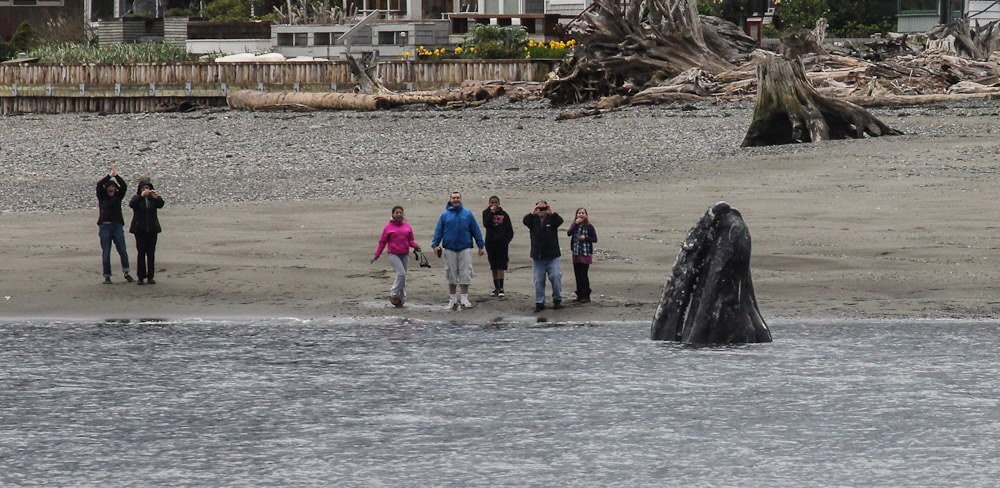
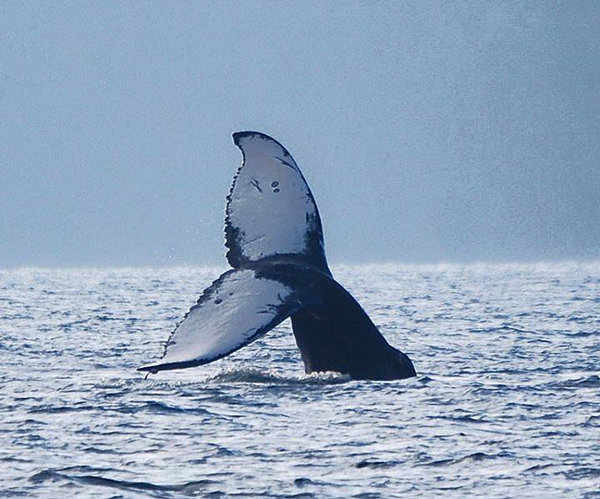
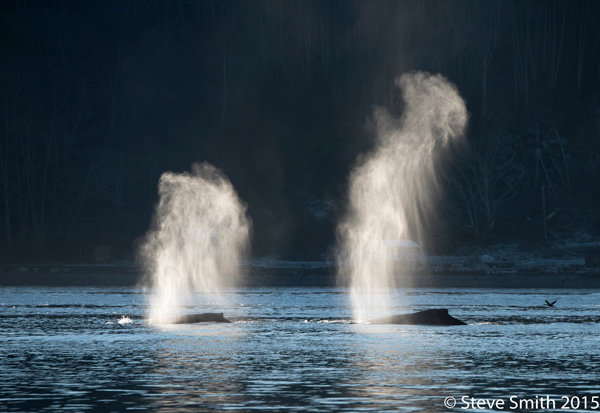
Many uncommon and unusual things are happening with cetaceans in the Salish Sea basin and especially in Puget Sound, some of which will become more common as whales such as the humpbacks continue to re-inhabit historical feeding areas that pre-date the whaling years that nearly wiped them out.
Our Whale Sightings Network (WSN) plays an important role in educating the public along the many shores and in tracking the travel, social and feeding habits and patterns of these beautiful cetaceans. Having the resources to keep the WSN thriving is key in our abilities to gather all of this valuable data which eventually ends up in the hands of researchers, educators, naturalists, students and the general public, and helps us all to better document and understand the changes we are seeing in our waters over time.
For your support we thank you!
Links:
By Alisa Lemire Brooks | Whale Sighting Network Coordinator
By Alisa Lemire Brooks | Orca Network Whale Sighting Network Coordinator
Project reports on GlobalGiving are posted directly to globalgiving.org by Project Leaders as they are completed, generally every 3-4 months. To protect the integrity of these documents, GlobalGiving does not alter them; therefore you may find some language or formatting issues.
If you donate to this project or have donated to this project, you can receive an email when this project posts a report. You can also subscribe for reports without donating.