By Anezka Slavotinkova | PRt assistant
Darién Gap — for some, an unfamiliar term; for others, a source of fear and dread. It is one of the most notorious migration corridors in South America: a roughly 100-kilometer stretch of dense rainforest and swamps between Colombia and Panama. Every day, tens of thousands of people pass through this route on their way to North America, driven by the hope of a better future and a chance to build a new life, for example in the United States.
For many, however, the journey itself becomes an illusion. Out of the thousands who attempt the crossing, only a fraction make it through the extremely challenging terrain — those who survive the nearly impassable jungle, withstand attacks by wild animals and violent groups, or have enough money to pay guides. You may wonder: who would ever choose such a journey? For many people in South America, there is simply no other option.
In August 2024, the American magazine The Atlantic published an extensive article about the journey through the Darién Gap. It was written by journalist Caitlin Dickerson, who walked part of the route together with photographer Linsey Addario. We were able to get in touch with the author and received permission to share selected parts of the stories of the people she met along the way.
The story of Bergkan and Orlimar
Bergkan and Orlimar met as teenagers and attended university together — Orlimar studied nursing, while Bergkan pursued engineering. But in 2014, Venezuela’s economy collapsed due to corruption and poor governance, and the future they had been working toward disappeared. For Adrianna, this is already the third attempt in six years to settle somewhere with her husband — first in Peru, then in Chile, and now, she hopes, in the United States.
Those heading to North America through the Darién Gap often come from Venezuela, Haiti, Cuba, Ecuador, Colombia, as well as countries in Africa and Asia. People flee their home countries mainly because of desperate living conditions caused by a combination of economic, political, and security crises they are unable — or unwilling — to endure any longer.
In the Darién Gap region, both refugees and migrants are present, and the distinction between these terms is crucial. According to UNHCR, migration is often understood as a voluntary process, for example when people cross borders in search of better economic opportunities. Refugees, however, cannot safely return home (due to war or persecution) and are therefore entitled to special protection under international law.
In reality, the factors driving people to leave their countries are often complex and intertwined. Even if some migrants are not legally recognized as refugees under international law, they leave in order to improve their living conditions and escape lives that are often unbearable.
-------
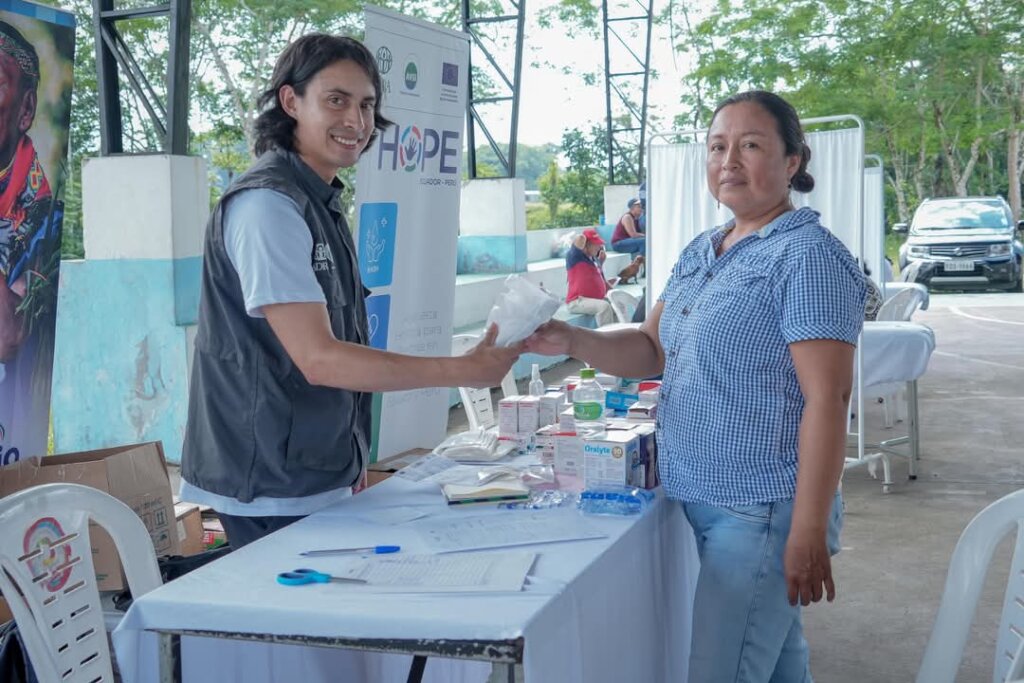
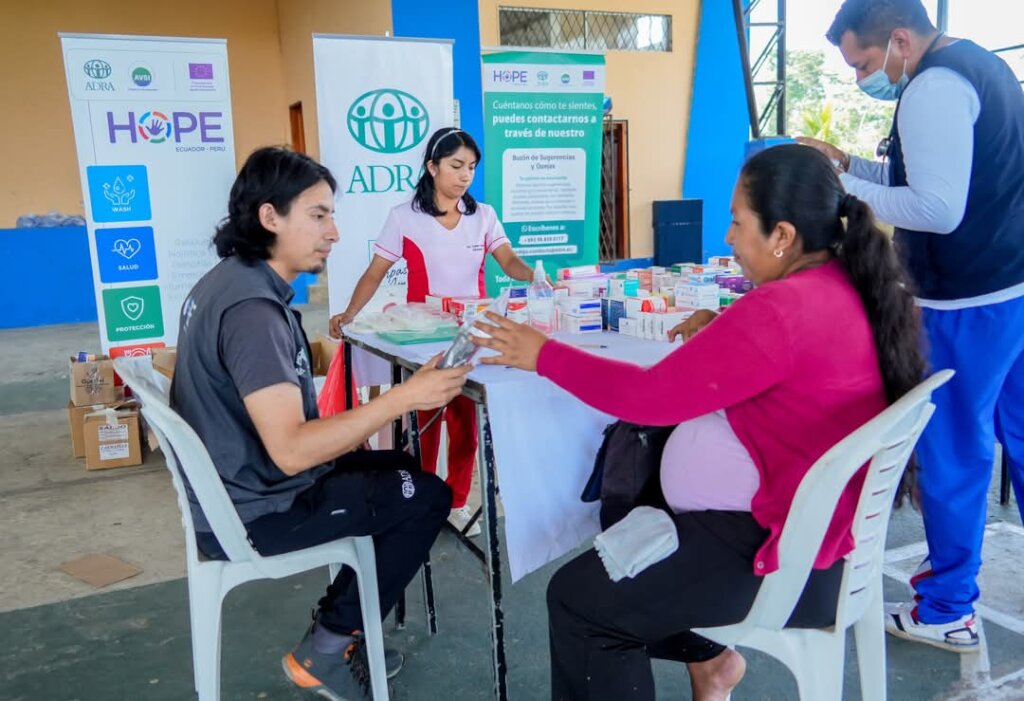
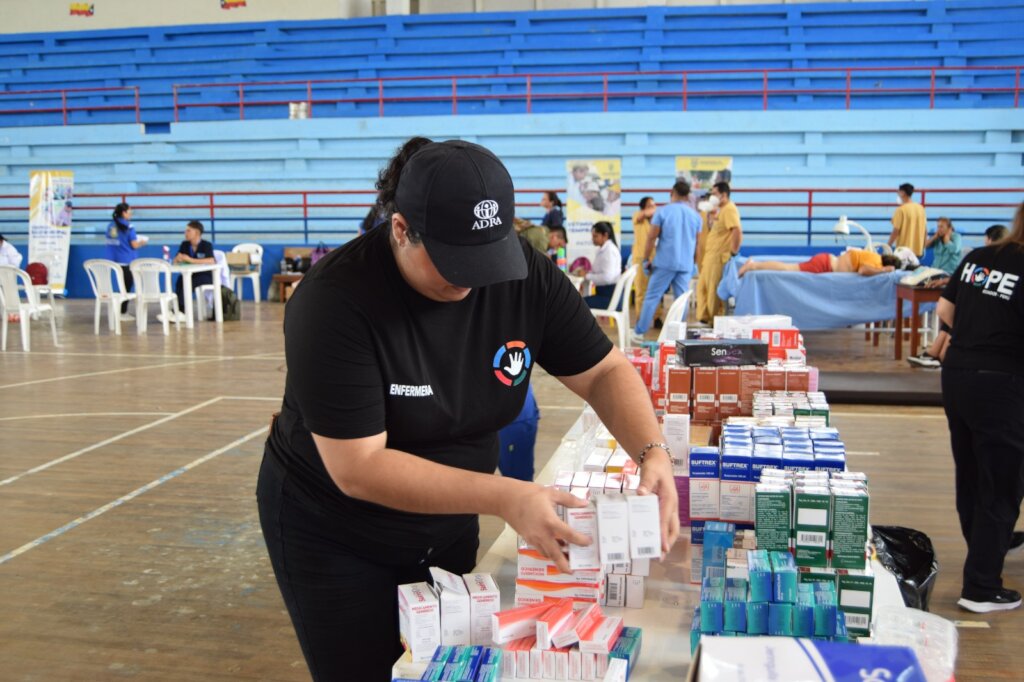
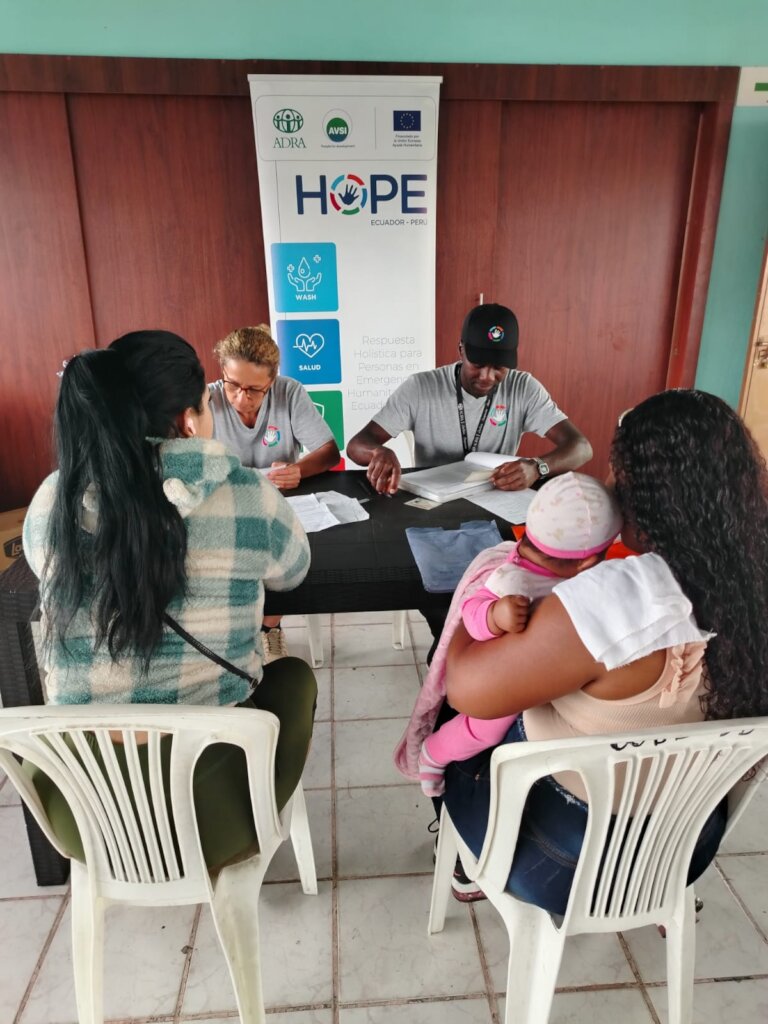
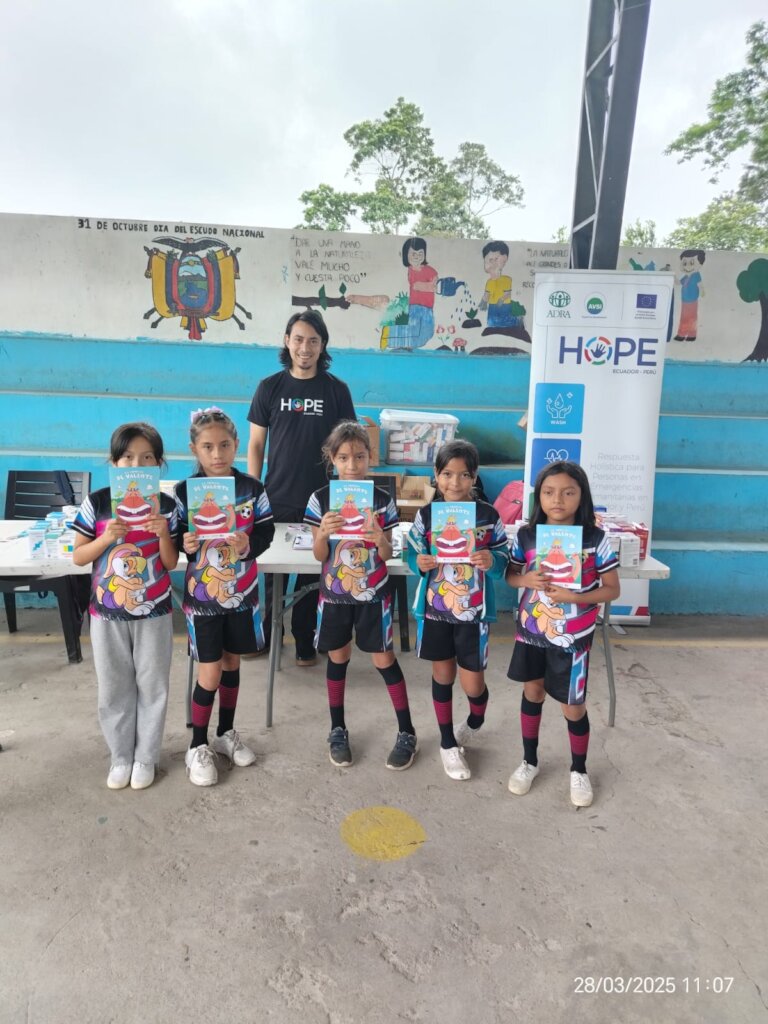
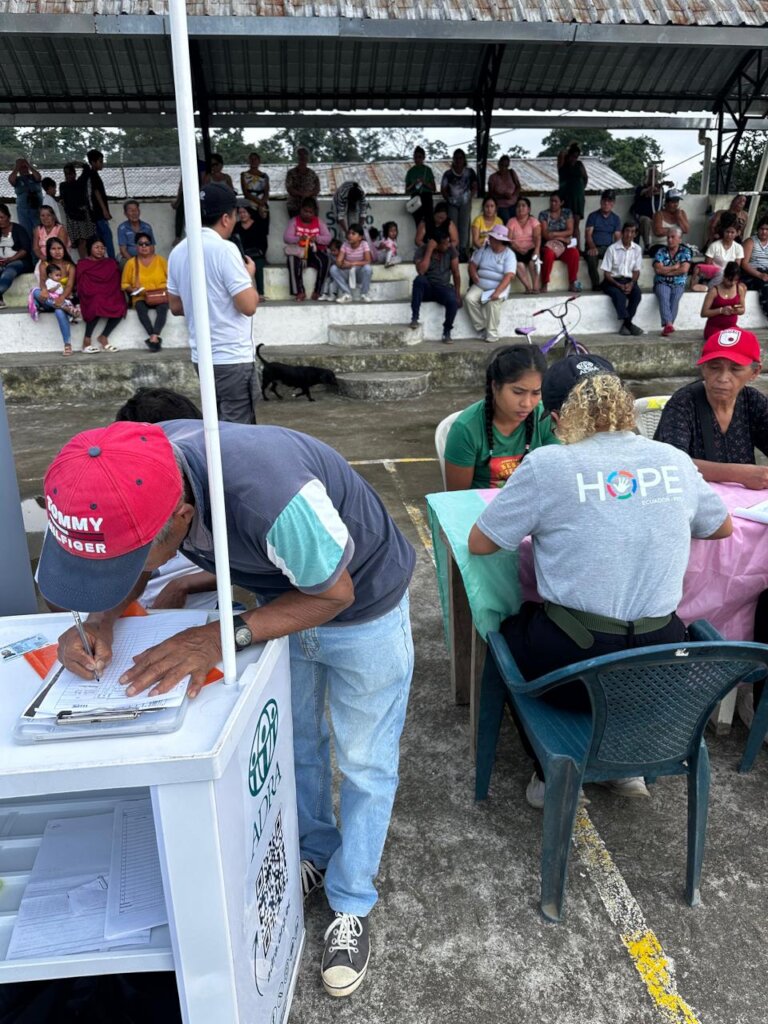
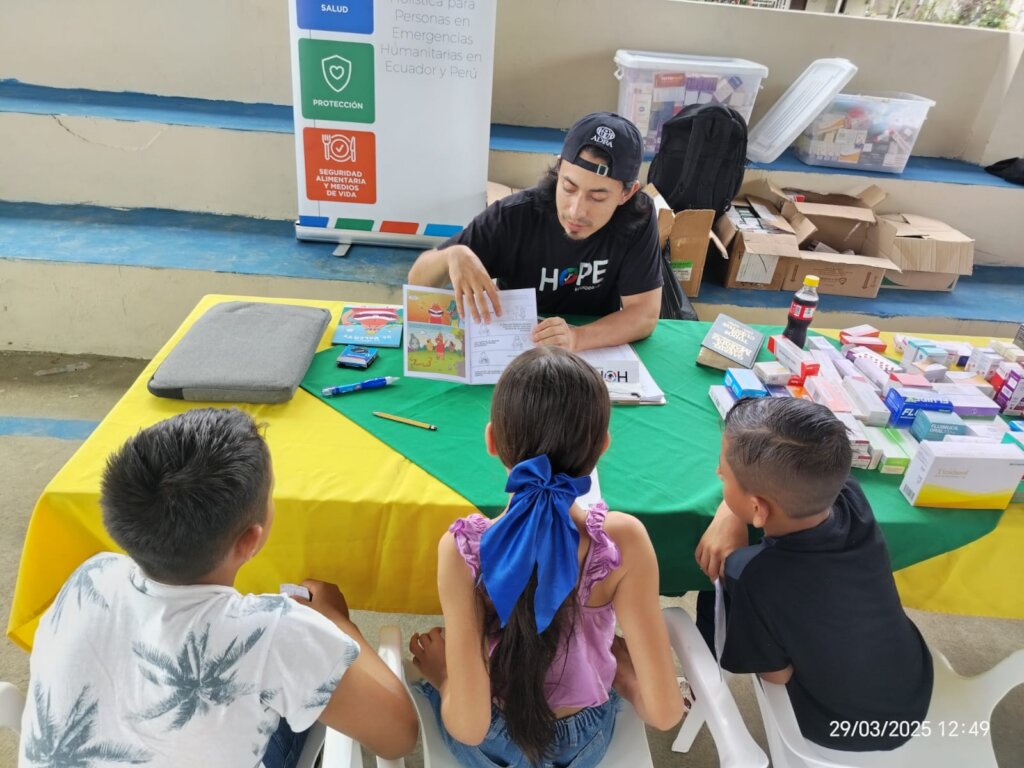
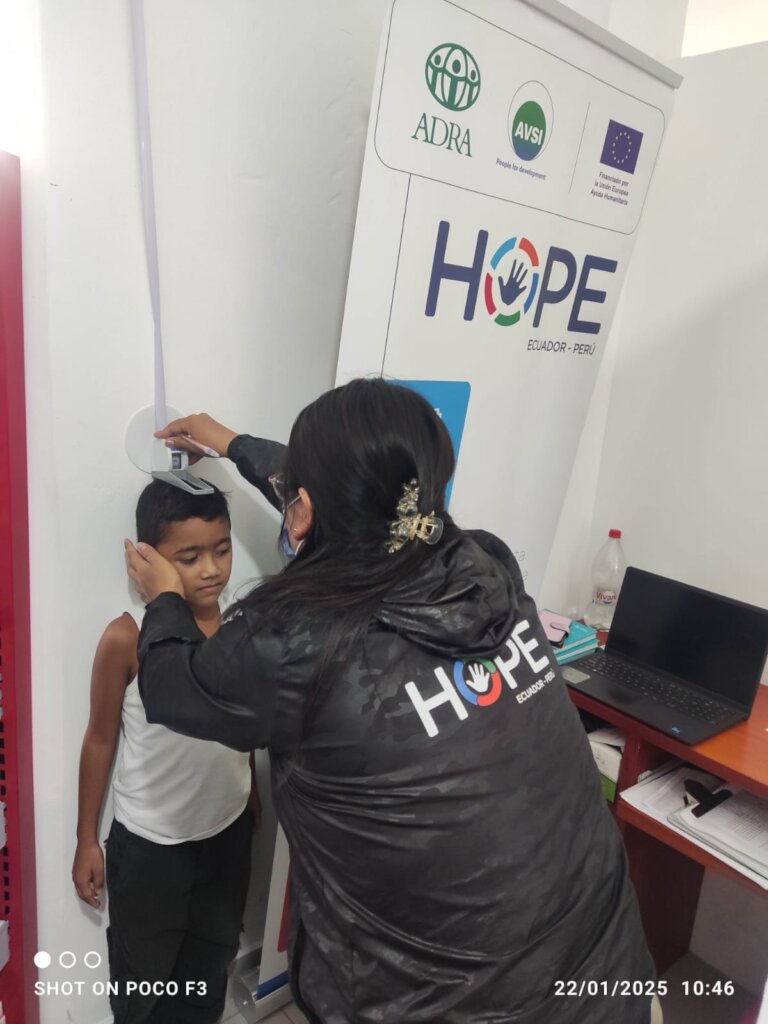
ADRA supports both groups through its projects in Ecuador and Peru. According to organizations working with refugees, Peru is currently hosting more than 1.2 million people from Venezuela, while Ecuador hosts around 551,000. For many, these countries represent an alternative to the dangerous journey to North America through the Darién Gap.
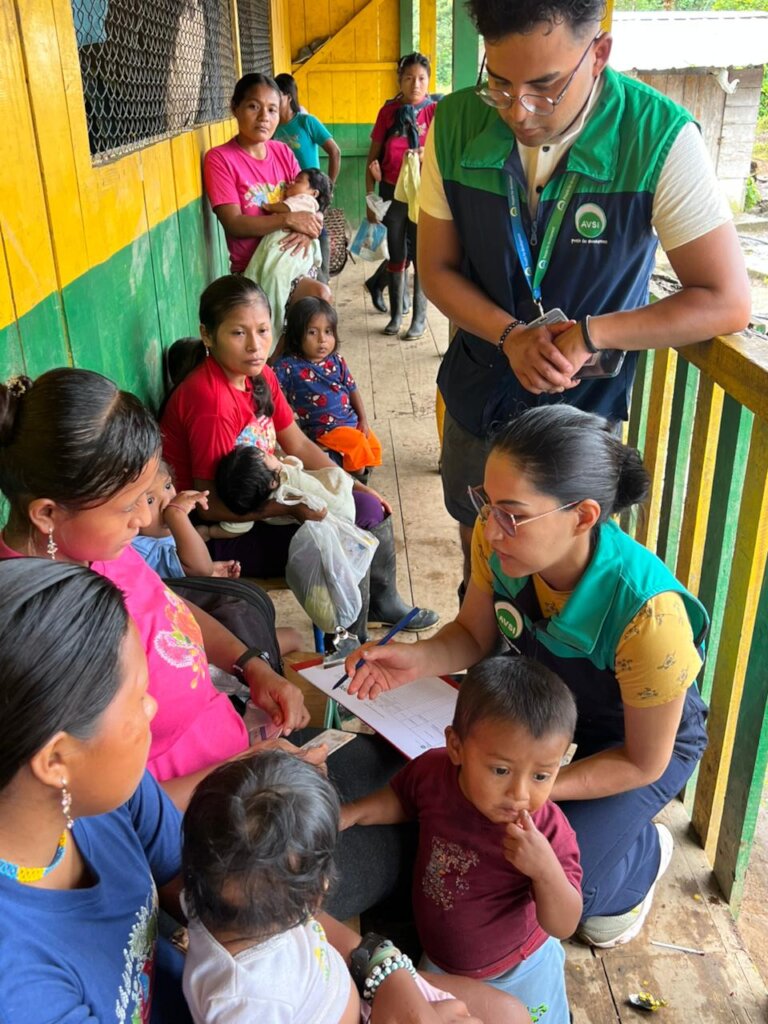
Outside their home countries, however, people often find themselves in extremely difficult situations, lacking access to basic necessities such as food, water and sanitation, shelter, healthcare, livelihoods, and income.
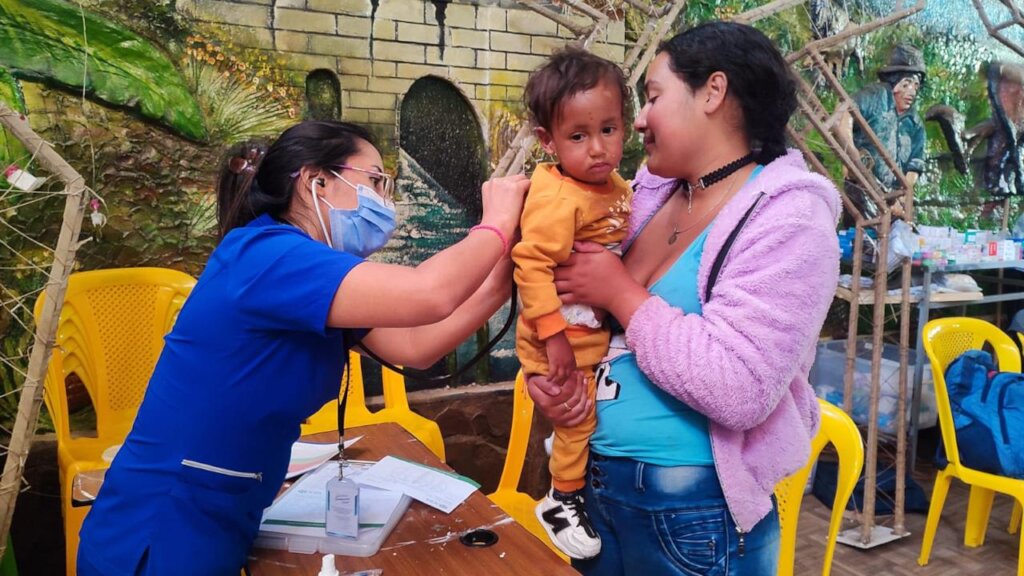
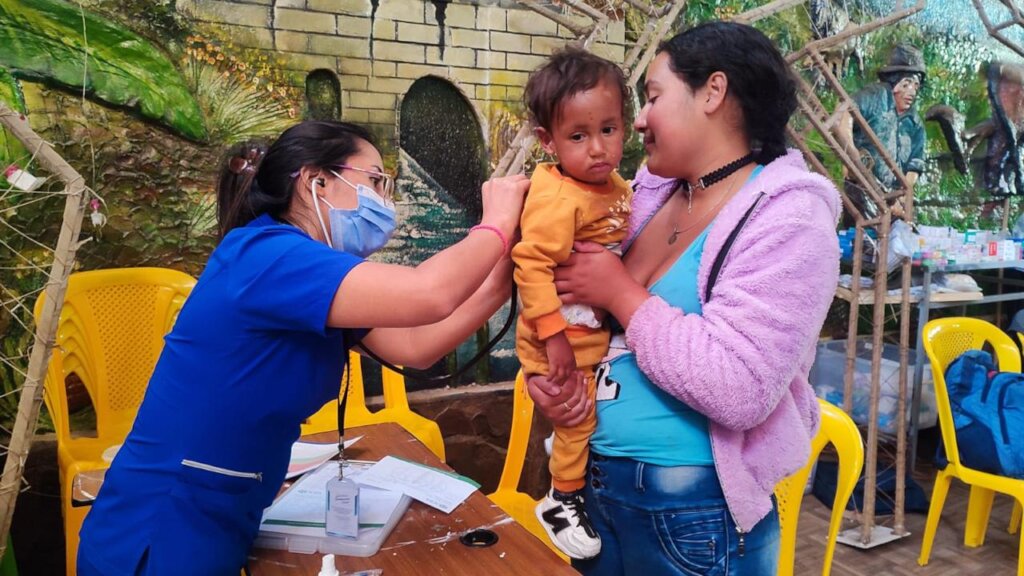
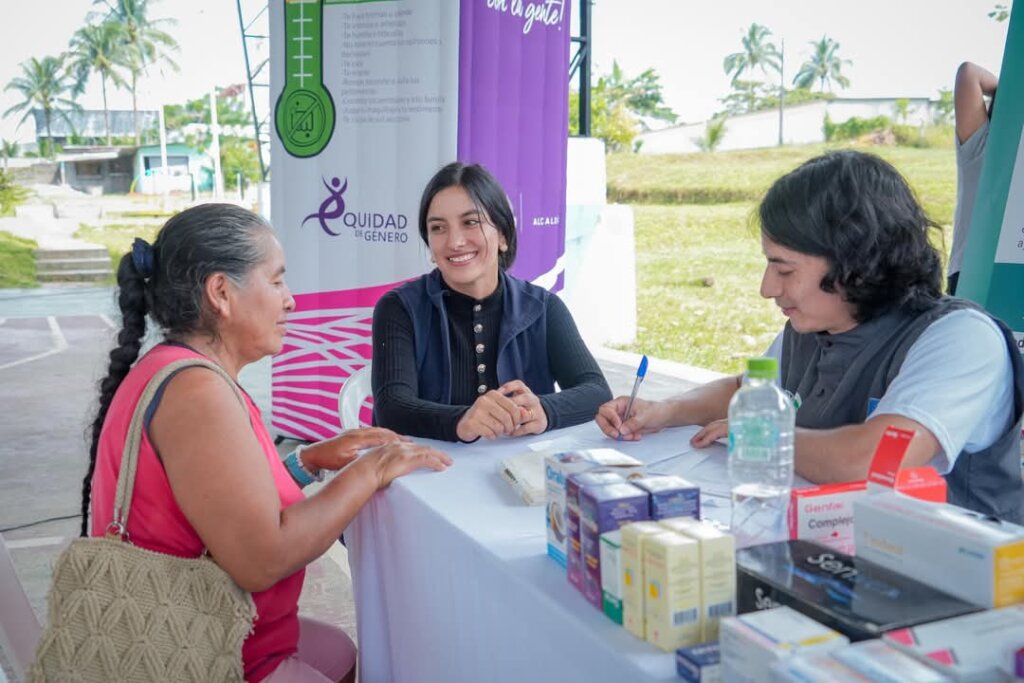
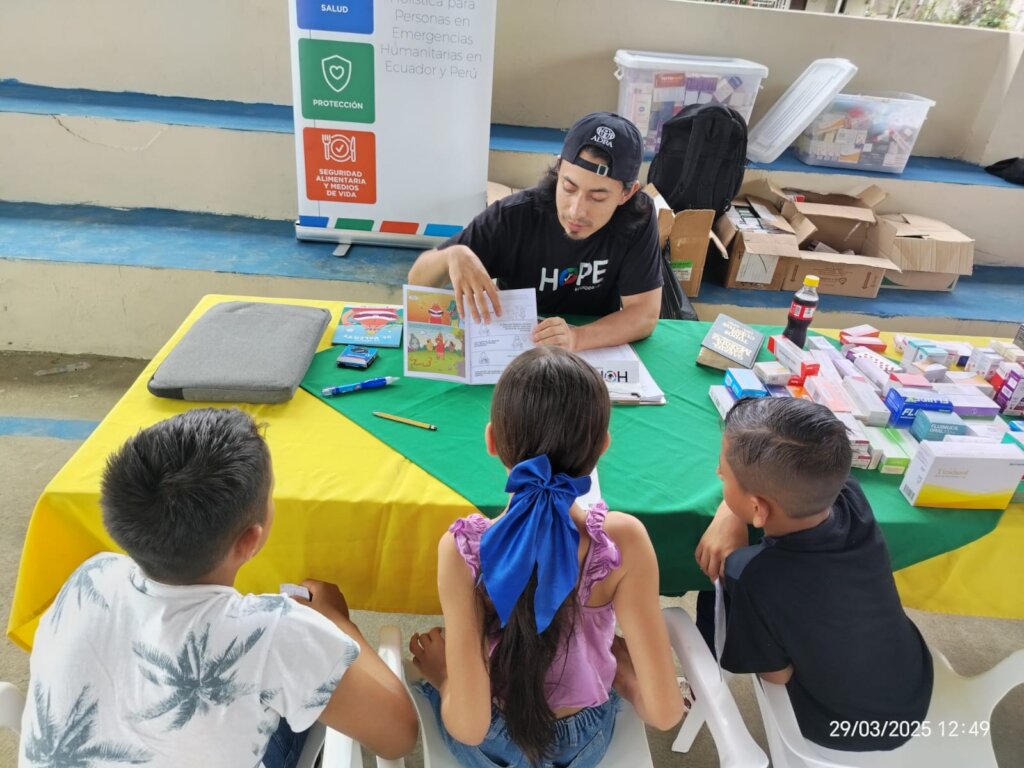
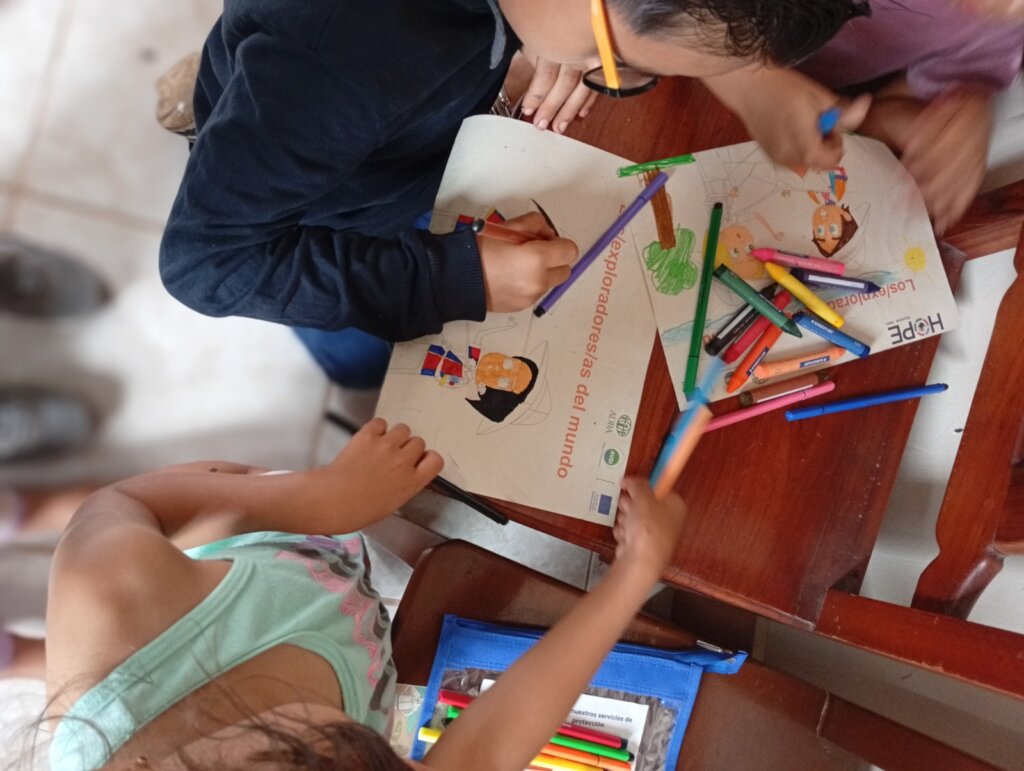
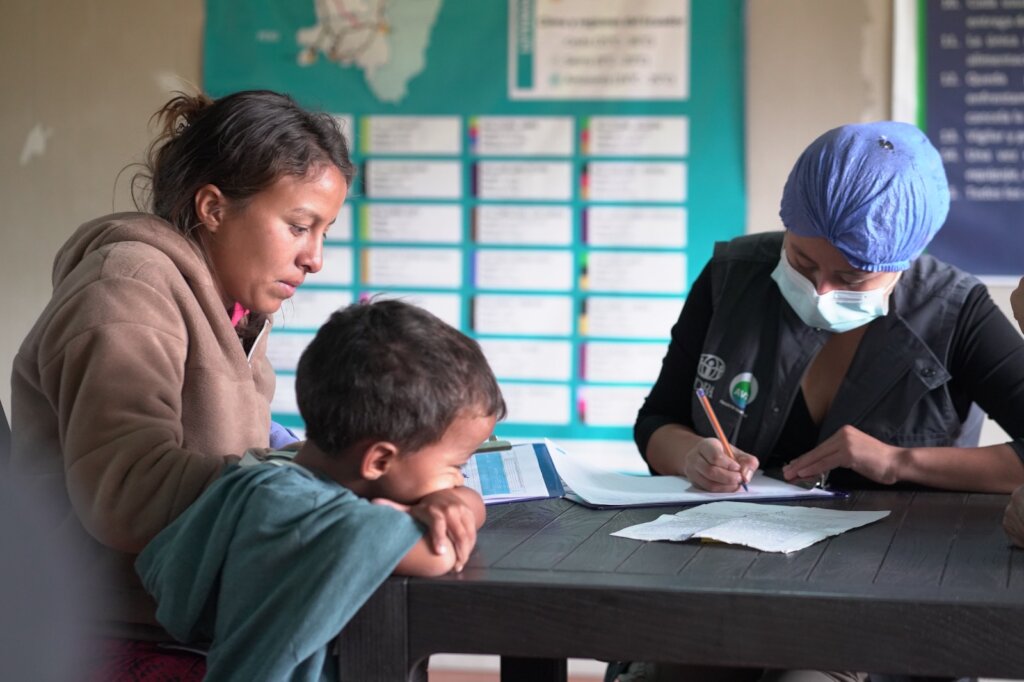
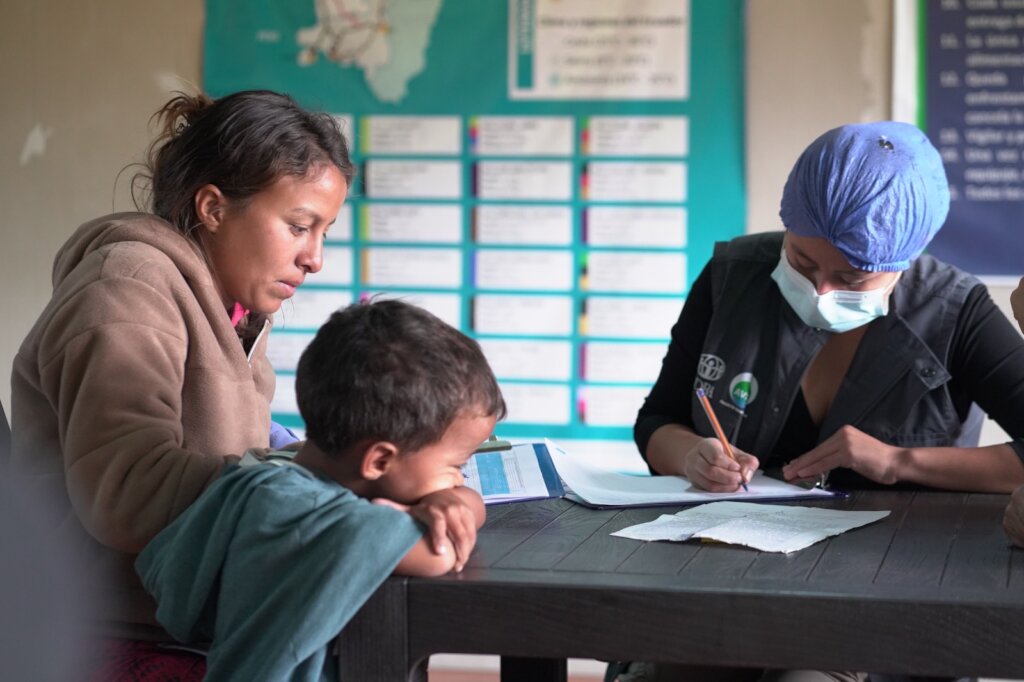
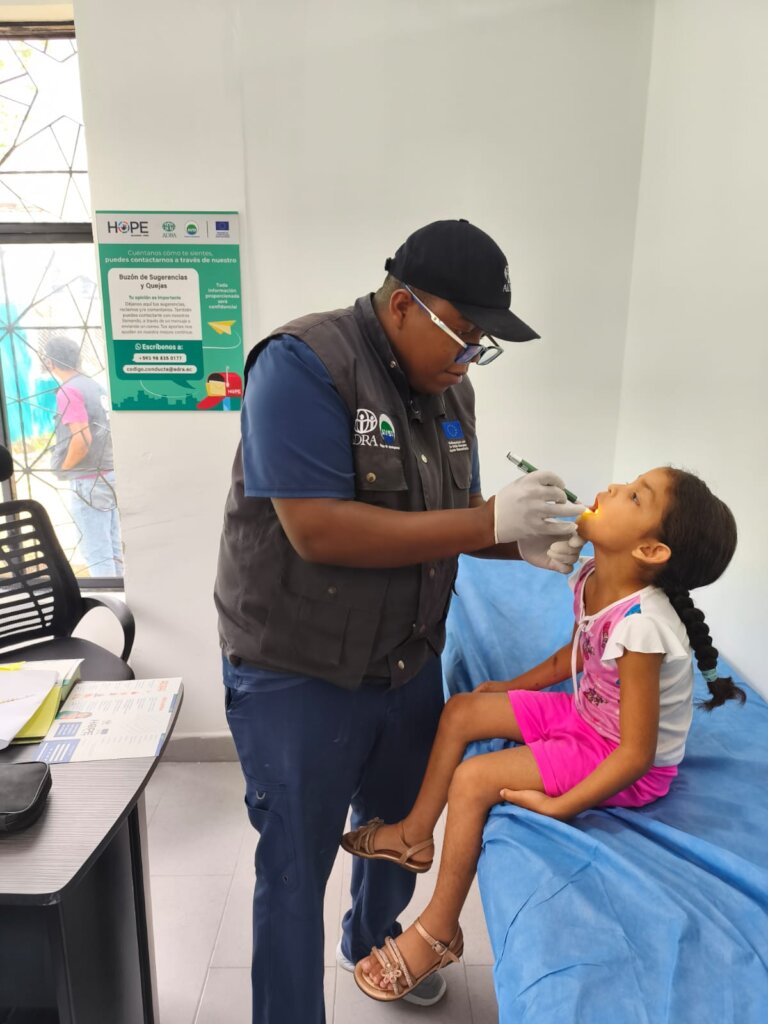
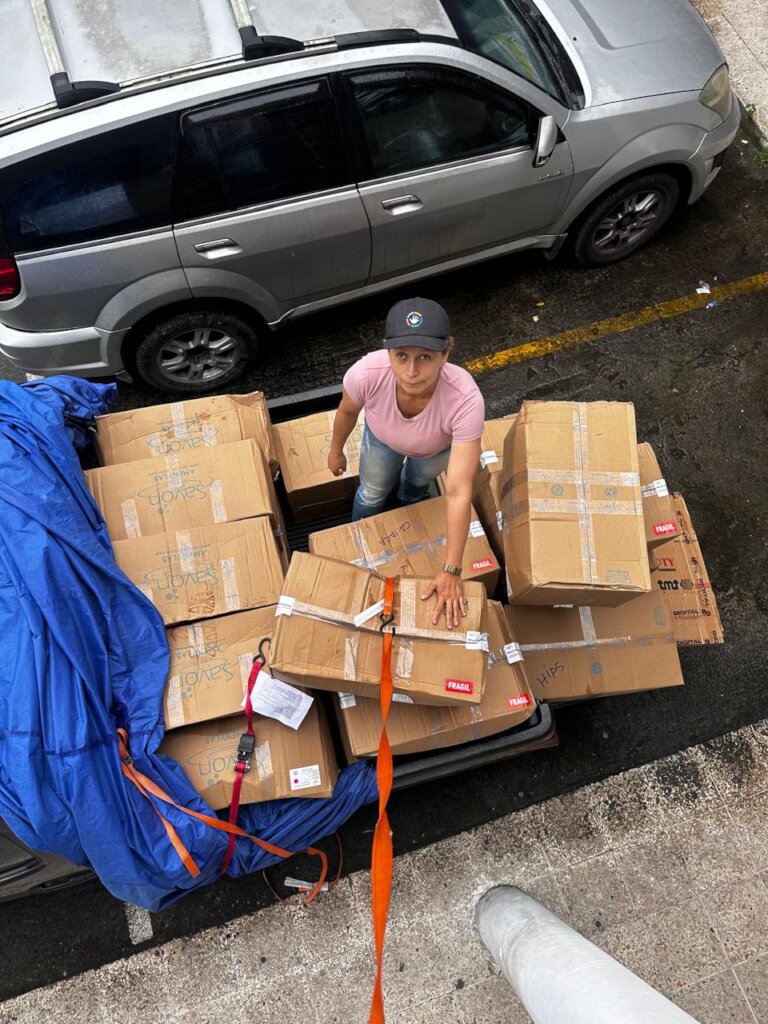
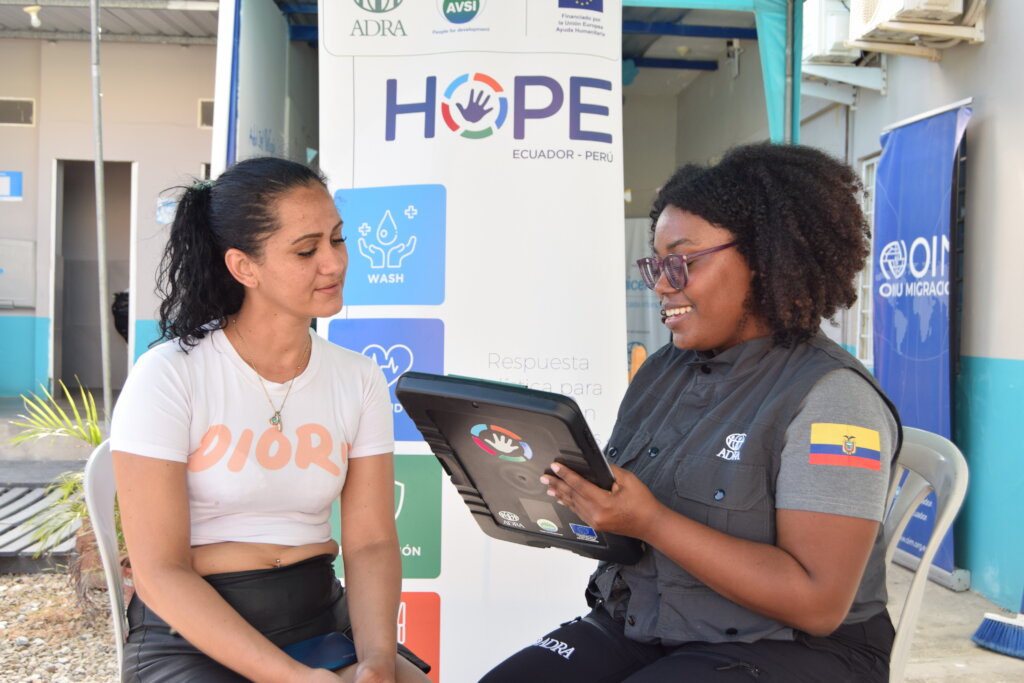
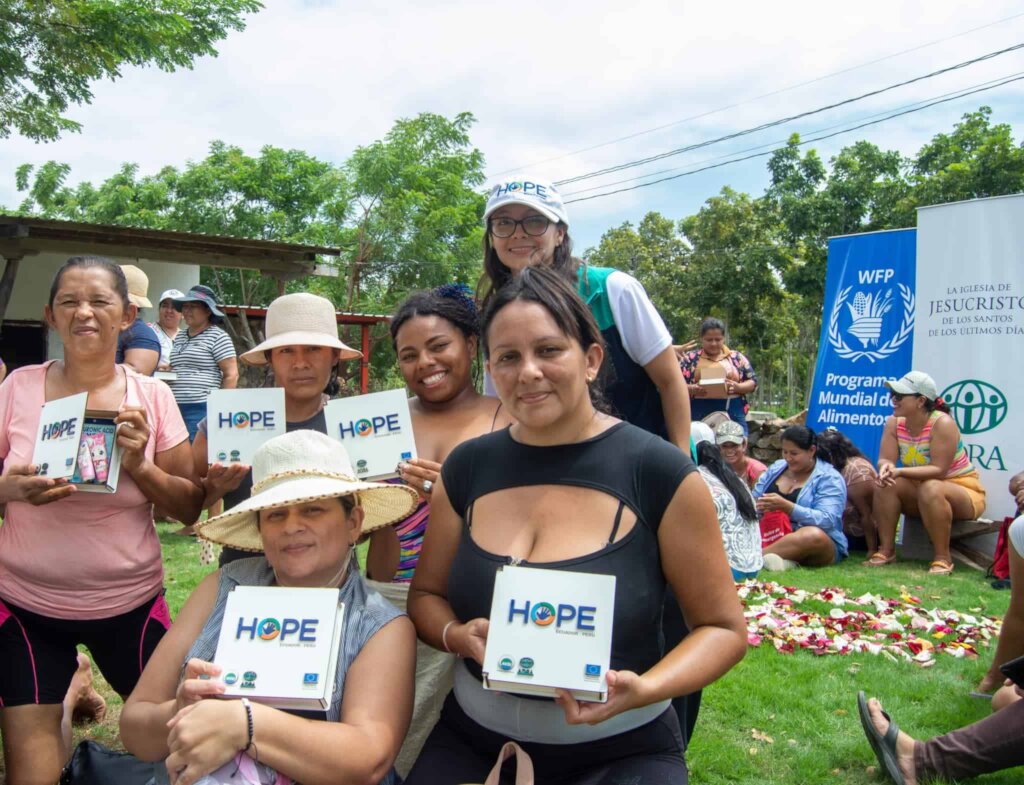
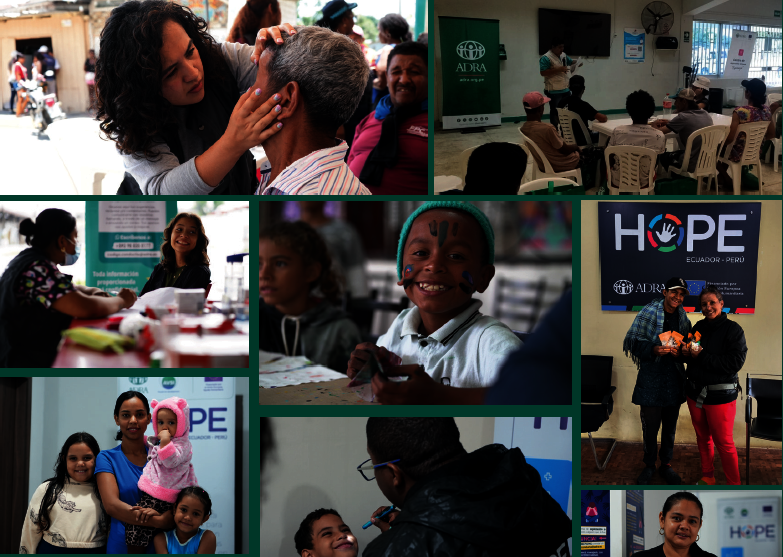
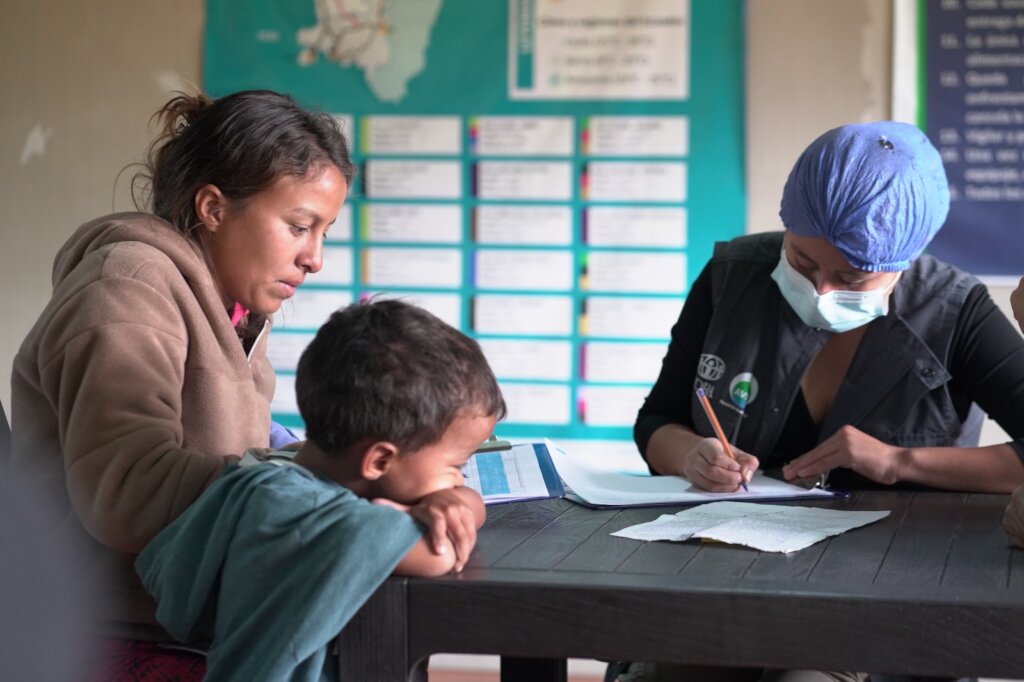
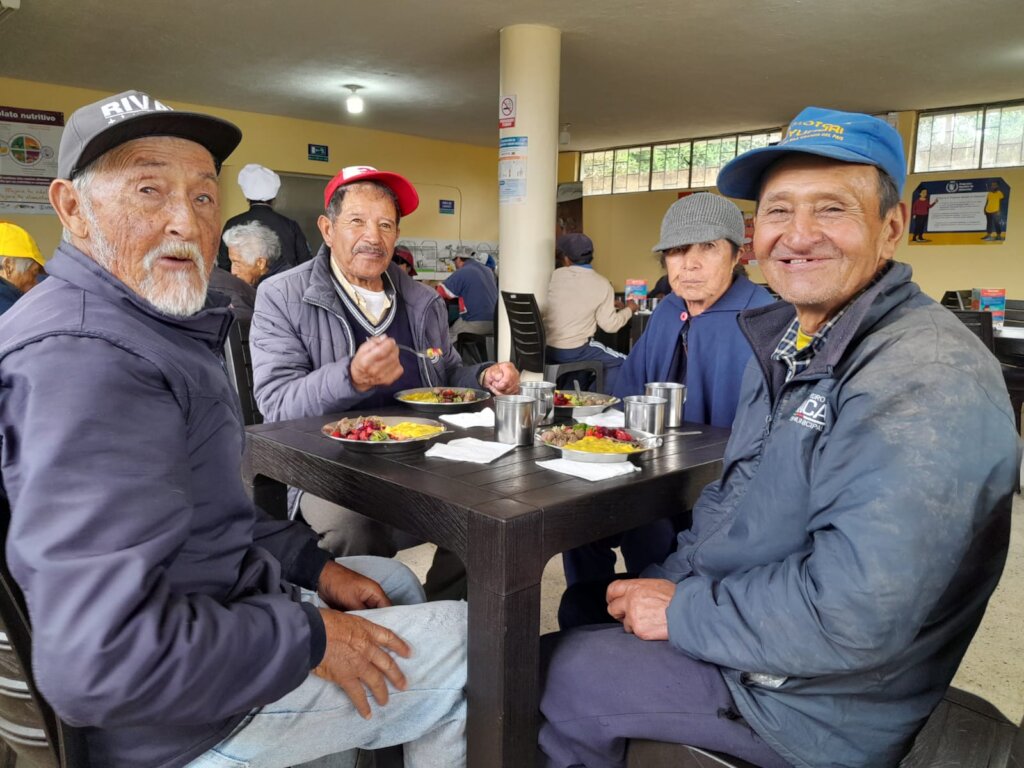
ADRA provides comprehensive assistance on the ground — from psychological support and the distribution of food and hygiene supplies to support with integration into local communities. We help both migrants and refugees, while also working with host communities to improve basic living conditions and help ensure that people have reasons to stay and build their future where they are.
------
Be part of our effort and provide access to hygiene and food security to vulnerable woman, families and migrants.
Thank you very much for your help,
ADRA
Project reports on GlobalGiving are posted directly to globalgiving.org by Project Leaders as they are completed, generally every 3-4 months. To protect the integrity of these documents, GlobalGiving does not alter them; therefore you may find some language or formatting issues.
If you donate to this project or have donated to this project, you can receive an email when this project posts a report. You can also subscribe for reports without donating.
Support this important cause by creating a personalized fundraising page.
Start a Fundraiser