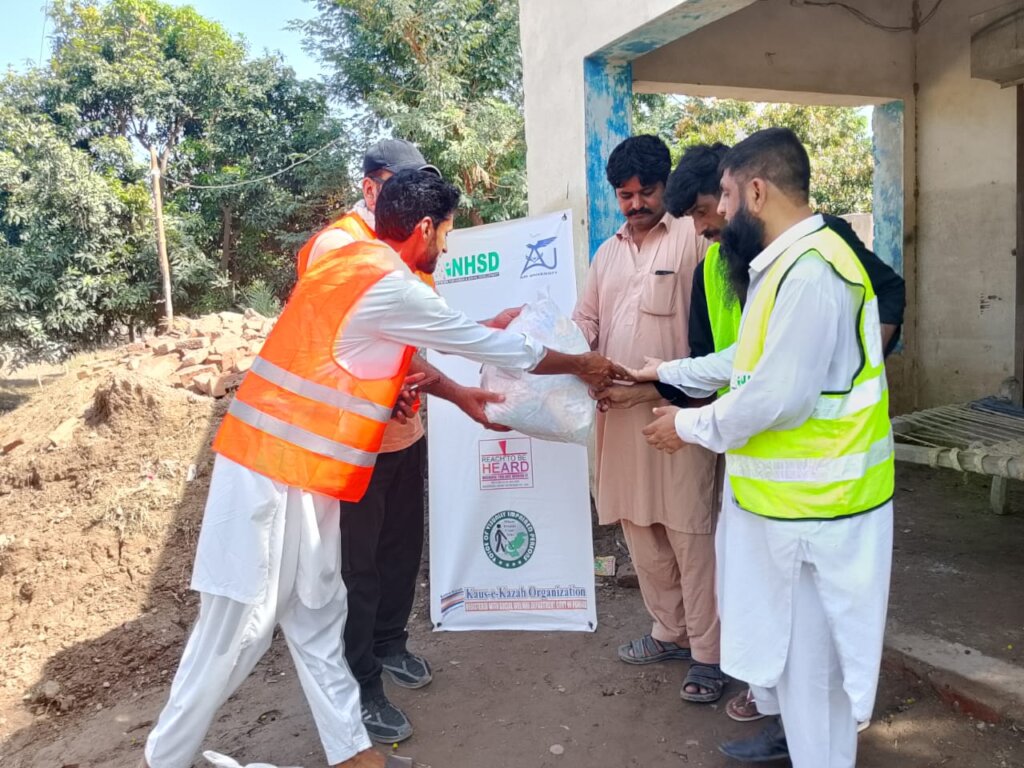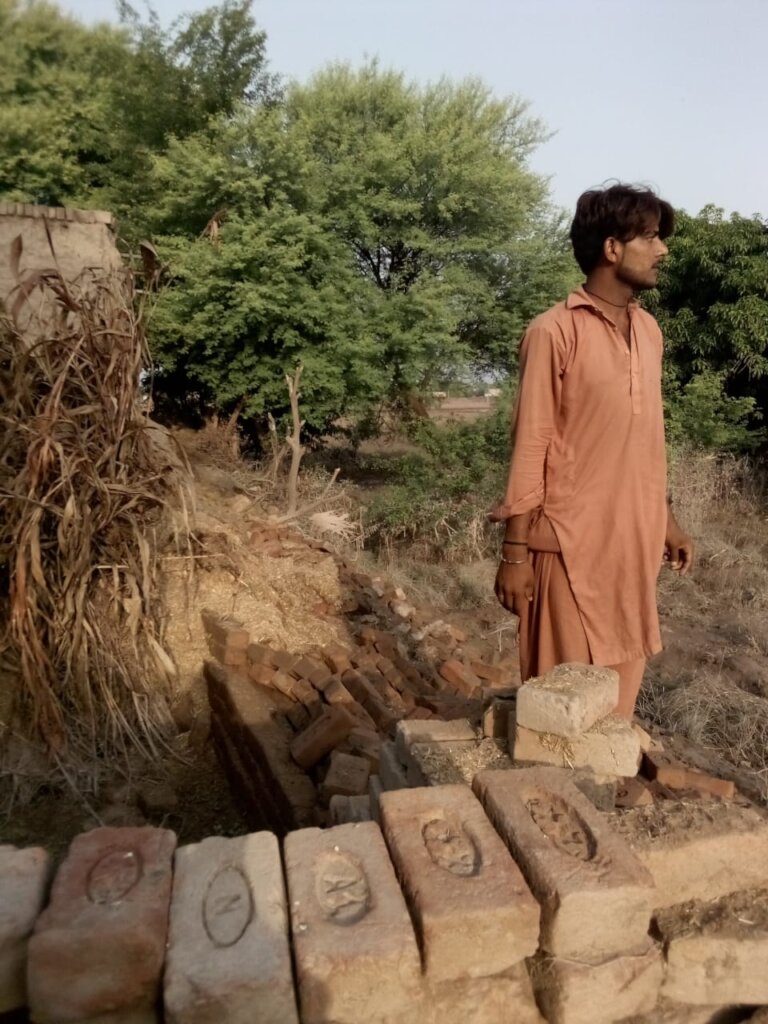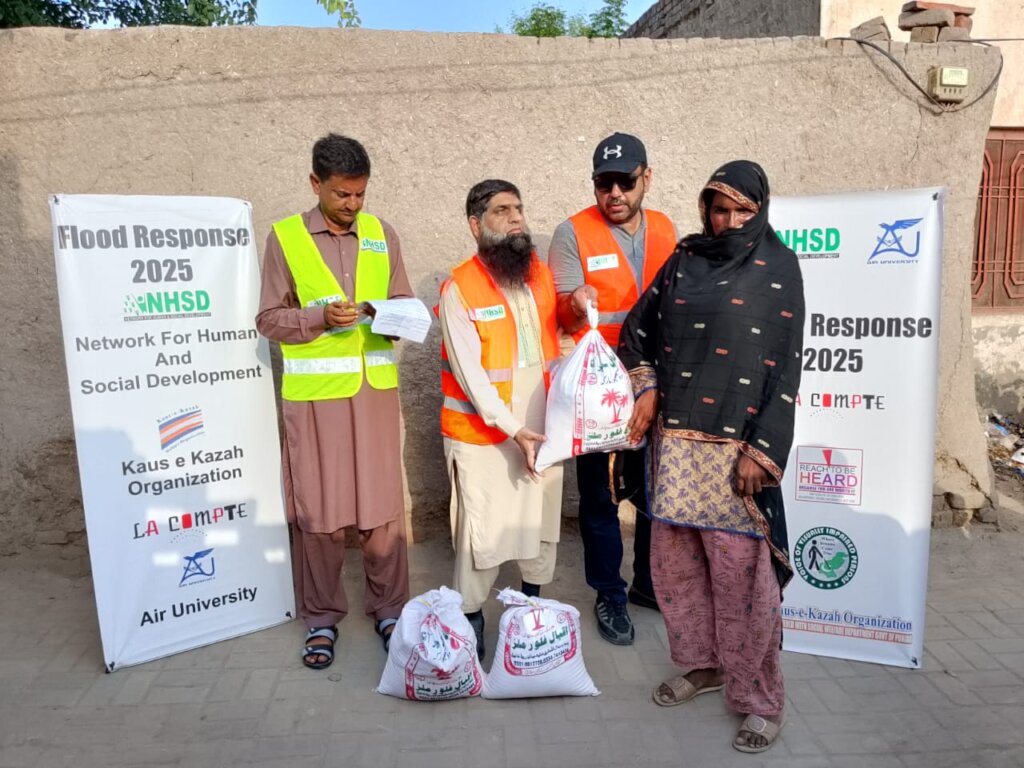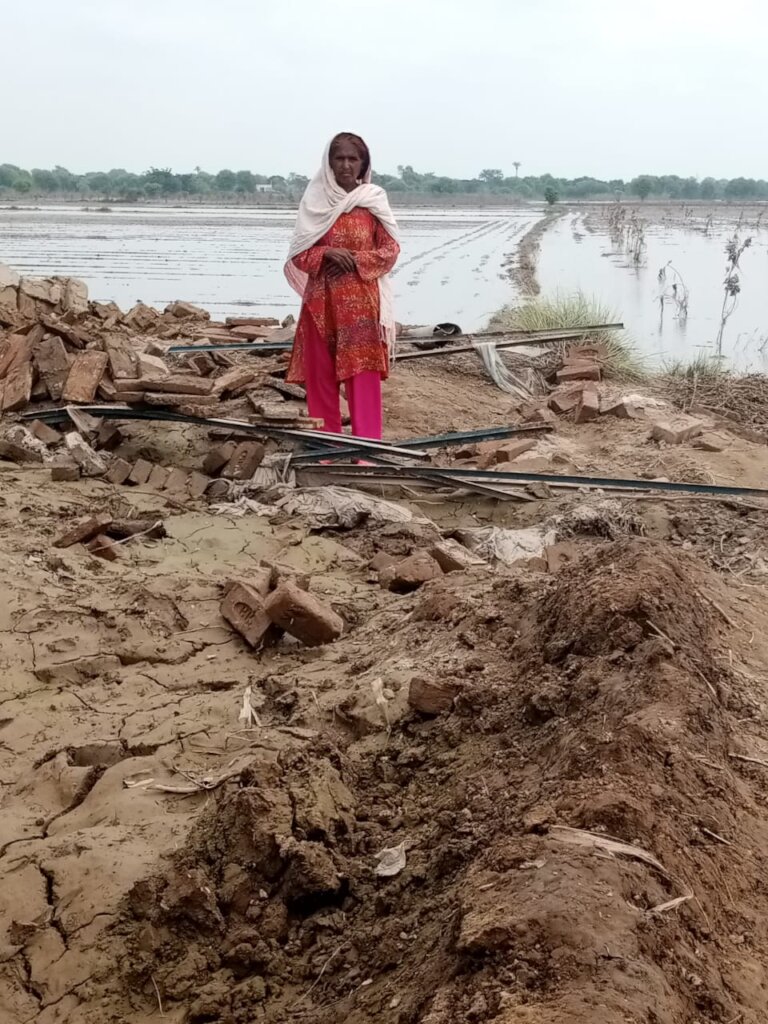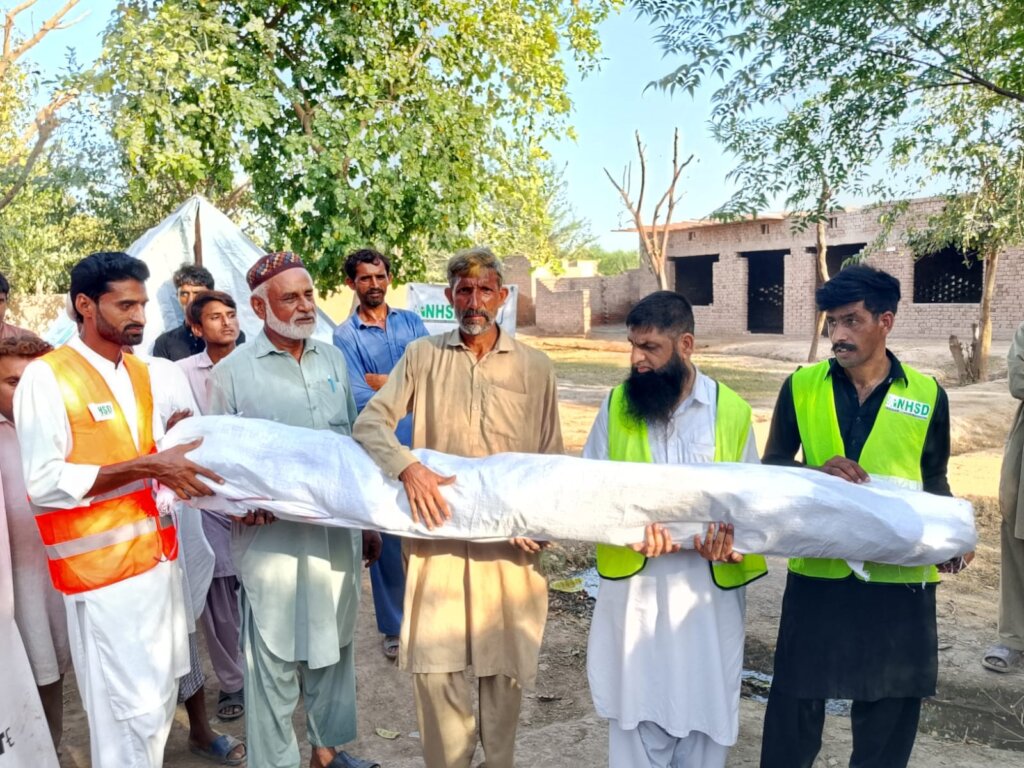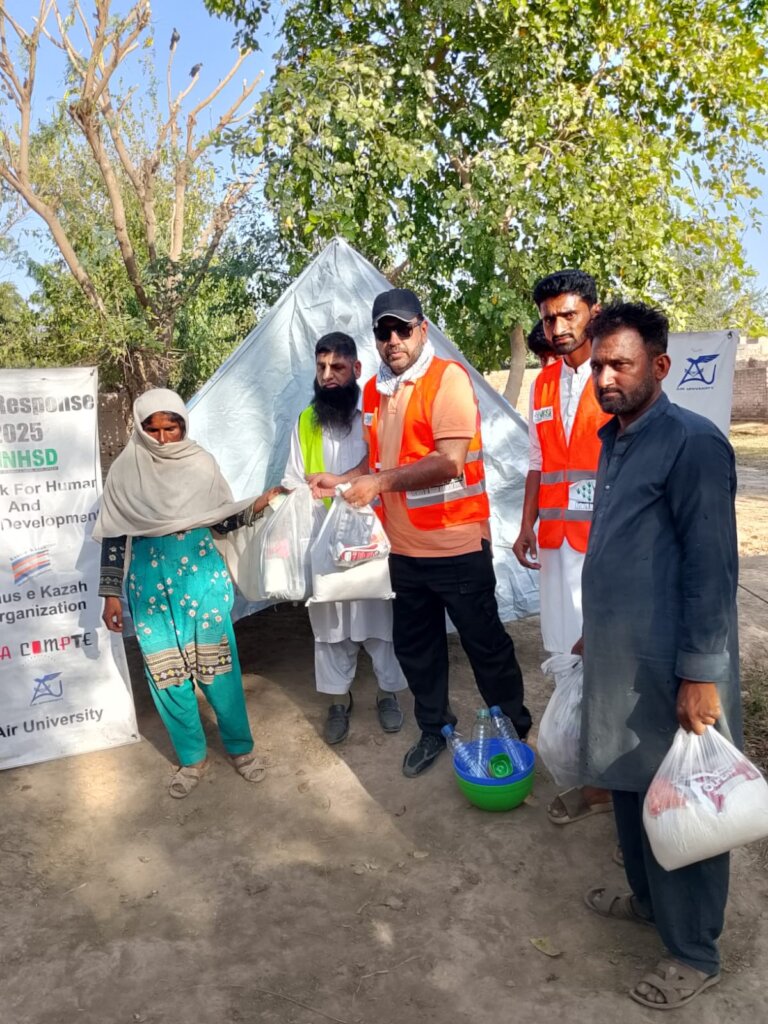
The project addresses Pakistan's 2025 National Floods by reconstructing flood-resistant homes in Jalalpur and Shujabad,Multan,Pakistan.Annual flooding repeatedly destroys traditional mud-brick houses,leaving vulnerable families displaced.This 8-month initiative introduces an innovative solution,integrating cement with salvaged clay bricks and wood planks to construct one durable room (15x10 feet) per household.Unlike mud, cement creates structures that withstand floods.
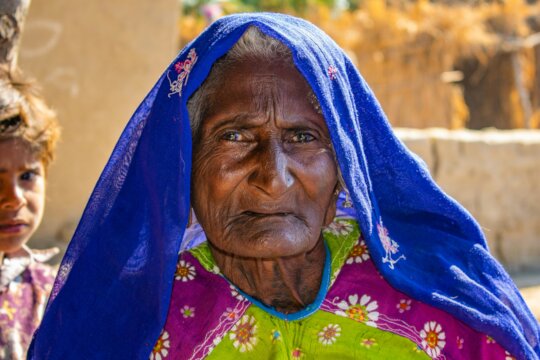
Pakistan faces annual catastrophic flooding, with 2025 floods devastating communities still recovering from 2022 disasters.Families in Jallalpur and Shujabad,Multan build homes with mud-brick that collapses during floods-mud cannot withstand water exposure.The worst affected lack financial means to access cement and flood-resistant techniques, leaving them trapped in a cycle: rebuild with mud, lose everything to floods, repeat,with no path to permanent shelter.
This project replaces mud with cement as the binding material, creating flood-resistant structures that withstand water, earthquakes, and landslides.Families will use their salvaged clay bricks combined with cement and wood planks to construct one durable room (15x10 feet) per household.The project includes technical training in cement-based construction, empowering communities with skills for future repairs.This breaks the devastating cycle.
This project establishes a model for flood-resistant housing, breaking the cycle of annual displacement and enabling families to invest in livelihoods instead of constant rebuilding.Technical training empowers communities to independently construct and maintain cement-reinforced structures,creating grassroots climate resilience.The knowledge transfer transforms vulnerable populations into self-sufficient communities.
This project has provided additional documentation in a PDF file (projdoc.pdf).