By Candice McGregor | Reports and Communications Manager
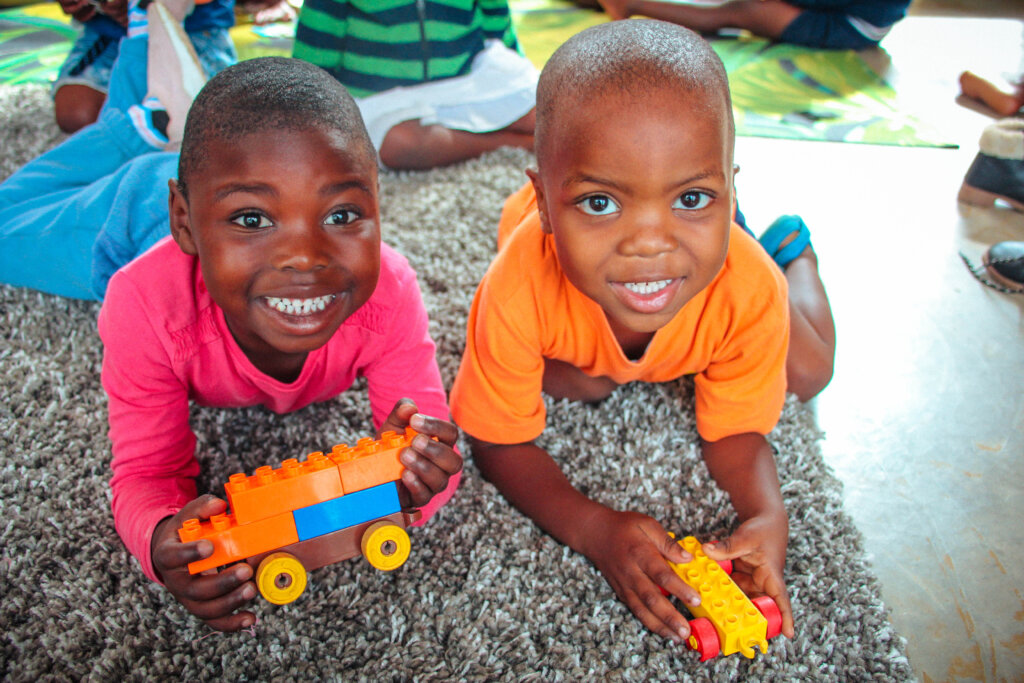
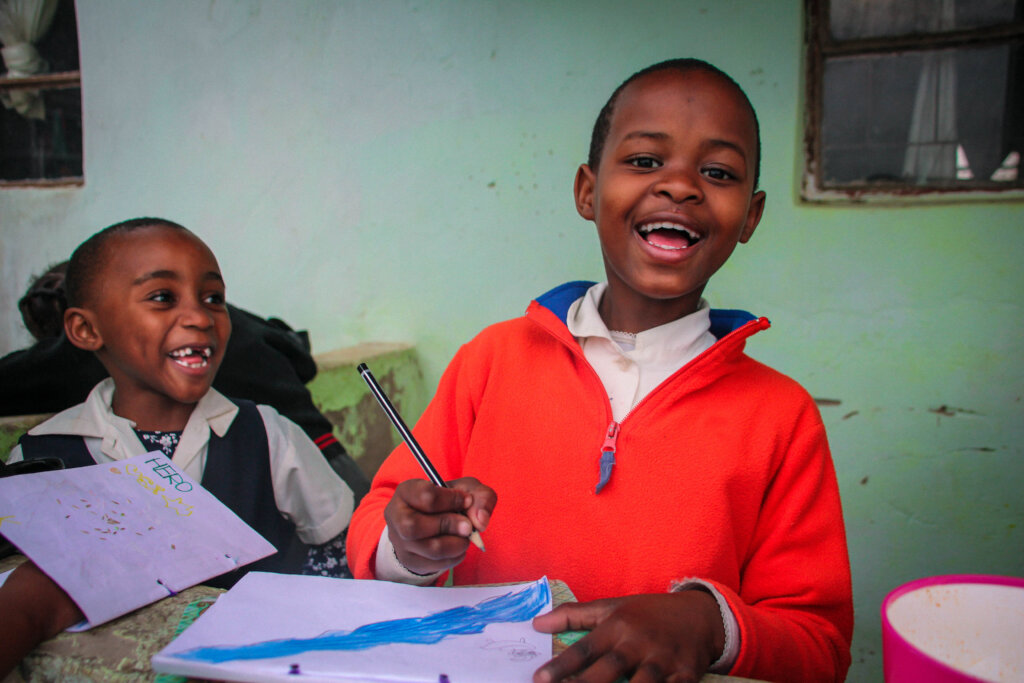
2025 is the second year for our Reach Out to Read (ROTR) Programme, which replaced our previous Literacy Programme. Designed especially for isiZulu speaking children, ROTR was developed by The Family Literacy Project, who also trained our facilitators and continue to support them.
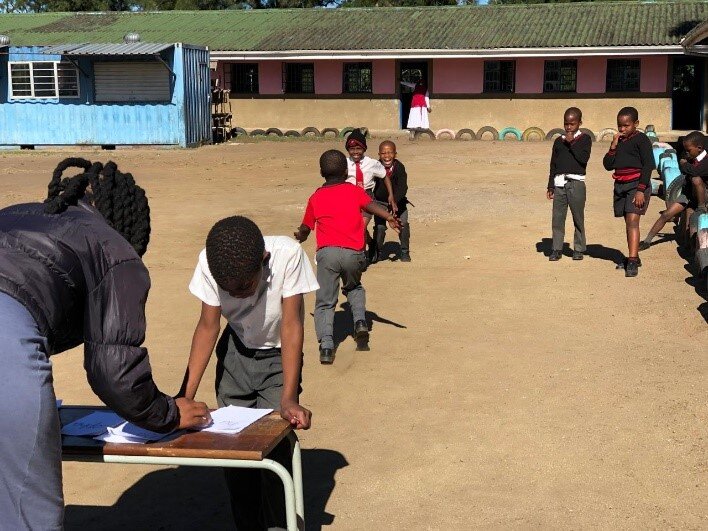
Pilot implementation of the programme began in May 2024 at one local primary school (Msinsini Primary), delivering sessions during the school day. In 2025 we have continued at Msinisini Primary with a few minor tweaks based on our successes and learnings from 2024.
As at the end of October 2025, we have 92 children enrolled in Thanda’s in-school Reach Out to Read Programme and have had 128 sessions from January – end October 2025.
One of our progamme highlights came at the beginning of the year with an increased enrollment of Msinsini Primary learners to our Thandukwazi Programme in 2025. This enrollment took place after carrying out the first year of the ROTR pilot at Msinsini Primary School in 2024, suggesting that children enjoy Thanda’s methods and are keen to engage with us more often.
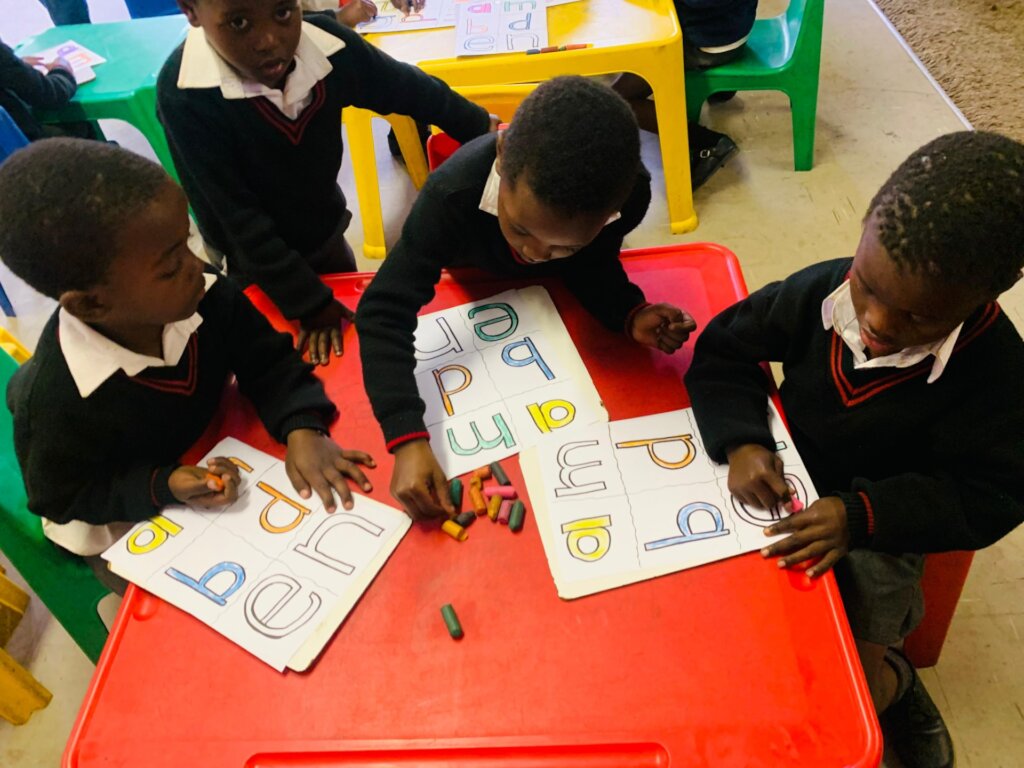
A second highlight that since the beginning of the 2025 school year, we have been able to align the ROTR programme to the sounds school teachers are covering as per the CAPS curriculum in isiZulu. What this means is that both the reading champions and the school teachers are teaching the same sounds at the same time. This alignment has resulted in Reading Champions supporting teachers and likewise teachers supporting reading champions. Since teachers stay in the classroom whilst Thanda is facilitating their groups incidental learning is taking place. The Reading Champions have noticed how the sounding on the side of learners has changed, something which did not happen last year. By teachers being party to the ROTR methodology (or witnessing it first hand), they are learning to sound correctly and reinforcing this with their learners.
On the topic of impact, our facilitators were trained extensively in phonics last year and this is clear in the EGRA assessment results at baseline tests administered at the beginning of 2025. EGRA is a standardised assessment tool designed to evaluate foundational reading skills in early grades. The children excelled in the assessment in the phonics portion. However, we have not seen quite the same increase across other literacy skills.
In 2025 we've focused on training our facilitators more deeply on the next step in basic literacy skills to build on the excellent phonics results we have already seen and help the children to become outstanding readers and writers. To this end, word formation and reading were incorporated into the training more intensively.
Other practices implemented:
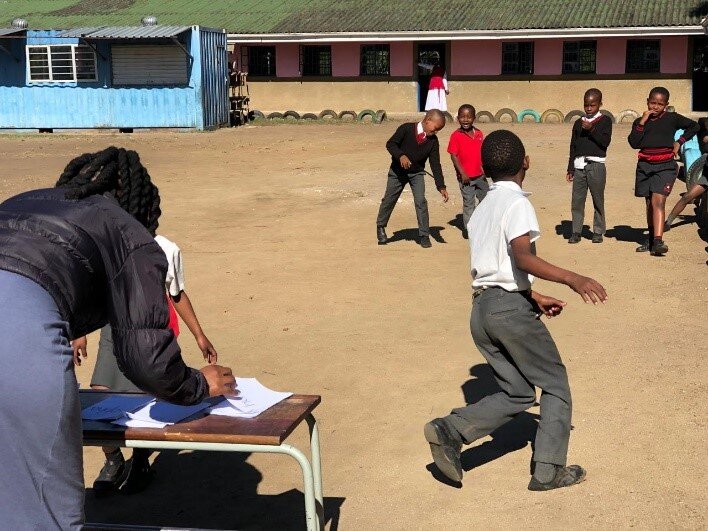
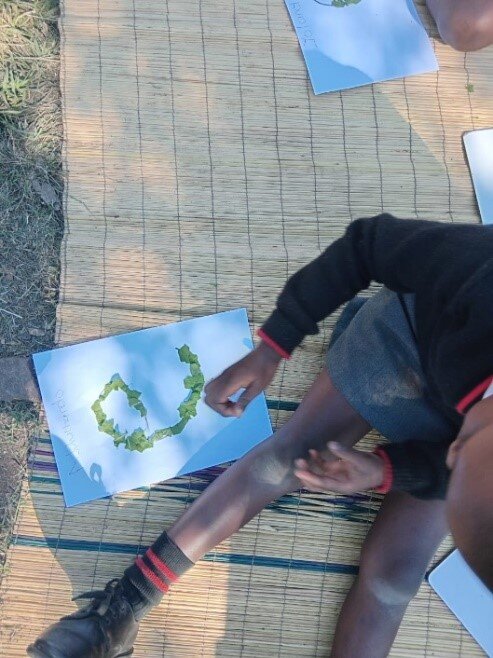
- Added more reading games where learners learn to recognise and read full words such as:
- Taking sounds and letter groups and articulating these into words to do more word formation
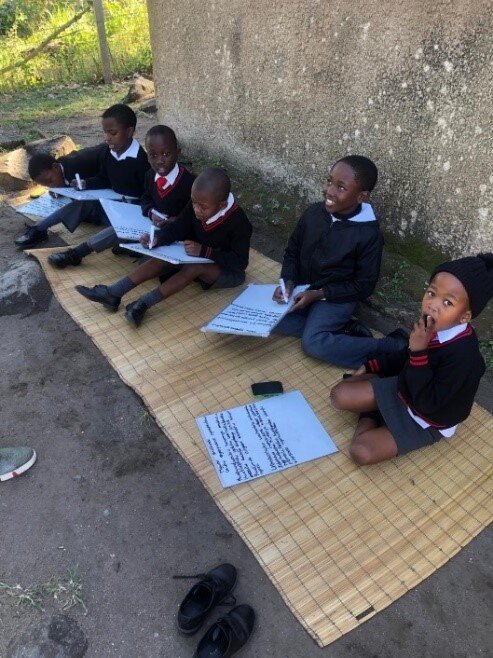
- We have also set aside time each day for reading and use this time for its sole purpose
Our facilitators have noted that having a good range of isiZulu books available for the children has been very beneficial in assisting with word recognition and comprehension. This year facilitators have borrowed 267 books to read with their respective groups during this time.
We also introduced 3 assistant teachers in 2025 to help with the weaker learners who need slightly more time and attention to be brought up to speed with their peers. Our facilitators have advised that they have seen a notable improvement in the skills of the weaker learners as a result of the increased time and attention afforded to them through the assistants and we look forward to tracking these results after the final EGRA assessment at the end of the year.
*** If you would like to receive the analysis of our EGRA results after the completion of final assessments, please do pop us an email at cmcgregor@thanda.org with the subject line ‘Please Send the Final EGRA Results!’ so our Reports and Communications Manager can forward them to you when they are available!
Project reports on GlobalGiving are posted directly to globalgiving.org by Project Leaders as they are completed, generally every 3-4 months. To protect the integrity of these documents, GlobalGiving does not alter them; therefore you may find some language or formatting issues.
If you donate to this project or have donated to this project, you can receive an email when this project posts a report. You can also subscribe for reports without donating.



Support this important cause by creating a personalized fundraising page.
Start a Fundraiser