By Nicola Tiltman | HIV & AIDS Medical Projects Facilitator
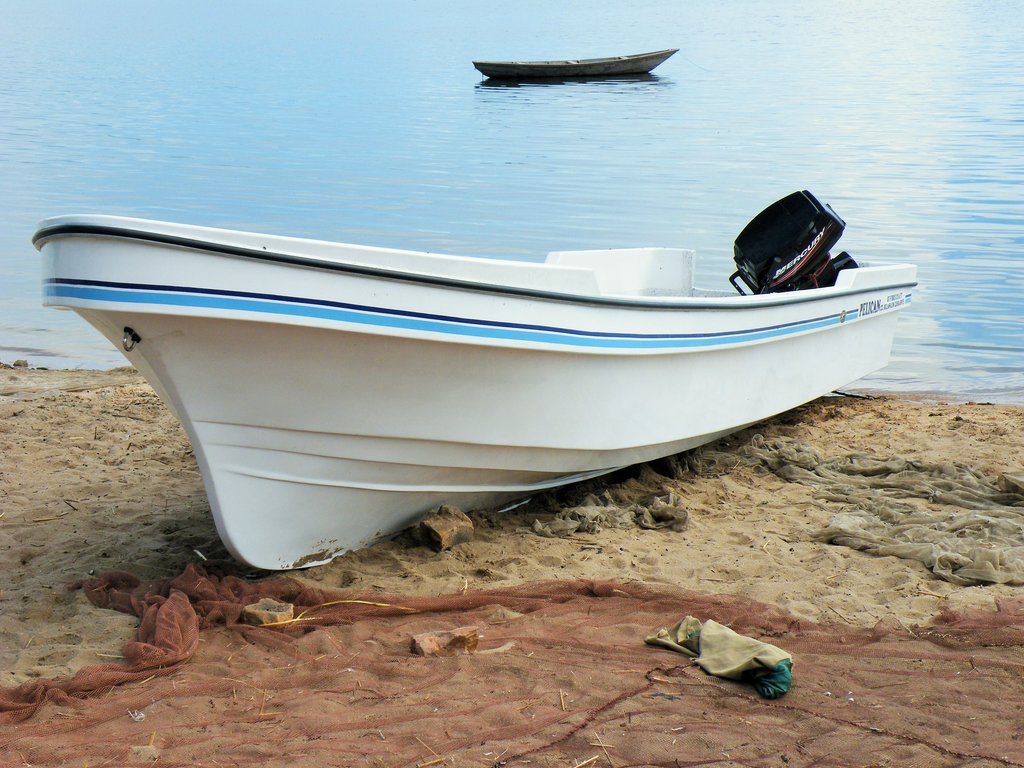
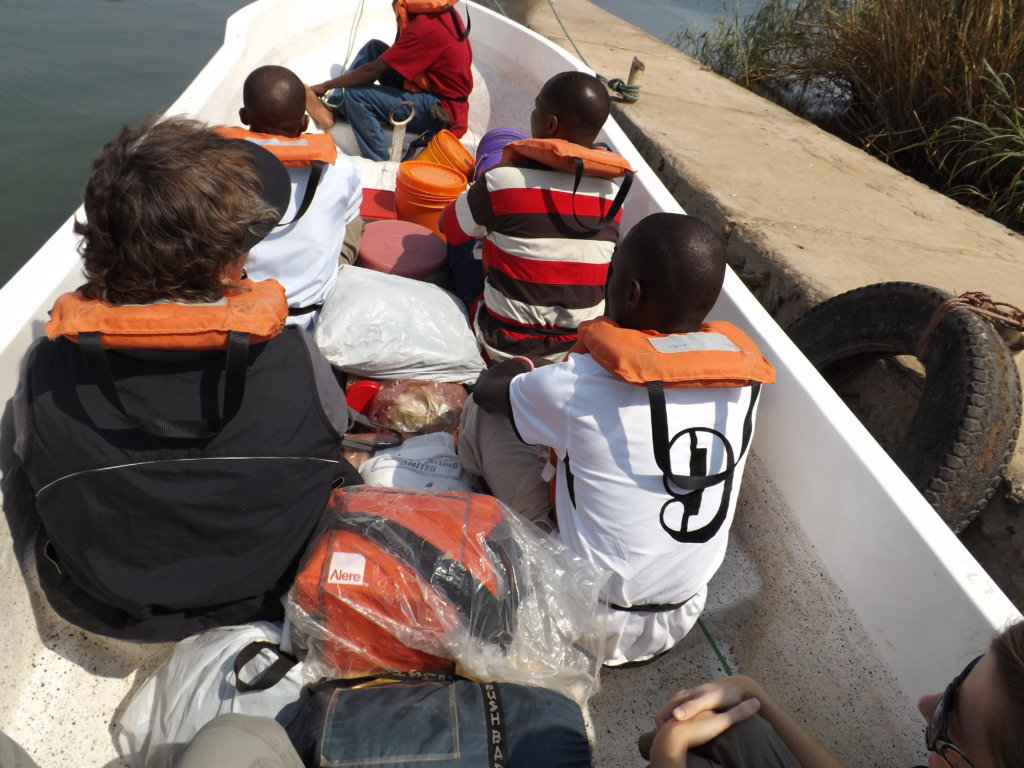
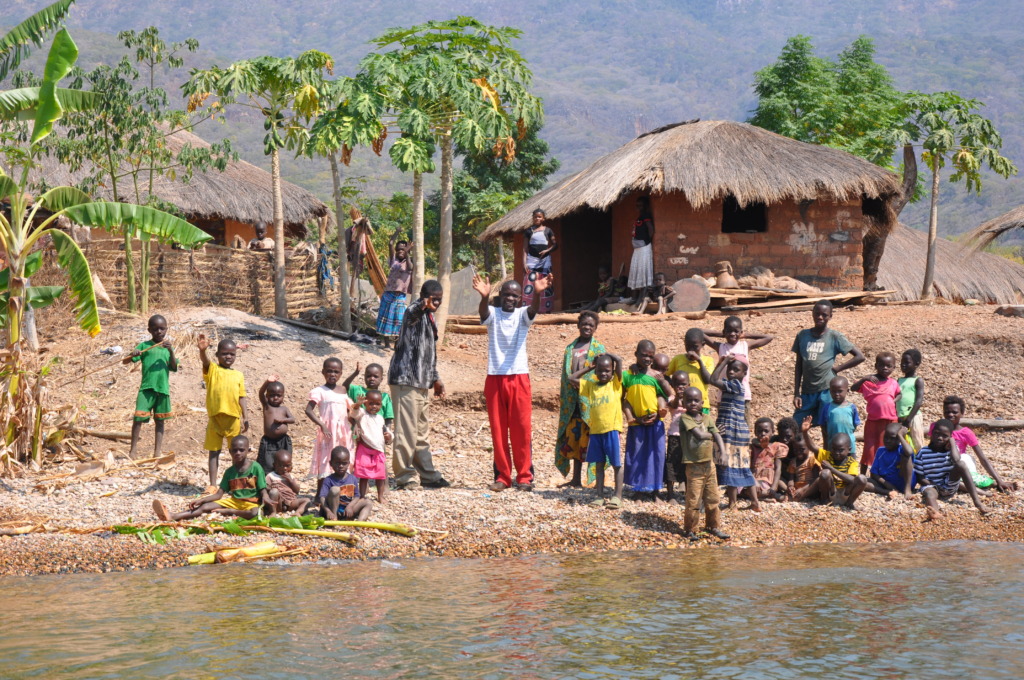
Imagine being unwell and unable to access healthcare because the village where you live has no health post or clinic. To see a doctor or obtain medication would involve travelling several hours by boat. With limited access to health education, imagine being uncertain if your symptoms are from a disease or a curse (a popular cultural belief) and then have no medical personnel nearby to ask.
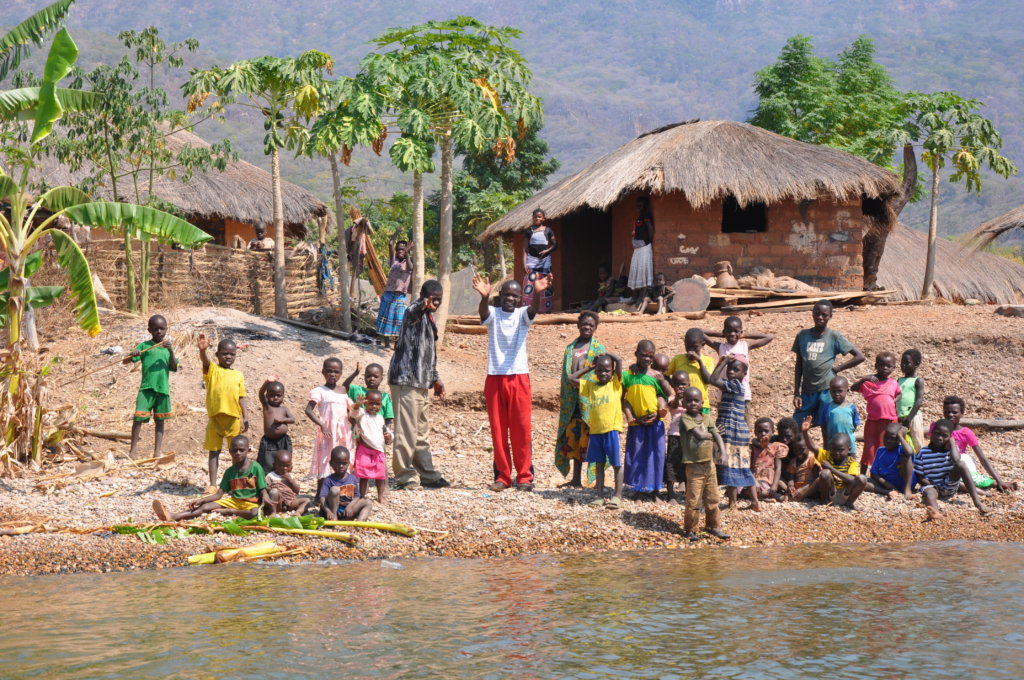
This is a reality for many who live in villages along Lake Tanganyika.
The remoteness of these communities and the lack of access villagers have to health and HIV services and education means damaging health beliefs are allowed to perpetuate unchallenged.
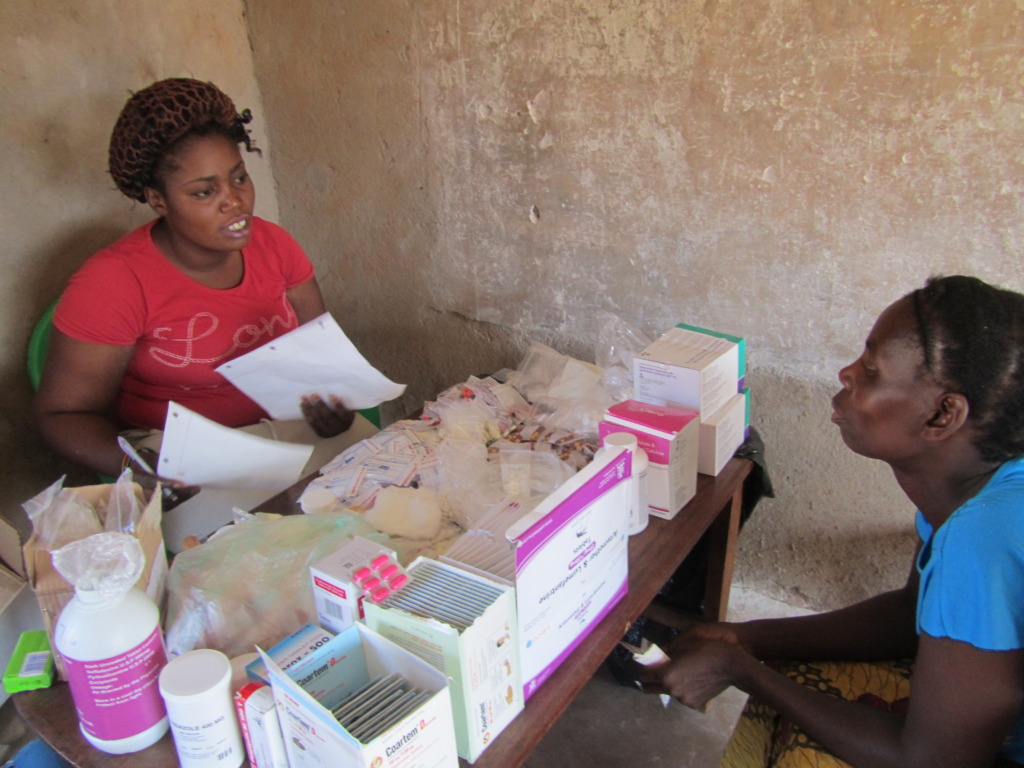
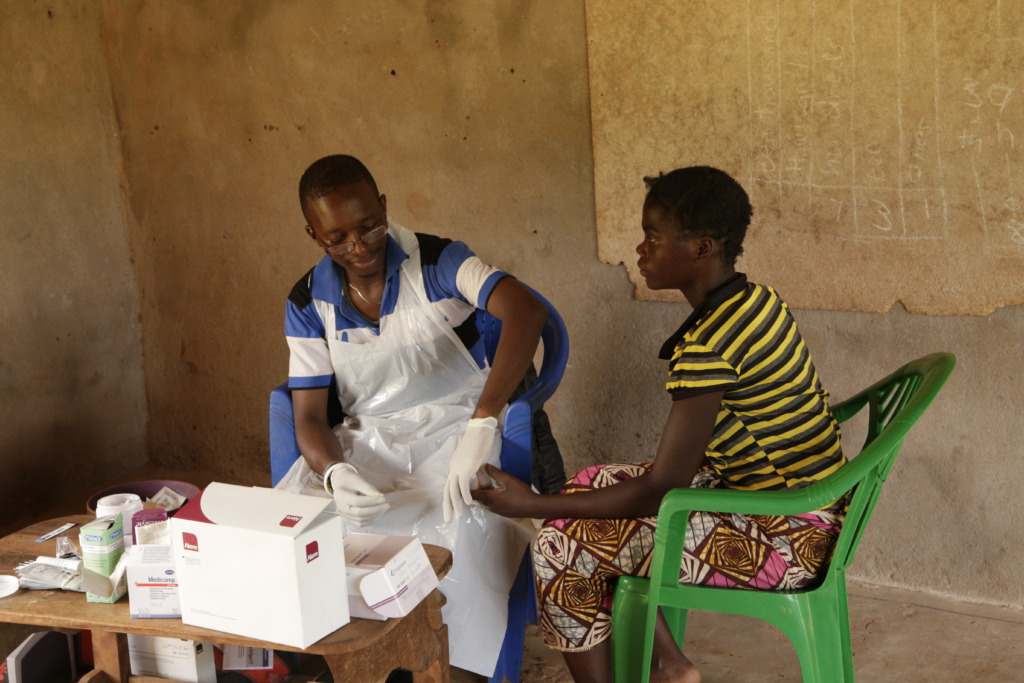
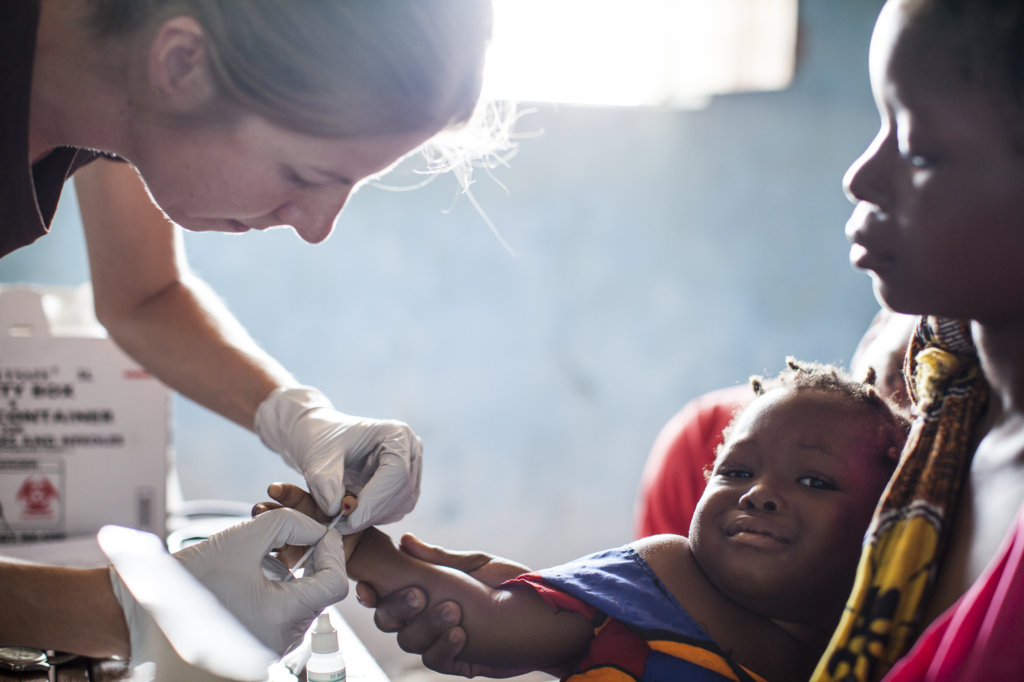
This report from a recent medical trip illustrates some of the difficulties our partners face in helping to develop the health of a community.
‘The village Headman reported a high rate of infant deaths between May and August, with many [babies] dying from anaemia, diarrhoea, malaria, pneumonia and fevers of unknown cause. People in the village believe that the causes of child deaths are witchcraft and not disease. Recently there was a death reported where a young mother left her baby alone lying under the shadow of a rotten and dry tree in front of the house. She went into the house and the tree fell on the baby due to the wind (July-August is the month when the winds blows strongly here causing a lot of waves on the Lake and dust on land) and the baby was crushed to death. The people in the village said it is the witches.The village committee started going from door to door to collect 2 kwacha from every house so that they can invite and pay a witch doctor from DR Congo to come into the village and perform divination to expose the witches and wizards by sprinkling water on the face of suspected individuals..’
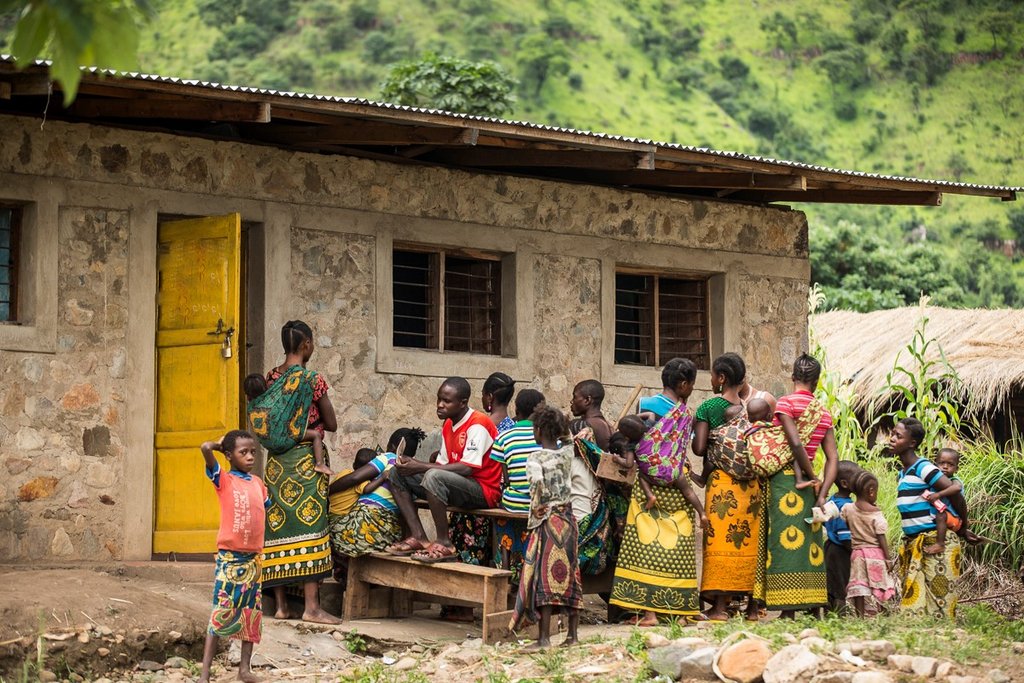
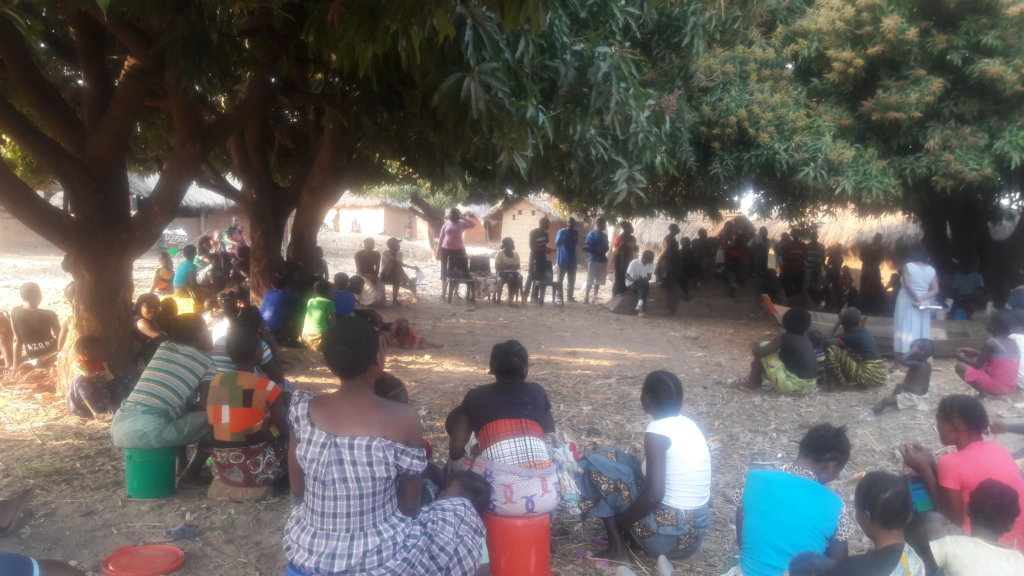
Our partners recognise that this mentality won't change overnight. During every village trip the medical team conducts open air health education sessions covering topics such as; HIV, malaria and general health. These health talks are important for increasing knowledge and understanding of disease, for raising awareness about HIV as well as to dispel myths and misconceptions, and to help build awareness of ways of treating an illness as well as the causes behind it.
The medical team are not unaffected by the impact traditional health beliefs have on the community. One way they cope with this is to meet regularly to share their encouragements and challenges.
Thanks to your support our partners are continuing to develop and strengthen relationships with communities in order to break down barriers to health.
By Nicola Tiltman | HIV & AIDS Medical Projects Facilitator
By Nicola Tiltman | HIV & AIDS Medical Projects Facilitator
Project reports on GlobalGiving are posted directly to globalgiving.org by Project Leaders as they are completed, generally every 3-4 months. To protect the integrity of these documents, GlobalGiving does not alter them; therefore you may find some language or formatting issues.
If you donate to this project or have donated to this project, you can receive an email when this project posts a report. You can also subscribe for reports without donating.