By Nicola Tiltman | HIV & AIDS Medical Projects Facilitator
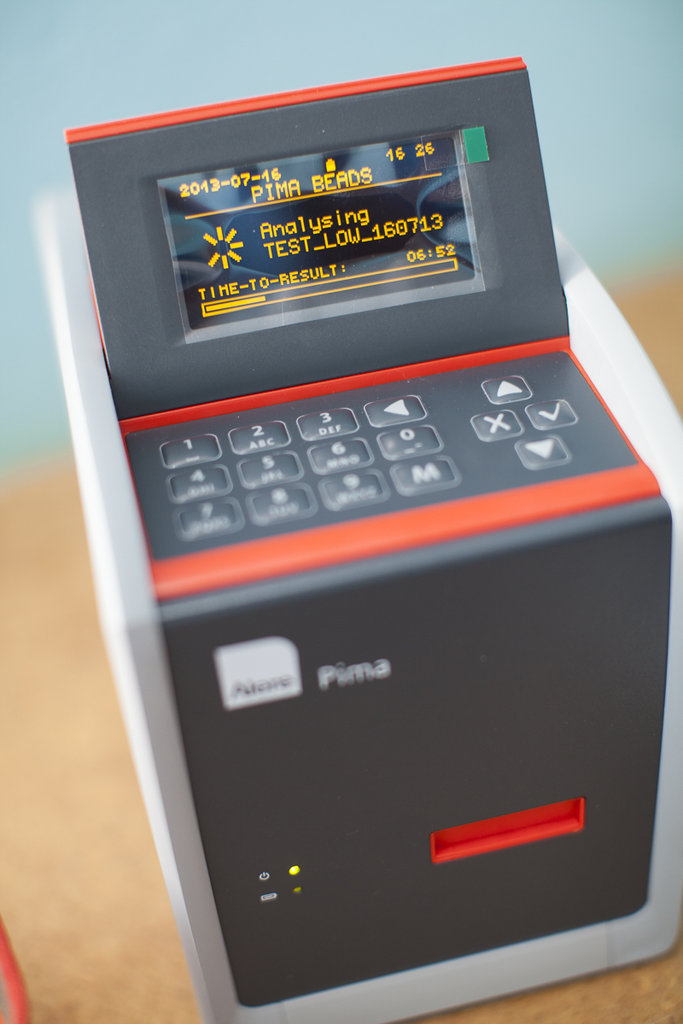
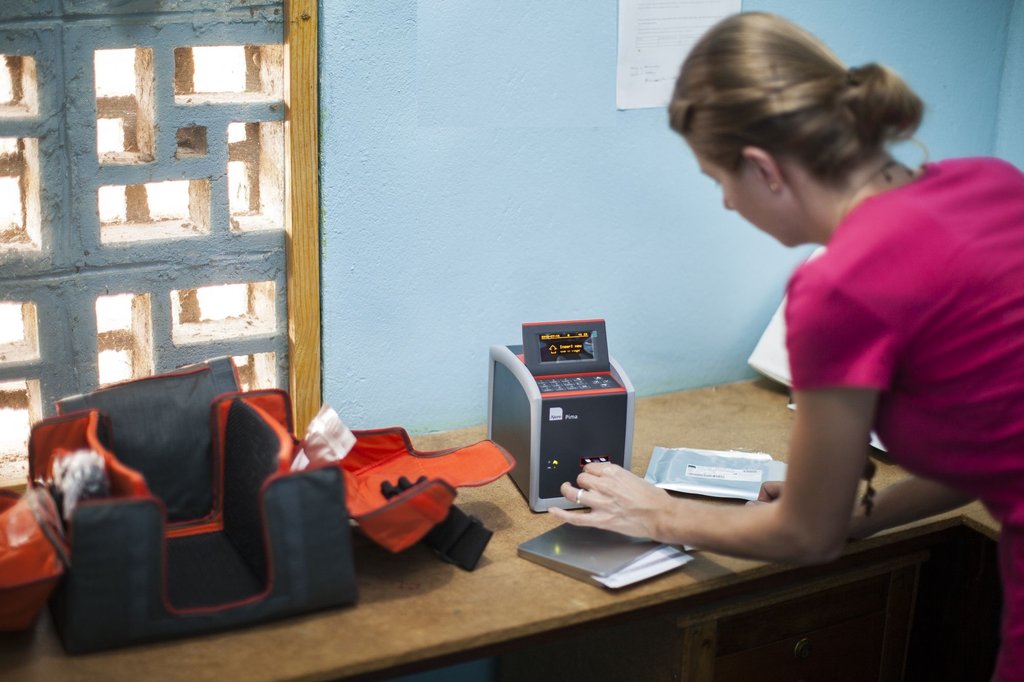
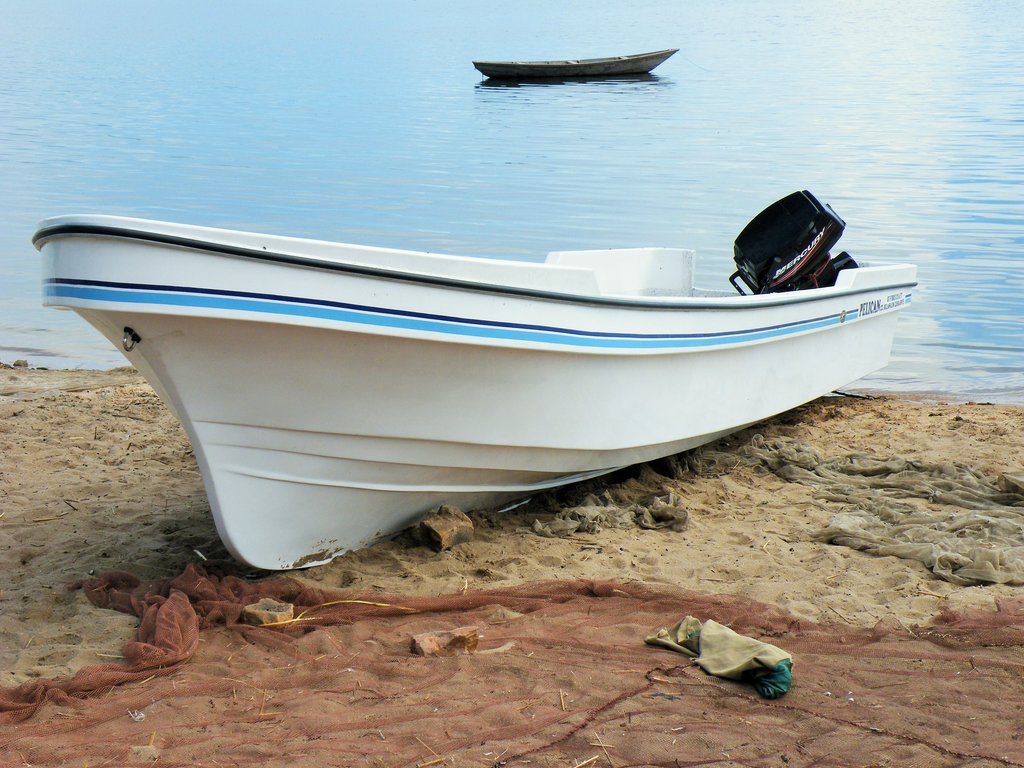
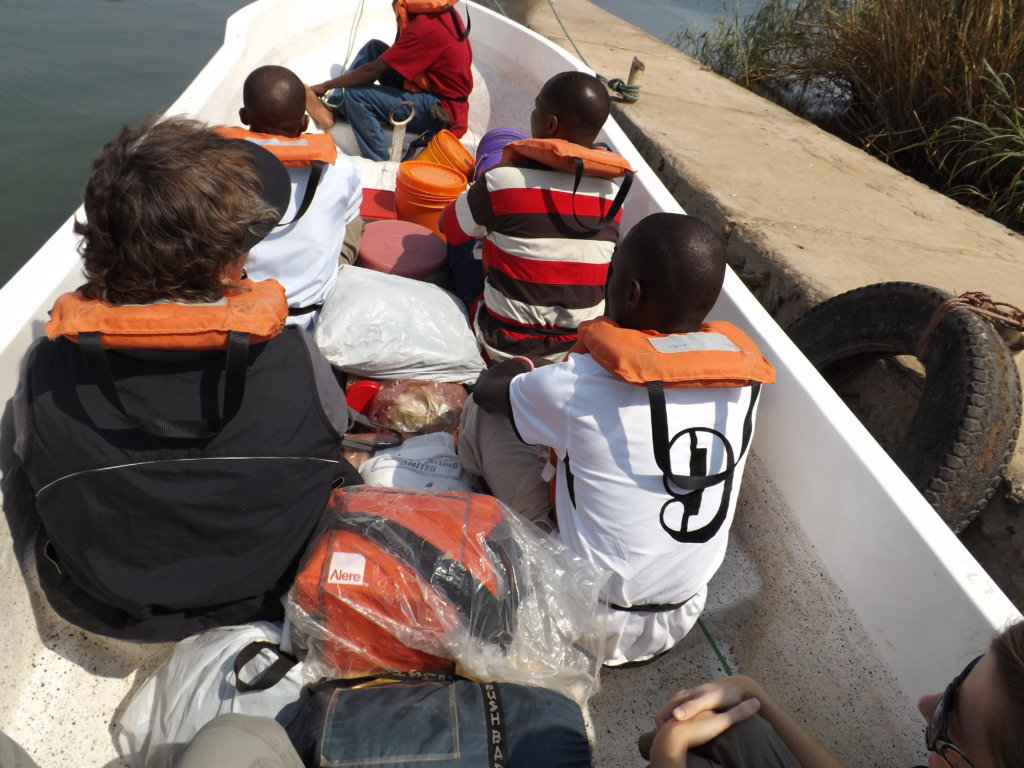
There is always much preparation for a village medical trip; buying and packing of food, collecting and packing of HIV test kits, CD4 machine and medication, and the fuelling of the boat.
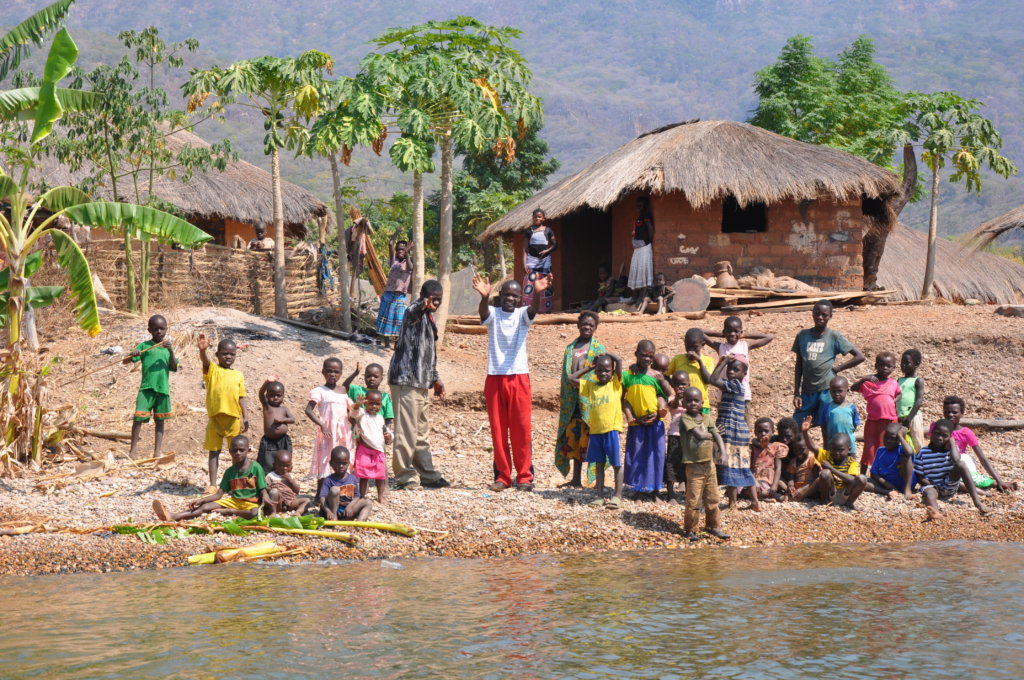
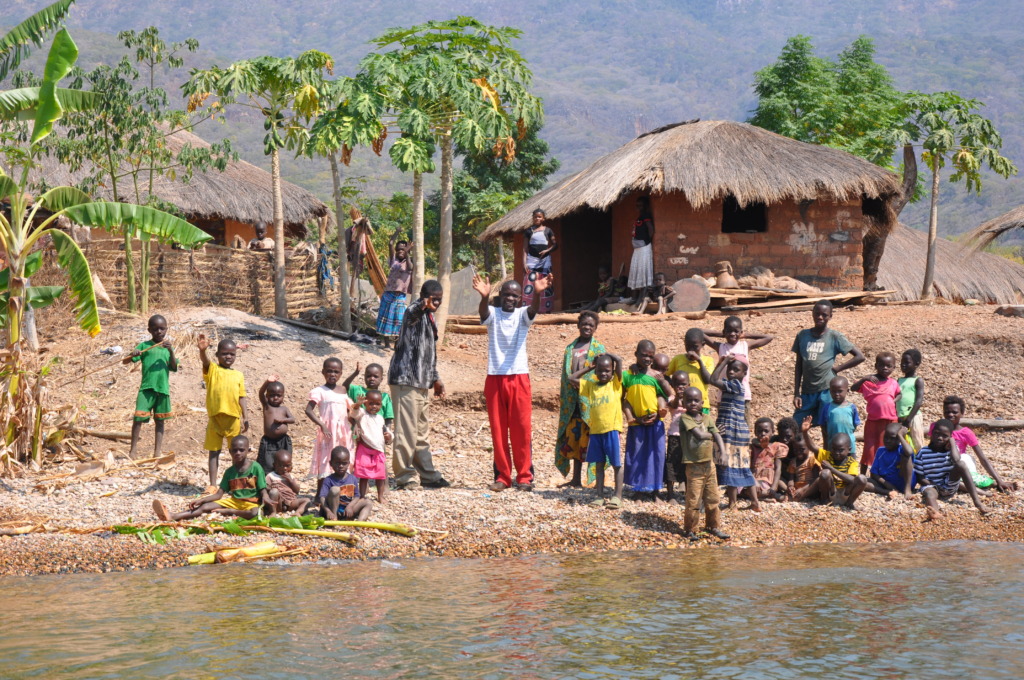
With the villages lining the lake, it is easy for the community to see the boat approach with the medical team on board. Once arrived, they are always warmly greeting and met by numerous smiling faces lining the shore. Women and children assist the team to unpack the boat and this arrival serves as an announcement to the community that Health and HIV services will be provided.
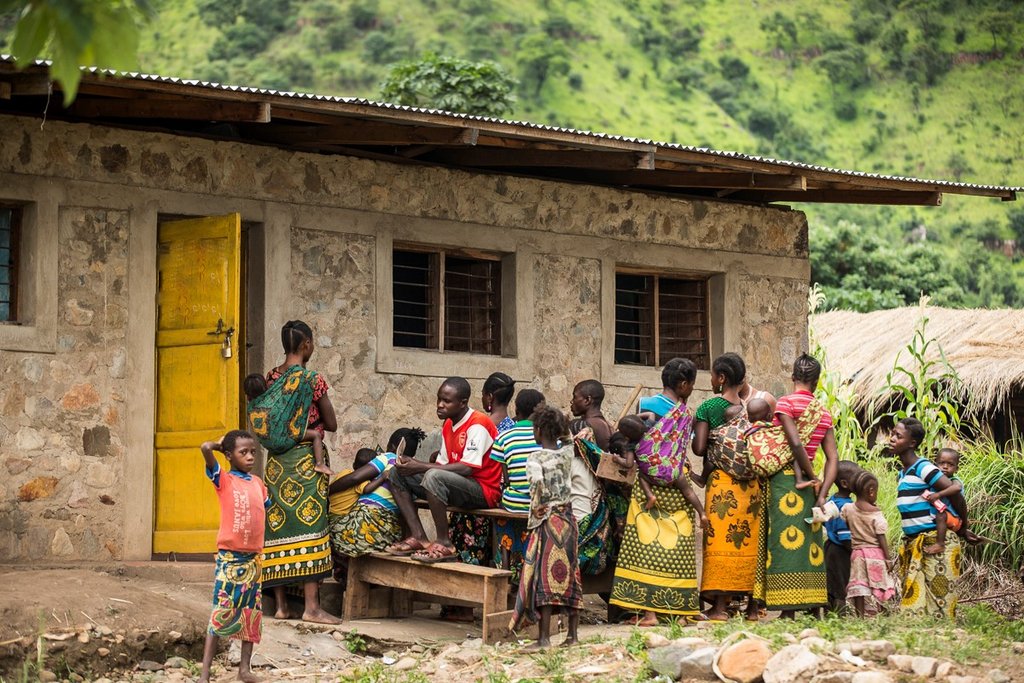
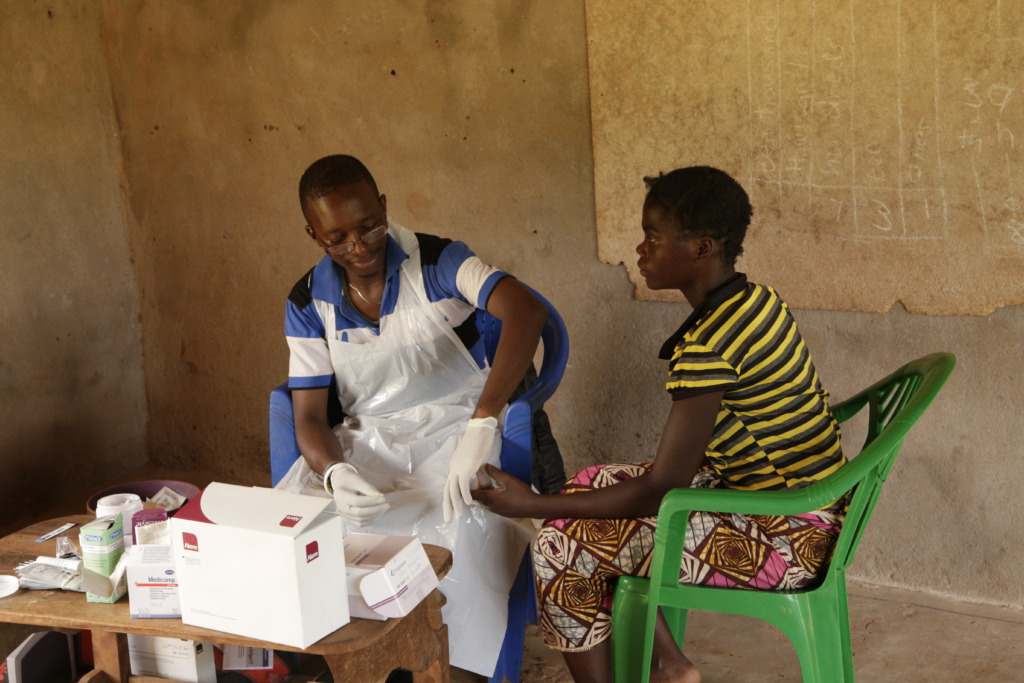
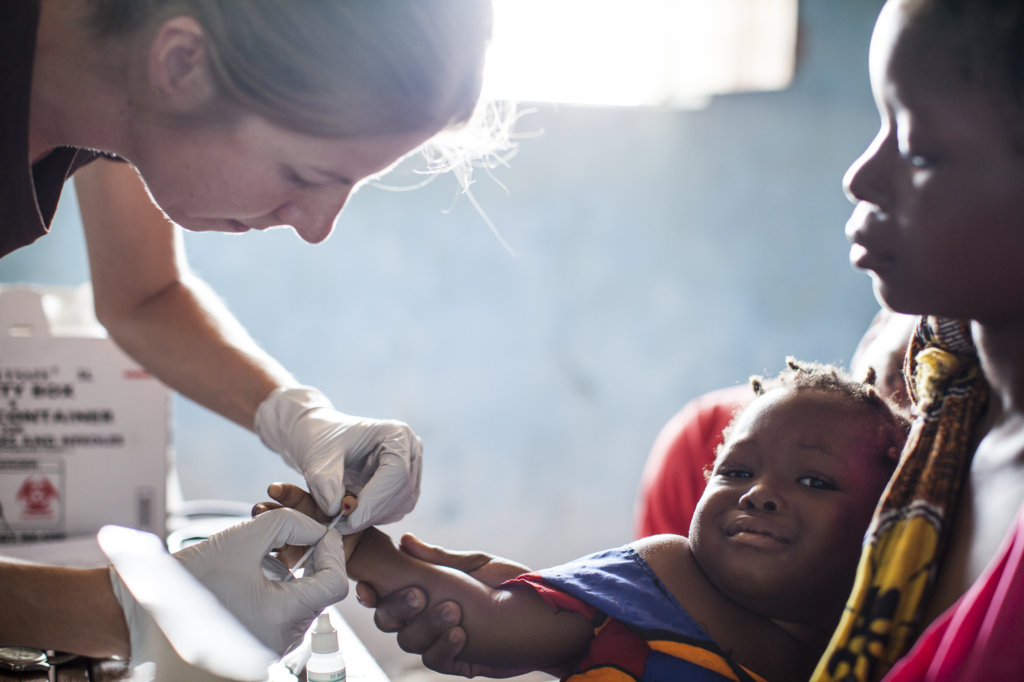
The medical team recently travelled to a village approx. 1 hour boat ride away from the base in Mpulungu. 364 people attended the clinic and 31 people accessed HIV testing services which included Point of Care CD4 testing and antiretroviral provision.
Many from the village will have not accessed these vital services since the medical team’s last visit. This may have been because of fishing responsibilities or transport costs to Mpulungu, so for those who have waited, the team’s arrival serves as a celebration. Most people who attend these clinics are from within the village, but as the news spreads to villages nearby, some people also travel [often up to 3 hours] by boat, to access these services. This is costly, but villagers recognise their need to see medical personnel and receive treatment.
This recent trip was no exception. When the team reached the village they found that the headman’s wife had already been in labour for 3 days. Along with Local Birth Attendants, they tried to help her give birth but she was struggling too much. In the middle of the night the decision was made that she couldn’t continue anymore and she should be taken to Mpulungu using the pelican boat, reducing the journey to an hour instead of three by public boat. The Dr on duty was already at the clinic attending to another emergency but on seeing the woman, he referred her immediately to a larger hospital 45 minutes away. An ambulance transported her safely and at the hospital a C section was performed and a healthy baby boy was born.
The headman’s eldest daughter had also just given birth to twins the day before. Cultural beliefs meant that the community expected the wife not to be able to deliver a live baby because her daughter had just given birth. It was clear that the medical team came at the right time in order to help save this baby boy’s life.
Thank YOU for making this happen.
During 2016, the team hopes to run 9 medical trips, offering lifesaving health and HIV testing services to villagers living in remote communities along Lake Tanganyika.
We are also pleased to report that one of the Zambian team members has completed his nursing qualification. This means there is another medical person within the team with an understanding of the local culture, language and needs. This is invaluable and ensures that the services provided are accepted by the community. He is a passionate young man and was part of the medical team on this recent village trip. “My motivation to be become a nurse was so that I could help the people living along the lake who live very far from the clinic. I want to serve them well.”
Project reports on GlobalGiving are posted directly to globalgiving.org by Project Leaders as they are completed, generally every 3-4 months. To protect the integrity of these documents, GlobalGiving does not alter them; therefore you may find some language or formatting issues.
If you donate to this project or have donated to this project, you can receive an email when this project posts a report. You can also subscribe for reports without donating.