By Samikshya Nepal/Rudra Neupane | Communication officer/Program Manager
For women living in remote communities, timely access to healthcare can make all the difference. When distance and financial barriers delay access to emergency care, timely referral and coordination can be critical. Tirtha’s experience is one such story.
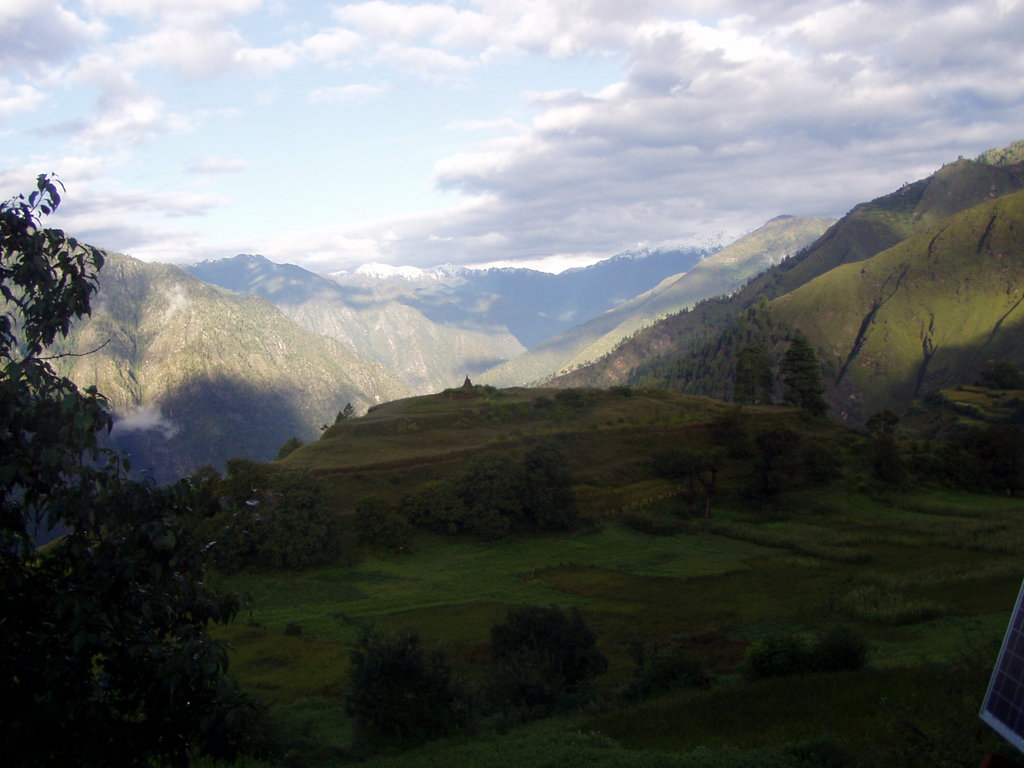
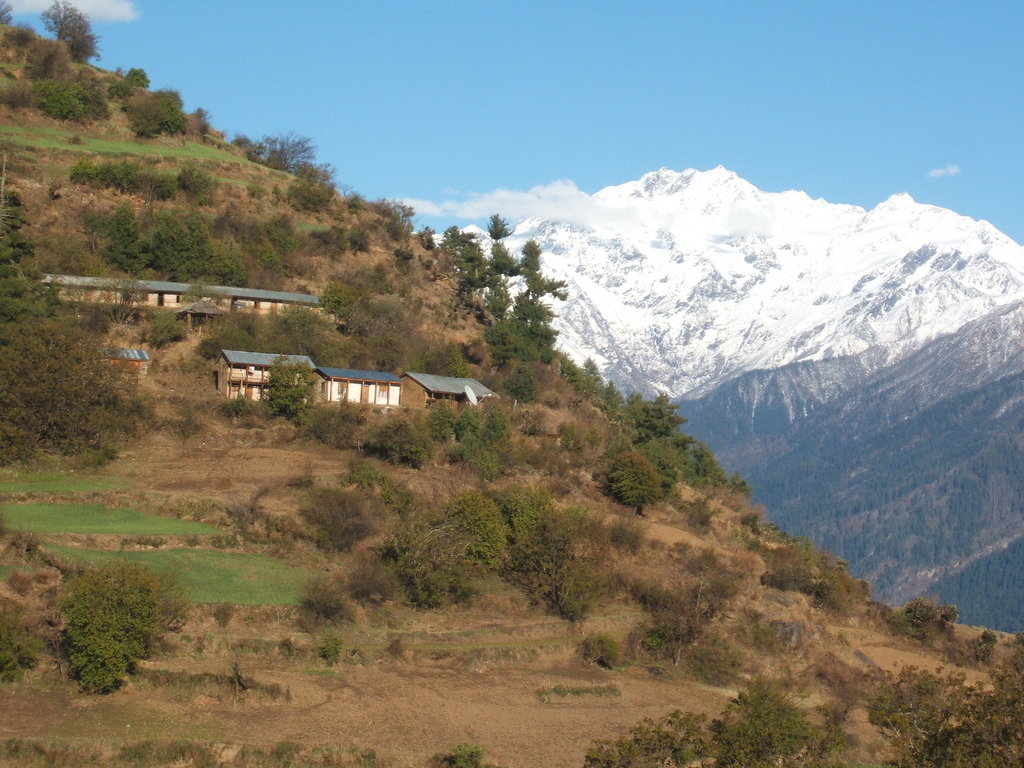
Tirtha, a 22-year-old woman from Natharpu in Soru Rural Municipality, Mugu district, lives with her husband, two sons, and other family members. Like most families in her community, her family primarily depends on agriculture for their livelihood.
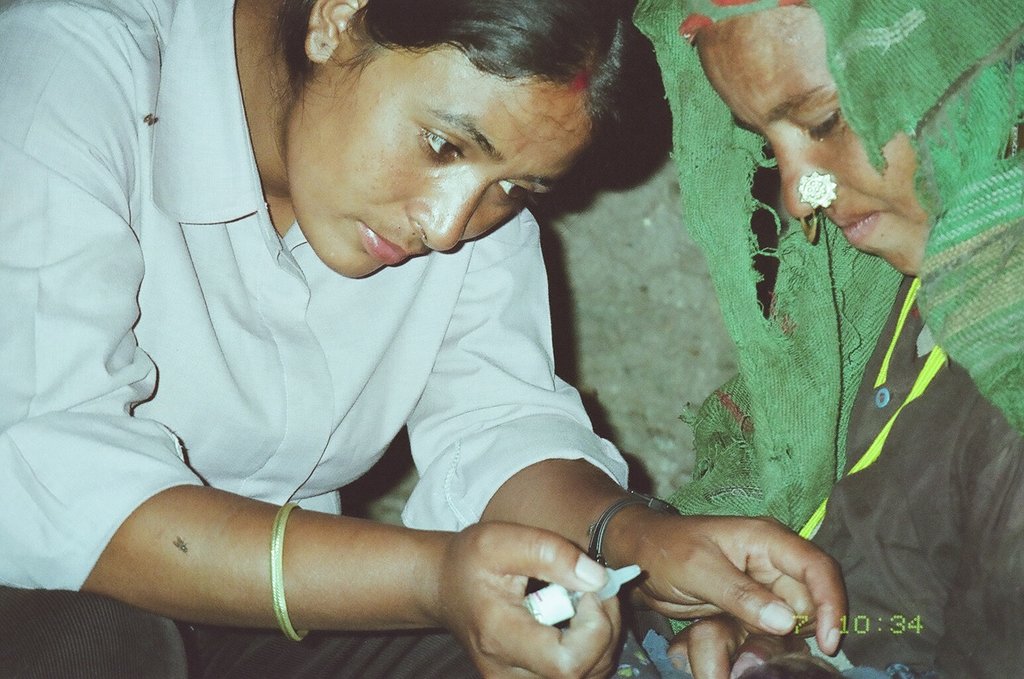
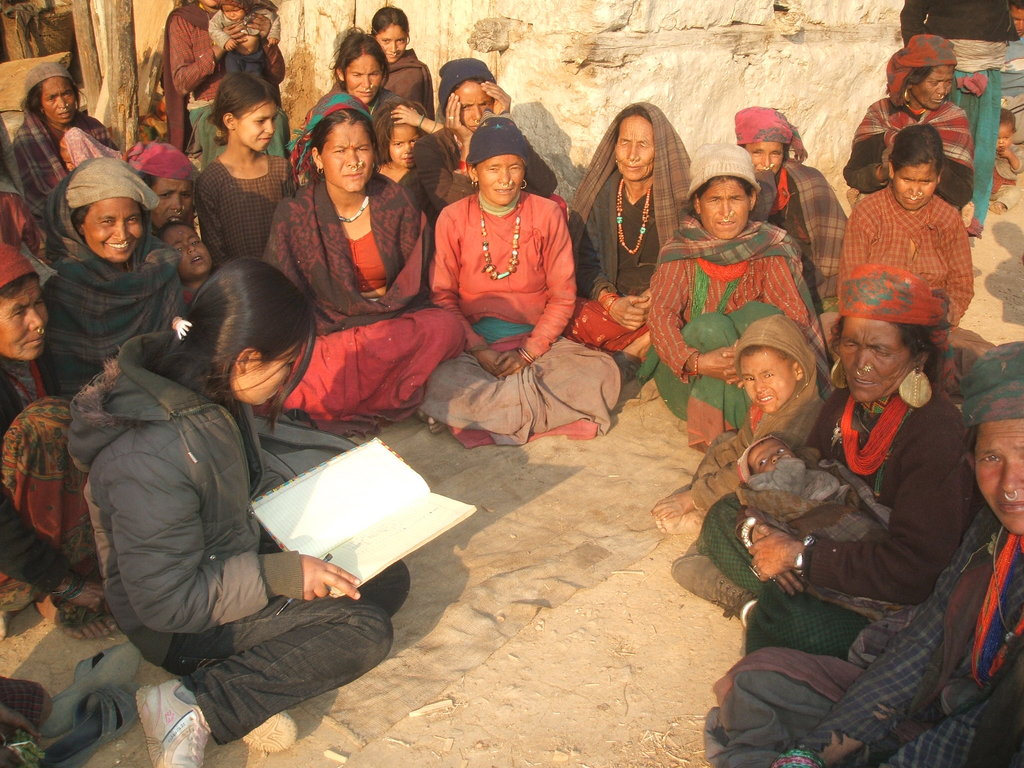
Tirtha received antenatal care through a health facility supported by PHASE Nepal, including a rural ultrasound. She also participated in ANC meetings and received iron tablets and tetanus-diphtheria (Td) vaccination.
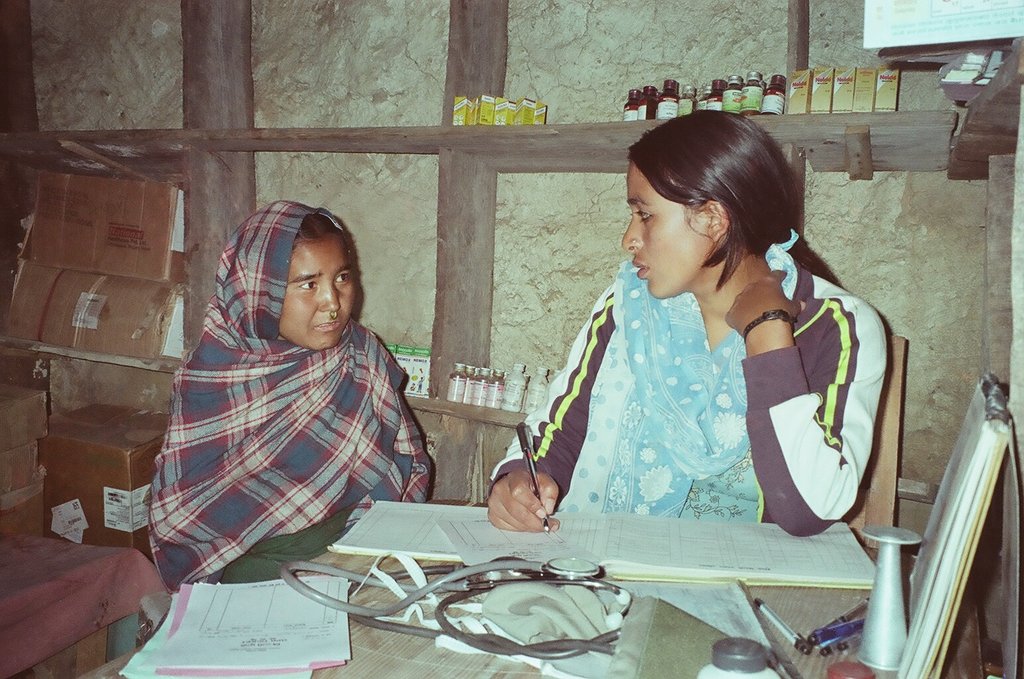
On 20 July 2026, at around 3:50 p.m., Tirtha arrived at the PHASE Nepal-supported health post in labour. Her pregnancy was already approximately 15 days beyond her expected date of delivery. She was 7 cm dilated, with a normal fetal heart rate. However, her low hemoglobin level and prolonged pregnancy raised concerns so, the health workers advised her and her family to go to Gamgadi District Hospital. They initially decided not to go.
By 8:00 p.m., her cervix had progressed to 8 cm. At 12:06 a.m., her membranes ruptured and the fluid was meconium-stained. Her contractions then stopped, and labour failed to progress even after two hours. The health workers again counselled Tirtha, her husband, and her mother-in-law about the risks and the need for immediate referral. However, the family could not afford the transportation cost to the district hospital.
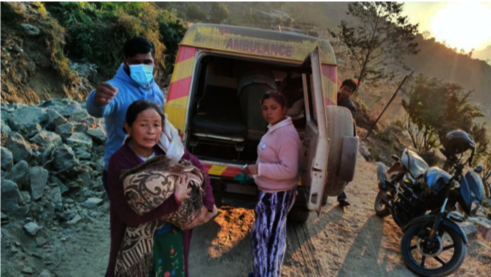
The health workers immediately contacted Soru Rural Municipality and requested transportation support. The municipality arranged a vehicle and covered the transportation cost, allowing Tirtha to be referred without further financial delay.
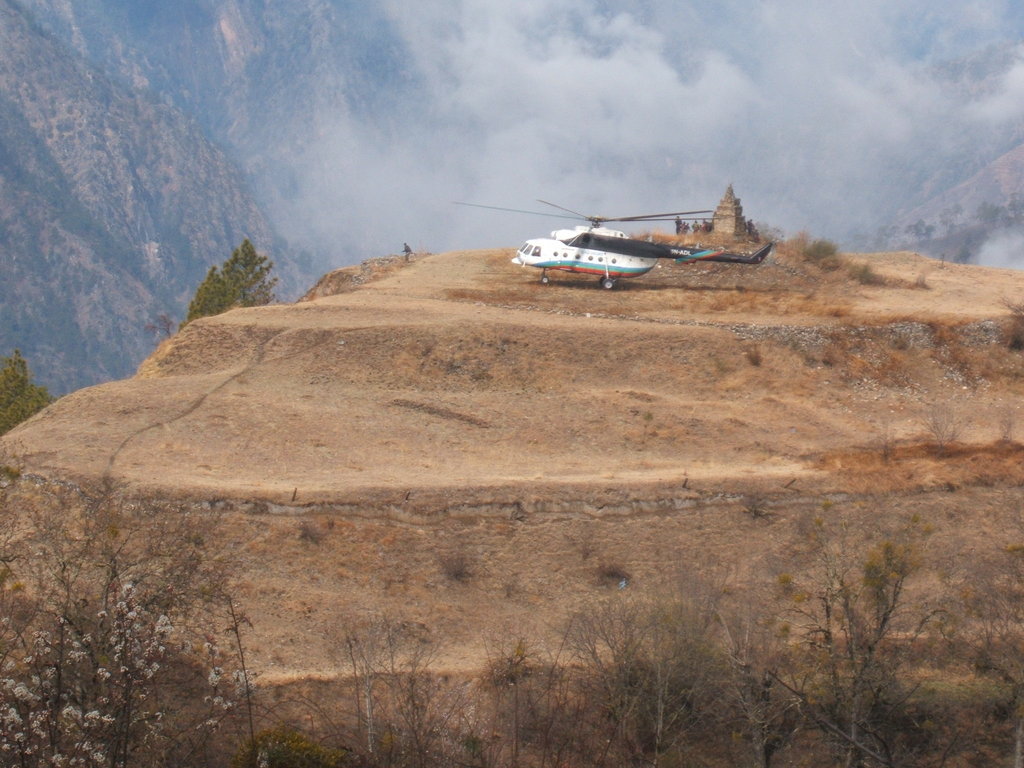
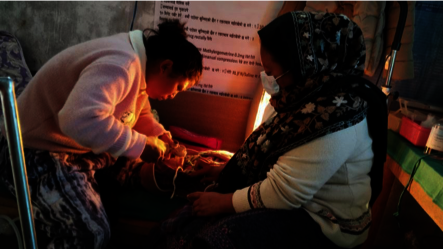
At 4:00 a.m., Tirtha began her journey to Gamgadi District Hospital, accompanied by a nursing staff member from the health post. The journey takes more than five hours.
Tirtha reached the district hospital at 8:40 a.m. The hospital team recommended a cesarean section, but Tirtha declined the procedure. She subsequently delivered vaginally at 12:30 p.m., nearly 21 hours after first arriving at the health post.
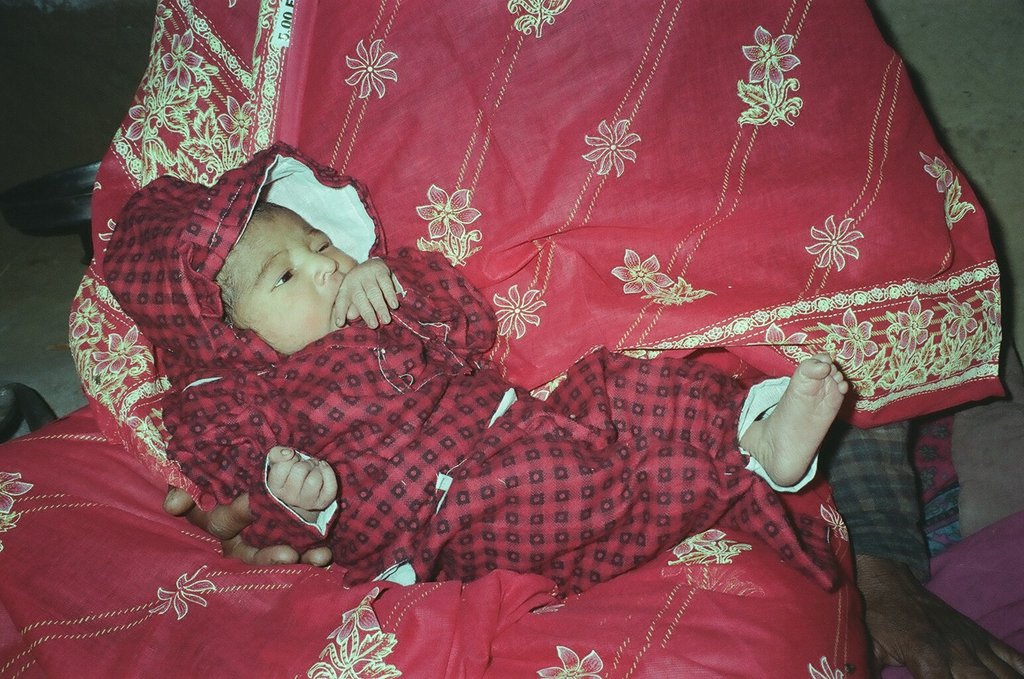
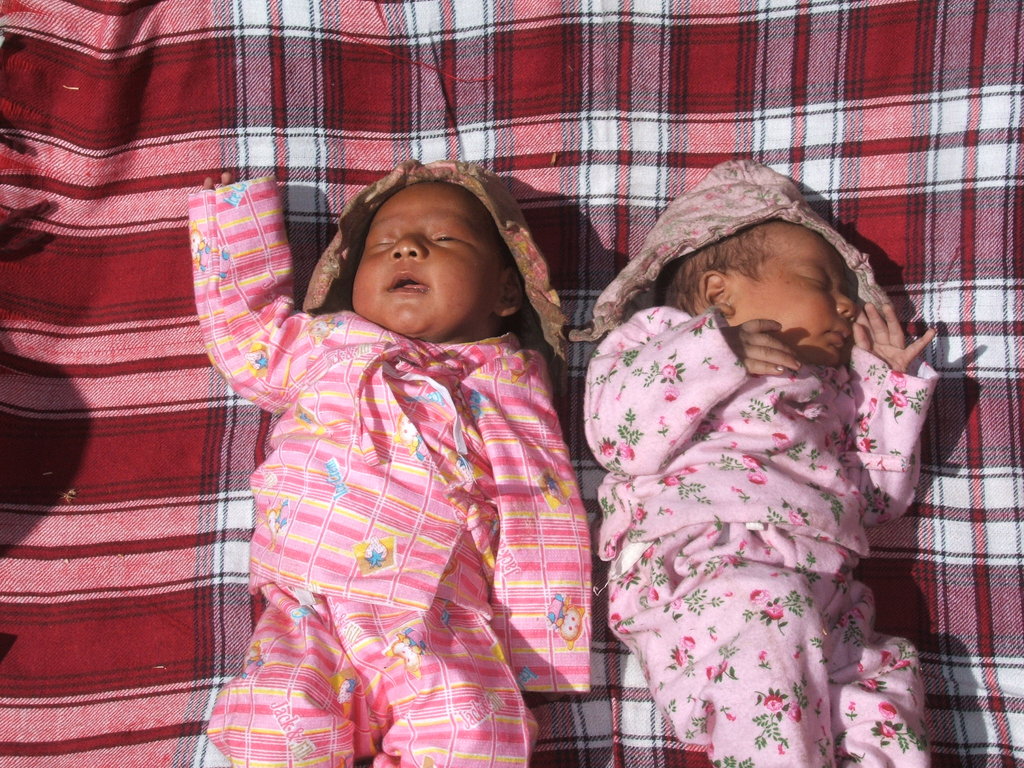
Her baby was born with birth asphyxia and required immediate resuscitation. Fortunately, the baby stabilized following resuscitation and was reported to be in normal condition. Tirtha’s hemoglobin level was 8 g/dL. The hospital team attempted to arrange a suitable blood donor, but one could not be found.
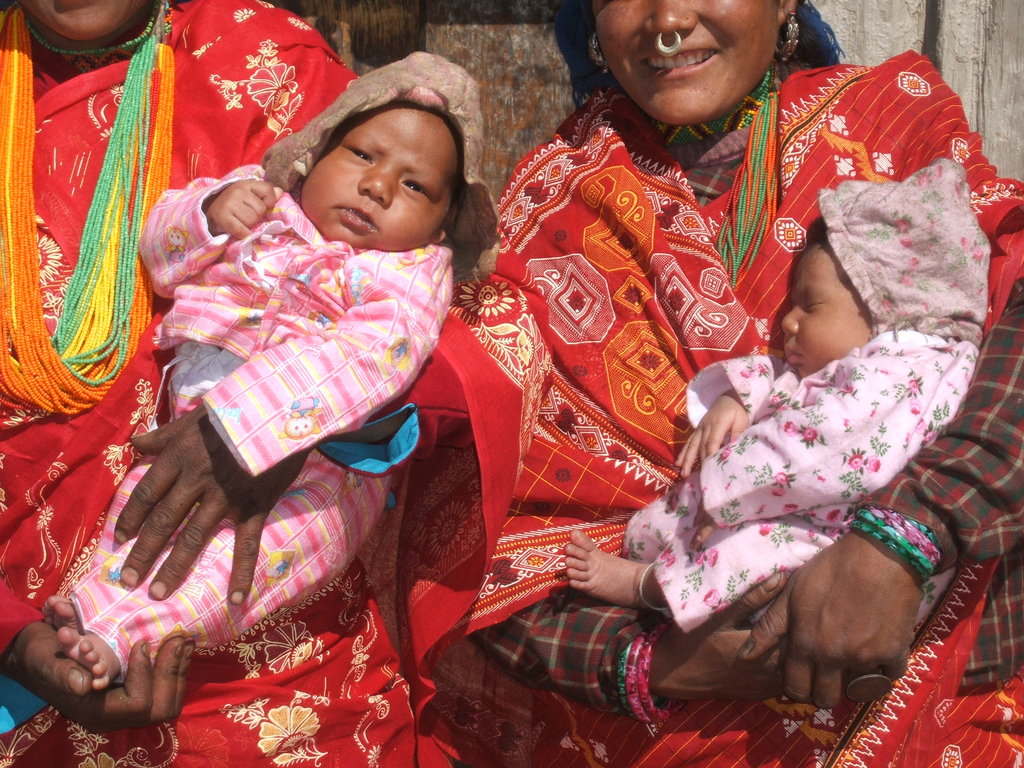
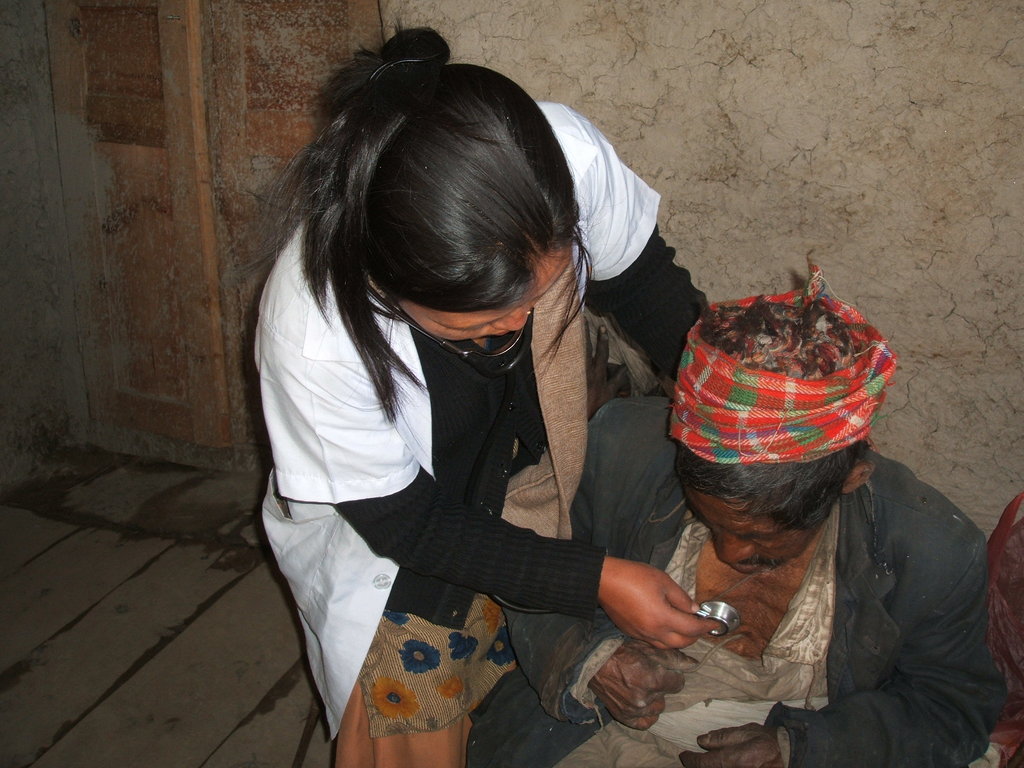
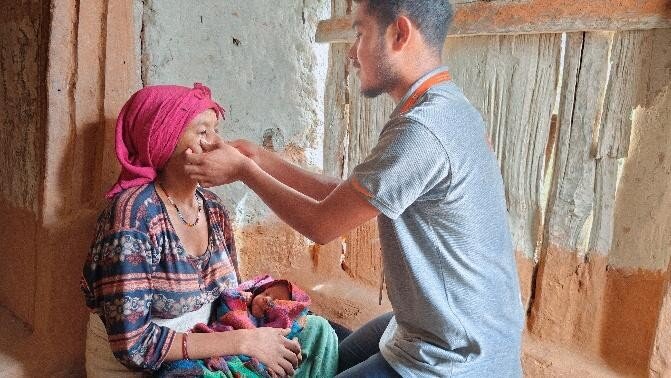
Despite the challenges, Tirtha and her baby returned home in good health, where PHASE Nepal staff continued to provide follow-up support. During a postnatal home visit, the team found Tirtha caring for her healthy baby. Her hemoglobin level had also improved. She was further counselled to continue taking her iron tablets, consume locally available iron-rich foods, and exclusively breastfeed her baby.
Tirtha expressed her gratitude to PHASE Nepal for the timely referral support and for coordinating with local government to arrange transportation and financial assistance. She shared that the support helped her reach the district hospital when she needed higher-level care and reduced the risk of serious complications for both her and her baby.
Tirtha’s story highlights the importance of early recognition of complications, timely referral, family counselling and coordination between health facilities. For a mother facing a complicated labour in a remote community, timely support can help overcome financial and geographical barriers and ensured that both mother and baby received the care they needed.
PHASE Nepal is grateful for the opportunity to support mothers like Tirtha in remote communities. Our efforts to improve access to healthcare in these communities are possible because of the continued support of our partners, donors and supporters. We are deeply thankful to each and every one of you for helping make this work possible.
By Urmila Adhikari/Rudra Neupane | Program Manager
By Samikshya Nepal/Rudra Neupane | Communication officer/Program manager
Project reports on GlobalGiving are posted directly to globalgiving.org by Project Leaders as they are completed, generally every 3-4 months. To protect the integrity of these documents, GlobalGiving does not alter them; therefore you may find some language or formatting issues.
If you donate to this project or have donated to this project, you can receive an email when this project posts a report. You can also subscribe for reports without donating.



Support this important cause by creating a personalized fundraising page.
Start a Fundraiser