By Fiona Peart | Head of Development
Following on from our activities from earlier in 2024, we continued been working hard on all our areas of focus to accelerate the end of female genital mutilation/cutting. Your generous support has been instrumental in driving our initiatives forward, enabling us to achieve remarkable milestones and positively impact the communities we serve, while uniting the actors and movement to end FGM/C together. This report encapsulates our key accomplishments, ongoing projects, and the collective efforts of our dedicated team and partners. We are excited to share the progress we have made, all enabled through your unwavering commitment to our mission. From the bottom of our hearts, thank you. We hope you will enjoy reading the updates of our work below:
Advocacy work
Leading Cause of Death Webinar
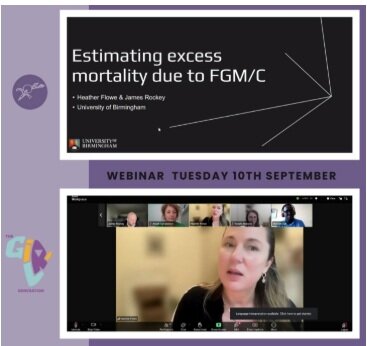
In September, Orchid Project, in collaboration with The Girl Generation: Support to the Africa-led Movement to End FGM/C and the University of Birmingham, co-hosted a pivotal webinar examining the findings of the paper Estimating Excess Mortality due to FGM/C. This groundbreaking study identified FGM/C as a leading cause of death in girls in practicing countries, with an estimated 44,320 girls and young women dying annually as a result of the practice. The study underscores the critical need to reframe FGM/C as not just a harmful practice but a life-threatening global public health crisis contributing significantly to child mortality.
The webinar brought together over 60 key stakeholders, including policymakers, advocates, and healthcare professionals. The authors of the paper, James Rockey and Heather D. Flowe, provided a detailed breakdown of their methodology, aiming to instill confidence in the research’s rigor. During the session, James Rockey highlighted that the death of 44,320 girls and young women each year equates to one girl or young woman dying every 12 minutes. Heather D. Flowe emphasised that their findings likely represent a conservative estimate, warning that the long-term consequences of FGM/C remain hidden but are equally devastating.
Anush Aghabalyan, Head of Policy and Advocacy at Orchid Project, underscored the urgency of this research, stating that it demonstrates FGM/C is not only a human rights violation but also a significant risk to life, calling for the same level of attention and resources as other preventable causes of mortality. Dr. Leyla Siirad Hussein Gikandi further stressed that the data makes it undeniably clear that FGM/C is far more than a cultural or social issue; it is a severe public health crisis that leads to the loss of innocent lives. She described the situation as a pandemic of violence against children, demanding immediate and collective action.
The findings from this research mark a turning point in how the global community understands and addresses FGM/C. By highlighting its mortality impact, the study calls for urgent action and intensified advocacy to ensure that FGM/C receives the same level of global attention and resources as other preventable causes of death.
For further details, you can access the full paper here.
Summit of the Future and UNGA79
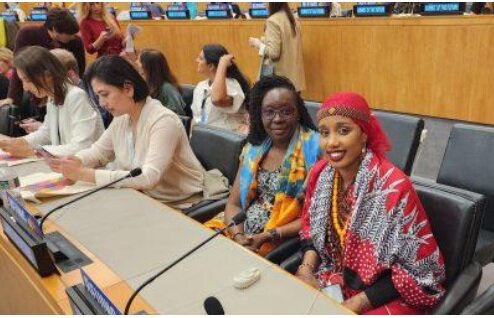
Also in September, Aisha Hussein Roba, a youth grantee from Isiolo, Kenya, and Orchid Project Advocacy Manager, Brenda Dora, attended the Summit of the Future alongside the 79th session of the United Nations General Assembly (UNGA79). Representing The Girl Generation, the delegation led by Orchid Project highlighted the importance of youth voices in tackling global challenges, including FGM/C. A key outcome of the Summit was the adoption of the Pact of the Future, a landmark agreement addressing critical global issues. Notably, the Pact explicitly recognised FGM/C as a form of violence, reaffirming the urgency of Orchid Project’s mission to end this harmful practice.
Youth engagement was central to the Summit, aligning with Orchid Project’s commitment to empowering young people as agents of change in the fight against FGM/C. Interactive dialogues gave youth, including Aisha, the opportunity to present ideas and co-create solutions directly with global leaders. Brenda noted that the Summit reinforced the vital role of youth in driving innovative solutions to end FGM/C and shaping a more inclusive and sustainable global future. “The future of multilateralism depends on the active involvement of young people,” she reflected, emphasising the importance of continuing to elevate youth voices within the global dialogue.
Global Collaboration to End FGM/C
In October, the U.S. End FGM/C Network hosted a two-day in-person conference in Washington, DC, dedicated to fostering global collaboration and strategic planning to end FGM/C. The event brought together government representatives, philanthropists, civil society organisations, and activists to strengthen partnerships and create actionable strategies to further the global effort to eradicate FGM/C.
Anush Aghabalyan, Head of Advocacy, represented Orchid Project and spoke on a panel during the event. Reflecting on the experience, Anush shared, “The spaces of solidarity and shared vision are so important, particularly in the world we find ourselves in today. There is a unique strength we draw from connecting with colleagues, friends, and allies who are united in their passion to end all forms of gender-based violence.” She emphasised that listening to global partners reinforced the understanding that FGM/C is a deeply global issue requiring significantly more action and funding than it currently receives.
16 Days of Activism
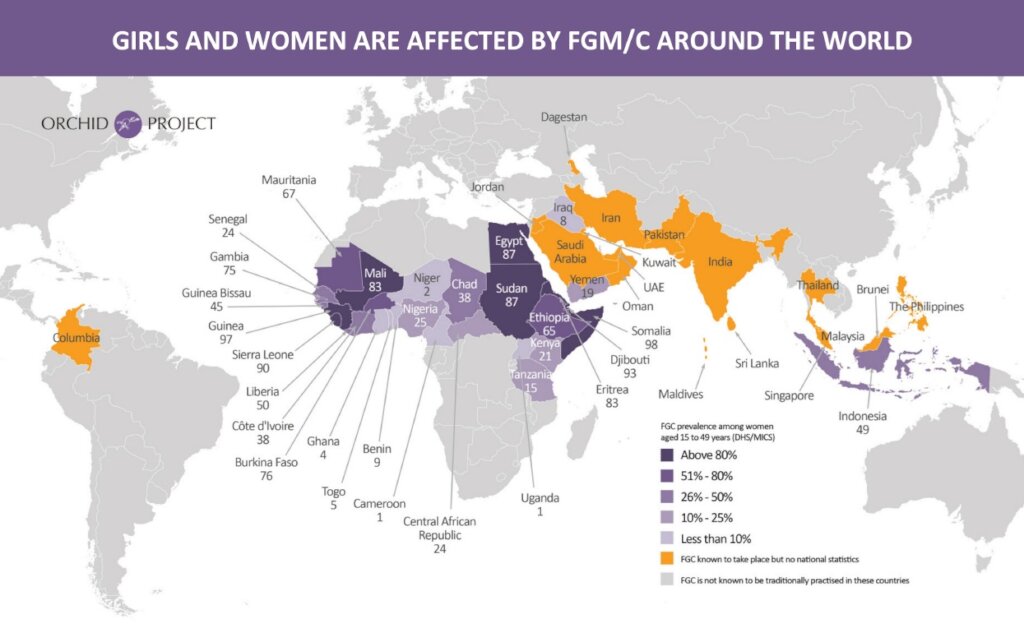
This year, Orchid Project marked the 16 Days of Activism campaign by launching "16 Facts About the Practice in Asia" to draw attention to the often-overlooked prevalence of FGM/C in the region. During the campaign, facts from recent reports were shared to increase awareness. Despite over 80 million women and girls in Asia being affected by FGM/C, the practice remains largely unspoken, perceived as harmless and safe in many communities. Orchid Project collaborated with the Asia Network to End FGM/C to highlight this critical issue, utilising data from its series of reports, which include eight short reports, eight law reports, and a country profile. These efforts aim to break the silence surrounding FGM/C in Asia and emphasise its status as a violation of human rights and bodily autonomy.
A key event of the campaign was the webinar titled, "FGM/C in Asia: From Silence to Justice?," organised by the FGM Legal Working Group of the World Bank in collaboration with Orchid Project. Moderated by Anush Aghabalyan, Head of Advocacy at Orchid Project, the event featured Zubee Ali, Activist and Women's Rights Advocate from End FGM Singapore; Isabella Micali Drossos, Senior Counsel at the World Bank; and Sean Callaghan, Head of Research at Orchid Project. Sean emphasised the glaring gap in international attention to Asia, stating, “Asian countries account for over a third of global cases of FGC. Yet so little attention has been paid to this region by the international community. Things are starting to change, but we have a long way to go.”
Research
Advancing Research in the Horn of Africa
In September, Orchid Project’s research team hosted the first round of stakeholder workshops as part of an initiative to build a robust knowledge base on FGM/C within the Somali community across the Horn of Africa. With the Somali community experiencing the highest global prevalence of FGM/C at 99.2%, these discussions provided invaluable insights into both the progress and challenges in efforts to end this deeply entrenched practice. The workshops are a critical component of a larger research initiative. Two additional rounds of workshops are planned, and together, they will inform the development of a comprehensive report, set for publication in 2025.
Meetings and Roundtable Discussions across Asia
In October, together with our partners in the Asia Network to End FGM/C, Orchid Project presented our latest research on the practice of FGM/C across Southeast Asia at the Regional Partners Roundtable hosted by the UN Joint Programme. This pivotal event highlighted the urgent need for action in the region. Sean Callaghan, Orchid Project’s Head of Research and Capacity Strengthening, led the presentation, showcasing the evidence-based findings to build momentum toward ending FGM/C across Southeast Asia.
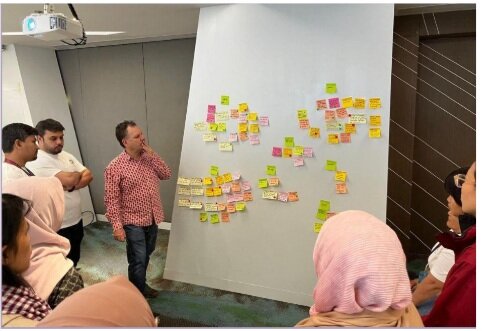
The same week, the Asia Network to End FGM/C hosted a three-day strategy meeting, bringing together key stakeholders to discuss challenges, gaps, and opportunities in addressing FGM/C. The meeting included presentations from UNFPA Asia and the Pacific, ARROW, and Orchid Project. These sessions sparked fruitful discussions on aligning efforts to address FGM/C from global, regional, and national perspectives.
The collaborative energy and group dynamics during the meeting led to the development of a strategic plan that outlines actionable next steps to accelerate progress. The participants expressed their shared commitment to moving forward with these plans, driving us all closer to the ultimate goal of ending FGM/C in the region.
South and Southeast Asia Research
Orchid Project has made significant strides in documenting the prevalence and nature of FGM/C across South and Southeast Asia through the publication of a series of comprehensive reports. Our research highlights critical findings, such as the extraordinarily high prevalence of FGM/C within the Malay ethnic community, where over 90% of women and girls are affected, making it one of the highest rates globally. Additionally, UNICEF estimates that 70 million women and girls in Indonesia alone have undergone FGM/C, accounting for 35% of the global burden.
The lack of reliable data remains a significant challenge in the region. The Maldives and Indonesia are the only Asian countries to include FGM/C in national population surveys, and no Asian country has laws explicitly banning the practice. To address this data gap, during the reporting period, Orchid Project synthesized informal surveys conducted by international NGOs and academic research, creating a clearer and more coherent picture of the practice across South and Southeast Asia. These findings are instrumental in raising awareness, informing policymakers, and guiding advocacy efforts to combat FGM/C in the region.
Programmes
Youth Capacity Strengthening Workshops
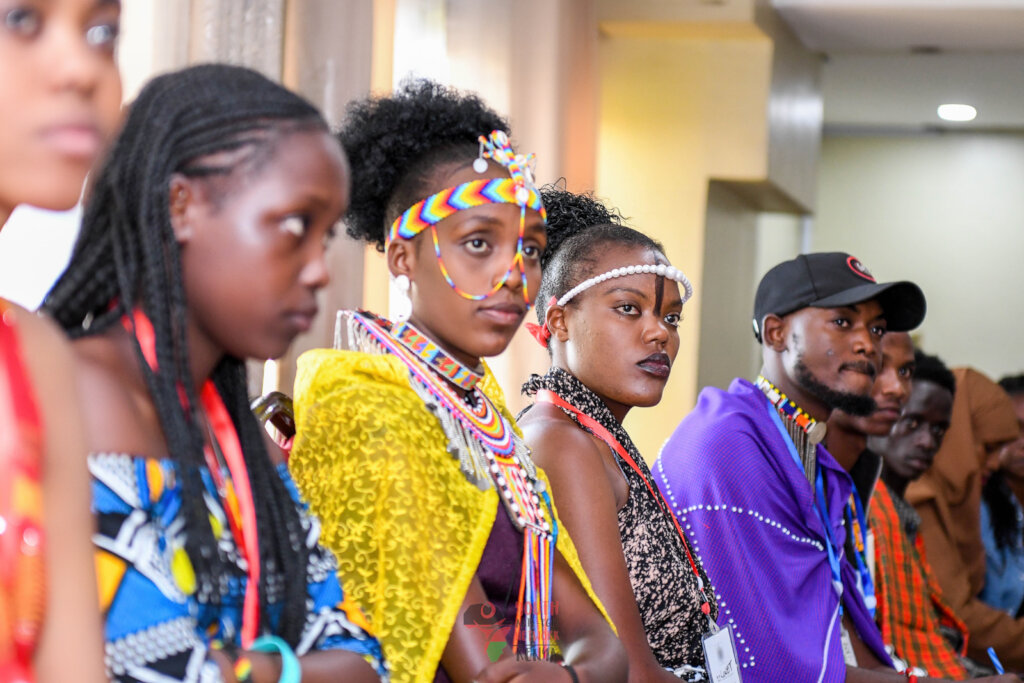
From the 11th to 14th June 2024, in Juja, Kenya, Orchid Project partnered with the Youth Anti-FGM Network Kenya (YANK) to deliver a transformative series of Youth Capacity Strengthening Workshops. These engaging sessions brought together 30 young advocates, all under the age of 25, from 22 counties across Kenya with high prevalance rates of FGM/C. The workshops focused on equipping participants with the skills and strategies needed to address social norms around FGM/C and design impactful campaigns to end the practice.
Participants explored diverse and innovative approaches to advocacy, including creating social media strategies, utilising mobile apps, and producing podcasts to amplify their messages. The sessions were designed to foster creativity and empower young people to leverage their unique talents and digital tools to create lasting change in their communities.
We are excited to see how these young advocates will implement their learnings, using the tools and strategies developed during the workshops to drive progress in their communities.
Events
Launching our Annual Report
In November, we hosted an in-person launch of our Annual Report for 2023-2024, followed by its online release. The report captures highlights of Orchid Project’s work in Research, Advocacy and Policy, and Capacity Strengthening over the past year. You can access the full report here.
The event was a powerful moment of reflection and inspiration. Department Heads Sean Callaghan, Anush Aghabalyan, and Fiona Peart shared key achievements and milestones, while special guests Hoda M. Ali and Professor Heather D. Flowe brought their unique insights to the discussion. Hoda’s moving account of her journey as a survivor and activist, including her work with Orchid Project, resonated deeply with attendees, reminding us of the human impact of our mission. Professor Flowe presented groundbreaking findings from her co-authored paper with James Rockey, revealing FGM/C as a leading cause of death for women and girls in practicing countries, with one death estimated every 12 minutes.
Project reports on GlobalGiving are posted directly to globalgiving.org by Project Leaders as they are completed, generally every 3-4 months. To protect the integrity of these documents, GlobalGiving does not alter them; therefore you may find some language or formatting issues.
If you donate to this project or have donated to this project, you can receive an email when this project posts a report. You can also subscribe for reports without donating.



Support this important cause by creating a personalized fundraising page.
Start a Fundraiser