By Carlotta Giuliani | Fundraising Officer
Six-Month Progress Report
January – July 2026
The first six months of 2026 have been a period of significant momentum for Orchid Project. Across advocacy, research, movement building, strategic partnerships and organisational development, we have strengthened global collaboration, expanded our understanding on FGM/C, engaged new audiences within the health sector and ensured that ending the practice remains firmly on the international agenda.
Alongside these external achievements, we have also invested in strengthening our internal systems, enabling us to better engage supporters and build a more resilient organisation for the future.
Your support has enabled us to respond to emerging opportunities, strengthen collaboration across regions and continue equipping activists, policymakers and health professionals with the knowledge and tools needed to accelerate change.
Bringing FGM/C into Global Health Conversations
One of our priorities this year has been ensuring that FGM/C is increasingly recognised not only as a human rights violation, but also as a global public health issue.
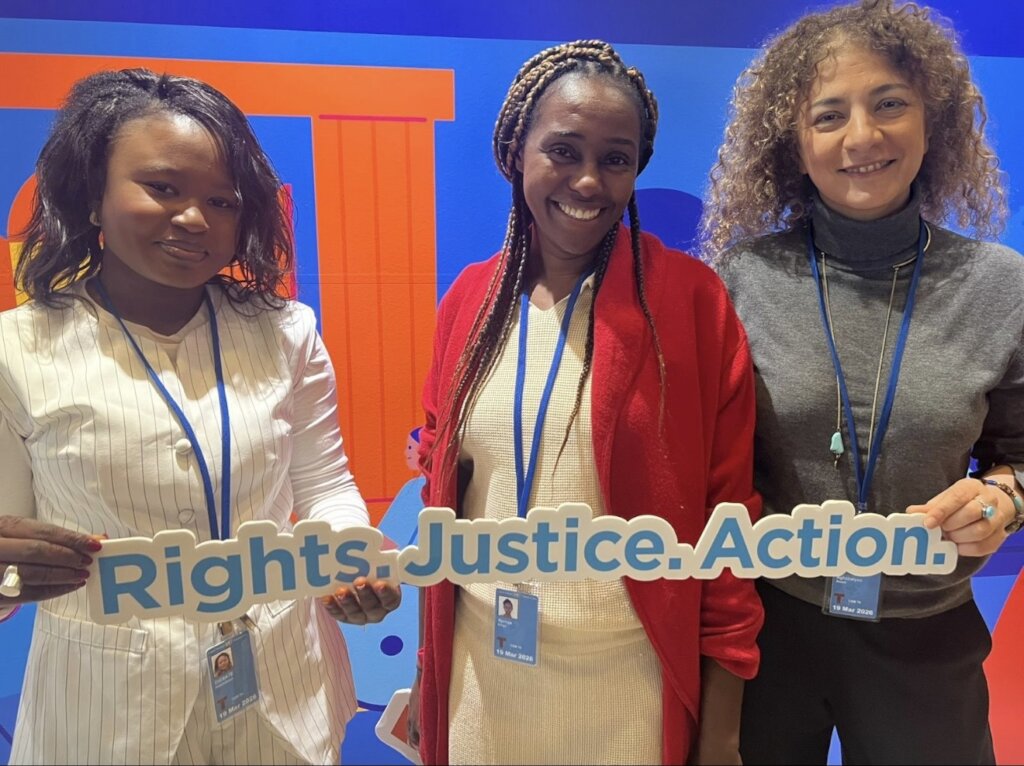
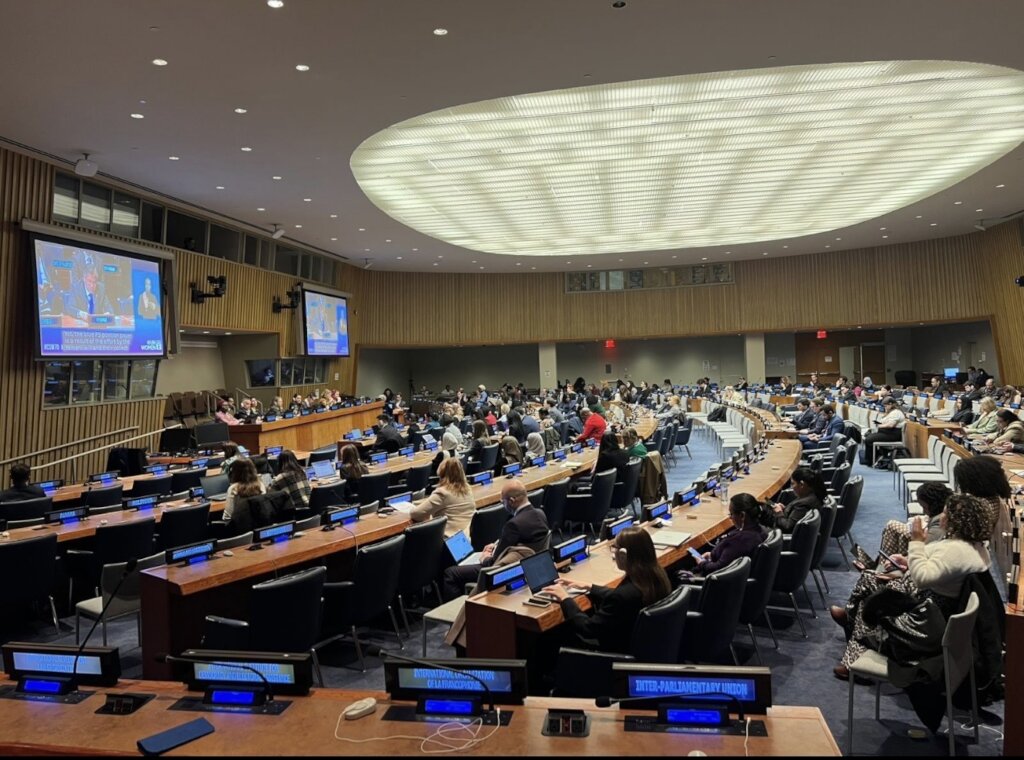
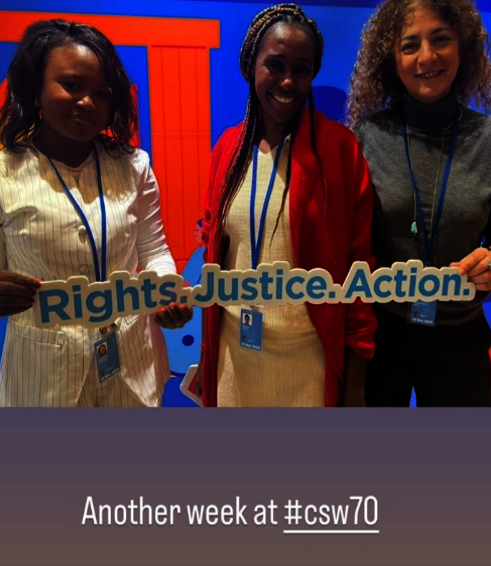
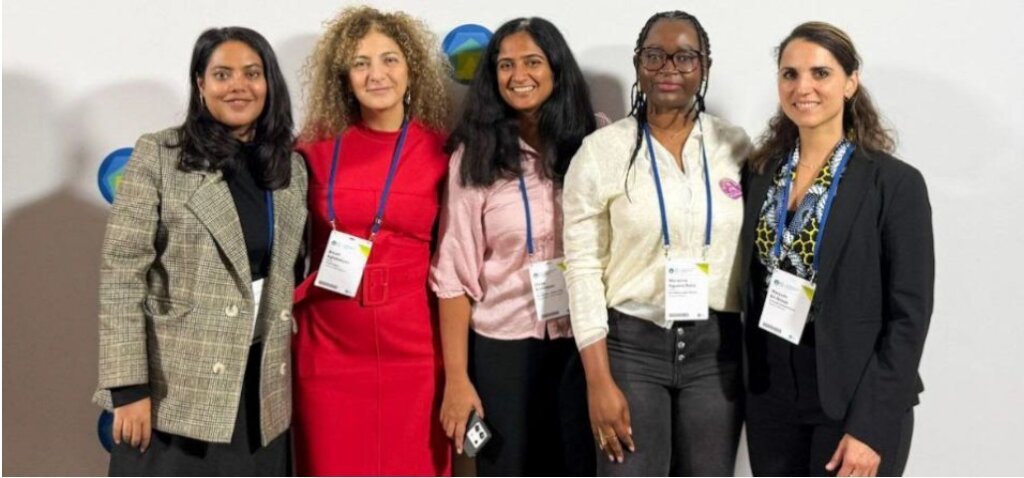
In March, during the 70th Commission on the Status of Women (CSW70) in New York, Orchid Project co-convened with thirty representatives from UN agencies, donors and regional networks came together to align priorities for the next eighteen months, strengthening collaboration across the sector.
Following our engagement at the World Health Summit, we deepened our partnership with the International Federation of Gynaecology and Obstetrics (FIGO) and the International Federation of Medical Students' Associations (IFMSA), further advancing our efforts to position FGM/C as a global health priority. To mark the International Day of Zero Tolerance for FGM in February, we co-hosted a global webinar for health professionals with FIGO and IFMSA, attracting almost 500 registrations and more than 300 participants from around the world, making it one of the most well-attended events of its kind.
Building on this momentum, we also co-organised a global workshop for medical students through the IFMSA network in recognition of World Health Day, bringing together more than 100 participants from approximately 30 countries. The workshop highlighted significant gaps in medical education on FGM/C, with fewer than half of participants reporting prior exposure to the topic during their training. The findings also demonstrated that while increased knowledge and clinical exposure improve healthcare professionals' ability to identify FGM/C, many still lack confidence in discussing the issue with patients, reinforcing the need for stronger integration of FGM/C into medical education and clinical practice.
Strengthening African Leadership
Across Africa, Orchid Project continued supporting regional institutions, grassroots organisations and civil society partners working to accelerate progress.
In March, we participated in the African Union workshop validating the new Accountability Framework for Ending Harmful Practices, contributing recommendations to strengthen meaningful youth participation, civil society engagement and practical reporting mechanisms that will support governments as implementation begins. The framework represents an important step towards improving accountability across the continent and ensuring that progress towards ending harmful practices can be more effectively monitored and measured.
We also continued working closely with the Africa Network to strengthen regional collaboration and visibility. During the International Day of Zero Tolerance for FGM, Africa Network members participated in the African Union's commemorative webinar, while the Network also contributed to discussions during the 70th Commission on the Status of Women (CSW70) and African Union forums focused on accountability and regional coordination. These engagements helped amplify African-led voices and reinforce the central role of civil society organisations in shaping policy and advancing collective action.
Keeping FGM/C on the Global Agenda
Orchid Project continued to play a leading role in ensuring that FGM/C remained visible within international policy and advocacy spaces. During the 70th Commission on the Status of Women (CSW70), we organised and contributed to a series of strategic events and convenings:
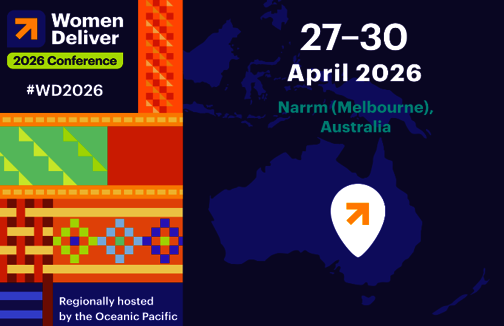
At Women Deliver 2026, Orchid Project helped place FGM/C firmly on the global gender equality agenda by co-hosting a full-day pre-conference with the Global Platform for Action to End FGM/C, bringing together senior representatives from governments, UN agencies and civil society. We also co-hosted a side event with UNFPA and UNICEF addressing critical data gaps on FGM/C in Asia, co-organised a Youth Zone session focused on advocacy, wellbeing and movement building, and contributed to discussions on the growing medicalisation of FGM/C in Asia through an International Planned Parenthood Federation (IPPF) side event. Together, these engagements strengthened international collaboration, elevated evidence-informed advocacy and created new opportunities to advance action towards ending FGM/C.
Expanding the Global Evidence Base
Reliable evidence remains one of the strongest tools available for changing policy and practice. During the reporting period, Orchid Project continued to strengthen its research across Africa, Asia and the Middle East, generating evidence to support advocacy, inform policy and strengthen programmes to end FGM/C.
In the Horn of Africa, we convened another dialogue in our regional series, focusing on mental health support for survivors. Co-hosted with the Belt of Somali Women, Somaliland Family Health Association. and Silver Lining Kenya, the dialogue explored the long-term psychological impacts of FGM/C and highlighted the importance of multidisciplinary approaches to survivor care. The dialogue outcomes were published as a short report that can be found here.
In West Africa, we continued developing the Knowledge Sharing Dialogues on FGM/C: Evidence-based Strategies for Success, bringing together practitioners, researchers, activists and policymakers to explore evidence-based approaches to ending FGM/C. Following consultation with regional stakeholders, the initiative has been adapted to reflect the specific context of West Africa and will support the development of new learning resources to strengthen regional advocacy and programming.
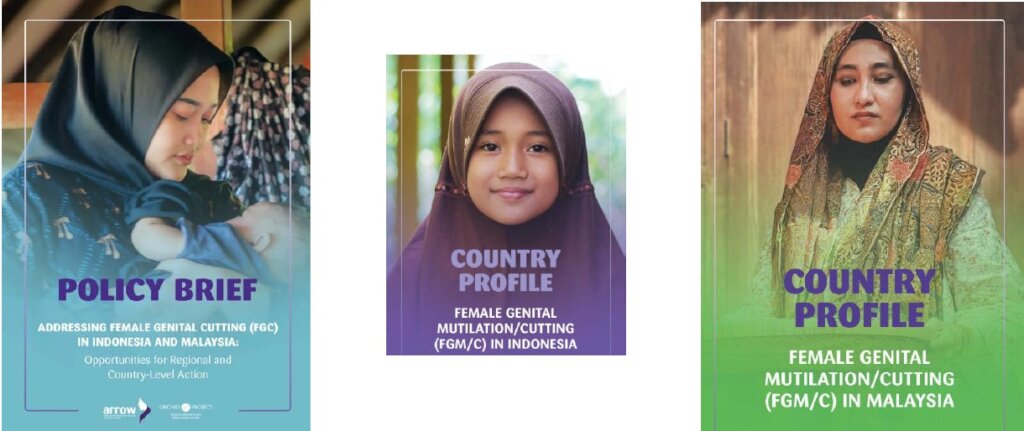
In Asia, Orchid Project published the Indonesia Country Profile, accompanying Law Report and four sub-national reports following an extended review and validation process. The reports are currently being translated into Bahasa to improve accessibility and support national engagement. The reports can be found here.
Across the Middle East, we completed the drafting and editing of ten law reports documenting legislative frameworks related to FGM/C, alongside ten accompanying country reports. During the reporting period, we also continued working with Wadi to revitalise the Middle East Network through new publications, strengthened collaboration and future stakeholder engagement.
We also continued developing World Health Organization training materials designed to strengthen evidence generation among local organisations and community-based organisations.
In parallel, research examining the maternal health consequences of FGM/C progressed during the reporting period, while Orchid Project staff contributed two chapters to a forthcoming academic publication on FGM/C in Africa.
Our role as a trusted research partner was further recognised through an invitation from UN Women to coordinate a civil society submission to the United Nations Secretary-General's biannual report on FGM/C. Together, these resources are helping governments, UN agencies, researchers and grassroots organisations advocate for evidence-based policy and programming.
Using Storytelling to Reach New Audiences
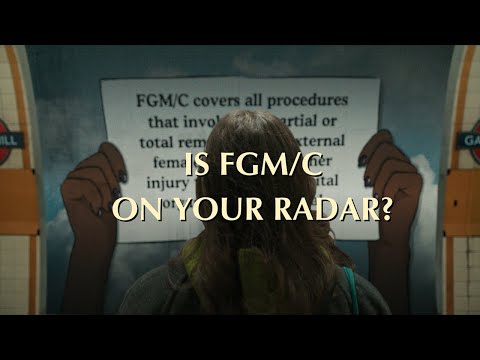
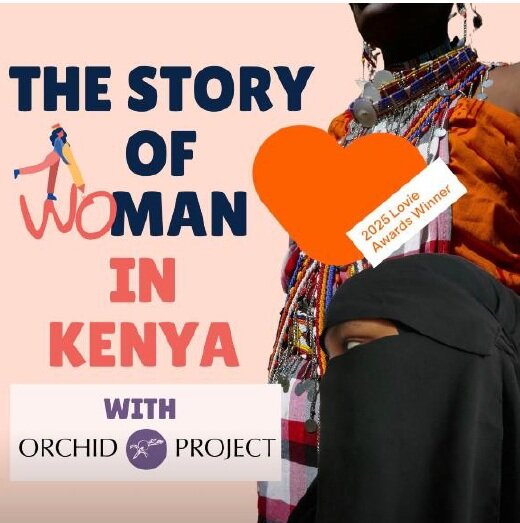
Awareness remains essential to ending FGM/C. For the International Day of Zero Tolerance for Female Genital Mutilation/Cutting, Orchid Project launched a new short film produced through support from Media Trust and the Crucible Foundation.
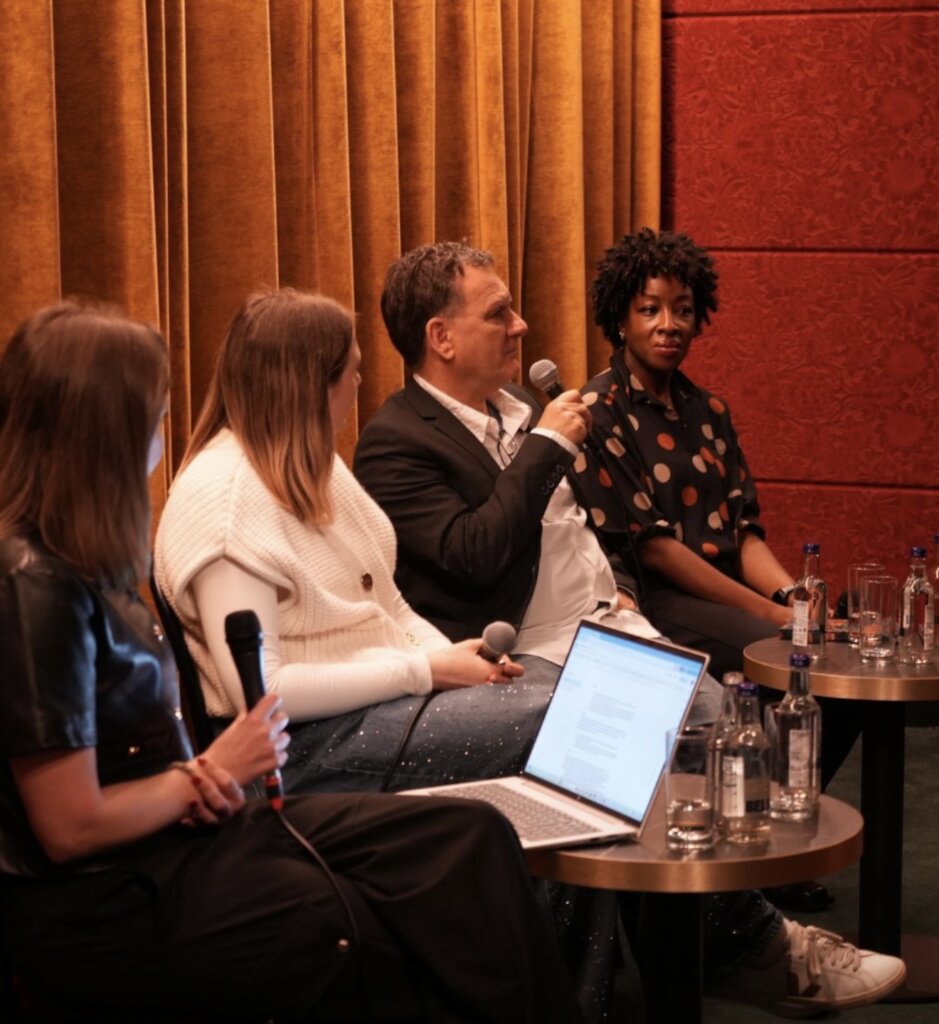
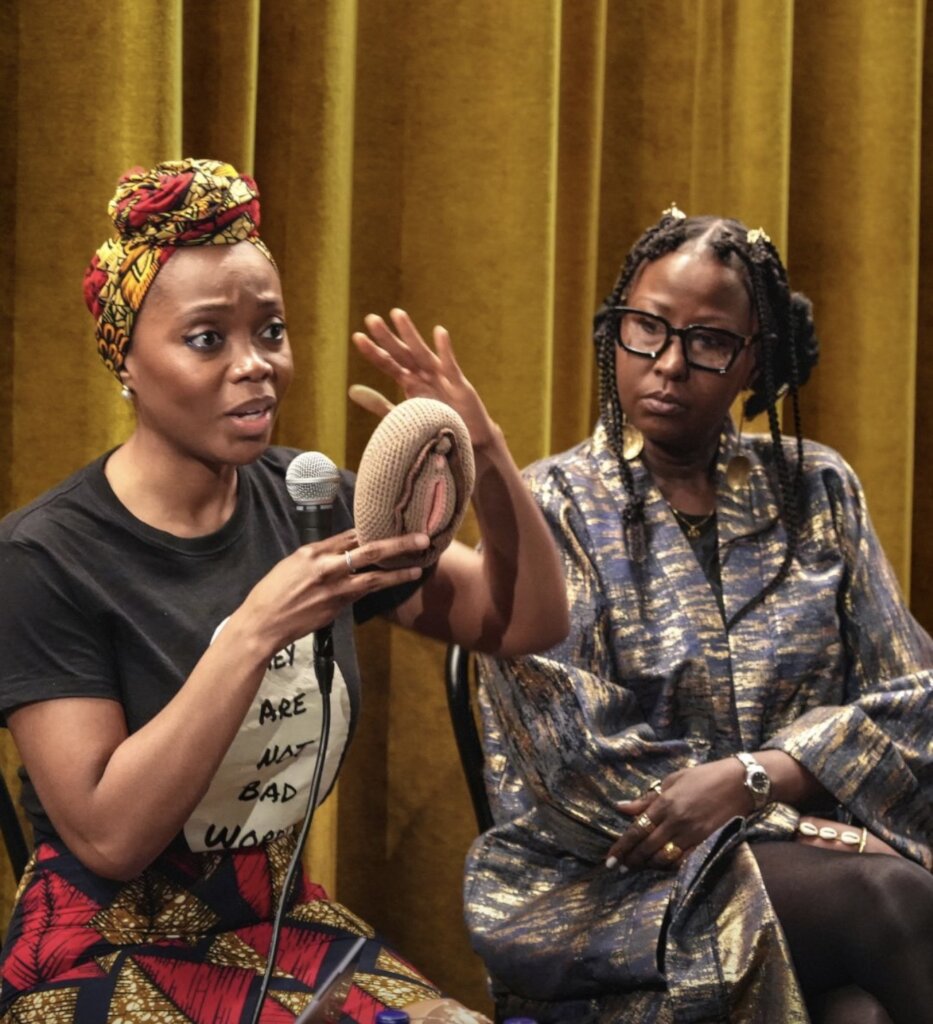
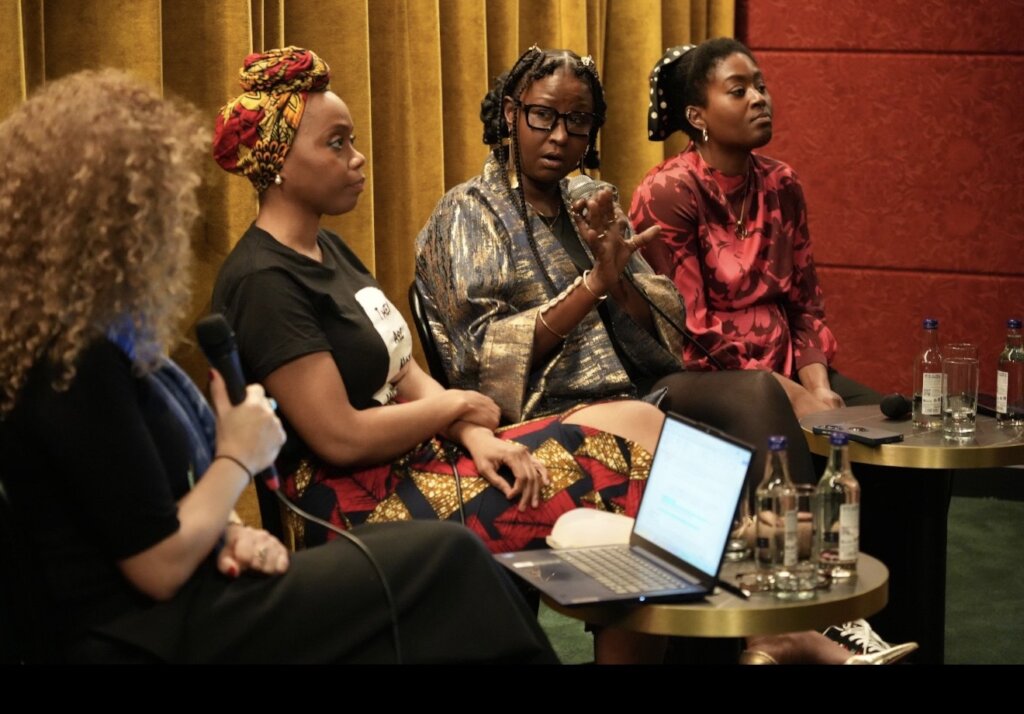
To mark International Day of Zero Tolerance for FGM/C we hosted an event with Here we Flo starting with a screening of our film, followed by two panel discussions. We created a safe space for knowledge sharing, learning and awareness raising. The launch brought together activists, survivors, healthcare professionals and partners to explore FGM/C, women's health and reproductive rights. You can find more about the campaign and video here.
The film has since been shared through multiple platforms, including a UN Women event, helping us reach wider audiences and encourage new conversations around the issue.
Alongside this work, we continued promoting our legal and policy analysis on Indonesia, highlighting a historic milestone: the country's adoption of legislation explicitly prohibiting FGM/C - the first such legal framework in Asia.
Strengthening Our Systems and Partnerships
Alongside our programme work, we successfully completed a major improvement to Orchid Project's fundraising infrastructure through the implementation of FinDock and the launch of new online donation pages. This project has strengthened our customer relationship management (CRM) system by streamlining donation processing, improving data quality and enhancing the supporter journey.
We also continued strengthening the partnerships that will help sustain Orchid Project's impact over the coming years. During Skoll World Forum Week in Oxford, Orchid Project co-hosted and participated in a number of side events, building relationships with philanthropic organisations and funders while contributing to discussions on gender-based violence. These engagements provided valuable opportunities to raise the visibility of FGM/C within wider conversations on gender equality and social justice.
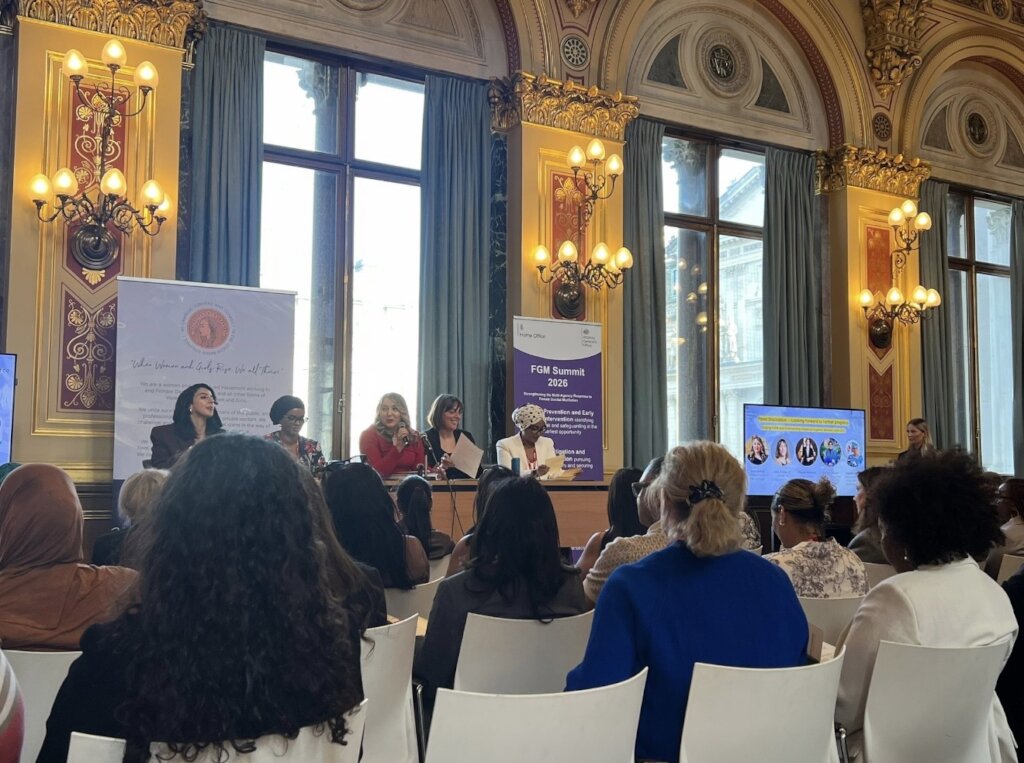
In the UK, Orchid Project was one of only two organisations invited to present evidence at the Home Office UK FGM Summit. Sharing our research and expertise alongside key stakeholders further strengthened Orchid Project's position as a trusted voice on ending FGM/C and increased the visibility of our work among policymakers, practitioners and partners.
Looking Ahead
Over the coming months we will continue expanding our research portfolio, strengthening partnerships with regional networks and ensuring that FGM/C remains visible within global health and policy discussions.
We will continue advocating for stronger recognition of FGM/C within the global Violence Against Children agenda and contribute evidence to key international processes, including the United Nations Secretary-General's report on FGM/C. We will also continue preparing for the Justice for Girls: Ending FGM and Child Marriage Global Convening in Kenya, where Orchid Project is co-leading advocacy efforts and supporting the development of the movement's collective action agenda.
At the same time, we will build on the improvements made to our fundraising systems, using stronger data and supporter insights to deepen engagement and maximise the impact of every donation.
We are incredibly grateful for your continued support and partnership. This enables us to strengthen evidence, amplify the voices of women, girls and survivors, and work alongside communities and partners around the world to accelerate progress towards ending FGM/C.
Together, we are helping build a future where every girl and woman can live free from FGM/C. We look forward to continuing this journey with you in the months ahead.
Thank You
Links:
By Carlotta Giuliani | Fundraising Officer
By Fiona Peart | Head of Development
Project reports on GlobalGiving are posted directly to globalgiving.org by Project Leaders as they are completed, generally every 3-4 months. To protect the integrity of these documents, GlobalGiving does not alter them; therefore you may find some language or formatting issues.
If you donate to this project or have donated to this project, you can receive an email when this project posts a report. You can also subscribe for reports without donating.



Support this important cause by creating a personalized fundraising page.
Start a Fundraiser