By Elena Volodina | Director of the Diema's Dream Fund (Russia)
Dear Supporters !
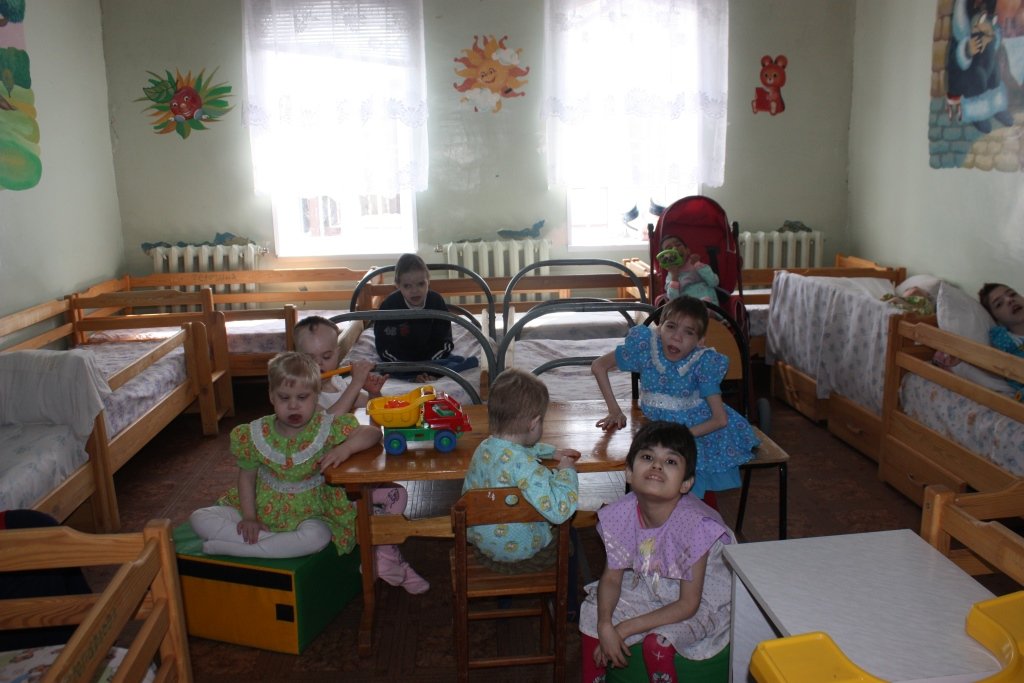
We are grateful for your donations in helping the most "hopeless" children have such a supportive group!
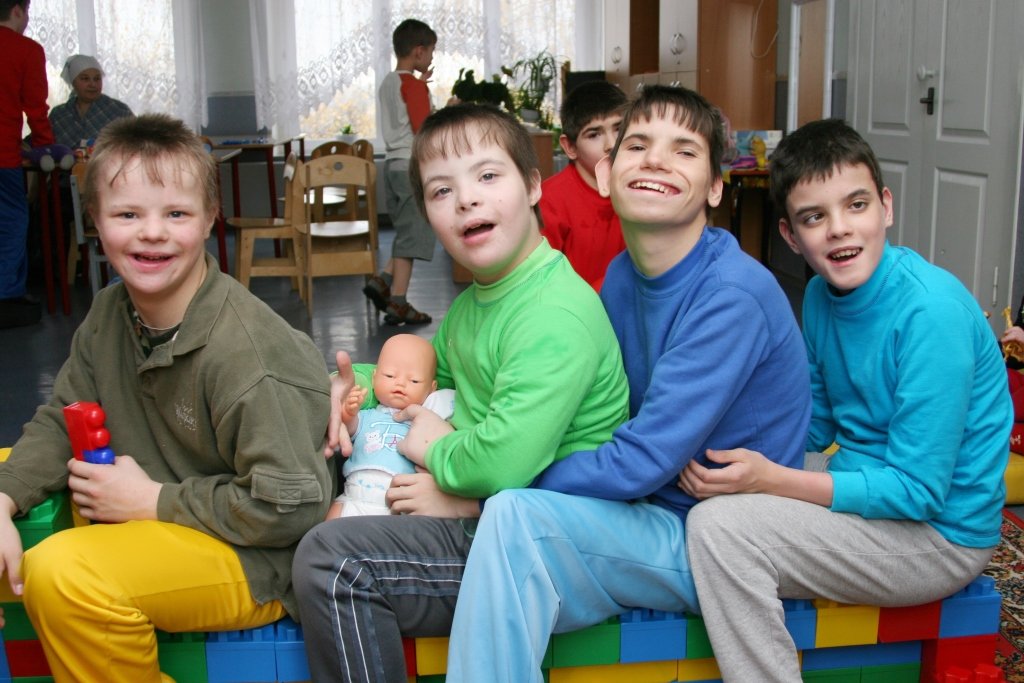
Due to your generosity in the Open Challenge in March 2014, the funds raised allowed us increase the project from 1 month to 2 months of rehabilitation and educational activities for children with the most severe psychophysical development . We are supported by more than 68 donors! This gives us confidence that the children will pass the diagnostics, rehabilitation and develop their life skills! By reaching these goals, it will improve their quality of life!
Our 100 children have 68 benefactors!
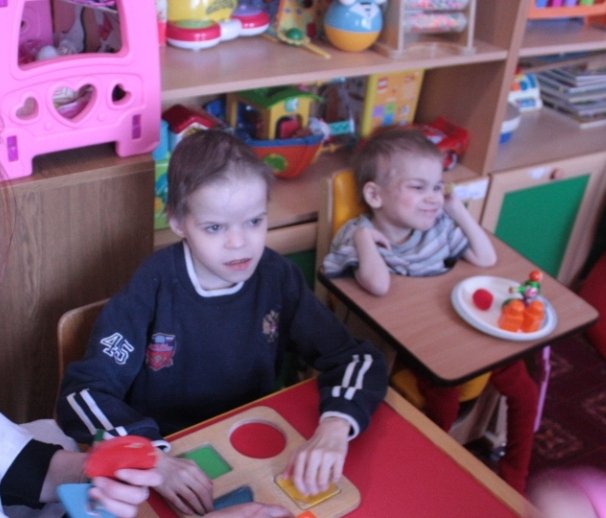
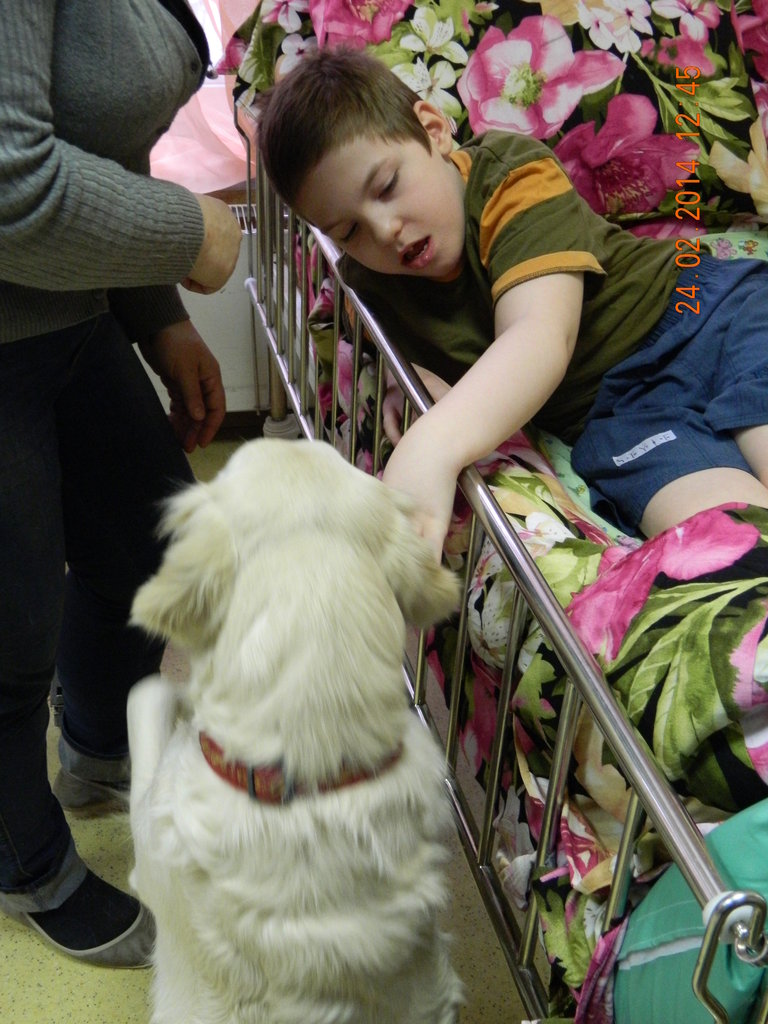
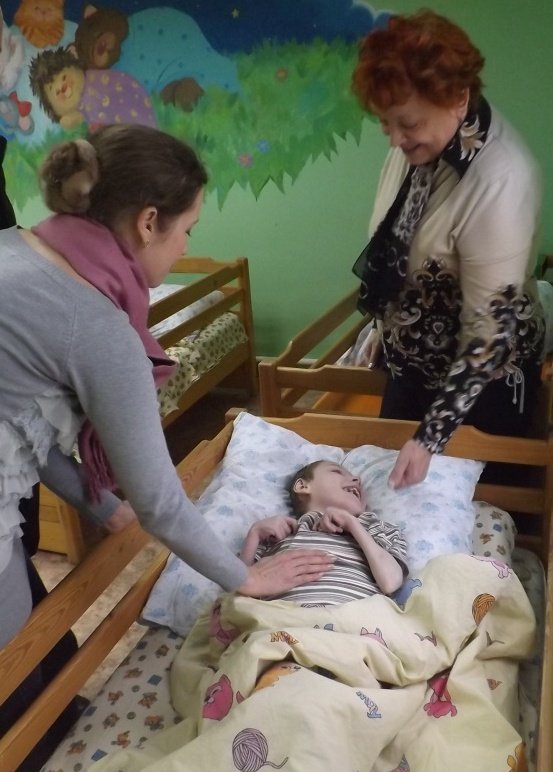
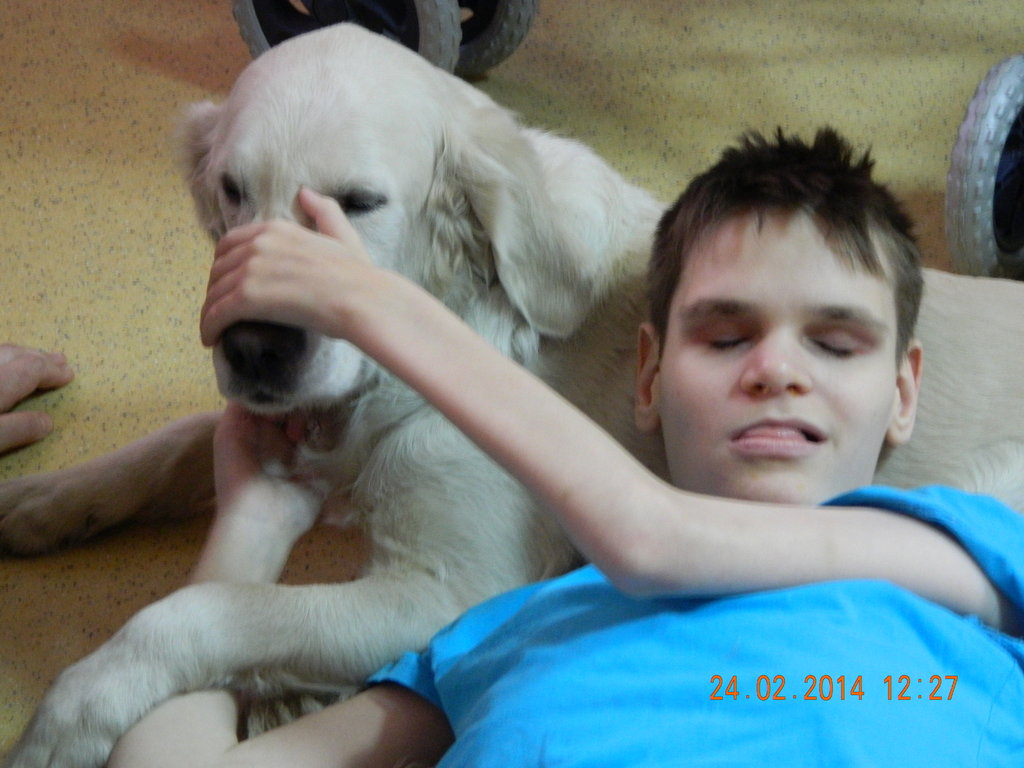
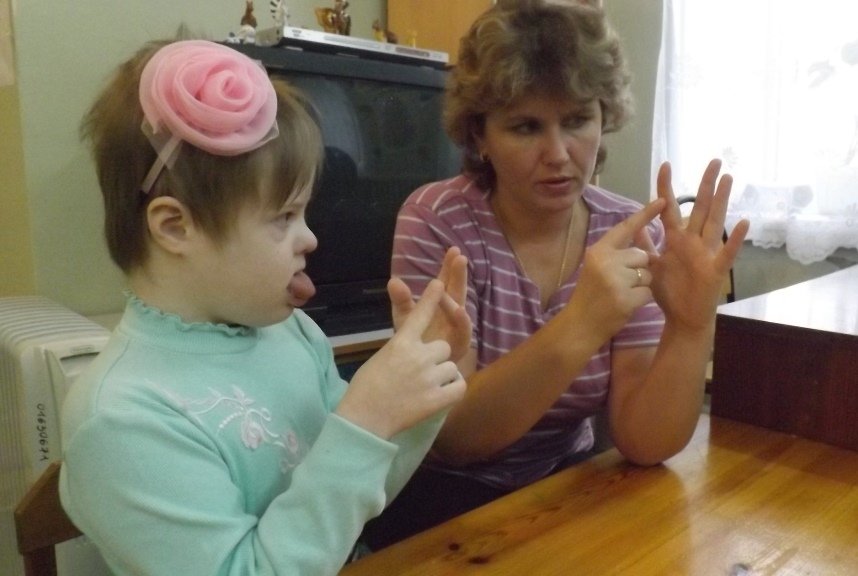
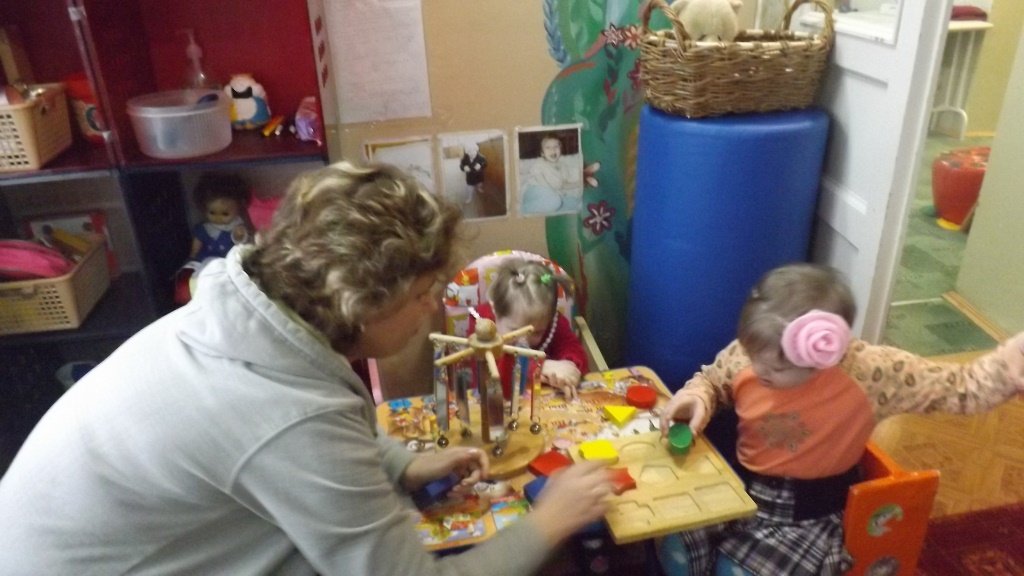
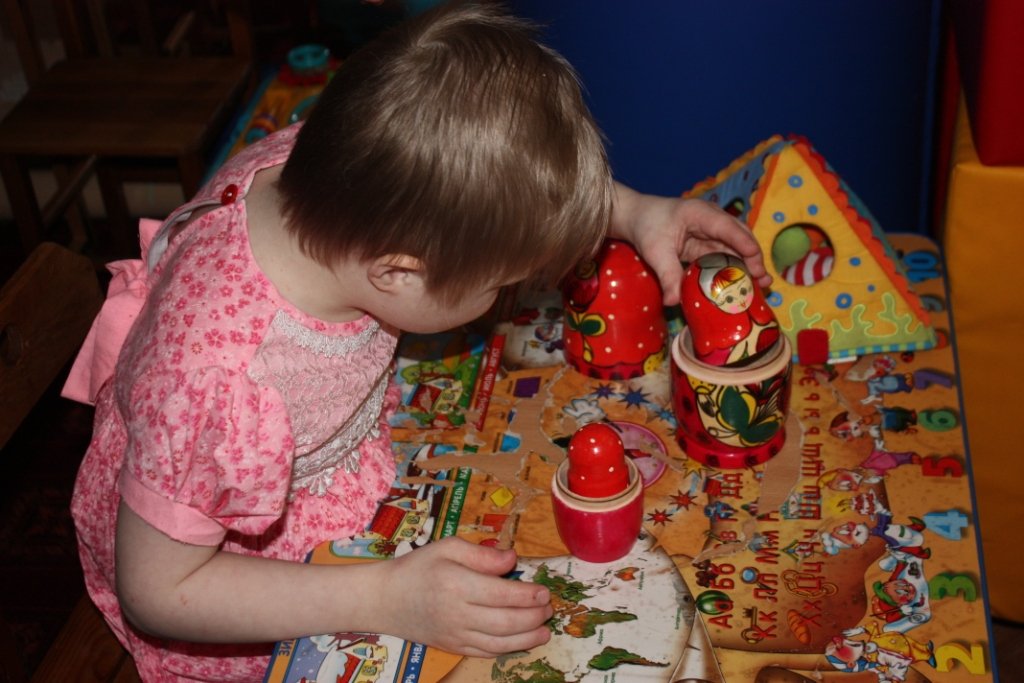
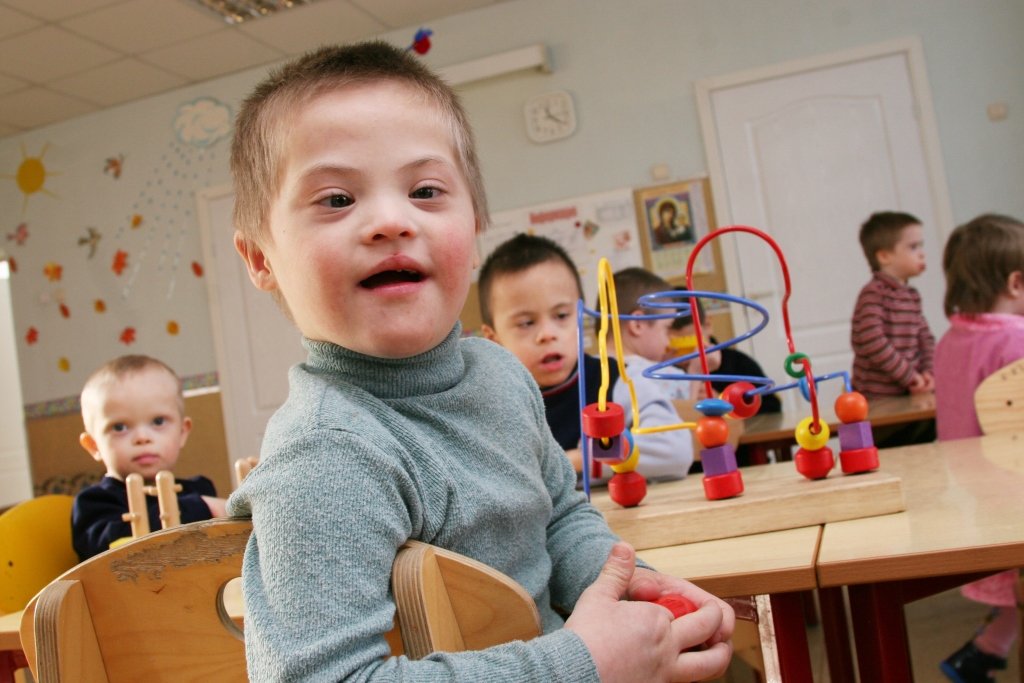
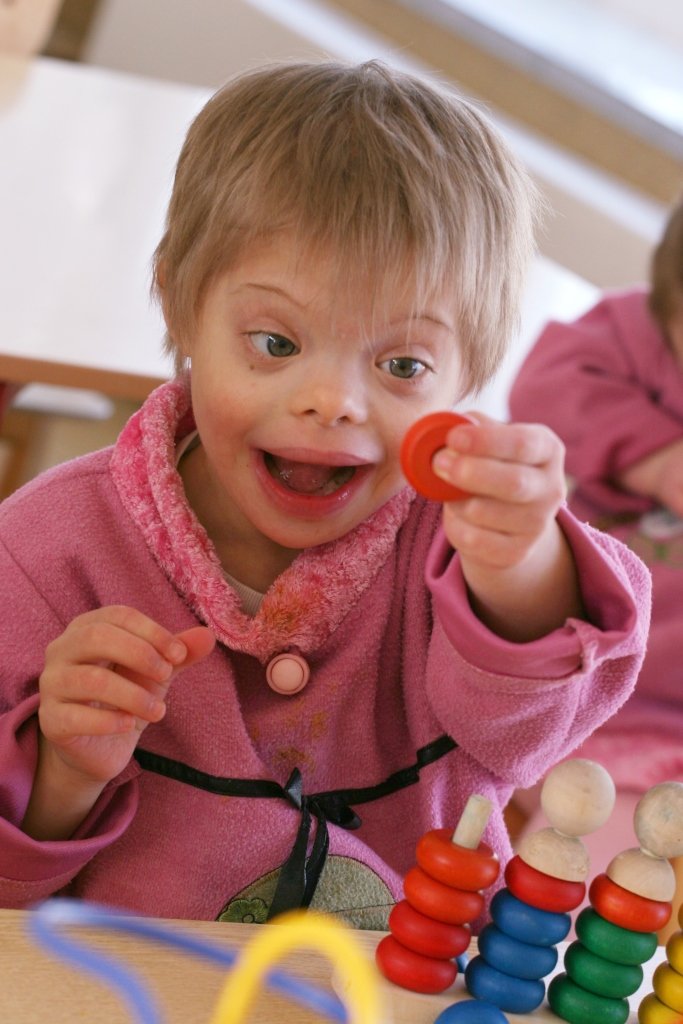
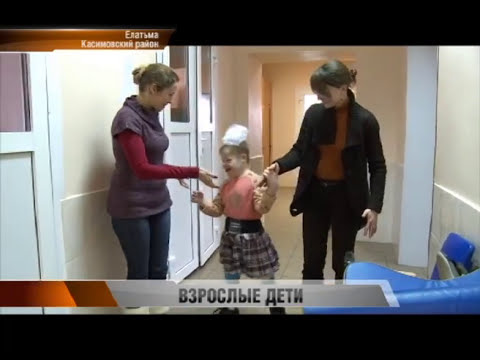
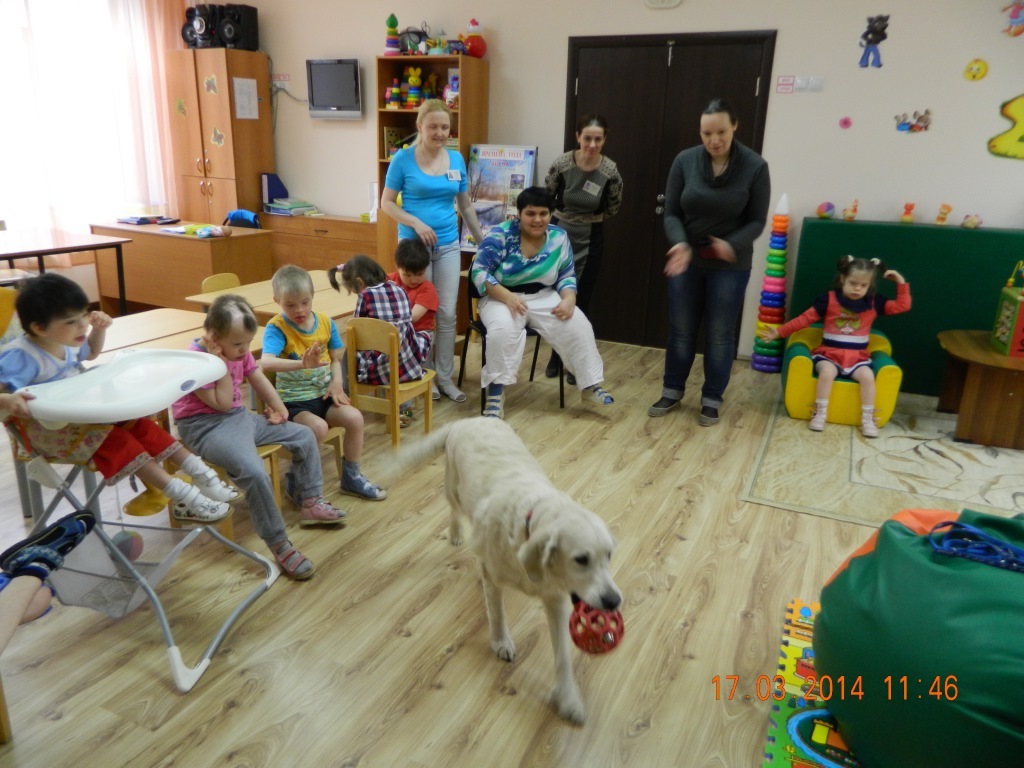
Due to the funds raised, in March we held a Dog-therapy session in Orphanage # 8 in Moscow and in Elat’ma Orphanage (320km. far in the Village), 5 additional teachers conducted daily educational sessions for 18 children.
How does Dog-therapy help children with disabilities?
As a result of Dog-therapy, the children with severe developmental disabilities have: - Improved coordination - Decreased spasticity - Improved memory - Become more independent and self-reliant Dog-therapy takes advantage of the physiology, psychology and communication with other people and the world.
How can dogs be therapists?
Initially, if a child is afraid of the dog, the dog will simply show it’s friendliness from afar: wagging their tails, turning in circles or with bells on their collars walking around the room arousing children's interest. At the same time, the dog does not come close to the child without a team nor make any sounds. The main thing is that during the classes, the dogs give the children a constant feeling of happiness and a whole new world friendly. Even the closed hearted melts at the sight of a furry creature, struggling to express boundless joy and tenderness.
Dog-therapy (Canis-Therapy) History
Since the middle of the 20th century, it has been observed that the striking influence that dogs therapists have on children with cerebral palsy, autism, mental retardation , Downs syndrome, epilepsy and other serious diseases. The concept of Canine therapy was introduced in 1961 by American psychotherapist Boris Levinson. He first noticed that patients reactions were improved when his golden retriever sat in the during his office sessions.
Special breed of dog
Golden retrievers are a special breed! Due to their calm nature, they are the perfect temperament to help people who are limited in their physical and mental capabilities. In some hospitals abroad, specially trained dogs are even allowed in the intensive care unit for patients who are in a coma. The contact with the dog has beneficial results.
Sunny Dogs
Tatiana Lyubimova, director of Sunny Dogs, says: " No matter how complex his diagnosis is or how profound his mental retardation is, as soon as a child picks up the leash, he feels like a person - so he walks the dog and then begins to perceive himself. A dog accepts a person as he is. This is the main factor of Canis therapy. "
What was the result of the therapy session?
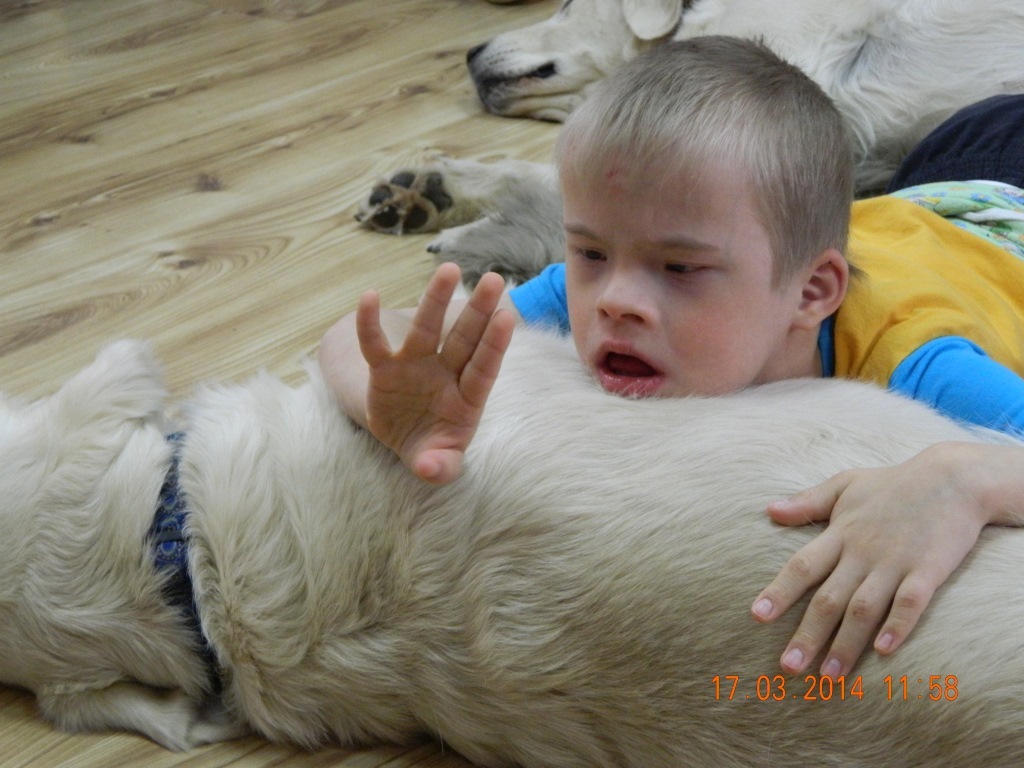
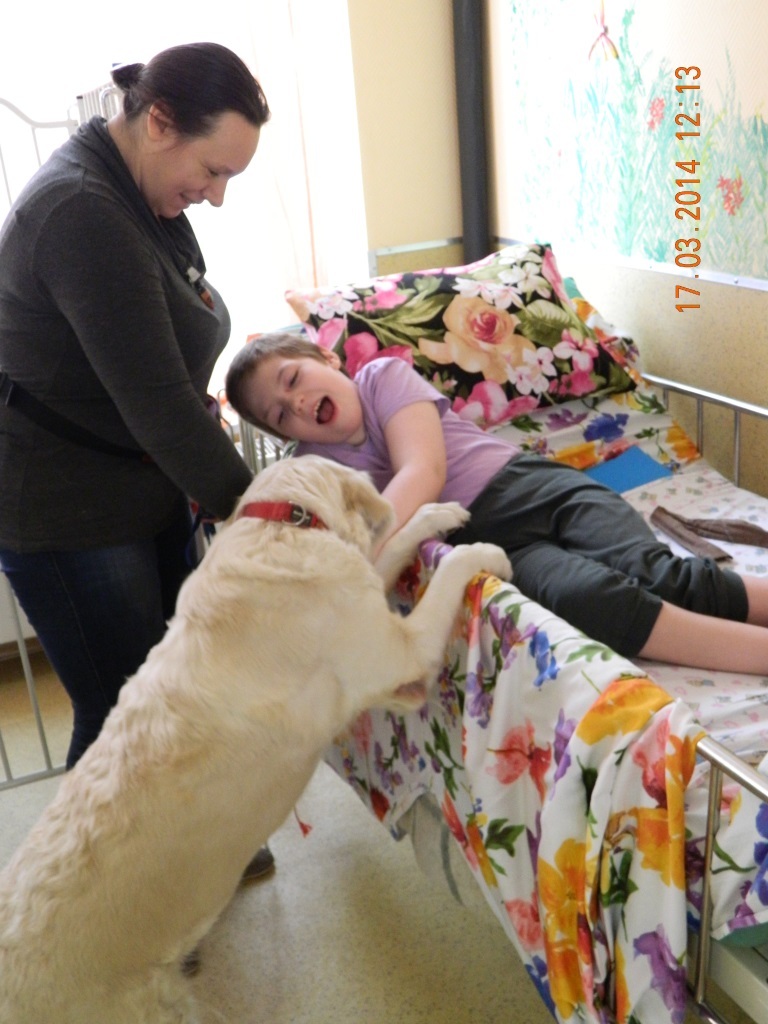
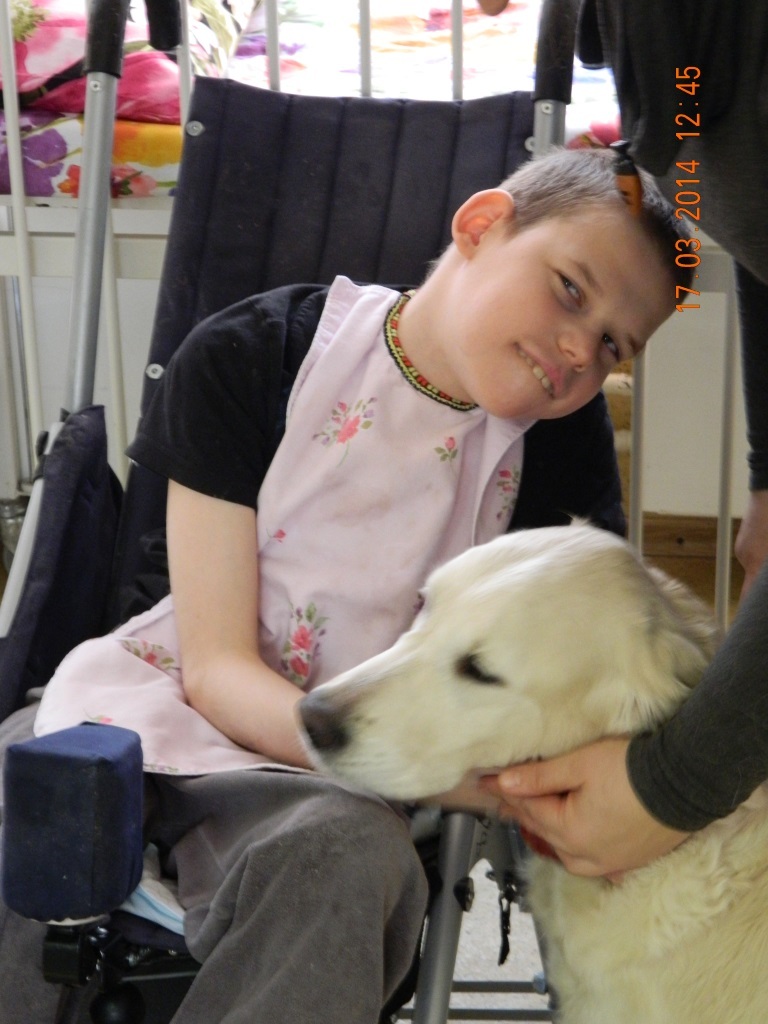
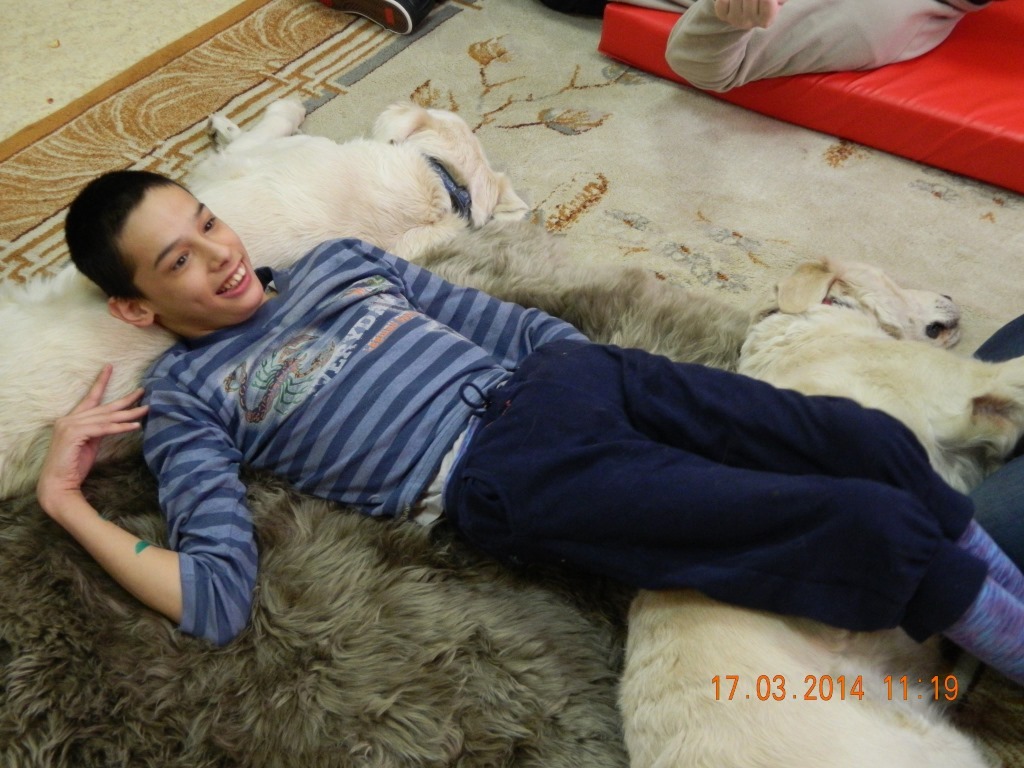
At the March session, the dogs pranced around, walked backwards, stood on their hind legs and played catch with the toys - the children were ecstatic and they loved playing with the dogs! Then 15 children had individual lessons learning how to use the toys to get the dogs to do tricks. Many of the children had never been with dogs before and for them it was a novelty. But the reactions of almost all the children were the same - curiosity and enthusiasm. During the sessions, it was noted that the children become very calm. Each child has his own ways of understanding the world and they display their emotions in different ways. One child just laid down next to the dogs, another touched their face or tail and another stroked the dog’s fur. Dogs give children unconditional love and warmth and the children genuinely feel it.
Project reports on GlobalGiving are posted directly to globalgiving.org by Project Leaders as they are completed, generally every 3-4 months. To protect the integrity of these documents, GlobalGiving does not alter them; therefore you may find some language or formatting issues.
If you donate to this project or have donated to this project, you can receive an email when this project posts a report. You can also subscribe for reports without donating.