By Maryam Asim | Management Representative
Dear Kind Donor,
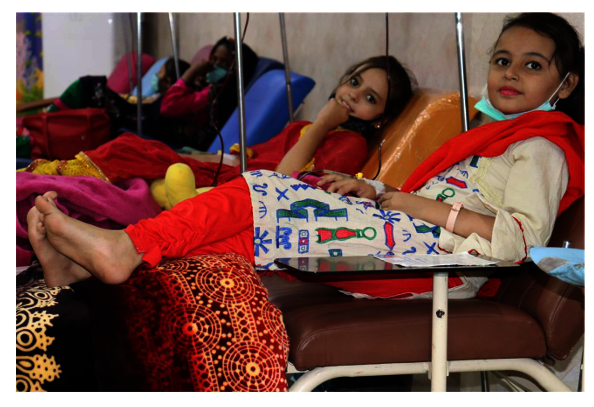
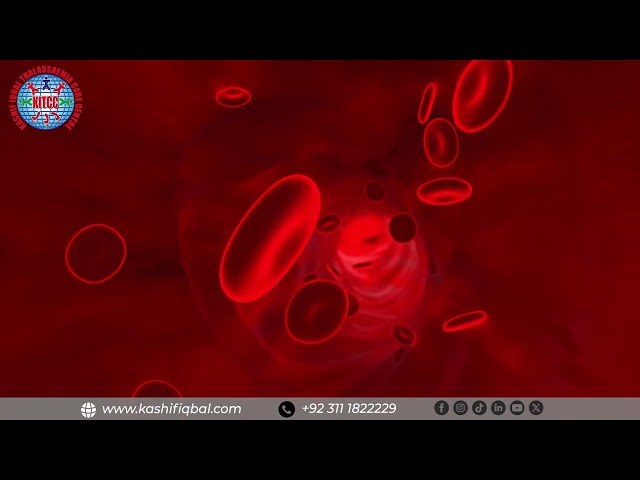
For children living with transfusion-dependent thalassaemia, blood transfusions are essential for maintaining healthy haemoglobin levels. But repeated transfusions also introduce iron into the body. Unlike normal dietary iron, this excess iron cannot be naturally removed and can gradually accumulate in vital organs.
The Hidden Risk After Every Transfusion
Iron overload is one of the major long-term complications of transfusion-dependent thalassaemia. When excess iron is not properly managed, it can affect the heart, liver, endocrine system, and other organs.
The heart is particularly important. Iron accumulation in the heart can gradually affect cardiac function and may lead to serious complications if it is not identified and managed in time.
This means that thalassaemia care cannot stop at blood transfusions. Patients also need regular monitoring, iron chelation therapy, investigations, and specialist care to reduce the risk of long-term organ damage.
Our Approach
At Kashif Iqbal Thalassaemia Care Centre (Trust), we work to provide comprehensive care for children and families living with thalassaemia.
Through this initiative, we aim to support:
Early identification of cardiac complications allows healthcare teams to assess patients and plan appropriate management before problems become more severe.
Why Your Support Matters
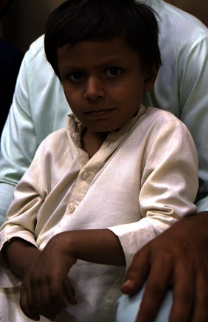
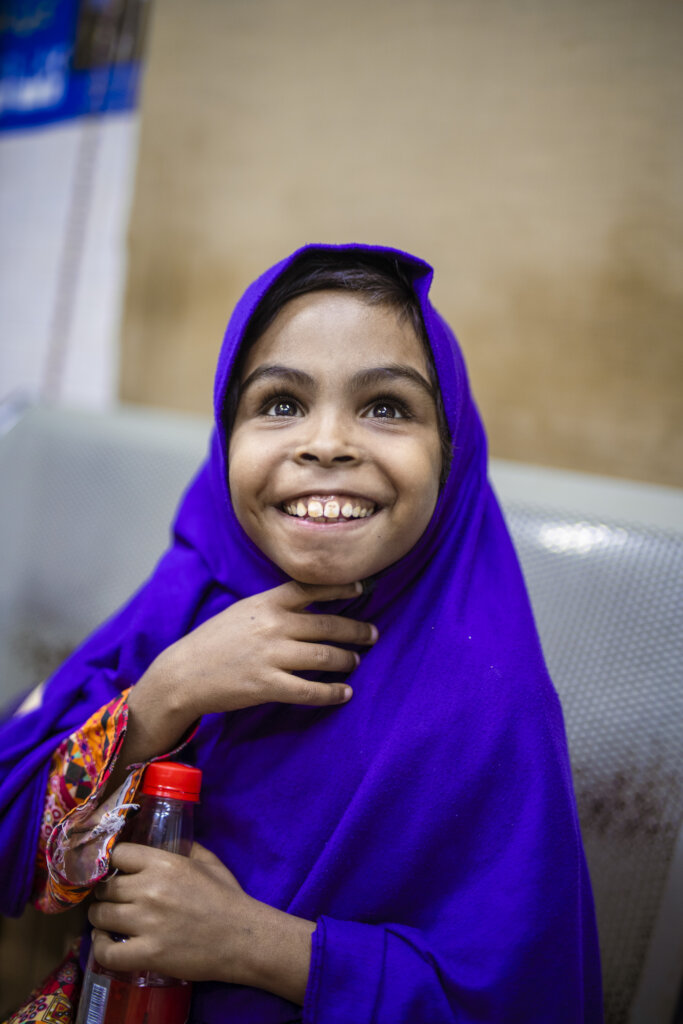
Families affected by thalassaemia face a lifelong treatment journey. Regular transfusions are only one part of that journey. Managing iron overload and monitoring vital organs are equally important for protecting long-term health.
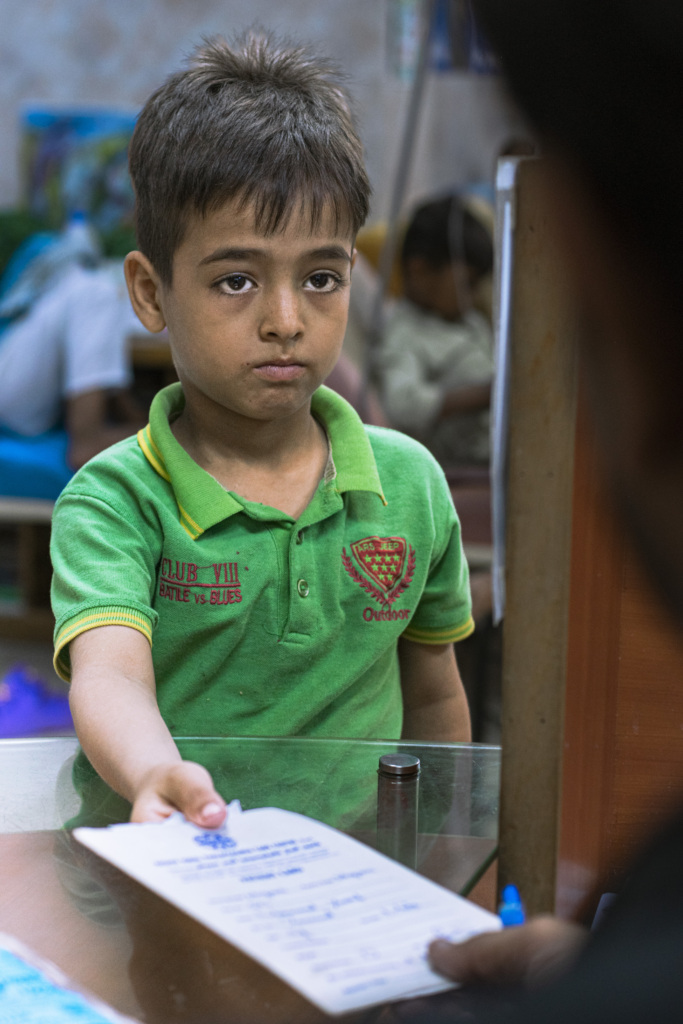
Many families who come to KITCC face financial difficulties and cannot independently manage the continuing cost of medicines, investigations, and specialist healthcare.
Your donation can help us provide the monitoring and treatment that patients need to manage iron overload and protect their vital organs.
Together, we can look beyond the transfusion and help protect the heart, liver, and future health of children living with thalassaemia.
Support thalassaemia care today.
By Maryam Asim | Management Representative
By Maryam Asim | Management Representative
Project reports on GlobalGiving are posted directly to globalgiving.org by Project Leaders as they are completed, generally every 3-4 months. To protect the integrity of these documents, GlobalGiving does not alter them; therefore you may find some language or formatting issues.
If you donate to this project or have donated to this project, you can receive an email when this project posts a report. You can also subscribe for reports without donating.



Support this important cause by creating a personalized fundraising page.
Start a Fundraiser