By Luo Haiyan | Project Worker
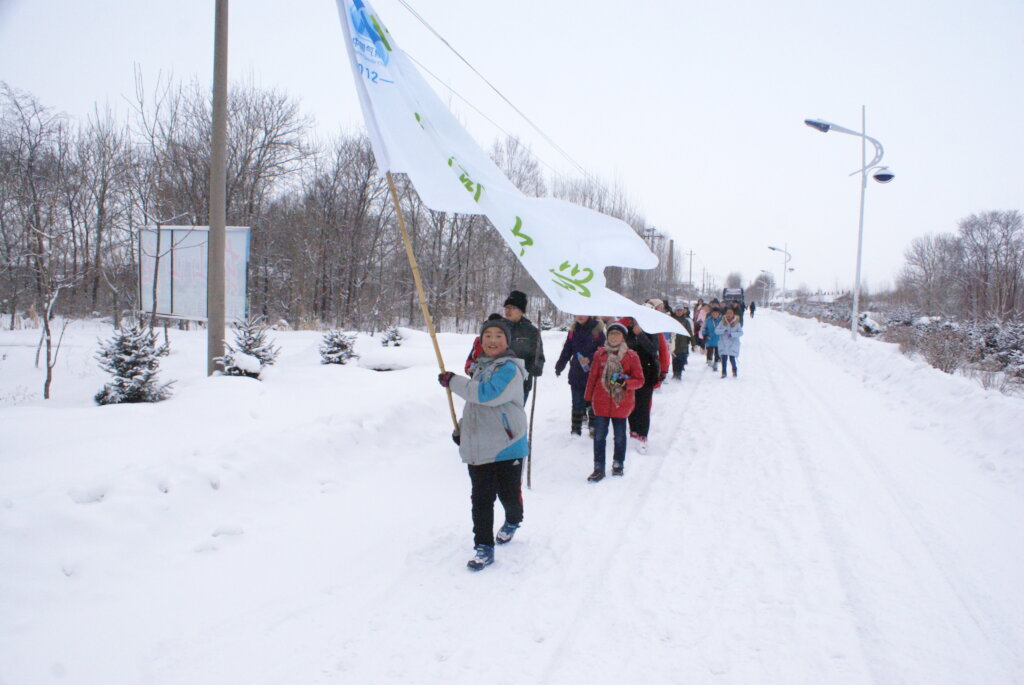
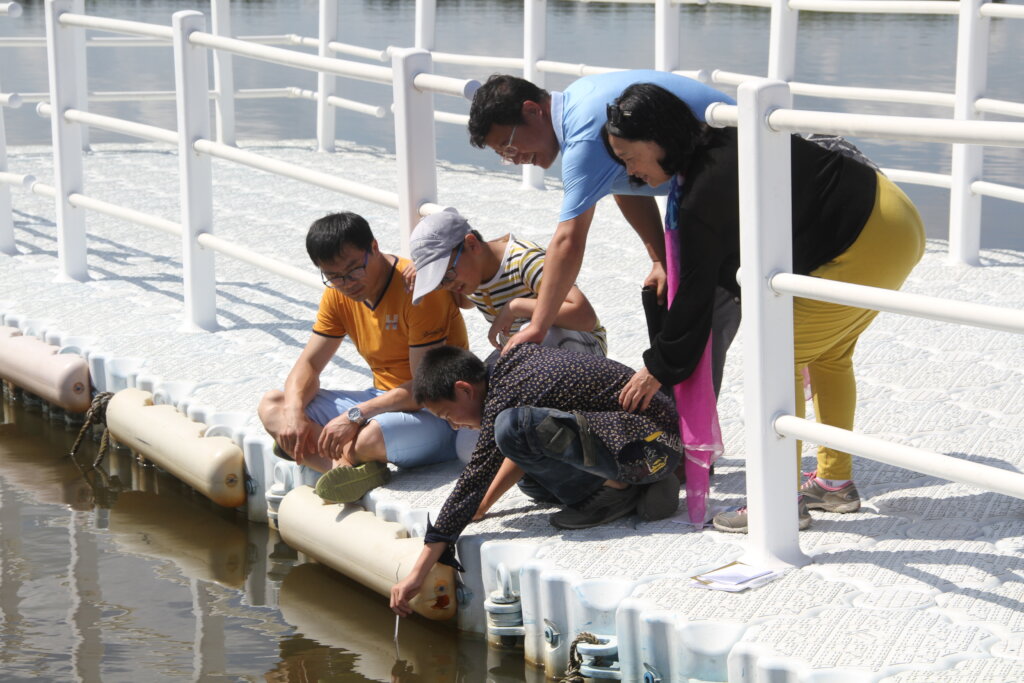
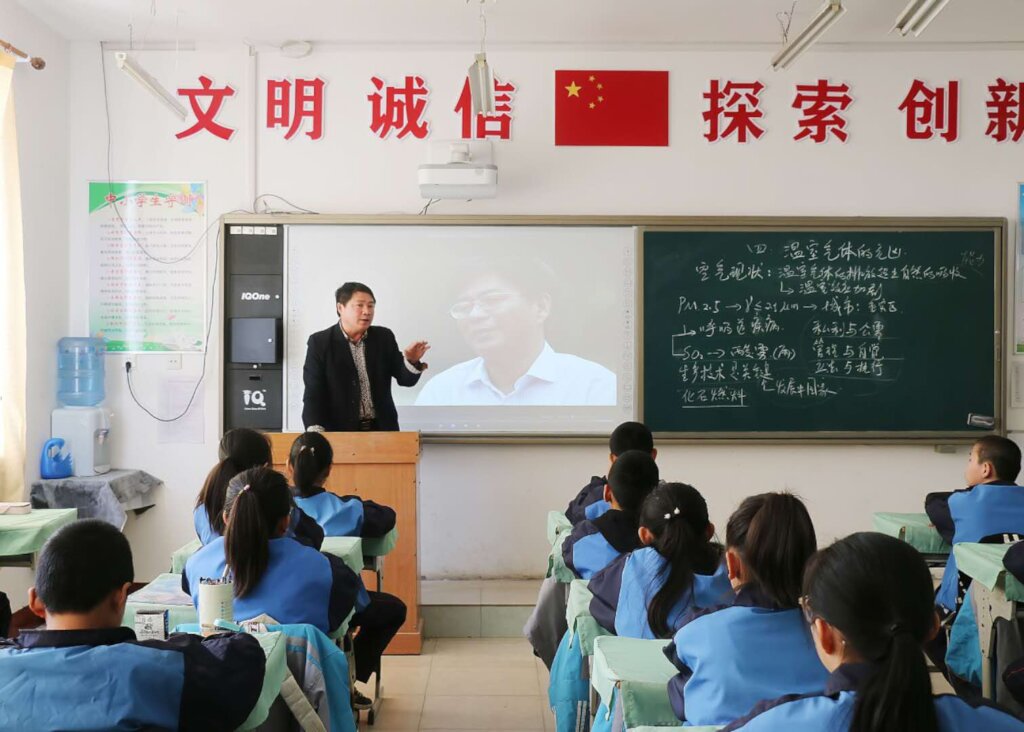
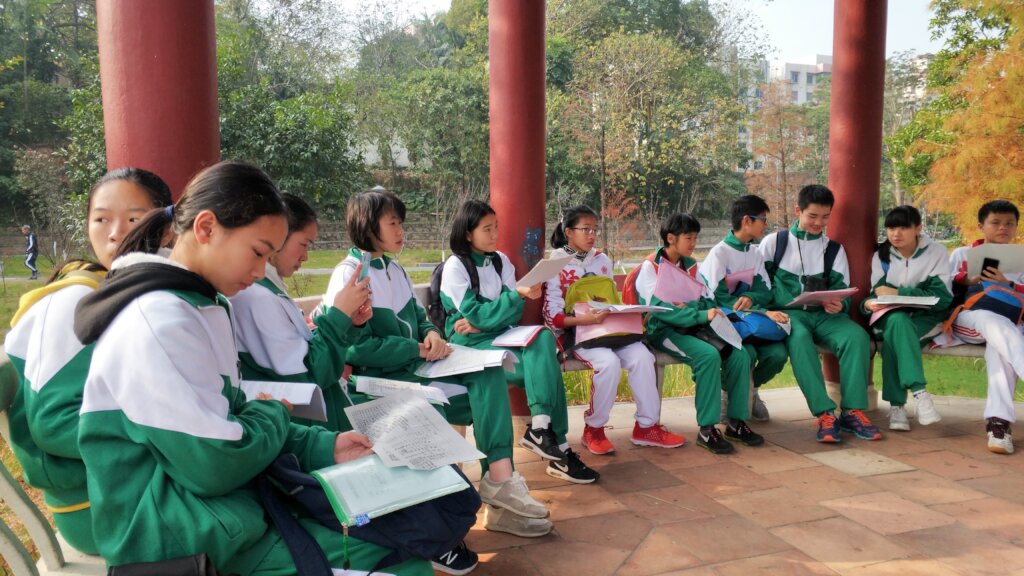
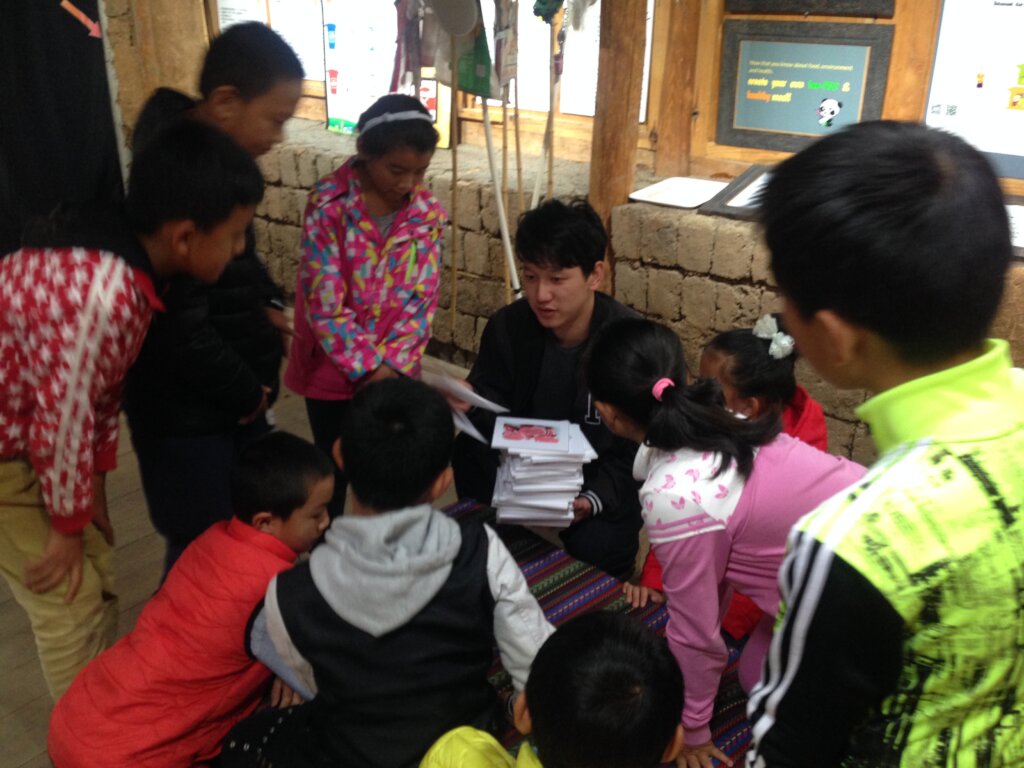
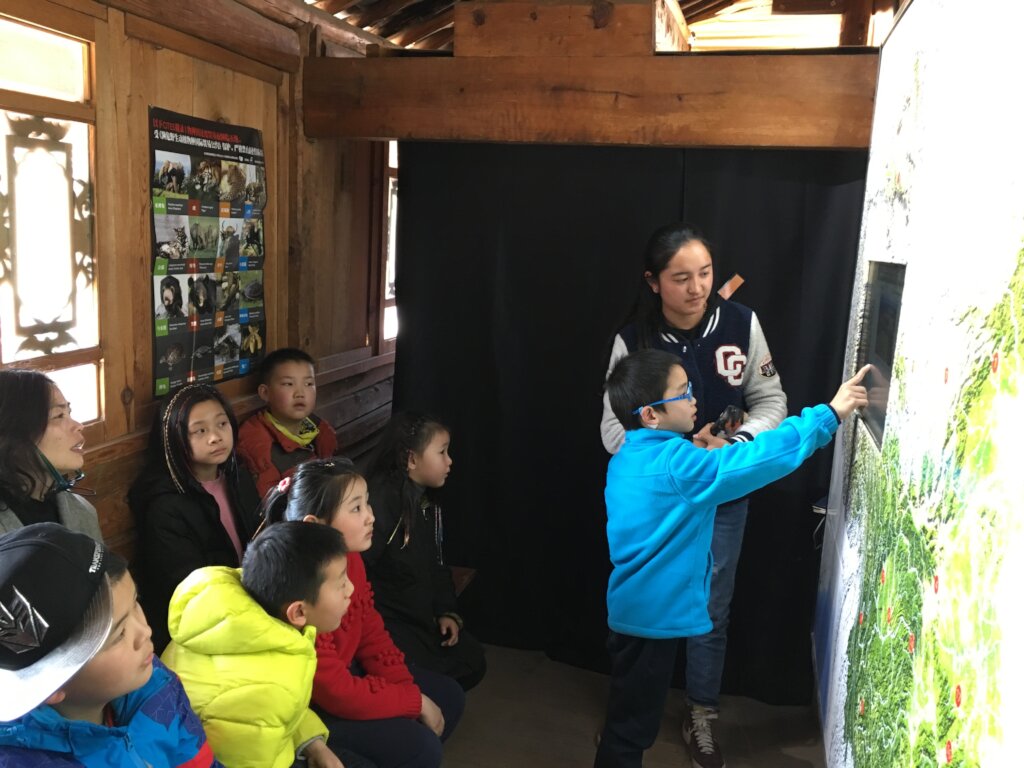
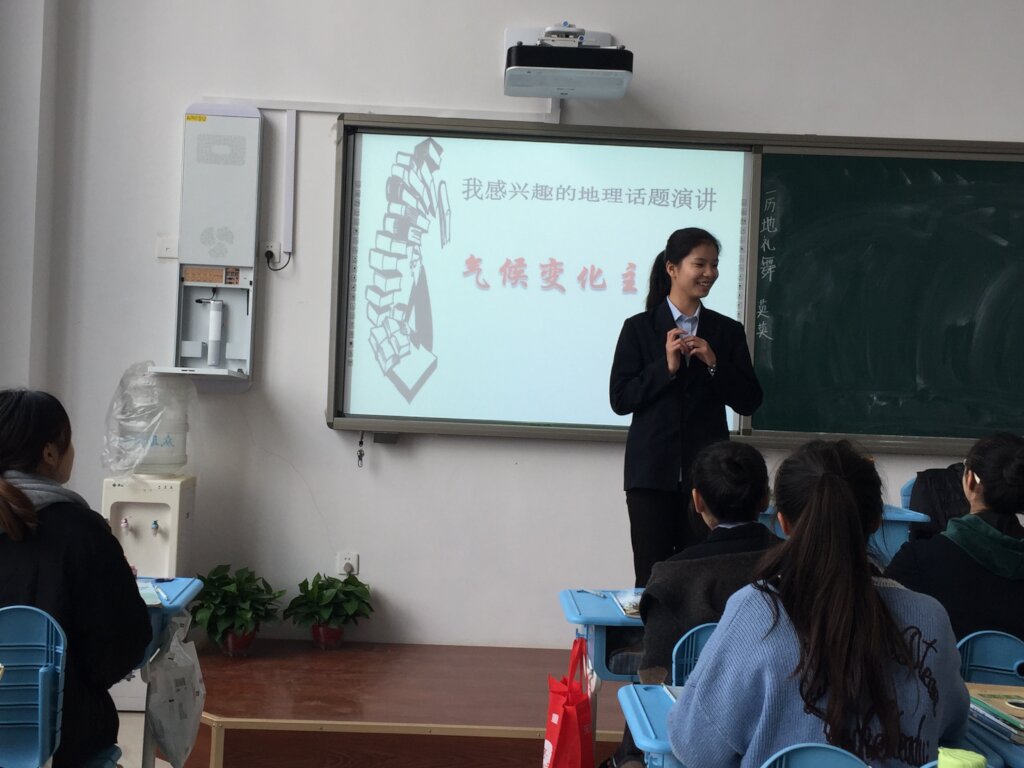
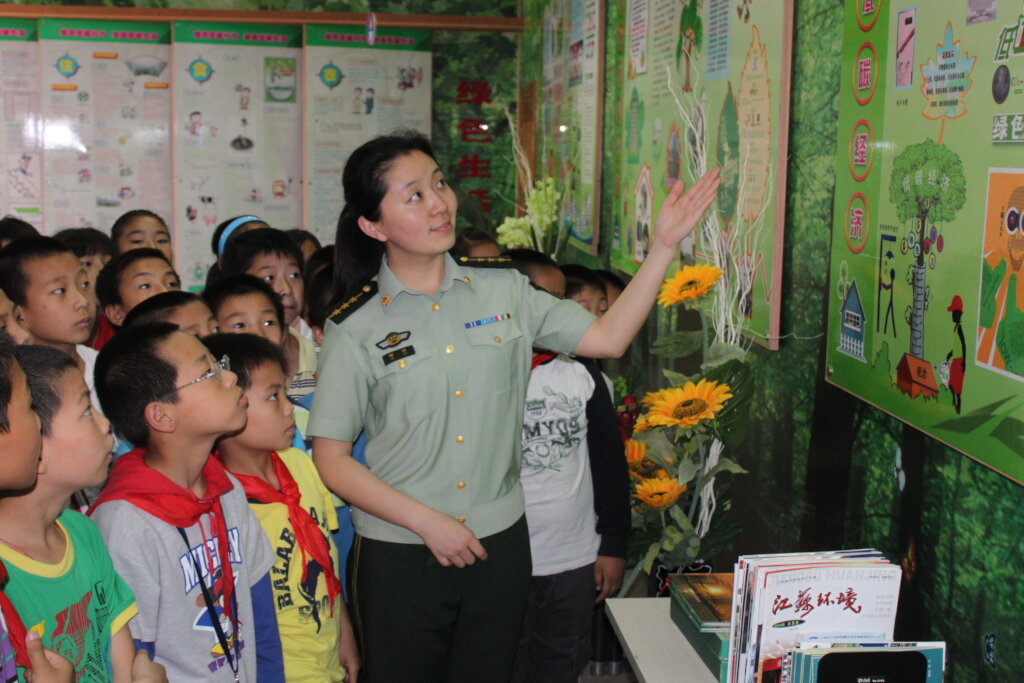
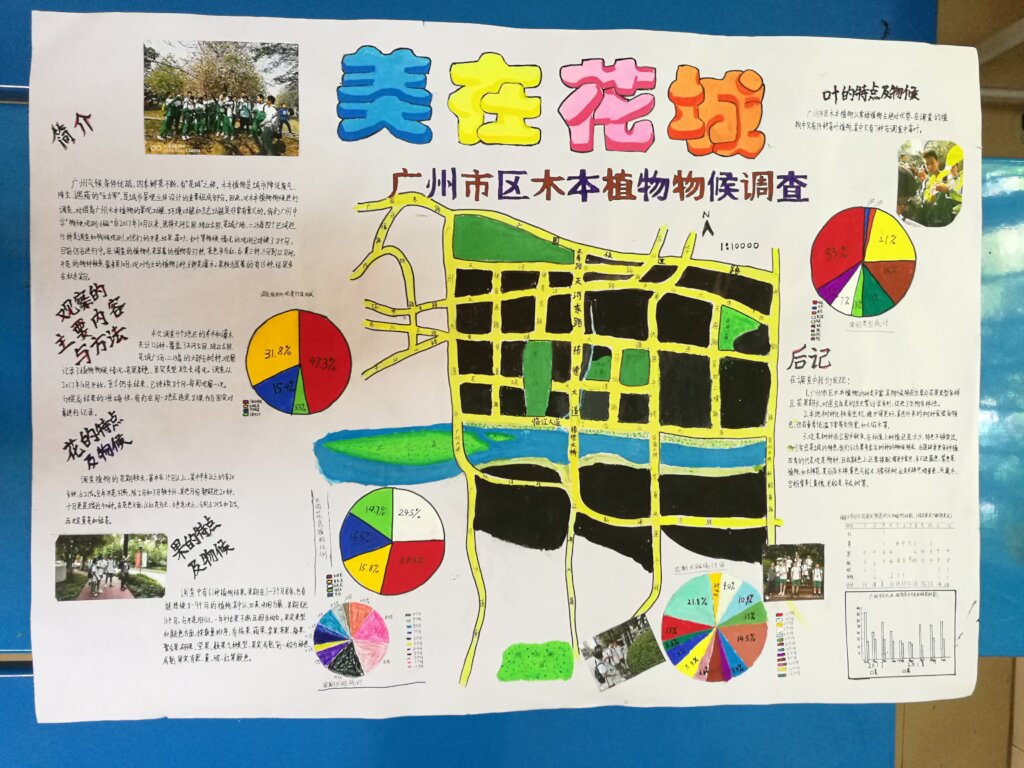
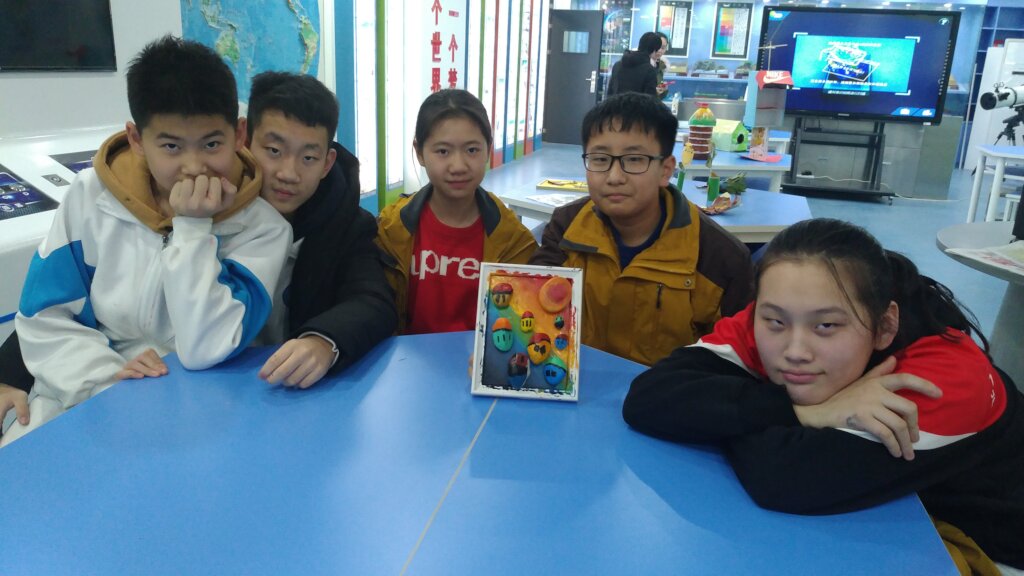
I am a junior high school geography teacher. My daily school work involves geography teaching and coaching related science and technology projects. Since participating in the first-phase primary class of the China Climate Change Education Teacher Training organized by the China Association for NGO Cooperation (CANGO) in 2012, my vision and thinking have been broadened. Under the guidance of the training teachers and with the reference of the special textbooks on climate change for middle school students edited by CANGO, I have actively embarked on my exploration of climate change education in middle schools. Over the past few years, my harvest has been tremendous. My work has become more interesting and valuable, and with the affirmation of my colleagues and leaders, many highlights have been added to my career. During this period, I received a lot of help and support from CANGO: I participated in the second-phase advanced class of climate change education teacher training in 2018; from 2012 to 2018, I participated in the national salon activities and seminars organized by CANGO; and in 2018, I had online WeChat exchanges. These exchanges and training gave me a lot of inspiration and helped me clarify the unique path I should take in climate change education. My understanding of climate change education is as follows: Based on multidisciplinary knowledge such as geography, biology, chemistry, and history, it enables people to understand the causes of climate change, recognize the impacts of climate change, and be able to take active measures to respond to it. My strength has always been teaching climate change knowledge points in the classroom, while my weakness lies in guiding students to change their attitudes and take actions. This is also a deficiency in our education system that mainly focuses on exams and paper-and-pencil tests. After realizing this, I started my exploration. It's not particularly difficult to teach students knowledge. Reading, memorizing, and taking exams can do the trick. But it's not an easy task to get students to actively participate in learning, internalize the knowledge, and transform it into actions. Therefore, I considered leading students to carry out interesting phenological observations of climate change. Most of the facts about climate change are told to us by experts. As ordinary members of the public, our perception of climate change is rather slow. If climate change can be seen, more people will have a deeper sense of it and actively participate in actions to address climate change. In recent years, the weather changes have been obvious, and extreme weather has occurred frequently. If we only discuss or observe the weather alone, it's easy to get aesthetic fatigue. For teenagers, they prefer participatory, experiential, and challenging activities. My seven-year experience of bird-watching and plant-watching tells me that phenological observation can be a very interesting activity in climate change education. Therefore, I started training students to establish a bird-watching club in 2013 and opened the "Natural Observation Third Semester Course" in school in 2016. In 2019, with the support of CANGO, I continued the project of "Guangzhou Natural Observation under Climate Change". The comparison of flower phenological observation data in the past two years has begun to tell us that "the climate is changing" and "how the climate is changing".
Project reports on GlobalGiving are posted directly to globalgiving.org by Project Leaders as they are completed, generally every 3-4 months. To protect the integrity of these documents, GlobalGiving does not alter them; therefore you may find some language or formatting issues.
If you donate to this project or have donated to this project, you can receive an email when this project posts a report. You can also subscribe for reports without donating.