Project Report
| Dec 20, 2010
End of the Year Report - Slash & Burn Farming
By Steve Shurter | Project Leader
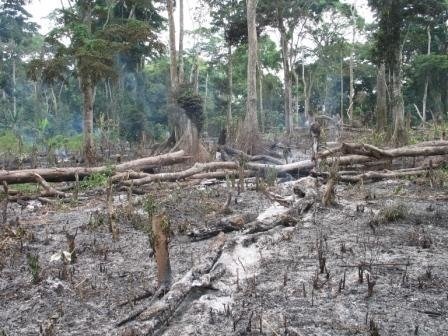
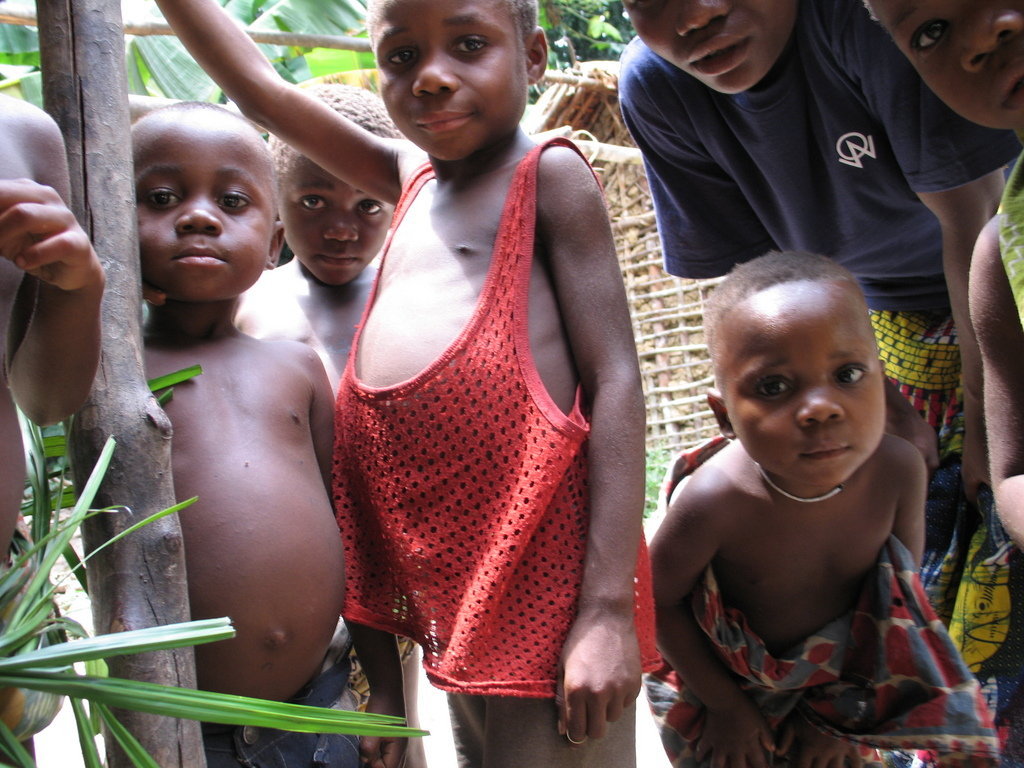
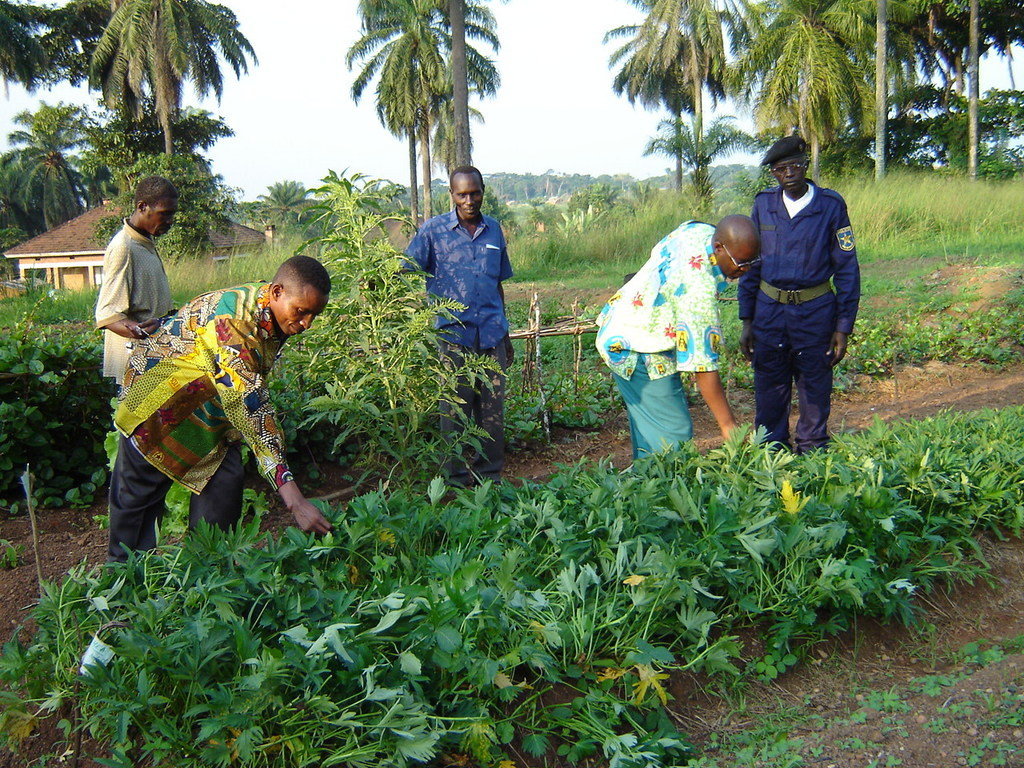
As the year winds down we would like thank all of our friends and supporters of the Okapi Conservation Project who help us to conserve the important forests and wildlife in Africa. Our agroforestry project is working with the people of the Ituri Forest in the DR Congo, providing tools and improved farming methods to help them feed their families and reduce their dependence on unsustainable slash and burn agriculture techniques. Your support in 2010 has helped over 400 farmers receive tools, vegetable seeds and tree seedlings, and our agro-forestry team makes frequent visits to the each participant to provide technical advice. We hope to increase the number of farmers participating with the program around the Okapi Wildlife Reserve, improving their livelihoods while saving thousands of acres of pristine forest. We hope you will share our project success with your friends and consider helping us in 2011 with a gift that makes our world a better place.
Wishing you happy and safe holidays from the Okapi Conservation Project.
![Share on Twitter]()
![Share on Facebook]()
Nov 16, 2010
Agroforestry in the Ituri Forest
By Steve Shurter | International Programs Director
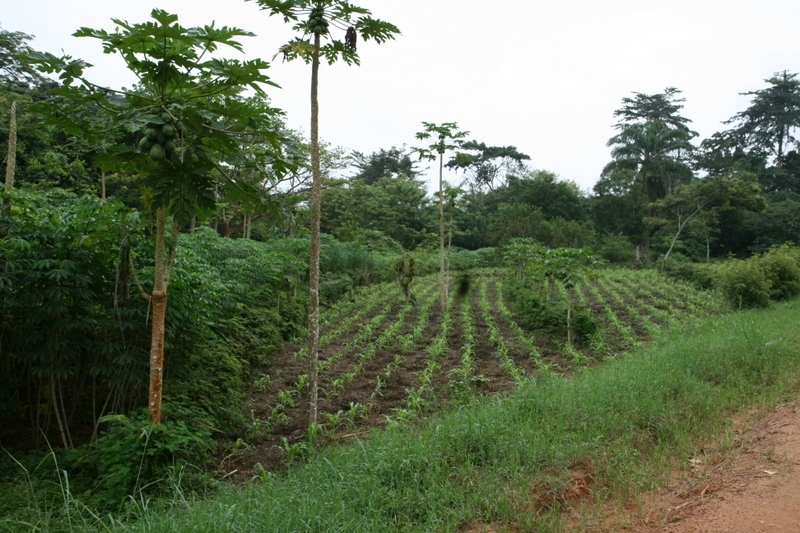
![Demonstration Agroforesty Garden, Epulu, DR Congo]()
Demonstration Agroforesty Garden, Epulu, DR Congo
The solutions to slash and burn agriculture are not simple. Subsistence farmers in the Ituri Forest of the DR Congo have used slash and burn agriculture for centuries practicing shifting agriculture. As the population in the region has grown in the last years, there are many more people around the Okapi Wildlife Reserve all trying to eke out a living from the forest. The same forest which is critically important for the okapi, forest elephants, chimpanzees and many unique wildlife species.
One of the Okapi Conservation Project's methods of stopping slash and burn agriculture has been to introduce new crops which are not detrimental to the forest soils and can provide farmers with ample food for their families. One of these crops, manioc or cassava is a staple food and we have helped introduce disease resistant strains of manioc which produce better yields and high quality leaves and roots, both of which are consumed by farmers and their families.
The Okapi Project has also introduced other vegetables like eggplant, peppers and squash as well as growing techniques to help farmers produce more varied and nutritious foods. Once the farmers see that their current plots will continue to be productive, they don't need ever larger plots which reduces the need for them to cut more forest down. These techniques are known as agroforestry and are an important tool to help farmers live in harmony with the forest. If the forest is intact the wildlife and people who depend on the forest can thrive.
![Share on Twitter]()
![Share on Facebook]()
Aug 9, 2010
Thank You from The Okapi Conservation Project!
By Brandy Carvalho | Project Contact
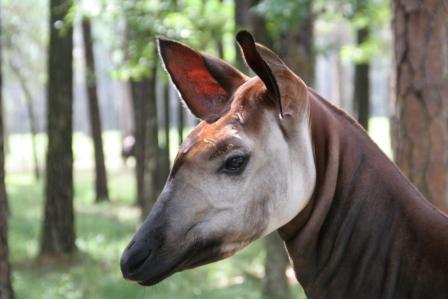
![okapi]()
okapi
Dear Friends of The Okapi Conservation Project,
We are excited to tell you that, thanks to your generous donation, we were able to reach our fundraising goal for the Global Giving Green Challenge!! We raised an impressive sum to "Stop Slash and Burn Farming in the Congo" through the Okapi Conservation Project's agroforestry program.
Since we had such a great response, we have been invited to have a permanent spot on the Global Giving website. This means more exposure and increased fundraising opportunities for The Okapi Conservation Project.
Each and every donor was crucial to meeting this goal. We are incredibly thankful that you have given your support to our project. We will continue to update you on our program successes. Please do not hesitate to contact us at any point if you would like more information about The Okapi Conservation Project.
![Share on Twitter]()
![Share on Facebook]()